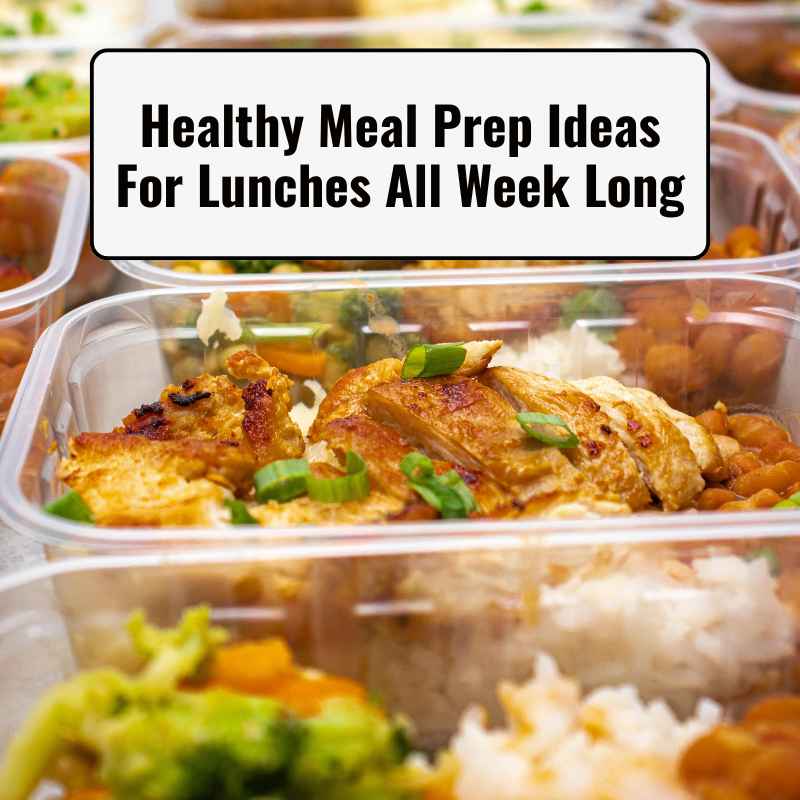
Healthy Meal Prep Ideas For Lunches All Week Long
But what if your lunches could be ready to go, nutritious, and actually delicious? What if you could avoid that last-minute scramble? That’s exactly what we’re diving into today.
We’ll explore simple, healthy meal prep ideas for your lunches. You’ll find ways to make your weekdays easier and your meals more satisfying. Get ready to feel prepared and energized!
Healthy meal prep for lunches involves preparing meals ahead of time to ensure you have nutritious and easy options available throughout the week. This approach saves time, reduces stress, and helps maintain a balanced diet, making it a practical strategy for busy individuals and families looking for convenient and wholesome meal solutions.
What is Healthy Lunch Meal Prep?
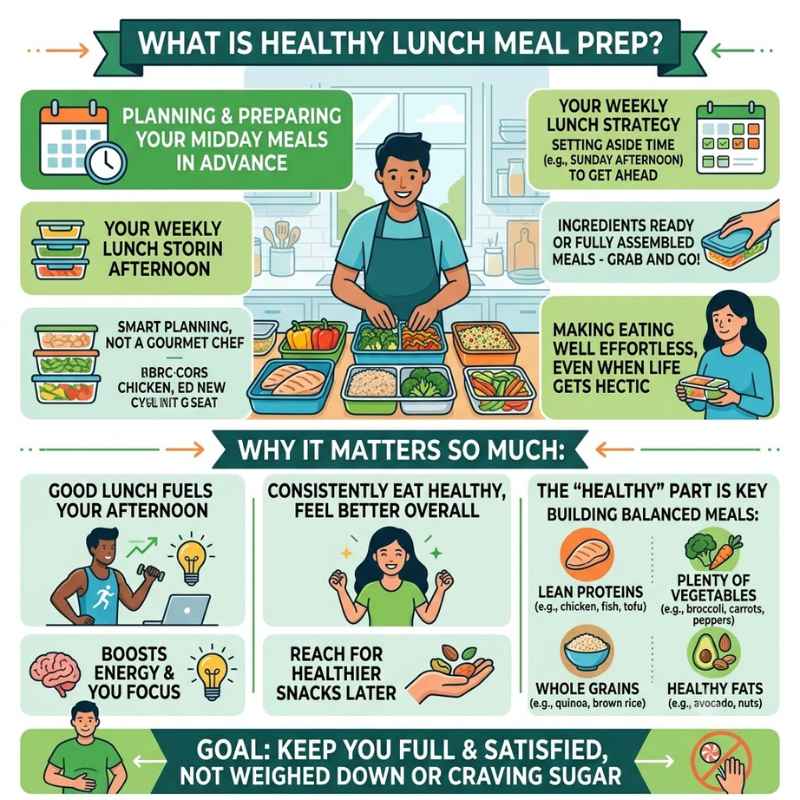
Healthy lunch meal prep is simply the act of planning and preparing your midday meals in advance. Think of it as your weekly lunch strategy. Instead of deciding what to eat each morning or buying something last minute, you set aside some time, maybe on a Sunday afternoon, to get ahead.
This isn’t about becoming a gourmet chef or spending hours in the kitchen every single day. It’s about smart planning. It means having ingredients ready, or even fully assembled meals, that you can just grab and go.
The goal is to make eating well effortless, even when life gets hectic.
Why does this matter so much? Well, a good lunch fuels your afternoon. It helps you focus.
It can boost your energy. When you consistently eat healthy lunches, you’re likely to feel better overall. You might even find yourself reaching for healthier snacks later on.
The “healthy” part is key. It means focusing on balanced meals. This includes lean proteins, plenty of vegetables, whole grains, and healthy fats.
It’s about creating meals that keep you full and satisfied, not weighed down or craving sugar an hour later. We’ll look at how to build these balanced meals easily.
My Sunday Afternoon Kitchen Adventure
I remember a time when my lunches were a disaster. Mondays were okay because I’d usually planned something over the weekend. But by Tuesday, my good intentions would start to crumble.
I’d see a leftover container of something bland and sigh. Then, I’d inevitably end up at the sandwich shop down the street, spending way too much cash on a turkey club and chips.
One Tuesday, I was rushing to a meeting. I grabbed my sad-looking salad from the fridge. As I opened it, a rogue piece of lettuce fell out, landing right on my keyboard.
I remember thinking, “This is ridiculous!” I felt so frustrated and defeated by my own lack of planning. That day, I vowed to change things.
I started small. Instead of planning elaborate meals, I focused on prepping components. I’d chop veggies.
I’d cook a batch of chicken breast. I’d hard-boil some eggs. It made a huge difference.
Suddenly, assembling a quick, healthy lunch took minutes, not a frantic search through the fridge or a hurried walk to a pricey deli. It was empowering.
Prep Like a Pro: Essential Tools
Having the right gear makes meal prep much smoother. You don’t need fancy gadgets, just a few smart items.
- Good Quality Containers: Glass or BPA-free plastic containers in various sizes are a must. Look for ones with tight-fitting lids to prevent leaks.
- Sharp Knives: A good chef’s knife and a paring knife make chopping veggies a breeze.
- Cutting Boards: Have at least two – one for meats and one for produce to avoid cross-contamination.
- Measuring Cups and Spoons: For accurate recipes and portion control.
- Baking Sheets: Great for roasting vegetables or proteins.
- Large Bowl: For mixing salads or grains.
Building Blocks of a Healthy Lunch
At its core, a healthy lunch is about balance. It’s not just throwing random foods together. It’s about creating a combination that gives you sustained energy and keeps you satisfied.
Think of it like building with LEGOs – you need the right pieces in the right places.
The main components we aim for are protein, complex carbohydrates, healthy fats, and plenty of vegetables. Let’s break these down simply.
1. Lean Protein Power
Protein is crucial for keeping you full. It also helps repair your body. Good sources include chicken breast, turkey, fish, tofu, beans, lentils, and eggs.
When you prep, cook a larger batch of your chosen protein. This can be grilled chicken breasts, baked salmon, or a pot of lentil soup.
2. Smart Carbs for Energy
Carbohydrates give you energy. We want the good kind – the ones that release energy slowly. Think whole grains like quinoa, brown rice, whole wheat pasta, and sweet potatoes.
These keep your blood sugar steady. Pre-cooking a batch of quinoa or rice makes it easy to add to any lunch bowl.
3. Healthy Fats for Fullness
Fats are not the enemy! Healthy fats help you feel satisfied. They are also important for your body.
Avocado, nuts, seeds, and olive oil are great choices. A sprinkle of nuts on a salad or a drizzle of olive oil dressing adds these healthy fats. Be mindful of portions, as fats are calorie-dense.
4. Veggies Galore
This is where you pack in vitamins, minerals, and fiber. Aim for a variety of colors. Think leafy greens like spinach and kale, bell peppers, carrots, broccoli, tomatoes, and cucumbers.
You can roast them, steam them, or eat them raw. Pre-chopped veggies are a lifesaver.
Simple Meal Prep Strategies
There are several ways to approach meal prepping. The best method for you depends on your time, your preferences, and how much you want to cook ahead.
The “Component Prep” Method
This is my favorite way to start. Instead of making full meals, you prep individual ingredients. You might bake several chicken breasts.
You’ll wash and chop a big batch of lettuce. You’ll cook a pot of brown rice. You’ll slice some bell peppers and cucumbers.
Then, each morning, you can quickly assemble your lunch. Grab some greens, add chicken, spoon in some rice, toss on some veggies, and add a healthy dressing. This method offers the most flexibility.
You can mix and match ingredients based on what you feel like that day. It takes less commitment than full meal prep.
The “Batch Cooking” Method
This involves cooking entire meals ahead of time. You might make a big pot of chili or stew. You could bake a large tray of roasted chicken and vegetables.
Or, you could prepare several servings of a specific grain bowl recipe.
You then portion these meals into individual containers. When lunch time rolls around, you just grab a container and reheat if needed. This method is super efficient if you don’t mind eating the same meal a few days in a row.
It’s perfect for busy weeks when you have almost no time.
The “Freezer Meal” Method
This is great for even longer-term prep. Many soups, stews, casseroles, and even some grain bowls freeze well. You can make a double batch of a recipe and freeze half for future lunches.
This requires a bit more planning and freezer-safe containers.
When you know a busy week is coming, you can pull a frozen meal out the night before to thaw in the fridge. This is a lifesaver when you’ve had a hectic week and didn’t get to your usual prep. It’s like having a healthy meal emergency stash.
Quick-Scan Table: Meal Prep Styles
| Style | What It Is | Best For | Pros | Cons |
|---|---|---|---|---|
| Component Prep | Prepping individual ingredients. | Flexibility, busy weeknights. | Mix-and-match variety, less daunting. | Takes a few minutes to assemble daily. |
| Batch Cooking | Cooking full meals ahead. | Time savings, structured week. | Grab-and-go ease, very efficient. | Less variety if eating same meal often. |
| Freezer Meals | Cooking and freezing meals. | Stocking up, busy future weeks. | Long-term convenience, emergency meals. | Requires freezer space and containers. |
Delicious and Easy Lunch Prep Ideas
Let’s get into some specific ideas. These are designed to be simple, adaptable, and delicious. Remember, you can swap out proteins or vegetables based on what you like and what’s in season.
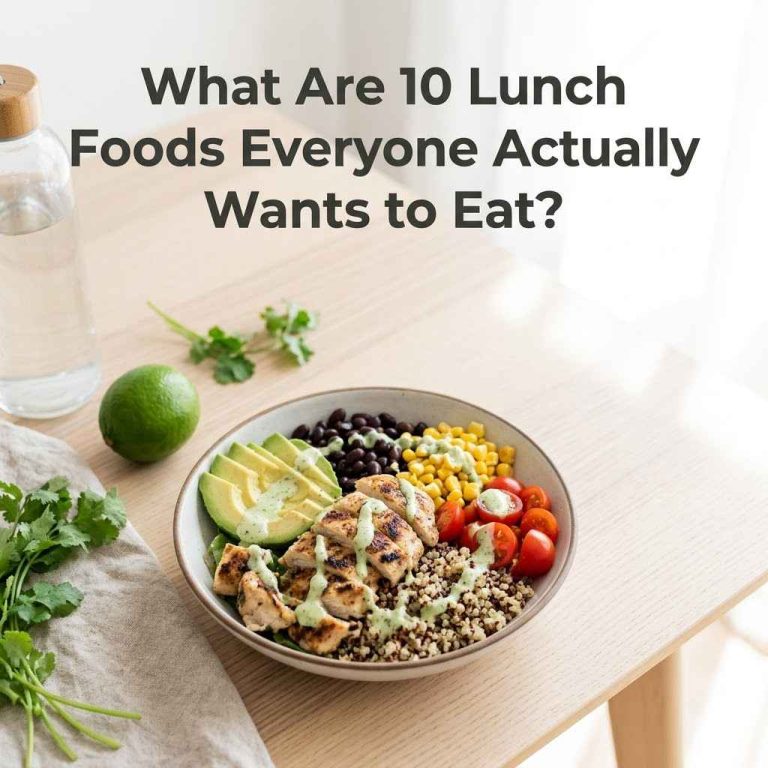
1. The Classic Chicken & Veggie Bowl
This is a go-to for a reason. It’s versatile and keeps you full.
Prep:
- Roast a batch of chicken breasts. Season them simply with salt, pepper, and garlic powder.
- Cook a big pot of quinoa or brown rice.
- Chop fresh veggies like cucumber, bell peppers, and cherry tomatoes.
- Wash a big bag of spinach or mixed greens.
- Make a simple vinaigrette: olive oil, vinegar (red wine or balsamic), Dijon mustard, salt, and pepper.
Assembly: In your container, place a bed of greens. Add a scoop of quinoa or rice. Top with sliced chicken breast.
Add your chopped veggies. Drizzle with dressing right before eating or pack it separately.
Variations: Swap chicken for baked salmon, tofu, or chickpeas. Use roasted sweet potatoes instead of grains. Add a handful of nuts or seeds for crunch and healthy fats.
2. Mediterranean Quinoa Salad
This salad is vibrant and packed with flavor. It’s great cold, which is perfect for lunches.
Prep:
- Cook quinoa.
- Chop cucumbers, red onion, bell peppers, and Kalamata olives.
- Drain and rinse a can of chickpeas.
- Chop fresh parsley and mint.
- Make a lemon-herb dressing: olive oil, lemon juice, dried oregano, salt, and pepper.
Assembly: Combine quinoa, chickpeas, chopped veggies, and herbs in a large bowl. Toss with the dressing. Portion into containers.
You can add a dollop of hummus or feta cheese if you like.
Variations: Add grilled chicken or shrimp. Use a different grain like farro. Add some sun-dried tomatoes for extra flavor.
3. Lentil Soup with Whole Grain Bread
Hearty, filling, and budget-friendly. Lentil soup is a fantastic make-ahead option.
Prep:
- Make a big pot of your favorite lentil soup. Include lots of vegetables like carrots, celery, and onions.
- Ensure it’s well-seasoned with herbs like thyme and bay leaves.
- Once cooled, portion the soup into individual, freezer-safe containers.
Assembly: On lunch day, grab a container of soup and reheat it. Serve with a slice of whole-grain bread or a side salad.
Variations: Add a squeeze of lemon juice before serving. Stir in some spinach at the end of cooking for extra greens. You can also add shredded chicken or a piece of sausage for more protein.
4. Tuna or Chickpea Salad Wraps
A quick and easy protein option that doesn’t require much cooking.
Prep:
- For tuna salad: drain canned tuna and mix with Greek yogurt (instead of mayo), chopped celery, red onion, and a little Dijon mustard. Season with salt and pepper.
- For chickpea salad: mash canned chickpeas and mix with the same ingredients as tuna salad.
- Wash and dry lettuce leaves or whole wheat tortillas.
Assembly: Spoon the tuna or chickpea salad into lettuce cups or wrap it in a tortilla. Pack with a side of baby carrots or apple slices.
Variations: Add chopped pickles or capers to the salad. Mix in some chopped hard-boiled egg for extra protein. You can also add a sprinkle of curry powder for a different flavor profile.
Insight Panel: The Power of Greens
Why Greens? Leafy greens like spinach, kale, and romaine are nutritional powerhouses. They are low in calories but packed with vitamins A, C, and K, plus folate and fiber. They keep you feeling full and aid digestion.
Prep Tip: Wash and thoroughly dry your greens after buying them. Storing them in a container with a paper towel can help absorb excess moisture and keep them fresh longer.
5. Baked Salmon with Roasted Broccoli and Sweet Potato
A more substantial meal that reheats beautifully.
Prep:
- Cut sweet potatoes into cubes. Toss with olive oil, salt, pepper, and paprika. Roast until tender.
- Cut broccoli into florets. Toss with olive oil, salt, and pepper. Roast until tender-crisp.
- Season salmon fillets with salt, pepper, and lemon slices. Bake until cooked through.
Assembly: Portion a piece of salmon, some roasted broccoli, and sweet potato into your containers. You can add a small dollop of plain Greek yogurt or a lemon wedge for serving.
Variations: Use cod or other white fish instead of salmon. Swap broccoli for asparagus or green beans. Add a sprinkle of everything bagel seasoning to the roasted vegetables.
6. Black Bean Burgers on Whole Wheat Buns
A satisfying vegetarian option that’s great for lunches.
Prep:
- Make or buy your favorite black bean burgers.
- Cook them until they are nicely browned.
- If packing as a burger, ensure they are cooled. You can also crumble them.
- Prepare toppings like lettuce, tomato, and onion.
Assembly: Assemble the burger on a whole wheat bun. Pack the burger and bun separately if you don’t want the bun to get soggy. You can also crumble the cooked burger over a salad or a bed of rice.
Variations: Add salsa or avocado as a topping. Serve with a side of corn or a small salad.
Contrast Matrix: Meal Prep Myths vs. Reality
| Myth | Reality |
|---|---|
| Meal prep takes hours and hours. | It can be done in 1-2 hours, especially with component prep. |
| You have to eat the same boring thing every day. | Variety is key! Mix ingredients, sauces, and proteins. |
| It’s expensive to buy ingredients for meal prep. | Often cheaper than buying lunches daily, especially if using pantry staples and seasonal produce. |
| Meal prep is only for athletes or people on strict diets. | Anyone can benefit from having healthy, ready-to-eat meals. |
Tips for Success and Avoiding Pitfalls
Meal prepping is a skill that gets easier with practice. Here are some tips to help you succeed and avoid common mistakes.
Start Small and Be Realistic
Don’t try to prep every single meal for the entire week on your first attempt. Begin with lunches for 2-3 days. Once you get comfortable, you can expand.
Choose recipes you know you enjoy. This makes it less of a chore and more of a treat.
Invest in Good Containers
This is worth repeating. Having a variety of well-sealing containers is essential. Glass containers are great for reheating.
Make sure you have some smaller ones for dressings or dips.
Proper Storage is Key
Cool food completely before sealing and storing it in the refrigerator. This helps prevent bacterial growth. Most prepped meals are good for 3-4 days in the fridge.
If you prep more than that, consider freezing some portions.
Don’t Forget Flavor
Plain food gets boring fast. Use herbs, spices, sauces, and dressings to add interest. Pack dressings separately to avoid soggy salads or meals.
Lemon juice, hot sauce, or a sprinkle of chili flakes can also liven things up.
Listen to Your Body
Meal prep is about making healthy eating easier, not adding stress. If you’re not feeling up to a big prep session, do a quick component prep. Chop some veggies, cook some eggs.
Even small steps help.
Observational Flow: The Weekly Prep Cycle
Saturday Morning: Browse recipes, make a grocery list, and plan your meals for the week.
Saturday Afternoon: Go grocery shopping.
Sunday Afternoon (or chosen prep day): Wash and chop produce. Cook grains, proteins, or entire meals. Portion into containers.
Monday Morning: Grab your prepped lunch and go!
Mid-week Check: Assess remaining prepped meals. If needed, do a quick prep session for the end of the week.
When is it Normal, and When to Worry?
Most of the time, having prepped meals is a sign of good planning. However, there are a few things to keep in mind for safety and enjoyment.
Food Safety First
The biggest concern with any food preparation is food safety. Always cook foods to the proper internal temperatures. Make sure your hands, utensils, and surfaces are clean.
Refrigerate perishable foods within two hours of cooking.
Leftovers are generally safe to eat for 3-4 days when stored properly in the refrigerator. If something smells off, looks strange, or you have doubts, it’s always best to throw it out. Don’t take chances with your health.
Variety Keeps it Interesting
While eating the same meal a few days in a row is efficient, it can become monotonous. If you find yourself dreading your lunch, it’s a sign to mix things up. This is where component prepping can be a lifesaver, allowing you to combine ingredients differently.
If you have specific dietary needs or health conditions, always consult with a doctor or a registered dietitian. They can provide personalized advice on meal prepping and nutrition that is safe and effective for you.
Quick Fixes & Tips for Grab-and-Go
Sometimes, you don’t have time for a full prep session, or you need to supplement what you’ve already made. These quick ideas can save the day.
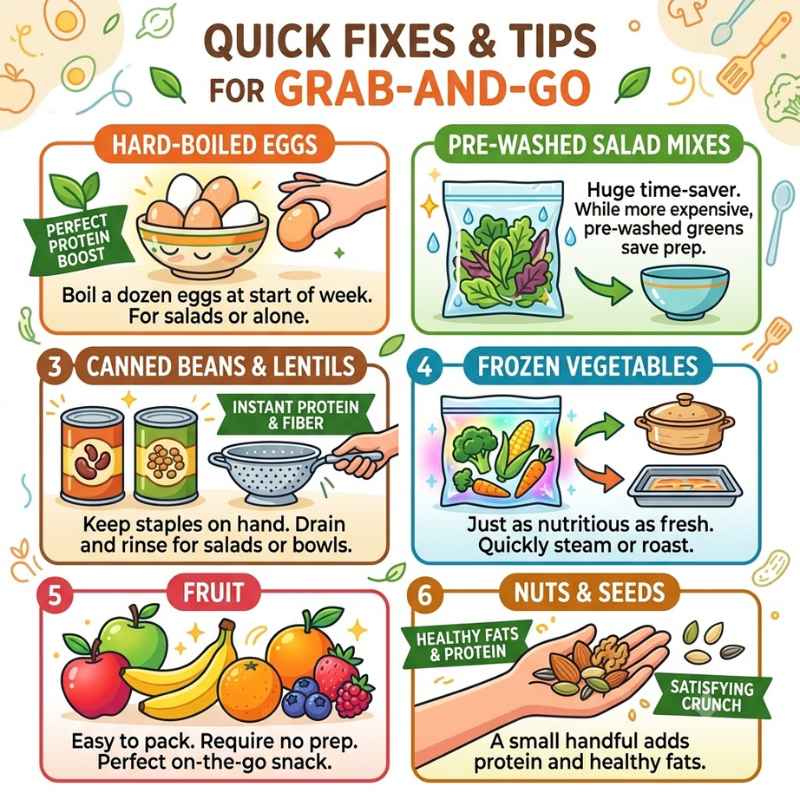
- Hard-Boiled Eggs: Boil a dozen eggs at the start of the week. They are a perfect protein boost for salads or to eat on their own.
- Pre-Washed Salad Mixes: While sometimes more expensive, pre-washed greens can be a huge time-saver.
- Canned Beans and Lentils: Keep these staples on hand. Drain and rinse them for an instant protein and fiber source for salads or bowls.
- Frozen Vegetables: These are just as nutritious as fresh and can be quickly steamed or roasted.
- Fruit: Apples, bananas, oranges, and berries are all easy to pack and require no prep.
- Nuts and Seeds: A small handful provides healthy fats and protein, plus a satisfying crunch.
Frequently Asked Questions About Lunch Meal Prep
What is the easiest way to start meal prepping lunches?
The easiest way to start is with “component prep.” This means cooking individual ingredients like chicken breast, grains (rice or quinoa), and chopping vegetables. Then, you can quickly assemble your lunch each day by combining these prepped items. It offers flexibility and is less overwhelming than cooking full meals ahead of time.
How long can I store prepped lunches in the refrigerator?
Generally, prepped meals are safe to consume for 3 to 4 days when stored properly in airtight containers in the refrigerator. Always cool food completely before sealing and refrigerating. If a meal is more than 4 days old, it’s best to discard it to avoid any risk of foodborne illness.
What are the best containers for meal prep?
High-quality, airtight containers are essential. Glass containers are excellent because they are durable, microwave-safe, and easy to clean. BPA-free plastic containers are a lighter and often more budget-friendly option.
Having a variety of sizes allows you to store different types of meals and components.
How can I make my meal-prepped salads stay fresh and not soggy?
To prevent soggy salads, always store your dressing separately. Pack your greens and other salad ingredients in one container. Put dressing in a small separate container or a leak-proof bag.
Add the dressing right before you plan to eat your salad to keep it crisp.
I’m vegetarian. What are some good meal prep ideas for lunch?
Vegetarian meal prep can be delicious! Try lentil soup, chickpea salad sandwiches or wraps, black bean burgers, hearty vegetable and bean stews, or grain bowls with roasted vegetables and tofu or tempeh. Quinoa salads with beans and lots of veggies are also great options.
What if I don’t like eating the same lunch every day?
Variety is key! Embrace the “component prep” method. Cook a large batch of protein (like chicken or beans) and a large batch of a grain (like rice).
Then, each day, combine them with different fresh vegetables, sauces, and seasonings. This allows for endless combinations without cooking new meals daily.
Wrapping Up: Your Week, Simplified
Taking the time to prep your lunches is an investment in yourself. It saves time, reduces stress, and makes healthy eating a breeze. You’ll feel more in control of your day and better fueled for whatever comes your way.
Start simple, find what works for you, and enjoy the delicious, healthy meals you create. Your future self will thank you for it!