Vegetarian Meal Prep Lunches Full Of Flavor
Vegetarian meal prep lunches focus on combining plant-based ingredients like grains, legumes, vegetables, and fruits into ready-to-eat meals. They aim for balanced nutrition and exciting tastes, making it simple to eat well during the busy week without sacrificing flavor or freshness.
What Makes a Vegetarian Lunch Exciting?
It’s easy to think vegetarian means boring. But that couldn’t be further from the truth! The world of plant-based cooking is incredibly vibrant.
Think about all the colors, textures, and tastes you can explore. You’ve got earthy mushrooms, bright bell peppers, creamy avocados, hearty lentils, and sweet potatoes. These ingredients are the building blocks of amazing meals.
The magic happens when you combine them with the right spices, herbs, and cooking methods. It’s about transforming simple foods into something truly special. When you prepare these lunches ahead of time, you give yourself a gift.
You ensure that no matter how hectic your day gets, a flavorful, satisfying meal is waiting for you. This isn’t just about saving time; it’s about actively choosing to nourish yourself with food that makes you feel good.
The Core of Flavor: Vegetarian Staples
Grains: Quinoa, brown rice, farro, barley. These add chew and substance.
Legumes: Lentils, chickpeas, black beans, kidney beans. They bring protein and creaminess.
Vegetables: Broccoli, spinach, sweet potatoes, carrots, bell peppers, zucchini. For color, vitamins, and crunch.
Healthy Fats: Avocado, nuts, seeds, olive oil. For richness and satiety.
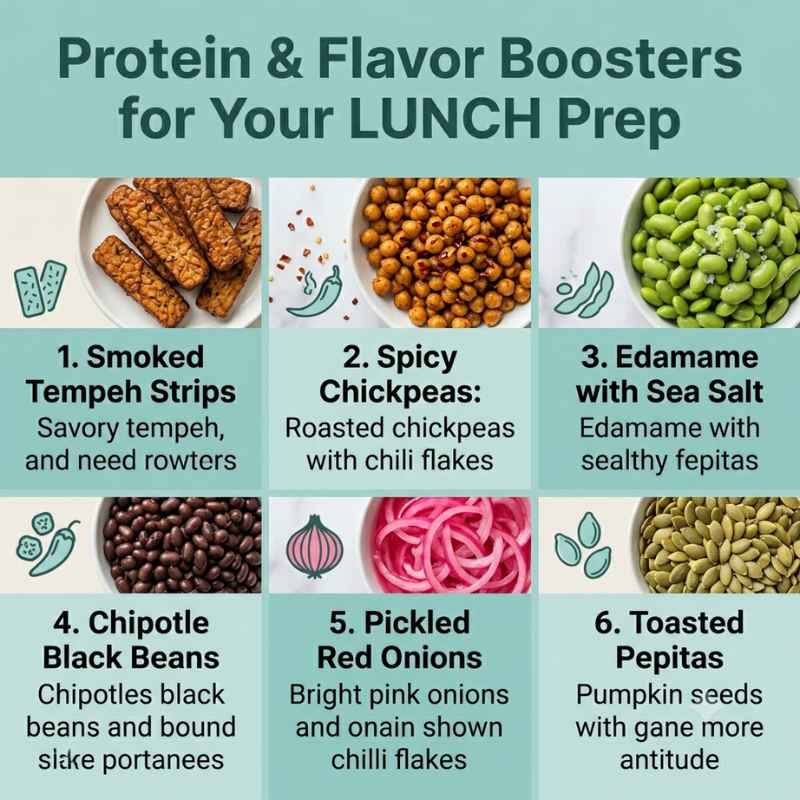
Flavor Boosters: Herbs, spices, lemon juice, vinegars, sauces. These are key to making it delicious.
My Own Lunchtime Revelation
I remember a time when my lunches were a disaster. I’d rush in the morning, grab whatever was easiest, and then spend my break feeling… meh. Often, I’d skip lunch altogether.
This led to afternoon slumps and bad snacking choices. I decided I needed a change. I started experimenting with vegetarian recipes, focusing on things I could make ahead.
My first attempts were okay, but they lacked a certain spark. I was just throwing things together. Then, one Tuesday, I made a big batch of lentil soup with roasted sweet potatoes on the side.
It was simple. But I added smoked paprika to the soup and a drizzle of maple syrup on the potatoes. It was a game-changer.
That lunch tasted so good, I actually felt excited to eat it. It wasn’t just fuel; it was enjoyable. From then on, I committed to making my prepped lunches exciting.
It felt like unlocking a secret to better weekdays.
Building Blocks of a Delicious Vegetarian Meal Prep Lunch
Creating amazing vegetarian lunches isn’t about complicated recipes. It’s about smart choices and thoughtful combinations. We want meals that hold up well for a few days.
We also want them to be packed with flavor and nutrients. Let’s break down what goes into a fantastic prep-ahead meal. Think about balance.
You need a good base, a protein source, plenty of veggies, and something to tie it all together with flavor.
Choosing Your Grain Base
Grains are the foundation of many satisfying meals. They give you energy and a great texture. For meal prep, it’s best to pick grains that don’t get too mushy after a few days.
Quinoa is a superstar. It stays firm and has a lovely nutty taste. Brown rice is another good choice, but make sure it’s cooked properly so it’s not too dry.
Farro and barley are fantastic for their chewy texture, making salads and bowls feel more substantial. You can also cook a big batch of your favorite grain at the start of the week. Then, you can use it in different ways throughout your lunches.
Quick Grain Prep Tips
Rinse Thoroughly: Always rinse quinoa or other grains before cooking. This removes saponin, which can taste bitter.
Cook in Broth: Use vegetable broth instead of water for extra flavor.
Cool Properly: Let grains cool completely before storing. This helps prevent them from becoming gummy.
Fluff with a Fork: After cooking, fluff your grains with a fork to separate them.
Power Up with Plant-Based Protein
Protein is super important. It keeps you feeling full and satisfied. For vegetarian meals, there are so many wonderful protein sources.
Lentils are incredibly versatile. They can be used in soups, stews, salads, and even as a base for veggie burgers. Chickpeas are another favorite.
They add a lovely texture and can be mashed, roasted, or added whole to dishes. Black beans and kidney beans are also excellent. Don’t forget about tofu and tempeh!
These can be marinated and baked or pan-fried to add a great bite. Edamame is also a simple way to add protein and a pop of green color.
Protein Pairings for Flavor
Lentils & Root Veggies: Hearty and warming, great with cumin and coriander.
Chickpeas & Greens: Think Mediterranean. Lemon, garlic, and herbs like parsley or mint.
Black Beans & Corn: Southwestern flair. Chili powder, lime, and cilantro.
Tofu/Tempeh & Stir-fry Veggies: Soy sauce, ginger, and a touch of sesame oil.
The Colorful World of Vegetables
This is where your lunch gets exciting visually and nutritionally. Aim for a variety of colors. This ensures you’re getting a wide range of vitamins and minerals.
Roasted vegetables are fantastic for meal prep because they caramelize and develop a deep sweetness. Think broccoli, cauliflower, Brussels sprouts, sweet potatoes, carrots, and bell peppers. They taste great even when cold.
Leafy greens like spinach, kale, and arugula are also easy to add. You can toss them into salads, grain bowls, or wilt them slightly into warm dishes. Don’t be afraid to mix raw and cooked veggies.
This adds different textures.
Roasting for Maximum Flavor
High Heat: Roast veggies at 400-425°F (200-220°C) for good caramelization.
Don’t Crowd the Pan: Give veggies space so they roast instead of steam.
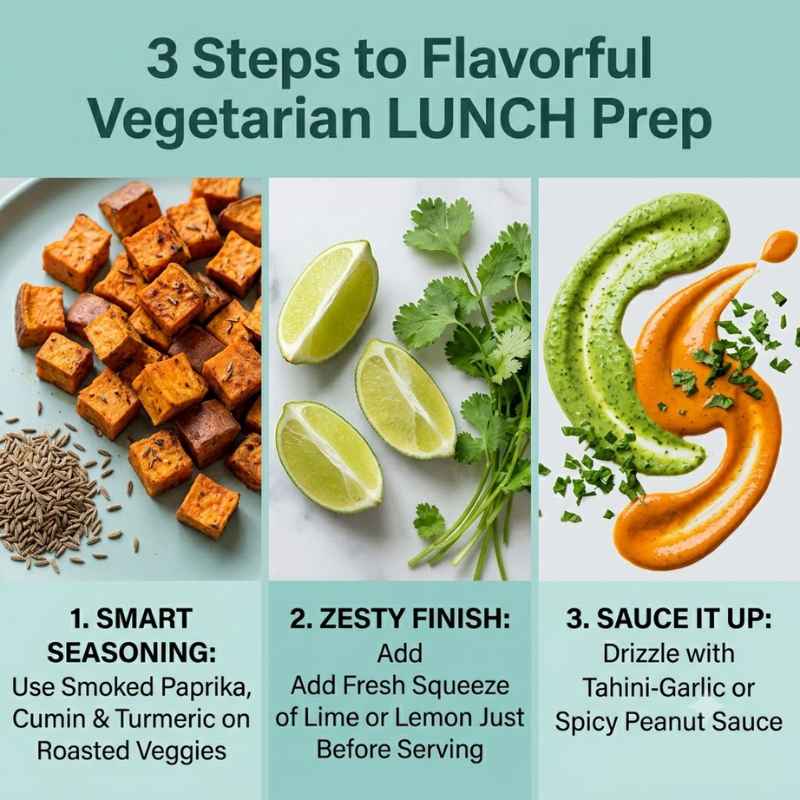
Season Well: A little olive oil, salt, pepper, and your favorite spices make a big difference.
Cool Before Storing: Let roasted veggies cool completely before packing to avoid sogginess.
Flavor Boosters: The Secret Sauce
This is the most crucial part of making your vegetarian meal prep lunches sing. Without bold flavors, even the best ingredients can fall flat. Spices are your best friend.
Cumin, coriander, paprika, chili powder, turmeric, and curry powder can transform a dish. Fresh herbs add brightness. Think parsley, cilantro, mint, basil, and dill.
Lemon or lime juice provides a zesty kick. Vinegars add a pleasant tang. Sauces and dressings are also key.
A simple vinaigrette, a tahini dressing, or a peanut sauce can elevate your whole meal. Don’t be shy with garlic and onion, too. They are foundational to so many delicious flavors.
Easy Dressing & Sauce Ideas
Lemon-Tahini: Tahini, lemon juice, garlic, water to thin. Great on bowls.
Maple-Mustard Vinaigrette: Olive oil, apple cider vinegar, Dijon mustard, maple syrup, salt, pepper. Perfect for salads.
Spicy Peanut Sauce: Peanut butter, soy sauce, lime juice, sriracha, honey/maple syrup, ginger. Amazing with noodles or bowls.
Herby Yogurt Dressing: Greek yogurt, lemon juice, chopped herbs (dill, parsley), garlic powder. Good with roasted veggies.
Putting It All Together: Meal Prep Lunch Ideas
Now, let’s get practical. How do you combine these elements into actual lunch recipes? Here are some popular and delicious vegetarian meal prep lunch ideas that are packed with flavor and easy to assemble.
These focus on components that travel well and taste great even after a few days.
1. Mediterranean Quinoa Bowls
This is a vibrant and fresh option. Start with a base of cooked quinoa. Add a protein like chickpeas or seasoned baked tofu.
Load up on chopped cucumbers, bell peppers, cherry tomatoes, and Kalamata olives. A sprinkle of fresh parsley and a dollop of hummus or a lemon-tahini dressing finishes it off perfectly. The key here is the freshness of the veggies and the tangy dressing.
Mediterranean Bowl Components
- Base: Quinoa
- Protein: Chickpeas, baked tofu
- Veggies: Cucumber, bell pepper, tomato, olives
- Flavor: Fresh parsley, lemon-tahini dressing, hummus
2. Hearty Lentil Shepherd’s Pie Jars
This is comfort food in a jar! Start with a savory lentil and vegetable base. Think carrots, peas, and onions simmered in a rich, herby gravy.
Top this with a layer of creamy mashed sweet potatoes or regular mashed potatoes. You can make these in individual mason jars. This keeps the layers separate until you’re ready to eat.
The smoky, earthy flavors of the lentils pair beautifully with the sweet topping.
Shepherd’s Pie Jar Layers
- Bottom Layer: Savory lentil and vegetable mixture
- Top Layer: Mashed sweet potato or regular potato
- Seasoning: Thyme, rosemary, vegetable broth
3. Spicy Black Bean and Sweet Potato Burrito Bowls
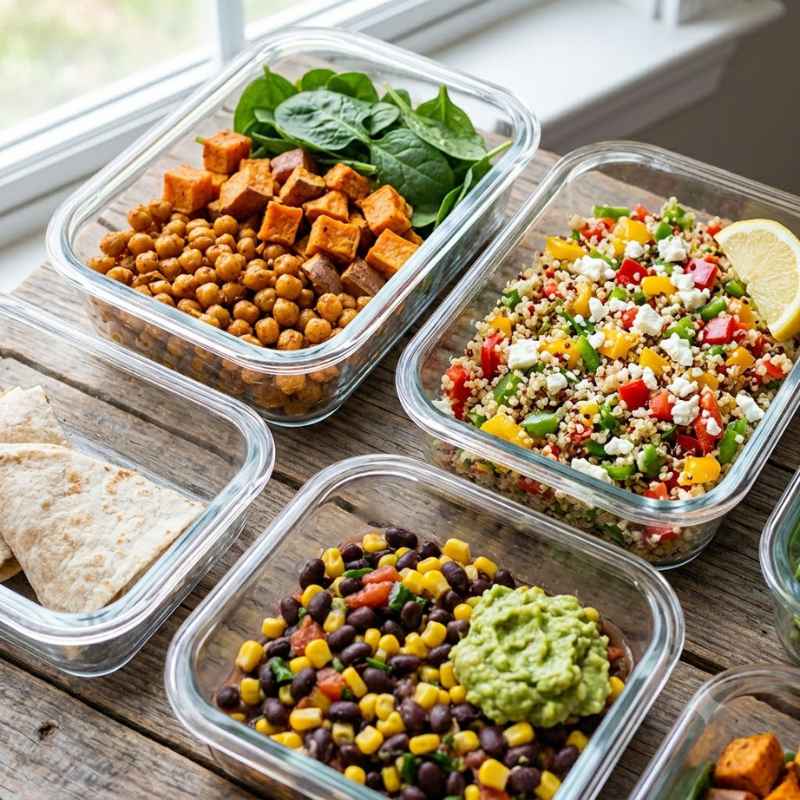
These bowls are a fiesta of flavor. Start with a base of brown rice or quinoa. Add seasoned black beans and roasted sweet potato cubes.
Top with corn, chopped red onion, and maybe some avocado if you’re packing it fresh. A drizzle of a lime-cilantro dressing or a smoky chipotle sauce brings it all together. The sweetness of the potato, the earthiness of the beans, and the zing of lime make these incredibly satisfying.
4. Curried Chickpea and Spinach Salad
This salad is bright, flavorful, and packed with protein. Combine cooked chickpeas with chopped celery, red onion, and fresh spinach. Toss with a creamy curry-spiced dressing.
This dressing can be made with Greek yogurt or a cashew-based alternative, mixed with curry powder, a squeeze of lemon, and a touch of honey or maple syrup. Serve this over a bed of mixed greens or with a side of whole-grain crackers. The warmth of the curry spices is incredibly comforting.
5. Peanut Noodle Salad with Edamame
This is a fantastic option for when you want something a little different. Use whole wheat spaghetti or soba noodles as your base. Toss them with steamed edamame, shredded carrots, and chopped bell peppers.
The star is a rich and creamy peanut sauce made with peanut butter, soy sauce, rice vinegar, a bit of ginger, and sriracha for heat. This salad is great served cold and the noodles absorb the sauce beautifully.
Real-World Considerations for Meal Prep Lunches
Life happens, and sometimes our best meal prep intentions go awry. Thinking about how these meals will fit into your actual week is important. What kind of work environment do you have?
Do you have access to a microwave or just a fridge? These details can influence what you decide to prep. For example, if you don’t have a microwave, you’ll want to focus on dishes that are delicious served cold or at room temperature, like salads, wraps, or chilled noodle bowls.
Packability and Temperature
When you’re packing your lunches, think about how they’ll travel. Invest in good quality, leak-proof containers. Glass containers are great for reheating.
If you’re packing something warm, make sure it’s cooled down properly before sealing to avoid condensation, which can make things soggy. If you’re bringing something that should stay cold, like a salad with a creamy dressing, make sure you have an insulated lunch bag and a small ice pack.
Texture Retention
Some foods don’t hold up well over several days. For instance, delicate herbs can wilt, and crunchy elements like croutons or nuts can get soggy. A good strategy is to pack these items separately and add them right before you eat.
For example, keep salad dressings in small separate containers, or add nuts and seeds to your salad just before you dig in. This little step can make a big difference in how fresh your lunch tastes.
Food Safety
This is paramount. Always cool food completely before refrigerating. Refrigerate your prepped meals within two hours of cooking.
Most prepped vegetarian meals are good for about 3-4 days in the refrigerator. If you’re preparing meals for a longer stretch, consider freezing some portions. Soups, stews, and grain bowls often freeze very well.
When in doubt, trust your senses – if something smells or looks off, it’s best to discard it. Following basic food safety guidelines ensures your delicious lunches are also safe to eat.
What This Means for Your Weekday Routine
The goal of vegetarian meal prep lunches is to simplify your life. It’s about reclaiming your lunch break from stress and turning it into a moment of enjoyment and nourishment. When you have a well-prepped lunch waiting, you reduce decision fatigue during the busiest parts of your day.
You’re less likely to grab unhealthy convenience foods when you’re hungry and rushed. This can lead to better energy levels, improved focus, and a greater sense of control over your diet. It’s a proactive step towards a healthier lifestyle that doesn’t feel like a chore.
It’s about making delicious, healthy eating accessible, even on your busiest days.
When is it Normal to Prep Lunches?
It’s normal to prep lunches whenever it fits your schedule and makes your life easier. Many people find Sunday or Monday mornings are good times to do a big prep session for the week ahead. Others prefer to do smaller batches mid-week.
The key is to find a rhythm that works for you. If you’re new to it, start small. Prep just two or three lunches to see how you like it.
As you get more comfortable, you can scale up.
When Should You Rethink Your Prep?
If your prepped lunches are consistently ending up uneaten, uneaten, or you dread eating them, it’s time to rethink. Maybe the flavors aren’t working for you, or the textures are off. Perhaps you’re just not enjoying the types of meals you’re prepping.
This is a sign to experiment with new recipes or ingredients. Meal prep should be enjoyable, not a burden. If it feels like a chore, something needs to change.
Maybe you need simpler recipes, or perhaps you need to involve someone else in the process.
Quick Tips for Flavorful Vegetarian Meal Prep
Here are some simple, actionable tips to boost the flavor in your vegetarian meal prep lunches. These are small changes that can have a big impact on your enjoyment.
- Toast Your Spices: Briefly toasting whole spices before grinding or adding them to cooking can unlock deeper flavors.
- Add Acidity: A squeeze of lemon or lime juice, or a splash of vinegar, right before eating can brighten up any dish.
- Fresh Herbs are Gold: Even a small amount of fresh cilantro, parsley, or mint added at the end can make a meal feel much fresher and more vibrant.
- Don’t Fear Fat: Healthy fats from avocado, nuts, seeds, or olive oil add richness and mouthfeel that makes meals more satisfying.
- Umami Boosters: Ingredients like mushrooms, nutritional yeast, soy sauce, or tomato paste can add a savory depth (umami) that’s often missing in vegetarian cooking.
- Layer Your Flavors: Think about building flavors at different stages. Sauté onions and garlic, then add spices, then your main ingredients, and finish with fresh herbs or a sauce.
- Roast for Sweetness: Roasting vegetables like sweet potatoes, carrots, and bell peppers brings out their natural sweetness and creates lovely caramelized edges.
- Experiment with Sauces: A great sauce or dressing can turn a simple bowl into something extraordinary. Make a few different ones each week.
Frequently Asked Questions About Vegetarian Meal Prep Lunches
The Joy of a Prepared and Flavorful Lunch
Taking the time to prep your vegetarian lunches is more than just cooking. It’s an act of self-care. It’s about setting yourself up for success during the week.
When you have delicious, flavorful meals ready to go, you make healthier choices easier. You save money and time. Most importantly, you get to enjoy your break.
You can sit down and savor a meal that’s good for your body and your spirit. Don’t let the idea of meal prep feel overwhelming. Start with simple recipes.
Focus on flavors you love. You’ll soon discover how rewarding it is to have tasty vegetarian lunches waiting for you each day.