Easy Healthy Meal Prep Lunches For Work All Week
Easy healthy meal prep lunches for work involve simple recipes that can be made ahead of time. Focus on whole foods like lean proteins, fresh vegetables, and complex carbohydrates. These lunches offer balanced nutrition and save time during busy workdays, ensuring you eat well consistently.
Understanding Healthy Meal Prep
Meal prep means preparing your food in advance. This is usually done on a specific day, like a Sunday. You cook or chop ingredients.
Then, you assemble meals for the days ahead. For work lunches, this saves time each morning. It also helps you eat healthier.
You control what goes into your food. This avoids unhealthy takeout or processed snacks. Proper meal prep can change your work week.
It reduces stress and makes healthy eating easy.
Why is this so important for your lunch? Think about your typical workday. Mornings are often rushed.
You might hit snooze one too many times. Then, you’re scrambling to get ready. Packing a lunch seems like another chore.
So, you might skip it. Or, you grab something quick from a nearby cafe. Those options can be pricey.
They can also be full of unhealthy fats, sugar, or salt. They might not keep you full for long. This can lead to an energy slump in the afternoon.
You might feel tired or unfocused.
Healthy meal prep tackles these issues head-on. By preparing your meals ahead of time, you ensure you have a good lunch waiting for you. It’s like a gift to your future self.
You’ve already done the work. All you need to do is grab it and go. This simple act can boost your mood and your energy.
It helps you feel more in control of your day.
The core idea is simple: planning and preparation. It’s not about becoming a gourmet chef overnight. It’s about smart, easy steps.
We want to make sure you feel good about what you’re eating. We want it to fuel your day. We want it to taste great too.
Let’s explore how to make this a reality for your work week.

My Own Lunchtime Wake-Up Call
I remember a time when my work lunches were a disaster. It was a Tuesday, I think. I had an important meeting at 10 AM.
I rushed out the door with just my laptop bag. By noon, my stomach was growling. I went to the office vending machine.
I grabbed a bag of chips and a sugary soda. It was quick, but I felt awful afterward. My stomach felt heavy.
I was sluggish for the rest of the afternoon. I kept telling myself, “This isn’t sustainable.”
That evening, I sat down and thought about it. I was spending money on junk food. I felt tired and unhealthy.
I knew I could do better. I started looking into meal prep. At first, it seemed overwhelming.
All those fancy recipes online looked like too much work. I thought I needed special containers. I imagined spending hours in the kitchen.
But I decided to start small. I made one simple salad. I put it in a plastic container I already had.
The next day, I had a healthy lunch. It felt like a victory. Slowly, I built on that success.
I learned what worked for me. I found simple recipes. Now, I can’t imagine going back.
Simple Steps to Start Your Meal Prep Journey
Step 1: Choose Your Meals. Pick 2-3 simple recipes for the week.
Step 2: Make a List. Write down all the ingredients you need.
Step 3: Go Shopping. Buy only what’s on your list.
Step 4: Prep Day! Set aside a few hours. Wash, chop, and cook.
Step 5: Pack Up. Portion your meals into containers.
Step 6: Enjoy! Grab and go each morning.
Building Blocks of a Healthy Lunch
A truly healthy lunch needs a few key parts. Think of them as the essential players on your team. They work together to give you energy and keep you full.
We’re talking about lean proteins, good carbs, healthy fats, and lots of colorful veggies.
First, lean protein. This is super important. Protein helps you feel full longer.
It also helps build and repair your body. Good sources include chicken breast, turkey, fish like salmon or tuna, beans, lentils, tofu, and eggs. These keep your energy steady.
They prevent that afternoon slump.
Next, we have complex carbohydrates. These are your energy providers. They release energy slowly.
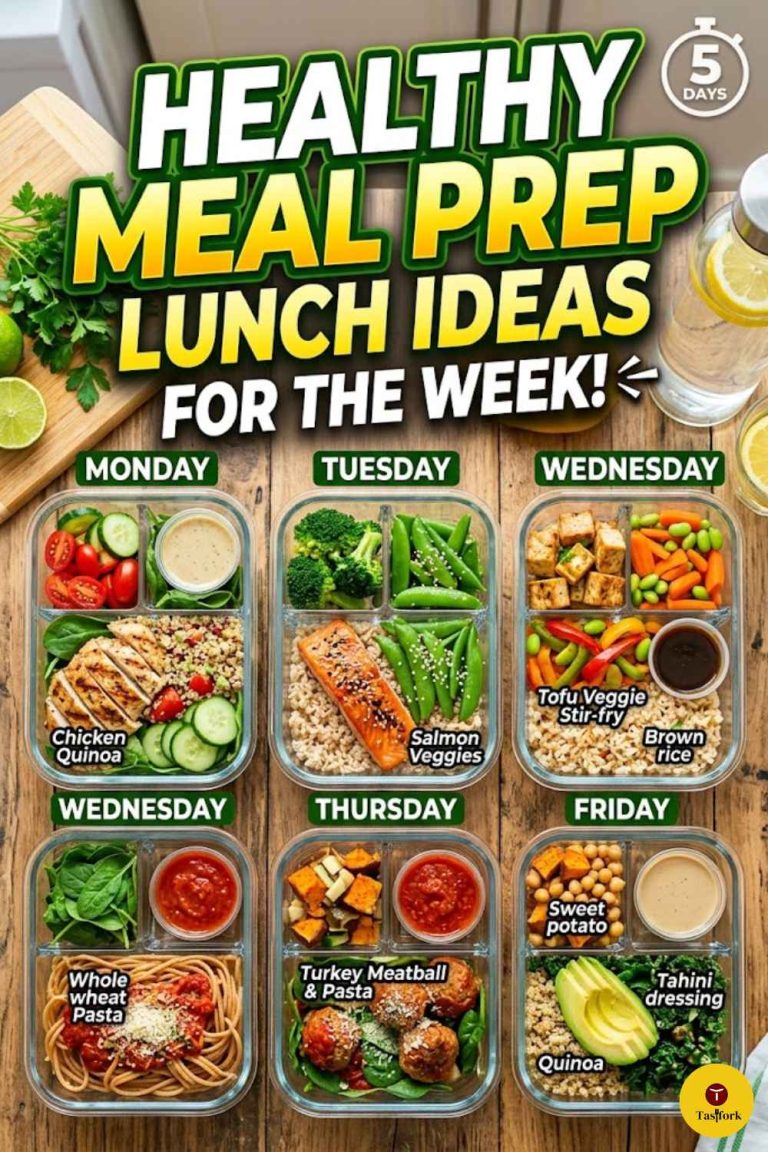
This keeps you going all afternoon. Forget white bread or sugary snacks. Think brown rice, quinoa, whole wheat pasta, sweet potatoes, and oats.
These are the slow-burn fuels your body loves.
Don’t forget healthy fats. Fats are not the enemy! They are vital for brain health and absorbing vitamins.
They also help you feel satisfied. Good choices are avocados, nuts, seeds, and olive oil. A small amount goes a long way.
And finally, the stars of the show: vegetables and fruits. Load up on these! They are packed with vitamins, minerals, and fiber.
Fiber is key for digestion and feeling full. Aim for a rainbow of colors. Think dark leafy greens like spinach or kale.
Add bell peppers, broccoli, carrots, tomatoes, berries, apples, or oranges. The more variety, the better.
When you put these building blocks together, you create a balanced meal. It’s not just about eating less. It’s about eating smarter.
It’s about giving your body the fuel it needs to thrive. This combination helps you avoid hunger pangs. It keeps your mind sharp for work tasks.
It makes you feel good from the inside out.
The “Plate Method” for Lunch
Imagine your lunch plate:
- Half the plate: Non-starchy vegetables (like salad greens, broccoli, peppers, carrots).
- One quarter of the plate: Lean protein (like chicken, fish, beans, tofu).
- One quarter of the plate: Complex carbohydrates (like brown rice, quinoa, whole wheat pasta, sweet potato).
- A small addition: Healthy fats (like avocado slices, a few nuts, or a drizzle of olive oil dressing).
This simple visual guide ensures balance.
Easy Prep-Ahead Lunch Recipes
Now, let’s get to the fun part: actual recipes! These are designed for simplicity and speed. They use common ingredients.
You can whip them up on your prep day. They are delicious cold or slightly warmed.
1. Sheet Pan Lemon Herb Chicken and Veggies
This is a winner because everything cooks on one pan. Less cleanup! You get your protein and veggies all at once.
Ingredients:
- 2 boneless, skinless chicken breasts
- 1 cup broccoli florets
- 1 cup chopped bell peppers (any color)
- 1 cup chopped zucchini
- 2 tablespoons olive oil
- 1 tablespoon lemon juice
- 1 teaspoon dried Italian herbs
- Salt and pepper to taste
Instructions:
Preheat your oven to 400°F (200°C). Cut the chicken breasts into bite-sized pieces. In a large bowl, toss the chicken and all the vegetables with olive oil, lemon juice, Italian herbs, salt, and pepper.
Spread everything in a single layer on a baking sheet. Bake for 20-25 minutes, or until the chicken is cooked through and the vegetables are tender. Let it cool completely before dividing into containers.
This dish is great on its own. You can also serve it over a small portion of quinoa or brown rice if you like. The lemon herb flavor is bright and fresh.
It holds up well in the fridge for a few days. It’s a satisfying meal that doesn’t feel heavy.
2. Quinoa Salad with Black Beans and Corn
This salad is super versatile. It’s packed with fiber and plant-based protein. It’s also great for using up leftover cooked quinoa.
Ingredients:
- 1 cup cooked quinoa
- 1 cup canned black beans, rinsed and drained
- 1 cup canned or frozen corn
- 1/2 cup chopped red onion
- 1/2 cup chopped bell pepper (red or yellow)
- 1/4 cup chopped cilantro
- 2 tablespoons olive oil
- 1 tablespoon lime juice
- 1/2 teaspoon cumin
- Salt and pepper to taste
Instructions:
In a medium bowl, combine the cooked quinoa, black beans, corn, red onion, bell pepper, and cilantro. In a small bowl, whisk together the olive oil, lime juice, cumin, salt, and pepper. Pour the dressing over the quinoa mixture and toss gently to combine.
You can eat this right away or chill it. It tastes even better after a few hours when the flavors meld together. Divide into meal prep containers.
Add some sliced avocado just before eating if you want extra healthy fat.
This is a perfect example of how plant-based meals can be hearty and filling. The combination of quinoa and black beans provides complete protein. The vegetables add crunch and freshness.
It’s a vibrant dish that’s a pleasure to eat. It’s also very forgiving if you need to swap out a vegetable or two.
3. Mason Jar Overnight Oats with Fruit and Nuts
While this is often seen as breakfast, a larger portion can make a fantastic light lunch. It’s no-cook and incredibly easy. Plus, it’s a great way to get fiber.
Ingredients (per jar):
- 1/2 cup rolled oats (not instant)
- 1 cup milk (dairy or non-dairy like almond or oat milk)
- 1 tablespoon chia seeds
- 1 teaspoon sweetener (maple syrup or honey, optional)
- 1/4 cup fruit (berries, diced apple, or banana slices)
- 1 tablespoon nuts or seeds (almonds, walnuts, pumpkin seeds)
Instructions:
Get a few mason jars or other reusable containers. In each jar, add the oats, milk, chia seeds, and sweetener (if using). Stir well to combine.
Stir in the fruit. Screw on the lid and place in the refrigerator overnight, or for at least 4 hours. In the morning (or before packing for lunch), top with nuts or seeds.
These can be eaten cold straight from the jar.
This option is brilliant for those who dislike cooking or want a super fast prep. The chia seeds help thicken the oats. They also add omega-3 fatty acids.
The fruit adds natural sweetness and vitamins. The nuts provide healthy fats and a satisfying crunch. It’s a complete, satisfying meal that requires zero cooking.
It’s also very portable. Just grab a spoon!
Tips for Making Your Mason Jar Lunches Shine
- Layer smart: If you’re adding granola or crunchy toppings, keep them separate until eating. Or, place them at the bottom of the jar so they don’t get soggy.
- Fruit choices: Berries, diced apples, and pears work well. Bananas can get a bit mushy if added too early, so consider adding them the morning of.
- Liquid ratios: You might need to adjust the milk amount based on your preference for thickness. Start with 1 cup and see.
- Flavor boosters: Add a pinch of cinnamon, nutmeg, or vanilla extract to the oat mixture for extra flavor.
4. Lentil Soup with Whole Grain Bread
Hearty lentil soup is a fantastic make-ahead meal. It’s packed with fiber and plant-based protein. It reheats beautifully.
Ingredients:
- 1 tablespoon olive oil
- 1 large onion, chopped
- 2 carrots, chopped
- 2 celery stalks, chopped
- 2 cloves garlic, minced
- 1 cup brown or green lentils, rinsed
- 6 cups vegetable broth
- 1 teaspoon dried thyme
- 1/2 teaspoon dried rosemary
- Salt and pepper to taste
- Optional: A squeeze of lemon juice before serving
Instructions:
Heat olive oil in a large pot or Dutch oven over medium heat. Add the onion, carrots, and celery. Cook until softened, about 8-10 minutes.
Add the garlic and cook for another minute until fragrant. Stir in the rinsed lentils, vegetable broth, thyme, and rosemary. Bring the soup to a boil, then reduce heat and simmer, covered, for 30-40 minutes, or until lentils are tender.
Season with salt and pepper. Let cool completely before portioning into containers. Serve with a slice of whole grain bread.
Lentil soup is a classic for a reason. It’s incredibly nutritious. It’s also very filling.
This recipe makes a big batch, perfect for multiple lunches. You can freeze portions too. When reheating, you might need to add a splash more broth if it’s too thick.
The earthy flavor of lentils is very satisfying. It’s a comforting and healthy meal for any day.
5. Chicken or Chickpea Salad Lettuce Wraps
A lighter option that’s refreshing and low in carbs. Perfect for those days when you want something fresh.
Ingredients:
- 1.5 cups cooked shredded chicken OR 1 can (15 oz) chickpeas, rinsed and mashed
- 1/4 cup finely chopped celery
- 1/4 cup finely chopped red onion
- 2-3 tablespoons Greek yogurt OR mayonnaise (use Greek yogurt for a lighter, protein boost)
- 1 teaspoon Dijon mustard
- Salt and pepper to taste
- Large lettuce leaves (romaine, butter lettuce, or iceberg)
- Optional: Grapes, nuts, or dried cranberries for added texture and flavor
Instructions:
In a medium bowl, combine the shredded chicken or mashed chickpeas with celery and red onion. Add the Greek yogurt (or mayo) and Dijon mustard. Stir until well combined.
Season with salt and pepper. If using, gently fold in any optional additions like grapes or nuts. Pack the salad mixture in one container and the lettuce leaves separately to keep them crisp.
Assemble your wraps just before eating.
This is a great way to enjoy a “creamy” salad without all the added calories of traditional mayo. Greek yogurt adds protein and a tangy flavor. You can customize this endlessly.
Add curry powder for a Thai twist. Mix in diced apples for sweetness. Or, keep it classic.
The lettuce wraps make it a fun, fresh, and portable meal. They are a refreshing change from heavier options.
Contrast Matrix: Salad Bases
| Base | Pros | Cons | Best For |
|---|---|---|---|
| Mixed Greens | Light, full of nutrients. | Can wilt easily if dressed too early. | Quick assembly, eaten same day. |
| Quinoa/Rice | Hearty, filling, great texture. | Needs to be cooked ahead. | Main dish salads, holds up well. |
| Pasta | Satisfying, good for pasta salads. | Can be carb-heavy if not balanced. | Cold pasta salads with veggies and protein. |
| Lentils/Beans | High protein & fiber, filling. | Can be dense if not balanced with greens. | Hearty salads, filling additions. |
Choosing the Right Containers
The right containers make all the difference. They keep your food fresh. They prevent spills.
They make your lunches look appealing.
Glass containers are a great choice. They are durable and don’t stain. They can go from the fridge to the microwave.
Many come with tight-fitting lids. Look for ones with compartments if you want to keep different food items separate. This is handy for things like dressings or crunchy toppings.
BPA-free plastic containers are also popular. They are lighter than glass. They are often more affordable.
Make sure they are labeled “BPA-free.” This means they are safer for food storage. Some plastic containers can stain or warp over time, so choose good quality ones.
Mason jars are perfect for salads, overnight oats, and soups. They are sturdy and easy to carry. The clear glass lets you see your colorful layers.
They are also very eco-friendly.
Think about portion control. Containers that are too large can encourage overeating. Containers that are too small won’t fit your meal.
Standard single-serving lunch containers are usually around 2-3 cups. This is a good size for most adult lunches.
Don’t forget about a good lunch bag. A well-insulated lunch bag will keep your food cold. This is especially important for meals with chicken, fish, or dairy.
Add an ice pack for extra chill. Some lunch bags have multiple compartments, which can be useful.
Having a few different types of containers is ideal. You can use larger ones for hearty meals. Smaller ones are good for sides or snacks.
This variety helps you pack different kinds of lunches with ease. It makes the whole process more enjoyable.
Real-World Context: Lunch Prep in a Busy Life
Life happens, right? Maybe you had a crazy work week. Or perhaps your weekend was packed with family events.
You might think, “I don’t have time for meal prep.” This is where the “real-world” part comes in. It’s not about perfection. It’s about what works for you.
Consider small wins. Instead of prepping all five lunches, maybe you just prep three. You can buy a healthy salad or soup for the other two days.
Or, you could do a “mini-prep” on a weeknight. Spend just 30 minutes chopping veggies. This is still a huge help compared to starting from scratch each day.
Think about your environment. If you have access to a fridge at work, great! If not, an insulated lunch bag and ice pack become essential.
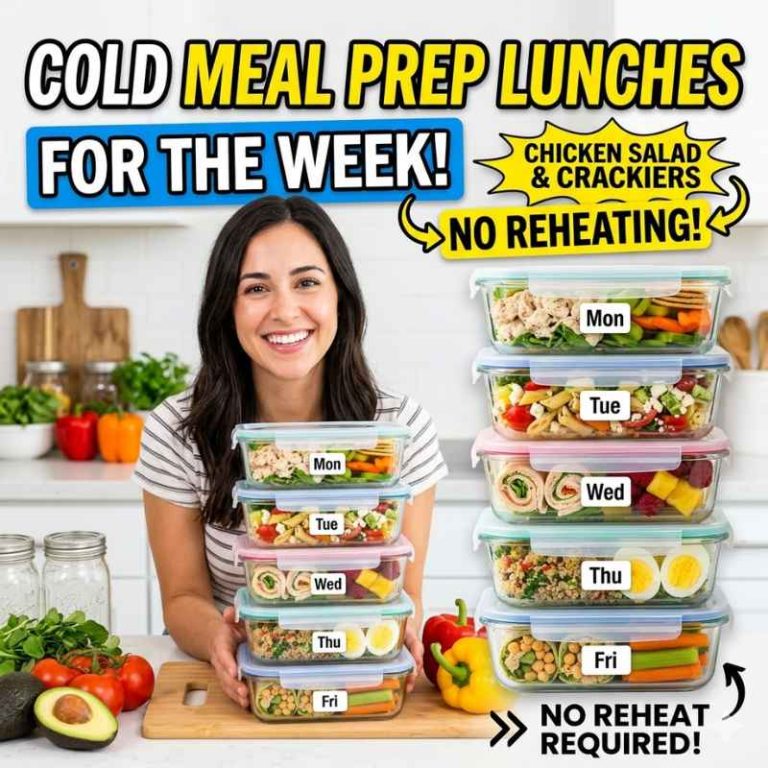
If you have a microwave, you can enjoy warm meals. If not, focus on salads, wraps, and cold grain bowls.
User behavior is also key. Are you someone who likes variety? Then rotate your recipes weekly.
Do you prefer consistency? Then stick to 1-2 favorite meals for a month. Understanding your own habits helps you create a prep plan that sticks.
Design and materials matter too. If your office has limited space, choose stackable containers. If you travel for work, you might need more durable, spill-proof options.
The goal is to make your lunch life easier, not harder. So, adapt these ideas to fit your unique situation.
Scenario: The “Sunday Scaries” Meal Prep
The Problem: You dread Sunday afternoons, seeing it as chore time.
The Solution: Reframe Sunday. Think of it as “Self-Care Sunday.” Put on your favorite music or podcast. Make it a relaxing activity.
Prep just one or two lunches. Or, focus on prepping components (like cooking chicken or chopping veggies) that you can assemble quickly later.
When is a Prepared Lunch “Healthy Enough”?
This is a great question! Not every meal needs to be a superfood masterpiece. “Healthy enough” means it’s a step up from unhealthy alternatives.
It provides good energy. It helps you meet your nutritional needs for the day.
Normal and healthy lunch scenarios include:
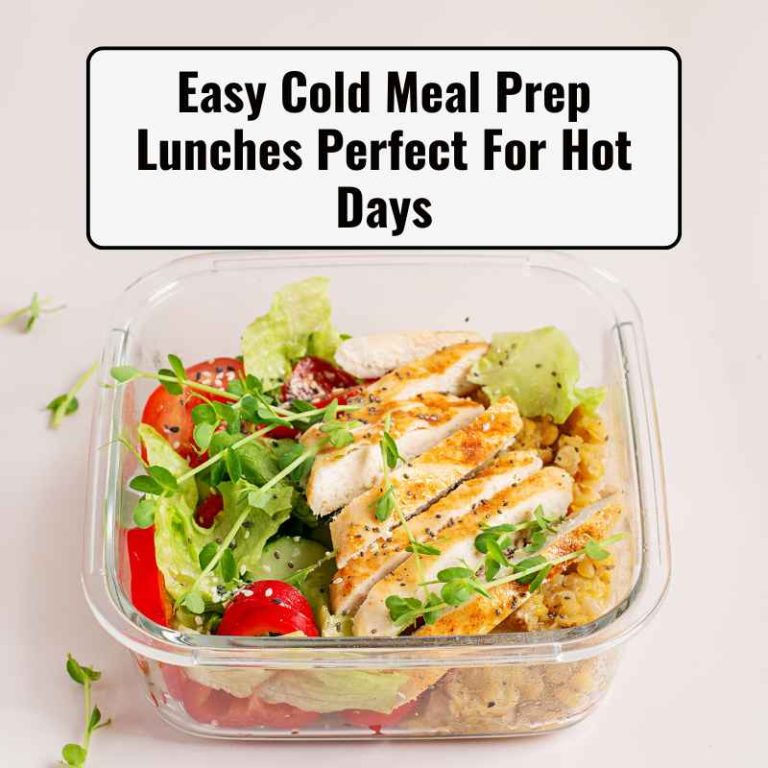
- A large salad with grilled chicken, plenty of veggies, and a light vinaigrette.
- A whole wheat wrap filled with turkey, lettuce, tomato, and a smear of hummus.
- Leftovers from a healthy dinner, like baked salmon with roasted sweet potatoes.
- A hearty lentil soup with a side of whole grain bread.
- A grain bowl with brown rice, black beans, corn, salsa, and avocado.
These meals are balanced. They contain protein, healthy carbs, and vegetables. They provide sustained energy.
When to worry or re-evaluate:
- If your lunch consists mainly of refined carbohydrates (white bread, pastries) with little protein or fiber.
- If you feel tired, hungry, or sluggish shortly after eating.
- If your lunch is consistently high in unhealthy fats, sugar, or sodium (like fast food or fried items).
- If you’re not getting a good variety of nutrients throughout the week.
Simple checks can help. Look at your plate. Is there color from vegetables?
Is there a source of protein? Does it feel satisfying? If the answer is mostly yes, you’re likely doing well.
Don’t aim for unattainable perfection. Aim for consistent, simple, healthy choices that fit your life.
Quick Check: The “Energy Meter”
After eating your packed lunch, how do you feel about 30-60 minutes later?
- Full Bars (Great!): Sustained energy, feeling satisfied, no strong urge to snack soon.
- Half Bars (Okay): Feeling mostly full, but maybe a slight dip in energy or a mild craving.
- Empty Bars (Needs Work): Feeling tired, sluggish, very hungry, or experiencing a sugar crash.
If you’re consistently at “Empty Bars,” it’s a sign your lunch might be missing key nutrients like protein or fiber.
Quick Tips for Effortless Lunch Prep
Making lunch prep a habit doesn’t have to be hard. Here are some simple tips to make it even easier:
- Buy pre-cut veggies. Many grocery stores offer pre-chopped onions, peppers, broccoli, and more. This saves a lot of chopping time.
- Cook a big batch of grains. Make a large pot of brown rice or quinoa on your prep day. You can use it in salads, bowls, or as a side.
- Roast extra protein. If you’re roasting chicken or tofu for dinner, make a little extra to add to your lunches.
- Hard-boil eggs. These are a perfect grab-and-go protein source. They last for about a week in the fridge.
- Wash and chop fruits. Having washed berries or sliced apples ready to go makes healthy snacking or adding to meals simple.
- Make your own dressing. A simple vinaigrette (olive oil, vinegar, salt, pepper) is easy to whip up and healthier than many store-bought options. Keep it in a small separate container.
- Keep it simple. You don’t need fancy ingredients. Focus on whole, unprocessed foods.
- Embrace leftovers. If you have a healthy dinner, make enough for two. Your lunch is sorted!
These small steps can make a big difference. They reduce the effort required for meal prep. They help you stay on track even when time is tight.
The goal is to make healthy eating a natural part of your week.
Myth vs. Reality: Meal Prep Edition
| Myth | Reality |
|---|---|
| Meal prep takes hours and hours every week. | It can take as little as 1-2 hours for several lunches, especially with simple recipes and smart shortcuts. |
| Meal prep food always tastes boring and the same. | With variety in recipes, spices, and fresh ingredients, meals can be exciting and flavorful. |
| You need expensive, special containers. | Regular jars, plastic containers, or even repurposed takeout containers can work perfectly fine. |
| Meal prep is only for people who love to cook. | It’s for anyone who wants to eat healthier and save time; simple recipes are key. |

Frequently Asked Questions about Healthy Work Lunches
Is it better to cook my lunches or buy them?
For most people, cooking your lunches at home is better. It’s usually cheaper. You have complete control over ingredients, making it easier to eat healthy.
Buying lunch every day can be expensive and often involves less healthy options.
How long do prepped lunches last in the fridge?
Generally, most prepped lunches will last 3-4 days in the refrigerator. Foods with cooked meats or fish are best eaten within 3 days. Salads with sturdy vegetables and grains can last a bit longer.
Always use your best judgment for freshness.
What if I don’t like leftovers?
That’s understandable! The key is to prep your lunches so they don’t feel like “leftovers.” Focus on meals that are designed to be eaten cold or at room temperature, like grain bowls, salads, or wraps. You can also prepare components separately and assemble them fresh each day.
How can I make my lunches more exciting?
Variety is your friend! Try new recipes each week. Use different spices and herbs.
Add fresh toppings like avocado, nuts, seeds, or a sprinkle of cheese. Don’t be afraid to experiment with different cuisines and flavor profiles.
What are some good healthy snack options to pack with my lunch?
Good snack options include fruits (apples, bananas, oranges), a handful of nuts or seeds, yogurt, veggie sticks (carrots, celery, bell peppers) with hummus, or a small piece of dark chocolate. These can help bridge the gap between meals.
Can I meal prep for the entire week on one day?
Yes, you can! Many people find Sunday to be their prep day. It often takes 2-3 hours to prepare 4-5 lunches, depending on the recipes.
Some people prefer to do a larger prep on Sunday and then a quick prep on Wednesday for the rest of the week.
Final Thoughts on Your Work Lunches
Creating easy, healthy work lunches is totally achievable. It’s about small, smart choices. It’s about planning a little.
It’s about giving yourself a break from daily decisions. You’ve learned about building blocks, simple recipes, and practical tips. Remember to keep it simple.
Don’t aim for perfection. Aim for progress. Your body and mind will thank you for it.