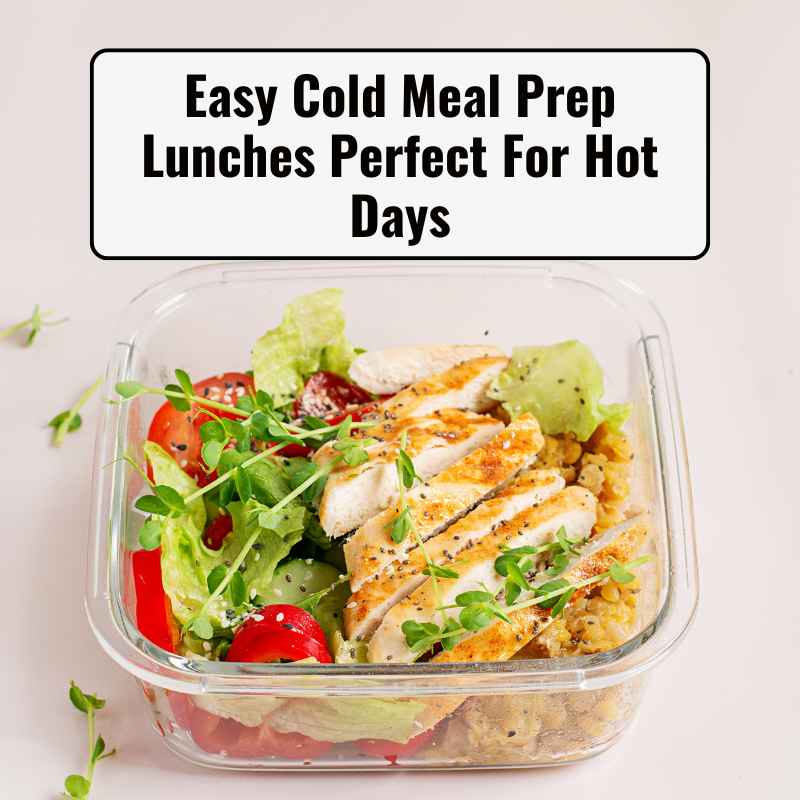
Easy Cold Meal Prep Lunches Perfect For Hot Days
You’re looking for simple, refreshing lunch ideas. You want meals you can make ahead. You want them to be healthy and tasty.
And most importantly, you want them to be cold. No complicated recipes. No long hours by the stove.
Just good food that’s ready when you are.
This guide offers simple, no-cook lunch ideas. You will find ideas perfect for hot weather. Learn how to prep ahead to save time. Enjoy delicious, cool meals all week long. Stay refreshed and fed without the fuss.
Understanding the Appeal of Cold Lunches
Think about your typical lunch. Is it something you have to heat up? Maybe it’s a sandwich.
Or maybe it’s leftovers from last night’s dinner. On a hot day, even a quick trip to the microwave can feel like too much. The thought of standing over a stove is even less appealing.
Cold lunches are different. They are often lighter. They feel more refreshing.
They don’t add extra heat to your environment. This is a big win when the temperature climbs. Plus, many cold meals are packed with fresh ingredients.
Think crisp vegetables. Think cool fruits. Think lean proteins that don’t need cooking.
This makes easy cold meal prep lunches a smart choice for busy people. Especially during warmer months. They fit perfectly into a lifestyle where convenience and comfort are key.
You can prepare them on a Sunday. Then, you have lunches sorted for the week. This frees up your busy weekdays.
The concept is simple. You make your lunch ahead of time. You store it in the fridge.
When lunchtime arrives, it’s ready to eat. No cooking required. This is perfect for work.
It’s great for picnics. It’s even good for a quick bite at home.
What makes a cold lunch “easy”? It means simple ingredients. Minimal cooking steps.
Quick assembly. We’re talking about things that taste great straight from the fridge. Things that don’t need any fancy preparation at the last minute.
This is about making your life easier.
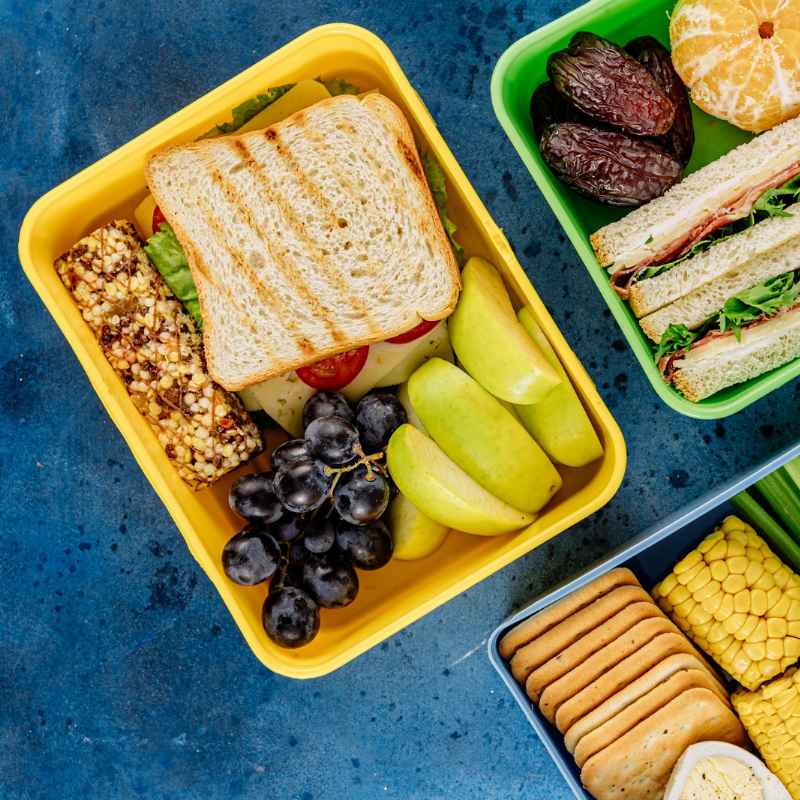
My First Summer of Meal Prep (and the Cold Lunch Revelation)
I remember my first real summer trying to get ahead with food. I was working a demanding job. My commute was long.
By the time I got home, I was wiped out. Cooking felt like a Herculean task. So, I often ended up grabbing something unhealthy.
Or I spent too much money eating out.
One weekend, I decided to try meal prepping. I made a big batch of chili. I thought I was so smart.
Then, July hit. The chili was still good. But the thought of eating a hot bowl of chili when it was 90 degrees outside?
It made me sweat. I realized my “smart” plan wasn’t so smart after all.
That’s when I had a lightbulb moment. Why was I focused on hot meals? The weather called for something different.
I started looking for easy cold meal prep lunches. I experimented with salads. I made wraps.
I discovered overnight oats. I even found ways to make pasta salad exciting.
My kitchen stayed cool. My lunches were ready. I felt so much better.
I wasn’t fighting the heat. I wasn’t tired from cooking. I was eating fresh, healthy food.
It was a game-changer for my summer routine. This experience taught me the power of adapting your meal prep to the season.
Cold Lunch Prep Tips: Start Smart
Plan Ahead: Decide on your recipes before shopping. This saves time and money.
Invest in Good Containers: Airtight containers keep food fresh and prevent leaks. Glass is great for many cold dishes.
Batch Chop Veggies: Wash and chop vegetables like carrots, celery, and bell peppers at the start of the week. Store them in separate containers.
Cook Grains or Proteins: If your cold lunch needs a base, cook grains like quinoa or rice, or boil eggs on a prep day.
Keep Dressings Separate: For salads, pack dressings on the side. This keeps your greens crisp.
The Core Ideas Behind Easy Cold Meal Prep Lunches
The beauty of these lunches is their simplicity. They rely on fresh ingredients. They often involve minimal or no cooking.
The main idea is assembly. You put good things together. Then you chill them.
It’s that straightforward.
Let’s break down the core components. What makes a cold lunch work well for meal prep?
Key Cold Lunch Components
- Fresh Greens: Spinach, kale, lettuce mixes. These are the base for many salads.
- Crunchy Vegetables: Cucumbers, bell peppers, carrots, radishes, snap peas. They add texture and freshness.
- Hearty Grains: Quinoa, couscous, farro, rice. These make a cold lunch more filling.
- Lean Proteins: Grilled chicken (cooked ahead), canned tuna or salmon, hard-boiled eggs, beans, chickpeas, tofu.
- Healthy Fats: Avocado, nuts, seeds, olives. These add flavor and keep you full.
- Flavor Boosters: Fresh herbs, lemon juice, vinegar, spices, a good olive oil.
The “no-cook” aspect is crucial for hot days. It means you’re not turning on the oven or stove. This keeps your kitchen cool.
It saves energy. And it saves you time and effort. Most of these items are ready to eat as they are.
Or they just need a quick chop.
Think about the goal: a satisfying, healthy lunch. It should be easy to transport. It should taste good after being stored.
And it should help you beat the heat, not add to it. These are the principles guiding our lunch ideas.
The Best Easy Cold Meal Prep Lunch Ideas
Now, let’s get to the good stuff. Here are some fantastic ideas for your easy cold meal prep lunches. These are designed for maximum flavor and minimum fuss.
1. Mason Jar Salads
These are classics for a reason. They look pretty. They stay fresh.
And they are super portable.
How to Build a Perfect Mason Jar Salad
Layer 1 (Bottom): Dressing. About 2-3 tablespoons. Use vinaigrettes, hummus, or a creamy dressing.
Layer 2: Hard Veggies. Carrots, cucumbers, bell peppers, radishes, cherry tomatoes. These sit nicely in the dressing.
Layer 3: Grains or Starchy Veggies. Cooked quinoa, chickpeas, corn, black beans. This layer protects the greens from the dressing.
Layer 4: Protein. Grilled chicken, hard-boiled eggs, tuna, beans, tofu cubes.
Layer 5 (Top): Greens. Spinach, mixed greens, kale. Pack them in well.
Optional Toppings: Nuts, seeds, cheese, dried fruit can go right on top of the greens.
When you’re ready to eat, just shake the jar well. Then pour it into a bowl. Or eat it straight from the jar!
2. Hummus and Veggie Wraps or Pitas
These are incredibly versatile. You can customize them with whatever you have on hand.
Start with a whole wheat tortilla or pita. Spread a generous layer of hummus. This acts as a binder and adds flavor.
Then, load it up with your favorite crunchy veggies. Think shredded carrots, sliced bell peppers, cucumbers, and some crisp lettuce.
You can add some sprouts for extra crunch. A sprinkle of feta cheese is nice too. Roll it up tightly for a wrap.
Or stuff it into a pita pocket.
For prep, wrap them tightly in plastic wrap or foil. This keeps them from falling apart. They are best eaten within 1-2 days for optimal freshness.
3. Quinoa Salad with Black Beans and Corn
This salad is hearty and flavorful. It’s packed with protein and fiber.
Cook your quinoa ahead of time. Let it cool completely. Then, mix it with canned black beans (rinsed and drained).
Add some corn kernels (fresh, frozen, or canned). Chop up some red onion and bell pepper for color and crunch. A handful of chopped cilantro adds a fresh note.
For the dressing, a simple lime vinaigrette works wonders. Mix olive oil, lime juice, a pinch of cumin, salt, and pepper. Toss everything together.
This salad tastes even better the next day as the flavors meld.
It’s great on its own. You can also add some grilled chicken or a dollop of Greek yogurt if you like.
4. Chicken Salad (or Tuna Salad) with Greek Yogurt
A lighter take on the classic. Using Greek yogurt instead of all mayonnaise makes it healthier and fresher.
Cook and shred or dice chicken breasts. Or use canned tuna or salmon, drained. Mix with plain Greek yogurt.
Add finely chopped celery and onion for crunch. A bit of Dijon mustard adds a nice tang. Salt and pepper to taste.
You can add chopped grapes or apple for sweetness. Or some chopped nuts for extra texture. This chicken salad is delicious served in lettuce cups.
It also works well in wraps or with crackers.
Prep this a day or two ahead. It keeps well in an airtight container.
5. Caprese Pasta Salad
A simple, refreshing pasta salad. It captures the flavors of summer.
Cook your favorite pasta shape (like rotini or penne) until al dente. Rinse with cold water to stop the cooking. Drain well.
Toss with cherry tomatoes (halved), fresh mozzarella balls (ciliegine), and fresh basil leaves (torn).
A simple dressing of olive oil, balsamic glaze, salt, and pepper brings it all together. You can add some grilled chicken or white beans for more protein.
This salad is best made fresh the day before you plan to eat it. The flavors really develop overnight.
6. Cold Soba Noodle Salad
This salad offers a different flavor profile. It’s light and has a lovely texture.
Cook soba noodles according to package directions. Rinse thoroughly with cold water. Drain well.
Toss with a sesame-ginger dressing. This can be made with soy sauce (or tamari), rice vinegar, sesame oil, grated ginger, and a touch of honey or maple syrup.
Add in some shredded carrots, sliced cucumbers, edamame, and chopped green onions. You can also add some cooked shrimp or grilled tofu.
This salad is best assembled a day ahead. The noodles absorb the dressing nicely.
Quick-Scan Cold Lunch Ideas
| Lunch Type | Key Ingredients | Prep Time (Est.) | Make Ahead Time |
|---|---|---|---|
| Mason Jar Salad | Greens, veggies, protein, dressing | 15-20 mins | Up to 3-4 days |
| Hummus Wraps | Tortillas, hummus, veggies | 10 mins | 1-2 days |
| Quinoa Bean Salad | Quinoa, beans, corn, veggies | 20 mins (if quinoa cooked) | 3-4 days |
| Yogurt Chicken Salad | Chicken, Greek yogurt, celery, onion | 15 mins | 2-3 days |
| Caprese Pasta Salad | Pasta, tomatoes, mozzarella, basil | 20 mins | 1-2 days |
| Soba Noodle Salad | Soba noodles, veggies, dressing | 20 mins | 1-2 days |
Real-World Context: Making Cold Lunches Work for You
The effectiveness of easy cold meal prep lunches hinges on a few things. It’s not just about the recipes. It’s about how they fit into your life.
Think about your daily routine. Where are you eating? What are your constraints?
Your Environment Matters
If you work in an office, you likely have access to a refrigerator. This makes storing all sorts of cold lunches easy. You might also have a microwave, though you won’t need it.
If you’re out and about, perhaps at a construction site, park, or a remote work location, you’ll need a good insulated lunch bag and ice packs.
Consider your commute. Will your lunch be jostled around? This might influence whether you choose a sturdy jar salad or a more delicate wrap.
The fewer things that can spill or get squished, the better.
Habits and Preferences
Are you someone who loves variety? Or do you prefer to eat the same thing a few days in a row? If you love variety, you might prep a couple of different lunch types at the start of the week.
If you don’t mind repetition, you can make a larger batch of one or two dishes.
Think about your energy levels. Some people have more energy in the morning. Others find they can focus on tasks later in the day.
Prep your lunches when you feel most productive. For many, Sunday afternoon or evening is a good time.
What about textures? Do you like crunchy things? Do you prefer soft foods?
This will guide your ingredient choices. For example, if you love crunch, load up on raw peppers, carrots, and snap peas in your salads and wraps. If you like softer textures, you might lean towards pasta salads or grain bowls.
Design and Materials
The containers you use are important. Glass containers are excellent for salads and grain bowls. They don’t stain or retain odors.
They also look nice and can be easily reheated if needed (though not for cold lunches!).
For wraps and smaller items, good quality reusable plastic containers or silicone bags work well. For transport, an insulated lunch bag is a must. This keeps your food at a safe temperature.
It prevents spoilage, especially in hot weather.
Consider your utensils too. Do you need a fork? A spoon?
A knife? Pack them with your lunch. Some reusable lunch bags have special pockets for these items.
User Behavior and Practicality
Eating a cold lunch often means eating it at your desk, on a bench, or at a picnic table. This means your lunch should be easy to manage. It shouldn’t require a lot of complex assembly or special equipment.
The goal is speed and simplicity at lunchtime.
If you’re packing a lunch for someone else, like a child, think about ease of opening containers. And consider any food allergies or strong dislikes they might have.
Ultimately, the best easy cold meal prep lunches are the ones you will actually eat. They should fit your lifestyle and your tastes. Don’t force yourself to eat something you don’t enjoy.
Experiment with different combinations until you find your favorites.
Cold Lunch: Myth vs. Reality
Myth: Cold lunches are boring and always the same.
Reality: The possibilities are endless! From vibrant salads to flavorful grain bowls and wraps, you can create exciting new combinations weekly.
Myth: Cold lunches aren’t filling.
Reality: With smart choices like quinoa, beans, lean proteins, and healthy fats, cold lunches can be very satisfying and keep you full.
Myth: Meal prepping cold lunches takes too much time.
Reality: While some prep is needed, once done, you save significant time during your busy week. It’s an investment that pays off.
Myth: Cold lunches are only good for summer.
Reality: While perfect for hot days, cold lunches are convenient year-round, especially for busy individuals needing quick, no-fuss meals.
What This Means for You: When is a Cold Lunch Normal?
Understanding when a cold lunch is perfectly normal and when you might need to adjust is key. For most people, hot weather naturally leads to craving cooler foods. So, enjoying easy cold meal prep lunches during spring and summer is completely normal.
When It’s Normal
Hot Weather: This is the most obvious time. Your body naturally wants to cool down. Cold foods help with that.
Busy Weekdays: When you have back-to-back meetings or tight deadlines, a pre-made cold lunch saves precious time. You can eat at your desk or on the go.
Outdoor Activities: Picnics, hikes, beach trips – cold lunches are ideal. They don’t require heating and are easy to pack.
Personal Preference: Some people simply prefer cold foods over hot foods, regardless of the weather.
Dietary Needs: Certain dietary approaches, like some forms of raw foodism or specific cleansing diets, focus on uncooked foods.
When to Worry (or Adjust)
Extreme Cold Weather: While you can eat cold lunches in winter, your body might crave warming foods. If you feel constantly chilled, consider a warm lunch.
Feeling Unwell: When you’re sick, especially with a cold or flu, a warm, comforting soup or meal might be more appealing and beneficial. It can feel soothing.
Food Safety Concerns: If you don’t have a reliable way to keep your cold lunch chilled (e.g., a good insulated bag and ice packs), it could be unsafe to eat. Bacteria can grow quickly in the “danger zone” (40°F to 140°F).
Digestive Issues: For some individuals, eating large amounts of raw, cold foods can sometimes cause digestive discomfort. Pay attention to how your body reacts.
Simple Checks
Temperature: Is your lunch still cold when you’re ready to eat it? If it feels lukewarm, it’s best to discard it to be safe.
Smell and Appearance: Does it look or smell off? Trust your senses. If something seems wrong, don’t eat it.
How You Feel: After eating your cold lunch, do you feel good? Or do you feel bloated, sluggish, or uncomfortable? Your body’s feedback is important.
For the most part, easy cold meal prep lunches are a fantastic, safe, and healthy option, especially when the weather heats up. The key is proper preparation and storage.
Quick Fixes and Tips for Cold Lunch Success
Making easy cold meal prep lunches work seamlessly involves a few smart strategies. These aren’t complicated solutions, but small adjustments that make a big difference.
- Keep it Simple: Don’t aim for gourmet meals every time. Focus on fresh, quality ingredients that require minimal prep. A good quality pre-washed salad mix can be a lifesaver.
- Embrace Canned Goods: Canned beans, chickpeas, tuna, and salmon are your friends. They are already cooked and just need rinsing and draining.
- Prep in Batches: Instead of chopping vegetables for each meal individually, chop a large amount at once. Store them in airtight containers. This goes for cooking grains like quinoa or rice too.
- Flavor is Key: Cold food can sometimes taste a bit bland if not seasoned well. Use fresh herbs, zesty dressings, and flavorful spices to liven things up. A squeeze of lemon or lime juice can make a huge difference.
- Texture Variety: Mix creamy elements (like avocado or hummus) with crunchy ones (like nuts or crisp vegetables) and chewy elements (like grains or dried fruit). This makes the meal more interesting.
- Invest in a Good Cooler Bag: If you need to transport your lunch and don’t have access to a fridge, a quality insulated bag with good ice packs is essential. This keeps your food safe and enjoyable.
- Don’t Forget Hydration: Pack plenty of water. Cold foods are refreshing, but staying hydrated is crucial, especially in warm weather.
- Portion Control: While prepping, think about how much you’ll actually eat. Over-preparing can lead to waste or feeling overstuffed.
- Get Creative with Leftovers: Sometimes, dinner leftovers can be repurposed into a cold lunch. For example, leftover roasted chicken can be diced for a chicken salad.
These tips help make the process smoother. They ensure your cold lunches are not only easy to make but also enjoyable to eat throughout the week.
Frequently Asked Questions about Cold Meal Prep Lunches
Are cold lunches safe to eat if they’ve been out for a few hours?
Food safety is crucial. Perishable foods, like those with meat, dairy, or eggs, should not be left at room temperature for more than two hours (or one hour if the temperature is above 90°F). Always use an insulated lunch bag with ice packs to keep cold lunches at 40°F or below.
If you’re unsure, it’s safest to discard it.
What are the best containers for cold meal prep lunches?
Glass containers with airtight lids are excellent for salads and grain bowls. They are durable and don’t absorb odors. For wraps or smaller items, good quality plastic containers or reusable silicone bags work well.
Mason jars are perfect for layered salads.
How can I prevent salads from getting soggy in my meal prep?
The key is to keep wet ingredients away from dry ones until serving. For jar salads, place the dressing at the bottom, then sturdy vegetables, then grains or proteins, and finally, the greens on top. For other salads, pack dressings separately and add them just before eating.
Can I include fruits in my cold meal prep lunches?
Absolutely! Fruits add natural sweetness and nutrients. Berries, melon chunks, grapes, and apple slices are great additions.
For fruits that brown easily, like apples and bananas, toss them with a little lemon juice or add them right before you plan to eat.
What if I don’t like certain vegetables in my salads?
That’s the beauty of meal prep! You get to choose what you like. If you dislike bell peppers, swap them for cucumber or snap peas.
If kale isn’t your favorite, use spinach or mixed greens. Tailor your ingredients to your taste preferences.
How long do cold meal prep lunches typically last in the refrigerator?
Most cold meal prep lunches can last for 3-4 days in the refrigerator. However, this depends on the ingredients. Salads with fresh greens might be best within 2-3 days.
Salads with grains or beans, and items like chicken salad, can often last longer. Always check for signs of spoilage.
Conclusion: Beat the Heat with Cool, Easy Lunches
Embracing easy cold meal prep lunches is a smart move. It’s about making your life easier. It’s about staying refreshed.
And it’s about eating well, even when the mercury rises.
By planning ahead and using simple, fresh ingredients, you can create delicious meals. These meals will fuel you without adding to the summer heat. Enjoy the convenience and the taste!