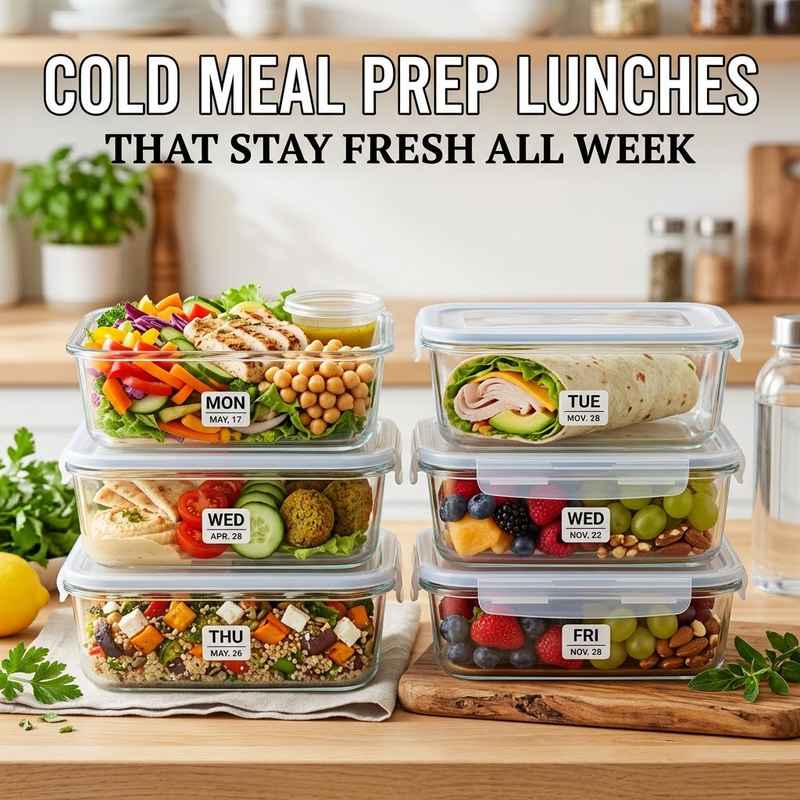
Cold Meal Prep Lunches That Stay Fresh All Week
Cold meal prep lunches need careful planning so they stay fresh and tasty. Focus on ingredients that don’t spoil easily and pack them smartly. This guide shows you how to make delicious, ready-to-go meals that last all week.
What Makes Cold Lunches Stay Fresh?
The secret to great cold lunches is choosing the right foods. Some ingredients just don’t do well when prepped ahead. Think about cooked pasta that gets hard or leafy greens that wilt.
We want foods that stay crisp, flavorful, and safe to eat for several days.
Moisture is a big factor. Too much moisture can make things soggy or spoil faster. Dry ingredients or those packed with their own protective layers do better.
Temperature is also key. Keeping your prepared meals cool is vital for food safety and freshness. A good insulated lunch bag is your best friend here.
My Cold Lunch “Oops” Moment
I remember one Monday. I made a big batch of what I thought was a brilliant pasta salad. It had fresh tomatoes, olives, and a nice vinaigrette.
By Wednesday, the tomatoes were mushy little sad spheres. The pasta itself had absorbed way too much dressing and felt heavy. The lettuce I added for crunch was limp.
It was a wake-up call. I realized I needed a smarter approach. It wasn’t just about throwing things together.
It was about understanding how each ingredient would behave over time. That day, I ate a very uninspiring lunch and vowed to get better at this whole meal prep thing.
Meal Prep Superstars: Ingredients That Last
Grains: Quinoa, farro, couscous, and sturdy rice like brown or wild rice. They hold their shape well.
Proteins: Grilled chicken breast, hard-boiled eggs, canned tuna or salmon (packed separately), chickpeas, black beans, lentils, tofu, and tempeh. These proteins are stable.
Veggies: Carrots, bell peppers, cucumbers, celery, broccoli florets, cauliflower, snap peas, and corn. Choose firmer vegetables.
Healthy Fats: Avocado (add right before eating), nuts, seeds, and olives. These add flavor and staying power.
Fruits: Apples, pears, berries, and citrus fruits. They hold up pretty well.
Planning Your Cold Meal Prep Strategy
When you plan, think about the journey of your lunch. It starts in your kitchen, travels to work or school, and sits in a fridge or lunch bag. Each step affects the food.
Good planning means thinking about textures and flavors that evolve nicely.
We want to avoid a “flavor graveyard” in our lunchbox. That means no wilted herbs that turn brown or delicate fruits that get bruised. Instead, we aim for vibrant colors and interesting tastes that stay with you.
Common Cold Lunch Pitfalls to Avoid
Soggy Salads: Putting dressing on greens too early makes them limp.
Mushy Veggies: Soft vegetables like tomatoes or cucumbers can break down.
Watery Fruits: Berries can release juices and make other foods wet.
Stale Grains: Overcooked rice or pasta can become hard or gummy.
Flavor Loss: Delicate flavors fade over time if not stored properly.
Sturdy Salad Recipes That Travel Well
Salads are a meal prep classic. But not all salads are created equal. We need to pick sturdy ingredients.
Think about a base that won’t weep water. Grains are perfect for this. Quinoa is a fantastic option.
It’s light, fluffy, and holds its shape. Farro offers a nice chew. Couscous is quick and easy.
For the veggies, diced carrots, bell peppers, and red onion add color and crunch. Broccoli florets, lightly steamed or raw, also work well. Black beans or chickpeas bring in protein and fiber.
A robust vinaigrette made with olive oil, vinegar, and herbs will keep its flavor and won’t make things soggy.
One of my favorite sturdy salads is a quinoa salad with black beans, corn, diced red bell pepper, and a lime-cilantro dressing. I often add some chopped cilantro and a pinch of cumin. The lime dressing stays bright.
The beans and corn add substance. The bell pepper keeps its crunch. It’s a meal that tastes fresh even after three days.
Another great option is a Mediterranean-inspired salad. Think farro, chopped cucumbers, cherry tomatoes (added whole or halved right before eating), Kalamata olives, and crumbled feta cheese. A lemon-herb vinaigrette works wonders here.
The farro is hearty. The cucumbers offer a cool crunch. The feta adds a salty bite.
It’s a satisfying meal that is packed with flavor.
The key is to keep the dressing separate until you’re ready to eat, if possible. If you must mix it in, use a vinaigrette that’s oil-based rather than creamy. Creamy dressings can sometimes make ingredients feel heavier or spoil faster.
Store your salad in a container with compartments. This keeps textures distinct.
Hearty Grain Bowls for Easy Lunches
Grain bowls are like the grown-up, healthier version of comfort food. They are versatile and forgiving. You can mix and match components based on what you have.
A good base is essential. Brown rice is a classic for a reason. It’s filling and takes on flavors well.
Wild rice has a nice nutty taste. Farro or barley provide a chewy texture.
For toppings, think about roasted vegetables. Sweet potatoes, Brussels sprouts, or chunks of butternut squash roast beautifully and keep their texture. Add a protein source like grilled chicken strips or baked tofu.
A sprinkle of seeds for crunch, like pumpkin or sunflower seeds, adds a nice touch. Don’t forget a flavorful sauce or dressing.
Consider a “Buddha bowl” style. Start with a base of brown rice. Top with roasted sweet potatoes, steamed broccoli, and baked chickpeas.
Drizzle with a tahini-lemon dressing. The tahini dressing is creamy yet holds up well. The roasted sweet potatoes are naturally sweet and soft.
The broccoli provides a good contrast. The chickpeas add protein and a slight crispiness if baked well.
Another idea is a Mexican-inspired bowl. Use seasoned brown rice as the base. Top with seasoned black beans, corn salsa, shredded chicken or seasoned ground turkey, and a dollop of salsa or guacamole.
A squeeze of lime before eating brightens everything up. The flavors meld together wonderfully over a few days. The salsa and chicken are quite forgiving.
What I love about grain bowls is their adaptability. If you don’t have sweet potatoes, use roasted carrots. If you don’t have chicken, use lentils.
The structure is the same: a grain, a protein, some veggies, and a sauce. This makes them perfect for using up leftovers too. They are a real lifesaver for busy weeks.
Building the Perfect Grain Bowl
- Base: Choose a sturdy grain like quinoa, brown rice, farro, or barley.
- Protein: Add grilled chicken, baked tofu, lentils, chickpeas, or hard-boiled eggs.
- Veggies: Include roasted or steamed vegetables that hold up. Think broccoli, sweet potatoes, carrots, bell peppers.
- Flavor Boost: Add corn, beans, salsa, olives, or pickled onions.
- Sauce/Dressing: A flavorful vinaigrette, tahini sauce, or a simple herb dressing.
- Crunch: Top with nuts, seeds, or crunchy roasted chickpeas.
Wrap It Up: Sandwiches and Rolls That Don’t Get Soggy
Wraps and sandwiches can be tricky for meal prep. The bread can get soggy from fillings. But there are ways to prevent this.
The key is to create a barrier or choose fillings that don’t release much moisture.
One good trick is to use sturdy wraps. Tortillas, like whole wheat or spinach wraps, hold up better than thin pita bread. Another method is to spread a thin layer of something moisture-resistant on the inside of the wrap.
This could be cream cheese, a thick hummus, or even a thin layer of mayonnaise or avocado.
Then, add your fillings. Layer your protein first, like sliced turkey or chicken. Follow with drier ingredients like shredded lettuce (if you don’t mind it a bit softer) or shredded cabbage.
If you are adding juicy ingredients like tomatoes, place them in the center, away from the wrap. A sprinkle of cheese can also act as a barrier.
Chicken salad wraps are a classic. Make sure your chicken salad isn’t too wet. You can add chopped celery or apples for crunch, but avoid watery additions.
Spread a thin layer of cream cheese inside the tortilla. Then add the chicken salad and a bit of spinach. Roll tightly and wrap in foil or plastic wrap.
This helps keep the wrap from drying out.
Another idea is a “deli-style” wrap. Use thin slices of roast beef or turkey. Add a layer of provolone or Swiss cheese.
Then some thinly sliced red onion and a smear of mustard. A few leaves of romaine lettuce provide some crunch. The cheese and mustard help keep the bread from getting wet from any other ingredients.
It’s simple but effective.
For a vegetarian option, try a hummus and veggie wrap. Spread hummus generously on a whole wheat tortilla. Layer with grated carrots, sliced bell peppers, cucumber sticks, and a handful of spinach.
The hummus acts as a binder and a barrier. It’s fresh, colorful, and holds up well for a few days. I often add a sprinkle of za’atar seasoning for extra flavor.
When making wraps, cutting them in half right before you eat can help prevent the filling from spilling out. Some people even find that if they’re really worried about sogginess, they can toast the tortilla lightly before filling it. It adds a bit of structure.
Tips for Better Wraps
- Use whole wheat or sturdy tortillas.
- Spread a moisture-proof layer (cream cheese, hummus) on the inside.
- Add wetter ingredients in the center, away from the wrap.
- Layer ingredients to create barriers.
- Roll tightly and wrap securely.
- Consider adding cheese or avocado as a layer.
Powerhouse Protein Salads: Tuna, Chicken, and Egg
These classic protein salads are perfect for meal prep because the ingredients are already bound together. The key is texture and moisture control. A good tuna salad or chicken salad shouldn’t be overly wet.
The mayonnaise or other binder should coat everything evenly without pooling.
For tuna salad, use good quality canned tuna packed in oil or water. Drain it very well. Mix with mayonnaise, chopped celery for crunch, and maybe some diced red onion.
A squeeze of lemon juice adds brightness. Salt and pepper to taste. You can serve this in a sturdy container, or even portion it into lettuce cups.
Chicken salad can be made with cooked, shredded chicken breast or thighs. Mix with mayonnaise, chopped apples or grapes for sweetness and texture, and some chopped walnuts or pecans for crunch. A little Dijon mustard adds a nice kick.
Again, drain any excess liquid from the chicken before mixing. The nuts and fruit add great contrast.
Hard-boiled eggs are another meal prep champion. You can peel them and store them in a container. They are great to add to green salads, or you can make egg salad sandwiches.
For egg salad, mash the hard-boiled eggs with mayonnaise, mustard, salt, and pepper. A little relish can add a nice tang. Some people like to add a tiny bit of finely chopped onion or celery.
What I noticed with these protein salads is how much better they taste on day two or three. The flavors have a chance to meld. This makes them even more delicious.
Just be sure to store them in airtight containers. This prevents them from drying out or picking up other smells from the fridge.
When serving these, consider how you’ll eat them. You can put them in a container with some crackers or whole-wheat bread. Or, make a “deconstructed” lunch with a scoop of chicken salad next to a pile of mixed greens, some cucumber slices, and a few whole-grain crackers.
This way, you control the ratio and avoid soggy bread if you’re packing it for a while.
Ingredient Swaps for Protein Salads
- Binder: Mayonnaise, Greek yogurt, mashed avocado, or a light vinaigrette.
- Crunch: Celery, apples, grapes, walnuts, pecans, sunflower seeds, or crunchy vegetables.
- Flavor: Dijon mustard, relish, lemon juice, herbs, onion, garlic powder.
Smart Packing for Maximum Freshness
How you pack your cold lunches makes a huge difference. The right containers are essential. Look for containers that are airtight.
This keeps food from drying out and prevents flavors from mixing. Glass containers are great because they don’t stain or hold odors.
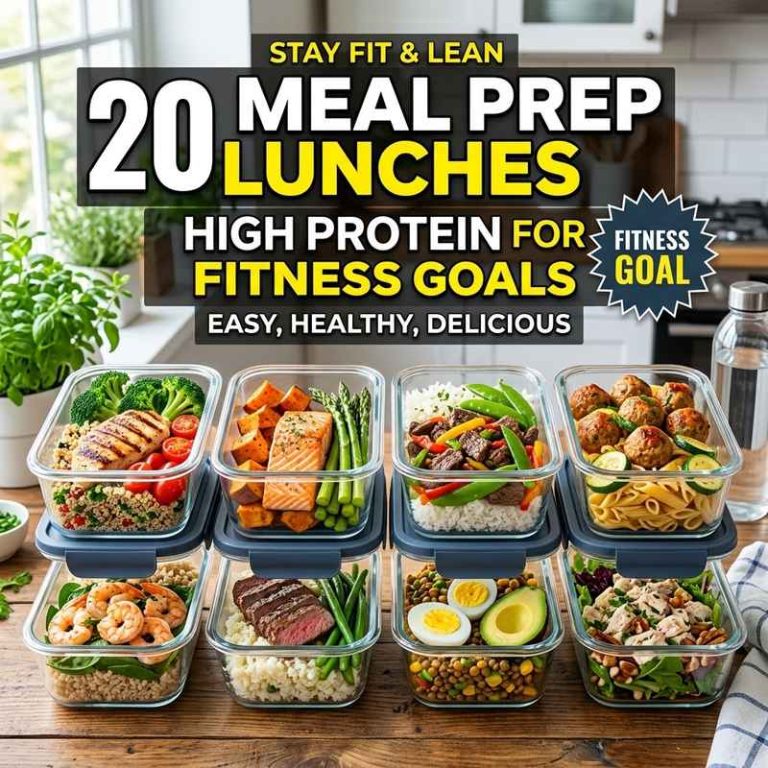
Compartmentalized containers are a game-changer. They keep wet ingredients separate from dry ones. This prevents things like salad dressing from making your other food soggy.
You can buy bento-style boxes or use smaller containers within a larger lunch bag.
For salads, pack the dressing in a tiny separate container. Add it just before eating. If you’re packing a wrap, wrap it tightly in foil or plastic wrap.
This helps maintain its shape and prevents it from getting squashed. Place it in your lunch bag so it stays flat.
Invest in a good insulated lunch bag. This is crucial for keeping your food at a safe temperature. Use an ice pack.
Make sure it’s frozen solid. If you can, place the ice pack next to your food. This maintains the cold chain and prevents spoilage.
Some people use multiple small ice packs for better coverage.
Don’t forget about portion control. Packing the right amount of food can help maintain freshness. If you pack too much, it might sit around longer and lose its appeal.
Think about what you’ll realistically eat. It’s better to have a well-preserved smaller portion than a large, unappetizing one.
Consider the order in which you pack. Place items that are more delicate or prone to damage on top. Things like hard-boiled eggs or single-serving yogurt cups are usually fine on top.
Sturdier items like grain bowls or pasta salads can go on the bottom.
Packing Day-by-Day
Day 1 & 2: Most foods will be very fresh. Focus on vibrant colors and textures.
Day 3 & 4: Some ingredients might soften slightly. This is where sturdy grains and roasted vegetables shine.
Day 5: Be extra mindful of ingredients that spoil quickly. Stick to the most stable options.
Keeping it Interesting: Variety and Flavor Boosts
Eating the same thing every day can get boring, even if it’s delicious. The beauty of cold meal prep is that you can introduce variety with simple changes. Don’t feel like you have to eat the exact same meal five days in a row.
You can make a large batch of a base ingredient, like roasted chicken or cooked quinoa. Then, change up the additions. On Monday, have chicken with a Mediterranean quinoa salad.
On Tuesday, use the same chicken and quinoa with a peanut sauce and some edamame for an Asian twist. This keeps things exciting without a lot of extra work.
Sauces and dressings are your best friends here. A simple vinaigrette can be changed with different herbs or spices. Add a little soy sauce and ginger for an Asian flavor.
Add cumin and chili powder for a Mexican flair. Keep a small bottle of your favorite dressing in your desk for quick flavor boosts.
Fresh herbs can also liven up a meal. A sprinkle of fresh parsley, cilantro, or chives right before eating can make a big difference. If you can’t have fresh herbs, dried herbs are still good.
Just add them earlier in the prep process so their flavor can develop.
Don’t forget about texture. Adding a sprinkle of nuts, seeds, or crunchy croutons can make a meal more satisfying. Even a few pickles or some sauerkraut can add a burst of flavor and a satisfying crunch.
These small additions can elevate a simple meal.
Consider “build-your-own” elements. For instance, pack a large container of grilled chicken and a base grain. Then, pack small containers of different toppings: salsa, avocado, cheese, corn, beans.
You can mix and match each day to create a new combination. This offers variety without the extra effort of cooking multiple dishes.
I often make a big batch of grilled chicken breasts. Then I’ll pack them with different sides throughout the week. Sometimes it’s with a large spinach salad and a light vinaigrette.
Other times it’s with roasted sweet potatoes and a sprinkle of cinnamon. Or it could be sliced up over a bed of mixed greens with some berries and a balsamic glaze. The chicken is the constant, but the meal feels totally different.
Flavor Boost Ideas
- Herbs: Parsley, cilantro, basil, chives.
- Spices: Cumin, paprika, chili powder, garlic powder, onion powder, turmeric.
- Acids: Lemon juice, lime juice, vinegar (balsamic, red wine, apple cider).
- Sauces: Soy sauce, sriracha, mustard, hot sauce.
- Crunch: Nuts, seeds, crispy roasted chickpeas.
Quick Checks: When to Worry About Your Cold Lunch
Food safety is the most important aspect of meal prep. While most ingredients are safe for several days when stored correctly, there are signs that something might have gone bad. Trust your senses.
If something looks or smells off, it’s best to discard it. Don’t take risks with your health.
Smell: This is often the first indicator. If your lunch has a sour, rotten, or unusually pungent smell, don’t eat it. Some foods develop stronger smells over time, but a “bad” smell is distinct.
For example, spoiled dairy or meat will smell obviously off.
Appearance: Look for any visible changes. This includes mold, slime, or unusual discoloration. If your leafy greens are slimy or your protein looks grey or dull, it’s a sign of spoilage.
Fruit that has turned mushy and brown might be okay if it’s just overripe, but if it looks fermented or moldy, toss it.
Texture: While some softening is expected, a texture that is excessively slimy, gummy, or feels “off” can be a warning. For instance, if your cooked rice has become extremely sticky and mushy, or your cooked chicken has a very unusual texture, it’s worth being cautious.
Temperature: Your cold lunch should always stay cold. If your lunch bag didn’t stay cool enough during transport, or if it was left out at room temperature for more than two hours (or one hour if the temperature is above 90°F), it’s best to throw it away. Bacteria can grow rapidly in the “danger zone” (40°F to 140°F).
Cross-Contamination: Be mindful of how you pack. If raw meat juices leak onto your salad, even if the salad itself looks fine, it could be contaminated. Always use separate cutting boards and utensils for raw and cooked foods.
Ensure your containers are clean and well-sealed.
If you’re unsure about any food item, it’s always better to err on the side of caution. Your health is more important than saving a few dollars or a bit of food. Investing in good quality, well-sealed containers and a reliable insulated lunch bag can help prevent many of these issues from the start.
When in Doubt, Throw it Out!
Rule of Thumb: If food has been in the “danger zone” (40°F-140°F) for more than 2 hours, discard it.
Visual Cues: Look for mold, slime, or unusual colors.
Olfactory Clues: If it smells bad, don’t eat it.
Tactile Clues: Unusual textures can be a warning sign.
Simple Cold Meal Prep Lunch Ideas
Here are a few straightforward ideas to get you started:
1. Chickpea Salad Wraps
Mash chickpeas with tahini, lemon juice, celery, and a pinch of salt. Spread on whole wheat tortillas. Add spinach and shredded carrots.
Roll tightly.
2. Quinoa & Black Bean Bowls
Cooked quinoa, black beans, corn, diced bell pepper. Top with a lime-cilantro dressing. Add a side of salsa.
3. Chicken & Roasted Veggie Tray
Grilled chicken breast strips, roasted broccoli, and sweet potato cubes. Pack with a small container of your favorite dip or sauce.
4. Mediterranean Couscous Salad
Cooked couscous, chopped cucumber, cherry tomatoes (halved), Kalamata olives, feta cheese. Dress with lemon-herb vinaigrette.
5. Egg Salad Lettuce Cups
Egg salad made with Greek yogurt or light mayo, served in crisp romaine or butter lettuce cups.
6. Lentil & Vegetable Medley
Cooked lentils mixed with diced celery, carrots, and red onion. Season with herbs and a light vinaigrette. Add a hard-boiled egg on the side.
Frequently Asked Questions About Cold Meal Prep Lunches
How long can I keep cold meal prep lunches in the refrigerator?
Generally, most cold meal prep lunches are safe to eat for 3 to 4 days when stored properly in airtight containers in the refrigerator. Some items, like hard-boiled eggs or very sturdy grain salads, might last up to 5 days, but it’s always best to check for signs of spoilage.
What are the best containers for meal prepping cold lunches?
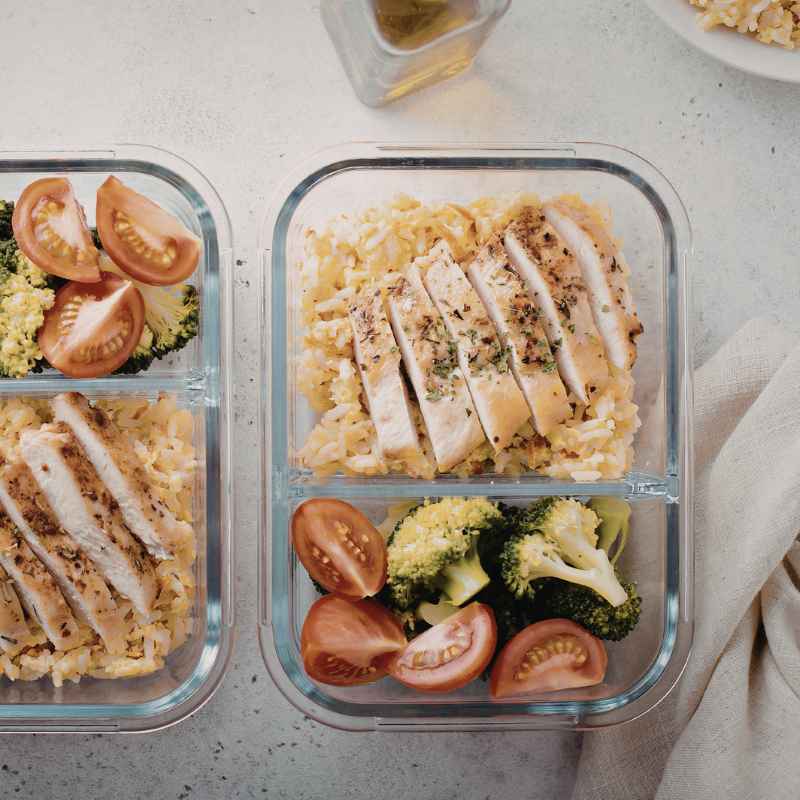
Airtight containers are key. Glass containers are excellent because they don’t retain odors or stains and are durable. Look for containers with compartments (like bento boxes) to keep different food items separate, preventing sogginess and flavor mixing.
BPA-free plastic containers are also a good, lightweight option.
How can I prevent my salads from getting soggy?
The best way is to pack your dressing separately and add it just before you eat. If you must mix it in, use a sturdy base like grains (quinoa, farro) instead of delicate greens. Add watery vegetables like tomatoes just before serving, or pack them in a separate compartment.
Choose vinaigrettes over creamy dressings, as they are less likely to make ingredients mushy.
Can I include fruits in my cold meal prep?
Yes, but choose wisely. Sturdier fruits like apples, pears, and citrus segments hold up well. Berries can work but may release juices, so pack them separately or at the top of your container.
It’s often best to add fruits closer to when you’ll eat them to maintain their texture and prevent them from making other foods soggy.
What are some good protein options for cold lunches that stay fresh?
Excellent choices include grilled or shredded chicken breast, hard-boiled eggs, canned tuna or salmon (drained well), chickpeas, black beans, lentils, baked tofu, and tempeh. These proteins are stable and can be incorporated into salads, grain bowls, or wraps without spoiling quickly.
Is it safe to eat food that has been in a lunch bag all day without an ice pack?
It’s generally not recommended if the ambient temperature is warm. Perishable foods should be kept below 40°F (4°C) to prevent bacterial growth. An insulated lunch bag with a frozen ice pack is essential for keeping your cold lunches at a safe temperature throughout the day.
Conclusion
Making cold lunches that stay fresh and delicious all week is totally achievable. It’s about smart ingredient choices, mindful packing, and a dash of creativity. By focusing on sturdy foods, keeping moisture in check, and using good storage methods, you can enjoy tasty and satisfying meals every day.
Happy prepping!