Healthy Meal Prep Lunch Recipe Ideas For The Week
Are you tired of the same old sad desk lunch? Does the thought of planning and making your midday meal fill you with dread? You’re not alone.
Many of us struggle to find healthy, tasty, and convenient lunch options during the week. We want to eat well, but life gets in the way. This guide is here to help.
We’ll explore delicious and simple meal prep lunch recipes that make healthy eating a breeze, even on your busiest days.
Healthy meal prep lunch recipes focus on simple, nutritious ingredients that hold up well when made ahead. The goal is to create balanced meals combining lean protein, complex carbs, and plenty of vegetables, ready to grab and go for a satisfying and energizing midday meal.
Understanding Healthy Meal Prep Lunches
What exactly makes a lunch “healthy” and “meal prep-friendly”? It’s about more than just taste. It’s about nutrition and practicality.
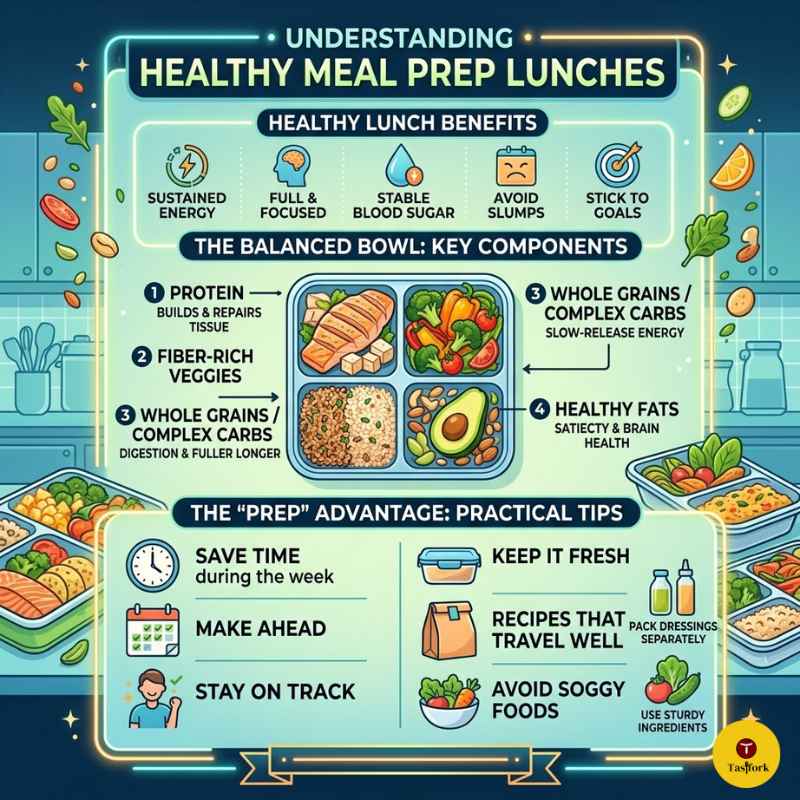
Healthy lunches give you sustained energy. They keep you full and focused. Meal prep means making food ahead of time.
This saves you time during the week. It also helps you stick to your healthy eating goals.
Think balanced. A good meal prep lunch has protein. It has fiber from veggies and whole grains.
It also has healthy fats. These elements work together. They keep your blood sugar steady.
This prevents that afternoon slump. It also helps you avoid unhealthy snacks later.
The “prep” part is key. Some foods don’t travel well. Some can get soggy or lose their appeal.
We need recipes that stay fresh. They should taste good even after sitting in the fridge for a few days. We will focus on ingredients and methods that support this.
This makes your meal prep efforts worthwhile.
Why Meal Prep Lunches Are a Game-Changer
Let’s be honest, we’ve all been there. It’s noon, your stomach rumbles, and you realize you have no lunch. The quickest option is often unhealthy.
A greasy burger or sugary snack might hit the spot for a moment. But soon after, you feel sluggish. You might get hungry again quickly.
Meal prepping changes this scenario. It’s like giving yourself a gift. You are planning for your future self.
You set yourself up for success. This simple act can have big rewards for your health and your wallet.
Think about the benefits. First, saves you time. You do the bulk of the work on a weekend.
Then, during the week, lunch is ready in minutes. No more last-minute dashes to the store. No more long lines at fast-food places.
Second, saves you money. Eating out for lunch regularly adds up fast. Even seemingly cheap options become expensive over time.
Making your own lunches is almost always cheaper. You control the ingredients. You buy in bulk.
You avoid impulse buys.
Third, healthier choices. When you prepare your own food, you know what’s in it. You can control the amount of salt, sugar, and unhealthy fats.
You can load up on vegetables. You can choose lean proteins. This helps you meet your nutrition goals more easily.
Fourth, reduces stress. Not having to think about “what’s for lunch?” each day is a relief. It’s one less decision to make.
This frees up mental energy for other things.
Finally, reduces food waste. When you plan your meals, you buy only what you need. This means less food gets thrown away.
It’s better for your budget and the planet.
My Own Lunch Prep Wake-Up Call
I remember a time when my lunch was a chaotic mess. I worked in a busy office. I always “meant” to pack a lunch.
But the mornings were always a blur. Coffee, get dressed, rush out the door. By lunchtime, I’d grab whatever was closest.
Often, it was a processed sandwich from the corner store. Or maybe a bag of chips and a soda.
I felt that awful afternoon slump every day. My energy levels were all over the place. I’d crave sweets around 3 PM.
I knew this wasn’t good for me. But I felt helpless. I didn’t have time to cook a proper meal every morning.
Then, one Tuesday afternoon, I was trying to focus on a report. My stomach was growling. I had eaten a very small, sugary breakfast.
I looked at my vending machine snack. It felt like a surrender. That’s when it hit me.
I was letting my lunchtime choices dictate my whole day. I was feeling tired and unfocused because of what I was (or wasn’t) eating.
That evening, I decided something had to change. I went online. I started looking for “easy lunch ideas.” I stumbled upon the concept of meal prepping.
It sounded daunting at first. But the promise of stress-free, healthy lunches was too good to ignore. I started small.
I made a big batch of quinoa and roasted some chicken on Sunday. The next morning, I assembled two simple bowls. It was surprisingly easy.
And the taste? So much better than my usual grab-and-go options. That day, I felt more alert.
The afternoon slump was much less severe. It was a small change, but it felt like a big win.
Meal Prep Essentials: What You Need
Containers: Good quality, airtight containers are key. Look for glass or BPA-free plastic. Choose different sizes for various meals.
Bags: Reusable silicone bags are great for snacks or components like dressings.
Cutting Board & Knives: Sharp tools make prep work faster and safer.
Measuring Cups & Spoons: For accurate portioning and following recipes.
Food Processor (Optional): Speeds up chopping and making sauces.
Oven or Instant Pot: For cooking larger batches of grains, proteins, or roasted vegetables.
Core Meal Prep Lunch Recipe Categories
Healthy meal prep lunches fall into a few main types. Each has its own advantages. Understanding these can help you choose what works best for your taste and schedule.
1. Grain Bowls
These are incredibly versatile. The basic formula is: a base of whole grains, a protein, veggies, and a tasty sauce or dressing. They are easy to customize.
They hold up well in the fridge.
Base: Quinoa, brown rice, farro, barley, couscous. Even pasta works!
Protein: Grilled chicken, baked salmon, tofu, black beans, chickpeas, hard-boiled eggs.
Veggies: Roasted broccoli, bell peppers, sweet potatoes. Raw options like spinach, kale, shredded carrots, cucumbers.
Flavor Boosters: Avocado, nuts, seeds, feta cheese, herbs.
Dressing: Vinaigrette, tahini sauce, peanut sauce, lemon-herb dressing.
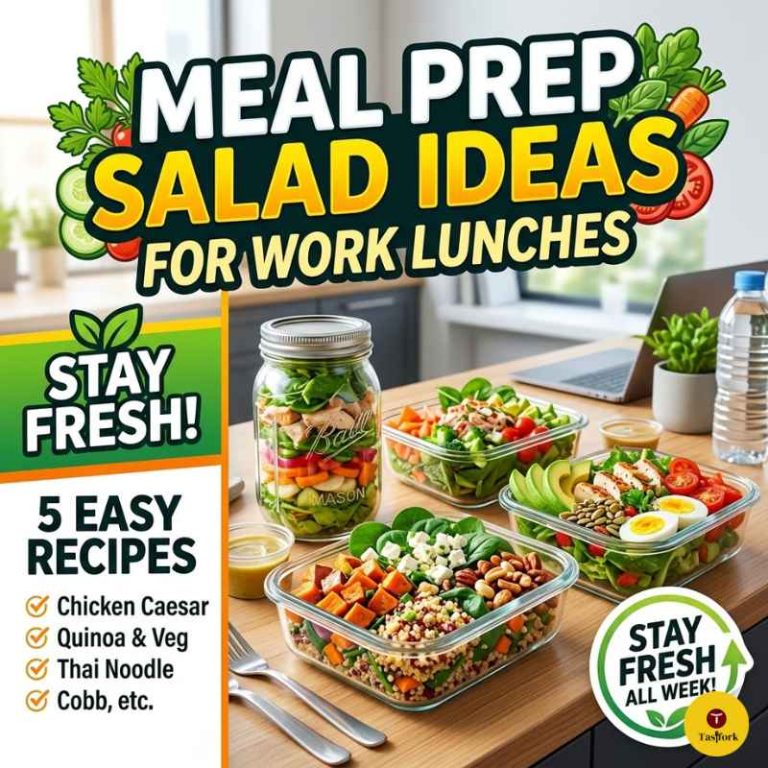
2. Mason Jar Salads
This is a classic meal prep method. The trick is layering. You put the dressing at the bottom.
Then harder veggies. Then grains or protein. Leafy greens go on top.
This keeps everything from getting soggy.
Bottom Layer (Dressing): Vinaigrette, ranch, balsamic.
Next Layer: Carrots, cucumbers, bell peppers, corn, beans.
Middle Layer: Quinoa, chicken, tuna, hard-boiled eggs.
Top Layer: Spinach, romaine, kale.
3. Soups and Stews
Hearty soups and stews are perfect for cooler weather. They reheat beautifully. Make a big pot on Sunday.
Portion it out. You have lunch ready for days. Look for recipes rich in vegetables and lean protein.
Examples include lentil soup, chicken vegetable soup, chili, or a creamy tomato soup.
4. Pasta and Noodle Dishes
Pasta salads and noodle bowls can be great. Choose whole wheat pasta. Load them with vegetables and lean protein.
Sauces that don’t separate easily are best. Think pesto, a light tomato sauce, or a peanut-based sauce.
5. Baked Goods (Savory Muffins, Frittatas)
For something a little different, consider savory muffins or mini frittatas. These are portable and satisfying. You can pack them with vegetables and cheese.
They are great for a lighter lunch or as part of a larger meal.
Meal Prep Strategy: Sunday Prep Plan
1. Plan Your Menu: Decide on 3-4 lunches for the week. Write down your ingredients.
2. Grocery Shop: Buy all your needed items.
3. Prep Ingredients: Wash and chop all veggies. Cook grains like quinoa or rice.
Cook proteins like chicken or tofu.
4. Assemble Meals: Portion everything into containers. Add dressings separately if needed.
5. Store: Keep meals in the refrigerator. Some can be frozen.
Healthy Meal Prep Lunch Recipe Ideas
Now, let’s get to the good stuff! Here are some delicious and easy recipes to get you started. We’ll cover different tastes and dietary needs.
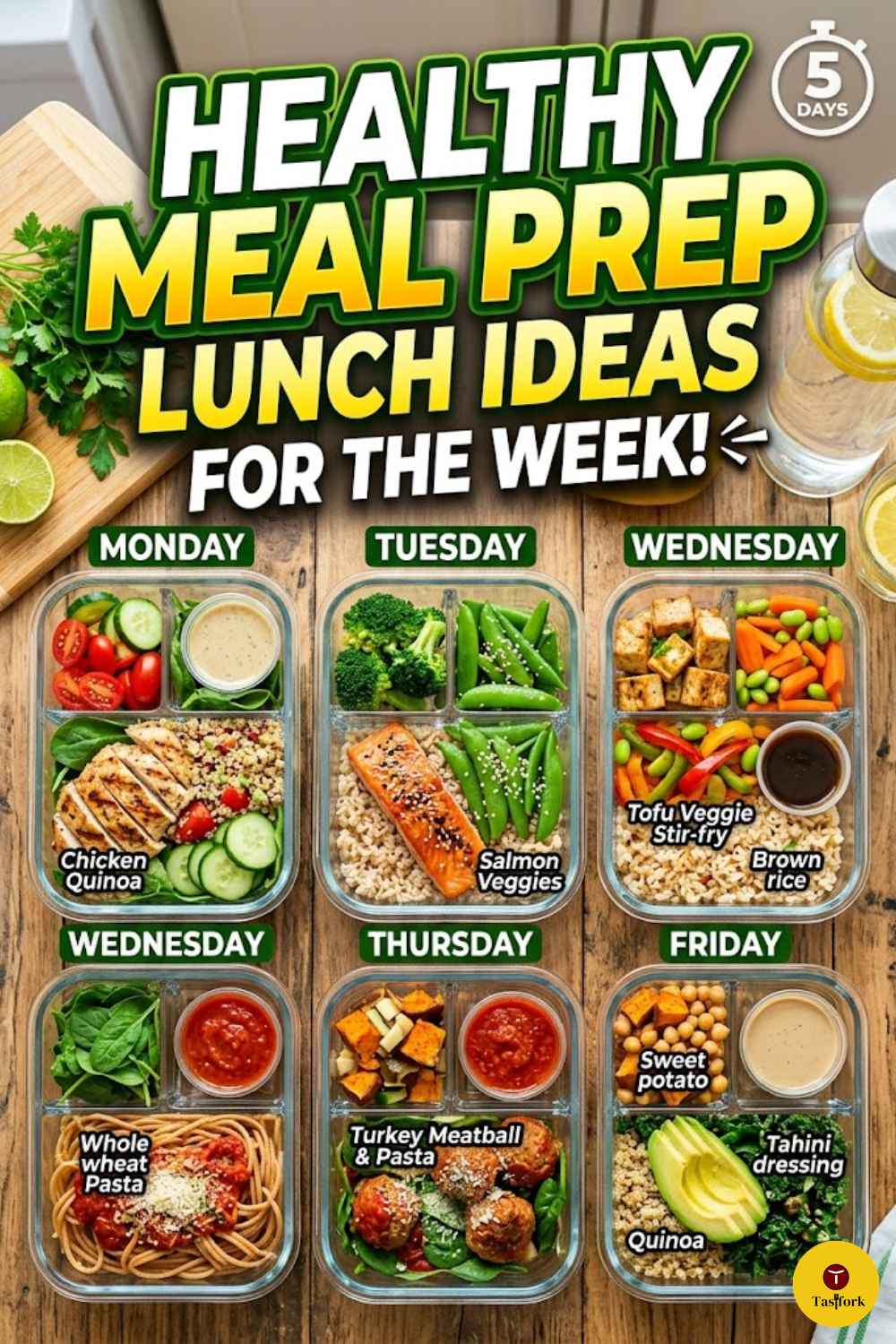
1. Lemon Herb Chicken and Quinoa Bowls
This is a simple, fresh, and filling option. It’s packed with protein and fiber.
Ingredients:
- 2 cups cooked quinoa
- 2 large chicken breasts, cooked and shredded or diced
- 1 cup cherry tomatoes, halved
- 1 cup cucumber, diced
- 1/2 cup red onion, thinly sliced
- 1/4 cup fresh parsley, chopped
- For the Dressing:
- 1/4 cup olive oil
- 2 tablespoons lemon juice
- 1 clove garlic, minced
- 1 teaspoon dried oregano
- Salt and pepper to taste
Instructions:
- In a small bowl, whisk together all dressing ingredients.
- In a large bowl, combine cooked quinoa, chicken, tomatoes, cucumber, and red onion.
- Pour dressing over the mixture. Add parsley. Toss gently to combine.
- Divide into four meal prep containers.
- Store in the refrigerator. Add fresh herbs just before serving if desired.
Quick Tip: Don’t Forget Flavor!
Herbs: Fresh or dried herbs add a lot of taste without calories.
Spices: Cumin, paprika, chili powder can transform simple dishes.
Acids: Lemon juice, lime juice, or vinegar brighten flavors.
Sauces: A good vinaigrette or a dollop of hummus can make a meal exciting.
2. Black Bean and Corn Salad Jars
This vegetarian option is vibrant, healthy, and easy. It’s naturally gluten-free.
Ingredients:
- 1 (15-ounce) can black beans, rinsed and drained
- 1 (15-ounce) can corn, drained
- 1/2 cup red bell pepper, diced
- 1/4 cup red onion, finely diced
- 1/4 cup cilantro, chopped
- For the Dressing:
- 2 tablespoons olive oil
- 1 tablespoon lime juice
- 1/2 teaspoon chili powder
- Salt and pepper to taste
Instructions:
- In a bowl, combine black beans, corn, red bell pepper, red onion, and cilantro.
- In a separate small bowl, whisk together dressing ingredients.
- Pour dressing over the bean and corn mixture. Mix well.
- Layer the salad into mason jars. Put the dressing at the bottom if you are not pre-mixing. Otherwise, mix it all together.
- Seal jars tightly and refrigerate.
3. Turkey Meatball and Veggie Pasta
A satisfying and hearty meal. Use whole wheat pasta for extra fiber.
Ingredients:
- 1 pound lean ground turkey
- 1/4 cup whole wheat breadcrumbs
- 1 egg
- 1/4 cup grated Parmesan cheese
- 1 teaspoon dried Italian seasoning
- Salt and pepper to taste
- 2 cups whole wheat pasta, cooked
- 1 cup marinara sauce
- 1 cup chopped mixed vegetables (zucchini, bell peppers, spinach)
Instructions:
- Preheat oven to 400°F (200°C).
- In a bowl, mix ground turkey, breadcrumbs, egg, Parmesan, Italian seasoning, salt, and pepper. Form into small meatballs.
- Place meatballs on a baking sheet lined with parchment paper. Bake for 15-20 minutes, or until cooked through.
- In a large pot, combine cooked pasta, marinara sauce, and mixed vegetables. Add the cooked turkey meatballs. Stir gently to combine and heat through.
- Divide into meal prep containers.
4. Lentil Soup with Root Vegetables
A nourishing and warming soup. Lentils are a great source of protein and fiber.
Ingredients:
- 1 cup brown or green lentils, rinsed
- 6 cups vegetable broth
- 1 large carrot, diced
- 2 celery stalks, diced
- 1 sweet potato, peeled and diced
- 1 onion, chopped
- 2 cloves garlic, minced
- 1 teaspoon dried thyme
- 1 bay leaf
- Salt and pepper to taste
Instructions:
- In a large pot or Dutch oven, heat a little olive oil over medium heat. Add onion and cook until softened, about 5 minutes.
- Add garlic and cook for another minute until fragrant.
- Stir in rinsed lentils, vegetable broth, carrot, celery, sweet potato, thyme, and bay leaf.
- Bring to a boil, then reduce heat to low. Cover and simmer for 30-40 minutes, or until lentils and vegetables are tender.
- Remove bay leaf. Season with salt and pepper.
- Let cool slightly, then portion into containers. This soup freezes well.
The Contrast Matrix: Fresh vs. Prepped
| Feature | Freshly Made Lunch | Meal Prepped Lunch |
|---|---|---|
| Time Cost (Daily) | High (requires prep each day) | Low (grab and go) |
| Nutritional Control | High | High |
| Variety (Daily) | Potentially High | Planned (usually 1-2 options per week) |
| Cost (Daily) | Variable (can be high if eating out) | Low (cost spread over the week) |
| Stress Level | Can be high if unplanned | Low (one less thing to worry about) |
| Shelf Life | N/A (eaten immediately) | 3-5 days in fridge (some items longer if frozen) |
5. Salmon and Roasted Vegetable Bowls
Salmon is rich in omega-3 fatty acids. Roasting vegetables brings out their natural sweetness.
Ingredients:
- 2 salmon fillets (about 6 oz each)
- 1 pound mixed vegetables (broccoli florets, bell pepper chunks, red onion wedges, sweet potato cubes)
- 2 tablespoons olive oil
- Salt, pepper, and your favorite herbs (like dill or rosemary) to taste
- 1 cup cooked brown rice or quinoa
Instructions:
- Preheat oven to 400°F (200°C).
- Toss mixed vegetables with 1 tablespoon olive oil, salt, pepper, and herbs on a baking sheet.
- Roast for 20-25 minutes, or until tender and slightly browned.
- While veggies roast, season salmon fillets with salt, pepper, and herbs. Rub with remaining 1 tablespoon olive oil.
- Place salmon on a separate part of the baking sheet with the vegetables during the last 12-15 minutes of roasting, or until cooked through and flakes easily.
- Divide cooked brown rice or quinoa among four containers. Top with roasted vegetables and a salmon fillet.
- Let cool completely before sealing and refrigerating.
6. Chicken Salad Lettuce Wraps
A lighter take on chicken salad. Using lettuce cups instead of bread makes it lower in carbs and refreshing.
Ingredients:
- 2 cups cooked chicken breast, shredded or diced
- 1/4 cup Greek yogurt (or mayonnaise for a creamier texture)
- 1 tablespoon Dijon mustard
- 1/4 cup celery, finely chopped
- 1/4 cup red grapes, halved (optional)
- Salt and pepper to taste
- Large lettuce leaves (butter lettuce or romaine) for serving
Instructions:
- In a medium bowl, combine shredded chicken, Greek yogurt (or mayo), Dijon mustard, celery, and grapes (if using).
- Stir until everything is well combined. Season with salt and pepper.
- Divide the chicken salad mixture into containers.
- Keep lettuce leaves separate. Pack them in a bag or container to prevent wilting.
- To eat, spoon chicken salad into lettuce leaves.
Real-World Context: Making Meal Prep Work for You
So, how does this all fit into your actual life? Let’s look at some common situations and how meal prep can help.
The Busy Professional
Your days are packed. Meetings, deadlines, and commuting fill your time. Evenings are for winding down or catching up on life.
Weekend mornings might be your only free time. This is when meal prep becomes a lifesaver. You can spend an hour or two on Sunday.
This might involve chopping veggies, cooking a batch of chicken, or making a large pot of soup.
For professionals, portability is key. Jars, sturdy containers, and wraps work well. You want something that travels easily and doesn’t require much fuss at lunchtime.
The mental relief of knowing lunch is ready is priceless.
The Fitness Enthusiast
If you’re hitting the gym regularly, your nutrition is crucial. Meal prepping helps you stay on track with your protein and carb goals. You can easily measure out portions.
This ensures you’re getting the right amount of fuel for your workouts and recovery. You might focus on higher protein meals like chicken, fish, or tofu bowls. Adding a good source of complex carbs like sweet potatoes or brown rice is also important.
Pre-portioning snacks like hard-boiled eggs or yogurt cups can also be part of your weekly prep. This prevents impulse buys when hunger strikes between meals.
Families on the Go
For parents, lunches for kids (and adults!) can be a daily challenge. Meal prepping can simplify this significantly. You can make a large batch of pasta or homemade chicken nuggets on Sunday.
Kids often enjoy simple, familiar meals. Things like mini muffins or bento-style boxes with various components (cheese cubes, fruit, crackers) are popular. Getting kids involved in the prep process can also make them more likely to eat their lunches.
Consider lunches that are easy for little hands to manage. Avoid things that are too messy or require lots of utensils. Sandwiches, wraps, and fruit salads are usually good choices.
Budget-Conscious Individuals
If you’re watching your spending, meal prep is your best friend. Eating out even a couple of times a week can drain your bank account. By planning and cooking at home, you significantly cut down on food costs.
Buying ingredients in bulk and using them across multiple meals also reduces waste and saves money. Think about staple ingredients like rice, beans, lentils, and chicken thighs, which are often very affordable.
You can track your food expenses more easily when you’re meal prepping. This helps you identify areas where you can save even more.
Myth vs. Reality: Meal Prep Edition
| Myth | Reality |
|---|---|
| Myth: Meal prep is boring and repetitive. | Reality: With endless recipe variations and flavor combinations, meal prep can be exciting and diverse. |
| Myth: It takes too much time. | Reality: While there’s an upfront time investment, it saves much more time daily. Efficient planning is key. |
| Myth: Prepped food doesn’t taste as good. | Reality: Many dishes actually improve in flavor as ingredients meld. Proper storage is crucial. |
| Myth: It’s only for healthy eaters. | Reality: You can meal prep any type of food, from comfort meals to strict diet plans. |
| Myth: You need fancy equipment. | Reality: Basic containers, knives, and pots are usually all you need. |
What This Means for You: When to Worry
Most of the time, meal prepping healthy lunches is a positive thing. But it’s important to be aware of certain signs. This ensures your food is safe and enjoyable.
Food Safety First
This is the most important aspect. Bacteria can grow quickly in food left at room temperature. Always follow safe food handling practices.
Key rules:
- Cook thoroughly: Ensure all meats and poultry reach safe internal temperatures.
- Cool quickly: Don’t leave cooked food sitting out for more than two hours. In very hot weather, this reduces to one hour.
- Refrigerate promptly: Store prepped meals in the refrigerator within that two-hour window.
- Use good containers: Airtight containers prevent contamination and keep food fresh.
- Don’t overstuff: Allow air to circulate in the fridge for proper cooling.
Signs Your Meal Prep Isn’t Right
Sometimes, despite best efforts, a meal might not be good to eat. Trust your senses.
Smell: If it smells off, sour, or unpleasant, discard it. Don’t risk it.
Appearance: If food looks slimy, moldy, or discolored, it’s time to throw it away.
Texture: If something feels unusually mushy or dry, and it shouldn’t, it might be spoiled.
Taste: If you take a small bite and it tastes bad, spit it out immediately and discard the rest.
Generally, most well-prepped meals are safe to eat for about 3-4 days when refrigerated properly. For longer storage, freezing is an option. Freezing can extend the life of many meals for several months.
Quick Fixes & Tips for Better Meal Prep
Here are some handy tips to make your meal prepping experience smoother and tastier.
Keep Dressings Separate
For salads or bowls that have ingredients that can get soggy (like lettuce or crispy components), pack the dressing separately. This ensures everything stays fresh and retains its texture until you’re ready to eat.
Invest in Good Containers
While it might seem like an added expense, durable, airtight containers are worth it. They prevent leaks, keep food fresh longer, and can be reused many times. Glass containers are great because they don’t stain or retain odors and can go from the fridge to the microwave.
Batch Cook Your Staples
On your prep day, focus on cooking large batches of versatile staples. This includes grains like quinoa or brown rice, proteins like grilled chicken or baked tofu, and roasted vegetables. Having these prepped makes assembling individual meals much faster.
Embrace Frozen Produce
Don’t shy away from frozen fruits and vegetables! They are often just as nutritious as fresh, and they are already prepped (washed, chopped). They can be a huge time-saver, especially for smoothies or soups.
Spice Up Your Life
Boredom is the enemy of consistent meal prep. Use a variety of herbs, spices, and healthy sauces to keep things interesting. A different spice blend or a new vinaigrette can make the same basic ingredients taste entirely new.
Portion Control
Use your containers to help with portion control. If you’re watching your intake, this is an easy way to manage how much you’re eating. It also helps ensure you have enough meals for the entire week.
Infographic: Meal Prep Assembly Line
Step 1: Cook Your Components
Cook grains (rice, quinoa). Roast veggies (broccoli, sweet potatoes). Cook proteins (chicken, tofu, beans).
Step 2: Cool Down
Let all cooked items cool to room temperature. This is important for food safety.
Step 3: Assemble Bowls/Jars
Layer ingredients into your meal prep containers. Start with grains, then veggies, then protein.
Step 4: Add Toppings/Dressings
Add nuts, seeds, cheese. Pack dressings separately if needed.
Step 5: Seal and Store
Close containers tightly. Refrigerate immediately.

Frequent Questions About Healthy Meal Prep Lunches
How many days can I safely store prepped lunches?
Typically, prepped meals are safe to eat for 3-4 days when stored properly in an airtight container in the refrigerator. For longer storage, consider freezing. Always use your senses (smell, appearance) to check for spoilage.
What are the best containers for meal prepping lunches?
Airtight containers are essential. Glass or BPA-free plastic containers are popular choices. Look for ones that are microwave-safe if you plan to reheat your meals.
Different sizes are helpful for various meal components.
Can I meal prep breakfast and dinner too?
Absolutely! The principles of meal prepping apply to all meals. You can prepare breakfast items like overnight oats or egg muffins, and dinners like chili or casserole in advance.
My vegetables get soggy when I meal prep. What can I do?
Ensure vegetables are cooked until just tender, not mushy. Also, consider adding some raw, crunchy vegetables (like bell peppers or cucumbers) just before eating, or pack them separately. Thick-skinned vegetables like carrots or broccoli tend to hold up better than leafy greens in cooked dishes.
How can I prevent my chicken from drying out when meal prepping?
Don’t overcook your chicken. When cooking in batches, it’s better to slightly undercook it as it will continue to cook slightly in storage or when reheated. Adding a sauce or moisture when assembling your meal can also help keep it from drying out.
What are some good vegetarian or vegan meal prep lunch ideas?
Excellent options include lentil soup, black bean burgers, tofu scrambles, chickpea salad sandwiches, quinoa bowls with roasted vegetables and beans, and hearty vegetable stews. Many of the recipes mentioned in this guide can be adapted for vegetarian or vegan diets by swapping out animal proteins for plant-based ones.
Conclusion: Your Weekday Lunch, Revolutionized
Taking control of your lunches is a powerful step. It’s about making your health and well-being a priority. Healthy meal prep lunch recipes aren’t complicated.
They just require a little planning. With these ideas and tips, you’re ready to create delicious, nutritious meals. Say goodbye to sad desk lunches and hello to energized, focused days.