11 Homemade Yeast Bread Recipes Reddit Bakers Love
Have you ever scrolled through Reddit, seen those amazing loaves of homemade bread, and felt a pang of desire? You know the kind – golden crusts, soft insides, smelling like pure comfort. Maybe you’ve even tried a few times yourself, only to end up with something a little… sad.
It happens to the best of us! Baking with yeast can feel like a secret club. But what if I told you that cracking that code is totally doable, and many home bakers out there are sharing their best secrets online?
This guide dives into 11 popular homemade yeast bread recipes that bakers on Reddit rave about. We’ll explore why they work so well and how you can make them shine in your own kitchen. Get ready to bake some truly delicious bread!
Homemade yeast bread recipes are often shared and loved on platforms like Reddit. These recipes typically focus on simplicity, accessible ingredients, and reliable results for home bakers. Key elements often include clear instructions, tips for managing dough, and variations for different types of bread. Many popular recipes emphasize patience, proper proofing, and achieving a good crust and crumb structure.
Understanding the Magic of Yeast
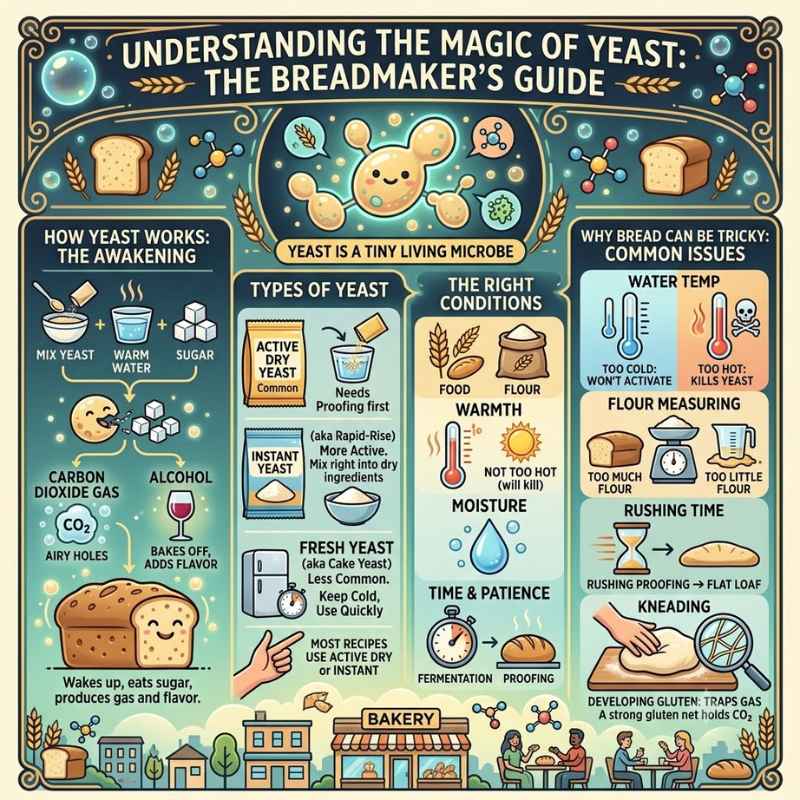
Yeast is a tiny living thing. It’s what makes bread rise and gives it that wonderful, slightly tangy flavor. When you mix yeast with warm water and a little sugar, it wakes up and starts eating the sugar. As it eats, it makes gas. This gas is carbon dioxide. The gas gets trapped in the dough as it bakes. This trapping is what creates all those airy holes inside your bread. It’s a pretty amazing process!
How Yeast Works
Yeast needs a few things to do its job. It needs food, which is usually the flour in your dough. It needs warmth, but not too hot. Too hot water will kill the yeast. It also needs moisture. When these things are right, yeast gets busy. It ferments, producing alcohol and carbon dioxide. The alcohol mostly bakes off, but it adds flavor. The carbon dioxide is the star of the show for rising.
Types of Yeast
There are a few common types of yeast you’ll see in recipes. Active dry yeast is common. You usually need to “proof” it first. This means dissolving it in warm water to make sure it’s alive. Instant yeast, also called rapid-rise or bread machine yeast, is more active. You can often mix it right into the dry ingredients. Fresh yeast, or cake yeast, is less common for home bakers. It needs to be kept cold and used quickly. For most online recipes and Reddit discussions, you’ll likely encounter active dry or instant yeast.
Why Yeast Breads Can Be Tricky
Sometimes, yeast bread doesn’t turn out right. The dough might not rise. The bread might be dense. Or it could be dry. These problems often come down to a few common issues. The temperature of the water is a big one. If it’s too cold, the yeast won’t activate well. If it’s too hot, you’ll kill it. Measuring flour accurately is also key. Too much flour makes dough stiff. Too little makes it sticky.
Patience is another factor. Yeast needs time to do its work. Rushing the rising process, called proofing, can lead to a flat loaf. Kneading is also important. It develops the gluten in the flour. Gluten is like a network of tiny strings. It traps the gas bubbles from the yeast. If you don’t knead enough, the gluten won’t be strong enough to hold the gas.
Reddit’s Favorite Homemade Yeast Bread Recipes
Reddit is a treasure trove of baking knowledge. Users share their successes, failures, and favorite recipes. Many popular yeast bread recipes found on Reddit focus on simple ingredients and clear steps. They often have tons of comments with tips and variations from other bakers. Let’s look at some types of bread that get a lot of love.
No-Knead Bread: The Game Changer
This is probably one of the most famous bread recipes online. It’s super popular on Reddit because it’s so easy. You mix flour, water, yeast, and salt. Then you let it sit for a long time. It needs a long, slow rise. This long rise develops flavor and structure. You don’t need to knead it at all. Most recipes suggest using a Dutch oven to bake it. The Dutch oven creates steam. This steam helps make a wonderfully crisp crust. It’s like magic without the hard work.
My First No-Knead Success
I remember the first time I tried the no-knead bread. It was a rainy Saturday. I was feeling a bit intimidated by baking bread. All the kneading seemed like a lot of effort. I found a simple no-knead recipe on a baking subreddit. It looked so easy. I mixed the ingredients in a bowl. The dough was very wet and sticky. I covered it and left it on the counter for about 18 hours. I honestly didn’t expect much. The next day, the dough had doubled. It looked bubbly and alive. I carefully shaped it a bit and put it into a preheated Dutch oven. The smell that filled my kitchen as it baked was incredible. When I took it out, it had a deep brown, crackly crust. The inside was soft and airy. It was better than any bread I had bought from a bakery. That experience showed me how simple ingredients and time could make something amazing.
Classic White Bread: Simple and Satisfying
A good, basic white bread recipe is a staple. Reddit bakers often share their perfected versions. These recipes usually use basic pantry staples: flour, yeast, salt, sugar, and milk or water. The focus is on achieving a soft crumb and a tender crust. Many bakers add a little butter or oil for richness.
Key Steps for Classic White Bread
The process usually involves activating the yeast, mixing the dough, kneading it until smooth and elastic, letting it rise, shaping it into a loaf, letting it rise again, and then baking. The kneading step is crucial here to develop gluten. This is where many beginner bakers look for advice on Reddit. They ask how long to knead and what the dough should feel like.
Sourdough Starter Bread: The Cult Favorite
Sourdough bread is a whole other level of love for many bakers. It uses a “starter” instead of commercial yeast. A starter is a culture of wild yeast and bacteria. You feed it regularly with flour and water. It takes time and practice to maintain a healthy starter. But the result is a bread with a wonderfully tangy flavor and a unique texture. Reddit has huge communities dedicated to sourdough. People share tips on feeding their starters, troubleshooting common issues, and achieving that perfect “ear” on their loaves.
Maintaining a Sourdough Starter
Keeping a starter alive and active is like having a pet. You need to feed it. You discard some of it before feeding. This keeps the yeast and bacteria balanced. Many bakers use specific flours like whole wheat or rye to feed their starters. This can add extra flavor. When a starter is ready, it will be bubbly and will have doubled in size after feeding.
Sourdough Starter Essentials
What you need:
- Flour (all-purpose, whole wheat, or rye)
- Water (filtered or unchlorinated is best)
- A clean jar or container
- A way to weigh ingredients (scale is best)
Feeding schedule:
Most people feed their starter once a day. Some feed twice if it’s very active or in warm weather. You typically discard about half, then add equal parts flour and water.
Whole Wheat Bread: Healthy and Hearty
Whole wheat bread is a popular choice for its health benefits and hearty texture. Making it at home means you control the ingredients. You can ensure it’s made with 100% whole wheat flour. Many Reddit recipes balance whole wheat flour with some all-purpose flour. This helps create a softer loaf. It also makes the dough easier to handle.
Tips for Baking with Whole Wheat Flour
Whole wheat flour has more bran and germ. This means it absorbs more liquid. Recipes might call for a little extra water. The bran can also cut gluten strands. So, kneading thoroughly is important. Some bakers let the dough rest for a bit after kneading. This allows the flour to fully hydrate. This helps create a better texture.
Brioche: Rich and Buttery
Brioche is a French bread that’s incredibly rich. It’s made with lots of butter and eggs. This gives it a soft, tender crumb and a slightly sweet flavor. It’s a bit more work than a basic loaf. But the results are decadent. On Reddit, bakers share their struggles and triumphs with this enriched dough. It can be sticky and challenging to handle.
Enriched Dough Challenges
The high fat content from butter can make the dough seem difficult to knead. It can feel greasy or not come together easily. Many bakers suggest chilling the dough slightly. This makes it easier to manage. Others recommend adding the butter in stages during kneading. This helps the dough absorb it properly.
Brioche Dough Texture Guide
Initial Mix: Dough will be shaggy and wet.
After First Knead: Dough starts to come together, still a bit sticky.
Adding Butter: Add butter piece by piece. Dough might look like it’s breaking apart. Keep kneading.
It will eventually come back together.
Final Dough: Smooth, elastic, slightly sticky, but pulls away from the bowl. It should pass the “windowpane test.”
Focaccia: Simple and Flavorful
Focaccia is a flat Italian bread. It’s often topped with herbs, olive oil, and coarse salt. It’s easy to make and very forgiving. Many Reddit bakers love it because it’s versatile. You can add all sorts of toppings. It’s great as a side or a base for sandwiches.
Achieving the Perfect Focaccia Dimples
The signature dimples on focaccia are made by pressing your fingers into the dough before baking. This creates pockets for olive oil to pool in. It also helps keep the bread from puffing up too much. Bakers on Reddit share their favorite herb and topping combinations. Rosemary and sea salt is a classic.
Rye Bread: Distinctive Taste
Rye bread has a distinct flavor and a denser texture than wheat bread. It uses rye flour, which has less gluten. This means it needs different handling. Many recipes blend rye with wheat flour. This makes it easier to work with. Sourdough is often used for rye bread. This adds depth of flavor and helps with the rise.
The Role of Rye Flour
Rye flour contains pentosans. These are sticky gums. They absorb a lot of water. This makes the dough very wet. It also makes it hard to develop gluten. Rye breads often benefit from longer fermentation. This helps develop flavor. It also improves texture.
Baguette: The Classic French Loaf
Making a good baguette at home is a challenge many bakers aspire to. The key is a good crust and an open, airy crumb. Recipes often involve high hydration doughs. This means a lot of water. Shaping the long, thin loaves also requires practice. French bakers on Reddit share techniques for achieving that signature crisp crust.
Baking Baguettes with Steam
Steam is essential for baguettes. It keeps the crust soft during the initial baking. This allows the loaf to expand fully. It also creates that glossy, crackly crust. Many home bakers create steam by placing a pan of hot water in the oven. Others use a Dutch oven.
Quick Baguette Shaping Tips
Gentle Handling: Be very gentle with the dough. You want to keep the air bubbles.
Pre-shaping: Gently form a rough log. Let it rest for 15-20 minutes. This relaxes the gluten.
Final Shaping: Gently flatten the log. Fold one-third over the middle. Press to seal.
Fold the other third over. Press again. Gently roll it out to the desired length.
Seal the seam very well.
Proofing: Place shaped baguettes on a floured couche or parchment paper. Cover them.
Ciabatta: The Open Crumb Wonder
Ciabatta is known for its very open, airy crumb. It’s a wet dough. This high hydration is key to its texture. It’s often made with a preferment, like a biga or poolish. This adds complex flavor. The shaping is also quite rustic.
The Challenge of Wet Doughs
Working with ciabatta dough can be intimidating. It’s very sticky and slack. Many bakers use a dough scraper. This helps lift and fold the dough. Over-kneading can break down the gluten. So, gentle folds are often preferred. The long, slow fermentation is important. It builds flavor and structure in the dough.
Cinnamon Raisin Swirl Bread: A Sweet Treat
This is a beloved sweet bread. It’s a soft, enriched dough. It’s filled with a mixture of cinnamon, sugar, and plumped raisins. Then it’s rolled up and baked. It’s perfect for breakfast or a snack. Reddit bakers share their favorite filling ratios. They also give tips for getting those beautiful swirls.
Plumping Raisins for Sweet Breads
To get soft, plump raisins, it’s best to soak them. You can use warm water or fruit juice. Let them soak for about 15-30 minutes. Then drain them well before adding them to the dough. This prevents them from drawing moisture out of the dough. It also makes them nice and chewy.
Garlic Herb Bread: A Crowd Pleaser
This bread is a savory delight. It’s usually a simple white or whole wheat dough. It’s then mixed or topped with garlic, herbs, and often cheese. It’s a fantastic side dish for pasta or soup. Many Reddit users share recipes for infused garlic oils. They also discuss different herb blends.
Infusing Garlic Flavor
You can add minced garlic directly to the dough. Or you can make a garlic-infused oil. Gently heat olive oil with smashed garlic cloves. Let it steep. Then brush this oil over the dough before or after baking. This gives a wonderful, mellow garlic flavor.
Flavorful Garlic Herb Bread Add-ins
- Herbs: Fresh rosemary, thyme, parsley, chives, oregano. Dried Italian seasoning works too.
- Cheese: Grated Parmesan, mozzarella, or a cheddar blend.
- Extras: A pinch of red pepper flakes for a little heat. Sun-dried tomatoes chopped small.
Real-World Baking Scenarios
Imagine you’re trying to make a simple white bread. You follow the recipe. You mix everything. The dough seems okay. You let it rise. It barely doubles. You bake it. It comes out flat and dense. What went wrong?
Common Pitfalls and Solutions
Yeast isn’t active: Did you check the expiration date? Was your water too hot or too cold? Try proofing your yeast in warm water with a pinch of sugar. If it doesn’t bubble, it’s likely dead.
Dough too stiff: You might have added too much flour. Or you didn’t measure it correctly. Try adding a tablespoon of water at a time until it feels right.
Dough not rising enough: Your kitchen might be too cold. Yeast likes warmth. Try placing your dough in a slightly warm oven (turned off!) or near a sunny window. Ensure your yeast is fresh.
Bread is dry: This can happen if it’s overbaked. Or if there wasn’t enough liquid in the dough. Using a thermometer to check the internal temperature is helpful. Aim for around 190-200°F for most white breads.
What This Means for You
Understanding these common bread recipes and their nuances is empowering. It means you can approach baking with more confidence. You’ll know what to look for. You’ll understand why certain steps are important.
When is it Normal?
It’s normal for dough to feel different depending on the flour and humidity. It’s normal for the first few loaves to not be perfect. Many experienced bakers on Reddit still have loaves that don’t turn out exactly as planned. The important thing is to learn from each bake.
When to Worry (Slightly!)
If your dough shows absolutely no signs of life after hours of rising, something is wrong with your yeast. If your bread is rock hard after baking, you likely overbaked it or had too much flour. These are learning opportunities, not failures.
Simple Checks
Yeast: Check the date.
Water temperature: Aim for lukewarm, around 105-115°F (40-46°C).
Flour: Measure by weight if you can. If using cups, spoon flour into the cup and level it. Don’t scoop directly from the bag.
Rising: Look for a significant increase in size (doubled is ideal).
Baking: Use a thermometer for consistent results.
Quick Tips for Better Bread
These tips come from countless hours of baking and advice shared online.
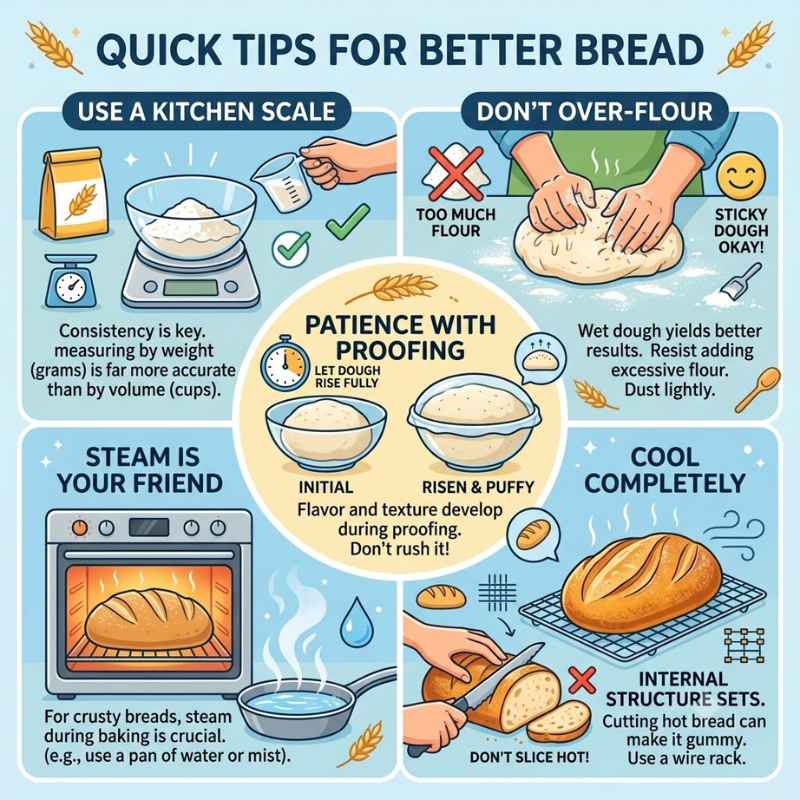
Use a Kitchen Scale: This is the most important tip. Measuring flour by volume (cups) can be very inaccurate. A scale ensures consistency.
Don’t Over-Flour: Resist the urge to add too much flour when kneading. Wet doughs can be sticky, but they often yield better results.
Patience with Proofing: Let the dough rise fully. This is where flavor and texture develop.
Steam is Your Friend: For crusty breads, steam during baking is crucial.
Cool Completely: Let your bread cool on a wire rack before slicing. This allows the internal structure to set. Cutting it too soon can make it gummy.
Frequently Asked Questions About Homemade Yeast Bread
What is the best flour for homemade yeast bread?
For most basic yeast breads, all-purpose flour or bread flour is excellent. Bread flour has a higher protein content, which helps develop more gluten for a chewier texture. For whole wheat bread, use whole wheat flour.
For enriched doughs like brioche, you might use a lower-protein all-purpose flour.
How long does it take for yeast dough to rise?
Rising times vary a lot. It depends on the yeast amount, temperature, and the type of flour. A basic white bread dough might rise in 1-2 hours.
No-knead doughs can take 12-18 hours. Warmer environments speed up rising. Colder environments slow it down.
My bread is dense. What did I do wrong?
A dense bread usually means the yeast didn’t rise enough. This could be due to old or dead yeast, water that was too hot or cold, or not enough rising time. It could also mean you didn’t develop enough gluten through kneading, or you overworked the dough.
How do I get a good crust on my homemade bread?
A good crust comes from steam and high heat. Baking in a Dutch oven creates steam inside the pot. You can also spray water into the oven or place a pan of hot water on the bottom rack for the first part of baking.
High oven temperature also helps create a crispy crust.
Can I freeze homemade bread?
Yes, you can freeze homemade bread! Let it cool completely first. Then wrap it tightly in plastic wrap, followed by a layer of aluminum foil or a freezer bag.
It should last for 2-3 months. To thaw, unwrap it and let it sit at room temperature. You can also reheat slices in the oven or toaster.
What is the “windowpane test” for dough?
The windowpane test checks if your dough has enough gluten development. You take a small piece of dough and gently stretch it. If you can stretch it thin enough to see light through it without tearing, it has passed the test.
This means the gluten network is strong and ready.
Conclusion
Baking homemade yeast bread is a rewarding journey. The recipes and tips shared by bakers on Reddit are invaluable. They show us that delicious, crusty, and soft loaves are within reach for everyone. Don’t be afraid to experiment. Embrace the process. And enjoy the incredible aroma and taste of bread made with your own hands. Happy baking!