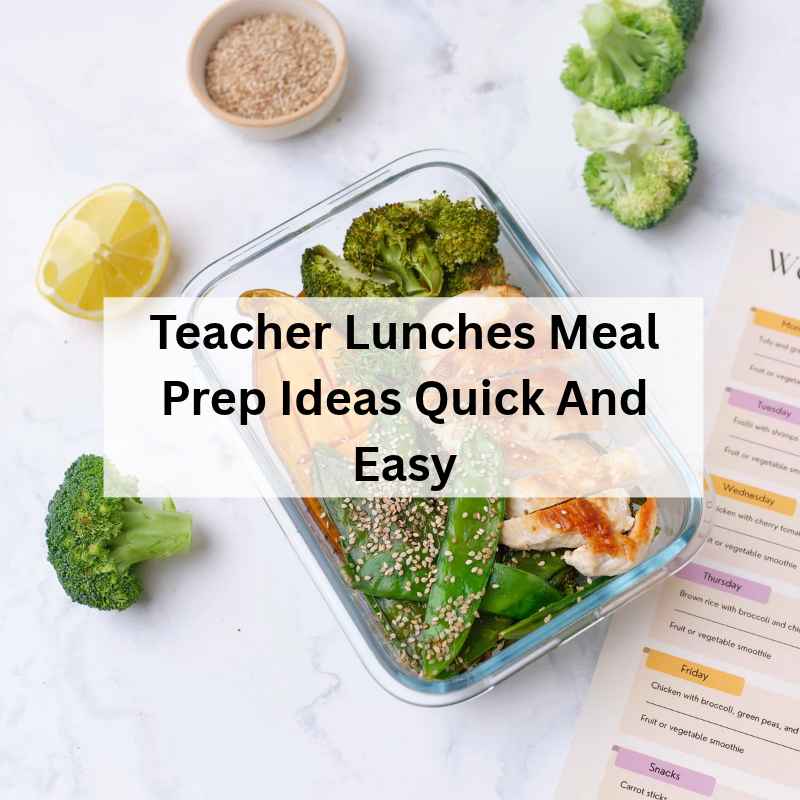
Teacher Lunches Meal Prep Ideas Quick And Easy
It can feel like a puzzle, trying to get a good meal on the table when you’re a teacher. After a long day of teaching, the last thing you want is to spend hours cooking. You deserve a tasty, healthy lunch that doesn’t stress you out. This guide will give you simple ideas that work.
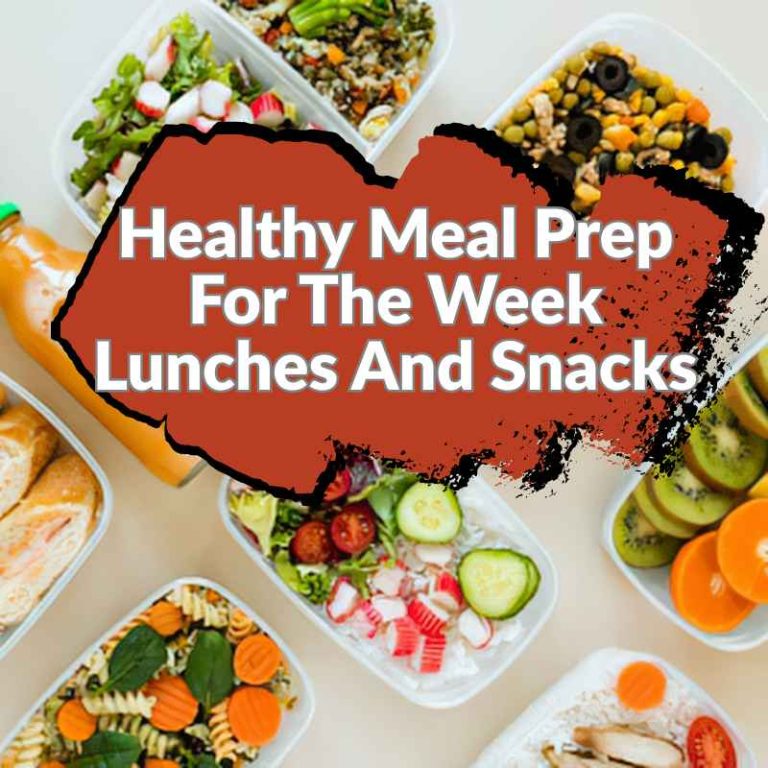
Meal prepping lunches for teachers is about making smart choices that save time and energy. It involves planning ahead, using simple ingredients, and focusing on meals that hold up well. This approach helps educators eat healthier and feel more prepared for their busy days.
What Is Teacher Lunch Meal Prep?
Meal prepping for teachers means getting your lunches ready before the school week starts. It’s about thinking ahead so you don’t have to worry each morning. You prepare things in advance. This saves you time when you are most tired.
Why is this so important for teachers? Your job is demanding. You give a lot of energy to your students. A good lunch helps you refuel. It keeps your brain sharp. It stops you from feeling drained. Many teachers end up grabbing unhealthy snacks. They might skip lunch altogether. This isn’t good for them or their students.
When you plan your lunches, you control what you eat. You can make sure you get enough protein. You can include fresh fruits and veggies. This helps your body and mind. It’s a way to take care of yourself. It makes your school week much smoother. You’ll feel more in control.
My Own Lunch Prep Nightmare
I remember one Tuesday vividly. I was working late grading papers. The next morning, I had a big parent meeting before school. I opened my fridge, hoping for a miracle. Nothing. Just a sad, wilted carrot and a half-eaten yogurt. My stomach growled. Panic set in. I ended up grabbing a sugary granola bar from my desk. I felt sluggish by 9 AM. That day was tough. I was grumpy and couldn’t focus. I realized then that being unprepared for lunch was hurting my whole day. That’s when I decided to get serious about meal prep. It wasn’t just about food; it was about my well-being.
Smart Strategies for Busy Teachers
This is where we dive into the fun part! Making lunches doesn’t have to be a chore. It can actually be quite simple and even enjoyable. We’re focusing on ideas that are quick to make and delicious to eat. Think about meals that are easy to pack and reheat, or even eat cold.
The Power of the “Chop Once, Use Twice” Method
This is a game-changer for saving time. When you chop veggies like onions, peppers, or carrots, chop extra. Store the extras in airtight containers.
You can use them in salads, stir-fries, or egg dishes later in the week. It cuts down on prep time significantly.
Batch Cooking Basics
One of the best ways to make lunch prep easy is to cook larger portions of certain ingredients. This means you cook once but have enough for several meals. Think about staples like chicken breast, rice, or roasted vegetables.
When you cook chicken breasts, for example, you can use them in many ways. You can shred them for salads. You can dice them for wraps. You can slice them for grain bowls. This saves you from cooking chicken every single day.
Rice or quinoa is another great staple. Cook a big batch on Sunday. You can then portion it out for different meals. It’s a healthy base for many dishes. Roasted vegetables like broccoli, sweet potatoes, or bell peppers are also perfect for batch cooking. They taste good cold or reheated.
Make it a Sunday Ritual
Set aside a few hours on Sunday. This is usually a good day for most teachers to catch up. Use this time for your meal prep. You don’t need to do hours of work. Even 1-2 hours can make a big difference.
Start by choosing your meals for the week. Then, get your groceries. On Sunday afternoon, do your chopping and cooking. Portion everything into your lunch containers. This way, when Monday morning comes, your lunch is ready to go. It’s a little bit of effort upfront that pays off all week.
Infographic: Your Sunday Prep Checklist
- Plan meals for the week.
- Shop for groceries.
- Wash and chop produce.
- Cook grains like rice or quinoa.
- Cook proteins like chicken or lentils.
- Roast vegetables.
- Assemble lunches in containers.
- Clean up your workspace.
The Right Tools Matter
Having the right containers makes a huge difference. Look for containers that are:
Leak-proof: No one wants soup in their bag.
Microwave-safe: If you plan to reheat your lunch.
Dishwasher-safe: For easy cleaning.
BPA-free: For your health.
Glass containers are great for reheating. Plastic ones are often lighter to carry. Many people like having a mix of both. You might also want small containers for dressings or dips. A good insulated lunch bag can keep your food at the right temperature.
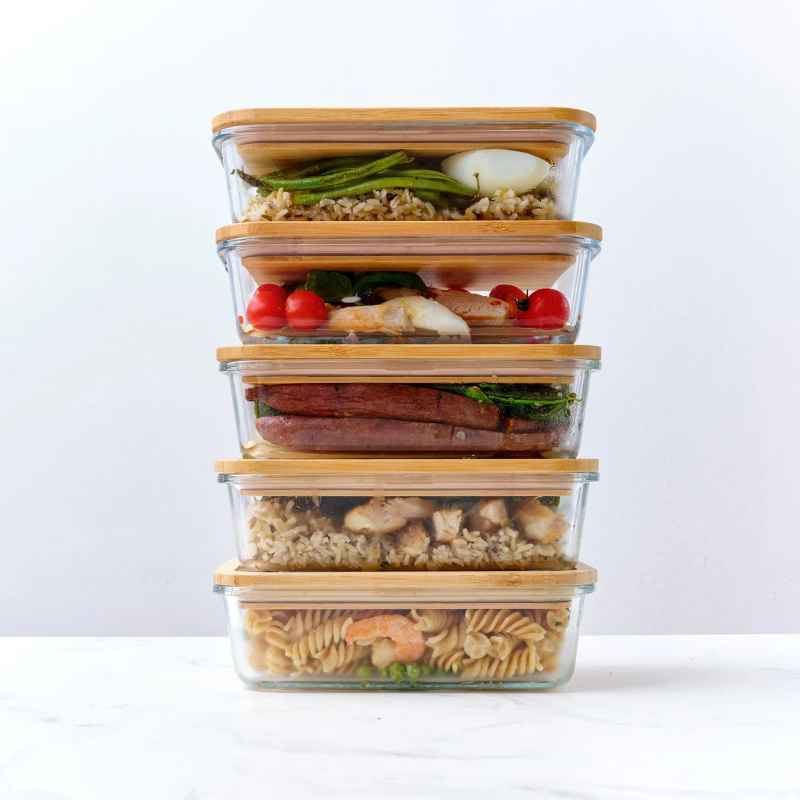
Easy Teacher Lunch Ideas: The Core of the Matter
Now, let’s get to the actual food! These are ideas that are simple, filling, and healthy. They are designed to be made ahead and enjoyed during a busy school day. We’ll focus on variety so you don’t get bored.
Grain Bowls: The Versatile Favorite
Grain bowls are fantastic because you can mix and match ingredients. They use a base of grains, then you add protein, veggies, and a dressing.
Start with a base like quinoa, brown rice, or farro. These are healthy and filling. Cook a big batch on Sunday.
For protein, you can use:
Shredded chicken (batch cooked)
Hard-boiled eggs
Canned chickpeas or black beans (rinsed)
Tofu or tempeh
Lentils
Add your favorite vegetables. Roasted veggies work well. Fresh ones like spinach or bell peppers are also good. Avocado adds creaminess.
Top it off with a simple dressing. A lemon-tahini dressing is easy. A vinaigrette made with olive oil and vinegar also works.
Here’s a sample grain bowl: Quinoa, black beans, corn, diced bell peppers, a little salsa, and some avocado. It’s easy to pack and tastes great.
Quick Grain Bowl Assembly
Base: Cooked Quinoa or Brown Rice
Protein: Canned Black Beans or Lentils
Veggies: Corn, Diced Tomatoes, Chopped Spinach
Flavor: A squeeze of Lime, a pinch of Cumin
Optional Topping: A dollop of Greek Yogurt or Guacamole
Hearty Salads: Not Just Lettuce!
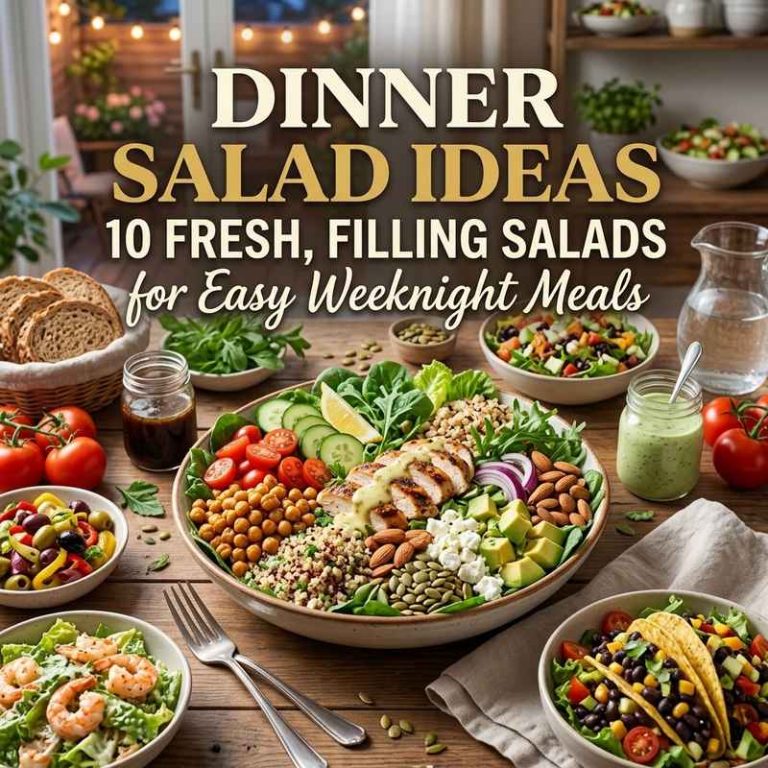
When people think of salads, they might think of light, flimsy meals. But salads can be super hearty and satisfying. The key is to add filling ingredients.
Start with a bed of sturdy greens like kale or spinach. These hold up better than delicate lettuce.
Add a good source of protein. Grilled chicken, salmon, or chickpeas are excellent choices. Don’t forget healthy fats like avocado or nuts.
Fruits can add a nice sweetness. Apples, berries, or grapes work well.
Consider adding grains like farro or couscous to make the salad more substantial.
For dressings, always pack them separately. This keeps your salad from getting soggy. A simple olive oil and lemon juice mix is healthy.
A good example is a lentil salad with chopped celery, carrots, and a light vinaigrette. It’s packed with fiber and protein.
Soup and Chili: Warm and Comforting
If you have access to a microwave, soup and chili are wonderful options. They are easy to make in big batches and reheat beautifully.
Lentil soup is packed with protein and fiber. Vegetable soup is a great way to get in more veggies. Chicken noodle soup is a classic comfort food.
Chili is another excellent choice. You can make a vegetarian chili with beans and vegetables. Or a meat chili with ground turkey or beef.
When packing soup, make sure your container is secure. You don’t want spills. A wide-mouth thermos is also a good option for keeping soup hot.
These are great for colder months. They offer warmth and comfort during a busy school day.
Wraps and Sandwiches: The Classics, Elevated
Wraps and sandwiches are teacher lunch staples. But you can make them much healthier and more interesting.
For wraps, use whole wheat tortillas. Fill them with lean protein like turkey or chicken. Add plenty of veggies like lettuce, tomatoes, and cucumbers. Hummus or a light cream cheese spread can add flavor.
For sandwiches, use whole grain bread. Avoid overly processed meats. Opt for grilled chicken, tuna salad (made with Greek yogurt instead of mayo), or hard-boiled eggs. Add lettuce, tomato, and a thin slice of cheese.
To prevent sandwiches from getting soggy, try packing spreads separately. Or put wet ingredients like tomatoes between layers of drier ingredients.
Smart Sandwich & Wrap Fillings
- Protein: Sliced Turkey, Grilled Chicken, Tuna Salad (Greek Yogurt Base), Hummus, Black Beans.
- Veggies: Spinach, Lettuce, Sliced Tomatoes, Shredded Carrots, Cucumber Ribbons, Bell Pepper Strips.
- Spreads: Avocado, Mustard, Light Mayo, Pesto, Cream Cheese (lightly).
- Cheese (Optional): A thin slice of Provolone or Swiss.
Pasta Salads: Cool and Convenient
Pasta salads are fantastic because they are good cold. You can make a big batch and eat it throughout the week.
Use whole wheat pasta for extra fiber. Add lots of chopped vegetables like broccoli, cherry tomatoes, and bell peppers.
For protein, add chickpeas, diced chicken, or a crumbled vegetarian sausage.
A light vinaigrette or a pesto dressing works well. Avoid heavy, creamy dressings that can spoil easily.
You can customize these endlessly. Add olives, feta cheese, or sun-dried tomatoes for extra flavor.
Sheet Pan Meals: Minimal Cleanup
Sheet pan meals are a lifesaver for busy evenings, but they can also be prepped ahead for lunches. You cook everything on one pan. This means less washing up.
The idea is to toss vegetables and a protein with olive oil and seasonings. Then, roast them on a baking sheet.
Good combinations include chicken and broccoli, sausage and peppers, or salmon and asparagus.
Once cooked, let them cool. Then portion them into your lunch containers. You can eat them cold or reheat them.
This method is super simple. You just chop, toss, and bake.
Beyond the Main Dish: Smart Sides and Snacks
A good lunch isn’t just about the main course. It’s also about the little extras that make it complete. These sides and snacks keep you going between meals.
Fruit is Your Friend
Always pack some fruit. Apples, bananas, oranges, grapes, or berries are easy to transport. They provide natural sweetness and essential vitamins.
Pre-cut fruit like melon or pineapple can be kept in a separate container. Wash berries ahead of time and store them in a breathable container.
Veggie Sticks with Dip
Carrot sticks, celery sticks, cucumber slices, and bell pepper strips are great. Pack them with a small container of hummus or a light ranch dip. This adds crunch and nutrients.
Yogurt and Cottage Cheese
Single-serving yogurts or cottage cheese cups are convenient. They offer protein and probiotics. You can add berries or a sprinkle of granola.
Nuts and Seeds
A small handful of almonds, walnuts, or pumpkin seeds provides healthy fats and protein. They are filling and give you energy. Portion them out into small bags or containers.
Lunchbox Snack Power-Ups
- Fruit: Apple slices, Banana, Grapes, Orange segments.
- Veggies: Carrot sticks, Cucumber slices, Cherry tomatoes.
- Dip: Hummus, Guacamole, Greek Yogurt dip.
- Crunch: Trail mix, Almonds, Sunflower seeds.
- Protein Boost: Hard-boiled egg, String cheese, Edamame.
Hard-Boiled Eggs
These are a perfect protein source. You can boil a batch on Sunday. They are easy to peel and eat on the go.
## Real-World Teacher Lunch Scenarios
Let’s think about a typical teacher’s day. You have a limited time for lunch. It’s usually a break between classes or after morning duty. You might be eating in the staff room, your classroom, or even a park bench if the weather is nice.
Consider Mrs. Davis, a third-grade teacher. Her mornings are hectic. She’s helping kids with reading and math. Her lunch break is only 30 minutes. She needs something she can eat quickly and that will keep her alert for the afternoon. She preps a chicken salad wrap and some grapes on Sunday. It’s easy to grab from her lunch bag. She eats it while reviewing student work.
Or Mr. Chen, a high school science teacher. His days are long, with back-to-back classes. He needs a lunch that’s substantial. He packs a large grain bowl with lentils, roasted sweet potatoes, and spinach. He also has a side of nuts. This gives him sustained energy for his afternoon labs.
The environment in a school can be unpredictable. Sometimes, you get an unexpected meeting. Sometimes, a student needs extra help. Having a pre-prepped lunch means you don’t have to rely on vending machines or fast food. It’s a reliable part of your day.
What about the design of the lunch itself? Think about how it travels. If you have a long commute, you need something that won’t spill. If you have a small desk, you need something that’s easy to manage. The simple containers and thoughtful packing make a big difference.
User behavior also plays a role. Many teachers eat with colleagues. They might share food or chat. A lunch that’s easy to open and eat while socializing is a plus. A meal that doesn’t require a lot of fuss to prepare at lunchtime is ideal.
What This Means for You
Understanding these meal prep ideas means you can take control of your lunch. It’s not about being a gourmet chef. It’s about being practical and caring for yourself.
When is this normal? Having a pre-prepped lunch is a sign of good planning. It means you are prioritizing your health and energy. It’s something to feel good about.
When should you worry? If you find yourself consistently skipping lunch. If you’re relying on unhealthy snacks for energy. If you feel exhausted by midday. These are signs that your current lunch strategy isn’t working.
Simple checks:
Do you have a healthy lunch packed at least 3-4 days a week?
Do you feel satisfied and energized after lunch?
Is your lunch prep process manageable for you?
If you’re struggling with these, it’s time to adjust your plan. Start small. Try prepping just two lunches one week. See how it goes.
Contrast Matrix: Meal Prep Myths vs. Reality
Myth: Meal prep takes too much time.
Reality: It saves time during the week by front-loading the work.
Myth: Meal prep is boring and repetitive.
Reality: The variety of meals and ingredients allows for endless customization.
Myth: Meal prep is expensive.
Reality: It can be cheaper than buying lunch daily and healthier too.
Myth: You need fancy equipment.
Reality: Basic containers and kitchen tools are all you need to start.
Quick Fixes & Tips for Success
Here are a few extra tips to make your meal prep journey even smoother.
Invest in a good lunch bag. An insulated one will keep your food fresh.
Don’t be afraid to use shortcuts. Pre-cut veggies or rotisserie chicken can be your best friends.
Keep it simple. Start with 2-3 recipes you love and rotate them.
Pack your lunch the night before. This is a lifesaver for busy mornings. Put your lunch bag by the door.
Drink plenty of water. Hydration is key to feeling good.
Frequent Questions About Teacher Lunches
What are the best make-ahead lunch ideas for teachers?
Great make-ahead lunch ideas include grain bowls, hearty salads, soups, chili, pasta salads, wraps, sandwiches, and sheet pan meals. Focus on items that hold up well and are easy to transport and reheat or eat cold.
How can I make teacher lunches healthier?
To make lunches healthier, focus on whole grains, lean proteins, and plenty of fruits and vegetables. Use healthy fats like avocado and nuts. Limit processed foods, sugary drinks, and excessive amounts of unhealthy fats or sodium.
What if I don’t have a microwave at school?
If you don’t have a microwave, focus on meals that are delicious cold. This includes salads, wraps, sandwiches, pasta salads, grain bowls with fresh veggies, and fruit. Hard-boiled eggs and yogurt also make great cold options.
How much time does meal prepping for lunch actually take?
Initial meal prep sessions might take 1-2 hours on a weekend. This includes cooking staple ingredients and assembling lunches. However, this upfront time saves you significant time and decision-making stress each weekday morning and at lunchtime.
What are good portable snacks for teachers?
Good portable snacks include fruit (apples, bananas, oranges), vegetable sticks with hummus, nuts, seeds, yogurt cups, hard-boiled eggs, and whole-grain crackers. These offer energy without being messy.
Can I freeze prepped lunches for teachers?
Yes, many prepped lunches can be frozen. Soups, chili, cooked grains, and casseroles freeze well. It’s best to freeze them in individual portions.
Thaw them in the refrigerator overnight before reheating.
Final Thoughts on Teacher Lunches
Making your lunch ahead of time is a simple act of self-care. It’s about showing up for yourself so you can be there for your students. These ideas are meant to be flexible and easy. Find what works for you and make it a habit. You’ve got this!