Meal Prep Salad Ideas For Work Lunches Stay Fresh
Thinking about your lunch while you’re deep in a work meeting can be tough. You want something healthy. You want something tasty.
But you also worry about it turning into a soggy mess by noon. That’s a common worry for many of us. We try to eat better, but lunch prep can feel like a chore.
And the fear of a sad, wilted salad is real. Let’s explore ways to make your work lunches amazing and fresh, every single day.
Meal prep salads for work lunches can stay fresh for days with the right ingredients and preparation. Key strategies include keeping wet and dry components separate, choosing hearty greens, and using smart dressing techniques to avoid sogginess, ensuring a crisp and enjoyable meal.
The Heart of a Fresh Salad: Understanding Your Greens
The type of lettuce you choose is super important. Some greens wilt fast. Others are built to last.
Think of sturdy greens like romaine. They have a good crunch. Kale is also a tough contender.
It holds up well. Softer greens like butter lettuce or spring mix can get limp quickly. They might be better for salads you eat right away.
For work lunches, you need greens that can handle being prepped ahead.
It’s not just about the type of green. How you store them matters too. Wash and dry your greens very well.
Water left on them can make them rot faster. A salad spinner is your best friend here. After drying, store them in a container.
Line the container with a paper towel. This helps soak up any extra moisture. This small step makes a big difference in how long they stay fresh.

Why Your Salad Might Be Sad: Common Mistakes
Many people make the same mistakes with meal prep salads. One big one is putting everything together at once. You might mix your greens, tomatoes, cucumbers, and dressing.
Then you put it all in a container. By lunch, the greens are soaked. The veggies are watery.
This happens because moisture from the veggies and dressing breaks down the greens. It’s a recipe for a soggy disaster.
Another mistake is not choosing the right ingredients. Think about things that get mushy. Soft fruits like berries or bananas can turn brown and soft.
They might not be the best for a salad that needs to last a few days. Also, delicate herbs can wilt very fast. It’s better to pick ingredients that are firm and can keep their shape.
This means thinking ahead about texture and longevity.
Building a Better Salad: Smart Strategies
Let’s talk about building a salad that stays fresh. The main idea is separation. Keep wet ingredients away from dry ones.
Your greens should be in one part of the container. Your toppings should be in another. And your dressing?
That goes in its own little container. You can buy small dressing cups for this. Or you can use a small plastic baggie.
When you’re ready to eat, you just combine everything. This keeps the greens crisp and the toppings firm. It’s like making the salad fresh each day.
This method takes a little more time upfront. But it saves you from eating a sad, watery lunch. It’s a small change that brings big rewards.
Your lunch will taste so much better.
Greens That Last Longer
Sturdy Greens:
- Romaine Lettuce
- Kale (massaged to soften)
- Spinach (can hold up better than delicate lettuces)
- Arugula (spicier, holds up decently)
Delicate Greens (Use with caution for meal prep):
- Butter Lettuce
- Spring Mix
- Boston Lettuce
My Own Soggy Salad Story
I remember one time when I was really trying to be healthy. I’d seen all these pretty salads online. I thought, “I can do that!” I spent Sunday afternoon chopping and mixing.
I put everything into one big plastic container. Romaine, cherry tomatoes, cucumber, bell peppers, grilled chicken, and a creamy dressing. I layered it all beautifully.
It looked like a work of art.
Fast forward to Tuesday lunch. I opened my container. My heart sank.
The romaine was limp and sad. The tomatoes were watery. The chicken was dry.
And the dressing had soaked everything. It was a mushy, sad meal. I felt so defeated.
I ended up throwing most of it away and buying something else. That day taught me a valuable lesson. Prep matters.
And so does knowing which ingredients can survive the journey to your lunch break.
The Art of Layering: Containers That Help
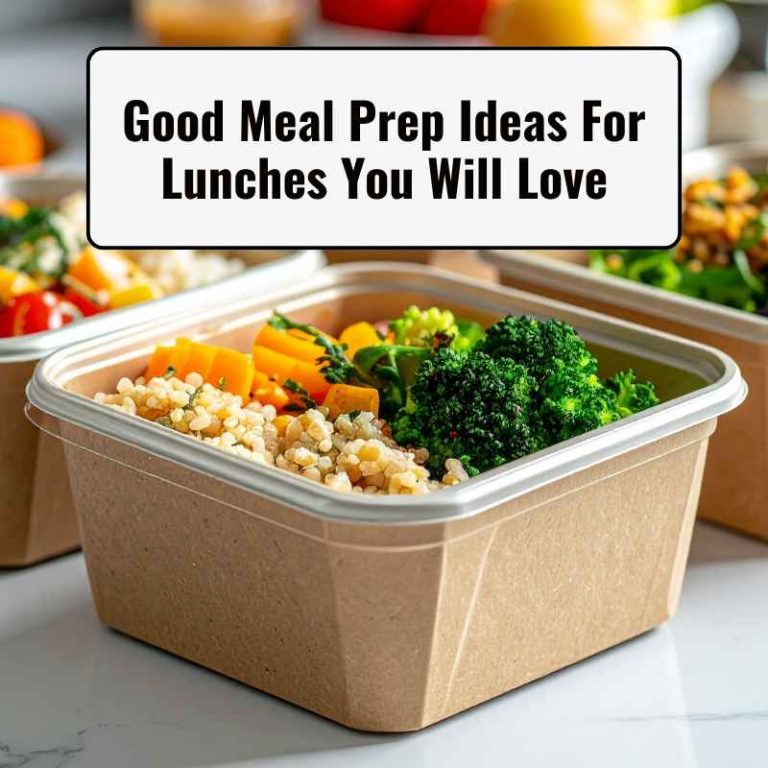
The container you use can also make a big difference. Many bento-style boxes are great. They have separate compartments.
You can put your greens in one section. Your protein and veggies in another. And your dressing in a tiny side cup.
This keeps everything from touching until you’re ready to eat. It’s like building a mini salad bar in your lunchbox.
Mason jars are another popular option. People call these “salad in a jar.” The trick is to layer them carefully. You put the dressing at the bottom.
Then add your heartier ingredients like beans or grains. Next come your chopped veggies. Then your protein.
Finally, your greens go on top. When you’re ready, you just shake it all up. The dressing coats everything.
It’s a clever way to keep things fresh.
Mason Jar Salad Layering Order
Bottom Layer (Dressing):
Pour your desired dressing into the jar first.
Next Layer (Hardy Ingredients):
Add ingredients that won’t get soggy, like chickpeas, black beans, quinoa, or pasta.
Mid Layer (Veggies & Protein):
Include chopped vegetables like carrots, bell peppers, broccoli, and your protein source (chicken, tofu, eggs).
Top Layer (Greens):
Pack your sturdy greens on top, making sure they are as dry as possible.
Optional Top: Nuts or seeds can go on top of the greens.
Choosing Your Protein Wisely
The protein you choose for your salad can also affect freshness. Grilled chicken breast is a great choice. It stays moist and holds its flavor well.
Hard-boiled eggs are also easy and hold up nicely. Canned beans like chickpeas or black beans are fantastic. They are ready to go and don’t get mushy.
Lentils are another excellent option for fiber and protein.
What about things like tuna or salmon? If you’re mixing them with mayo, they can get a bit oily or watery over time. It’s often better to keep those separate.
Or mix them right before you eat. If you’re packing a fish salad, make sure it’s very well chilled. And consider eating it on day one or two.
It might not be the best for a five-day prep.
Top Protein Picks for Meal Prep Salads
Excellent Choices (3-5 days):
- Grilled Chicken Breast
- Hard-Boiled Eggs
- Canned Chickpeas
- Canned Black Beans
- Lentils
- Tofu (baked or pan-fried)
- Edamame
Good Choices (1-3 days):
- Tuna Salad (if well-chilled)
- Salmon Salad (if well-chilled)
- Shrimp (cooked)
Dressing Dilemmas: How to Keep it Creamy, Not Soggy
The dressing is often the culprit of salad sogginess. But you don’t have to give up dressing entirely. The golden rule is to keep it separate.
Use small, leak-proof containers. You can find these at most grocery stores or online. They are perfect for small amounts of dressing.
Think about the type of dressing. Vinaigrettes are generally more forgiving. They are oil and vinegar based.
They don’t tend to make greens as soggy as creamy dressings. Creamy dressings, like ranch or Caesar, can sometimes separate or get oily. If you use a creamy dressing, make sure it’s well mixed.
And again, keep it separate until the last minute. A good vinaigrette can often be made at home with olive oil, vinegar, salt, and pepper. You can add herbs for extra flavor.
Dressing Tips for Freshness
1. Separate is Best: Always store dressing in a separate container from the salad.
2. Vinaigrette vs. Creamy: Vinaigrettes are generally safer for longer meal prep.
3. Homemade is Great: Control ingredients and freshness with homemade dressings.
4. Simple is Smart: Olive oil, vinegar, salt, and pepper make a good base.
5. Shake It Up: If using a vinaigrette, give it a good shake before pouring.
Beyond Greens: What Else Stays Fresh?
A great salad isn’t just about lettuce. There are lots of other ingredients that stay fresh and add great flavor and texture. Cooked grains like quinoa or farro are excellent.
They add substance and don’t get soggy. Pasta salads are also good for meal prep. Just make sure the pasta is cooked al dente.
It won’t get mushy.
Beans and legumes are fantastic. Chickpeas, black beans, kidney beans, and lentils are all great choices. They add protein and fiber.
Roasted vegetables are also very durable. Think roasted broccoli, cauliflower, sweet potatoes, or Brussels sprouts. They taste great cold and hold their texture.
Even sturdy raw veggies like carrots, bell peppers, and cucumbers do well when chopped.
Creative Salad Combinations for Your Work Week
Let’s get inspired with some salad ideas. How about a Mediterranean Quinoa Salad? It has quinoa, cucumber, tomatoes, olives, feta cheese, and a lemon-herb vinaigrette.
It’s packed with flavor and holds up really well.
Or maybe a Southwest Black Bean Salad? This could include black beans, corn, bell peppers, red onion, cilantro, and a lime dressing. Add some grilled chicken or avocado for extra protein.
It’s vibrant and satisfying.
A classic Cobb salad can be adapted. Use romaine as your base. Add grilled chicken, hard-boiled eggs, tomatoes, and maybe some avocado right before eating.
Keep the cheese and bacon bits separate. The dressing is usually a vinaigrette.
Think about a Greek Salad with romaine, tomatoes, cucumbers, red onion, Kalamata olives, and feta. A red wine vinaigrette ties it all together. This is a simple yet delicious option.
Don’t forget about a hearty Lentil Salad. Lentils, chopped carrots, celery, parsley, and a Dijon vinaigrette are a winning combo. It’s filling and very healthy.
Meal Prep Salad Inspiration
Mediterranean Quinoa Salad: Quinoa, cucumber, tomato, olives, feta, lemon-herb vinaigrette.
Southwest Black Bean Salad: Black beans, corn, bell pepper, red onion, cilantro, lime dressing.
Deconstructed Cobb Salad: Romaine, chicken, egg, tomato, avocado (add later), cheese, bacon bits (separate), vinaigrette.
Greek Salad: Romaine, tomato, cucumber, red onion, olives, feta, red wine vinaigrette.
Hearty Lentil Salad: Lentils, carrots, celery, parsley, Dijon vinaigrette.
When is it Okay to Be a Little Soggy?
Not all salads are meant to be crisp. Some dishes are delicious even when they’re a bit softer. Think about pasta salads.
They are often better when the pasta has had time to soak up the dressing. Potato salads are another example. They are meant to be soft and creamy.
So, if you’re making a dish that is more of a “salad” in name but really a hearty side dish, the rules can be a bit different. For your actual leafy green salad meant for lunch, though, crispness is usually key. It’s all about managing expectations and choosing the right approach for the dish.
Adding Crunch That Lasts
A crunchy element really makes a salad exciting. But soggy croutons or nuts are not fun. Nuts and seeds can stay fresh for a few days if stored properly.
Keep them in a small baggie or container and add them right before you eat. This prevents them from getting stale or soft.
For croutons, it’s often best to make them fresh. Or buy them in small batches. If you must prep them ahead, store them in an airtight container at room temperature.
Avoid the fridge, as it can make them tough. Even then, they might lose some of their crunch. Sometimes a few toasted pumpkin seeds or sunflower seeds are a better choice for long-term crunch.
Crunchy Topping Survival Guide
Nuts & Seeds: Store in a dry container. Add just before eating.
Croutons: Keep in an airtight container at room temperature. Best for 1-2 days.
Crispy Veggies: Carrots, bell peppers, and celery add crunch and hold up well.
Toasted Chickpeas: A great, healthy crunchy alternative to croutons.
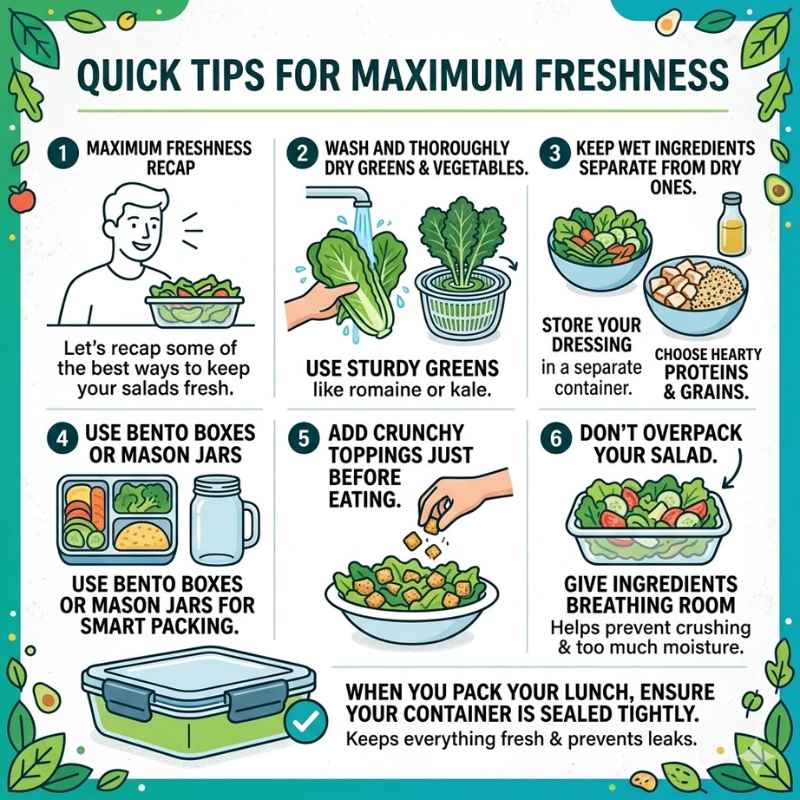
Quick Tips for Maximum Freshness
Let’s recap some of the best ways to keep your salads fresh. Wash and thoroughly dry all greens and vegetables. Use sturdy greens like romaine or kale.
Keep wet ingredients separate from dry ones. Store your dressing in a separate container. Choose hearty proteins and grains.
Use bento boxes or mason jars for smart packing. Add crunchy toppings just before eating.
Don’t overpack your salad. Give the ingredients some breathing room. This helps prevent crushing and keeps things from getting too moist.
When you pack your lunch, make sure your container is sealed tightly. This helps keep everything fresh and prevents leaks.
Your Fresh Salad Checklist
- Dry Greens: Always spin dry.
- Sturdy Base: Romaine, kale are great.
- Component Separation: Greens, toppings, dressing apart.
- Hearty Add-ins: Quinoa, beans, roasted veggies.
- Smart Containers: Bento or mason jars.
- Last-Minute Crunch: Add nuts/seeds at mealtime.
- Airtight Seal: Keep moisture out.
When to Worry (And When Not To)
For meal prep salads, it’s good to have a timeframe. Most salads with sturdy greens and properly separated ingredients will last about 3 to 5 days in the refrigerator. Greens that are more delicate might only last 1 to 2 days before they start to wilt.
If your salad smells off, or if the greens look slimy or have mold, it’s time to toss it. Food safety is always important. When in doubt, throw it out.
It’s better to be safe than sorry. For ingredients like avocado, it’s best to add them fresh. They tend to brown quickly.
Thinking About Ingredients That Don’t Travel Well
Some ingredients are just not made for meal prep. Soft fruits like berries can get mushy. Bananas turn brown.
Avocado, as mentioned, oxidizes. If you love these in your salad, plan to add them right before you eat.
Delicate herbs like cilantro or parsley can wilt. They are best added fresh. Some people like to add a small bunch of herbs to their dressing container.
This keeps them a bit fresher. But they will still be softer than when they were first picked.
Final Thoughts on Lunchtime Success
Making meal prep salads that stay fresh is totally doable. It’s about understanding how different ingredients behave. It’s about smart packing and separation.
By using the tips we’ve discussed, you can enjoy delicious, crisp salads all week long. No more sad, soggy lunches! You’ve got this.
Enjoy your healthy and tasty meals.
Frequently Asked Questions About Meal Prep Salads
How long do meal prep salads typically last?
Most meal prep salads, when prepared with sturdy greens and kept separate from dressing and wet ingredients, can last for 3 to 5 days in the refrigerator. Delicate greens may only last 1 to 2 days.
What are the best types of greens for meal prep salads?
Sturdy greens like romaine lettuce, kale, spinach, and arugula hold up best for meal prep. They are less likely to wilt quickly compared to softer greens like butter lettuce or spring mix.
Should I put dressing on my salad before or after storing it?
It is highly recommended to keep your dressing separate from the salad ingredients. Store the dressing in its own small container and add it just before you plan to eat your salad to prevent sogginess.
What are some good protein options that stay fresh in salads?
Excellent protein options for meal prep salads include grilled chicken breast, hard-boiled eggs, canned beans (like chickpeas or black beans), lentils, and baked tofu. These ingredients hold their texture and flavor well over several days.
Can I add crunchy toppings like croutons or nuts to my meal prep salad?
Yes, but with caution. Nuts and seeds should be added just before eating. Croutons can lose their crunch if added too early; store them separately in an airtight container at room temperature and add them right before you eat.
What is the “salad in a jar” method?
The “salad in a jar” method involves layering ingredients in a mason jar, with the dressing at the bottom, followed by heavier ingredients, then vegetables and protein, and finally the greens on top. Shaking the jar before eating mixes the dressing through the salad.
Are there any ingredients I should avoid for meal prep salads?
It’s best to avoid ingredients that brown quickly or get mushy, such as avocado, bananas, berries, and very delicate herbs, unless you plan to add them right before eating.