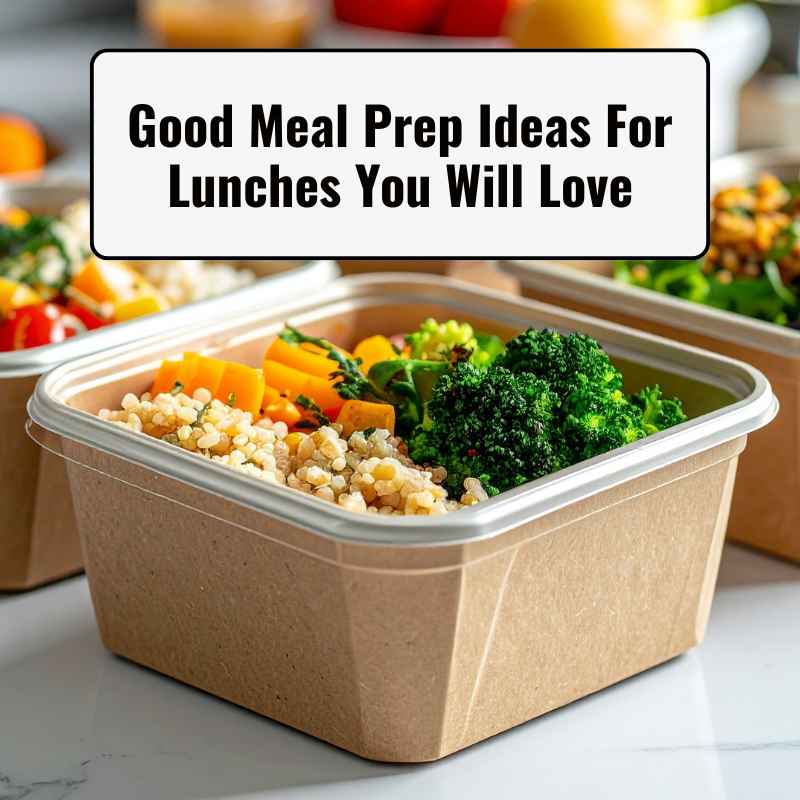
Good Meal Prep Ideas For Lunches You Will Love
Good meal prep ideas for lunches involve planning ahead to create satisfying, healthy, and delicious meals. Focus on simple recipes, balanced ingredients, and portable containers to ensure your midday meal is something you’ll truly enjoy throughout the week, making healthy eating feel easy and accessible.
What Makes a Lunch “Good” for Meal Prep
When we talk about good meal prep for lunch, we’re thinking about a few key things. It’s not just about throwing food in a container. It’s about creating a meal that tastes good even after a day or two.
It should also be easy to eat at your desk or on the go. And, of course, it needs to be healthy and give you energy.
A truly good meal prep lunch is one that feels like a reward. It doesn’t leave you feeling heavy or sleepy. Instead, it helps you power through your afternoon.
This means balancing flavors, textures, and nutrients. It also means thinking about how the food will hold up over time. Some foods get soggy fast.
Others can become dry. We want to avoid those pitfalls.
My Own Lunchtime Battle
I remember one particular week. It was the middle of a big project at work. My evenings were packed.
I’d tell myself, “I’ll just grab something quick tomorrow.” Then, lunchtime would hit. I’d end up with a dry, uninspiring sandwich. Or worse, I’d spend too much money on takeout that didn’t make me feel good.
I felt a constant low-level annoyance. My energy would crash around 3 PM. I knew something had to change.
I felt so drained by the lack of good food options. It was like a dark cloud over my workday. That’s when I started really focusing on lunch prep.
I needed a win, and lunch felt like the easiest place to start.
One day, I decided to try a simple salad. I layered lettuce, grilled chicken, some beans, and a light vinaigrette in a jar. I kept the dressing separate.
It was a small change, but when I opened that jar at work, it felt like a mini-victory. The lettuce was still crisp! The chicken was tasty.
It wasn’t fancy, but it was good. That small win made me feel so much better. It gave me the energy I needed.
It showed me that a little planning could make a big difference. I felt a sense of control return to my day. It was a simple step, but it felt huge.
Key Elements of a Great Meal Prep Lunch
Flavor First: Meals should taste vibrant and fresh, not bland.
Texture Matters: Aim for a mix of crunchy, soft, and chewy.
Nutrient Balance: Include protein, healthy fats, and complex carbs.
Portability: Easy to carry and eat without a mess.
Storage Friendly: Holds up well for 3-4 days.
Quick Assembly: Prep should be manageable, not overwhelming.
Why Meal Prep for Lunch Saves You
Let’s be honest, life gets busy. Between work, family, and everything else, who has time to think about lunch every single day? That’s where meal prepping shines.
It’s like giving yourself a gift for later. You’re setting yourself up for success. You avoid the last-minute scramble.
Think about the time and money you save. Instead of pricey takeout or sad convenience store options, you have a delicious, healthy meal ready. This also helps you stay on track with your health goals.
You know exactly what you’re eating. No hidden sugars or excess sodium. It’s a way to take control of your diet and your day.
Quick Scan: Top Meal Prep Benefits
Benefit: Time Savings
Detail: Avoids daily cooking/decision-making.
Benefit: Money Savings
Detail: Cheaper than eating out.
Benefit: Healthier Eating
Detail: Control over ingredients.
Benefit: Reduced Stress
Detail: No lunchtime panic.
Benefit: Reduced Food Waste
Detail: Use ingredients efficiently.
Building Blocks for Delicious Lunches
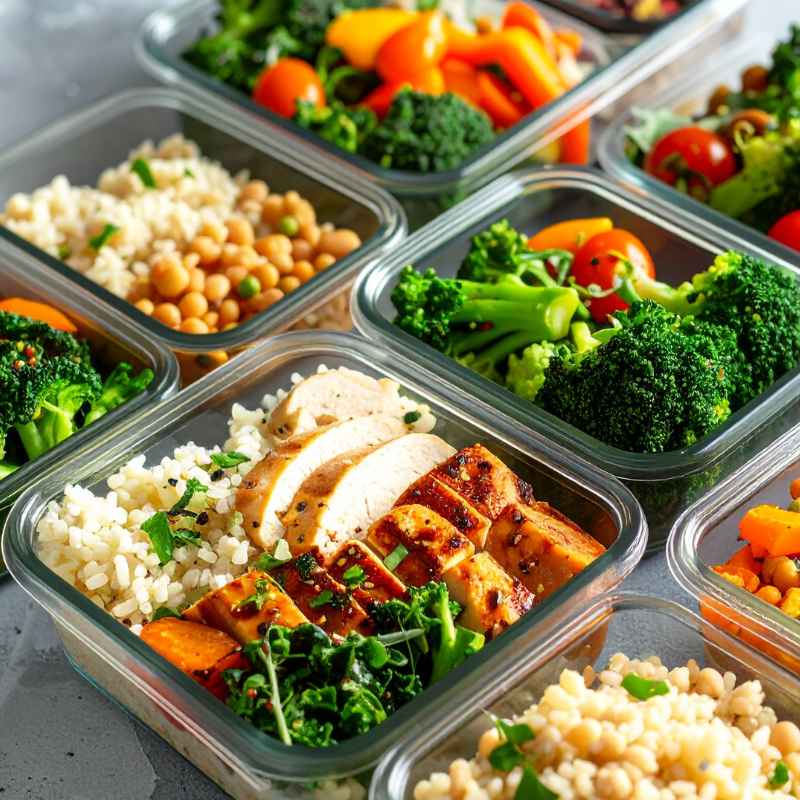
What are the core components that make a meal prep lunch work? It starts with a good base. Then we add proteins, veggies, and healthy fats.
We also need a tasty dressing or sauce. Thinking about these elements helps you build versatile meals.
A good grain or carb base can be rice, quinoa, pasta, or even sturdy greens like kale. For protein, think chicken, fish, beans, lentils, tofu, or eggs. Veggies add color, nutrients, and crunch.
Don’t forget healthy fats from avocados, nuts, seeds, or olive oil. And a flavorful dressing ties it all together.
Simple & Satisfying Grain Bowls
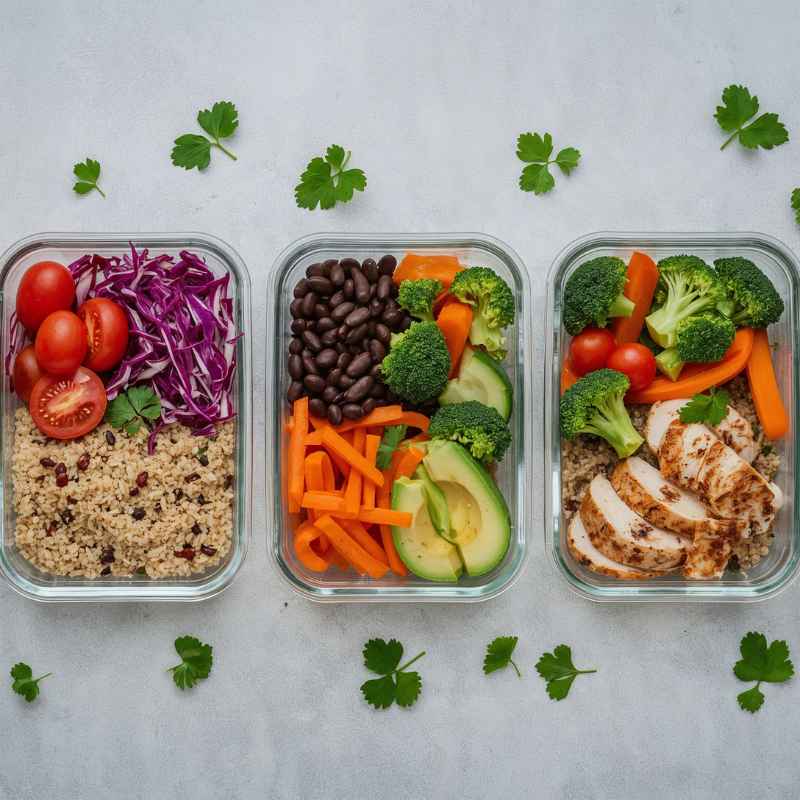
Grain bowls are a meal prep superstar for a reason. They are incredibly adaptable. You can mix and match ingredients based on what you have.
They hold up well and are easy to transport.
Start with a base like brown rice, quinoa, or farro. Top it with a protein such as grilled chicken, baked salmon, black beans, or chickpeas. Add roasted vegetables like broccoli, sweet potatoes, or Brussels sprouts.
Toss in some fresh elements like cherry tomatoes, cucumbers, or shredded carrots. A sprinkle of nuts or seeds adds a nice crunch. Finish with a drizzle of your favorite dressing – tahini-lemon is a winner!
Grain Bowl Power Combo:
- Base: Quinoa
- Protein: Roasted Chickpeas
- Veggies: Roasted Sweet Potatoes, Red Bell Peppers, Spinach
- Healthy Fat: Avocado slices (add just before eating)
- Flavor Boost: Cilantro-Lime Dressing
The beauty of grain bowls is how they let you use up odds and ends. Got half an onion and some bell pepper? Roast them!
A few leftover chicken breasts? Shred them! It’s a fantastic way to reduce waste and make something delicious.
When prepping, cook your grains in advance. Roast your veggies. Cook your protein.
Store everything separately or layer them in your container. For dressings, always keep them in a small, separate container. This prevents your grains and veggies from getting soggy.
You want that satisfying bite!
Hearty Salads That Don’t Wilt
Salads often get a bad rap for meal prep. People worry they’ll turn into a soggy mess. But with the right ingredients and a little planning, you can have a fantastic salad all week.
The trick is to choose sturdy greens. Think kale, romaine, or spinach. Avoid delicate lettuces like butter or loose leaf.
Add hearty components like roasted vegetables, beans, lentils, or quinoa. For protein, grilled chicken, hard-boiled eggs, tuna, or tofu work well. Keep crunchy toppings like nuts, seeds, or crispy chickpeas separate until you’re ready to eat.
Salad Survival Guide:
Greens: Kale, Romaine, Spinach
Hearty Add-ins: Roasted Sweet Potatoes, Quinoa, Chickpeas, Black Beans
Protein: Grilled Chicken, Hard-Boiled Eggs, Lentils
Crunch (Add Last): Nuts, Seeds, Toasted Croutons
Dressing: Keep it in a separate small container.
Layering is key for salad meal prep. Start with your dressing at the bottom of the container. Then add sturdy ingredients like grains, beans, and roasted veggies.
Next comes your protein. Finally, top with your greens. This way, the dressing is at the bottom and doesn’t touch the greens until you’re ready to eat.
It’s a simple step that makes a world of difference.
I’ve found that mason jars are excellent for this. The wide mouth makes them easy to fill and eat from. You can see all the colorful layers.
It feels almost gourmet, even though it’s just simple ingredients. It definitely beats a wilted lettuce salad any day. Plus, the visual appeal makes you actually want to eat it!
Soup & Chili: Comfort in a Container
For cooler months, or just when you want something warm and comforting, soup and chili are perfect for meal prep. They often taste even better the next day as the flavors meld together.
When making soup or chili for meal prep, make a big batch on the weekend. Use lean proteins like ground turkey or chicken, or plant-based options like beans and lentils. Load up on vegetables such as onions, carrots, celery, tomatoes, and bell peppers.
Spices are your friend here – they add depth and flavor.
Soup & Chili Prep Tips:
Batch Cook: Make a large pot on Sunday.
Portion Control: Divide into individual airtight containers.
Additions: Keep toppings like shredded cheese, sour cream, or crackers separate.
Storage: Refrigerate for up to 4 days or freeze for longer.
Reheating: Microwave or heat on the stovetop.
Consider the consistency. If you’re making a very brothy soup, you might want to add pasta or rice separately just before eating to avoid it getting mushy. For chili, it usually holds up very well.
I like to add a dollop of Greek yogurt or a sprinkle of fresh cilantro right before serving. It brightens up the flavors.
A slow cooker is a lifesaver for soups and chilis. You can just set it and forget it for a few hours. It fills your house with a wonderful aroma.
Then, portioning it out is a breeze. It’s incredibly satisfying to know that a warm, hearty meal is waiting for you. It makes those cold, dreary lunchtimes so much better.
Pasta & Noodle Dishes
Pasta and noodle dishes can be great for meal prep, but you need to choose wisely. Some pasta can get gummy or sticky if overcooked or reheated poorly. Sauces can also separate.
Whole wheat pasta or legume-based pasta often holds up better. For sauces, a tomato-based sauce is usually very stable. Creamy sauces can sometimes split when reheated.
Consider dishes like pasta with marinara and meatballs, or a pesto pasta with chicken and roasted vegetables. For noodle dishes, think stir-fries with soba or udon noodles.
Pasta Prep Smarts:
Noodle Choice: Whole wheat, brown rice, or legume pasta often fare better.
Sauce Stability: Tomato-based sauces are generally more robust than cream-based ones.
Additions: Incorporate sturdy vegetables like broccoli, bell peppers, or zucchini.
Protein: Lean ground meats, chicken, or beans are good options.
Storage Tip: Cool completely before sealing containers to prevent steam buildup.
When prepping pasta, slightly undercook your pasta. It will continue to cook when reheated. This prevents it from becoming mushy.
For noodle stir-fries, cook your noodles separately and add them to the stir-fried components just before portioning. This helps keep them from getting sticky. Ensure your sauce is evenly distributed.
I find that a simple pasta bake is also a fantastic meal prep option. You can assemble it in a large baking dish, bake it, and then portion it out into individual containers. The flavors really meld together in a bake.
It’s delicious hot or even at room temperature if needed.
Wrap & Burrito Ideas
Wraps and burritos are naturally portable and can be packed with flavor. The key is to assemble them correctly to avoid a soggy shell.
Use large, sturdy tortillas. For fillings, consider lean proteins like seasoned ground turkey, chicken, or black beans. Add plenty of vegetables, such as fajita-style peppers and onions, corn, or shredded lettuce.
A bit of cheese and a flavorful sauce or salsa can round it out. For burritos, wrap them tightly in foil or parchment paper.
Wrap & Burrito Assembly:
Tortilla: Choose large, durable options.
Fillings: Seasoned meats, beans, roasted vegetables, corn, salsa.
Moisture Control: Add wetter ingredients in the center, away from the tortilla edges.
Wrapping: Wrap tightly in foil or parchment paper for easy transport and reheating.
Sauce: Pack salsa or hot sauce on the side if you prefer.
When making wraps for the week, I like to keep the “wetter” ingredients in the very center. Things like salsa or a creamy dressing should go in the middle, surrounded by drier ingredients like chicken or rice. This creates a barrier.
Then, wrap them tightly. This prevents the tortilla from getting soggy from the inside out.
For burritos, I sometimes add a layer of cheese right against the tortilla before adding other fillings. This helps create a bit of a seal. When you reheat them, they stay together much better.
It’s a small detail that prevents a messy lunch.
Savory Muffins & Frittatas
Don’t limit muffins to sweet treats! Savory muffins or mini frittatas can be fantastic portable lunches. They are portion-controlled and easy to eat without utensils.
For savory muffins, think about adding ingredients like cheese, vegetables (spinach, bell peppers, zucchini), and perhaps some cooked bacon or sausage. For mini frittatas, eggs are the base, of course. You can add diced ham, vegetables, and cheese.
Bake them in muffin tins until set.
Muffin & Frittata Ideas:
Savory Muffins: Include cheese, chopped veggies, herbs.
Mini Frittatas: Eggs, spinach, feta, cherry tomatoes.
Baking: Use a greased muffin tin or silicone liners.
Cooling: Let them cool completely before storing to prevent sogginess.
Serving: Enjoy them cold or gently reheated.
These are great for when you want something a little different. They are surprisingly filling. You can have two or three for a good lunch.
I find they are best enjoyed at room temperature or slightly warmed. Overheating can sometimes make them a bit rubbery. Just a quick 20-30 seconds in the microwave is usually enough if you prefer them warm.
It’s also easy to customize these. If you’re not a fan of eggs, focus on the savory muffins. If you want more protein, add extra lean meat or cheese to your frittatas.
They are very forgiving and adaptable to whatever ingredients you have on hand. It’s a little lunch you can feel good about.
Putting It All Together: Your Prep Routine
So, how do you actually get all this done without it feeling like a huge chore? A good prep routine is key. Many people find Sunday is the best day.
It sets you up for the whole week.
Step 1: Plan Your Menu
Decide what you want to eat for lunch for the next 3-4 days. Look at recipes or plan simple combinations. Think about variety so you don’t get bored.
Step 2: Grocery Shop
Make a list based on your menu. Stick to your list to avoid impulse buys and waste.
Step 3: Prep Your Ingredients
Wash and chop vegetables. Cook grains or proteins. Make sauces or dressings.
This is the bulk of the work.
Step 4: Assemble Your Meals
Portion your food into your containers. Layer ingredients correctly. Keep dressings separate.
Step 5: Store Properly
Refrigerate your meals. Make sure containers are airtight.
Your Sunday Prep Flow:
- Hour 1: Plan & Shop
- Hour 2: Wash & Chop Veggies
- Hour 3: Cook Grains & Proteins
- Hour 4: Assemble Lunches
- Ongoing: Enjoy your week!
It might seem like a lot, but once you get into a rhythm, it becomes much faster. You can even involve your family. Kids can help wash produce or stir ingredients.
This turns a chore into a shared activity. The payoff of having healthy, delicious lunches ready to go is so worth it.
What I found incredibly helpful was investing in good containers. Clear, airtight containers are a game-changer. They let you see your food, which makes it more appealing.
They also keep food fresh longer. Having a variety of sizes is also useful for different meal types.
Real-World Context: Lunch at Work
Lunchtime at work can be a different ballgame than at home. There are distractions, limited space, and sometimes less than ideal reheating facilities. This is where portable, easy-to-eat meals really shine.
Consider the environment. If you have a microwave, a warm meal is an option. If not, you need something delicious at room temperature, like a hearty salad or a wrap.
Think about the packaging. Does it leak? Is it easy to open?
Can you eat directly from the container?
Work Lunch Considerations:
Reheating: Microwave available? Or room temp is best?
Portability: Does it fit in your bag? Easy to carry?
Eating Ease: Can you eat it with minimal fuss?
Smell: Avoid overly pungent foods if you share an office.
Waste: Minimal packaging is ideal.
I once made a very fishy lentil soup for lunch. It was delicious! But my office mates were not thrilled.
So, a good tip is to consider how strong the odors are. Soups and chilis can be amazing, but maybe save the extra-garlicky ones for when you work from home.
Also, think about your colleagues. A shared lunchroom can get crowded. Having a meal that requires minimal setup or cleanup is a bonus.
A well-packed bento-style box or a simple container with everything in it can be very convenient. It shows a bit of consideration for your shared space.
What This Means for Your Lunches
Knowing these meal prep ideas means you have options. You don’t have to stick to the same boring salad every day. You can mix it up.
This variety keeps things interesting. It also helps ensure you’re getting a range of nutrients.
When it’s normal to have a slightly different lunch every day, you feel more in control. It’s not about perfection. It’s about making good choices most of the time.
You can start small. Try prepping just two lunches for the week. See how that goes.
Then build from there.
When to Feel Good About Your Lunch Prep:
- You look forward to eating it.
- It gives you energy.
- It fits your budget.
- It’s made with ingredients you like.
- It’s easy to manage during your busy week.
Don’t worry if a meal doesn’t turn out perfectly. Maybe your chicken is a little dry, or your veggies are a bit soft. It happens!
The goal is progress, not perfection. Most of the time, even a “less-than-perfect” homemade meal is better than a less healthy, expensive alternative. It’s about building sustainable habits.
It’s also okay to have days where you don’t prep. If your schedule is crazy, it’s fine to grab something. The key is that prep becomes your default, not a rigid rule.
It should make your life easier, not add more stress. Listen to your needs and your schedule.
Quick Tips for Better Meal Prep Lunches
Here are some quick tips to make your lunch prep even better:
Use Your Freezer: Freeze portions of soups, chilis, or stews. They are a lifesaver for busy weeks. You can pull a frozen meal out the night before.
Invest in Good Containers: Airtight, BPA-free containers make a big difference. Glass or high-quality plastic are good options.
Season Generously: Don’t be afraid of herbs, spices, and marinades. They make food taste exciting.
Keep it Simple: You don’t need fancy recipes. Simple, whole foods are often the best.
Batch Cook Components: Cook a large batch of chicken or roasted vegetables. Use them in different meals throughout the week.
Don’t Forget Flavor: Always have a good dressing, salsa, or sauce on hand. It can elevate any meal.
Elevate Your Prep:
- Prep Sauce: A tasty dressing can transform a meal.
- Roast Smart: Roast a big pan of veggies for multiple uses.
- Spice It Up: Fresh herbs or a sprinkle of chili flakes add zing.
- Think Texture: Add nuts or seeds for crunch right before eating.
- Lemon Power: A squeeze of lemon brightens flavors.
One thing I’ve learned is that a little bit of preparation goes a long way. Even just chopping up some onions and peppers ahead of time can make cooking dinner much faster. For lunches, that same principle applies.
It’s about setting yourself up for a smoother, healthier, and more enjoyable midday meal.
Remember to rotate your meals too. If you eat a lot of chicken one week, try incorporating more beans or fish the next. This ensures you get a wider range of nutrients and keeps your taste buds happy.
Variety is the spice of life, after all, and it applies to our lunches too!
Frequently Asked Questions About Lunch Meal Prep
What are the best containers for meal prep lunches?
Airtight, BPA-free containers are ideal. Glass containers are great because they don’t stain or absorb odors, and they can be used in the microwave and oven. High-quality plastic containers are lighter and less prone to breaking.
Look for containers with good seals to prevent leaks. Bento-style boxes are excellent for keeping different food components separate.
How long do meal-prepped lunches last?
Most meal-prepped lunches will last for 3 to 4 days in the refrigerator when stored properly in airtight containers. Some items, like cooked grains or roasted vegetables, might last a bit longer. It’s always best to use your judgment and discard any food that looks or smells off.
For longer storage, freezing is a great option.
Can I meal prep salads?
Yes, you can! The key is to keep the dressing and any crunchy toppings separate. Layer your salad in a jar or container starting with the dressing at the bottom, followed by sturdy ingredients like grains, beans, or roasted vegetables, then protein, and finally your greens at the top.
Add crunchy items like nuts or croutons right before eating.
What if I don’t have time to cook everything on Sunday?
Don’t worry! You can still meal prep effectively. Focus on prepping components instead of full meals.
For example, cook a batch of chicken breasts, roast a tray of vegetables, or boil some eggs. Then, you can quickly assemble these components into different meals during the week. Even just washing and chopping produce can save significant time.
How do I prevent meal-prepped food from becoming soggy?
To prevent sogginess, try to keep wet ingredients away from dry ingredients. For salads, always store dressing separately. For pasta or grain dishes, avoid overcooking the grains or pasta, as they will continue to soften when reheated.
Ensure your containers are properly sealed to prevent excess moisture buildup.
What are some good protein sources for meal prep lunches?
Excellent protein sources include grilled or baked chicken breast, salmon, lean ground turkey, hard-boiled eggs, tofu, tempeh, chickpeas, black beans, lentils, and edamame. These proteins are versatile and hold up well when prepared in advance and reheated.
Can I meal prep vegetarian or vegan lunches?
Absolutely! Vegetarian and vegan lunches are fantastic for meal prep. Focus on plant-based proteins like lentils, beans, chickpeas, tofu, tempeh, and quinoa.
Load up on colorful vegetables, whole grains, and healthy fats. Many of the ideas discussed, like grain bowls, hearty salads, and soups, are easily adaptable to a vegetarian or vegan diet.
What’s the best way to reheat meal-prepped lunches?
The best method depends on the meal. Microwaving is common and quick, but stir food halfway through for even heating. For dishes like pasta or casseroles, reheating in a toaster oven or on the stovetop can yield better texture.
Allow frozen meals to thaw in the refrigerator overnight before reheating.
Your Happier Lunch Awaits
Making good meal prep lunches is about setting yourself up for a better day. It’s a small change that can have a big impact on your energy, mood, and overall well-being. You’ve got this!