Meal Prep For Work Lunches Ready On Sunday Night
Many of us face this exact struggle. We want to eat healthier, save money, and avoid the vending machine blues. But finding the time and energy during a busy week seems impossible. The good news is, with a little planning on Sunday, you can have delicious, healthy lunches all set to go.
Meal prepping your work lunches on Sunday night means you have healthy, ready-to-eat meals for the week. This saves time, money, and reduces stress. It ensures you have nutritious options available, rather than relying on less healthy convenience foods.
What is Sunday Night Meal Prep?
Sunday night meal prep is simply setting aside a few hours on Sunday to cook and package your lunches for the upcoming work week. Think of it as a small investment of your time that pays off big during your busy days. You’re not cooking every single meal, just focusing on those midday meals.
The goal is to have a week’s worth of lunches ready to grab and go. This means they need to be easy to store, transport, and reheat if necessary. It’s about creating a system that works for you and your schedule.
This practice tackles a common pain point: the dreaded “what’s for lunch?” question that pops up when you’re already rushed. By answering it ahead of time, you free up mental energy and avoid impulsive, unhealthy choices.
My Own Sunday Night Struggle
I remember a time when Sundays felt more like a countdown to Monday chaos. My fridge would be nearly empty, and the thought of packing a lunch involved finding a clean container and hoping for the best. More often than not, I’d end up grabbing a sad, overpriced sandwich from the cafe downstairs.
One particularly rough Monday, I was running late. I looked in the fridge and saw nothing. Panic set in. I ended up spending $15 on a greasy burger for lunch. That’s when I thought, “There has to be a better way.” I started small, prepping just two lunches. The difference that week was amazing.
Seeing those two pre-made meals waiting for me was a huge relief. It felt like I’d already won part of the day. Slowly, I built up to prepping five lunches. It took practice, but the feeling of control and the money I saved was worth every minute.
Sunday Prep Session Flow
1. Plan Your Meals: Decide what you want to eat. Keep it simple at first.
2. Make a Grocery List: Based on your chosen meals.
3. Shop for Ingredients: Aim for fresh, quality items.
4. Designate Prep Time: Block out 2-3 hours on Sunday.
5. Cook in Batches: Prepare your main components.
6. Portion and Pack: Divide into containers.
7. Store Properly: Refrigerate or freeze.

Why Sunday Night?
Sunday night is often a quieter time for many people. The weekend rush has settled down. Kids might be in bed, or you’ve finished your weekend chores. It’s a natural transition point before the intensity of the work week begins.
You also have the benefit of all your fresh groceries from a weekend shopping trip. You’re motivated by the fresh start of a new week. It feels productive and sets a positive tone. It’s a small act of self-care that ripples through your entire week.
Plus, you can relax a bit more on Monday morning knowing your lunch is already sorted. This small win can make a big difference in how you start your day.
Choosing Your Recipes for Sunday Prep
The key to successful meal prep for work lunches ready on Sunday night is choosing recipes that hold up well. You want things that taste good even after a few days. Think about ingredients that don’t get soggy or mushy easily.
Good choices include grains like quinoa, rice, and farro. Roasted vegetables are fantastic because they maintain their texture. Proteins like chicken, beans, tofu, and hard-boiled eggs are also excellent staples. Avoid delicate greens like lettuce in the main dish; add those fresh in the morning if you want them.
Soups and stews are wonderful if you have a good way to reheat them at work. Casseroles are also great for batch cooking. Think about flavor profiles too – do you want spicy, savory, or fresh? Variety is important to keep things interesting.
Best Foods for Meal Prep
- Grains: Quinoa, brown rice, farro, couscous
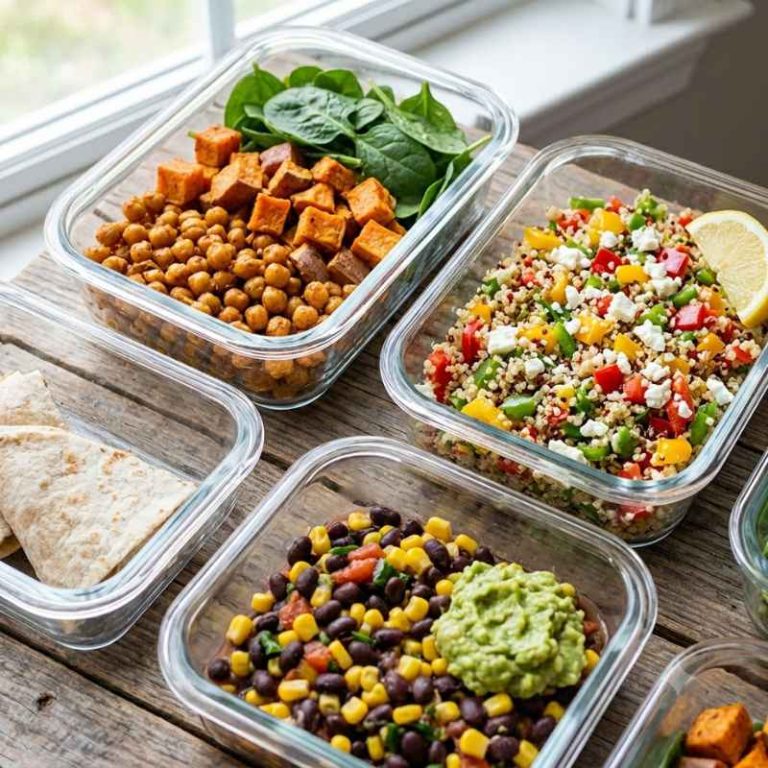
- Proteins: Grilled chicken, baked salmon, roasted chickpeas, lentils, black beans, tofu, hard-boiled eggs
- Vegetables: Roasted broccoli, sweet potatoes, bell peppers, Brussels sprouts, carrots
- Healthy Fats: Avocado (add fresh), nuts, seeds
- Sauces/Dressings: Keep separate to avoid sogginess
Simple Meal Prep Ideas
Let’s get practical. Here are some ideas to get you started with your meal prep for work lunches ready on Sunday night.
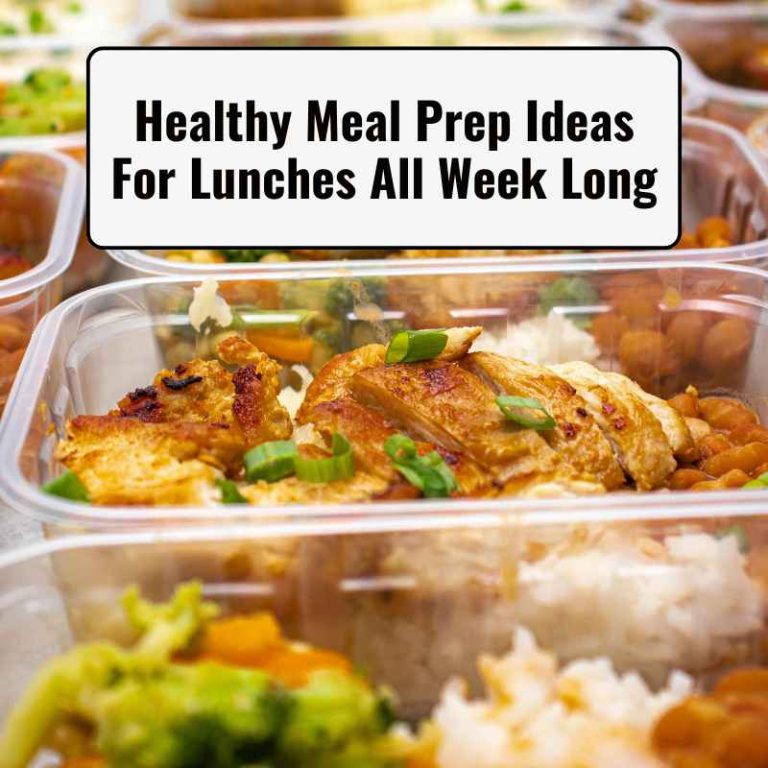
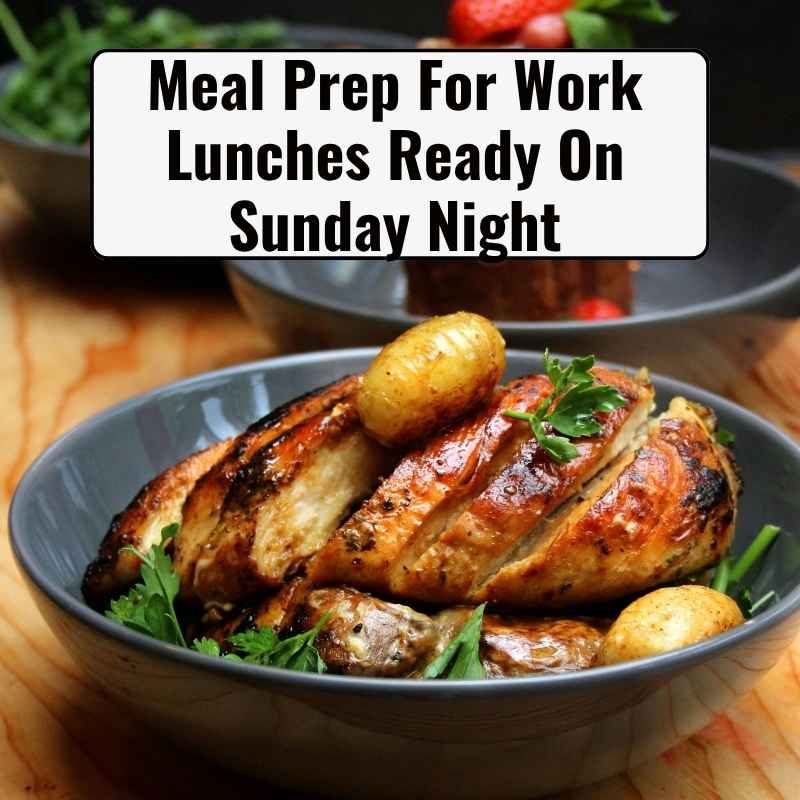
1. Chicken & Veggie Bowls
This is a classic for a reason. Roast a big batch of chicken breasts or thighs. Chop up a variety of vegetables like broccoli, bell peppers, onions, and sweet potatoes. Toss them with olive oil, salt, pepper, and your favorite herbs. Roast everything on baking sheets until tender.
Once cooled, divide the chicken and roasted vegetables into your containers. You can add a small portion of cooked quinoa or brown rice. For dressing, a simple vinaigrette or a tahini dressing works well. Store the dressing separately and add it just before eating.
2. Lentil Shepherd’s Pie
A comforting and hearty option. Make a base of cooked brown or green lentils with diced carrots, celery, and onions in a savory gravy. Top this with a mashed sweet potato or regular potato topping. Bake until golden.
Portion this into individual oven-safe containers or regular meal prep containers. It reheats beautifully in the microwave. This is a great plant-based option that is filling and nutritious.
3. Salmon with Roasted Asparagus and Lemon Rice
For a pescatarian option, bake salmon fillets with lemon slices and herbs. Roast asparagus alongside them. Cook a batch of rice and stir in lemon zest and juice.
When portioning, place a salmon fillet, a good serving of asparagus, and the lemon rice into each container. This meal feels a bit fancier but is still very simple to prepare in bulk. Ensure the salmon is cooked through but not dry.
4. Chickpea Salad Sandwiches or Wraps
This is a fantastic vegan alternative to tuna salad. Mash canned chickpeas with vegan mayonnaise or Greek yogurt, celery, red onion, and a bit of Dijon mustard. Season with salt, pepper, and maybe some dill or parsley.
You can pack this chickpea salad in one container and whole wheat bread or wraps in another. This prevents the bread from getting soggy. Add some lettuce or spinach leaves when you’re ready to assemble your sandwich or wrap at work.
5. Pasta Salad with Veggies and Feta
Cook your favorite pasta shape, like rotini or penne. Toss with chopped cucumber, cherry tomatoes, bell peppers, Kalamata olives, and crumbled feta cheese. A simple lemon-herb vinaigrette ties it all together.
This pasta salad is delicious cold, making it perfect for lunches that don’t need reheating. You can add grilled chicken or chickpeas for extra protein. It’s a refreshing and satisfying option for a warm day.
Quick-Scan Recipe Selection
| Meal Type | Main Ingredient | Sides/Veggies | Prep Notes |
| Bowl | Chicken Breast | Roasted Broccoli, Sweet Potato | Add quinoa; dressing separate |
| Hearty Dish | Lentils | Carrots, Celery, Onion | Serve with mashed potato topping |
| Fish | Salmon Fillet | Roasted Asparagus | Lemon rice on the side |
| Vegan Salad | Chickpeas | Celery, Red Onion | Pack with bread/wraps separately |
| Cold Meal | Pasta | Cucumber, Tomato, Bell Pepper | Add feta and vinaigrette |
The Importance of Good Containers
Having the right containers makes meal prep for work lunches ready on Sunday night much easier. Look for containers that are:
- Airtight: To keep food fresh and prevent leaks.
- Microwave-safe: If you plan to reheat your lunches.
- Dishwasher-safe: For easy cleanup.
- BPA-free: For health and safety.
- Stackable: To save space in your fridge and during prep.
Consider glass containers if you prefer not to use plastic. They are durable and don’t stain or retain odors. For meals with dressings or sauces, containers with separate compartments are a game-changer. This keeps things from getting soggy.
Batch Cooking Techniques
To make your Sunday prep efficient, embrace batch cooking. This means preparing large quantities of basic ingredients that you can use in multiple meals.
For example, roast a large tray of chicken breasts. You can dice some for bowls, shred some for wraps, or even add it to a salad. Cook a big pot of quinoa or brown rice. This can be a base for bowls or served alongside other dishes.
Roasting a large batch of mixed vegetables is also smart. They can be a side dish, added to salads, or mixed into pasta. By preparing these components ahead of time, assembling your individual lunches becomes much quicker.
My Sunday Prep Routine Example
Step 1: Start the rice cooker with quinoa.
Step 2: Chop veggies (broccoli, peppers, onions) and toss with oil and spices. Put half on one baking sheet for roasting, and half on another for steaming.
Step 3: Season chicken breasts and put them on the same baking sheet as the roasted veggies.
Step 4: While that roasts, cook lentils for another dish and mash potatoes for topping.
Step 5: Once everything is cooked, let it cool. Then, portion into containers.
Step 6: Clean up as I go!
Storage and Food Safety
Proper storage is crucial for meal prep for work lunches ready on Sunday night. Once your food has cooled down, pack it into your airtight containers. Refrigerate them promptly.
Most cooked meals will last 3-4 days in the refrigerator. If you are prepping for the entire week, consider freezing some of your lunches. Dishes like stews, soups, casseroles, and cooked grains freeze very well. Make sure to label them clearly with the date.
When reheating, make sure your food is heated thoroughly to an internal temperature of 165°F (74°C). If you’re unsure, err on the side of caution. Bringing a thermometer to work isn’t practical, so reheat until steaming hot.
For foods that don’t reheat well, like salads or certain sandwiches, pack them in components. Keep dressing separate. This also helps maintain texture and flavor. Always use your senses – if something smells off or looks strange, it’s best to discard it.
Making It Sustainable
The key to sticking with meal prep for work lunches ready on Sunday night is to make it enjoyable and not feel like a chore.
Put on some music or a podcast while you cook. Involve family members if they are around; it can be a shared activity. Don’t aim for perfection from day one. Start with one or two meals and build from there.
Experiment with different recipes to keep things interesting. Look for inspiration online or in cookbooks. The more you enjoy the process, the more likely you are to continue. It’s a marathon, not a sprint.
What This Means for You
If you’re feeling overwhelmed by weekday lunches, this is your signal to try Sunday prep. It means you can reclaim your mornings and have healthier options readily available. It means saving money that you might otherwise spend on impulse buys.
It means less stress about what to eat and more focus on your work or personal life. It’s a tangible way to take control of a small, but significant, part of your week. It’s about building a habit that supports your well-being.
When to Worry About Your Lunches
Generally, having prepped lunches is a positive thing. You only need to worry if you’re not following food safety guidelines. This includes not cooling food properly before refrigerating, leaving food out at room temperature for too long, or not reheating thoroughly.
Also, pay attention to how your food is holding up. If your prepped meals consistently don’t taste good after a day or two, it might mean your recipe choices or storage methods need tweaking. Some foods, like certain leafy greens or very delicate vegetables, simply don’t hold up well in prepped meals.
If you find yourself feeling sick after eating your prepped meals, it’s a clear sign something is wrong with your food handling or preparation. In such cases, it’s best to reassess your entire process or consult food safety guidelines.
Quick Tips for Success
Here are some quick tips to make your meal prep for work lunches ready on Sunday night a breeze:
- Keep it Simple: Start with 2-3 easy recipes.
- Invest in Containers: Good containers make a huge difference.
- Prep Components: Cook grains, proteins, and veggies separately for flexibility.
- Don’t Forget Flavor: Use herbs, spices, and sauces to keep things interesting.
- Clean as You Go: Makes post-prep cleanup much easier.
- Pack Smart: Keep wet and dry ingredients separate when needed.
- Check Fridge Space: Make sure you have room for all your prepped meals.
- Freeze Extras: Freeze lunches for the end of the week if you prep more than 3-4 days’ worth.
Frequently Asked Questions
How many days can I safely store prepped lunches?
Generally, most cooked meals are safe to eat for 3 to 4 days when stored properly in an airtight container in the refrigerator. If you are prepping for the entire week, it’s often best to freeze the meals for the latter half of the week. Always check for any signs of spoilage, like off odors or textures.
What if I don’t have much time on Sunday?
Start small! You don’t have to prep five lunches at once. Try prepping just two or three lunches for the start of the week.
Or, focus on prepping components like cooked grains, roasted vegetables, or a batch of chicken. You can then assemble them quickly each morning. Even 30-60 minutes of focused prep can make a difference.
Can I prep salads for lunch?
Yes, but with careful planning. It’s best to keep the dressing separate to prevent the greens from wilting. Pack your salad ingredients (like chopped lettuce, vegetables, and protein) in one container, and the dressing in a small, separate container.
Add the dressing just before you plan to eat your salad.
What are some budget-friendly meal prep ideas?
Lentils, beans, chickpeas, and rice are very inexpensive staples. Eggs are also a great protein source that doesn’t cost much. Focus on seasonal vegetables, as they are often more affordable.
Simple pasta dishes or hearty vegetable soups can also be made in large batches very economically.
Do I need special equipment for meal prep?
Not really! The most important items are good quality, airtight food containers. A few baking sheets, pots, and pans you likely already own will suffice.
A sharp knife and cutting board are also essential. If you want to speed things up, a food processor can be helpful for chopping, but it’s not necessary.
How do I prevent my prepped food from getting boring?
Variety is key! Rotate your recipes weekly. Try new flavor combinations, spices, and herbs.
Keep a collection of different sauces and dressings to switch things up. Adding fresh toppings like a sprinkle of nuts, seeds, or fresh herbs just before eating can also add a new dimension to familiar meals.
Wrapping Up Your Sunday Prep
Having your meal prep for work lunches ready on Sunday night is a powerful habit. It simplifies your week, saves you money, and supports healthier eating. It’s a small act of planning that brings big rewards.
Don’t strive for gourmet meals. Focus on simple, nutritious, and delicious options that make your weekdays easier. You’ve got this!