Cold Meal Prep Lunches For The Week No Reheating
Cold meal prep lunches for the week offer a convenient and healthy way to eat well without needing to reheat your food. This approach focuses on dishes that are delicious served cold or at room temperature, making them perfect for busy schedules and days without kitchen access. You can easily create satisfying and varied meals by focusing on ingredients that hold up well and flavors that enhance when chilled.
The Beauty of No-Reheat Lunches
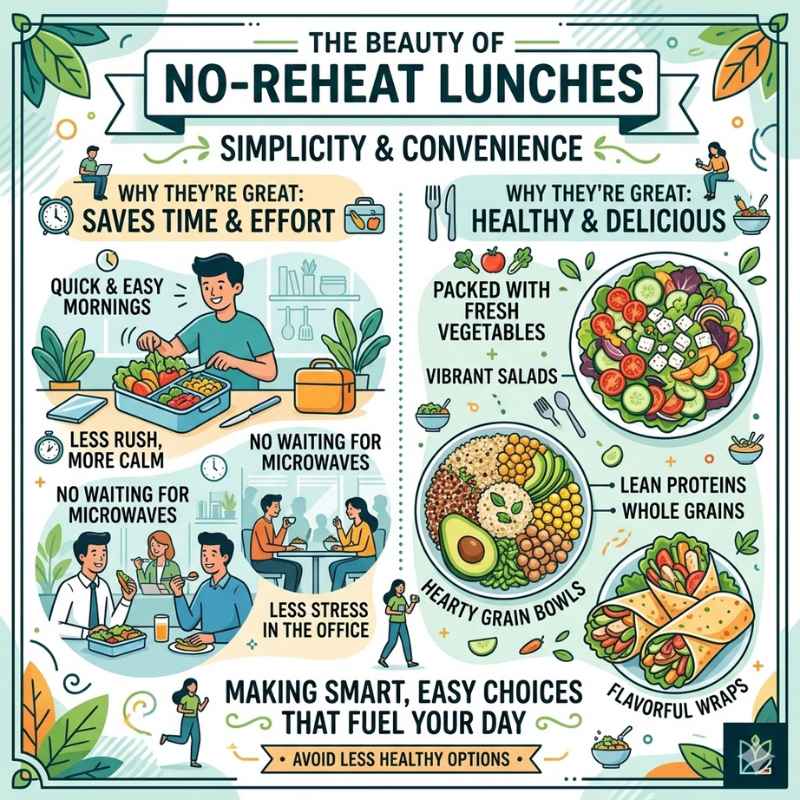
Why is packing lunches that don’t need reheating so great? It really boils down to simplicity. Think about your typical weekday.
Mornings are often a rush. The last thing you need is to pack something that requires an extra step like microwaving at work or school. Cold lunches save you time.
They also mean you don’t have to hunt for an available microwave. This is a big deal in busy office kitchens!
Beyond convenience, cold lunches can be surprisingly healthy. Many dishes that shine when cold are packed with fresh vegetables, lean proteins, and whole grains. You can make vibrant salads, hearty grain bowls, or flavorful wraps.
These options help you avoid the less healthy choices you might grab when you’re hungry and have no other food ready. It’s all about making smart, easy choices that fuel your day.
Cold Lunch Ideas That Shine
When we talk about cold lunches, what comes to mind? Many people think of salads. And yes, salads are a fantastic base!
But there’s so much more. Think about dishes that are already designed to be eaten cold. Think about ingredients that taste even better after their flavors have melded.
This is the secret sauce to amazing cold meal prep. It’s about building meals with intention.
The key is to choose ingredients that are sturdy and flavorful. We want things that won’t wilt or become mushy. We also want things that offer a satisfying texture and taste.
Let’s explore some categories. This will give you a solid foundation for building your own delicious no-reheat lunch rotation.
Hearty Grain and Legume Bowls
Grain bowls are super flexible. They are perfect for meal prep. You can cook a batch of your favorite grain at the start of the week.
Quinoa, farro, brown rice, or even couscous work well. These form a sturdy base that holds up nicely. They provide good energy for your afternoon.
Next, add legumes. Beans like chickpeas, black beans, or kidney beans are excellent. Lentils are another great option.
They add protein and fiber. This makes your bowl filling and nutritious. Think about rinsing canned beans well.
This removes excess salt. You can also cook dried beans from scratch for even more control over ingredients.
Now for the fun part: toppings! Roasted vegetables are wonderful. Sweet potatoes, broccoli, or bell peppers taste great cold.
You can also use raw veggies like cucumber, tomatoes, or shredded carrots. Add some healthy fats with avocado or nuts. A good dressing ties it all together.
A simple vinaigrette or a tahini dressing works wonders.
Grain Bowl Building Blocks
Grains: Quinoa, Farro, Brown Rice, Couscous, Barley
Legumes: Chickpeas, Black Beans, Kidney Beans, Lentils, Edamame
Veggies (Cooked): Roasted Sweet Potatoes, Broccoli, Cauliflower, Bell Peppers
Veggies (Raw): Cucumber, Cherry Tomatoes, Shredded Carrots, Spinach, Kale
Proteins: Grilled Chicken Strips, Hard-Boiled Eggs, Tofu, Tempeh
Healthy Fats: Avocado, Nuts (Almonds, Walnuts), Seeds (Pumpkin, Sunflower)
Dressings: Vinaigrette, Tahini Lemon Dressing, Hummus (thinned), Cilantro Lime Dressing
Flavorful Wraps and Sandwiches
Wraps and sandwiches are classic cold lunch options. The trick is to choose fillings and bread that don’t get soggy. For wraps, think about using sturdy tortillas like whole wheat or spinach wraps.
Avoid very thin ones that might tear easily.
Inside, layer ingredients carefully. Start with a spread like hummus or cream cheese. This acts as a barrier.
Then add your protein. Sliced turkey, chicken, or ham are good choices. For vegetarian options, try seasoned tofu, mashed chickpeas, or egg salad.
Add plenty of crisp veggies like lettuce, spinach, shredded carrots, and bell peppers.
For sandwiches, use hearty bread. Sourdough, whole grain, or rye bread hold up well. Again, a spread is your friend.
Mayo, mustard, or avocado can help. Pack wet ingredients like tomatoes or pickles separately if you’re worried about sogginess. You can put them in a small container on the side.
Wrap & Sandwich Filling Ideas
Sturdy Bases:
Whole Wheat Tortillas, Spinach Wraps, Pitas
Hearty Breads (Sourdough, Rye, Whole Grain)
Flavorful Spreads:
Hummus, Cream Cheese, Avocado, Mustard, Mayo
Proteins:
Sliced Turkey/Chicken/Ham, Tuna Salad, Egg Salad, Mashed Chickpeas, Marinated Tofu
Crisp Veggies:
Lettuce, Spinach, Shredded Carrots, Bell Pepper Strips, Cucumber Slices
Pasta and Noodle Salads
Pasta salads are a meal prep dream. They are meant to be eaten cold and flavors often get better overnight. Use a pasta shape that holds sauce well, like rotini, fusilli, or penne.
Cook your pasta al dente. This means it won’t turn mushy when dressed.
Add lots of colorful vegetables. Broccoli florets, chopped bell peppers, cherry tomatoes, and red onion are great. Olives, artichoke hearts, and sun-dried tomatoes add extra flavor.
For protein, consider adding chickpeas, diced mozzarella, or cooked chicken. A creamy dressing or a zesty vinaigrette works well. Be mindful of how much dressing you use.
Too much can make it heavy.
Noodle salads are similar but use Asian-inspired noodles. Think soba noodles, rice noodles, or even whole wheat spaghetti. Toss them with shredded carrots, cabbage, edamame, and bell peppers.
A peanut dressing or a sesame-ginger vinaigrette makes these pop. Add some grilled chicken or shrimp if you like. These are so satisfying.
Mason Jar Salads
Mason jar salads are visually appealing and practical. They keep ingredients separate until you’re ready to eat. This prevents sogginess.
The layering is key. You start with the dressing at the bottom. Then add harder vegetables that won’t get mushy in the dressing.
Think carrots, cucumbers, and bell peppers.
Next, add grains or proteins like chickpeas, quinoa, or grilled chicken. Leafy greens go on top. This keeps them fresh and crisp.
When you’re ready to eat, just shake the jar well. Pour it into a bowl or eat it straight from the jar. They look so pretty too!
Mason Jar Salad Layering Order
- Dressing: Place your chosen dressing at the very bottom.
- Hard Veggies: Add items like carrots, bell peppers, cucumbers, onions.
- Beans/Grains/Protein: Chickpeas, corn, cooked grains, chicken, tofu.
- Softer Veggies/Fruits: Tomatoes, avocado, berries.
- Cheese/Nuts: Feta, mozzarella, sunflower seeds.
- Greens: Pack leafy greens like spinach, kale, or romaine tightly at the top.
Chicken, Tuna, or Egg Salad
Classic chicken, tuna, or egg salad are perfect cold lunch staples. You can make a big batch at the beginning of the week. These are great on their own, in a sandwich, or with crackers.
The key to good chicken salad is using cooked, shredded or diced chicken breast. For tuna and egg salad, use canned tuna or hard-boiled eggs.
Mix with mayonnaise or Greek yogurt for a lighter option. Add chopped celery for crunch. Diced onion, relish, or a little mustard add flavor.
Salt and pepper to taste. You can also add things like chopped apple or grapes for sweetness. Store these in an airtight container.
They should last about 3-4 days in the fridge.
Remember to use fresh ingredients. When making tuna salad, drain the tuna very well. This prevents a greasy texture.
For egg salad, make sure your eggs are fully cooked and cooled. These simple salads are incredibly versatile and satisfying for lunch.
Salad Mix-Ins for Flavor
Crunch: Celery, Bell Peppers, Red Onion, Water Chestnuts
Sweetness: Grapes, Diced Apple, Dried Cranberries, Sweet Pickle Relish
Flavor Boost: Dijon Mustard, Dill, Parsley, Lemon Juice, Curry Powder
Creaminess: Avocado (mashed), Greek Yogurt (instead of mayo)
Caprese Skewers or Salad
For a lighter, fresh option, consider a Caprese salad or skewers. This Italian-inspired dish is simple and delicious cold. It features fresh mozzarella balls (bocconcini), cherry tomatoes, and fresh basil.
Drizzle with balsamic glaze and olive oil. It’s so easy to assemble.
You can pack the ingredients separately if you’re worried about the basil wilting. Or, assemble them on skewers for a fun, portable option. Add some whole wheat bread or crackers on the side to make it a more complete meal.
This is a great choice for warmer weather days.
Loaded Baked Potatoes (Served Cold)
This might sound unusual, but a baked potato can be a great cold lunch! Bake your potatoes ahead of time. Let them cool completely.
Then, slice them open and fill them with cold toppings. Think black beans, corn, salsa, shredded cheese, and a dollop of sour cream or Greek yogurt.
You can also pack a cold potato salad. This uses cooked and diced potatoes mixed with mayo or a vinaigrette. Add chopped hard-boiled eggs, celery, and onion.
It’s hearty and filling. It’s also a fun twist on a traditional favorite. Make sure the potatoes are fully cooked and cooled before adding toppings.
Tips for Successful Cold Meal Prep
Preparing cold lunches for the week is more than just choosing recipes. It’s about smart planning and execution. A few simple tips can make a big difference.
They help ensure your lunches are fresh, tasty, and safe to eat.
Proper Storage is Key
Invest in good quality containers. Airtight containers are a must. They keep food fresh and prevent leaks.
Glass containers are great because they don’t stain or retain odors. BPA-free plastic containers are also a good option. Make sure they are microwave-safe, even if you don’t plan to reheat, just in case.
Small, leak-proof containers are perfect for dressings or dips.
When packing items that can get soggy, like sandwiches, consider packing components separately. For example, put lettuce and tomatoes in a small baggie or container. Add them to the sandwich just before eating.
This keeps everything crisp and fresh. For salads with dressing, pack the dressing on the side.
Cool Food Completely Before Storing
This is a critical food safety step. Never put hot food directly into the refrigerator. Hot food raises the temperature inside your fridge.
This can put other foods in the danger zone for bacteria growth. Allow cooked foods to cool down to room temperature first. Then, transfer them to airtight containers and refrigerate.
You can speed up cooling by dividing hot food into smaller portions. Spread it out on a plate or baking sheet. This increases surface area.
Then place it in the fridge. This helps maintain a safe temperature throughout your refrigerator. Food safety is non-negotiable for meal prep.
Think About Texture and Flavor Combinations
A successful cold lunch has a good balance of textures. Crunchy elements like nuts, seeds, or crisp vegetables add interest. Creamy elements like avocado or a good dressing make it satisfying.
Something chewy, like whole grains or dried fruit, can also be nice.
Flavors should also complement each other. Sweet and savory is a classic pairing. Spicy and cool is another.
Don’t be afraid to experiment. Think about what you enjoy in a meal. Aim for variety throughout the week.
This prevents lunch from becoming monotonous.
Don’t Forget About Hydration
When you’re prepping lunches, also think about what you’ll drink. Pack a reusable water bottle. Staying hydrated is crucial for energy and focus.
You can also infuse your water with fruit like lemon, cucumber, or berries for a refreshing twist. Avoid sugary drinks. They can lead to energy crashes later.
Meal Prep Container Checklist
- Airtight Containers: For main dishes, salads, and leftovers.
- Small Leak-Proof Containers: For dressings, dips, or sauces.
- Mason Jars: Ideal for layered salads.
- Insulated Lunch Bag: To keep food cool and fresh.
- Ice Packs: To maintain a safe temperature in your lunch bag.
- Utensils: Reusable fork, spoon, knife.
Real-World Scenarios
Let’s imagine a few common situations where cold lunches save the day.
The Busy Office Worker
Sarah works in a downtown office. Her lunch break is only 30 minutes. The office kitchen has one microwave, and there’s always a line.
She used to spend money on takeout. Now, she preps mason jar salads and hearty grain bowls on Sunday. She grabs her pre-packed lunch bag from the fridge.
She eats at her desk or in a quiet corner. It saves her money and she feels healthier.
The Student on Campus
Mark is a college student. He has back-to-back classes and labs. There’s no time to go home or find a quiet spot to eat.
He packs sandwiches or wraps made with sturdy whole grain bread and lots of veggies. He also packs a container of pasta salad. He eats them in between classes or at his study carrel.
This keeps him fueled for his studies without spending a fortune.
The Parent on the Go
Maria has two young children. Her weekdays are filled with school runs, activities, and errands. She often eats lunch in the car.
She relies on pre-made chicken salad with crackers or sturdy wraps. Her kids love mini pasta salads made with fun shapes. Having no-reheat options means she can eat a decent meal while managing her busy family schedule.
It’s one less thing to worry about.
What This Means for You
The ability to pack satisfying cold lunches means more control over your day and your diet. It’s about making healthy eating accessible, even when you’re busy. You can save money compared to eating out.
You can also ensure you are getting nutritious meals that keep you energized. It takes a little planning, but the rewards are significant.
When is it just normal to rely on cold lunches? Always! It’s a smart strategy for anyone with a busy schedule.
When should you worry? If your cold lunches are consistently just a sad, wilted salad with no protein. Or if you’re feeling hungry an hour later.
That means your meals might not be balanced enough. You need more protein, fiber, or healthy fats.
Simple checks can help. Does your lunch have a good source of protein? Is there a whole grain or complex carbohydrate?
Are you including plenty of vegetables? If you can answer yes to these, you’re likely on the right track. It’s about building balanced, satisfying meals that happen to be served cold.
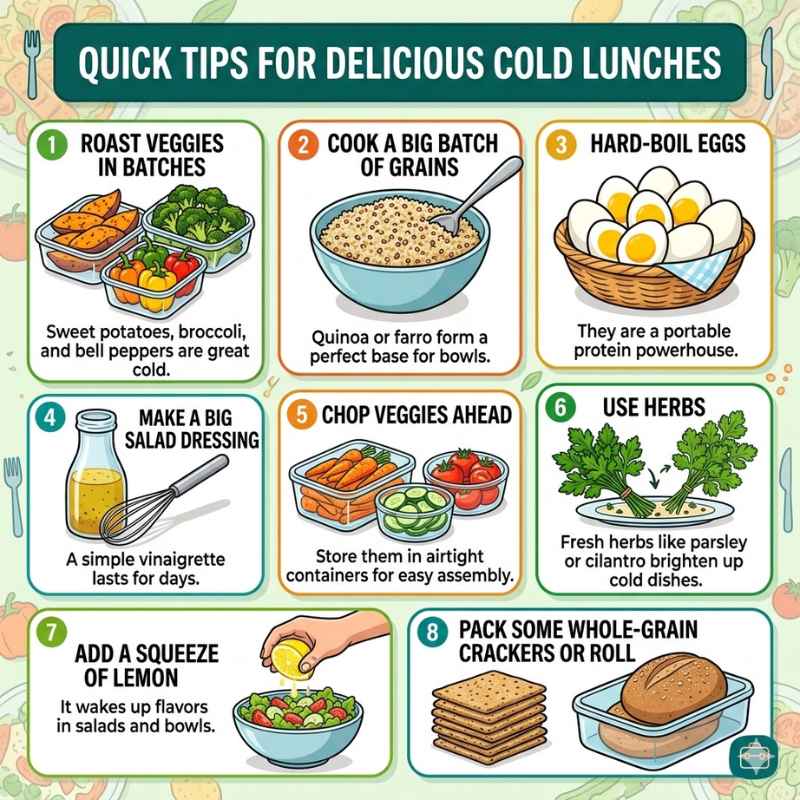
Quick Tips for Delicious Cold Lunches
Here are a few easy ideas to boost your cold lunch game:
- Roast veggies in batches: Sweet potatoes, broccoli, and bell peppers are great cold.
- Cook a big batch of grains: Quinoa or farro form a perfect base for bowls.
- Hard-boil eggs: They are a portable protein powerhouse.
- Make a big salad dressing: A simple vinaigrette lasts for days.
- Chop veggies ahead: Store them in airtight containers for easy assembly.
- Use herbs: Fresh herbs like parsley or cilantro brighten up cold dishes.
- Add a squeeze of lemon: It wakes up flavors in salads and bowls.
- Pack some whole-grain crackers or a small whole-wheat roll: For dipping or to make a sandwich more filling.
Frequently Asked Questions
What are the best types of containers for cold meal prep lunches?
Airtight containers made of glass or BPA-free plastic are best. They keep food fresh and prevent leaks. Smaller, leak-proof containers are perfect for dressings or dips, and mason jars are great for layered salads.
How long do cold meal prep lunches last in the refrigerator?
Most cold meal prep lunches will last 3 to 4 days in the refrigerator when stored properly in airtight containers. It’s always a good idea to use your oldest prepped meals first. Some items, like those with fresh greens or avocado, might be best consumed within 2-3 days.
Can I include fruits in my cold meal prep lunches?
Yes, absolutely! Many fruits hold up well and are delicious cold. Berries, apple slices, grapes, orange segments, and melon chunks are all excellent choices.
If packing fruits that brown easily, like apples or bananas, toss them with a little lemon juice to prevent discoloration.
What are some good protein sources for cold lunches?
Excellent protein sources include grilled or shredded chicken, hard-boiled eggs, canned tuna (drained well), chickpeas, black beans, lentils, tofu, tempeh, and cheese like mozzarella or feta. These are all delicious served cold.
How can I prevent my salads from getting soggy in meal prep?
The key is layering and packing dressing separately. For mason jar salads, place dressing at the bottom, followed by hard ingredients, then proteins/grains, and finally leafy greens on top. For regular containers, pack dressing in a small, separate container and add just before eating.
Keep very wet ingredients like tomatoes or cucumbers separate if possible.
Are there any specific ingredients to avoid in cold meal prep?
Generally, avoid ingredients that turn mushy or lose their appeal when cold or stored for a few days. This might include lightly cooked or raw cruciferous vegetables that can become bitter, very delicate greens if not packed carefully, or fried foods that lose their crispness. Always ensure ingredients are safe and palatable when cold.
Conclusion
Packing lunches that require no reheating is a smart, practical strategy. It saves time, money, and helps you eat healthier. By focusing on ingredients that taste great cold and planning your meals, you can enjoy delicious and satisfying lunches all week long.
Don’t let the midday meal be an afterthought. Make it a highlight with these simple, no-fuss ideas.