Top 10 Low Calorie Snacks for Healthy Eating
Finding satisfying and healthy snacks can be a challenge, especially when trying to manage calorie intake. Thankfully, there are numerous delicious and nutritious options available that can keep you feeling full and energized without derailing your diet. This guide explores low calorie snacks that are not only good for you but also incredibly tasty, proving that healthy eating doesn’t have to be boring.
Simply put, incorporating a variety of nutrient-dense, low-calorie snacks into your daily routine is an effective strategy for weight management, improved energy levels, and overall well-being. These options provide essential vitamins, minerals, and fiber to keep you satisfied between meals.
Key Takeaways
- Low calorie snacks are crucial for managing weight and maintaining energy levels.
- Focus on snacks rich in fiber and protein for sustained satiety.
- Hydration plays a significant role; choose water-based snacks or pair snacks with water.
- Variety is key; explore different fruits, vegetables, lean proteins, and dairy options.
- Mindful eating practices enhance the benefits of choosing low calorie snacks.
What are Low Calorie Snacks?
Low calorie snacks are typically foods that offer a high nutritional value relative to their energy content. They are designed to be consumed between main meals to curb hunger, provide a boost of energy, or deliver essential nutrients without contributing excessively to daily calorie consumption. The focus is on nutrient density, meaning you get more vitamins, minerals, and fiber per calorie consumed.
These snacks often feature ingredients like fruits, vegetables, lean proteins, and whole grains. They are generally lower in unhealthy fats, added sugars, and refined carbohydrates. Understanding what constitutes a low calorie snack is the first step toward making informed choices that support your health and fitness goals.
These are not just about restriction; they are about smart, satisfying choices.
The exact calorie count considered “low” can vary depending on individual dietary needs and goals, but generally, snacks under 100-150 calories are considered suitable for a low-calorie diet. The goal is to feel satisfied, not deprived. This approach helps prevent overeating at meal times and maintains stable blood sugar levels, reducing cravings for less healthy options.
- Key characteristics of low calorie snacks:
- High in fiber content.
- Rich in vitamins and minerals.
- Contain lean protein sources.
- Low in added sugars and unhealthy fats.
- Often water-rich (fruits and vegetables).
- Portion-controlled servings.
- Naturally low in sodium.
How to Choose the Best Low Calorie Snacks
Selecting the right low calorie snacks involves looking beyond just the calorie number. Prioritize foods that offer substantial nutritional benefits and keep you feeling full. Fiber and protein are your best allies here, as they digest slowly and signal fullness to your brain, helping to prevent overeating later on.
For instance, a handful of almonds offers protein and healthy fats that provide sustained energy, while an apple provides fiber and natural sweetness.
Consider the glycemic index (GI) of your snacks. Foods with a lower GI release sugar into your bloodstream more slowly, leading to more stable energy levels and fewer cravings. This is particularly important for managing blood sugar and avoiding energy crashes.
Combining foods from different categories can also enhance satiety. For example, pairing a high-fiber fruit with a small serving of protein like Greek yogurt can create a more balanced and filling snack.
| Snack Component | Benefit | Examples |
|---|---|---|
| Fiber | Promotes fullness, aids digestion, stabilizes blood sugar. | Fruits, vegetables, whole grains, legumes. |
| Protein | Increases satiety, supports muscle health, boosts metabolism. | Greek yogurt, cottage cheese, hard-boiled eggs, lean jerky, nuts. |
| Healthy Fats | Aids nutrient absorption, provides sustained energy, contributes to fullness. | Avocado, nuts, seeds. |
| Water Content | Adds volume without calories, aids hydration. | Cucumber, watermelon, berries, oranges. |
Choosing snacks that incorporate these components ensures you’re getting both satisfaction and nourishment. This balanced approach is key to sustainable healthy eating habits.
Tip: Always check nutrition labels for hidden sugars and sodium, even in seemingly healthy snacks. Portion control is vital; pre-portioning snacks can prevent mindless overeating.
Top 10 Low Calorie Snack Ideas
When you’re craving a bite between meals, reaching for something light and healthy is crucial for maintaining your dietary goals. These 10 low calorie snack ideas are packed with nutrients, satisfy hunger effectively, and are simple to prepare or grab on the go. They offer a fantastic way to boost your intake of fruits, vegetables, lean proteins, and whole grains without adding unnecessary calories.
1. Greek Yogurt with Berries
Greek yogurt is a powerhouse of protein, which helps you feel full for longer. When paired with fresh berries, it provides a satisfying mix of creamy texture and sweet, slightly tart flavor. Berries are also loaded with antioxidants and fiber, making this a truly guilt-free treat.
- Why it works: High protein from yogurt, fiber and antioxidants from berries.
- Calories: Approximately 100-150 calories per serving (depending on yogurt type and berry quantity).
- Preparation: Simply combine plain Greek yogurt with a handful of your favorite berries (strawberries, blueberries, raspberries).
- Variations: Add a sprinkle of chia seeds or a tiny drizzle of honey for extra flavor, but be mindful of added sugars.
Best For: A quick breakfast addition, post-workout recovery, or a satisfying afternoon snack.
2. Apple Slices with Peanut Butter (Small Portion)
An apple provides natural sweetness and a good dose of fiber. A small amount of natural peanut butter adds healthy fats and protein, making the snack more substantial and satisfying. The key here is portion control for the peanut butter to keep calories in check.
- Serving Size: 1 medium apple, 1 tablespoon of natural peanut butter.
- Nutritional Boost: Fiber from the apple, protein and healthy fats from the peanut butter.
- Calorie Estimate: Around 150-180 calories for this serving.
- Tips for Success: Opt for natural peanut butter with no added sugar or oils.
Best For: Combating sweet cravings while getting a balanced mix of carbs, fiber, protein, and healthy fats.
3. Hard-Boiled Eggs
Hard-boiled eggs are an incredibly convenient and portable source of high-quality protein. They are filling and provide essential nutrients like choline and vitamin D. One large egg typically contains only about 70-80 calories, making them an excellent choice for a low-calorie snack.
- Protein Powerhouse: Each egg offers about 6 grams of protein.
- Convenience: Boil a batch at the beginning of the week for easy grab-and-go snacks.
- Versatility: Enjoy them plain, with a sprinkle of salt and pepper, or even mashed with a tiny bit of avocado.
- Calorie Count: ~70-80 calories per large egg.
Best For: Sustained energy, curbing hunger, and providing essential amino acids.
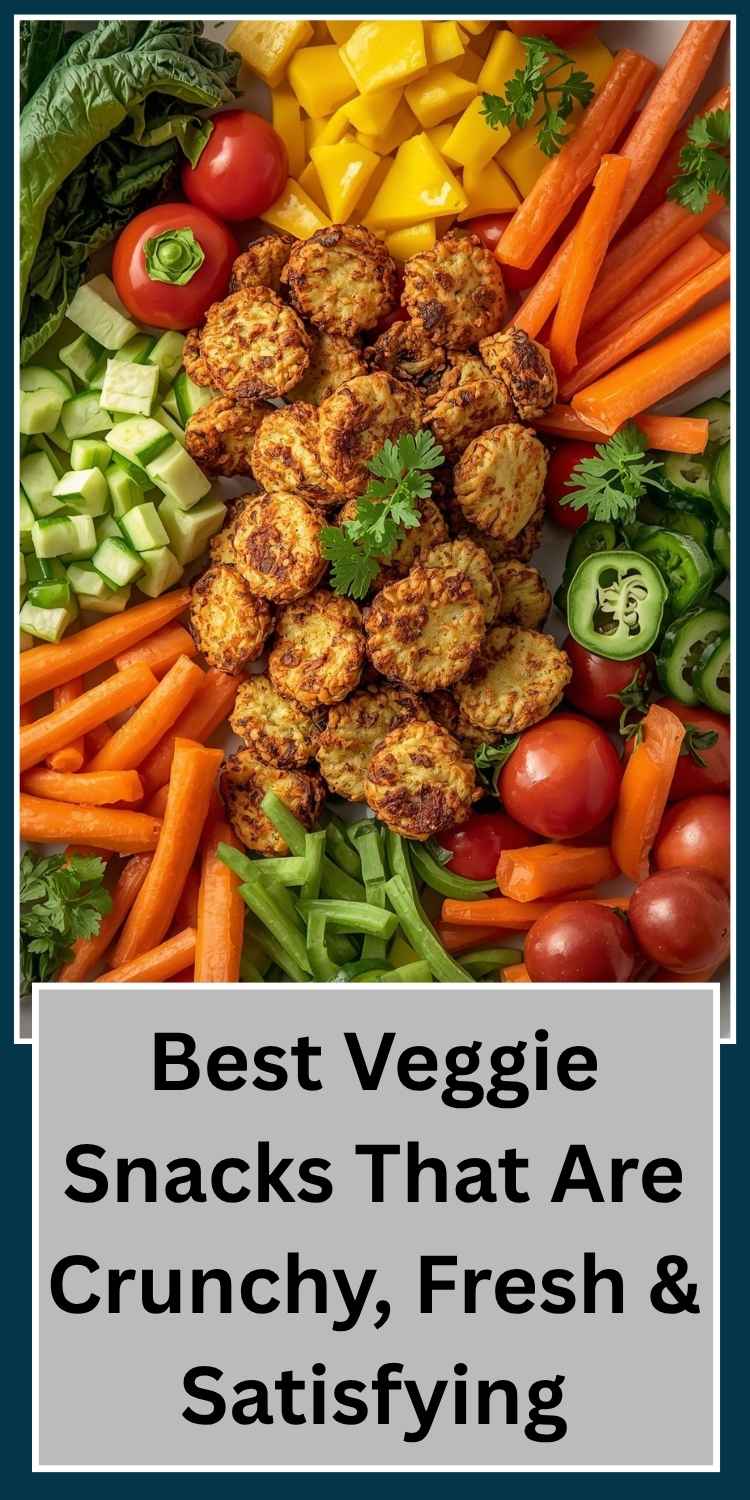
4. Vegetable Sticks with Hummus
Crunchy vegetable sticks like carrots, celery, cucumber, and bell peppers are very low in calories and high in water and fiber. Pairing them with a small portion of hummus adds a creamy texture and a boost of protein and fiber from chickpeas. This snack is both refreshing and satisfying.
- Nutrient Synergy: Fiber from vegetables, protein and fiber from hummus.
- Serving Suggestion: About 1 cup of mixed vegetable sticks with 2 tablespoons of hummus.
- Calorie Range: Approximately 100-130 calories.
- Hummus Benefits: Contains healthy fats, fiber, and plant-based protein.
Best For: A crunchy, satisfying snack that’s also hydrating and nutrient-rich.
5. Cottage Cheese with Fruit
Cottage cheese is another excellent source of lean protein that keeps you feeling full. Choose low-fat or fat-free varieties to minimize calories. Adding a small amount of fruit like pineapple chunks, peaches, or berries provides natural sweetness and additional fiber and vitamins.
- Protein Content: A half-cup serving can provide up to 12-14 grams of protein.
- Low Calorie Base: Fat-free cottage cheese is typically around 80-100 calories per half-cup.
- Flavor Boost: Fruit adds natural sweetness without a lot of calories.
- Customization: Add a pinch of cinnamon or a few nuts for texture.
Best For: A filling snack that can also serve as a light meal replacement.
6. Edamame (Steamed or Dry Roasted)
Edamame, or young soybeans, are a complete protein source and are rich in fiber. They are naturally low in calories and provide essential nutrients. Whether steamed and lightly salted or dry roasted, they offer a satisfying crunch and a pleasant, slightly nutty flavor.
- Complete Protein: Contains all nine essential amino acids.
- Fiber Rich: Aids digestion and promotes satiety.
- Serving Size: About 1 cup of edamame in pods.
- Calorie Estimate: Around 120-150 calories per cup.
- Preparation: Easy to steam from frozen or find pre-roasted varieties.
Best For: A plant-based protein snack that’s both filling and nutritious.
7. A Small Handful of Nuts (Almonds, Walnuts, Pistachios)
While nuts are calorie-dense, a small, controlled portion can be a very healthy and satisfying snack. They provide protein, fiber, and healthy fats that contribute to satiety. Almonds, walnuts, and pistachios are particularly good choices due to their nutrient profiles.
| Nut Type | Serving Size (Approx.) | Approx. Calories | Key Benefits |
|---|---|---|---|
| Almonds | 1/4 cup (approx. 23 nuts) | 160-170 | Vitamin E, magnesium, fiber, protein. |
| Walnuts | 1/4 cup (approx. 14 halves) | 185-195 | Omega-3 fatty acids, antioxidants. |
| Pistachios | 1/4 cup (approx. 49 nuts) | 150-160 | Protein, fiber, potassium, B6. |
The key is mindful portioning. Pre-portioned snack packs are ideal for controlling intake. According to the Harvard T.H.
Chan School of Public Health, daily consumption of nuts has been linked to a reduced risk of heart disease.
Important: While nuts are healthy, their high calorie density means overconsumption can hinder weight loss efforts. Stick to the recommended portion sizes.
8. Rice Cakes with Avocado and Everything Bagel Seasoning
A plain rice cake is very low in calories and provides a crunchy base. Topping it with a thin layer of mashed avocado adds healthy fats and a creamy texture, while everything bagel seasoning provides a burst of flavor without significant calories. This is a simple yet satisfying option.
- Base: 1-2 plain brown rice cakes (approx. 35-70 calories).
- Healthy Fat: 1/4 mashed avocado (approx. 80 calories).
- Flavor Enhancer: Everything bagel seasoning (negligible calories).
- Total Calories: Approximately 115-150 calories.
- Quick Prep: Mash avocado, spread on rice cake, sprinkle seasoning.
Best For: A light, savory snack that offers healthy fats and a satisfying crunch.
9. String Cheese or Cheese Sticks
String cheese, often made from part-skim mozzarella, is a convenient source of protein and calcium. It’s portion-controlled, typically around 80 calories per stick, making it easy to incorporate into a low-calorie snacking plan. The chewing involved can also contribute to feelings of fullness.
- Protein and Calcium: Essential nutrients for bone health and satiety.
- Portability: Individually wrapped for easy on-the-go snacking.
- Calorie Estimate: Typically 70-90 calories per stick.
- Variety: Available in mozzarella, cheddar, and other varieties.
Best For: A quick protein boost that’s easy to pack and consume anywhere.
10. A Small Bowl of Berries
Berries are nature’s candy—sweet, flavorful, and incredibly low in calories. They are packed with fiber, vitamins, and antioxidants. A cup of mixed berries can be enjoyed for well under 100 calories, making them an ideal snack for satisfying a sweet tooth guilt-free.
- High Fiber, Low Calorie: Excellent for volume and satiety.
- Nutrient Dense: Rich in Vitamin C and antioxidants.
- Serving Size: 1 to 1.5 cups of mixed berries.
- Calorie Range: 70-100 calories per cup.
- Versatility: Enjoy them fresh, frozen, or added to yogurt or oatmeal.
Best For: A refreshing, naturally sweet snack that’s packed with health benefits.
Benefits of Low Calorie Snacking
Incorporating smart, low calorie snacks into your diet offers a multitude of benefits that extend beyond simple weight management. They play a crucial role in maintaining stable energy levels throughout the day, preventing the dreaded mid-afternoon slump. By providing a steady supply of nutrients, these snacks help keep your metabolism active and your body functioning optimally.
Furthermore, strategic snacking can significantly improve appetite control. When you feel adequately nourished between meals, you are less likely to overeat during main meals. This mindful approach to eating supports healthier digestion and can prevent the discomfort associated with feeling overly full.
A study published in the Journal of Nutrition found that consuming protein-rich snacks can increase satiety and reduce overall daily calorie intake.
Beyond physical health, low calorie snacks can also contribute to better mood and cognitive function. Stable blood sugar levels mean more consistent energy for your brain, leading to improved focus and concentration. Avoiding processed, high-sugar snacks that cause energy spikes and crashes can lead to a more balanced emotional state and reduced irritability.
- Key benefits summarized:
- Maintained energy levels throughout the day.
- Improved appetite control and reduced overeating.
- Enhanced nutrient intake.
- Support for stable blood sugar levels.
- Potential improvements in mood and cognitive function.
- Reduced cravings for unhealthy foods.
- Assistance in reaching and maintaining a healthy weight.
Common Mistakes to Avoid with Low Calorie Snacks
While the intention behind choosing low calorie snacks is commendable, several common pitfalls can undermine your efforts. One of the most frequent mistakes is relying on processed “diet” snacks that may be low in calories but also low in nutrients and high in artificial sweeteners or chemicals. These snacks often fail to provide lasting satisfaction, leading to further snacking.
Another common error is neglecting portion control. Even healthy snacks like nuts and fruits can contribute significant calories if consumed in large quantities. Without careful measurement, you can inadvertently exceed your calorie goals.
For instance, a “small handful” of almonds can easily become a cup if not measured, drastically altering the calorie count from around 160 to over 800.
| Mistake | Why It’s a Problem | Solution |
|---|---|---|
| Relying on processed “diet” foods | Low nutrient density, artificial ingredients, can lead to cravings. | Choose whole, unprocessed foods like fruits, vegetables, and lean proteins. |
| Ignoring portion sizes | Even healthy snacks can be high in calories if overeaten. | Measure or pre-portion snacks. Use smaller bowls or bags. |
| Forgetting about hydration | Thirst can be mistaken for hunger, leading to unnecessary snacking. | Drink water before and between snacks. Infuse water with fruit. |
| Snacking out of boredom or habit | Leads to mindless eating and unnecessary calorie intake. | Identify triggers. Find alternative activities to boredom or habit. |
Finally, overlooking the importance of hydration is another oversight. Sometimes, thirst can be mistaken for hunger, leading you to reach for a snack when all you really need is a glass of water. The Centers for Disease Control and Prevention (CDC) emphasizes the importance of water for overall health and metabolism.
Warning: Be wary of “fat-free” or “sugar-free” snacks that replace fat or sugar with artificial sweeteners or other additives that might not be beneficial for your health in the long run. Always read the full ingredient list.
Frequently Asked Questions
What is the best low calorie snack for weight loss?
The best low calorie snack for weight loss typically combines protein and fiber, as these nutrients promote satiety and help control appetite. Examples include Greek yogurt with berries, hard-boiled eggs, or vegetable sticks with a small amount of hummus. These options provide volume and nutrients without excessive calories, helping you feel full and satisfied.
Are rice cakes a good low calorie snack?
Plain rice cakes are very low in calories and can be a good base for a snack, especially when paired with nutrient-dense toppings. They offer a satisfying crunch but are low in protein and fiber on their own. To make them a more substantial snack, add toppings like avocado, nut butter (in moderation), or lean protein sources.
Can I eat fruit as a low calorie snack?
Absolutely! Fruits are excellent low calorie snacks because they are naturally sweet, high in fiber, water, vitamins, and antioxidants. Berries, apples, oranges, and melon are particularly good choices.
They help satisfy sweet cravings and provide essential nutrients without a large caloric cost.
How many low calorie snacks should I have per day?
The number of low calorie snacks you should have per day depends on your individual dietary needs, meal structure, and activity level. Generally, 1-2 snacks can be beneficial for managing hunger and energy between meals. The key is to ensure these snacks fit within your overall daily calorie targets and contribute to your nutritional intake.
What are some low calorie savory snack ideas?
For savory cravings, consider options like vegetable sticks with hummus or guacamole (in moderation), hard-boiled eggs, a small portion of lean jerky, cottage cheese, or a small handful of unsalted nuts. Rice cakes topped with avocado and seasoning, or air-popped popcorn (plain) are also good choices. These snacks provide flavor and satisfaction without high calorie counts.
Final Thoughts
Embracing low calorie snacks is a strategic move towards a healthier lifestyle, supporting weight management and sustained energy. By prioritizing nutrient-dense, whole foods like fruits, vegetables, lean proteins, and healthy fats, you can create satisfying options that curb hunger without excess calories. Remember that consistency in choosing wisely, mindful portion control, and adequate hydration are cornerstones of success in your snacking journey.