Easy Healthy Lunch Salads for Meal Prep Week
Meal prep salads are your secret weapon for week-long healthy eating without the daily stress. Packing nutrient-dense ingredients into a portable container means delicious, balanced meals are always at your fingertips, ready when hunger strikes. This guide breaks down how to create vibrant, satisfying salads that stay fresh and delicious, transforming your midday meals from mundane to magnificent.
Simply put, building healthy lunch salads for meal prep involves choosing a sturdy base, adding protein and healthy fats, incorporating colorful vegetables and fruits, and dressing them just before eating to maintain freshness and crunch. This approach ensures delicious, satisfying meals all week.
Key Takeaways
- Meal prep salads simplify healthy eating by having ready-to-go lunches.
- Focus on a sturdy base, lean protein, healthy fats, and colorful additions for a balanced meal.
- Proper layering and dressing storage are crucial for keeping salads fresh and appetizing throughout the week.
- Include a variety of textures and flavors to prevent palate fatigue and ensure enjoyment.
- Prioritize whole, unprocessed ingredients for maximum nutritional benefit and sustained energy.
What are Meal Prep Salads?
Meal prep salads are simply salads intentionally prepared in advance to be consumed over several days, typically for lunch or a light dinner. The core idea is efficiency and health combined, ensuring you have nutritious options readily available rather than resorting to less healthy convenience foods or takeout when time is short.
They differ from spontaneous salads because they require thoughtful planning regarding ingredient selection and assembly techniques to maximize shelf life and preserve texture. This means choosing ingredients that hold up well in the refrigerator and understanding how to layer them to prevent sogginess.
The goal is to have a complete, balanced meal in a portable format that is as appealing on day five as it is on day one. This often involves separating wet and dry ingredients or using specific containers designed for meal prep to maintain ingredient integrity.
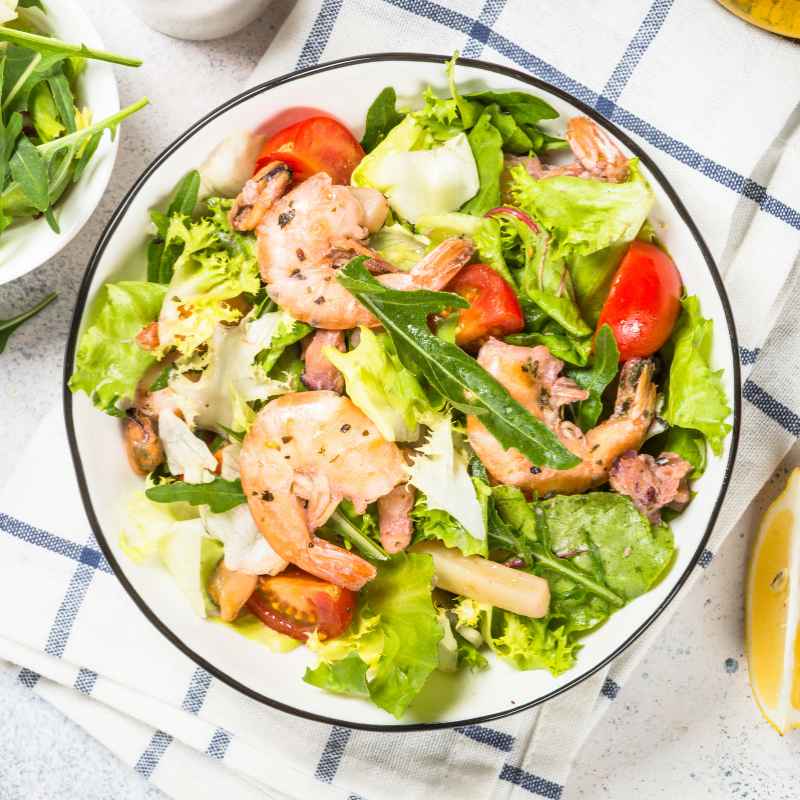
Why Choose Meal Prep Salads for a Healthy Lifestyle?
Opting for meal prep salads is a strategic move for anyone prioritizing health and wellness. They offer a convenient way to consistently consume a high volume of vegetables, lean proteins, and healthy fats, which are fundamental to a balanced diet. By controlling your ingredients, you also gain better control over portion sizes and calorie intake.
Furthermore, preparing your own meals allows you to avoid hidden sugars, excessive sodium, and unhealthy additives often found in pre-packaged meals or restaurant fare. This conscious control over your diet can lead to improved energy levels, better digestion, and long-term health benefits such as weight management and reduced risk of chronic diseases.
- Nutrient Density: Salads are an excellent vehicle for a wide array of vitamins, minerals, and fiber from fresh produce.
- Portion Control: Pre-portioned salads help manage calorie intake and prevent overeating.
- Ingredient Transparency: You know exactly what goes into your meal, allowing for dietary customization and avoidance of allergens.
- Cost-Effectiveness: Preparing meals at home is generally more economical than dining out or purchasing ready-made meals.
- Time-Saving: Having lunches ready eliminates daily decision-making and preparation time during busy workdays.
Incorporating these salads into your routine can significantly boost your overall well-being, making healthy eating a sustainable habit rather than a fleeting effort.
Essential Components of a Great Meal Prep Salad
A truly satisfying and healthy meal prep salad is more than just a pile of lettuce. It’s a carefully constructed meal comprising several key components that work together for flavor, nutrition, and texture. Think of it as building blocks for a balanced diet.
The foundation of any good salad is its base, followed by protein for satiety, healthy fats for nutrient absorption and flavor, and a medley of vegetables and fruits for vitamins, minerals, and crunch. Finally, a good dressing ties everything together, but its application requires special attention in meal prep.
1. The Sturdy Base: Greens That Last
Choosing the right greens is paramount for a meal prep salad that won’t wilt into a sad mush by midweek. While delicate lettuces like romaine or butter lettuce are delicious, they tend to break down quickly. Opting for heartier varieties ensures your salad remains crisp and enjoyable.
These greens can withstand longer storage periods and the presence of other ingredients without losing their structural integrity. They also offer a more substantial bite, contributing to the overall satisfying nature of the meal.
- Kale: Rich in nutrients and has a hearty texture that holds up extremely well. Massage it with a little dressing beforehand for tenderness.
- Spinach: A nutrient powerhouse that is surprisingly resilient, especially when washed and dried thoroughly.
- Arugula: Its peppery bite adds a distinct flavor, and it’s less prone to wilting than softer greens.
- Mixed Greens with Sturdier Varieties: Look for blends that include radicchio, endive, or darker leafy greens alongside softer options.
- Shredded Cabbage (Red or Green): An excellent, long-lasting base or addition that provides great crunch and is packed with vitamins.
Tip: Always wash and thoroughly dry your greens before storing them. Excess moisture is the enemy of crispness in meal prep salads.
2. Powerhouse Protein: For Lasting Satiety
Protein is the cornerstone of any filling meal, and it’s especially important in salads to prevent them from feeling light or unsatisfying. It helps keep you full for longer periods, preventing those energy crashes and mid-afternoon cravings.
For meal prep, select protein sources that can be cooked ahead of time and retain their texture and flavor when stored. These should be easy to portion and integrate seamlessly into your salad.
- Grilled Chicken Breast: A lean, versatile option that can be seasoned in countless ways. Slice or dice it for easy distribution.
- Baked Salmon or Tuna: Rich in omega-3 fatty acids, these are excellent choices. Flake them or keep them in small fillets.
- Hard-Boiled Eggs: A simple, portable, and protein-packed addition.
- Legumes (Chickpeas, Black Beans, Lentils): Plant-based protein powerhouses that are also packed with fiber. They add substance and are very budget-friendly.
- Tofu or Tempeh: Marinated and baked or pan-fried, these offer great plant-based protein and can absorb flavors beautifully.
- Lean Steak or Turkey: Cooked and sliced, these provide hearty, satisfying protein options.
Important: Ensure all proteins are fully cooked and cooled before adding them to your salad to prevent the growth of bacteria and to avoid warming up other ingredients.
3. Healthy Fats: Flavor and Nutrient Absorption
Healthy fats are crucial for making your salads not only delicious but also more nutritious. They help your body absorb fat-soluble vitamins (A, D, E, K) found in your vegetables and contribute to a feeling of fullness and satisfaction.
These additions also bring wonderful textures and flavors that elevate a simple salad into a gourmet experience, making them a vital part of any well-rounded meal prep plan. Remember to add them strategically to avoid making your salad too oily or heavy.
- Avocado: Creamy and rich, though best added just before eating to prevent browning. You can also toss it with a little lemon juice.
- Nuts (Almonds, Walnuts, Pecans): Provide a satisfying crunch and healthy fats. Toasting them lightly can enhance their flavor.
- Seeds (Pumpkin Seeds, Sunflower Seeds, Chia Seeds): Offer a delightful crunch and a boost of nutrients and fiber.
- Olives: Add a briny, savory flavor and monounsaturated fats.
- Cheese (Feta, Goat Cheese, Parmesan): Use in moderation for a burst of flavor and healthy fats.
Tip: For ingredients like avocado or nuts, consider keeping them separate and adding them just before you eat, especially if you are meal prepping for more than 2-3 days.
4. Vibrant Vegetables and Fruits: Color and Crunch
This is where you pack in the micronutrients and create visual appeal! A rainbow of vegetables and fruits ensures you’re getting a wide spectrum of vitamins, minerals, and antioxidants. Their varied textures also add delightful crunch and juiciness.
Focus on ingredients that retain their crispness or offer a refreshing burst of flavor even after a few days of storage. These are the elements that make your salad exciting and texturally interesting.
- Bell Peppers (all colors): Crisp, sweet, and packed with Vitamin C.
- Cucumber: Refreshing and hydrating, holds its crunch well.
- Cherry Tomatoes: Add a pop of sweetness and juiciness. Keep them whole or halved.
- Carrots (shredded or julienned): Sweet and crunchy, a great source of Vitamin A.
- Broccoli or Cauliflower Florets (raw or lightly blanched): Offer a hearty crunch and nutrients.
- Red Onion (thinly sliced): Adds a sharp bite; soaking in cold water can mellow its intensity.
- Berries (strawberries, blueberries, raspberries): Add sweetness and antioxidants.
- Apple or Pear slices: Provide a crisp, sweet counterpoint to savory ingredients.
Warning: Avoid water-rich vegetables like raw zucchini or mushrooms if prepping for more than a couple of days, as they can release excess moisture.
How to Assemble and Store Your Meal Prep Salads
The magic of a great meal prep salad lies in its assembly and storage. Proper technique is key to ensuring every bite is as fresh and delicious as the first, even several days later. This often involves strategic layering and careful dressing management.
Understanding how to layer your ingredients in the right order prevents the salad from becoming soggy. The general rule of thumb is to put the dressing at the bottom, followed by heartier ingredients, and greens on top. This keeps the delicate greens from being drowned in dressing prematurely.
The Layering Technique: Mason Jars and Beyond
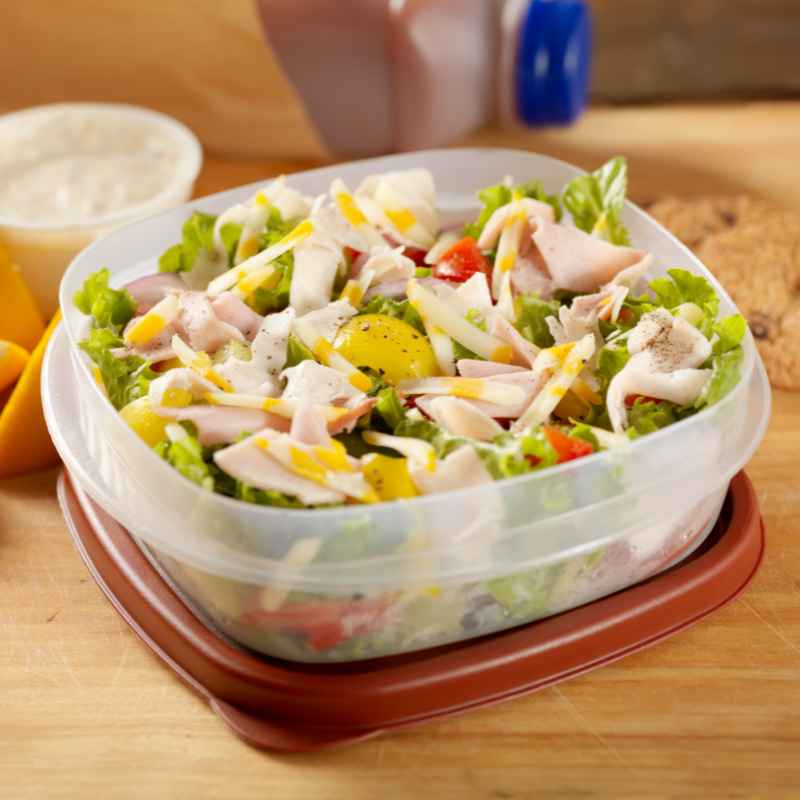
Mason jars are the quintessential tool for layered salads, but the principle can be applied to any airtight container. The idea is to create distinct barriers between the dressing and the ingredients most susceptible to wilting.
Start with your dressing at the very bottom of the jar. Then, layer ingredients that are hardiest and least likely to absorb moisture or become mushy. This creates a foundation that protects the lighter elements above.
- Dressing Layer: Pour your chosen dressing into the bottom of the jar or container.
- Hard Veggies & Proteins: Add ingredients like chickpeas, black beans, diced chicken, hard-boiled eggs, chopped bell peppers, and carrots.
- Grains or Other Fillers: If using cooked quinoa, farro, or pasta, this is a good layer.
- Softer Ingredients: Include items like cherry tomatoes, corn, or olives here.
- Fruits: If adding berries or diced apples, place them on top of the softer ingredients.
- Nuts & Seeds: Add these for crunch just before the greens, or keep them separate.
- Greens: Pack your sturdy greens (kale, spinach, arugula) tightly at the very top.
Tip: For salads that will be kept for more than 3-4 days, consider keeping highly perishable items like avocado or nuts in a small separate container to add just before eating.
Dressing Strategies for Maximum Freshness
The dressing is a critical element, but it can also be the downfall of a meal prep salad if not handled correctly. Soggy greens are often the result of the dressing being in direct contact with them for too long.
There are two primary strategies: the traditional mason jar layering method or keeping the dressing entirely separate. Both methods aim to preserve the integrity of your salad’s components.
| Dressing Strategy | How It Works | Best For |
|---|---|---|
| Layered in Jar | Dressing at the bottom, with layers of ingredients above, topped by greens. Shake well before eating. | Convenience; single container prep. Good for 2-3 days. |
| Separate Container | Salad ingredients are assembled in a container, and dressing is kept in a small, separate, leak-proof container. Add dressing right before eating. | Maximum freshness and crunch, especially for delicate greens or ingredients. Ideal for 4-5 days. |
Choosing the right strategy depends on how long you need the salad to last and your preference for crunchiness.
Choosing the Right Containers
The container you use significantly impacts the longevity and appeal of your meal prep salads. Airtight seals are non-negotiable for preventing spoilage and maintaining freshness. Investing in good quality containers will pay off in delicious, ready-to-eat meals.
Consider containers that are durable, easy to clean, and come in sizes appropriate for individual portions. Many meal prep containers also feature separate compartments, which can be useful for keeping certain ingredients like dressing or crunchy toppings apart.
- Glass Mason Jars: Excellent for layered salads, durable, and easy to see contents. Wide-mouth jars are easier to fill and eat from.
- BPA-Free Plastic Containers: Lightweight, often stackable, and available with multiple compartments. Ensure they are microwave and dishwasher safe if needed.
- Stainless Steel Containers: Durable, eco-friendly, and good for keeping food cool. Some come with separate inserts.
- Containers with Snap-On Lids: These provide a secure seal and are generally leak-proof.
- Salad Shakers: Specifically designed for salads, these often have a compartment for dressing and a fork holder.
Important: Always ensure your containers are thoroughly cleaned and dried before use to prevent bacterial growth and unwanted odors.
Popular Meal Prep Salad Ideas and Combinations
Variety is the spice of life, and that extends to your meal prep salads. Mixing up your ingredients and flavor profiles keeps things interesting and ensures you’re getting a broad range of nutrients. Here are some popular and delicious combinations to get you started.
These combinations offer different flavor profiles and nutritional benefits, catering to various tastes and dietary needs. Feel free to mix and match elements from different ideas to create your own unique signature salads.
Mediterranean Quinoa Salad
This salad is packed with flavor, fiber, and protein, making it incredibly satisfying and nutritious. It’s a perfect example of how grains and vegetables can create a hearty meal.
- Base: Quinoa, mixed greens.
- Veggies: Cucumber, cherry tomatoes, red onion, bell peppers, Kalamata olives.
- Protein: Chickpeas, grilled chicken (optional).
- Fats: Feta cheese, a drizzle of olive oil.
- Dressing: Lemon-herb vinaigrette (lemon juice, olive oil, oregano, garlic powder, salt, pepper).
Best For: Vegetarians, vegans (omit feta and chicken), those seeking fiber-rich meals.
Southwestern Black Bean and Corn Salad
A vibrant and zesty salad that brings a taste of the Southwest to your lunchbox. It’s naturally vegan and gluten-free, making it a crowd-pleaser.
- Base: Romaine lettuce or mixed greens, shredded cabbage.
- Veggies: Black beans, corn, diced red onion, chopped bell peppers, jalapeños (optional).
- Protein: Black beans, grilled chicken or turkey (optional).
- Fats: Avocado (add before serving), cilantro.
- Dressing: Lime-cilantro dressing (lime juice, olive oil, cumin, chili powder, salt).
Important: If including avocado, add it right before eating to prevent browning. A sprinkle of tortilla chips can add a nice crunch.
Asian-Inspired Chicken or Tofu Salad
This salad offers a delightful balance of sweet, savory, and tangy flavors with a satisfying crunch from fresh vegetables and crunchy toppings.
- Base: Shredded napa cabbage, spinach.
- Veggies: Shredded carrots, edamame, sliced bell peppers, green onions.
- Protein: Grilled chicken strips or pan-fried tofu.
- Fats: Toasted sesame seeds, chopped peanuts or cashews.
- Dressing: Ginger-sesame dressing (soy sauce or tamari, rice vinegar, sesame oil, grated ginger, a touch of honey or maple syrup).
Tip: For extra crunch, keep the nuts and seeds in a small separate bag or container to add just before eating.
Classic Chicken Caesar Salad (Meal Prep Version)
Enjoying a Caesar salad regularly is possible with a few meal prep adjustments. The key is keeping the croutons and dressing separate.
- Base: Chopped romaine lettuce.
- Protein: Grilled chicken breast, sliced.
- Add-ins: Grated Parmesan cheese.
- Crunch: Whole-wheat croutons (kept separate).
- Dressing: Caesar dressing (kept separate in a small container).
Warning: Traditional Caesar dressing often contains raw egg. Use a pasteurized version or a store-bought variety to ensure food safety for meal prep.
Tips for Keeping Your Salads Fresh and Appetizing
Even with the best ingredients and techniques, a few extra tips can make your meal prep salads last longer and taste better. These small adjustments can significantly improve your week-long salad experience.
Pay attention to temperature, moisture control, and the order of assembly. These elements are crucial for preserving texture and flavor over multiple days.
- Dry Everything Thoroughly: Excess water is the primary cause of wilting and sogginess. Use a salad spinner or pat greens and vegetables dry with paper towels.
- Cool Ingredients Completely: Never add warm ingredients to your salad container. They can steam other components and promote bacterial growth.
- Pack in Layers: As discussed, the order matters. Dressing at the bottom, hearty items next, lighter items in the middle, and greens on top.
- Separate Wet and Dry Toppings: Keep items like nuts, seeds, croutons, or crispy noodles in a small baggie or compartment to maintain their crunch.
- Use Airtight Containers: This is essential to prevent air exposure, which leads to staleness and potential spoilage.
- Refrigerate Promptly: Once assembled, salads should be stored in the refrigerator immediately. Aim to consume them within 3-5 days for optimal freshness and safety.
- Consider a Small Ice Pack: If you’re transporting your salad to work or school and don’t have access to a refrigerator, an ice pack can help keep it cool and fresh for longer.
Important: For any meal prep intended to last longer than 3 days, it’s wise to incorporate more robust ingredients like kale, cabbage, or root vegetables, and to be particularly mindful of keeping moisture levels low.

Frequently Asked Questions
What are the best greens for meal prep salads?
Heartier greens like kale, spinach, arugula, and shredded cabbage are best for meal prep salads. They hold up better against wilting and sogginess compared to delicate lettuces like romaine or butter lettuce. Ensure they are washed and thoroughly dried before prepping.
How long do meal prep salads typically last?
Properly prepared meal prep salads can last anywhere from 3 to 5 days in the refrigerator. The lifespan depends on the ingredients used and how they are stored; those with delicate ingredients or dressed too early may not last as long.
Can I add fruit to my meal prep salads?
Yes, you can add fruit! Berries, diced apples, or citrus segments can add a wonderful sweetness and tang. For fruits that brown easily, like apples or pears, toss them with a little lemon juice or add them just before eating.
What’s the best way to store salad dressing?
For maximum freshness, store your salad dressing separately in a small, leak-proof container. This prevents the dressing from making your greens or other ingredients soggy. If using a mason jar, place the dressing at the very bottom before layering other ingredients.
Are meal prep salads healthy?
Absolutely. When made with a balance of lean protein, healthy fats, plenty of vegetables, and whole grains, meal prep salads are exceptionally healthy. They provide essential nutrients, fiber, and can help with weight management and sustained energy throughout the day.
Final Thoughts
Creating healthy lunch salads for meal prep is an investment in your well-being and your schedule. By understanding the best ingredients, employing smart layering techniques, and managing your dressings wisely, you can enjoy delicious, nutrient-packed meals all week long. Embrace the versatility and simplicity of salad meal prep to fuel your busy life with wholesome goodness.