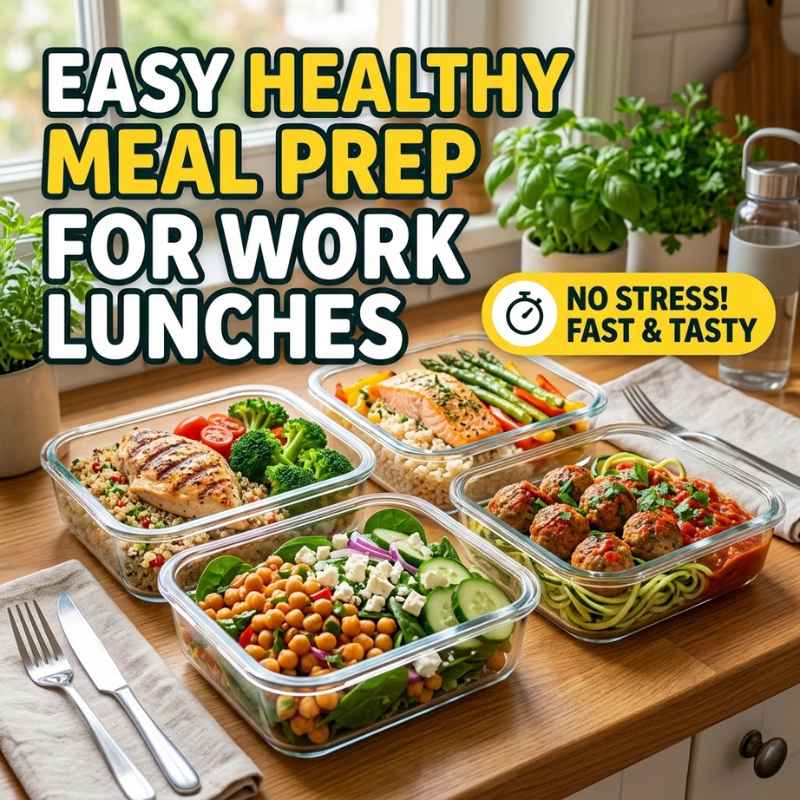
Easy Healthy Meal Prep Ideas For Work Lunches
Thinking about your lunch at work can feel like a chore. You want something good for you. But maybe you’re tired of the same old sandwich.
Or perhaps you’re worried about spending too much time in the kitchen. It’s a common feeling. Many of us struggle to find easy ways to eat well during the busy work week.
This guide will help you discover simple, healthy meal prep ideas. You’ll learn how to make delicious lunches without the fuss. Let’s make lunch something you look forward to.
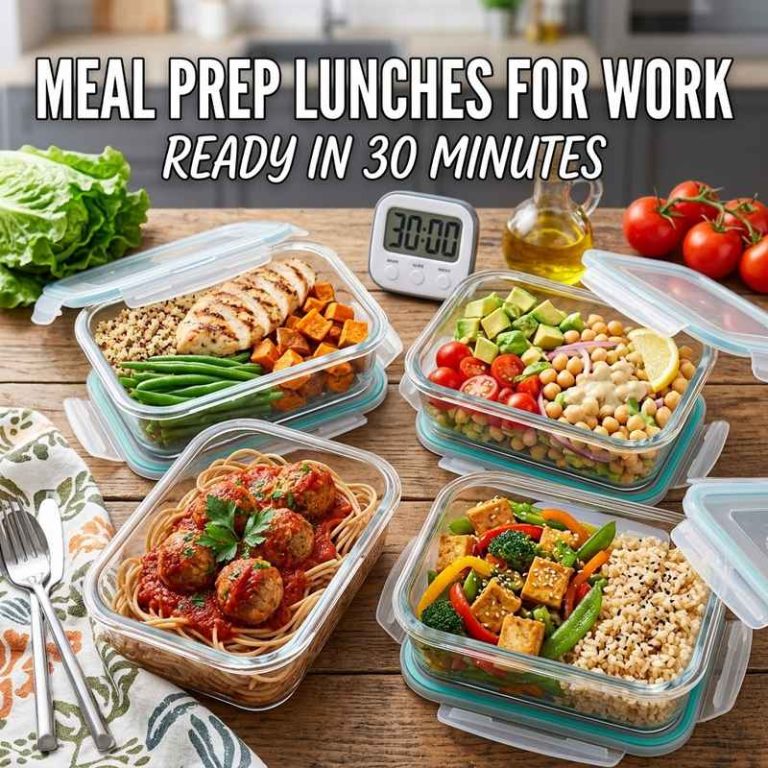
Easy healthy meal prep for work lunches involves simple recipes, smart planning, and practical tips. Focus on balanced ingredients like lean proteins, whole grains, and fresh vegetables. Batch cooking components like grains or chopped veggies saves time.
Mason jar salads, grain bowls, and wraps are great portable options. Keeping meals fresh and appealing is key, so consider safe storage and flavor boosters.
What is Healthy Meal Prep for Work Lunches?
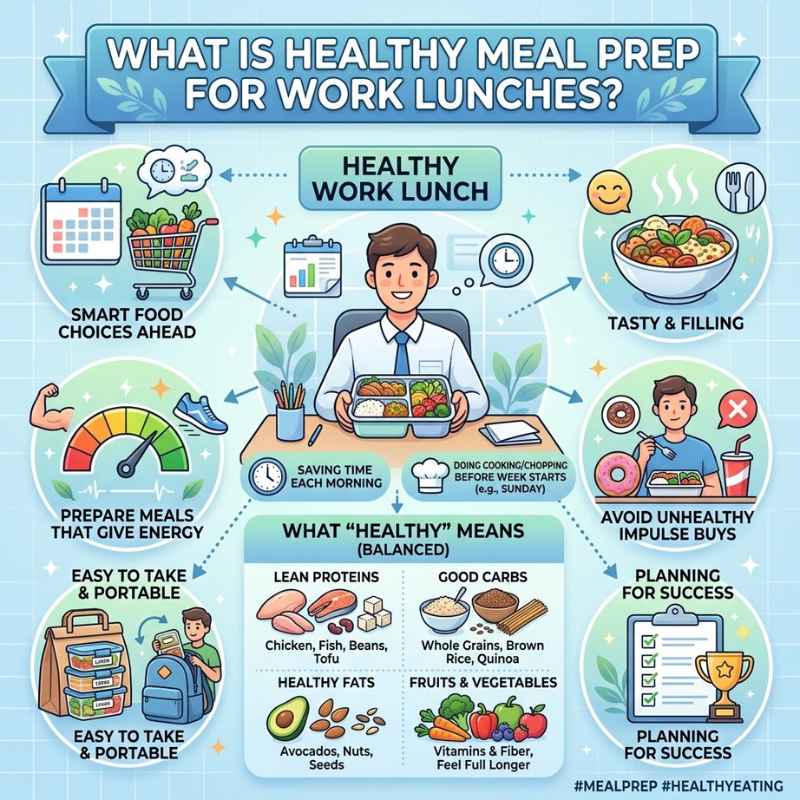
Healthy meal prep for work lunches is about making smart food choices ahead of time. It means preparing meals that give you good energy. These meals should be easy to take with you.
They should also be tasty and filling. The goal is to avoid unhealthy impulse buys or skipping meals. It’s about planning for success.
When we talk about “healthy,” we mean balanced. This includes lean proteins. Think chicken, fish, beans, or tofu.
We also need good carbs. Whole grains like quinoa, brown rice, or whole wheat pasta are great. Don’t forget healthy fats.
Avocados, nuts, and seeds fit here. And of course, lots of fruits and vegetables. These give us vitamins and fiber.
Fiber helps us feel full longer. Vitamins help our bodies work right. Eating a variety of these foods makes a meal truly healthy.
“Meal prep” means doing some cooking or chopping before your work week starts. This could be on a Sunday afternoon. Or maybe a weeknight.
You prepare lunches for a few days. Or even the whole week. This saves you time each morning.
It also helps you stick to your healthy eating goals. No more scrambling for a quick, often unhealthy, option.
My Experience with the Lunch Rut
I remember a time when my work lunches were a disaster. I’d rush in the morning. I’d grab whatever was easiest.
Most days, that meant a bag of chips and a granola bar. Or sometimes, a fast-food burger if I was really starving. I felt sluggish by 2 PM.
My wallet was also much lighter. I knew this wasn’t good for me. But I felt like I had no other choice.
The idea of cooking every night after a long day seemed impossible. And the thought of spending my weekend chopping veggies felt boring.
One Tuesday, I opened my sad lunch bag. It had a wilted lettuce leaf and a half-eaten apple. I saw a coworker pull out a beautiful, colorful bowl.
It looked so good! I asked her about it. She told me she prepped her lunches on Sunday.
She said it only took her about an hour. She showed me her method: cook a big batch of quinoa. Chop up a bunch of veggies.
Grill some chicken breasts. Then, she just mixed and matched them in bowls throughout the week. It seemed so simple.
That was the moment I decided to try. It felt like a small step, but it made a big difference.
Your Healthy Lunch Checklist
Protein Source: Choose lean options like grilled chicken, baked fish, hard-boiled eggs, lentils, or firm tofu.
Whole Grains: Opt for brown rice, quinoa, whole wheat pasta, or farro for sustained energy.
Veggies Galore: Load up on raw or roasted vegetables. Think broccoli, bell peppers, carrots, spinach, and zucchini.
Healthy Fats: Add a bit of avocado, a sprinkle of nuts, or seeds for satiety.
Flavor Boosters: Use herbs, spices, lemon juice, or a light vinaigrette to make it delicious.
Why Healthy Lunches Matter for Work
Eating a healthy lunch at work does more than just fill your stomach. It impacts how you feel all day. It affects your focus and your energy levels.
When you eat well, you’re likely to feel more alert. Your brain can do its best work. This is super important for tasks that need concentration.
It helps you avoid that mid-afternoon slump. You know, the one where you just want to nap?
Good food also supports your mood. When your body gets the nutrients it needs, it functions better. This can lead to feeling more positive.
It can also help manage stress. Plus, consistently eating healthy builds good habits. These habits extend beyond just lunch.
They can influence your dinner choices and snack selections too. Over time, this supports your overall physical health. It can help manage weight and reduce the risk of chronic diseases.
Think about it: your brain uses a lot of energy. It needs good fuel to run. Processed foods and sugary snacks give you a quick burst.
But then you crash. Whole foods provide steady energy. They release glucose slowly.
This keeps your brain and body humming along smoothly. This makes your work day more productive and enjoyable. It’s a simple investment in yourself.
Myth vs. Reality: Meal Prep
Myth: Meal prep takes hours of cooking every weekend.
Reality: You can prep components in 1-2 hours. Focus on cooking grains, roasting veggies, or baking protein in batches.
Myth: Prepped meals are boring and taste like leftovers.
Reality: Vary your flavor profiles! Use different sauces, herbs, and spices. Mason jar salads and grain bowls stay fresh and look great.
Myth: It’s expensive to buy ingredients for meal prep.
Reality: Prepping often saves money by reducing impulse buys and takeout orders. Focus on seasonal produce and versatile staples.
Simple & Delicious Healthy Meal Prep Ideas
Let’s get to the fun part: ideas! These are simple ways to make lunches you’ll love. They don’t require fancy cooking skills.
They also use common ingredients. The key is to make things you can assemble easily.
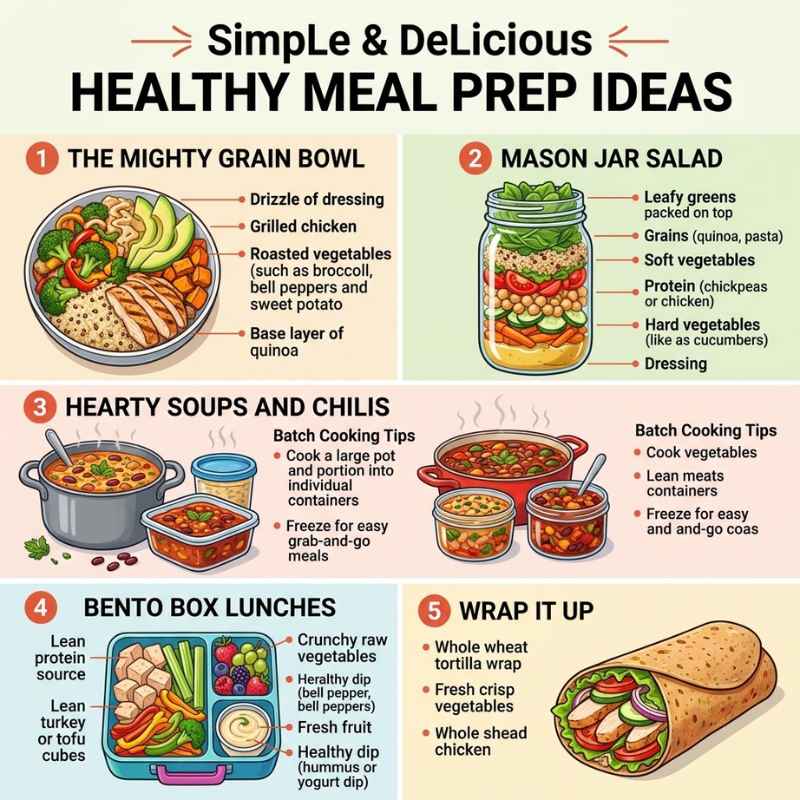
1. The Mighty Grain Bowl
Grain bowls are super versatile. You start with a base of whole grains. Quinoa, brown rice, or farro work well.
Then, you add a protein. Grilled chicken, baked salmon, black beans, or hard-boiled eggs are great choices. Next, load up on veggies.
Roasted sweet potatoes, steamed broccoli, shredded carrots, and chopped bell peppers are excellent. Finally, add a healthy fat. A sprinkle of nuts or seeds, or a dollop of avocado.
A drizzle of your favorite healthy dressing ties it all together.
To prep, cook a big batch of your chosen grain. Roast a large tray of mixed vegetables. Grill or bake your protein.
On Sunday, portion out the grain into containers. Add your protein and veggies. Keep the dressing separate until lunchtime.
This prevents sogginess. This is a meal that feels substantial and is packed with nutrients. It’s also easy to change up the flavors weekly.
Try a lemon-herb chicken with roasted asparagus one week. Try a black bean bowl with corn and salsa the next.
Grain Bowl Components to Prep
- Grains: Cook 2-3 cups of quinoa or brown rice.
- Protein: Bake 4-6 chicken breasts or cook a batch of lentils.
- Veggies: Roast a large baking sheet of chopped broccoli, sweet potatoes, and bell peppers.
- Sauces/Dressings: Prepare a simple vinaigrette or a tahini dressing.
2. Mason Jar Salads
Mason jar salads are brilliant for keeping salads fresh. The trick is to layer them correctly. Start with the dressing at the bottom.
This keeps your greens from getting soggy. Then, add hard veggies that won’t get mushy. Think carrots, cucumbers, bell peppers, and chickpeas.
Next, add your protein. This could be chicken, tuna, or beans. Then, add softer veggies like tomatoes or corn.
Finally, pack your greens tightly on top. Seal the jar. When you’re ready to eat, just shake it up!
These are fantastic because they look so pretty. They are also very portable. You can make a few different kinds to keep things interesting.
A Greek-inspired salad with feta, olives, and cucumber is delicious. A Southwest salad with black beans, corn, and avocado is also a hit. The key is to choose ingredients that hold up well.
Avoid things like cut tomatoes directly in the jar if you want them very fresh. But the dressing at the bottom really does work wonders. I was skeptical at first, but it keeps everything crisp!
Mason Jar Salad Layering Order
1. Dressing: About 2-3 tablespoons at the very bottom.
2. Hard Veggies/Legumes: Carrots, celery, bell peppers, cucumbers, chickpeas, black beans.
3. Protein: Cooked chicken, shrimp, hard-boiled eggs, tofu, or beans.
4. Softer Veggies/Fruits: Corn, peas, cherry tomatoes (added just before serving if preferred), berries.
5. Grains (optional): Quinoa or couscous.
6. Greens: Pack them tightly at the top. Spinach, romaine, or mixed greens work well.
3. Hearty Soups and Chilis
Soups and chilis are perfect for cooler weather. They are also incredibly easy to make in large batches. A lentil soup, a hearty vegetable soup, or a turkey chili are all great options.
These can be made on a Sunday and portioned into individual containers. They reheat beautifully in the microwave at work.
When making soup or chili for meal prep, think about adding lots of vegetables. Onions, carrots, celery, and tomatoes are staples. For protein, consider beans, lentils, lean ground turkey, or chicken.
You can also add whole grains like barley or brown rice to make them more filling. Spices are your best friend here. Cumin, chili powder, paprika, and Italian herbs add tons of flavor.
Make a big pot, let it cool, then divide it into containers. They are a warm and comforting lunch.
Soup & Chili Prep Tips
- Batch Cook: Make one large pot on the weekend.
- Portion Control: Divide into individual, microwave-safe containers.
- Cool Properly: Let soups and chilis cool before sealing to prevent condensation.
- Spice It Up: Use dried herbs and spices generously for flavor.
- Add Bulk: Include beans, lentils, or whole grains to make them more filling.
4. Bento Box Lunches
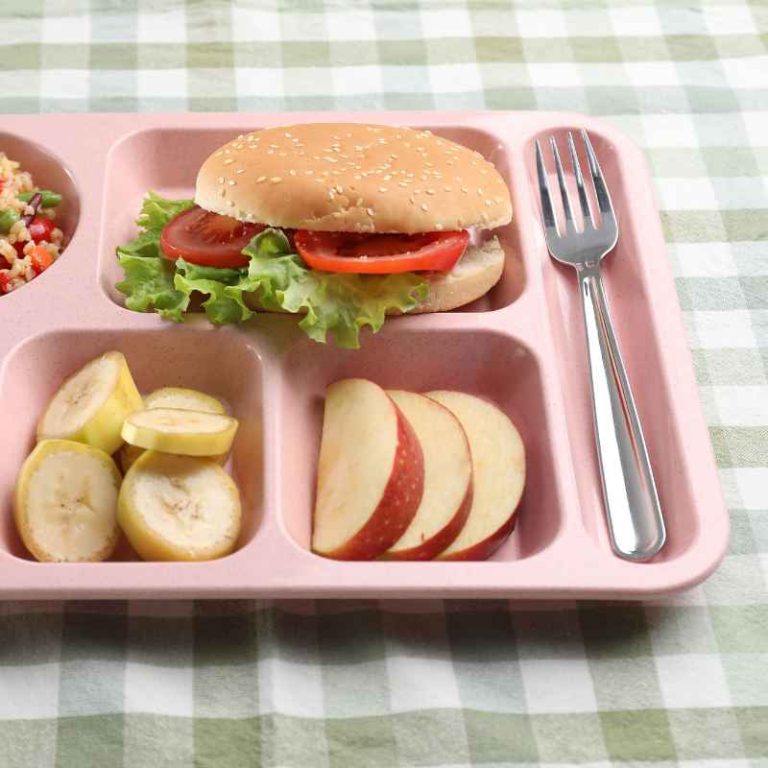
Bento boxes are fun! They are like mini, organized meals. They are great for people who like variety in their lunch.
You can include small portions of different things. Think a few pieces of grilled chicken. Some cut-up veggies with hummus.
A small handful of nuts. A piece of fruit. Maybe a few whole-grain crackers.
The appeal of a bento box is that it offers a little bit of everything. It feels like a curated meal. You can prep components ahead of time.
Cook some chicken. Wash and cut veggies. Portion out nuts.
Then, on the day of, just arrange them in the bento box. It’s a visually appealing way to eat. And it helps with portion control too.
You can also include a small treat, like a few berries or a dark chocolate square. It makes lunch feel special.
Bento Box Ideas
Savory Section: Hard-boiled eggs, turkey roll-ups, small portion of pasta salad, cheese cubes.
Crunchy Section: Carrot sticks, cucumber slices, bell pepper strips, whole-grain crackers, almonds.
Fruity Section: Grapes, apple slices, berries, orange segments.
Dip/Spread: Hummus, guacamole, Greek yogurt dip.
5. Wrap It Up!
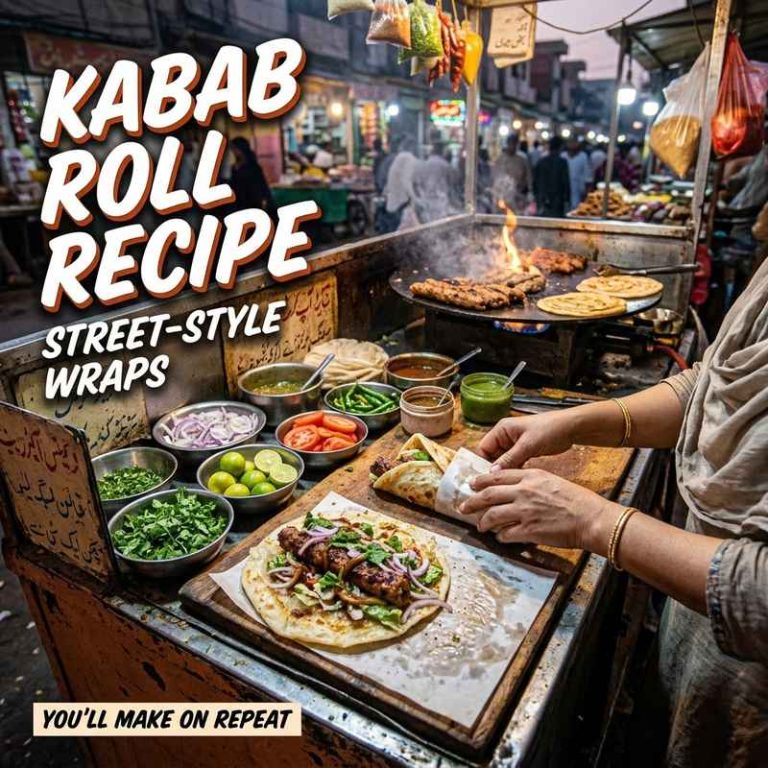
Wraps are another easy and portable lunch option. Use whole wheat tortillas. Fill them with lean protein.
Think sliced turkey, grilled chicken, or mashed beans. Add lots of veggies. Lettuce, spinach, shredded carrots, and tomatoes work well.
A little bit of hummus or a light dressing makes them moist and flavorful. You can also add cheese or avocado.
The trick to a good wrap is not to overfill it. This makes it hard to roll and prone to falling apart. Also, if you are using wet ingredients like tomatoes, you might want to put a barrier like lettuce between them and the tortilla.
This helps prevent sogginess. You can prep the fillings ahead of time. Slice the protein and chop the veggies.
Then, just assemble the wrap each morning. Or, assemble the night before. Just wrap it tightly in foil or parchment paper.
Quick Wrap Fillings
- Chicken & Veggie: Sliced grilled chicken, romaine lettuce, shredded carrots, cucumber ribbons, light vinaigrette.
- Hummus & Veggie: Hummus, spinach, bell peppers, red onion, chickpeas.
- Turkey & Avocado: Sliced turkey breast, mashed avocado, lettuce, tomato slices (add just before serving if possible).
- Bean & Salsa: Mashed black beans, corn, salsa, shredded lettuce.
Real-World Context: Making It Work
The environment where you eat lunch matters. If you have a microwave at work, your options are wider. Soups, chilis, and grain bowls are perfect.
If you don’t have a microwave, focus on cold options. Salads, wraps, and bento boxes are great. Consider your commute too.
If you have a long commute, sturdy containers are a must. You don’t want spills!
Habits play a big role. If you’re used to buying lunch, it takes a shift in thinking. Start small.
Try prepping just two lunches a week. Then build up. Make it a part of your weekend routine.
Think of it as self-care, not a chore. Design and materials are also important. Invest in good quality, leak-proof containers.
Glass containers are great for reheating. BPA-free plastic is a good option for cold lunches. Having the right tools makes the process smoother.
User behavior is the final piece. Be honest about how much time you really have. If you’re exhausted after work, Sunday prep is your friend.
If you have more energy on weeknights, maybe Tuesday and Thursday prep works better. Don’t try to do too much too soon. Small, consistent steps are better than aiming for perfection and getting discouraged.
The goal is to make healthy eating sustainable for you.
What This Means for You: Normal vs. Concerning
It’s normal for prepped lunches to sometimes feel a little less exciting than a freshly made meal. That’s okay! The goal is healthy and convenient.
What’s concerning is if your prepped meals are consistently making you feel unsatisfied or unhealthy. If you’re relying on processed pre-made sauces or high-sugar dressings, that’s a red flag.
When to worry? If your prepped food consistently spoils before you eat it. This could mean your containers aren’t sealed properly.
Or you’re not storing them in a cold enough place. Food safety is crucial. Always make sure your food is kept cool.
Use an insulated lunch bag with an ice pack. If anything smells off, or looks strange, don’t eat it. Your health is the priority.
Simple checks: Always look at your food before you eat it. Does it look fresh? Does it smell good?
If you’re using a dressing, does it look separated in a weird way? These small checks can prevent you from eating something that’s gone bad. Also, consider how long you’re keeping the prepped food.
Most prepped meals are good for 3-4 days. If you’re prepping for the whole week, try to eat the earlier meals first.
Quick Tips for Success
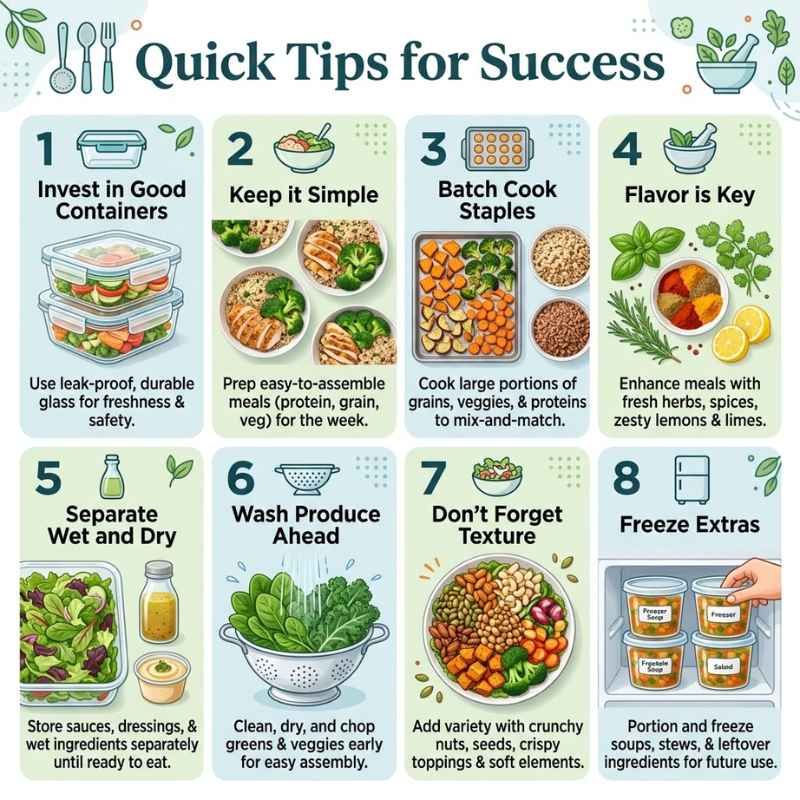
Here are some quick tips to make your healthy meal prep journey easier:
- Invest in Good Containers: Leak-proof, portion-sized containers are a game-changer.
- Keep it Simple: Start with 1-2 recipes you love. Don’t try to make too many new things at once.
- Batch Cook Staples: Cook a big batch of grains, roast a large tray of veggies, or grill chicken breasts.
- Flavor is Key: Use herbs, spices, lemon juice, and healthy dressings to keep things interesting.
- Separate Wet and Dry: Keep dressings and wet ingredients separate from salads and sandwiches.
- Wash Produce Ahead: Wash your greens and chop sturdy veggies when you get them from the store.
- Don’t Forget Texture: Combine soft and crunchy elements for a more satisfying meal.
- Freeze Extras: If you make too much soup or chili, freeze portions for future lunches.
Frequently Asked Questions About Healthy Work Lunches
How long do prepped lunches usually last?
Generally, prepped meals are safe to eat for 3 to 4 days when stored properly in the refrigerator. It’s best to consume them earlier in the week if you prep on Sunday. Always check for any signs of spoilage before eating.
What are the best containers for meal prep?
Glass containers with airtight lids are excellent, especially for meals that need reheating. For cold lunches, high-quality BPA-free plastic containers are also a good choice. Look for ones that are leak-proof and come in convenient portion sizes.
How can I prevent my salads from getting soggy?
The best method is to layer your mason jar salads correctly. Place your dressing at the bottom, followed by sturdy vegetables and proteins, and then pack your greens tightly on top. This keeps the dressing away from the delicate leaves until you’re ready to shake and eat.
I don’t have a microwave at work. What are good lunch options?
Focus on cold meals that don’t require reheating. Mason jar salads, wraps, bento boxes, cold pasta salads, or hearty grain bowls that are delicious at room temperature are great choices. Make sure to pack them with an ice pack.
What are some quick and easy protein sources for meal prep?
Hard-boiled eggs, canned tuna or salmon (drained), pre-cooked chicken breasts (you can bake a batch), canned beans (rinsed and drained), lentils, and firm or extra-firm tofu (baked or pan-fried) are all excellent and easy protein options.
How can I make my prepped lunches more exciting each week?
Rotate your recipes! Try different grain bases, protein sources, and vegetable combinations. Experiment with new spices and dressings.
You can also add variety with different types of wraps, salads, or soups. Changing up the flavors keeps things from becoming monotonous.
Is it really cheaper to meal prep?
Yes, for most people, meal prepping is significantly cheaper than buying lunch out every day. By planning your meals and buying ingredients in bulk, you reduce impulse purchases and avoid the higher cost of restaurant or convenience store food. It’s an investment that pays off.
Conclusion
Making healthy lunches for work doesn’t have to be hard. By planning ahead and using simple ideas, you can eat well. You’ll feel better, have more energy, and save money.
Start with one or two ideas that appeal to you. See how it goes. Soon, healthy meal prep will feel like a natural part of your week.
Enjoy your delicious, homemade lunches!