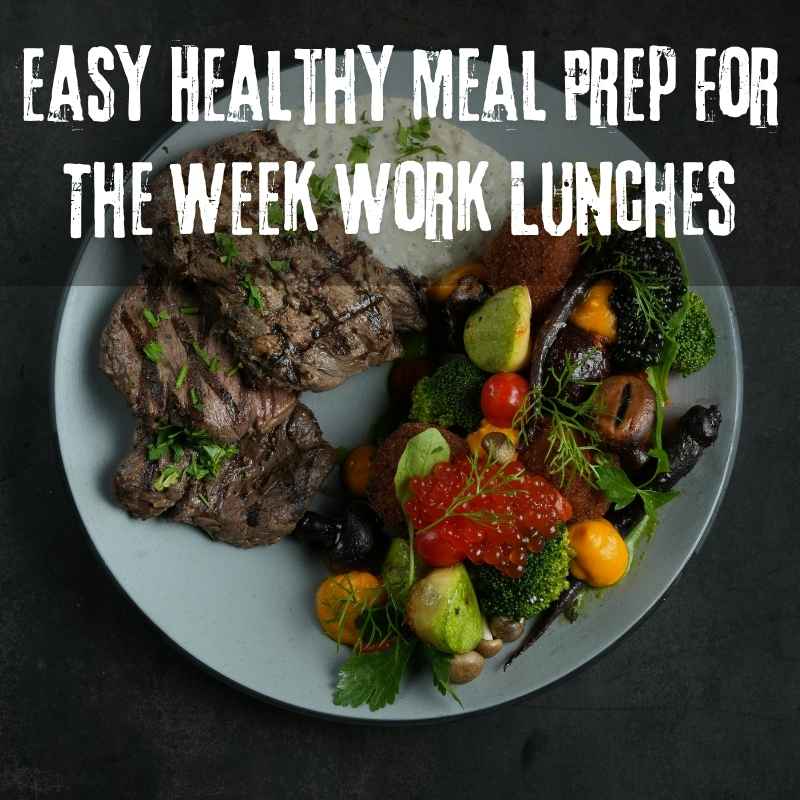
Easy Healthy Meal Prep For The Week Work Lunches
It feels like a constant battle, doesn’t it? You want to eat healthy, especially for your midday meal. But by the time you get to work, that carefully planned salad is wilted, or you’re staring at a sad, soggy sandwich. Or maybe you skip lunch altogether and face a late-afternoon energy crash. Sound familiar? You’re not alone. Many of us struggle to find the time and energy to make work lunches both healthy and appealing. This guide is here to help. We’ll break down how to make meal prep simple, enjoyable, and effective for delicious, good-for-you lunches all week long.
Meal prepping healthy work lunches doesn’t have to be hard. This guide shows you how to plan, prepare, and pack meals that are tasty, nutritious, and easy to make. Get ready for a week of satisfying lunches without the stress.
Understanding Healthy Work Lunches
What makes a lunch healthy, anyway? It’s not just about avoiding junk food. A truly healthy lunch gives you sustained energy.
It should include a good mix of lean protein, complex carbohydrates, and healthy fats. Don’t forget plenty of vegetables and fruits for vitamins and fiber. This balanced approach keeps your blood sugar steady.
It also helps you feel full and satisfied. Skipping meals or eating poorly can lead to fatigue. It can also cause cravings later in the day.
A well-prepped lunch supports your focus and productivity. It helps your body feel its best.
Think about what happens when you grab something quick. Often, it’s high in refined carbs and unhealthy fats. These give you a quick burst, followed by a crash.
This cycle can really drain your energy. It makes it hard to concentrate. Preparing your own lunches puts you in control.
You choose the ingredients. You decide the portion sizes. You can tailor meals to your specific tastes and dietary needs.
This simple act of preparation is a powerful step towards better health. It’s also a smart way to save money over time.
My Own Meal Prep Wake-Up Call
I remember one particularly rough Tuesday. I had a huge project deadline looming. I’d planned to make a big batch of quinoa salad over the weekend, but life got in the way.
Sunday afternoon was a blur of errands, and by Monday night, I was just too tired. So, I grabbed a pre-packaged sandwich and a bag of chips from the office vending machine. By 2 PM, I felt like I’d been hit by a truck.
My brain was foggy, and I was snapping at colleagues. That’s when it hit me: my “quick” lunch choice was actively sabotaging my workday. I vowed to find a better way.
The next weekend, I committed to trying a simpler meal prep strategy. It wasn’t about gourmet meals; it was about making healthy eating achievable, even when life is chaotic. I focused on one or two easy recipes and kept the process manageable.
It made a huge difference.
Smart Meal Prep Components
Lean Protein: Chicken breast, turkey, fish, tofu, beans, lentils, eggs. These keep you full.
Complex Carbs: Quinoa, brown rice, whole wheat pasta, sweet potatoes, oats. They give lasting energy.
Healthy Fats: Avocado, nuts, seeds, olive oil. Good for your brain and body.
Veggies & Fruits: Broccoli, spinach, carrots, bell peppers, berries, apples. Packed with nutrients.
Planning Your Healthy Lunch Week
The secret to successful meal prep is smart planning. Don’t try to make five different elaborate meals from scratch. Start small.
Pick one or two recipes you really enjoy. Think about what you have time for on the weekend or even one evening during the week. Maybe you can dedicate an hour on Sunday.
Or perhaps you can spend 20 minutes each night after dinner. What’s your schedule like? What kind of food do you crave during the day?
Consider variety. If you eat the same thing every day, you might get bored. But you don’t need five unique dishes.
You can have two types of lunches, alternating them. Or, you can make one big batch and change up the toppings. For example, a base of roasted chicken and vegetables can be served over greens one day.
The next day, it can be mixed with a light vinaigrette. This simple trick keeps things interesting without extra work.
Look at your calendar. Are you working from home some days? Are you traveling?
Adjust your plan accordingly. If you know you have a busy meeting-filled day, pack something you can eat easily. Maybe something that doesn’t require much fuss.
Thinking ahead prevents last-minute stress. It ensures you always have a healthy option ready.
Weekly Lunch Planner (Example)
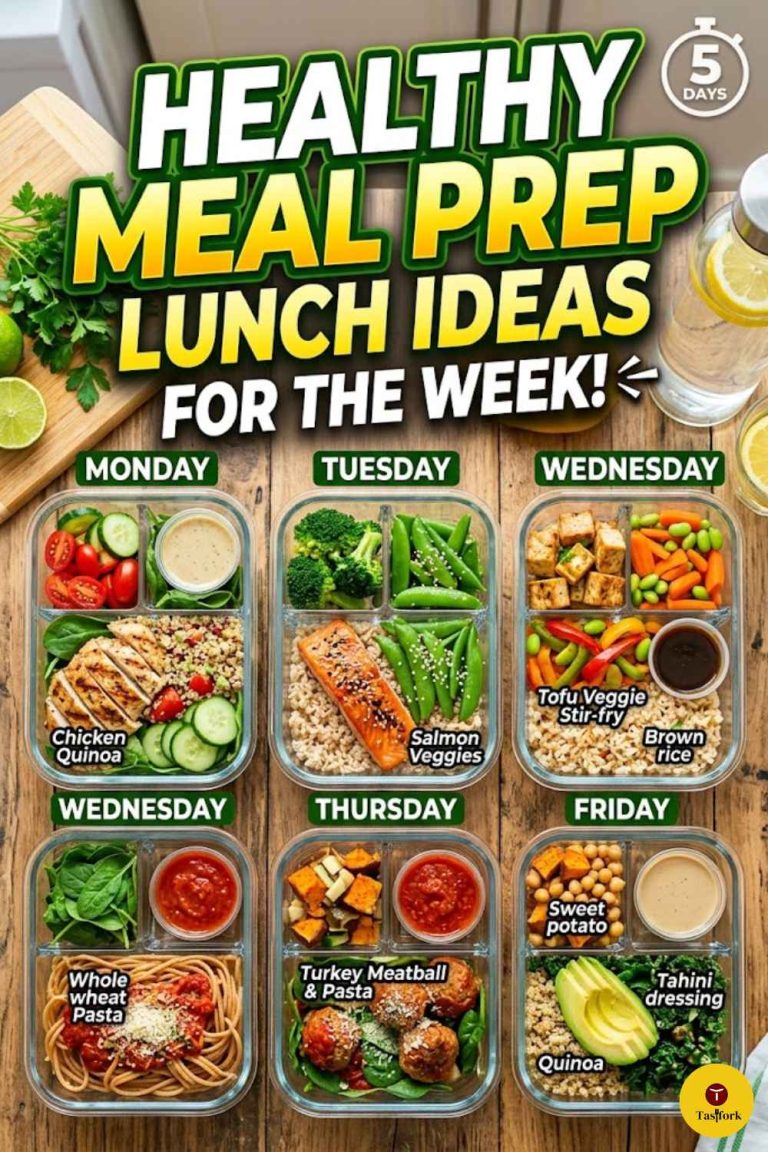
Monday: Lemon Herb Chicken with Roasted Broccoli & Quinoa
Tuesday: Big Batch Lentil Soup with a side salad
Wednesday: Leftover Lemon Herb Chicken with a different green salad
Thursday: Turkey and Veggie Wraps (pre-assembled or components separate)
Friday: Leftover Lentil Soup
Choosing Your Recipes Wisely
When selecting recipes, keep a few things in mind. First, choose meals that hold up well. Some foods can become mushy or unappetizing after a day or two.
Think about ingredients that get better with time, like stews or grain bowls. Second, think about temperature. Do you have access to a microwave at work?
If so, hot meals are a great option. If not, focus on cold or room-temperature dishes. Salads, wraps, and grain bowls work well.
Simple is key. Don’t aim for complex, multi-step recipes. Look for dishes with fewer ingredients.
Ideally, recipes that can be made in one pot or on a single baking sheet. This minimizes cleanup. Also, consider your flavor preferences.
If you dislike spicy food, avoid recipes that are heavy on chili peppers. If you love fresh herbs, incorporate them! The goal is to create meals you genuinely look forward to eating.
Search for recipes labeled “make-ahead” or “meal prep friendly.” Many food blogs and websites offer dedicated sections for this. Look for inspiration in categories like “healthy office lunches” or “grab-and-go meals.” You might be surprised by how many delicious options are out there. Start with one new recipe each week.
This helps you build a repertoire without feeling overwhelmed.
The Art of Batch Cooking
Batch cooking is your best friend for meal prep. This means preparing larger quantities of core ingredients. You can do this on a Sunday afternoon.
Think about cooking a big batch of chicken breasts. Roast a tray of mixed vegetables like broccoli, bell peppers, and sweet potatoes. Cook a large pot of grains like quinoa or brown rice.
These components are the building blocks for many different meals. It saves you time during the week. You aren’t starting from scratch each day.
For example, that batch of chicken can be used in salads, wraps, or grain bowls. The roasted vegetables can be a side dish or mixed into a pasta salad. The quinoa can be a base for a warm bowl or a cold salad.
This approach offers flexibility. It allows you to assemble different lunches easily. You’re not stuck eating the exact same thing every day.
This makes healthy eating sustainable and enjoyable. It’s a strategy many busy people use to stay on track.
Don’t forget about sauces and dressings. Prepare a few simple vinaigrettes or other healthy sauces in small jars. These can add flavor and moisture to your meals.
Store them separately. Add them right before you eat to prevent sogginess. This small step makes a big difference in the final taste and texture of your lunch.
It elevates a simple dish.
Batch Cooking Staples
Grains: Cook enough quinoa, brown rice, or farro for 3-4 meals.
Proteins: Roast or bake chicken breasts, turkey tenderloins, or bake tofu. Hard-boil eggs.
Vegetables: Chop and roast a variety of vegetables like broccoli, sweet potatoes, carrots, and Brussels sprouts.
Legumes: Cook a batch of black beans or lentils. These are great protein sources.
Essential Meal Prep Tools
Having the right tools makes the process much smoother. Good quality food storage containers are a must. Look for containers that are airtight and leak-proof.
Glass containers are great for reheating. They are also durable and don’t stain easily. For salads, consider containers with separate compartments.
This keeps dressings and crunchy toppings from getting soggy. You can also buy bento-style boxes that have built-in dividers.
Invest in some good knives and cutting boards. Sharp knives make chopping vegetables much faster and safer. A good blender can be useful for making smoothies or soups.
If you plan to make dressings, a small whisk and jars are handy. For portion control, measuring cups and spoons can be helpful. Don’t forget a reliable lunch bag or insulated tote.
This keeps your food at the right temperature. It also makes it easy to transport your meals.
Think about convenience. Small containers for dressings or sauces are a lifesaver. Reusable cutlery sets mean you don’t have to rely on disposable plastic.
Some people even use silicone muffin liners to separate items within larger containers. The goal is to make the packing and transport process as easy as possible. This removes barriers to consistent meal prep.
Small investments in tools can pay off big time.
Top Meal Prep Gear
Airtight Containers: Glass or BPA-free plastic with good seals.
Bento Boxes: For organized lunches with multiple components.
Insulated Lunch Bag: Keeps food cool or warm.
Small Jars/Containers: For dressings, sauces, or dips.
Reusable Utensils: Avoids single-use plastic.
Putting It All Together: Packing Your Lunch
Once your food is prepped, it’s time to pack. For salads, layer them carefully. Start with dressing at the bottom.
Then add heartier ingredients like grains or beans. Next come vegetables. Finally, top with delicate greens or croutons.
This layering prevents sogginess. For grain bowls, place your grain base at the bottom. Then add your protein and vegetables.
Add any sauces or toppings on top.
Wraps are best assembled just before you leave. Or, pack the fillings separately from the tortilla. This prevents the tortilla from getting soggy.
If you’re packing soup or chili, use a thermos or a leak-proof container. Make sure your lunch bag is large enough. You don’t want to cram things in.
This can lead to spills or damage. Consider adding a small ice pack if your lunch will be out of refrigeration for a while.
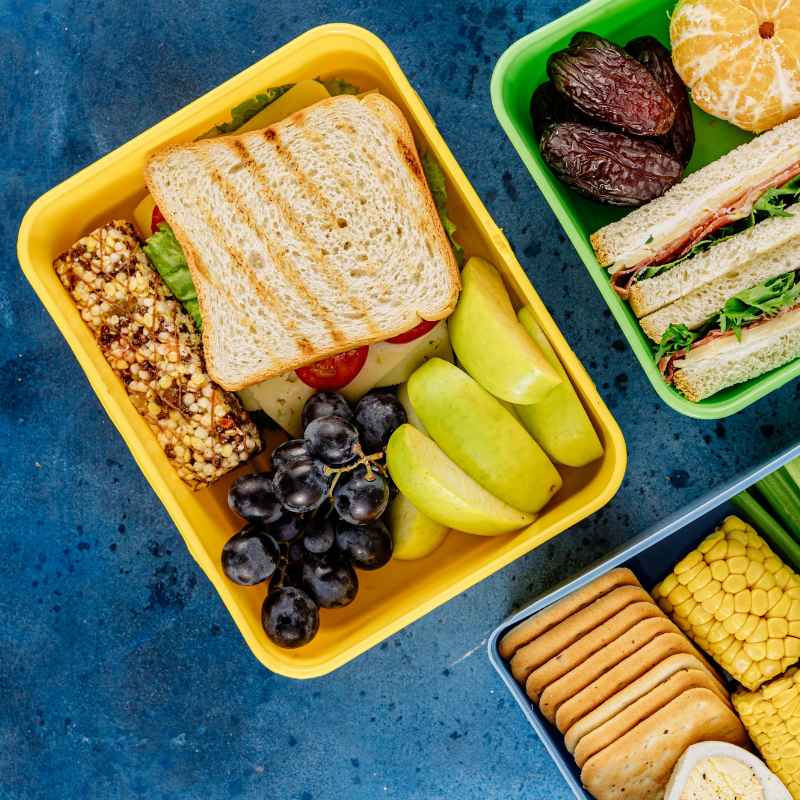
Think about the eating experience. Include a small napkin. Maybe a small container of fruit.
If you have a hearty meal, perhaps a piece of whole-grain bread. Making your lunch feel like a treat can make a big difference. It’s not just about sustenance; it’s about enjoyment.
The more you enjoy your lunch, the more likely you are to stick with the habit. A little attention to detail goes a long way.
Creative Lunch Ideas for the Week
Let’s dive into some specific, easy ideas. These are designed for busy schedules and maximum flavor.
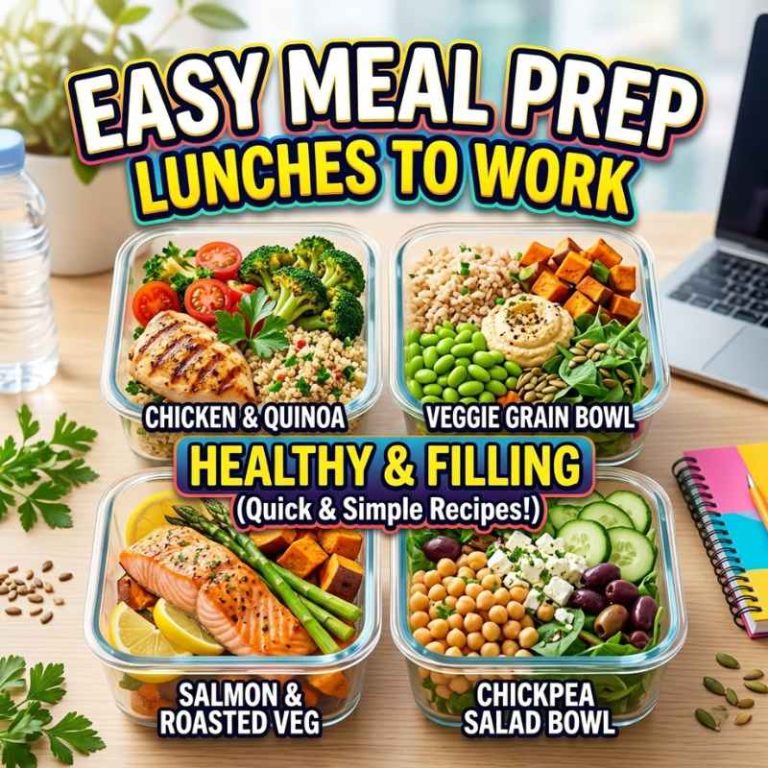
1. The “Everything” Grain Bowl
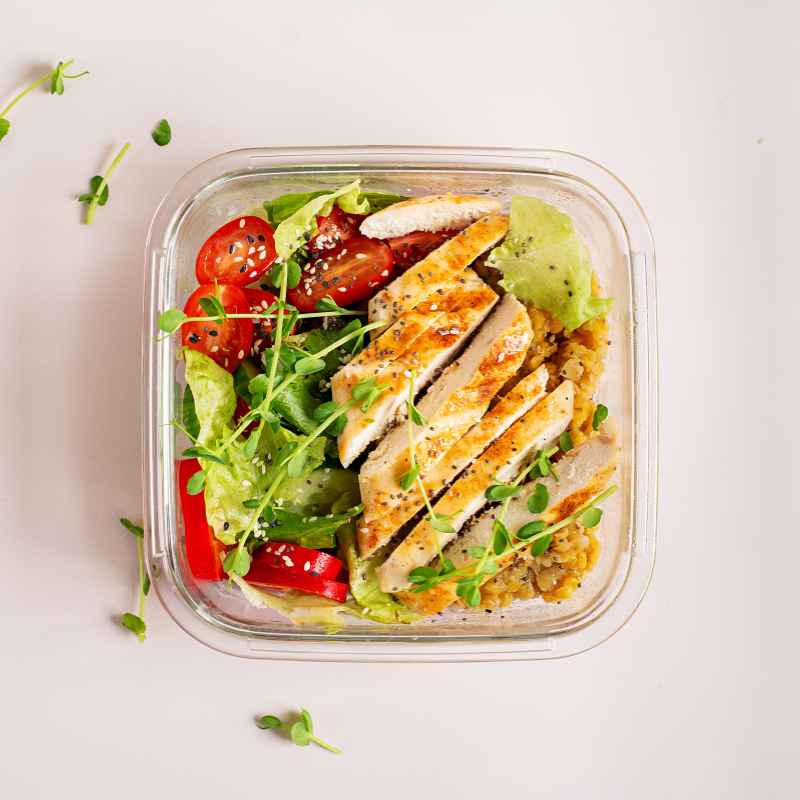
This is incredibly versatile. Start with a base of cooked quinoa or brown rice. Top with a protein like grilled chicken, chickpeas, or black beans.
Add roasted vegetables like broccoli, sweet potatoes, or bell peppers. For healthy fats, add a slice of avocado or a sprinkle of seeds. Drizzle with a simple lemon-tahini dressing or a light vinaigrette.
You can prep all the components separately and assemble each morning.
I find that making a large batch of the grain and roasting a big tray of veggies on Sunday is the easiest. Then, I just portion it out. On Tuesday, I might add some leftover chicken.
On Thursday, maybe some seasoned tofu. It feels like a different meal each time, but the core prep is the same. It’s a game-changer for lunch boredom.
Grain Bowl Quick Assembly
Base: Quinoa, brown rice, farro
Protein: Chicken, tofu, beans, lentils, hard-boiled eggs
Veggies: Roasted broccoli, carrots, bell peppers; raw spinach, cucumber
Healthy Fat: Avocado, nuts, seeds
Dressing: Vinaigrette, tahini dressing, pesto
2. Hearty Lentil Soup with a Side
Lentil soup is a meal prep champion. It’s packed with protein and fiber. It tastes even better the next day.
Make a big pot on Sunday. You can add carrots, celery, and onions for flavor. Season it with herbs like thyme and rosemary.
For a complete meal, pair it with a small side salad. Or, a few whole-grain crackers. This is perfect for colder weather or when you need something comforting.
I love how forgiving lentil soup is. You can add almost any vegetable you have on hand. Spinach wilted in at the end is fantastic.
A squeeze of lemon juice just before serving brightens it up. It’s so satisfying and keeps me full for hours. This is one of those meals that makes me feel virtuous just thinking about it.
3. Chicken or Turkey Wraps
These are quick to assemble if you have pre-cooked chicken or turkey. Use whole-wheat tortillas. Spread with a thin layer of hummus or light cream cheese.
Add your sliced meat. Then load up on veggies like shredded lettuce, tomato, bell pepper strips, and cucumber. For extra flavor, add a sprinkle of herbs or a dash of hot sauce.
To prevent sogginess, keep the wet ingredients like tomato to a minimum or add them right before eating. Or, pack the fillings separately.
My trick for wraps is to use a sturdy tortilla. Sometimes, I’ll lightly toast it first. This helps it hold up better.
If I’m really worried about it falling apart, I’ll wrap it tightly in foil or parchment paper. That also makes it easy to hold and eat on the go. It’s a simple lunch that feels satisfying and tastes fresh.
4. Tuna or Salmon Salad Lettuce Cups
Skip the bread and go for fresh lettuce cups. Mix canned tuna or salmon with Greek yogurt instead of mayonnaise. Add chopped celery, red onion, and a squeeze of lemon.
Season with salt and pepper. Spoon the mixture into large lettuce leaves like romaine or butter lettuce. These are light, refreshing, and low in carbs.
Pack the tuna mixture and lettuce leaves separately. Assemble at lunchtime.
This is one of my go-to lunches in the summer. It’s so light and clean tasting. I usually add a small bag of baby carrots or some snap peas on the side.
The protein from the fish and the crunch from the lettuce are just perfect. It feels like a treat, but it’s incredibly healthy. It’s proof that healthy lunches don’t have to be boring or complicated.
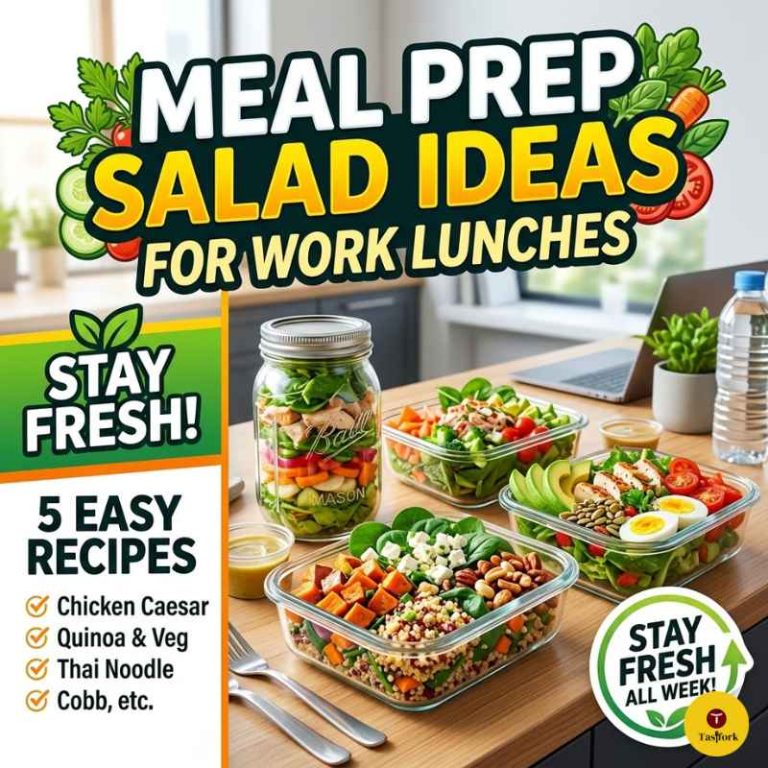
5. Mason Jar Salads
Mason jar salads are a classic for a reason. They keep ingredients fresh and separate until you’re ready to eat. Layering is key.
Start with your dressing at the bottom. Then add hard vegetables like carrots and cucumbers. Next come grains or beans.
Then add protein like chicken or chickpeas. Finish with greens on top. When you’re ready to eat, shake the jar well to distribute the dressing.
I used to think mason jar salads were a bit of a fad. But they really work. The key is the order of ingredients.
The dressing at the bottom creates a barrier. It protects the greens from getting soggy. I usually pack a few variations.
One might have a Mediterranean theme with olives and feta. Another could be a Southwest style with corn and black beans. They look so pretty in the jar too!
Mason Jar Salad Layering Order
1. Dressing: At the very bottom.
2. Hard Veggies: Carrots, cucumbers, bell peppers, onions.
3. Grains/Beans: Quinoa, chickpeas, black beans.
4. Protein: Chicken, hard-boiled eggs, tofu.
5. Softer Veggies/Fruits: Tomatoes, corn, avocado.
6. Greens: Spinach, lettuce, kale on top.
Making it Sustainable: Beyond the Prep
Meal prep isn’t just about Sunday. It’s about creating a system that works for you long-term. What happens if you have an unexpected busy week?
Don’t beat yourself up. Acknowledge it and get back on track the next week. Consistency is more important than perfection.
If you miss a week of prep, that’s okay. Maybe just aim to pack one or two lunches instead of five.
Think about what you enjoy. If you absolutely hate cooking grains, find other carb sources. Maybe whole-wheat pasta salads or sweet potato wedges.
If you get bored easily, plan for more variety or use up leftovers creatively. The goal is to make healthy eating a pleasure, not a chore. Listen to your body.
What are you craving? What makes you feel good?
Involve others if you live with family. Maybe you can divide tasks. One person can chop veggies while another cooks the protein.
Make it a team effort. This can make the process more fun and less burdensome. Even small changes, like always having yogurt and fruit on hand for a quick snack, contribute to overall healthy eating.
It’s about building small, consistent habits that add up.
When to Seek Professional Advice
While meal prep is fantastic for many, sometimes it’s not enough. If you have specific dietary needs or health concerns, talk to a professional. A registered dietitian or nutritionist can provide personalized guidance.
They can help you create a meal plan tailored to your body. They can also help you understand your nutritional needs. This is especially important if you have conditions like diabetes, celiac disease, or food allergies.
They can also help you navigate complex nutritional information. Sometimes, the sheer amount of advice out there can be overwhelming. A professional can cut through the noise.
They can offer evidence-based recommendations. This ensures you’re meeting all your nutritional requirements. They can also offer support and accountability.
This can be very helpful in sticking to your health goals. Don’t hesitate to reach out if you feel lost or overwhelmed by your dietary needs.
Frequently Asked Questions About Healthy Work Lunches
How do I keep my salads from getting soggy?
The key is layering. Put your dressing at the bottom of the container. Then add heartier ingredients like grains or beans. Next come your vegetables and protein. Keep delicate greens like spinach or lettuce on top. This way, they don’t sit in the dressing. You can also pack your dressing separately in a small container.
What if I don’t have a microwave at work?
Focus on cold or room-temperature meals. Mason jar salads, grain bowls, wraps, and hearty soups that can be eaten cold are great options. Sushi, chicken or tuna salad, and pasta salads also work well. Ensure you have an insulated lunch bag to keep them at a safe temperature.
How long do prepped meals last in the fridge?
Most prepped meals are best consumed within 3-4 days. Cooked grains, proteins, and roasted vegetables will typically last this long. Soups and stews can often last up to 5 days. For best quality and safety, check for any signs of spoilage before eating. If in doubt, throw it out.
Can I freeze my meal prepped lunches?
Yes, many meal prepped lunches can be frozen. Soups, stews, chili, and casseroles freeze very well. Cooked grains and some cooked proteins also freeze well. Salads with fresh greens or delicate vegetables may not freeze well. Packaged meals in freezer-safe containers can be stored for 1-3 months. Thaw overnight in the refrigerator before reheating.
I hate cooking. What’s the absolute easiest way to prep?
Focus on “assembly” rather than “cooking.” Buy pre-cooked rotisserie chicken or canned beans. Chop some raw veggies like cucumbers and bell peppers. Buy pre-washed salad greens. Assemble these with a simple dressing. You can also rely on healthy store-bought items like hard-boiled eggs, pre-made hummus, or single-serving yogurts. The goal is to minimize cooking time.
What if I get tired of eating the same thing?
Variety is key! Rotate your recipes weekly. Use your prepped base components in different ways. For example, chicken can be served over salad, in a wrap, or with rice. Change up your dressings and seasonings. Add different fresh toppings like herbs, nuts, or seeds. Sometimes, even a small change can make a meal feel new.
Wrapping Up Your Lunch Prep Journey
Making healthy lunches for work doesn’t need to be a daunting task. By planning ahead, choosing simple recipes, and using smart prep techniques, you can eat well all week. Remember, it’s about progress, not perfection.
Start small, find what works for you, and enjoy the benefits of nourishing your body. You’ve got this!