Healthy Easy Meal Prep Lunches You Can Make Ahead
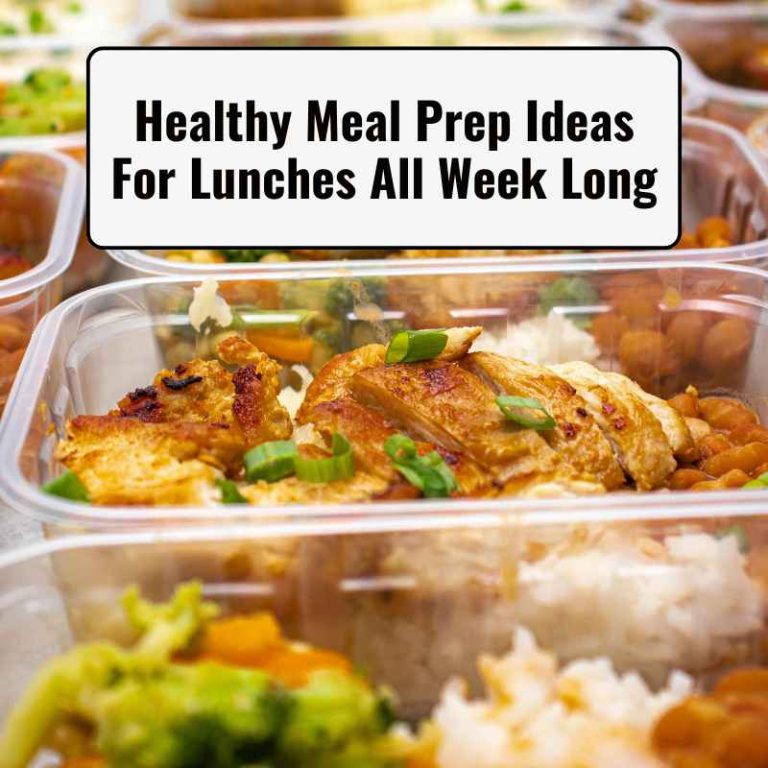
Healthy meal prep lunches are simple, nutritious meals prepared in advance for easy grab-and-go options during the week. They save time, reduce stress, and help maintain a balanced diet, making them ideal for busy lifestyles.
Understanding Easy Meal Prep Lunches
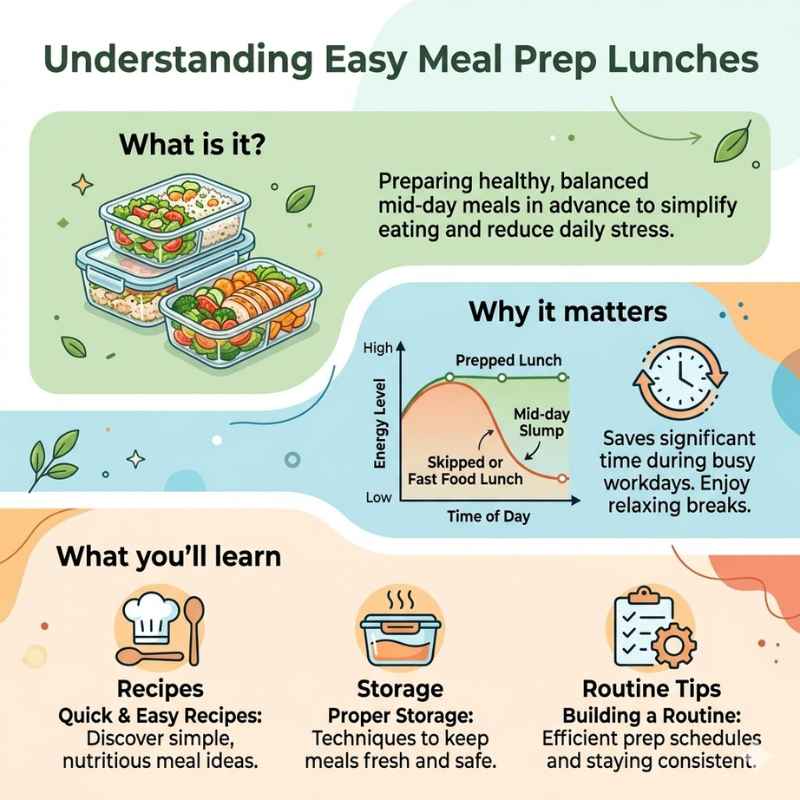
Meal prep is simply planning and preparing your meals ahead of time. For lunches, this means making them on a day when you have more time. Usually, this is the weekend.
You can cook components or full meals. Then, you store them in containers. When it’s time to eat, they are ready.
This takes away the daily decision-making stress. It also stops you from buying expensive takeout. Healthy easy meal prep lunches are about smart planning.
They focus on simple recipes. They use ingredients that last. The goal is to make your weekdays smoother.
They aim to fuel your body with good food.
Why does this matter so much? Think about your energy levels. When you eat well, you feel better.
You have more focus. You have more drive. Skipping a healthy lunch can lead to an afternoon slump.
You might crave sugary snacks. This can make you feel tired and grumpy. Meal prep helps you avoid this.
It ensures you have a good meal waiting. This keeps your energy up. It helps you get through your day feeling good.
What will you learn here? We’ll cover the basics of meal prepping lunches. You will discover simple recipe ideas.
We will talk about the best ways to store your food. You will also get tips to make it easier. This will help you build a routine that works.
You will feel more in control of your eating. You will also feel more in control of your time. Let’s get started on making your lunch breaks easier and healthier.
My Own Meal Prep Adventure: From Chaos to Calm
I remember a time when my lunch routine was pure chaos. It was the mid-2010s. I was working a demanding job.
My evenings were packed with meetings and projects. Sundays felt like the only day I could possibly catch my breath. But even then, I’d end up doing laundry or running errands.
The thought of cooking a proper meal, let alone prepping lunches, felt impossible. My typical Monday morning involved a frantic dash to the kitchen. I’d shove some leftovers into a container.
Sometimes, it was just a handful of chips and a piece of fruit. It was not pretty.
I’d spend my lunch break feeling a bit ashamed. I’d watch colleagues pull out colorful, organized containers. Mine looked sad and often soggy.
My energy would crash by 3 PM. I’d be reaching for the vending machine. I felt guilty about my food choices.
I knew I could do better. I just didn’t know how to fit it into my life. One Tuesday, I had a particularly bad lunch.
It was a greasy sandwich that made me feel sluggish for hours. I was staring out the window, feeling defeated. That’s when I decided enough was enough.
I told myself I needed a change. I needed a system. I needed to make it simple.
I started small. I didn’t try to prep every meal for the whole week. I focused on just lunches.
I picked one simple recipe. It was a chicken and veggie stir-fry. I cooked a big batch on Sunday.
I divided it into three containers. The next day, I opened my container. It was still good!
It felt like a small victory. I felt more energized. I felt proud.
That little bit of planning made a huge difference. It showed me that meal prep wasn’t just for super-organized people. It was for anyone who wanted to eat better and feel better.
It was achievable. It was worth the effort.
The Core of Easy Meal Prep: Smart Choices
Easy meal prep is built on a few simple ideas. It’s about choosing foods that hold up well. It’s about cooking methods that work.
And it’s about smart storage. You want foods that don’t get mushy. You want flavors that meld over time.
You also want to avoid ingredients that spoil quickly.
Foods that Prep Well:
- Grains: Quinoa, brown rice, farro, couscous are great. They stay firm.
- Legumes: Lentils, chickpeas, black beans, kidney beans. They are hearty and filling.
- Proteins: Cooked chicken, turkey, lean beef, tofu, hard-boiled eggs. These are versatile.
- Roasted Vegetables: Broccoli, carrots, sweet potatoes, bell peppers, Brussels sprouts. Roasting makes them flavorful. They don’t get too soft.
- Hearty Greens: Kale, spinach. They wilt less than delicate greens.
- Durable Fruits: Apples, oranges, pears. They last well.
Foods to Use with Caution (or Add Fresh):
- Leafy Greens: Delicate lettuces can get slimy. Pack them separately or use sturdier ones like kale.
- Cucumbers and Tomatoes: They can get watery. Add them just before serving if possible.
- Creamy Sauces: Some can separate. Others might make other ingredients soggy.
- Soft Fruits: Berries can get mushy quickly.
Smart Cooking Methods:
- Roasting: This brings out great flavors in vegetables. It also helps them keep their shape.
- Baking: Chicken breasts or thighs bake up nicely.
- Simmering: Soups and stews are perfect for meal prep. Flavors deepen as they sit.
- Grilling: Cooked meats and veggies can be grilled ahead.
- One-Pan Meals: These are perfect for minimal cleanup.
Flavor Boosters:
- Dressings and Sauces: Store these on the side. Add them right before eating. This keeps your meal from getting soggy.
- Herbs and Spices: Fresh herbs can be added at the end. Dried spices can be mixed in during cooking.
- Acids: A squeeze of lemon or lime juice can brighten flavors.
These basic principles guide you. They help you make choices. These choices lead to successful meal prep.
You create lunches that taste good. They are also appealing to look at.
Quick Scan: Best Bases for Meal Prep
Grain Bowls
Base: Quinoa, Brown Rice, Farro
Toppings: Roasted Veggies, Beans, Chicken
Flavor: Vinaigrette or Tahini Dressing (on side)
Hearty Salads
Base: Kale, Spinach, Romaine
Toppings: Grilled Chicken, Chickpeas, Hard-Boiled Eggs
Flavor: Lemon-Herb Vinaigrette (on side)
Recipes That Make Lunch Easy
Let’s get to the fun part: actual food! These recipes are designed for simplicity. They use common ingredients.
They are quick to make. You can often make them in one pot or pan. This means less cleanup for you.
We want to make this as easy as possible. The goal is to spend less time cooking and more time enjoying.
1. Lemon Herb Chicken and Quinoa Bowls
This is a classic for a reason. It’s balanced and tasty. It keeps you full.
You’ll need cooked chicken breast. You can bake or buy rotisserie chicken. Cook quinoa according to package directions.
Roast some broccoli and bell peppers. You can season them with salt, pepper, and garlic powder. For the dressing, whisk olive oil, lemon juice, dried oregano, and a pinch of salt.
Divide the quinoa into containers. Top with chicken and roasted vegetables. Pack the dressing separately.
This meal is great cold or slightly warmed.
Ingredients:
- 2 cups cooked quinoa
- 2 cups cooked, diced chicken breast
- 2 cups mixed roasted vegetables (broccoli, bell peppers, onions)
- For dressing: 4 tbsp olive oil, 2 tbsp lemon juice, 1 tsp dried oregano, salt to taste
Instructions:
- Cook quinoa if not already done.
- Roast chopped vegetables at 400°F (200°C) for 20-25 minutes until tender.
- Dice cooked chicken.
- Whisk together dressing ingredients.
- Assemble bowls: Divide quinoa, chicken, and vegetables into 4 containers.
- Store dressing separately.
2. Black Bean and Sweet Potato Chili
Chili is a meal prep champion. It tastes even better the next day. This vegetarian version is hearty and flavorful.
It uses canned beans for speed. Sweet potatoes add natural sweetness and nutrients. You can make this in one pot.
Sauté onions and garlic. Add diced sweet potatoes, canned black beans (rinsed), diced tomatoes, vegetable broth, chili powder, cumin, and a pinch of smoked paprika. Simmer until the sweet potatoes are tender.
Serve with a dollop of Greek yogurt or a sprinkle of cheese if you like. Pack it in a microwave-safe container.
Ingredients:
- 1 tbsp olive oil
- 1 onion, chopped
- 2 cloves garlic, minced
- 2 cups diced sweet potato (about 1 large)
- 2 (15 oz) cans black beans, rinsed and drained
- 1 (28 oz) can diced tomatoes
- 2 cups vegetable broth
- 2 tbsp chili powder
- 1 tbsp cumin
- 1/2 tsp smoked paprika
- Salt and pepper to taste
Instructions:
- Heat olive oil in a large pot. Sauté onion until softened. Add garlic and cook for 1 minute more.
- Add sweet potatoes, black beans, diced tomatoes, vegetable broth, chili powder, cumin, and smoked paprika.
- Bring to a boil, then reduce heat and simmer for 20-25 minutes, or until sweet potatoes are tender.
- Season with salt and pepper.
- Divide into 4-5 containers.
3. Tuna Salad Lettuce Wraps (with separate fixings)
This is a lighter option. It’s great for people who don’t want heavy carbs at lunch. Make your tuna salad as usual.
Use Greek yogurt or light mayo. Add chopped celery, red onion, and a little Dijon mustard. The key here is separation.
Pack the tuna salad in one container. Pack large lettuce leaves (like butter or romaine) in another. Pack any other toppings like chopped tomatoes or a few whole-wheat crackers separately.
This keeps the lettuce crisp and the tuna salad from getting soggy.
Ingredients:
- 2 cans (5 oz each) tuna, drained
- 1/4 cup chopped celery
- 2 tbsp chopped red onion
- 2 tbsp plain Greek yogurt or light mayonnaise
- 1 tsp Dijon mustard
- Salt and pepper to taste
- 8-10 large lettuce leaves
- Optional: chopped tomatoes, avocado slices
Instructions:
- In a bowl, combine tuna, celery, red onion, Greek yogurt/mayo, and Dijon mustard.
- Season with salt and pepper.
- Divide tuna salad into 2 containers.
- Wash and dry lettuce leaves. Pack them in a separate container or bag.
- Pack any optional toppings separately.
Prep Tip: The Power of Batch Cooking
What it is: Cooking large quantities of basic ingredients like chicken, rice, or roasted vegetables on one day.
Why it helps: You can then quickly assemble different meals using these pre-cooked components throughout the week.
Example: Roast 4 chicken breasts on Sunday. Use one for a salad Monday, dice another for a pasta dish Tuesday, shred a third for tacos Wednesday.
Storage Secrets for Freshness
How you store your prepared lunches is crucial. Good storage keeps food safe. It also keeps it tasting fresh.
Investing in good containers makes a big difference. You don’t need fancy ones. Just sturdy, airtight containers.
Choosing the Right Containers:
- Airtight Seal: This is most important. It keeps air out. This stops food from drying out. It also prevents leaks.
- BPA-Free: Look for containers labeled BPA-free. This is a common plastic safety standard.
- Glass vs. Plastic: Glass containers are durable and don’t stain. Plastic containers are lighter and less likely to break. Both work well.
- Compartments: Containers with dividers are great. They keep different food items separate. This is useful for salads or meals with multiple components.
- Microwave-Safe: If you plan to reheat your lunches, ensure they are microwave-safe.
- Dishwasher Safe: This makes cleanup much easier.
How to Store:
- Cool Down First: Always let your cooked food cool down before putting it in containers. Putting hot food directly into containers can create steam. This can lead to sogginess and can affect the seal.
- Portion Control: Divide your food into single-serving portions. This makes grabbing a lunch easy.
- Keep Wet and Dry Separate: If your meal has a dressing or sauce, pack it in a small, separate container. This prevents things like salad greens or grains from becoming soggy.
- Layering is Key: For salads, put the dressing at the bottom, then grains or protein, then greens on top. This way, the greens don’t get soggy until you’re ready to eat.
- Refrigeration: Most prepped lunches should be stored in the refrigerator. They are typically good for 3-4 days.
Food Safety:
- Don’t Over-Prep: Aim to prep meals for 3-4 days at a time. For longer storage, consider freezing.
- Check for Spoilage: Before eating, always check your food. Look for any unusual smells or textures. If in doubt, throw it out. The USDA advises that most refrigerated leftovers are safe for 3-4 days.
Storage Quick Facts
Airtight Containers
Benefit: Keeps food fresh, prevents leaks.
Tip: Use silicone seals for best results.
Cool Food First
Why: Prevents steam, keeps food crisp.
How: Let sit on counter 30-60 mins.
Making It a Habit: Tips for Success
Meal prepping can feel like a chore at first. It takes some getting used to. But with a few strategies, you can make it a sustainable habit.
The key is to keep it simple. Don’t aim for perfection from day one. Aim for progress.
1. Start Small.
Don’t try to prep every single meal for the week. Start with just your lunches. Once that feels easy, you can add breakfast or dinners.
Or maybe just prep components like cooked grains or chopped veggies.
2. Schedule It.
Treat your meal prep time like any other important appointment. Block out an hour or two on your calendar. Sunday afternoons are popular.
But if Saturday works better, do that.
3. Keep It Simple.
Choose recipes with few ingredients. Use shortcuts like pre-cut vegetables or rotisserie chicken. You are not a chef on TV.
You just need a good meal.
4. Invest in Containers.
Good containers make a huge difference. They make storing and transporting your food easy. It’s worth spending a little money here.
5. Clean as You Go.
Wipe down surfaces and wash dishes as you cook. This makes the end cleanup much faster. It also makes the whole process feel less overwhelming.
6. Don’t Fear Repetition.
It’s okay to eat the same lunch a few times a week. It makes the prep process simpler. You can always switch it up the following week.
7. Get Family Involved.
If you have a partner or kids, get them to help. Even young children can help wash produce or pack snacks. It becomes a family activity.
8. Have a Backup Plan.
What if you don’t get to prep? Have a few quick, healthy options ready to go. Like hard-boiled eggs, yogurt, or a pre-made salad kit.
Making meal prep a habit is like building any new skill. It requires practice and patience. Celebrate your small wins.
Don’t get discouraged if you miss a week. Just get back to it when you can. Consistency over perfection is the motto.
Habit Tracker: Your Meal Prep Journey
Week 1:
- Goal: Prep 3 lunches
- Actual: lunches
- Challenges:
- Wins:
Week 2:
- Goal: Prep 4 lunches
- Actual: lunches
- Challenges:
- Wins:
Real-World Scenarios: When Lunch Prep Shines
Let’s look at some common situations where easy meal prep lunches are a lifesaver. Understanding these scenarios can help you see how this practice fits into your life.
The Busy Professional:
Sarah works long hours. She has back-to-back meetings. She often skips lunch or grabs something from the office cafeteria that’s high in sodium.
By prepping quinoa bowls on Sunday, she has a healthy, filling lunch ready to go. This boosts her afternoon productivity. It saves her money too.
The Parent on the Go:
Mark is a stay-at-home dad. His days are filled with school runs, playdates, and errands. He rarely has time to sit down for a proper lunch.
He preps large batches of soup or chili on the weekend. He can easily heat a portion between tasks. This ensures he eats something nutritious, even with a chaotic schedule.
The Health-Conscious Student:
Chloe is in college. She wants to eat healthy but has a tight budget. She lives in a dorm with limited cooking facilities.
She preps simple meals like lentil salads or chickpea wraps. She uses her microwave and mini-fridge. This helps her stick to her health goals and save money on campus dining.
The Fitness Enthusiast:
David hits the gym every day. He needs consistent, balanced meals to fuel his workouts. He preps chicken and roasted sweet potatoes.
He also cooks a big batch of brown rice. He mixes and matches these components for different meals. This supports his fitness goals.
These examples show how meal prep adapts. It fits different lifestyles. The core idea remains the same: prepare ahead for ease and health.
What This Means for You
So, what does all this mean for your lunch? It means you have more power than you think. You can take control of your midday meal.
It doesn’t have to be a source of stress or guilt. It can be a moment of calm and nourishment.
When It’s Normal:
It’s normal to want quick, easy meals. It’s normal to not want to cook every single day. It’s normal to want food that tastes good and makes you feel good.
Meal prep is a fantastic tool for this. It helps you achieve these goals without adding more stress.
When to Worry (or Re-evaluate):
If meal prep feels overwhelming, that’s a sign. Maybe you’re trying to do too much. Or maybe your recipes are too complicated.
It’s also a sign if you’re not actually eating the food you prep. Perhaps it’s not tasting good after a few days. Or maybe your storage isn’t working.
If you’re spending hours and still not eating healthy, it’s time to simplify.
Simple Checks:
- Taste Test: Do your prepped meals taste good after 2-3 days?
- Texture Check: Are your veggies still crisp enough? Are your grains still fluffy?
- Storage Solution: Are your containers leak-proof and airtight?
- Time Investment: Is the time you spend prepping worth the convenience during the week?
- Variety: Are you getting bored? Can you swap in a new recipe next week?
The goal is to find a rhythm that works for you. It’s about creating a system that supports your well-being. It should make your life easier, not harder.
Think of it as a gift you give yourself. A gift of time, health, and peace of mind.
Quick Fixes and Smart Tips
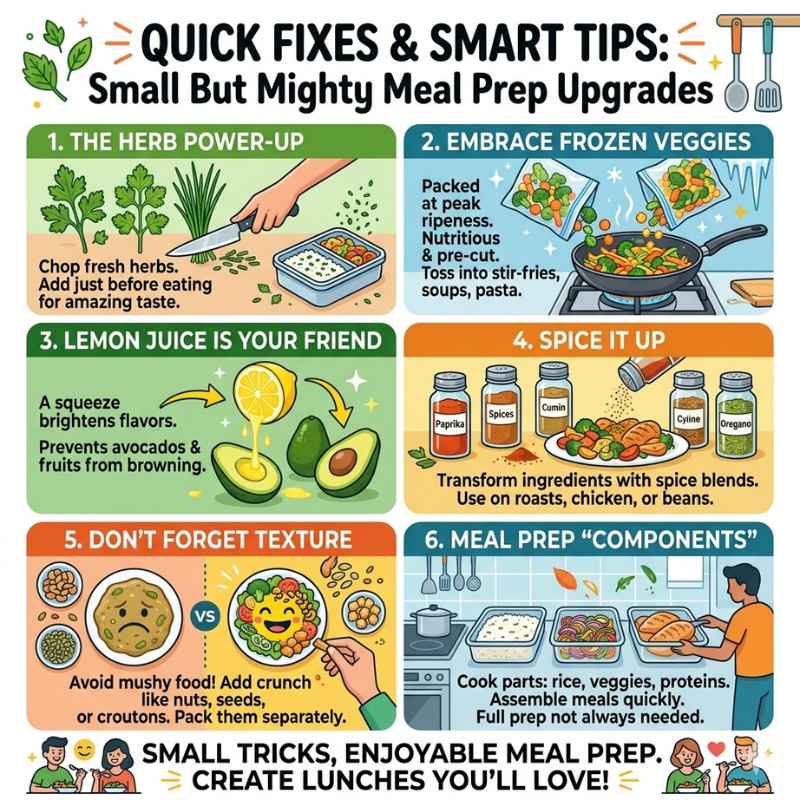
Sometimes you need a little tweak to make meal prep work better. These tips are small but mighty. They can help you overcome common hurdles.
Tip 1: The Herb Power-Up.
Fresh herbs can make even the simplest dish taste amazing. If you have a little time, chop some parsley, cilantro, or chives. Add them to your lunch just before eating.
It makes a big difference.
Tip 2: Embrace Frozen Veggies.
Don’t underestimate frozen vegetables. They are picked at peak ripeness and frozen. They are just as nutritious as fresh.
They are often pre-cut and can save you time. Toss them into stir-fries, soups, or pasta dishes.
Tip 3: Lemon Juice is Your Friend.
A little squeeze of lemon juice can brighten up flavors. It also helps prevent things like avocado from browning too quickly if you’re adding it last minute.
Tip 4: Spice It Up.
A good spice blend can transform ingredients. Make your own or buy a pre-made one. Use it on roasted vegetables, chicken, or beans.
Tip 5: Don’t Forget Texture.
Mushy food is no fun. Add something crunchy for contrast. This could be a handful of nuts, seeds, or some homemade croutons.
Pack them separately.
Tip 6: Meal Prep “Components.”
If full meal prep is too much, just prep parts. Cook a big batch of rice. Chop a week’s worth of onions and peppers.
Roast a tray of chicken. Then you can assemble meals quickly.
These small tricks can make your meal prep experience much more enjoyable. They help you create lunches you’ll actually look forward to eating.
Frequently Asked Questions About Meal Prep Lunches
How many days ahead should I meal prep lunches?
It’s generally recommended to prep lunches for 3-4 days at a time. This ensures freshness and food safety. For longer storage, consider freezing some portions.
Can I prep salads for lunch?
Yes, you can prep salads. The trick is to keep wet ingredients separate from dry ones. Pack your dressing, meats, and crunchy toppings in small containers.
Keep greens and grains in the main container. Add the wet ingredients just before eating to avoid sogginess.
What are the best containers for meal prep?
Look for airtight, BPA-free containers that are microwave and dishwasher safe. Glass or sturdy plastic containers with good seals work well. Divided containers are helpful for keeping foods separate.
How do I keep my lunches from getting boring?
Vary your recipes week to week. Try different flavor profiles, grains, proteins, and vegetables. Use herbs, spices, and sauces to add variety.
You can also prep components and mix them in new ways.
Is meal prep cheaper than buying lunch?
Generally, yes. Buying ingredients in bulk and cooking at home is usually less expensive than buying individual meals from restaurants or cafes. It also helps reduce food waste.
What if I don’t have a lot of time to cook on the weekend?
Start small. Prep just a few components, like cooked grains or roasted vegetables. Use shortcuts like rotisserie chicken or pre-cut produce.
Focus on simple, one-pot meals. Even 30-60 minutes of prep can make a difference.
Final Thoughts on Easy Lunch Prep
Creating healthy, easy meal prep lunches is about more than just food. It’s about giving yourself a break. It’s about showing yourself some kindness.
It’s about setting yourself up for a smoother, healthier week. Start simple, be patient, and find what works for you. Your future self will thank you.