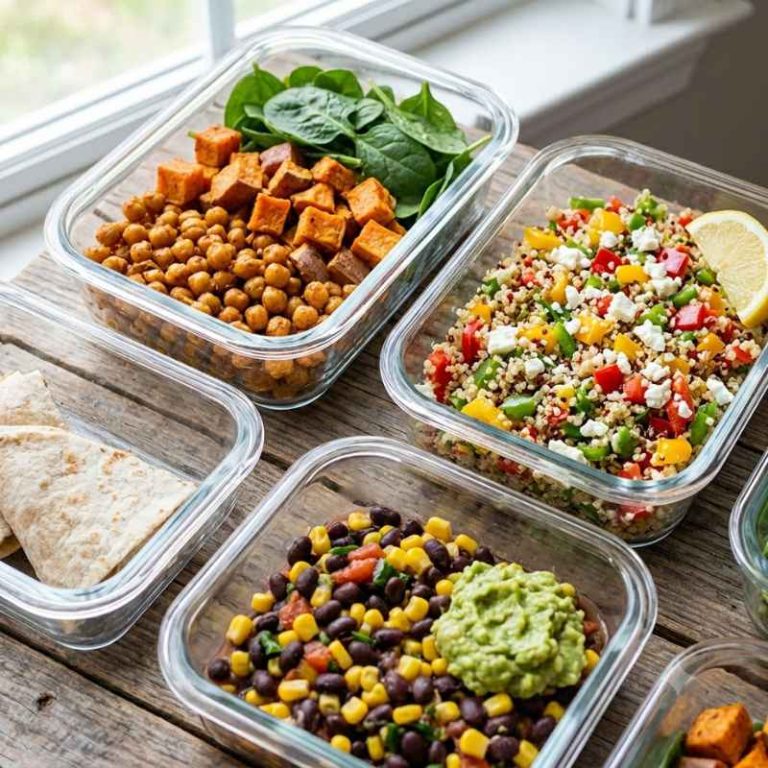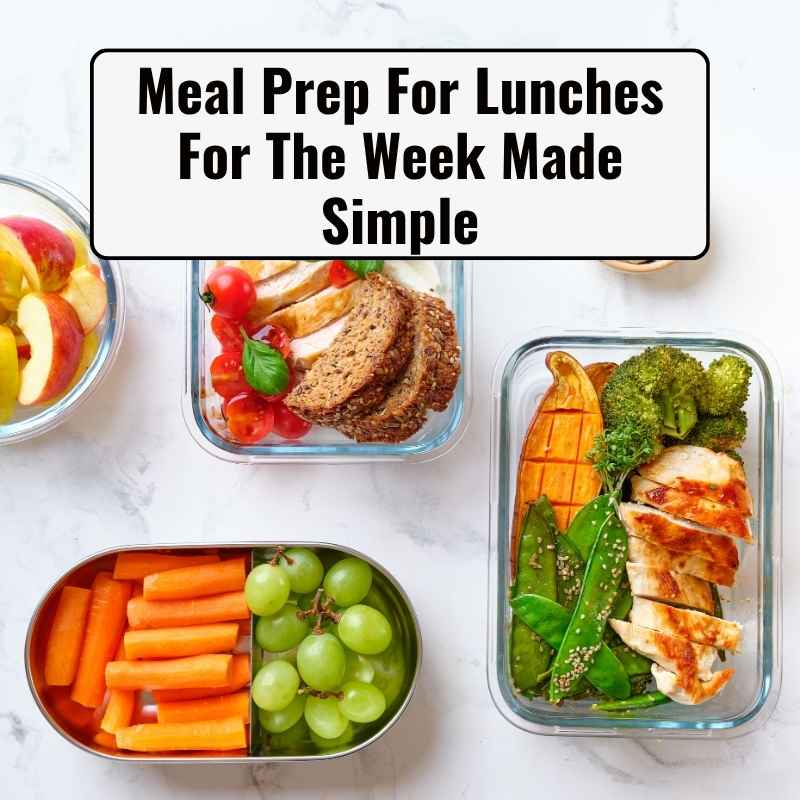
Meal Prep For Lunches For The Week Made Simple
Making lunch during the busy work week can feel like a chore. You’re often tired after a long day. Or maybe you’re rushing in the morning.
This leads to quick, unhealthy choices. Or worse, skipping lunch altogether. But what if prepping your lunches for the whole week was actually easy?
What if it didn’t take hours? This guide will show you how. We’ll cover simple steps.
You’ll learn ways to save time. You’ll also eat better.
Meal prepping lunches for the week can be straightforward. Focus on simple recipes. Plan your meals. Use smart storage. This saves time and helps you eat healthy meals daily. It removes daily lunch stress.
Understanding Meal Prep for Lunches
Meal prep means getting your meals ready ahead of time. For lunches, this often means cooking a few dishes on the weekend. Then you store them in individual containers.
These are ready to grab and go each day. It’s like having a mini-chef prepare your lunches for you. This saves you time during the week.
It also helps you control what you eat. You know all the ingredients. This avoids hidden sugars or fats.
Why is this so popular now? People want healthier options. They also want to save money.
Eating out for lunch every day adds up fast. Plus, knowing your lunch is waiting for you is a huge relief. It cuts down on daily decision fatigue.
It’s one less thing to worry about. Think about it: no more frantic searches for a decent sandwich. No more sad desk salads from the corner store.
The goal is simple: delicious, healthy, and easy lunches. You want them ready when you need them. This might seem hard.
But with the right approach, it’s very doable. It’s about making small changes. These changes add up to big wins.
We’ll break it down into steps. You’ll see how simple it can be.
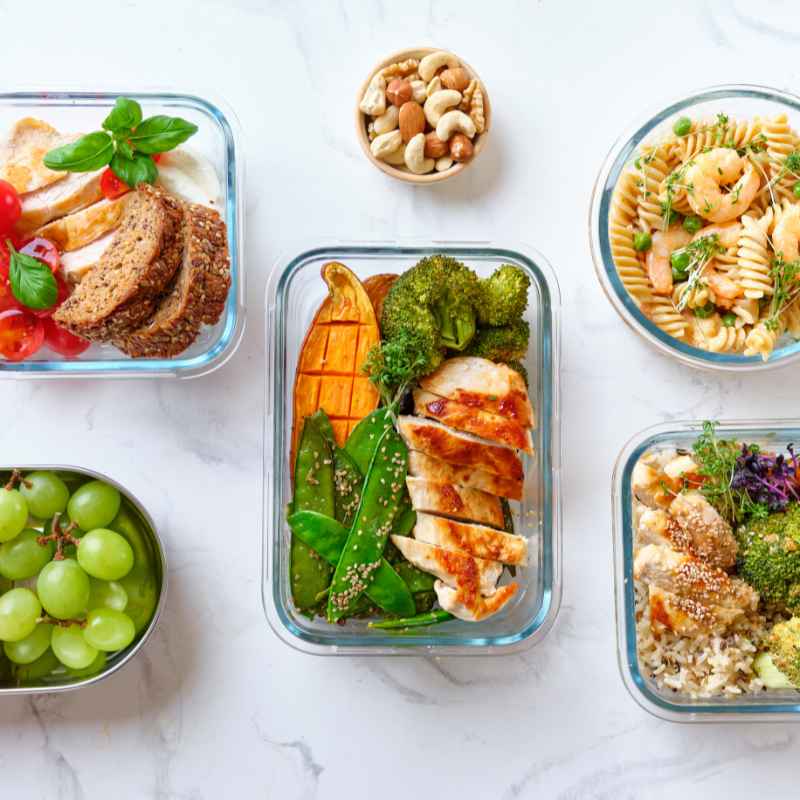
My Own Lunch Prep Journey: A Near Disaster
I remember one Tuesday. I was supposed to have my famous chicken salad sandwich. It was my go-to.
But I forgot to make it over the weekend. My fridge was almost bare. I had a wilting head of lettuce and half an onion.
My stomach rumbled. I had a huge meeting at 10 AM. There was no way I could run out.
Panic set in. I ended up eating a stale granola bar and a handful of almonds. It was terrible.
I felt sluggish all afternoon. That’s when I knew I needed a better system. It wasn’t just about convenience.
It was about my energy and well-being.
That day stuck with me. I saw how being unprepared affected my whole day. My focus was off.
My mood was low. I decided then that I would never let that happen again. I started small.
I tried prepping just two lunches a week. Then I built up to five. It wasn’t always perfect.
Sometimes I’d get bored with my choices. Other times, I’d underestimate how long things would last. But each week, I learned something new.
I learned what flavors lasted. I learned which ingredients held up well. This experience taught me the real value of having lunches ready.
It also showed me that meal prep isn’t about eating the same thing every single day for a month. It’s about smart planning and variety. It’s about making your life easier.
It’s about feeling good about what you fuel your body with. The relief of opening your lunch bag and seeing a delicious meal ready to go is immense. It’s a small act of self-care that pays off big time.
The Core Principles of Easy Lunch Meal Prep
There are a few key ideas that make lunch meal prep truly simple. If you get these right, everything else falls into place. It’s not about fancy recipes or expensive gadgets.
It’s about smart planning and preparation.
Key Meal Prep Principles
Simplicity is King: Choose recipes with few ingredients. Focus on dishes that are easy to cook in batches. Think one-pot meals or simple oven bakes.
Versatility Matters: Pick meals that can be eaten hot or cold. This gives you options depending on your mood or office fridge situation.
Smart Storage is Crucial: Invest in good containers. They keep food fresh and prevent leaks. Separate wet and dry ingredients when needed.
Flavor Over Time: Some flavors get better with time. Soups, stews, and curries often taste richer the next day. Lean into these.
Variety Within Structure: Don’t feel you have to eat the exact same thing every day. Prep a few different main components and mix and match them.
These principles guide everything. When you choose your recipes, ask yourself: Is this simple? Can I make a lot of it?
Will it store well? The answers to these questions will lead you to the best meal prep choices. It’s about working smarter, not harder.
You want to set yourself up for success. You want to make your week easier. This is the foundation.
Choosing the Right Recipes: Simple & Satisfying
The secret to successful meal prep is picking recipes that are easy to make, taste great, and hold up well for several days. You don’t need complex gourmet dishes. Simple, hearty meals are usually best.
Think about meals that reheat well or are delicious cold.
Pasta Salads: These are fantastic. Cook your pasta. Toss it with chopped veggies like bell peppers, cucumbers, and cherry tomatoes.
Add a protein like canned tuna, chickpeas, or grilled chicken. A simple vinaigrette dressing keeps it fresh. They are great cold.
Grain Bowls: Start with a base like quinoa, brown rice, or farro. Add roasted vegetables like sweet potatoes, broccoli, or Brussels sprouts. Top with a protein source such as black beans, lentils, or baked tofu.
A drizzle of tahini or a light soy-ginger dressing finishes it off. These are versatile and filling.
Soups and Stews: Lentil soup, chicken noodle, or a hearty chili are perfect. They are often even better the next day. Make a big pot on Sunday.
Portion them into individual containers for easy grabbing. Make sure to use leak-proof containers.
Sheet Pan Dinners (Repurposed): You can roast chicken and veggies on a sheet pan. Once cooked and cooled, portion them out. You can eat them as is, or repurpose the chicken for salads or wraps later in the week.
Roast chicken breasts or thighs are very useful.
Stir-fries: Make a large batch of your favorite stir-fry with lots of vegetables and a protein. Serve it over rice or noodles. Make sure to keep the sauce separate if you want to avoid sogginess.
Or, add it to the main dish right before packing.
When selecting recipes, consider your personal preferences. What healthy foods do you genuinely enjoy eating? What are your dietary needs or restrictions?
If you hate broccoli, don’t pack it for lunch! The more you like what you’re eating, the more likely you are to stick with it.
Smart Shopping and Prep Day Strategies
Your prep day, usually Sunday for most, is crucial. A little planning here saves a lot of headaches later. It’s about being efficient.
You want to get the most done with the least fuss.
Prep Day Checklist
- Make a Grocery List: Based on your chosen recipes. Check your pantry first.
- Shop Smart: Buy produce that lasts. Avoid things that spoil quickly unless you plan to use them early in the week.
- Gather Your Gear: Make sure you have enough containers, lids, and any cooking tools you need.
- Wash and Chop: Wash all your produce. Chop vegetables and fruits. Store them in separate containers.
- Cook in Batches: Make large quantities of grains, proteins, and roasted vegetables.
- Assemble Lunches: Portion out your meals into individual containers.
- Cool Properly: Let food cool down before sealing containers. This prevents condensation.
- Store Safely: Keep prepared lunches in the refrigerator.
For instance, I always try to buy sturdy vegetables. Carrots, sweet potatoes, bell peppers, and onions are great choices. They last a long time.
Leafy greens like spinach and kale can also last if stored properly. However, delicate herbs or berries might be better purchased mid-week.
When I cook, I often do things in parallel. While rice is cooking, I might be roasting vegetables. While vegetables are roasting, I could be preparing a salad dressing.
This multitasking saves time. It makes the whole process feel less like a chore. Having pre-chopped onions and peppers ready in the fridge is a game-changer for quick cooking throughout the week, not just for lunch prep.
Container Choices: Your Lunch’s Best Friend
The right containers make all the difference. They keep your food fresh, prevent spills, and make your lunches look appealing. You don’t need anything super fancy.
But having a few types will be very helpful.
Container Types to Consider
Glass Containers: Great for reheating. They are durable and don’t stain or hold odors. They are a bit heavier, though.
BPA-Free Plastic Containers: Lightweight and come in many shapes and sizes. Look for ones with good airtight seals. They are often more budget-friendly.
Compartmented Containers: Perfect for keeping different food items separate. If you don’t like your salad dressing touching your greens, these are for you.
Mason Jars: Excellent for salads in a jar or overnight oats. Layer ingredients carefully so they don’t get soggy before you’re ready to eat.
Insulated Lunch Bags: While not containers, these are key for keeping your prepped lunches at a safe temperature until lunchtime.
I personally love a mix of glass and good quality BPA-free plastic. For meals I’ll reheat, glass is my first choice. For salads or things I’ll eat cold, I prefer compartmented plastic containers.
This way, my crunchy croutons stay crunchy. My dressing stays separate from my lettuce. It might sound like a small thing, but it makes a big difference in how appetizing your lunch looks and tastes.
When you’re packing, make sure the lids seal tightly. This is especially important for soups or saucy dishes. A loose lid can lead to a messy bag.
And nobody wants to deal with that. Test your containers if you’re unsure. Fill them with water and give them a good shake over the sink.
Putting it All Together: Building Your Weekly Lunch Plan
Now, let’s talk about planning your actual week. You don’t have to cook five entirely different meals. Mixing and matching is your friend.
Aim for variety throughout the week.
Sample Weekly Lunch Plan Idea
Monday: Quinoa bowl with roasted sweet potatoes, black beans, corn, and a lime-cilantro dressing.
Tuesday: Chicken and vegetable stir-fry with brown rice. (Prep chicken and veggies together).
Wednesday: Lentil soup with a side of whole-wheat bread. (Make a big pot of soup).
Thursday: Leftover chicken from Tuesday, shredded and made into chicken salad for sandwiches or wraps. Serve with a side of baby carrots.
Friday: Pasta salad with chickpeas, chopped bell peppers, olives, and a lemon-herb vinaigrette.
This sample plan uses a few core components. Roasted sweet potatoes can go in bowls. Leftover chicken can be used in a stir-fry and then as chicken salad.
A big pot of soup is easy. Pasta salad is great cold. This way, you cook a few things.
Then you assemble different meals. It feels like variety. But it’s efficient to prepare.
Another strategy is to prep components separately. Cook a large batch of chicken breast. Cook a large batch of quinoa.
Roast a tray of mixed vegetables. Then, throughout the week, you can assemble these. Monday could be a chicken and quinoa bowl.
Tuesday could be roasted veggies with chicken. Wednesday could be a quinoa salad with veggies.
Think about what you crave. Do you want something warm and comforting mid-week? Plan a soup or stew for Wednesday or Thursday.
Do you want something light and fresh on Friday? A vibrant pasta or grain salad works well. This flexibility keeps meal prep exciting.
Keeping it Fresh and Safe
Food safety is paramount when meal prepping. You want your lunches to be as good on Friday as they were on Monday. Understanding how long foods last is key.
And proper cooling and storage are non-negotiable.
Food Storage Guidelines
Cooked Meals: Generally last 3-4 days in the refrigerator. For longer storage, freeze individual portions.
Meats and Poultry: Cooked, store for 3-4 days. Raw, 1-2 days.
Vegetables: Many cooked vegetables last 3-4 days. Raw, chopped veggies can also last this long if stored properly in airtight containers.
Soups and Stews: These are usually good for 3-4 days. They often taste better as they age a bit.
Cooling: Let hot food cool on the counter for about an hour before refrigerating. Don’t leave it out longer than two hours. Divide large amounts into smaller portions to cool faster.
Reheating: Reheat food thoroughly to an internal temperature of 165°F (74°C). Use a food thermometer to be sure.
What about foods that don’t last as long? For example, if I make a big batch of roasted chicken, I’ll use half for lunches on Monday and Tuesday. Then I might use the other half for a quick dinner or salad on Wednesday.
This way, I’m not pushing the limits of freshness. I prioritize using the prepped items that have the shortest shelf life first.
If you’re worried about a specific ingredient, like fresh herbs or a delicate salad green, consider adding it just before eating. Pack your main meal. Then, have a small container of those fresh items to add right before you dig in.
This is a small step that keeps things tasting their best.
When is Meal Prep NOT a Good Idea?
While meal prep for lunches is incredibly helpful for many, it’s not for everyone, or for every situation. It’s important to be realistic about when it might not be the best option.
Situations Where Meal Prep Might Be Tricky
- Very Limited Time: If your schedule is truly packed and you can’t carve out even an hour or two for prep, forcing it might lead to frustration.
- Picky Eaters (Especially Children): If you’re prepping for multiple people with very different tastes, it can be more challenging to satisfy everyone.
- Sudden Cravings: If you often find yourself craving something specific day-to-day, a rigid meal prep plan might feel restrictive.
- Enjoying Cooking Daily: Some people find cooking a daily ritual therapeutic. If that’s you, sticking to a strict prep plan might remove a joy from your day.
- Limited Kitchen Access: If you don’t have easy access to a kitchen for reheating or even assembly at work, prepping might not be practical.
For example, if my work situation suddenly changed and I suddenly had zero access to a microwave, my soup and stew prep would be out. I’d have to rethink my strategy. Maybe focus on hearty salads or sandwiches that are good cold.
Or, I might plan for fewer prep days and more quick assembly meals that don’t require cooking at all.
It’s also okay to not prep every single lunch. Maybe you prep Monday through Wednesday. Then you plan to buy lunch on Thursday and Friday.
Or vice versa. The goal is to make your life easier, not harder. If a full five-day prep feels overwhelming, start with three days.
See how that goes. You can always adjust.
Making Meal Prep Sustainable and Enjoyable
Sustainability in meal prep means finding a system that you can stick with long-term. It shouldn’t feel like a punishment. It should be a helpful tool in your life.
This means being flexible and finding joy in the process.
Rotate Your Recipes: Don’t get stuck making the same three meals every single week. Explore new recipes. Try different cuisines.
This keeps things interesting. Pinterest and food blogs are great resources for inspiration. Look for simple, beginner-friendly recipes.
Listen to Your Body: If you’re craving something specific, try to incorporate it. Maybe you prep a healthy base but have a small portion of something decadent on the side. Or, adjust your prep to include more of what you’re truly wanting.
Involve Others: If you live with family, get them involved in the planning and prep. Older kids can help chop veggies. Partners can take charge of cooking one of the main dishes.
This can make it a shared activity and lighten the load.
Celebrate Small Wins: Pat yourself on the back when you successfully pack your lunches for the week. Acknowledge that you’ve done something good for yourself. This positive reinforcement is important.
What I found personally is that having a “staples” list helps. These are ingredients I always try to have on hand. Things like rice, pasta, canned beans, frozen vegetables, and basic spices.
This way, even if I’m short on time, I can whip up a simple meal. I don’t always need a full grocery shop.
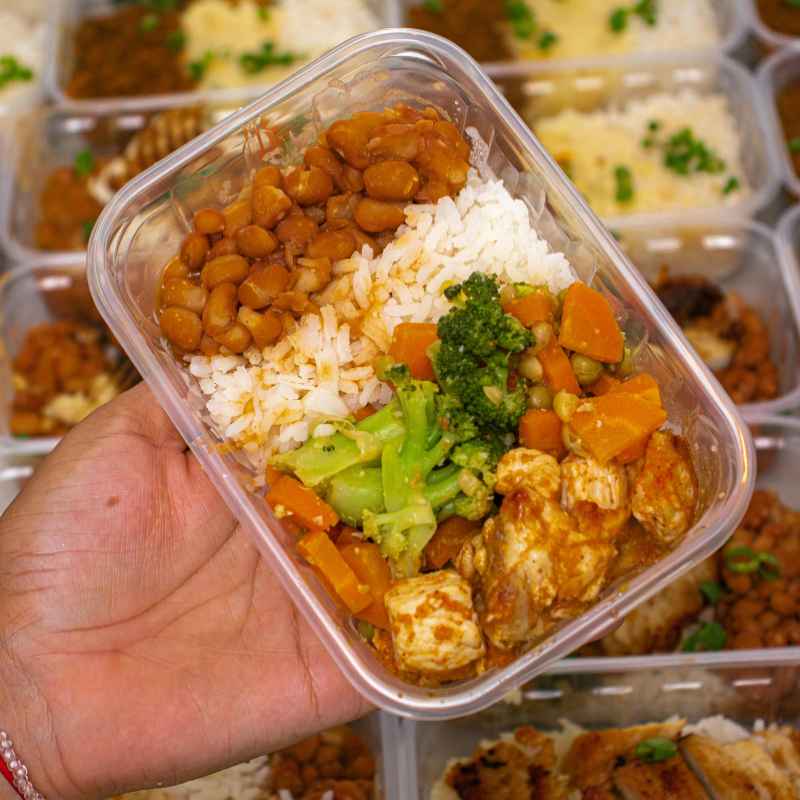
FAQs About Meal Prep for Lunches
Frequently Asked Questions
How many lunches should I prep at once?
Most people find prepping 3-5 lunches for the week works best. Starting with 3 is a great way to see if it fits your routine. You can always add more or less based on your needs.
What are the best proteins for meal prep?
Chicken breasts, thighs, lean ground turkey or beef, tofu, lentils, chickpeas, and beans are excellent. They hold up well when cooked and stored, and they provide sustained energy.
Can I prep salads for the week?
Yes, you can! The key is to pack them smartly. Keep wet ingredients (dressings, tomatoes) separate from dry ingredients (greens, nuts, croutons).
Mason jars work well for this. Layer your dressing at the bottom, then heartier veggies, then grains or protein, and finally greens on top.
How do I prevent prepped meals from getting soggy?
Keep wet and dry ingredients separate. Cook grains like rice or quinoa slightly al dente, as they can absorb moisture. Avoid adding dressings or sauces until just before serving if possible, or pack them in a separate small container.
Is it cheaper to meal prep lunches?
Yes, typically it is much cheaper. Buying ingredients in bulk and cooking at home is almost always less expensive than buying lunch out every day. Even high-end groceries are often cheaper than restaurant meals.
What if I get bored of my prepped lunches?
Rotate your recipes! Try new dishes. Mix and match components you’ve prepped.
Add fresh elements like avocado, a sprinkle of seeds, or a different sauce at lunchtime to change things up.
Final Thoughts on Your Effortless Lunch Prep
Making lunch prep for the week simple is entirely achievable. It’s about smart planning, choosing the right recipes, and using practical storage. You’ve learned how to select easy meals.
You know how to shop efficiently. You’ve seen the importance of good containers and safe storage. Most importantly, you’ve seen that it doesn’t have to be complicated or time-consuming.
This strategy is a gift to your future self, saving you time, money, and stress. Start small, be consistent, and enjoy the delicious, healthy lunches waiting for you!