Healthy Meal Prep For The Week Lunches And Snacks
It can feel like a huge challenge to eat well every day. Especially when you’re busy. You want healthy lunches and snacks. But then the week starts. And life gets in the way. You end up grabbing something fast. Or you just skip a meal. This can leave you feeling tired. And not good about your choices. This guide is here to help. We will show you how to make eating healthy simple. You’ll learn smart ways to plan. And prepare meals that are good for you. And taste great too. Let’s get started on making your week easier. And healthier.
Healthy meal prep for week lunches and snacks is about planning simple, nutritious meals ahead of time. It involves choosing easy recipes, smart storage, and practical strategies to ensure you have good food ready when you need it. This makes eating well effortless during your busy week.
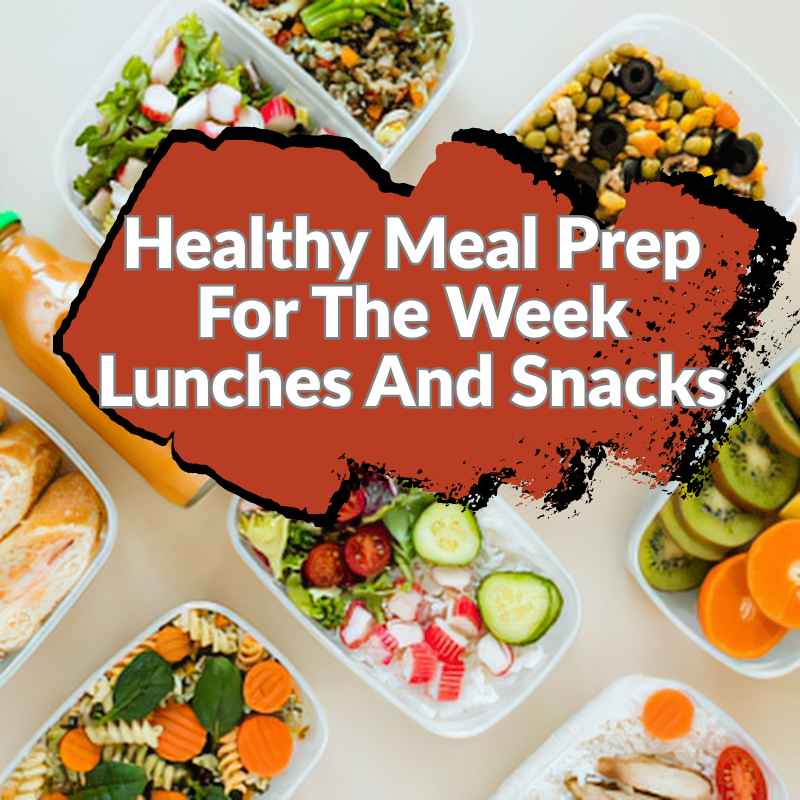

Healthy Meal Prep for the Week: Chicken Quinoa Lunch Bowls & Snack Packs
Ingredients
Method
- Preheat the oven to 425°F (220°C). Line two large baking sheets with parchment paper.
- Rinse the quinoa. Cook it in the water or broth for about 15 minutes until fluffy. Let it cool completely before storing.
- Toss the broccoli and sweet potatoes with 2 tbsp olive oil, ½ tsp salt, and the black pepper. Spread them on one baking sheet.
- Rub the chicken with 1 tbsp olive oil, ½ tsp salt, garlic powder, and paprika. Place it on the second sheet.
- Roast the vegetables for 20–25 minutes, until tender and lightly browned. Bake the chicken for 20–25 minutes, until it reaches 165°F (74°C) inside. Let it rest for 5 minutes, then slice.
- Whisk the vinaigrette ingredients together in a small jar.
- Boil the eggs for 10 minutes, cool them in ice water, and peel them.
- Divide the quinoa, chicken, broccoli, and sweet potatoes into 5 airtight containers. Keep the vinaigrette in a separate jar or small cup.
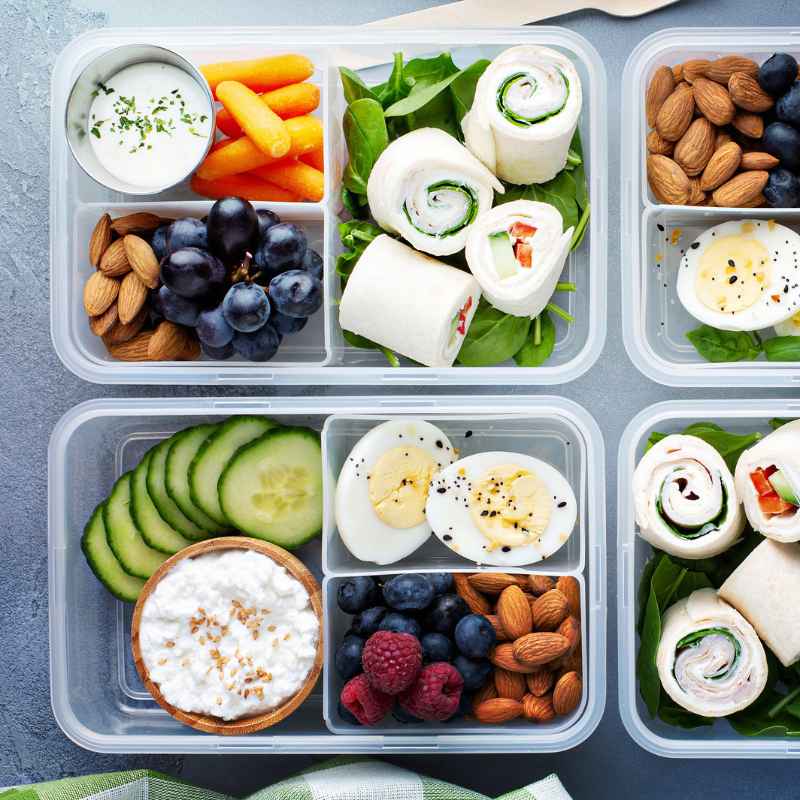
- Build the snack packs in small containers: Greek yogurt with berries, carrot sticks with hummus, a hard-boiled egg, and a handful of nuts.
- Cool everything fully, then refrigerate. Add the dressing just before eating.
Notes
- Chef’s tip: don’t overcook the chicken. Pull it at 165°F (74°C) and rest it so it stays juicy.
- Cool everything completely before packing. Trapped steam makes food soggy.
- Keep the dressing separate until serving, and add soft greens like spinach at the last minute.
- Store in airtight containers in the fridge for 3–4 days. Freeze cooked quinoa and chicken for longer storage.
- Per USDA guidance, keep the fridge below 40°F (4°C). If anything smells off, throw it out.
- Swap the chicken for chickpeas, lentils, or tofu for a vegetarian version.
What Is Healthy Meal Prep?
Healthy meal prep is simply getting ready to eat well. You prepare your meals and snacks in advance. This means you have good food waiting. You do this before your busy week starts. It helps you avoid last-minute unhealthy choices. It’s about making healthy eating a habit. Not a chore.
The goal is to have nutritious options. These options are ready to grab. Or just need a quick reheat. This includes lunches for work. Or school. It also covers snacks. Snacks are often where we go wrong. Having healthy ones ready makes a big difference.
Why does it matter so much? Because our food fuels us. It affects our energy. Our mood. And our long-term health. When you prep healthy meals, you are choosing. You are choosing to feel good. You are choosing to be in control.
My Meal Prep Mishaps and What I Learned
I remember one Sunday afternoon. The sun was shining. I felt a wave of ambition. I decided I would conquer meal prep. I bought all sorts of fancy ingredients. Bell peppers, quinoa, chicken breasts. My kitchen looked like a grocery store exploded. I chopped and cooked for hours. By the end, I had a fridge full of containers. They looked beautiful.
Then Monday hit. I opened a container of chicken and veggies. It looked… sad. The chicken was dry. The veggies were mushy. And honestly, it tasted bland. I felt so deflated. All that work for this? I told myself I wasn’t cut out for meal prep.
The next week, I almost gave up. But then I thought, maybe I did it wrong. I started researching. I learned about cooking methods. Like not overcooking chicken. Or keeping certain veggies separate. I found out about flavor boosters. Like herbs and spices. And simple sauces. I also learned to keep it simple. Not every meal needs to be gourmet.
My real breakthrough came when I embraced simple snacks. Instead of complex recipes, I focused on fruits, nuts, and yogurt. This made my prep less daunting. And the food actually tasted good. It showed me that healthy meal prep for week lunches and snacks doesn’t need to be complicated. It just needs to be smart. And sustainable.
The Smart Prep Checklist
Plan Your Meals: Know what you’ll eat.
Shop Smart: Get only what you need.
Choose Easy Recipes: Simple is best.
Prep Ingredients: Wash and chop ahead.
Cook Strategically: Use batch cooking.
Store Safely: Use good containers.
Making Your Meal Prep Easy and Enjoyable
The biggest hurdle for many is time. And motivation. We get it. So, let’s talk about making this work for you. It’s not about perfection. It’s about progress. And finding a rhythm.
Start small. Don’t try to prep every single meal. Maybe just prep your lunches. Or just your snacks. Once you get comfortable, you can add more. Consistency is key here. Doing a little bit each week builds a habit.
Think about your schedule. When do you have free time? Sundays are popular. But maybe Saturday works better. Or even a weeknight. Just pick a time. And stick to it. Even 30 minutes can make a difference.
The recipes you choose are important. Pick things you actually like to eat. Boring food makes us want to quit. Look for meals that reheat well. Or that are good cold.
Don’t forget about variety. Eating the same thing every day can get old. Try to switch up your recipes. Or your ingredients. This keeps things interesting. And ensures you get a wider range of nutrients.
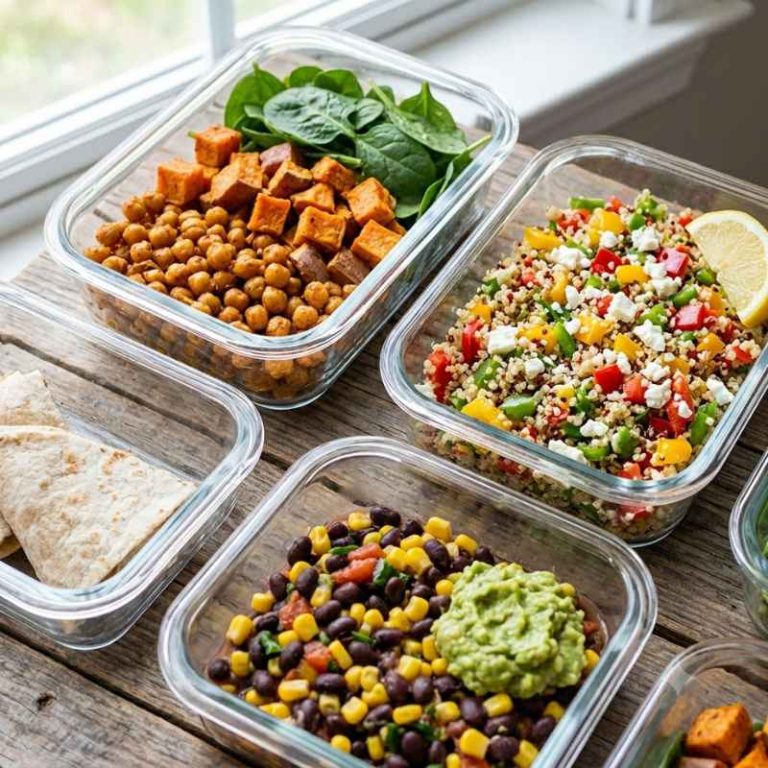
Invest in good containers. They make a big difference. Airtight containers keep food fresh. They prevent leaks. And they make your fridge look tidy. Glass containers are great. They can go from the fridge to the microwave.
What Kind of Foods Work Best for Prep?
Not all foods are created equal when it comes to prep. Some hold up well. Others can get soggy or dry. Let’s look at what shines.
Proteins: Baked or grilled chicken breast. Lean ground turkey or beef. Hard-boiled eggs. Tofu or tempeh. Lentils and beans are also fantastic. They are easy to cook in big batches.
Grains: Quinoa. Brown rice. Farro. These cook well ahead of time. They form a great base for bowls. Or as a side.
Vegetables: Hearty vegetables do best. Think broccoli. Cauliflower. Brussels sprouts. Carrots. Sweet potatoes. Roasting them brings out their flavor. They also hold their texture well. Softer veggies like spinach can be added at the end. Or eaten raw in salads.
Fruits: Berries. Apples. Oranges. Grapes. These are perfect snacks. They are easy to grab and go. Some fruits, like bananas, are best kept whole.
Healthy Fats: Nuts and seeds. Avocados. These can be added just before eating. Or used in dressings.
Snack Powerhouses
- Apple slices with peanut butter.
- A handful of almonds or walnuts.
- Greek yogurt with berries.
- Hard-boiled eggs.
- Carrot sticks with hummus.
- Edamame.
Lunches: Building Balanced Bowls and Salads
Lunch is often the main meal we need to prep. Bowls and salads are ideal. They are easy to customize. And they pack a nutritional punch.
The Bowl Method: This is super simple.
- Base: Start with your cooked grain. Quinoa or brown rice works great.
- Protein: Add your pre-cooked protein. Chicken. Beans. Tofu.
- Veggies: Include roasted or steamed vegetables. Broccoli. Sweet potatoes. Bell peppers.
- Flavor: Top with a simple dressing or sauce. A lemon-tahini dressing. Or a light vinaigrette. Add some seeds for crunch.
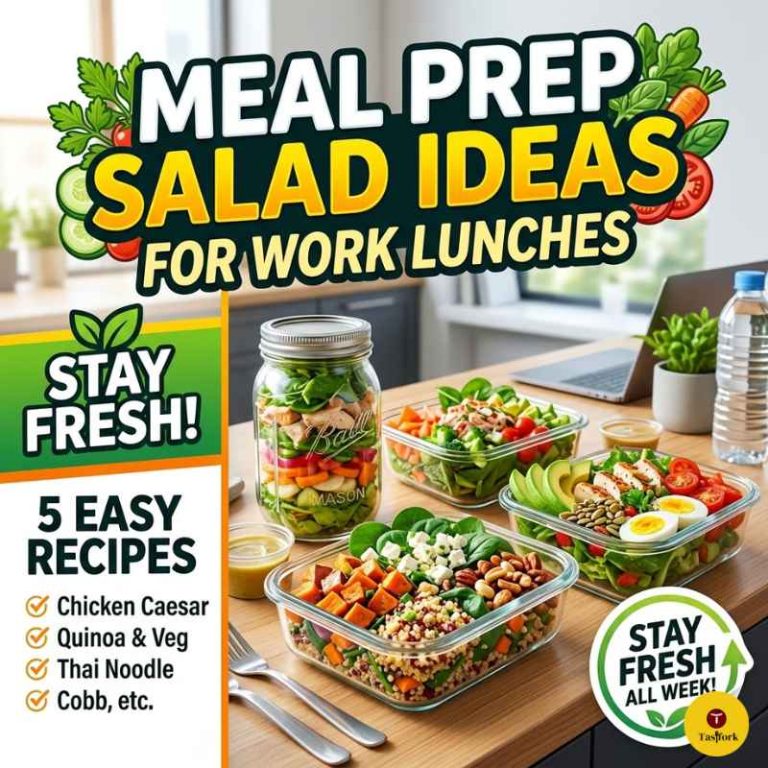
You can prep all the components separately. Then assemble them in your container. Or you can layer them. Put the dressing at the bottom. Then grains, protein, and veggies on top. This keeps your salad from getting soggy.
Salads That Travel: For salads, think about what will stay fresh.
- Leafy Greens: Sturdier greens like kale. Or romaine hold up better.
- Hearty Add-ins: Chickpeas. Lentils. Grilled chicken. Roasted vegetables.
- Crunch: Nuts. Seeds. Or crunchy vegetables like bell peppers.
- Dressing: Keep the dressing separate. Until you are ready to eat. This is crucial.
Many salads can be made in jars. Layer your dressing first. Then harder veggies. Then grains or protein. Then your leafy greens on top. This creates a beautiful and portable meal.
We are talking about real, easy healthy meal prep for week lunches and snacks. It’s about making food that nourishes you. And fits into your life.
Quick Lunch Ideas
Chicken & Quinoa Bowl: Grilled chicken, quinoa, roasted broccoli, lemon vinaigrette.
Lentil Salad: Cooked lentils, chopped cucumber, tomatoes, red onion, parsley, olive oil dressing.
Tuna Salad Lettuce Wraps: Tuna mixed with Greek yogurt, celery, served in large lettuce cups.
Veggie & Hummus Wrap: Whole wheat tortilla, hummus, shredded carrots, spinach, bell peppers.
Snacks: Smart Choices for Energy
Snacks are often the downfall of healthy eating. We reach for cookies or chips when hunger strikes. Especially when we are tired. Having prepped snacks is a game-changer. They help you stay full. And avoid energy crashes.
Focus on snacks that have protein and fiber. These keep you satisfied longer. Think about combinations.
Fruit and Nuts: An apple with a tablespoon of almond butter. A small bag of mixed nuts. These are easy to pack. And full of good things.
Dairy and Protein: Greek yogurt is a superstar. Plain Greek yogurt mixed with a few berries. Or a hard-boiled egg. Cottage cheese is another good option.
Vegetables and Dip: Pre-cut carrots. Celery. Cucumber. Bell peppers. Pair them with hummus. Or a Greek yogurt-based dip.
Portion Control is Key: Even healthy snacks have calories. Pre-portioning helps. Use small containers. Or snack bags. This stops you from overeating.
I often keep a “snack bag” in my work tote. It has a few nuts. And a piece of fruit. This saves me from buying a sugary snack from a vending machine. It’s a small win. But it adds up.
Snack Prep Ideas
Assemble Fruit & Nut Packs: Portion nuts and dried fruit into small bags.
Hard-Boil Eggs: Make a batch of hard-boiled eggs. Store them peeled or unpeeled.
Veggie Sticks & Dip: Cut up carrots, celery, and peppers. Portion out hummus or yogurt dip.
Yogurt Parfaits: Layer plain Greek yogurt with berries. Add a sprinkle of granola if desired.
Batch Cooking Techniques
Batch cooking is a core strategy for healthy meal prep for week lunches and snacks. It means cooking larger amounts of food. You do this all at once. Then you use it throughout the week.
Roasting Vegetables: This is easy. Chop up a big tray of veggies. Toss with olive oil, salt, and pepper. Roast until tender. You can roast broccoli, cauliflower, carrots, sweet potatoes, and bell peppers.
Cooking Grains: Make a big pot of quinoa or brown rice. It’s a versatile base for many meals. Let it cool completely before storing.
Cooking Proteins: Bake or grill a few chicken breasts. Or cook a pound of lean ground meat. These can be used in salads, bowls, or wraps. Hard-boil a dozen eggs for quick snacks.
Soups and Stews: These are excellent for batch cooking. They often taste even better the next day. Make a big pot of lentil soup or vegetable stew.
The trick is to let food cool down before packing it. This prevents steam from making things soggy. It also helps prevent bacteria growth.
Batch Cooking Basics
Use Large Pans and Sheets: Maximize your cooking space.
Season Generously: Flavors meld during cooking.
Cool Completely: Essential for safe storage.
Portion into Containers: Ready for grab-and-go.
Storage and Food Safety
Proper storage is vital. It keeps your food safe. And fresh for as long as possible. This is where good containers come in.
Airtight Containers: These are your best friends. They prevent air from getting in. This slows down spoilage. They also stop odors from spreading.
Glass vs. Plastic: Glass containers are durable. They are safe for microwave and dishwasher. Plastic containers are lighter. And often cheaper. Look for BPA-free plastic.
Separation is Good: For some meals, like salads, it’s best to keep dressing separate. For others, like bowls, you can layer.
Refrigeration: Most prepped meals should be stored in the refrigerator. They are usually good for 3-4 days. Always check for signs of spoilage. Like off smells or mold.
Freezing: Some meals freeze well. Soups, stews, and cooked grains can be frozen. This extends their shelf life. Thaw them overnight in the fridge. Or use the defrost setting on your microwave.
The U.S. Department of Agriculture (USDA) recommends. Refrigerated food should be kept below 40°F (4°C). And frozen food at 0°F (-18°C).
Storage Tips
Cool Down First: Let food reach room temperature.
Label and Date: Know what’s in your containers.
Don’t Overpack: Leave some space.
Clean Containers Thoroughly: Prevent lingering smells.
What This Means For Your Week
So, what’s the big picture? What does all this prep mean for you? It means less stress. And more control over your health.
You’ll likely save money. Eating out adds up quickly. Packing your lunch and snacks is often cheaper. You’ll also save time during the week. No more frantic searching for food.
More importantly, you’ll feel better. Good food fuels your body. You’ll have more energy. Your mood might improve. You’ll be supporting your long-term health goals.
It’s about building sustainable habits. This isn’t a diet. It’s a lifestyle. It’s about making healthy choices the easiest choices.
When is it normal to feel overwhelmed by meal prep? Totally normal! Everyone struggles at first. The key is to keep going. Adjust your plan as needed.
When should you worry about your prepped food? If it looks or smells off. If it’s been too long in the fridge. Trust your senses. When in doubt, throw it out.
Quick Tips for Success
Here are some final thoughts to keep you on track.
Keep it Simple: Don’t overcomplicate your recipes. Easy wins are the best wins.
Invest in Quality Containers: Good tools make the job easier.
Plan Your Prep Time: Schedule it like any other important task.
Get Creative with Leftovers: Turn dinner leftovers into lunch.
Don’t Aim for Perfection: Some weeks will be better than others. That’s okay.
Hydrate! Drink plenty of water throughout the day.
Frequently Asked Questions
How much time does healthy meal prep for week lunches and snacks really take?
It varies greatly. A simple prep might take 1-2 hours. This is for basic lunches and snacks. More complex meals could take 3-4 hours. Many people find it saves time during the busy week. So, the initial time investment pays off.
Can I prep meals for more than 4 days?
Yes, you can. For meals beyond 4 days, consider freezing. Cooked grains, stews, and some proteins freeze well. Thaw them in the refrigerator the night before. Always check for freshness.
What if I don’t like cooking?
Start with very simple recipes. Think hard-boiled eggs, pre-cut fruit, or store-bought rotisserie chicken. You can also focus on no-cook meals like salads with canned beans. There are many easy options.
How do I avoid food waste?
Plan your meals based on what you have. Buy only what you need for your prep. Use leftovers creatively. Freeze items you won’t use in time. And store food properly to make it last longer.
What are good, quick breakfast prep ideas?
Overnight oats are fantastic. Make a big batch on Sunday. Grab-and-go muffins or breakfast cookies are good. Hard-boiled eggs are also a protein-packed breakfast. You can also prep smoothie packs to blend quickly.
Is it healthy to eat the same meals every day?
While variety is good for nutrients, consistency in healthy meals is better than no healthy meals. If eating the same few meals works for you, it’s perfectly healthy. You can rotate your few favorite meals weekly.
Conclusion
Taking the time to prep healthy meals and snacks is an act of self-care. It sets you up for success. You’ll feel more energized. And in control of your health. Start simple. Find what works for you. And enjoy the benefits of nourishing your body.