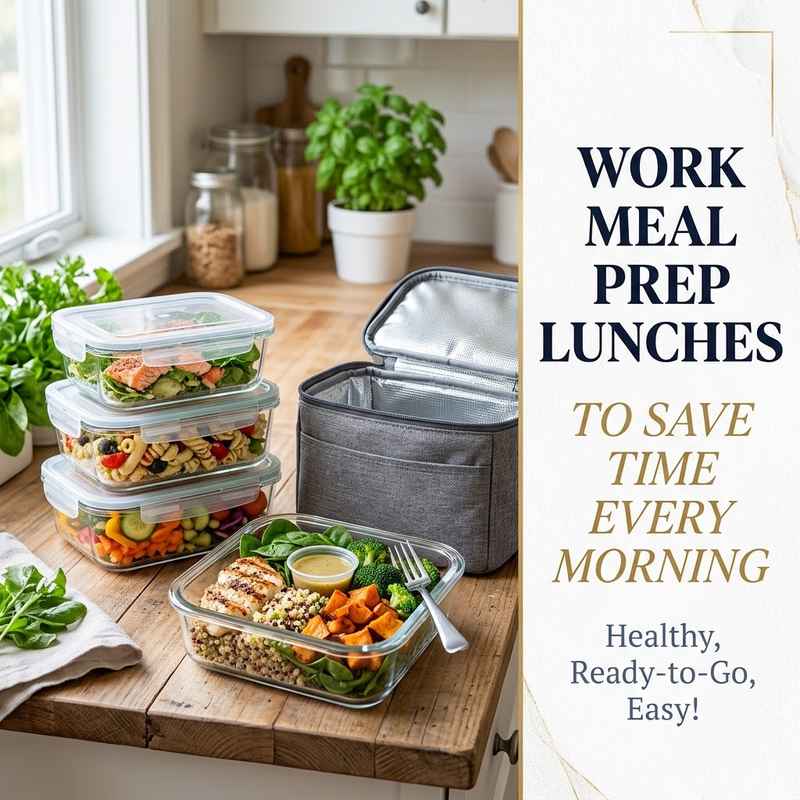
Work Meal Prep Lunches To Save Time Every Morning
But what if your lunch was already waiting? What if it was ready to go, healthy, and tasty? This is where the magic of work meal prep lunches comes in. It’s about taking a little time now to get back a lot of time and peace later. We’ll explore simple ways to make this happen.
Meal prepping lunches for work means preparing your midday meals ahead of time, usually on a weekend or a dedicated evening. This saves you significant time during busy weekdays, reduces stress, and helps you eat healthier by controlling ingredients. It’s a practical approach to manage your food and schedule.
What Is Work Meal Prep?
Work meal prep is basically making your lunches in advance. Think of it as an organized way to feed yourself during the work week. You cook, chop, and pack your food before the week even starts. This way, when lunchtime rolls around, you just grab your pre-made meal. No last-minute cooking or ordering.
Why do people do it? The main reason is time. Weekdays fly by. Mornings are often a blur of getting ready. Having lunch sorted means one less task on your plate. It also helps you eat better. When you prepare your own food, you know exactly what goes into it. You can choose fresh ingredients and avoid excess sugar, salt, or unhealthy fats.
It’s not about being a gourmet chef. It’s about simple, smart planning. You can prepare a few meals at once. This saves energy. You cook once, eat multiple times. This method helps many people stick to their health goals. It also saves money. Eating out or buying lunch daily adds up fast. Prepping your own food is usually much cheaper.
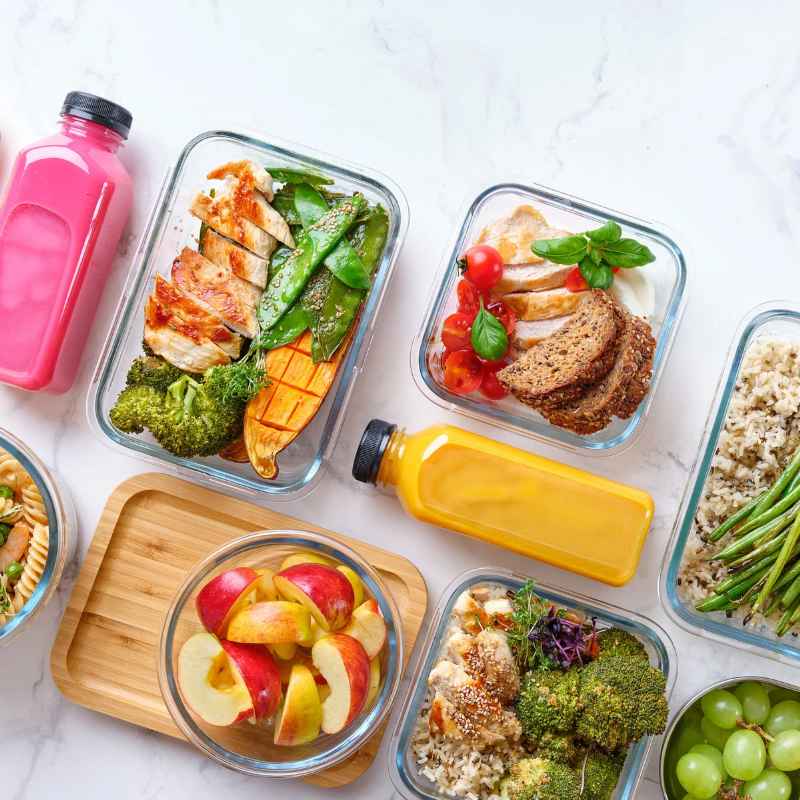
My Own Morning Kitchen Chaos
I remember one particularly rough Tuesday morning. My alarm didn’t go off, or maybe I just hit snooze one too many times. The next thing I knew, I was scrambling. I had a big presentation that afternoon. My brain was already racing through talking points. My stomach, however, was rumbling loudly. I looked in the fridge. A sad half-onion. Some wilting lettuce. Nothing lunch-ready.
Panic set in. I considered running to the corner deli, but the line would be out the door. Ordering delivery? That would take forever and cost a fortune. I ended up with a dry granola bar and a huge sense of dread. I felt sluggish all day. My focus wasn’t great. That experience really stuck with me. It was a clear sign I needed a better way to handle my lunches.
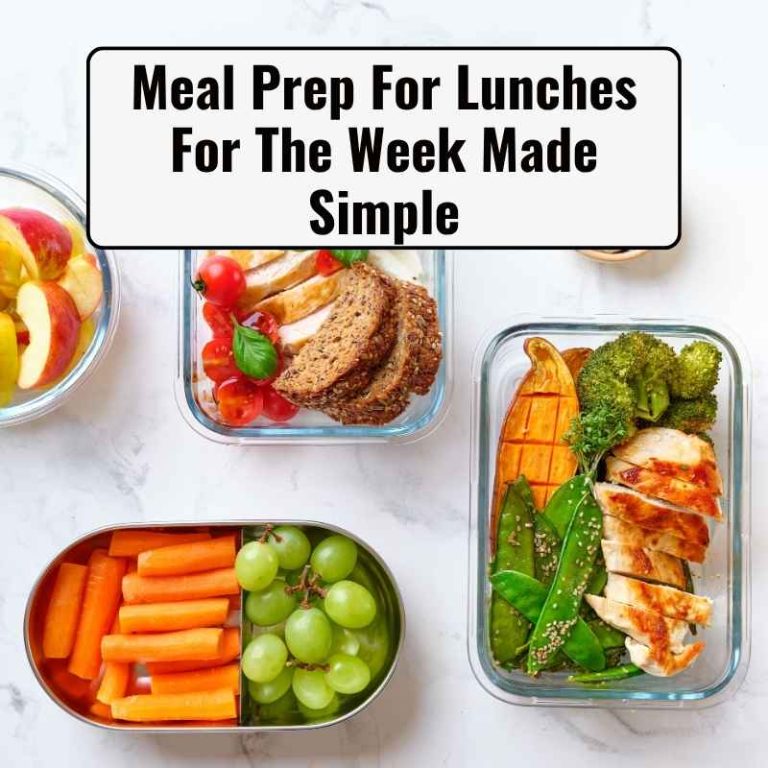
That week, I decided to try meal prepping. I spent a few hours on Sunday. I cooked some chicken breasts. I roasted some veggies. I made a big batch of quinoa. It felt a bit like a chore at first. But then I packed them into containers. Monday morning came. I grabbed a container from the fridge. It was so easy. That presentation day felt much better. I had a good, healthy meal. I felt more in control. It was a game-changer for my busy work life.
Why Meal Prep Lunches? Key Benefits
- Save Time: Cut down morning prep.
- Eat Healthier: Control ingredients.
- Save Money: Less impulse buying.
- Reduce Stress: No daily lunch dilemma.
- Variety: Explore new recipes.
Planning Your Work Lunches
Starting to meal prep can feel like a big task. But it doesn’t have to be. The first step is simple planning. Think about your week. How many days do you need lunch? Are there days you eat out or have work events? Knowing this helps you figure out how many meals to make.
Next, decide what you like to eat. Do you prefer salads? Hearty grain bowls? Simple sandwiches? Consider your tastes. Think about foods that hold up well in the fridge. Some things get soggy or lose their texture. Others are perfect for making ahead. Good options include cooked grains like rice or quinoa. Roasted vegetables are also great. Baked chicken or beans work well too.
Don’t forget about variety. Eating the same thing every single day can get boring. Try to plan for 2-3 different lunch options each week. This keeps things interesting. You can also prep components separately. This way, you can mix and match. For example, cook a large batch of chicken. Then, you can use it in a salad one day and with rice another day.
Shopping is another key part of planning. Once you have your meals in mind, make a grocery list. Stick to your list when you shop. This saves time and money. It also makes your cooking session much smoother. You won’t be running back to the store mid-prep.
Choosing Your Prep Day
Most people find Sunday to be the best day. It’s usually a day off work. You can set aside a few hours. Saturday or even a weeknight evening can also work. The key is to pick a time when you have energy and fewer distractions. This makes the process more enjoyable and less of a chore.
Simple & Healthy Meal Ideas
Let’s get to the fun part: what to make! The goal is meals that are easy to prepare, taste good, and keep you full. We want meals that travel well and don’t require much fuss at work. Here are some ideas that are popular and work great for meal prep.
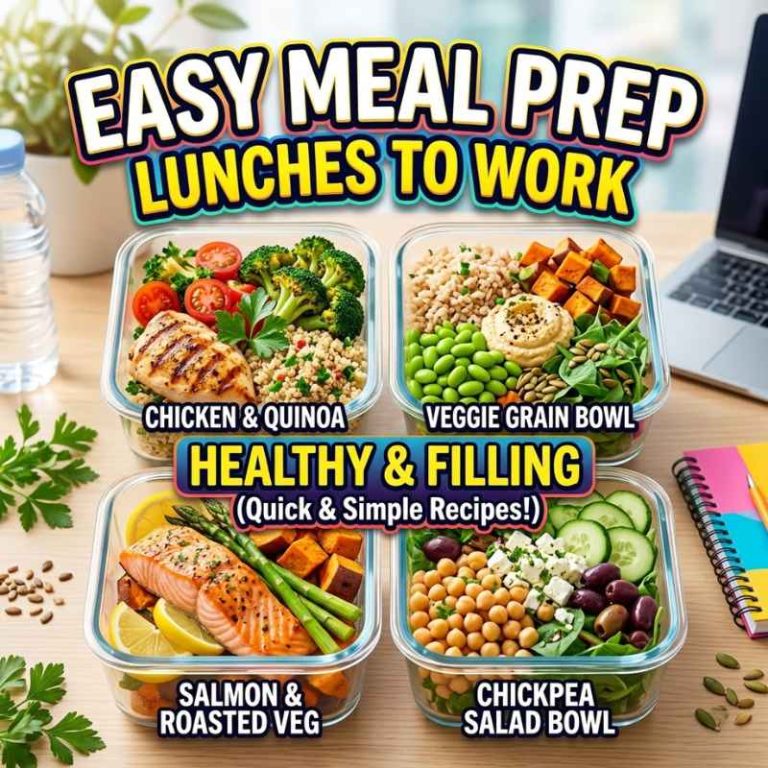
Grain Bowls: These are super versatile. Start with a base of cooked grains like brown rice, quinoa, or farro. Add a protein source like grilled chicken, chickpeas, black beans, or tofu. Then, load up on roasted or raw vegetables. Think broccoli, sweet potatoes, bell peppers, spinach, or carrots. A healthy dressing on the side or drizzled over everything ties it together. This is a full, balanced meal.
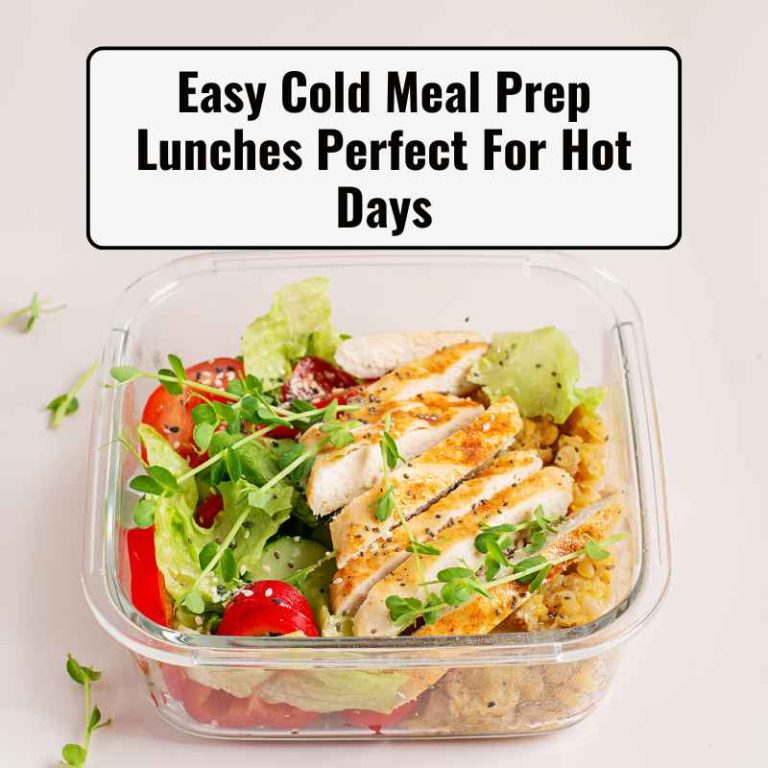
Hearty Salads: Not just lettuce! Think substantial salads that feel like a meal. Add grains, beans, or lentils for fiber and protein. Grilled chicken, hard-boiled eggs, or tuna are also good additions. Include lots of colorful veggies. Nuts and seeds add a nice crunch. Keep dressings separate to prevent sogginess. Mason jar salads are a popular way to layer ingredients.
Sheet Pan Meals: These are a lifesaver. Toss veggies like broccoli, potatoes, and carrots with oil and spices. Add a protein like chicken sausage or fish fillets. Everything cooks on one pan. You can portion this out for lunches. It’s minimal cleanup. The flavors meld together nicely.
Soups and Stews: These are perfect for cooler weather. Make a big pot of lentil soup, vegetable stew, or chili on the weekend. They reheat beautifully. Make sure to use good containers. They can be a bit messy if they spill.
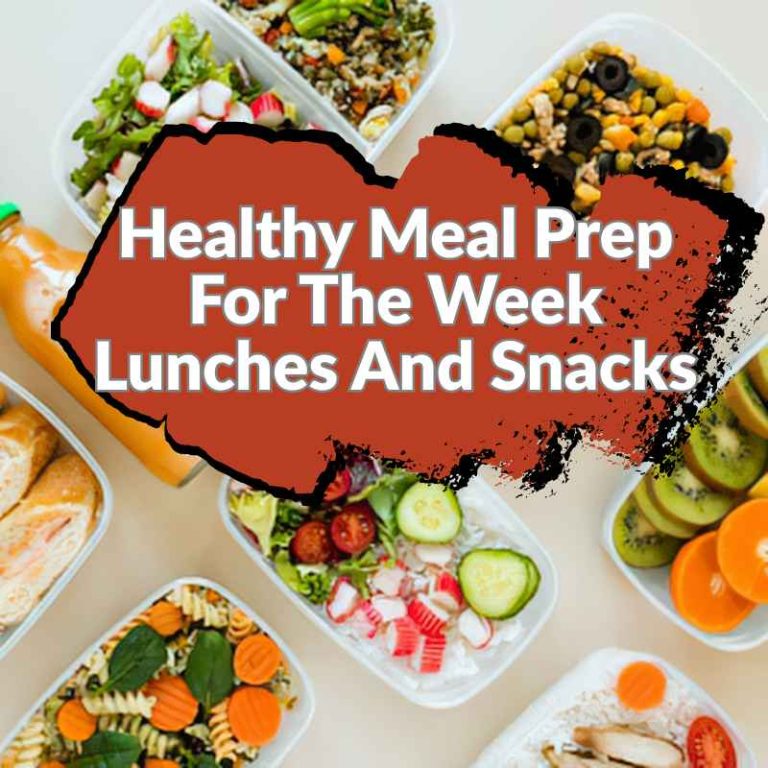
Pasta Salads: Choose whole wheat pasta. Add lean protein like chicken or tuna. Mix in plenty of chopped vegetables. Use a light vinaigrette. These are easy to make and eat cold or at room temperature.
Quick Prep Components
Save even more time by prepping components:
- Cook a batch of grains: Brown rice, quinoa, farro.
- Roast a big tray of veggies: Broccoli, carrots, bell peppers, sweet potatoes.
- Grill or bake proteins: Chicken breasts, salmon, hard-boiled eggs, tofu.
- Wash and chop greens: Spinach, kale, lettuce.
- Make a simple dressing: Vinaigrette, tahini dressing.
Containers and Storage
Having the right containers makes a big difference. You need things that seal well. They should be easy to carry. And they should be safe for food. Glass containers are great. They don’t stain or hold odors. Plus, you can heat them up in the microwave. Many come with secure lids.
BPA-free plastic containers are another good option. They are lighter and less likely to break. Look for ones that are microwave and dishwasher safe. Compartmentalized containers are fantastic. They keep different food items separate. This stops flavors from mixing and textures from getting soggy. For example, you can keep your salad dressing separate from the greens.
When storing your prepared meals, make sure they cool down before covering. This prevents condensation buildup. Then, seal them tightly. Store them in the refrigerator. Most prepped meals last about 3 to 4 days. If you’re prepping for the whole week, consider freezing some meals. Things like soups, stews, and chili freeze very well.
Labeling your containers can be helpful. Write down what’s inside and the date you made it. This is especially useful if you’re making a few different things. It helps you keep track. And it ensures you eat the older meals first. Good storage practices help keep your food safe and fresh.
Container Tips
- Material: Glass or BPA-free plastic.
- Lids: Airtight and leak-proof.
- Compartments: Keep foods separate.
- Size: Choose appropriate sizes for meals.
- Care: Wash thoroughly.
Making It Work in the Real World
Meal prep isn’t just about the cooking. It’s about how it fits into your actual life. Think about your commute. Do you need a lunch bag that keeps things cool? Do you have access to a microwave at work? Or do you need meals that are good at room temperature?
Some workplaces have shared refrigerators. Others don’t. If you don’t have a fridge, consider an insulated lunch bag with an ice pack. This works well for salads, sandwiches, and yogurt. Foods like hard-boiled eggs and cooked chicken also stay safe in a cooled bag for several hours.
If you have a microwave, you have more options. Hearty soups, stews, and grain bowls are great. Remember to pack utensils. A fork, spoon, or chopsticks might be needed. Some people like to bring a small set from home. Others keep a spare set at their desk.
What about your colleagues? Do they bring lunches? Sometimes, sharing lunch breaks can be nice. Having your own prepared meal means you can join in without the stress of finding food. It can even be a conversation starter. “What did you make?” people might ask.
Consider your work schedule. If you have long meetings or travel often, prep needs to be extra reliable. Meals that are easy to eat on the go are useful. Simple wraps or sturdy salads are good choices. The goal is to make your workday easier, not add another layer of stress.
Workplace Considerations
- Fridge Access: Yes/No dictates container needs.
- Microwave Access: Opens up reheating options.
- Desk Space: Enough room for containers and eating.
- Commute: How long will food stay fresh?
- Eating Habits: Solo or with others?
When Is It Normal, And When Should You Worry?
Most of the time, meal prepping is a safe and healthy habit. It helps you stay on track with your eating. It saves you time and money. But like anything, there are a few things to watch out for. This ensures your meal prep is actually good for you.
Food Safety: This is the most important part. Make sure you cool your food properly before refrigerating. Bacteria can grow quickly in the “danger zone” between 40°F and 140°F (4°C and 60°C). Cooked food should be cooled to room temperature within two hours. Then, refrigerate it. If your prepped meals sit out longer than that, it’s best to toss them. This is especially true in warm weather.
Ingredient Freshness: Always use fresh ingredients. Don’t try to prep meals with things that are already close to spoiling. Your prepped meals won’t last as long. And they might not taste as good. Check expiration dates on packaged goods. Look for signs of spoilage on fresh produce and meats.
Nutritional Balance: While we aim for healthy meals, sometimes we can fall into a rut. If you find you’re eating the same basic meal every day, you might miss out on certain nutrients. Try to vary your proteins, vegetables, and grains. Aim for a good mix of macronutrients: protein, healthy fats, and complex carbohydrates.
Portion Sizes: Be mindful of how much you’re packing. Prepping meals can sometimes lead to over-portioning if you’re not paying attention. Use your containers as a guide. They usually hold a standard serving size. If you have specific calorie or portion goals, measure things out.
When to Seek Advice: If you have specific dietary needs, allergies, or health conditions, it’s always best to consult a registered dietitian or your doctor. They can help you create a meal prep plan that is safe and meets your individual needs. They can also offer guidance on food safety specific to your situation.
Quick Food Safety Checks
- Smell: Does it smell off?
- Look: Any mold or strange color changes?
- Time: Has it been out of the fridge too long?
- Feel: Slimy textures can be a bad sign.
Tips for Making Meal Prep Easier
Meal prepping doesn’t have to take over your weekend. Here are some tips to make the process smoother and more enjoyable.
Start Small: Don’t try to prep every single meal for the week on your first try. Start by prepping just 2-3 lunches. See how you like it. Then, gradually increase the number of meals as you get more comfortable.
Batch Cooking: Cook larger batches of staples like grains, chicken, or roasted vegetables. These can be used in different meals throughout the week. This saves you from cooking multiple things from scratch.
One-Pan Wonders: Utilize sheet pans or large pots. Recipes that cook everything together mean less cleanup. Think roasted chicken and vegetables or a big pot of chili.
Keep it Simple: You don’t need fancy recipes. Simple combinations of protein, carbs, and veggies work perfectly. Focus on flavors you enjoy. Don’t overcomplicate things, especially when you’re starting out.
Clean As You Go: This is a big one! Wash pots, pans, and utensils as you finish with them. This way, you’re not faced with a mountain of dishes at the end. It makes the whole process feel less overwhelming.
Listen to Music or Podcasts: Make your prep time enjoyable. Put on your favorite music or catch up on a podcast while you cook. This can make the time fly by.
Invest in Good Containers: As mentioned before, having good containers makes a huge difference. They seal well, are easy to clean, and keep your food fresh. It’s worth the small investment.
Prep Time Savers
- Prep Components: Cook grains, proteins, and veggies ahead.
- Simplify Recipes: Focus on basic, balanced meals.
- Use Shortcuts: Pre-cut vegetables or rotisserie chicken.
- Double Up: Make a double batch and freeze half.
Frequently Asked Questions About Work Meal Prep
How long do meal-prepped lunches typically last in the fridge?
Most prepped meals are good for 3 to 4 days when stored properly in the refrigerator. For meals you plan to eat later in the week, consider freezing them. Foods like soups, stews, and chili freeze and reheat very well.
What are the best types of containers for meal prep?
Glass or BPA-free plastic containers are ideal. Look for ones with airtight, leak-proof lids. Compartmentalized containers are great for keeping different food items separate, preventing sogginess and flavor mixing.
Can I meal prep salads without them getting soggy?
Yes, you can! The key is to keep wet ingredients separate from dry ones. Layer your salad in a jar or container: start with dressing at the bottom, then add hard veggies (carrots, cucumbers), grains or beans, protein, and finally greens on top. This way, the greens stay crisp until you’re ready to eat.
What if I don’t have a microwave at work?
If you don’t have a microwave, focus on meals that are delicious cold or at room temperature. Think hearty salads, grain bowls with ingredients that are good cold (like roasted vegetables and chicken), wraps, and pasta salads. An insulated lunch bag with an ice pack is essential for keeping these meals fresh.
How can I avoid flavor fatigue from eating the same thing?
Vary your meals! Aim for 2-3 different lunch recipes each week. You can also prep components separately and mix and match them. For example, cook a big batch of chicken and use it in a salad one day and with rice and veggies another. Experiment with different spices and dressings to keep things interesting.
Is meal prepping expensive?
Generally, meal prepping is much cheaper than buying lunch every day. While there’s an initial cost for containers and groceries, the savings over time add up significantly. Buying ingredients in bulk and cooking at home is almost always more cost-effective.
Putting It All Together
Getting your work lunches prepped is a practical step toward a smoother week. It’s about giving yourself a gift of time and ease. You don’t need to be a master chef or spend hours in the kitchen. Start with simple meals and a plan that fits your life.
Think of the mornings you’ll gain back. The stress you’ll avoid. The healthier choices you’ll make. Meal prepping for work is an investment in your well-being. It’s a way to take control of your nutrition and your schedule. Give it a try. You might be surprised at how much difference it makes.