Summer Meal Prep Lunches That Are Light And Fresh
Summer meal prep lunches focus on fresh, hydrating ingredients that require minimal cooking. Think vibrant salads, chilled soups, and wraps filled with crisp vegetables and lean proteins, all designed to be eaten cold or at room temperature, making them ideal for warm weather. They prioritize ease of preparation and portability for busy lifestyles.
The Joy of Light and Fresh Summer Lunches
Summer lunches should feel like a breath of fresh air, not a heavy burden. The goal is to nourish your body with foods that are naturally hydrating and packed with vitamins. Think about foods that don’t need a microwave, or even much refrigeration if you’re out and about.
This means embracing ingredients that are vibrant and seasonal.
When summer hits, our bodies often crave lighter fare. We naturally lean towards fruits, crisp vegetables, and lean proteins. This shift in appetite is your body’s way of telling you what it needs.
Warm, heavy meals can make you feel sluggish when the temperature rises. Light and fresh lunches help you stay energized and focused throughout your day.
Plus, who has the time to cook a complicated meal in the middle of a busy summer day? Meal prepping these light lunches ahead of time saves you precious minutes. It means you can grab and go, or enjoy a quick, healthy break without the kitchen hassle.
It’s all about working smarter, not harder, especially when the sun is shining.
We’ll explore how to build these meals from the ground up. We’ll cover the best ingredients, simple assembly ideas, and tips to keep everything tasting delicious for days. You’ll learn to create lunches that are not only good for you but also a joy to eat, no matter how warm it gets outside.

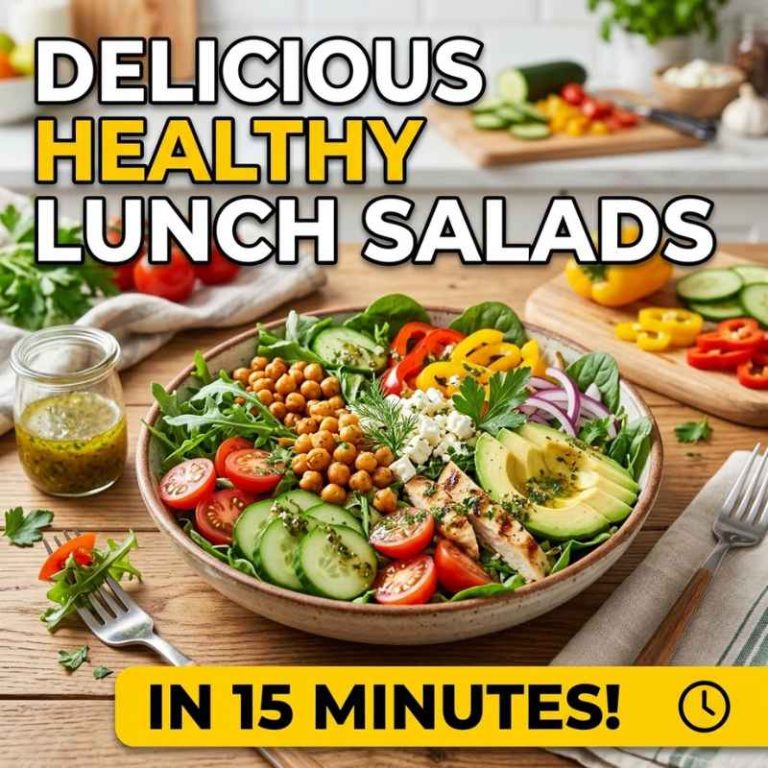
Mediterranean Chickpea Summer Meal Prep Bowls
Ingredients
Method
- Drain and rinse the chickpeas well, then pat them dry with a clean towel so the bowls don't turn watery.
- Whisk the olive oil, lemon juice, garlic, oregano, salt, and pepper in a small bowl until smooth.
- Dice the cucumber, halve the tomatoes, slice the red onion, and chop the parsley.
- In a large bowl, combine the chickpeas, cucumber, tomatoes, onion, olives, and parsley.
- Divide the greens among 4 glass containers. Spoon the chickpea mixture on top.
- Add the feta, if using. Pour the dressing into 4 small leak-proof containers.
- Seal everything and refrigerate. Add the dressing and avocado right before eating.
Notes
- Keep the dressing separate. This is the best way to avoid soggy greens.
- Add the avocado and fresh herbs on the day you eat, so they stay bright and don’t brown.
- Store in airtight glass containers for up to 3 days. Keep them cold with an insulated bag and ice pack if you’re not near a fridge.
- Swap in grilled chicken, tuna, or hard-boiled eggs for extra protein.
- Let any cooked add-ins cool completely before packing, to prevent condensation.
Why Go Light and Fresh in Summer?
Summer foods have a special quality. They are often picked at their peak ripeness, meaning they are bursting with flavor and nutrients. This is the best time to enjoy fruits and vegetables in their most natural state.
Think of a sun-ripened tomato or a juicy watermelon. They don’t need much done to them to be amazing.
Eating light helps your body stay cool. Heavy foods require more energy to digest. This process can actually raise your body temperature.
Lighter meals, especially those rich in water content, help keep you feeling cooler from the inside out. This is a natural way to beat the summer heat.
Hydration is also key during the summer months. We tend to sweat more, losing vital fluids. Many summer fruits and vegetables have high water content.
Things like cucumbers, celery, berries, and lettuce contribute to your daily fluid intake. It’s a delicious way to stay hydrated without just drinking plain water all the time.
Plus, the variety of produce available in summer is incredible. From sweet corn and bell peppers to peaches and plums, there’s so much to choose from. Building lunches around these seasonal stars makes your meals exciting and packed with diverse vitamins and minerals.
It’s a culinary adventure!
My Summer Lunch Mishap
I remember one particularly sweltering July afternoon. I’d spent the morning running errands, and by noon, I was starving. I’d thrown together a pasta salad the night before, thinking it was a good idea.
It was full of cheese and creamy dressing. It looked good in the container, but as soon as I opened it, I realized my mistake. It was heavy, greasy, and honestly, felt like a brick in my stomach.
The heat just made it worse. I could barely finish half of it. I felt so disappointed.
I wanted something cool and refreshing, but I’d made the opposite. That day, I learned a valuable lesson. Summer lunches need to be about lightness and freshness, not just about filling up.
Ingredient Spotlight: The Summer Superstars
These foods are perfect for light and fresh lunches:
- Leafy Greens: Spinach, romaine, arugula. They’re crisp and light.
- Summer Veggies: Cucumbers, bell peppers, tomatoes, zucchini, corn. They’re hydrating and full of crunch.
- Berries: Strawberries, blueberries, raspberries. Sweet and packed with antioxidants.
- Stone Fruits: Peaches, plums, cherries. Juicy and naturally sweet.
- Lean Proteins: Grilled chicken, turkey breast, tuna, chickpeas, lentils, tofu. They keep you full without being heavy.
- Herbs: Mint, basil, cilantro. They add bursts of fresh flavor.
Building Your Perfect Summer Lunch Bowl
Creating a balanced and delicious summer lunch bowl is simpler than you think. It’s all about layering fresh ingredients. Think of it like building a beautiful garden on a plate, but one you can eat!
Start with a base. This could be a bed of mixed greens like spinach or arugula. Or, you might choose a lighter grain like quinoa or couscous.
For extra coolness, consider a base of shredded cabbage or even chilled, spiralized zucchini. These are all light and refreshing options.
Next, add your vibrant vegetables. This is where you can have a lot of fun. Sliced cucumbers add a cool crunch.
Cherry tomatoes bring a burst of sweetness. Thinly sliced bell peppers add color and a satisfying snap. Grated carrots or shredded beets add earthy sweetness and nutrients.
Now, it’s time for protein. For a light lunch, lean proteins are your best friend. Think about pre-cooked grilled chicken breast, flaked tuna, or hard-boiled eggs.
For plant-based options, chickpeas, lentils, or black beans are fantastic. Tofu or tempeh, lightly pan-fried or baked, also work well.
Don’t forget the flavor boosters! Fresh herbs are key in summer. A sprinkle of chopped mint or basil can transform a dish.
A squeeze of lime or lemon juice adds brightness. A light vinaigrette made with olive oil and vinegar is perfect. Avoid heavy, creamy dressings, which can weigh down your lunch.
Finally, consider some healthy fats. A few slices of avocado add creaminess and good fats. A sprinkle of sunflower or pumpkin seeds adds a nice crunch.
These elements tie everything together and make your bowl more satisfying.
No-Cook Wonders: Lunch Prep Without the Oven
The best part about summer lunches is that many require absolutely no cooking. This is a lifesaver on hot days. You can assemble these meals quickly and efficiently.
Wraps and roll-ups are fantastic. Use whole wheat tortillas or large lettuce leaves. Fill them with sliced turkey or ham, lots of crisp lettuce, tomato, and a spread of hummus or light mayo.
You can also make a Mediterranean-style wrap with falafel, cucumber, and tahini dressing.
Chilled soups are another excellent no-cook option. Gazpacho, a Spanish cold tomato soup, is incredibly refreshing. You can also blend cucumber, yogurt, dill, and lemon for a creamy, cool soup.
These can be made in large batches and kept in the fridge.
Salads are, of course, a summer staple. But think beyond just lettuce. A hearty bean salad with corn, bell peppers, and a lime dressing is filling and fresh.
A quinoa salad with chopped vegetables and a light vinaigrette is also a great choice.
Mason jar salads are a brilliant way to keep ingredients fresh. Layer your dressing at the bottom, then hardier vegetables, then grains or proteins, and finally, your leafy greens on top. When you’re ready to eat, just shake it up.
Quick Salad Formula
Build a satisfying salad with these steps:
- Base: Mixed greens, spinach, romaine, or shredded cabbage.
- Veggies: Cucumber, bell peppers, tomatoes, shredded carrots, corn.
- Protein: Grilled chicken, chickpeas, hard-boiled eggs, tuna.
- Crunch/Fat: Avocado, seeds, nuts, or a few olives.
- Dressing: Light vinaigrette (olive oil, vinegar, lemon juice, herbs).
Meal Prep Tips for Maximum Freshness
When you’re meal prepping, keeping your food fresh is crucial. Nobody wants a soggy salad or wilted greens. Here are some tips to ensure your lunches stay delicious all week.
Invest in good containers. Airtight containers are your best friend. Glass containers are excellent for salads and bowls. They don’t stain and keep food fresh.
For wraps or sandwiches, consider beeswax wraps or good quality reusable bags.
Keep dressings separate. This is a golden rule for salads. Dressings make greens wilt and make everything soggy. Pack your dressing in a small separate container or use a mason jar salad method.
Add the dressing right before you plan to eat.
Pack smart. If you’re packing multiple components, think about how they’ll sit together. Keep wet ingredients away from dry ones. For example, if you have a fruit salad, pack it separately from your main salad.
This prevents flavors from mingling too much and keeps textures intact.
Pre-chop but store strategically. Chop your vegetables ahead of time, but consider which ones might get mushy. Tomatoes, for instance, are often best added fresh or in larger chunks if pre-chopped. Cucumbers and bell peppers hold up well.
Add herbs at the last minute. Fresh herbs lose their vibrancy quickly. If you’re adding a lot of fresh herbs like cilantro or parsley, consider adding them just before serving or packing them in a small separate baggie.
Cool everything completely. Before packing away your prepped meals, ensure all components are fully cooled. Putting warm food into a sealed container can create condensation and speed up spoilage. Let everything come to room temperature first.
My Fridge of Hope
I used to dread Sunday afternoons. It was the start of the week, and the thought of figuring out lunch every single day felt overwhelming. So, I started dedicating an hour or two to meal prep.
I’d go to the grocery store, buy all my fresh ingredients, and then get to work. I’d chop veggies, cook some chicken breasts, hard-boil a dozen eggs, and make a big batch of quinoa. Then, I’d assemble several lunch containers.
By Monday morning, my fridge was full of colorful, ready-to-eat meals. It was a game-changer. Seeing those neat containers filled with fresh food gave me a sense of calm and control.
It meant I could easily grab something healthy and delicious, even on my busiest days. That feeling of preparedness is pure gold.
Summer Wraps and Rolls: Portable Perfection
Wraps and rolls are ideal for summer lunches because they are self-contained and easy to eat on the go. You can stuff them with a variety of fillings to keep things interesting.
Chicken Caesar Wraps: Use whole wheat tortillas. Fill with shredded romaine lettuce, grilled chicken strips, a sprinkle of parmesan cheese, and a light Caesar dressing or Greek yogurt-based dressing. Roll them up tightly.
Turkey and Hummus Wraps: Spread hummus on a tortilla. Layer with sliced turkey breast, spinach, sliced cucumber, and a few bell pepper strips. Add a drizzle of lemon juice for extra zest.
Veggie and Bean Wraps: For a vegetarian option, fill tortillas with mashed black beans, corn, diced tomatoes, chopped cilantro, and a squeeze of lime. You can add a little shredded lettuce for crunch.
Lettuce Wraps: If you want to go grain-free or lower carb, use large lettuce leaves like butter or romaine. Fill them with seasoned ground turkey, shredded chicken, or a mixture of lentils and vegetables. Top with a light peanut sauce or a vinaigrette.
Roll-Ups: You can also make simpler roll-ups. Spread cream cheese or a soft cheese on a tortilla. Add a slice of ham or turkey and some thinly sliced pickles or cucumbers.
Roll it up and slice it into pinwheels.
The key is not to overstuff your wraps. This makes them hard to roll and prone to falling apart. Use fresh, crisp ingredients for the best texture and flavor.
A little crunch goes a long way!
Wrap Filling Ideas (Mix & Match)
Proteins:
- Sliced grilled chicken or turkey
- Canned tuna or salmon (mixed with Greek yogurt)
- Cooked shrimp
- Chickpeas (mashed or whole)
- Black beans or pinto beans
- Lentils
- Tofu or tempeh (baked or pan-fried)
- Hard-boiled eggs (sliced)
Veggies:
- Shredded lettuce or spinach
- Sliced tomatoes
- Sliced cucumbers
- Bell pepper strips
- Shredded carrots
- Red onion (thinly sliced)
- Avocado slices
Spreads/Sauces:
- Hummus
- Guacamole
- Light mayo or Greek yogurt-based dressings
- Pesto
- Salsa
Chilled Soups and Salads: Cool and Refreshing
When the heat is truly on, nothing beats a chilled soup or a substantial, refreshing salad. These are perfect for lunches that feel indulgent yet incredibly light.
Gazpacho: This is the classic Spanish cold soup. It’s made from blended raw vegetables like tomatoes, cucumbers, bell peppers, onions, and garlic. It’s seasoned with olive oil, vinegar, and bread.
It’s incredibly hydrating and packed with nutrients. You can make a big batch and it tastes even better on the second day.
Cucumber Avocado Soup: Blend fresh cucumbers, ripe avocado, plain Greek yogurt or coconut milk, fresh mint or dill, lime juice, and a touch of garlic. This soup is creamy, cooling, and full of healthy fats. It’s a wonderful way to get your greens in.
Watermelon and Feta Salad: This might sound unusual for lunch, but it’s incredibly refreshing. Cubes of sweet watermelon paired with salty feta cheese, fresh mint, and a light lime vinaigrette. Add some arugula for a peppery kick.
Mediterranean Quinoa Salad: Cooked quinoa mixed with chopped cucumbers, tomatoes, Kalamata olives, red onion, and parsley. Tossed with a lemon-herb vinaigrette. This is a hearty, satisfying salad that holds up well in the fridge.
Caprese Salad: Sliced fresh mozzarella, ripe tomatoes, and fresh basil leaves. Drizzled with a balsamic glaze or a light olive oil and vinegar dressing. It’s simple, classic, and tastes like summer.
The beauty of these options is their simplicity. They require minimal ingredients and often come together very quickly. They also provide a good amount of hydration, which is essential during hot weather.
The Myth of the Summer Sandwich
A common idea is that sandwiches are the ultimate portable lunch. And they can be! But summer heat can turn a great sandwich into a soggy mess.
Mayonnaise can spoil in the heat, and certain ingredients like tomatoes can make the bread mushy. Many people fall into the trap of making a sandwich that’s too wet or uses ingredients that don’t travel well in the warmth.
The reality is, while sandwiches are convenient, they aren’t always the most heat-friendly option. If you love sandwiches, focus on drier fillings. Use mustard or a thin layer of pesto instead of mayo.
Pack your tomatoes separately if possible, or use sun-dried tomatoes which are less watery. Or, consider using heartier bread or even toasting it lightly before assembly, though this doesn’t always work for meal prep.
Many people miss this point. They pack their usual sandwich and then find it unappetizing by lunchtime. It’s about adapting.
Wraps, salads, and chilled soups often fare much better in the summer heat. They retain their texture and freshness without the risk of spoilage from things like creamy dressings.
When is a Lunch “Too Heavy” for Summer?
It’s easy to overdo it with heavy foods, especially when you’re used to heartier meals. In the summer, you want to avoid anything that feels like a chore to digest. This often means steering clear of:
Creamy Sauces and Dressings: Think heavy ranch, creamy pasta salads, or mayonnaise-laden chicken salads. These can feel greasy and make you feel sluggish when it’s hot.
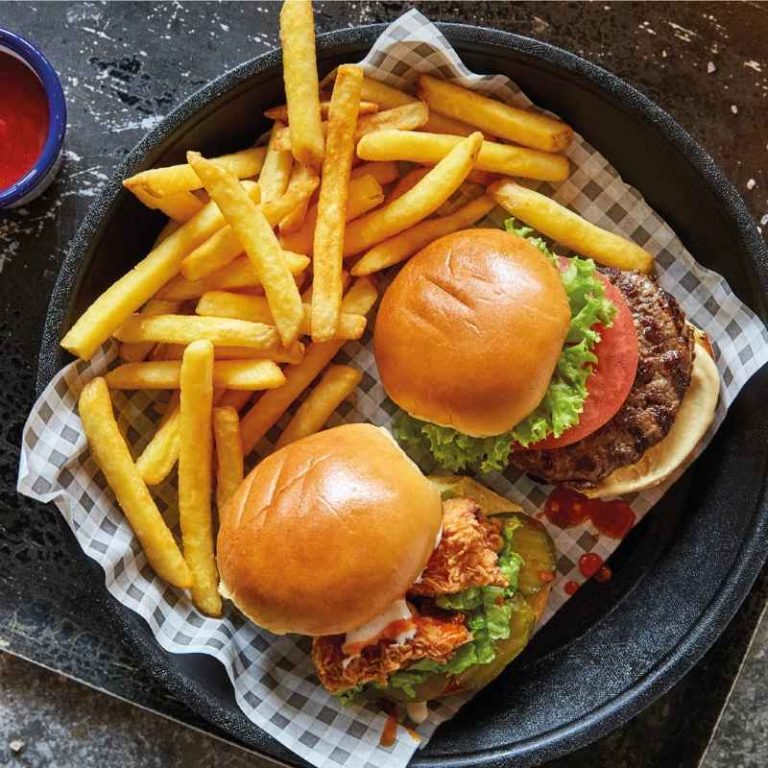
Deep-Fried Foods: While delicious, fried foods are heavy and can significantly increase your body temperature as they are digested.
Large Portions of Red Meat: Red meat takes longer to digest and can feel quite heavy. Leaner proteins are a much better choice for summer.
Overly Cheesy Dishes: Cheese is great, but too much of it can make a meal feel dense and heavy, especially in the heat.
Rich, Complex Pastas: While a pasta salad can be nice, heavy, meat-filled, or cream-sauced versions are best saved for cooler months. Opt for lighter pasta salads with lots of fresh vegetables and a vinaigrette.
A good test is to think about how you feel after eating. If you feel sleepy, heavy, or bloated, the meal was likely too much for a summer lunch. You should feel energized and refreshed, not weighed down.
Contrast Matrix: Normal vs. Concerning Summer Lunches
| Normal Summer Lunch | Potentially Concerning Summer Lunch |
|---|---|
| Bright, colorful salads with lean protein. | Heavy, cream-based potato salad or pasta salad. |
| Chilled soups like gazpacho or cucumber dill. | Hot, steaming stews or chilis. |
| Fresh fruit and veggie bowls with a light vinaigrette. | Fried chicken or heavy, greasy burgers. |
| Wraps filled with turkey, hummus, and crisp veggies. | Sandwiches with large amounts of mayonnaise that have been sitting out. |
| Quinoa or lentil salads with chopped vegetables. | Rich, cheesy casseroles or baked pasta dishes. |
Simple Checks for Summer Lunch Safety
Food safety is always important, but it’s extra critical in the summer when temperatures can accelerate bacterial growth. Here are some simple checks:
Is it properly chilled? Your prepped lunches should be kept cold. Use an insulated lunch bag with an ice pack. If you don’t have access to refrigeration at work, opt for non-perishable items or foods that are safe at room temperature for a few hours.
How long has it been out? The “danger zone” for food is between 40°F (4°C) and 140°F (60°C). Bacteria can multiply rapidly in this range. It’s generally recommended not to leave perishable food out for more than two hours, or one hour if the temperature is above 90°F (32°C).
Does it look or smell off? Trust your senses. If your lunch looks discolored, slimy, or has an unusual odor, it’s best to discard it. Don’t take chances.
Are the ingredients appropriate for the heat? As we’ve discussed, some ingredients like mayonnaise or dairy-based dressings are more prone to spoiling in the heat. Stick to lighter, safer options when refrigeration is a concern.
When in doubt, throw it out. This is the golden rule of food safety. It’s not worth the risk of foodborne illness.
For example, I once forgot my ice pack in my lunch bag on a very hot day. My tuna salad sandwich, which I normally love, looked a bit questionable by lunchtime. It smelled okay, but the texture seemed off.
I decided not to risk it and grabbed a piece of fruit instead. It was disappointing, but my health is more important.
What This Means For You
Embracing light and fresh summer lunches means making a few simple shifts in your meal planning. It’s about choosing ingredients that are in season and require minimal cooking. It’s also about being mindful of food safety, especially when it’s hot outside.
If you usually rely on heavy, cooked meals, this might feel like a big change. But the benefits – feeling lighter, more energized, and less stressed about cooking – are well worth it. It’s about adapting your eating habits to the season and your body’s needs.
Consider this a permission slip to enjoy the abundance of fresh produce available. It’s a chance to experiment with new flavors and textures that are perfect for warmer weather. Your body will thank you for it, and you’ll find yourself looking forward to lunchtime again, even on the hottest days.
Easy Summer Lunch Prep Ideas
Here are a few super simple lunch ideas you can whip up quickly:
1. Mediterranean Chickpea Salad:
Combine a can of drained chickpeas, chopped cucumber, cherry tomatoes, red onion, parsley, and Kalamata olives. Toss with a lemon-olive oil dressing.
Serve in a container or over a bed of mixed greens.
2. Turkey and Avocado Roll-Ups:
Lay out a few slices of turkey breast. Top each with a thin slice of avocado and a sprinkle of salt and pepper.
Roll them up tightly. You can add a lettuce leaf inside for extra crunch.
3. Caprese Skewers:
Thread cherry tomatoes, small mozzarella balls (bocconcini), and fresh basil leaves onto small skewers. Drizzle with a balsamic glaze just before eating.
4. Cucumber and Dill Yogurt Soup:
Blend 1 large cucumber (peeled and seeded), 1 cup plain Greek yogurt, a handful of fresh dill, juice of half a lemon, and a pinch of salt. Chill thoroughly.
This is a complete, cool lunch in a jar.
5. Tuna Salad Lettuce Wraps:
Mix canned tuna with Greek yogurt, chopped celery, and a squeeze of lemon. Season with salt and pepper.
Spoon into large lettuce cups. Add a few grapes or chopped apple for sweetness.
These ideas are designed to be quick, require minimal to no cooking, and focus on fresh, light ingredients that are perfect for summer.
Frequently Asked Questions About Summer Lunches
What are the best fruits and vegetables for summer meal prep lunches?
Great choices include cucumbers, bell peppers, tomatoes, zucchini, corn, berries (strawberries, blueberries), watermelon, peaches, and leafy greens like spinach and romaine. These are hydrating and delicious cold.
How can I keep my salads from getting soggy when meal prepping?
The best way is to keep your dressing separate. Pack it in a small container or use the mason jar salad method. Also, avoid adding ingredients that release a lot of water, like cut tomatoes, until just before eating, or cut them in larger pieces.
Are there any good hot lunch options that are still light for summer?
If you must have a hot lunch, opt for lighter proteins like grilled chicken or fish, and pair them with a large side salad or steamed vegetables. Avoid heavy sauces or rich, creamy dishes. Most summer lunches are best served cold or at room temperature.
How long can I safely store prepped summer lunches in the refrigerator?
Generally, most prepped lunches made with fresh ingredients will last 3-4 days in the refrigerator. However, it’s always best to check for signs of spoilage. Ingredients like avocado can brown quickly, and some dressings may degrade over time.
It’s safest to consume them within 3 days.
What are some good protein sources for light summer lunches?
Lean proteins like grilled chicken or turkey breast, canned tuna or salmon, hard-boiled eggs, chickpeas, lentils, black beans, and tofu are all excellent choices. They provide satiety without feeling heavy.
Can I prepare fruit salads for lunch prep?
Yes, fruit salads are a wonderful addition to summer lunches. However, some fruits like apples and bananas can brown quickly. To prevent this, toss them with a little lemon or lime juice.
Berries and melon hold up very well and are great for meal prep.
Embrace the Freshness
Summer lunches don’t have to be complicated or time-consuming. By focusing on light, fresh ingredients and smart prep strategies, you can enjoy delicious, energizing meals all season long. It’s about embracing the vibrant flavors of summer and making healthy eating feel effortless.
So, go ahead and fill your containers with color and goodness!