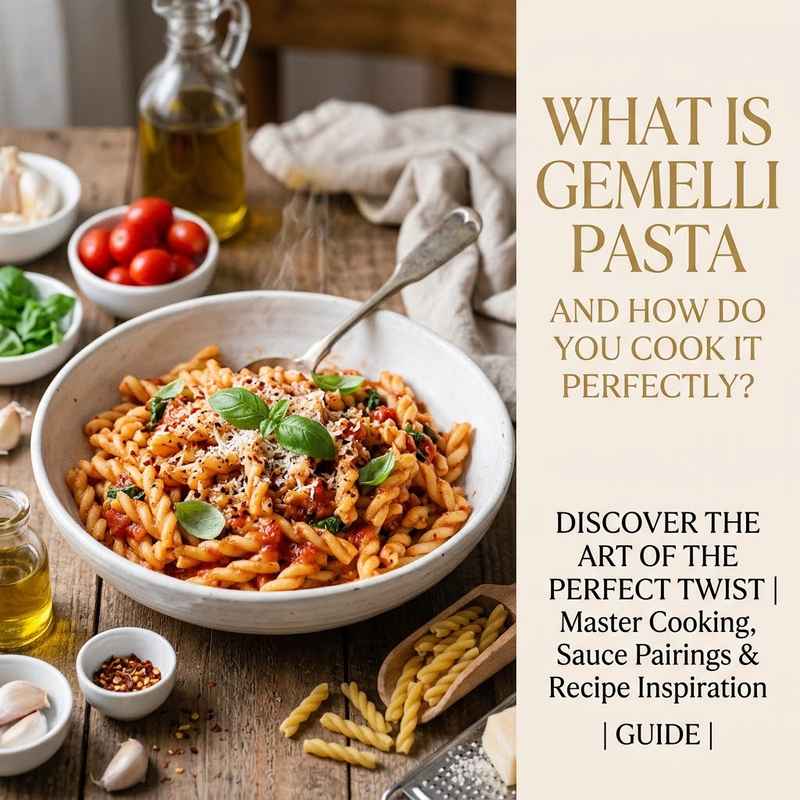
What Is Gemelli Pasta and How Do You Cook It Perfectly?
Gemelli Pasta is one of those shapes that looks simple but cooks and holds sauce in a way that makes weeknight dinners feel special. If you have ever stood in the pasta aisle wondering what those short twisted tubes are called or how to cook them so they stay firm and tasty, this guide answers it. In What Is Gemelli Pasta and How Do You Cook It Perfectly? I share everything I have learned from cooking this pasta many times at home so you can get reliable results without guesswork.
Gemelli Pasta gets its name from the Italian word for twins. Two short strands of dough are twisted around each other to form a single piece that looks like a tight corkscrew or a small braid. The surface is smooth yet full of grooves. Those grooves catch sauce better than many other short shapes. When you bite into properly cooked gemelli you get a pleasant chew and a little pop of sauce in every twist.
I first noticed gemelli years ago in a small Italian market and started testing it with different sauces. The shape works with light olive oil dressings, creamy sauces, chunky vegetable mixes, and meat sauces. It holds up well in pasta salads too. Once you understand the shape and a few cooking rules, you can use it the same way you use penne or fusilli but with better sauce cling and a more interesting texture.
What Makes Gemelli Pasta Different from Other Shapes
Most short pastas fall into a few groups. Tubes like penne and rigatoni have hollow centers. Spirals like fusilli and rotini wind around themselves. Shells scoop. Gemelli sits in its own spot. It is solid rather than hollow, yet the double twist creates channels that act almost like tiny tubes. Sauce clings to the outside and gets trapped in the middle of the twist.
Compared with fusilli, gemelli is usually shorter and tighter. Fusilli can feel springy and open. Gemelli feels denser and more compact. Compared with cavatappi, which is longer and more open, gemelli cooks a little faster and looks neater on the plate. Compared with farfalle, which is flat and folded, gemelli has more surface area for sauce relative to its size.
The dough for good gemelli is usually semolina flour and water, sometimes with a little egg depending on the brand. Dried gemelli is the version you find in most American grocery stores. Fresh gemelli exists but is less common outside specialty shops. Dried gemelli keeps for months in a cool pantry and cooks reliably when you follow the package time and then adjust by tasting.
Because the shape is twisted rather than hollow, it does not collect water inside the way penne can. That means it is less likely to turn soggy if you leave it sitting for a few minutes after draining. It still needs to be cooked to the right point and finished in the sauce, but the shape itself is forgiving.
How to Choose Good Gemelli Pasta
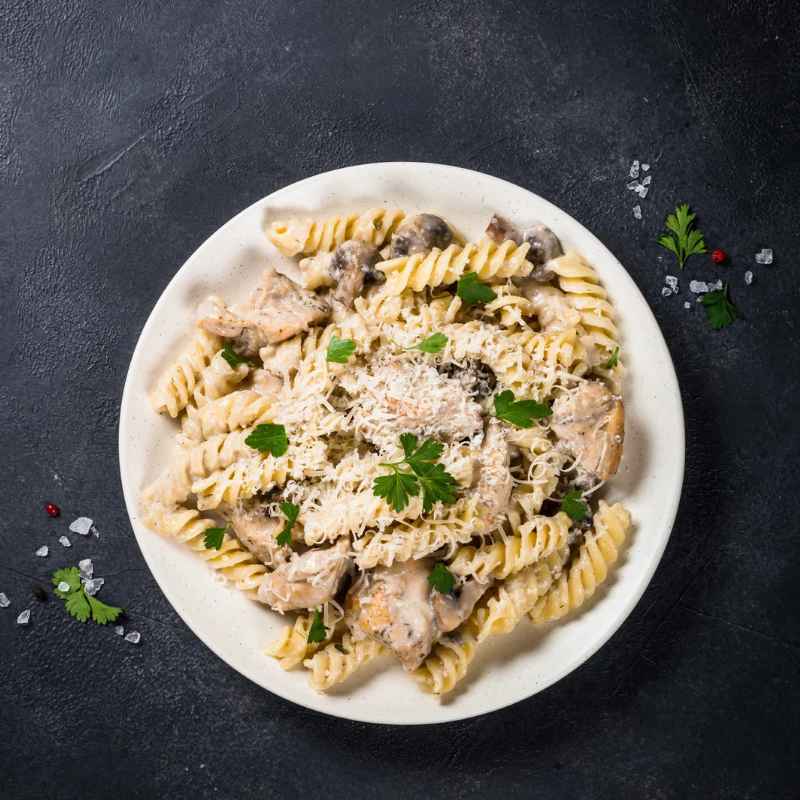
Look for packages that list durum wheat semolina as the main ingredient. The pasta should look even in color and the twists should be consistent. Avoid boxes where many pieces are broken or the twists look loose and open. A tight twist holds its shape better during cooking.
Some brands offer whole wheat or gluten-free gemelli. Whole wheat versions have a nuttier taste and need a minute or two more cooking time. Gluten-free versions vary a lot by brand. Some stay firm; others can turn soft quickly. If you cook gluten-free gemelli, start checking earlier than the package suggests and rinse only if the package tells you to.
I keep a couple of standard brands on hand and one higher-end Italian import for nights when I want the best texture. The difference is noticeable in the chew and how cleanly the sauce coats the pasta.
The Right Way to Cook Gemelli Pasta Perfectly
Cooking gemelli well starts with enough water and salt. Use a large pot. For one pound of pasta I use at least four to five quarts of water. Bring it to a full rolling boil before you add the pasta. Salt the water generously. A good rule is one to one and a half tablespoons of kosher salt for that amount of water. The water should taste pleasantly salty, almost like light seawater. Pasta absorbs salt while it cooks, so this is the main chance to season it from the inside.
Add the gemelli all at once and stir right away so the pieces do not stick together. Keep the heat high enough to maintain a steady boil. Stir every minute or so for the first few minutes. After that you can stir less often.
Most dried gemelli packages suggest eight to eleven minutes. Start tasting at the lower end of the range. You want the pasta firm in the center with no chalky white core, yet still offering resistance when you bite. That is the al dente point. Overcooked gemelli loses the pleasant chew that makes the shape enjoyable.
Once the pasta is nearly done, scoop out a cup of the starchy cooking water before you drain. That water is useful later for loosening sauce and helping it cling. Drain the pasta but do not rinse it unless you are making a cold salad. The surface starch helps the sauce stick.
Return the drained gemelli to the warm pot or add it straight to the pan of sauce. Add a splash of the reserved pasta water and toss over low heat for thirty to sixty seconds. This final step finishes the cooking and lets the pasta and sauce become one dish instead of two separate things on the plate.
Timing and Texture Tips That Make a Difference
Altitude, pot size, and how hard the water is boiling all affect timing. In my kitchen at home the package time is usually right, but I still taste. If the pasta will spend more time in a hot sauce or in the oven, pull it a minute early so it does not go soft later.
For pasta salads, cook the gemelli fully to al dente, drain, and rinse briefly under cool water to stop the cooking. Toss with a little oil so the pieces stay separate while they cool. Dress the salad just before serving so the pasta does not soak up all the dressing and turn dry.
If you are cooking for a crowd or making a big batch, cook the pasta in two pots rather than overcrowding one. Crowded pasta drops the water temperature and cooks unevenly.
Best Sauces and Pairings for Gemelli Pasta
The tight twists of gemelli work with many styles of sauce. Light olive oil and garlic sauces coat the surface and settle into the grooves. Creamy sauces like Alfredo or a simple cream and Parmesan cling well without sliding off. Tomato sauces, both smooth and chunky, find plenty of places to stick. Pesto is especially good because the oil and herbs get trapped in the twists.
Vegetable-heavy sauces also pair nicely. Roasted broccoli, sautéed mushrooms, wilted spinach, or roasted red peppers all catch in the shape. For meat sauces, crumbled sausage, ground turkey, or shredded chicken work better than large chunks that might sit on top of the pasta.
A simple weeknight combination I return to often is gemelli with browned Italian sausage, a quick tomato sauce made from canned crushed tomatoes, garlic, and a pinch of red pepper flakes, finished with a handful of grated Parmesan and a little pasta water. The whole thing comes together in the time it takes the pasta to cook.
Another favorite is gemelli tossed with olive oil, lemon zest, garlic, baby spinach, and white beans. The beans add protein and the lemon keeps the dish bright. For a creamier option, stir in a spoonful of ricotta or a splash of cream at the end.
In summer I like a cold gemelli salad with cherry tomatoes, cucumber, olives, feta, and a red wine vinaigrette. The pasta holds its shape in the fridge better than many other short shapes.
Common Mistakes and How to Avoid Them
The most common problem is overcooking. Because gemelli looks small, people sometimes leave it in the water longer than needed. Taste early and often.
Another mistake is using too little water or not enough salt. The pasta ends up sticky or bland. A large pot and properly salted water fix both issues.
Skipping the final toss with sauce and pasta water is another missed chance. That short step makes the difference between pasta with sauce on top and a cohesive dish.
Rinsing hot pasta that is meant for a hot sauce washes away the starch that helps sauce cling. Save rinsing for cold salads only.
Finally, do not add oil to the cooking water. It does not prevent sticking in a useful way and can make the surface slippery so sauce does not stick as well.
How to Store and Reheat Leftover Gemelli
Cooked gemelli keeps in an airtight container in the refrigerator for three to four days. If it is already mixed with sauce, it will reheat more evenly. To reheat, add a splash of water or broth and warm gently in a skillet over low heat, stirring often. The microwave works in a pinch but can dry the edges, so cover the dish and stir halfway through.
You can also freeze cooked gemelli. Spread it on a tray to freeze individually first if it is plain, then transfer to a bag. Frozen pasta is best used in baked dishes or soups where texture is less critical.
Uncooked dried gemelli lasts a long time in a cool, dry cupboard. Once the package is open, keep it sealed so it does not pick up moisture or odors.
Simple Recipe Ideas Using Gemelli Pasta
One reliable method is a one-pan style approach. Brown some ground meat or sausage in a wide skillet. Add garlic and a pinch of chili flakes. Pour in crushed tomatoes and a little water or broth. Season and let it simmer while the pasta cooks in a separate pot. When the gemelli is ready, drain it and add it to the skillet with a splash of pasta water. Toss until everything is coated and hot. Finish with cheese and herbs.
For a lighter dish, cook the gemelli, then toss it with olive oil, lemon juice, grated garlic, chopped parsley, and toasted breadcrumbs. The breadcrumbs add crunch that contrasts with the chewy pasta.
A baked version works well too. Mix cooked gemelli with a simple cheese sauce or tomato sauce, pour into a baking dish, top with more cheese and breadcrumbs, and bake until bubbly. The shape holds up under the heat without turning mushy.
These are starting points. Once you are comfortable with the basic cooking method, you can adapt almost any short-pasta recipe to gemelli.
Why Gemelli Pasta Deserves a Regular Spot in Your Pantry
Many home cooks stick to the same two or three shapes. Switching to gemelli once in a while changes the texture of familiar sauces and makes the meal feel a little more intentional. It is still easy to find, still inexpensive, and still simple to cook. The only real difference is the pleasant chew and the way sauce clings.
I keep a box on the shelf next to the penne and the spaghetti. On nights when I want something that looks a bit more special without extra work, gemelli is the shape I reach for. After cooking it many times I can say the results are consistent when you follow the water, salt, timing, and finishing steps.
FAQ
What does gemelli pasta look like?
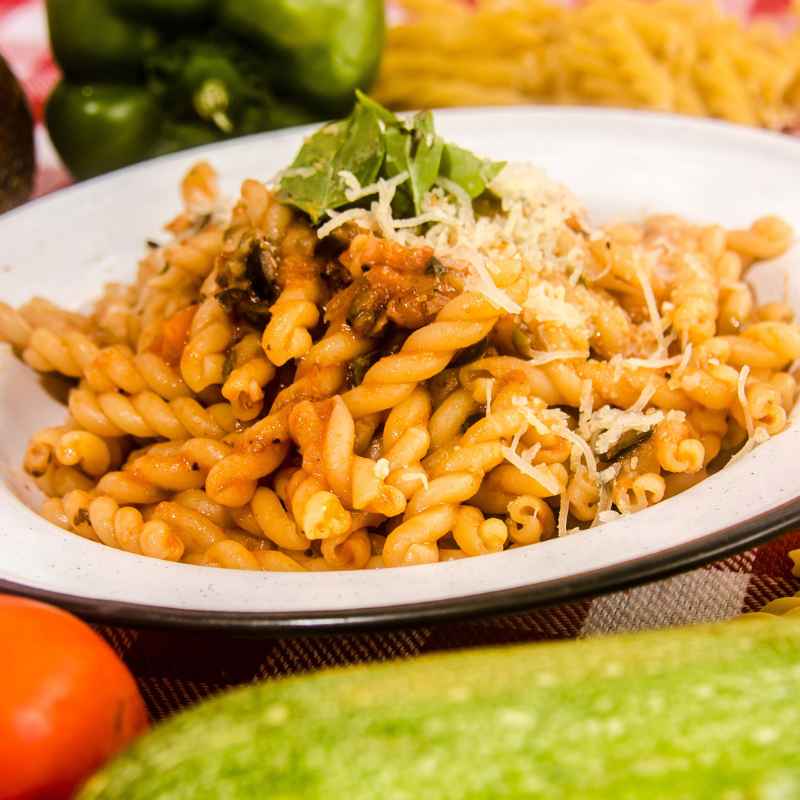
Gemelli pasta looks like two short strands of pasta twisted tightly around each other. The finished piece is short, compact, and full of grooves. It is smaller and tighter than most fusilli.
Is gemelli the same as fusilli?
No. Fusilli is usually a single spiral that is more open and springy. Gemelli is a double twist that is denser and shorter. They can be used in similar recipes but the texture is different.
How long does gemelli pasta take to cook?
Most dried gemelli cooks in eight to eleven minutes. Always taste a piece a minute or two before the package time ends. You want it firm but cooked through with no hard center.
Can I use gemelli in pasta salad?
Yes. Cook it to al dente, rinse briefly under cool water, toss with a little oil, and cool completely before adding the rest of the salad ingredients. It holds its shape well in the refrigerator.
What sauces work best with gemelli?
Almost any sauce that works with short pasta works with gemelli. Creamy sauces, tomato sauces, pesto, olive oil and garlic, and chunky vegetable sauces all cling well because of the twists.
Is gemelli pasta good for baking?
Yes. The shape stays intact in baked dishes better than some thinner pastas. Mix it with sauce and cheese, top as you like, and bake until hot and bubbly.
Where can I buy gemelli pasta?
Most larger American grocery stores carry it in the pasta aisle, usually near the other short shapes. Italian specialty stores and online retailers also stock it. Look for brands that use durum semolina.
Can I substitute another pasta if I cannot find gemelli?
Fusilli, cavatappi, or even penne can stand in. The dish will still be good, but the texture and sauce cling will not be exactly the same.
Does gemelli need special cooking techniques?
No special techniques are required beyond the usual good pasta habits: plenty of salted boiling water, tasting for doneness, saving some pasta water, and finishing the pasta in the sauce.
Is gemelli pasta suitable for beginners?
Yes. It is no harder to cook than penne or rotini. The shape is forgiving and the results look polished even when the cooking is straightforward.
After cooking gemelli pasta many times and testing it with different sauces and methods, I keep coming back to the same simple approach. Plenty of salted water, careful timing, a final toss with sauce and pasta water, and respect for the shape’s natural chew. When you treat it that way, gemelli becomes a reliable, satisfying pasta that elevates ordinary weeknight meals without demanding extra skill or time. Keep a box in the pantry and try it the next time you reach for a short pasta. You may find it becomes one of the shapes you reach for most often.