Low Calorie Lunches For Work Meal Prep And Easy
Finding good lunch ideas for work can be tough. You want something healthy. You want it to be low in calories.
You also need it to be easy to make ahead. This is where meal prepping comes in handy. It saves you time during the week.
It also helps you stay on track with your healthy eating goals. Let’s dive into some simple ways to make your lunches work for you.
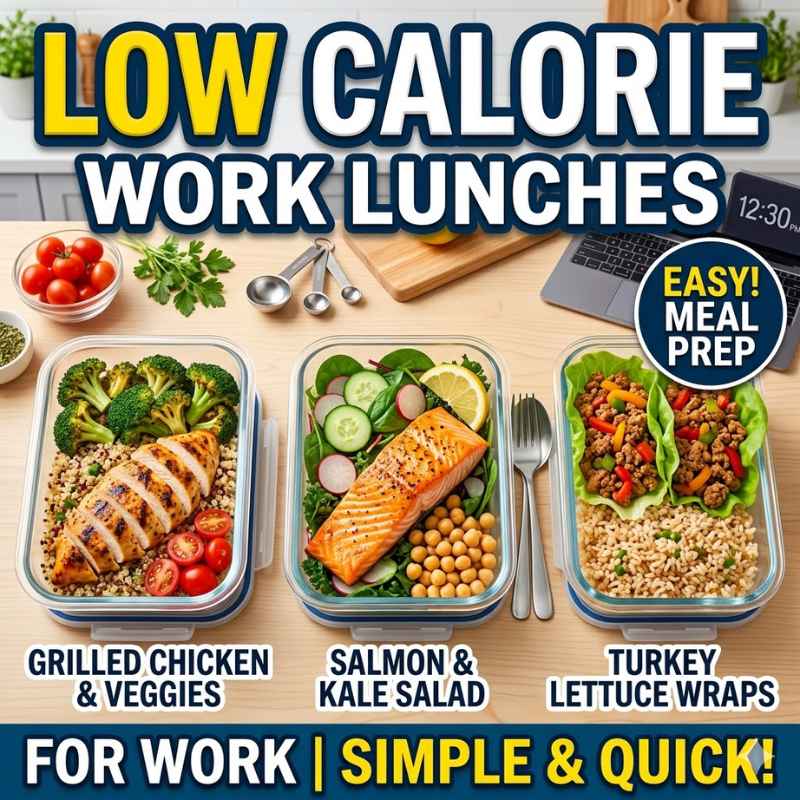
Low-calorie lunches for work meal prep focus on nutrient-dense foods that are easy to prepare in advance. These meals typically include lean proteins, plenty of vegetables, and whole grains or healthy fats in moderation to ensure satiety without excess calories, making them ideal for busy schedules.
Understanding Low-Calorie Lunches
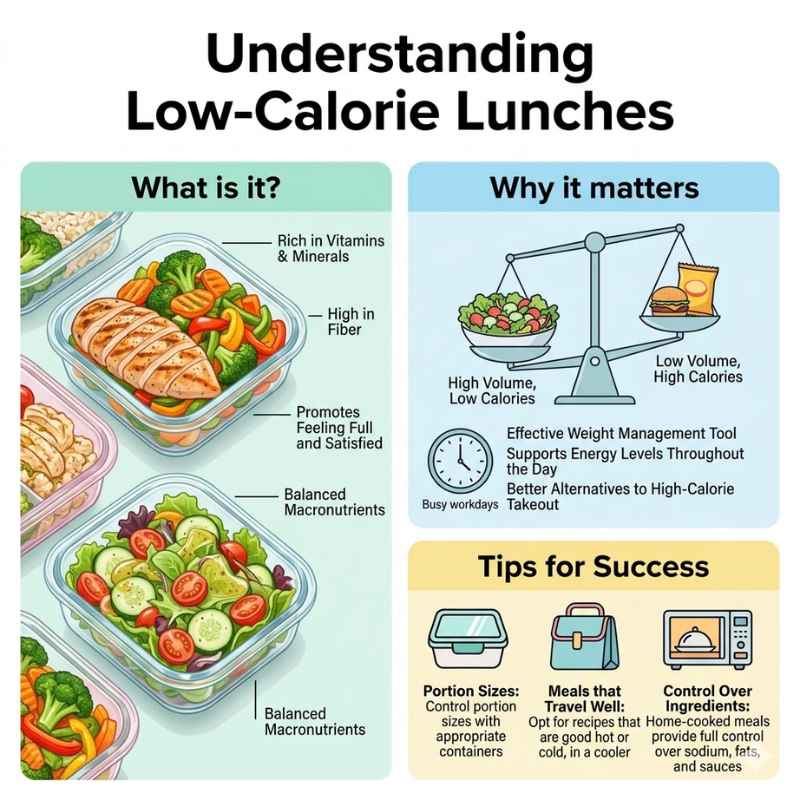
What does “low-calorie” really mean for your lunch? It’s about making smart choices. It means picking foods that give you lots of good stuff.
Think vitamins, minerals, and fiber. These foods help you feel full. They also give you energy.
They don’t pack too many calories. This helps manage your weight. It also supports your overall health.
Many people think low-calorie means boring food. That’s not true at all! You can have delicious meals.
You just need to know the best ingredients. And you need simple ways to put them together. It’s about balance.
You don’t need to cut out entire food groups. You just need to be mindful of portion sizes. And choose ingredients wisely.
For work, ease is key. You likely don’t have a full kitchen. You might have a fridge and a microwave.
Or maybe just a cooler. So, your lunches need to travel well. They should also taste good at room temperature.
Or reheat nicely. This is where meal prep shines. It lets you control exactly what goes into your food.
And how it’s prepared.
My Meal Prep Journey: A Real-Life Story
I remember one particularly chaotic spring. My job demands were high. My social life was also buzzing.
And I was trying to hit the gym five times a week. My lunches were a disaster. I’d grab something quick from the office cafe.
Often it was a sandwich with white bread and processed meat. Or a sad salad with creamy dressing. I’d feel sluggish by 2 PM.
My wallet was also shrinking fast. I knew I had to change something. But I felt like I had zero time.
Zero energy. And zero ideas.
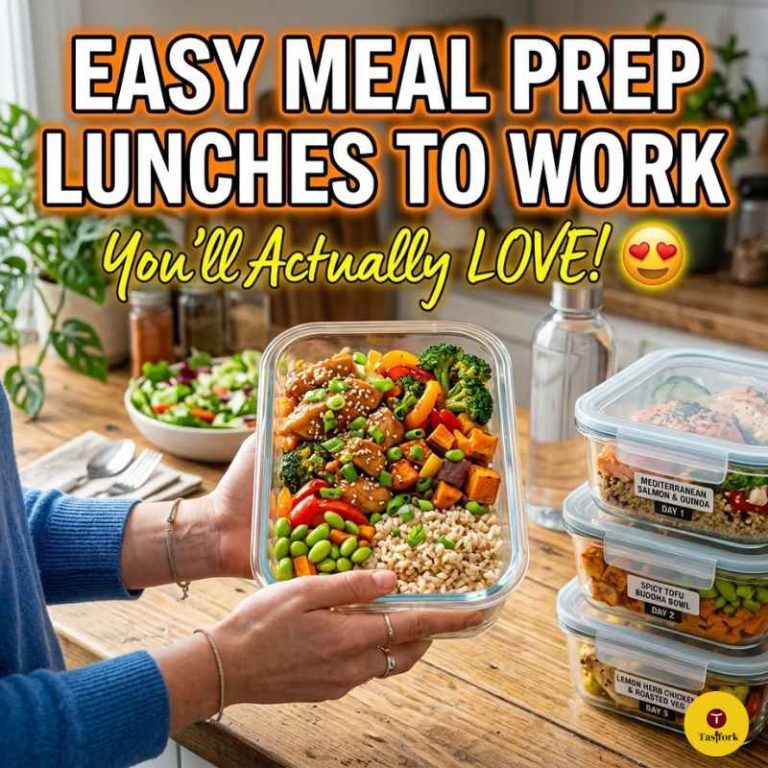
One Sunday afternoon, I saw a friend’s Instagram post. It was a picture of perfectly portioned containers filled with colorful food. She mentioned her “Sunday prep.” I thought, “Okay, maybe I can try this.” I was skeptical.
I imagined spending hours in the kitchen. But I decided to give it a shot. I picked two simple recipes.
A quinoa salad and some baked chicken with roasted veggies. I made a grocery list. Then I went shopping.
That Sunday, I spent about two hours. I chopped veggies. I cooked grains.
I seasoned and baked chicken. I portioned everything into my new containers. It felt…accomplished.
And honestly, a little weird. But also hopeful. The next day, opening my lunch bag and seeing those neat containers felt amazing.
I ate a healthy, satisfying lunch. And I had energy all afternoon. It was a small win, but it felt huge.
That was the start of my meal prep habit.
Building Your Low-Calorie Lunch Arsenal
The foundation of great low-calorie lunches is smart ingredient choices. You want foods that fill you up. They should also be packed with nutrients.
Think lean proteins. These are essential for feeling full. They also help build and repair muscles.
Good options include chicken breast. Turkey breast is also great. Fish like salmon or tuna (in water) works well.
Tofu and beans are excellent plant-based choices. Lentils are another fantastic source of protein and fiber.
Next, load up on non-starchy vegetables. These are your best friends for low-calorie eating. They add bulk and flavor.
They provide tons of vitamins and minerals. They also have very few calories. Aim for a variety of colors.
This ensures you get a wide range of nutrients. Think spinach, kale, broccoli, cauliflower, bell peppers, zucchini, cucumbers, and carrots. The more veggies, the better!
Whole grains and healthy fats should be included, but in moderation. These add staying power to your meals. They provide energy.
For grains, opt for quinoa, brown rice, or whole wheat pasta. For healthy fats, think avocado, nuts, seeds, and olive oil. A little bit goes a long way.
They help with nutrient absorption too.
Key Components for Filling & Healthy Lunches:
- Lean Proteins: Chicken breast, turkey, fish, tofu, beans, lentils.
- Abundant Non-Starchy Vegetables: Broccoli, spinach, bell peppers, zucchini, carrots, cauliflower.
- Smart Carbs: Quinoa, brown rice, whole wheat pasta (portion controlled).
- Healthy Fats: Avocado, nuts, seeds, olive oil (small amounts).
- Flavor Boosters: Herbs, spices, lemon juice, vinegar, low-sodium soy sauce.
Meal Prep Pro-Tip: The Overnight Soak
Soaking grains like quinoa or brown rice overnight can actually help reduce cooking time. It also makes them easier to digest. Just rinse them well after soaking.
Then cook as usual.
Easy Low-Calorie Lunch Recipes for the Week
Let’s get practical. Here are some simple recipes. They are perfect for your work week.
They focus on flavor and simplicity. And, of course, they are low in calories.
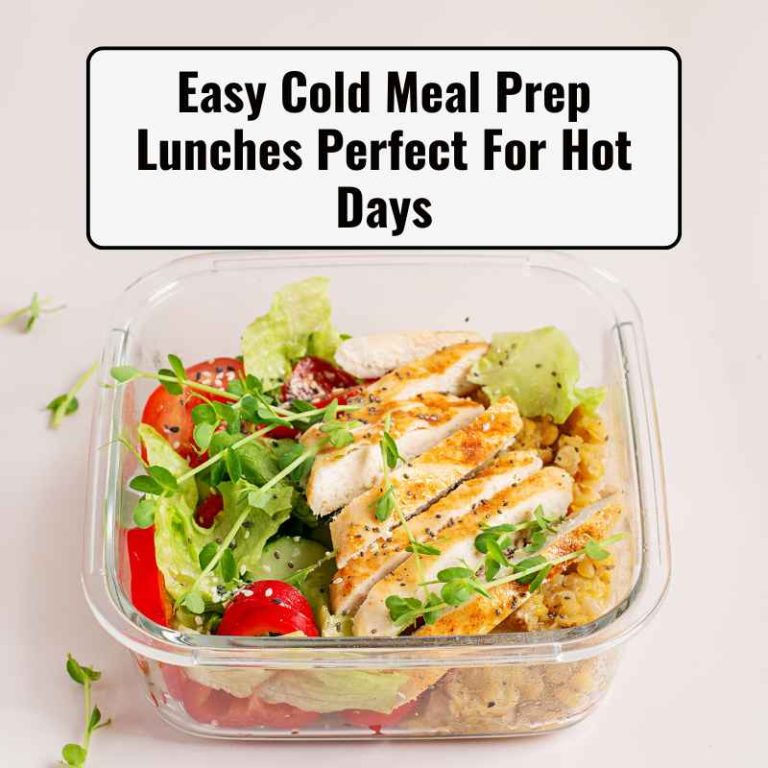
Recipe 1: Lemon Herb Chicken & Quinoa Salad
This is a classic for a reason. It’s light, fresh, and packed with protein. It also holds up well in the fridge.
Ingredients:
- 2 boneless, skinless chicken breasts
- 1 cup cooked quinoa
- 1 cup chopped cucumber
- 1 cup cherry tomatoes, halved
- 1/2 cup chopped red onion
- 1/4 cup chopped fresh parsley
- Juice of 1 lemon
- 2 tablespoons olive oil
- Salt and pepper to taste
Instructions:
- Season chicken breasts with salt, pepper, and herbs (like oregano or thyme).
- Bake or pan-sear chicken until cooked through. Let it cool, then dice.
- In a large bowl, combine cooked quinoa, cucumber, tomatoes, red onion, and parsley.
- In a small bowl, whisk together lemon juice, olive oil, salt, and pepper.
- Add diced chicken to the quinoa mixture.
- Pour dressing over the salad. Toss gently to combine.
- Divide into meal prep containers.
Contrast Matrix: Portion Control Power
| Normal Serving | Low-Calorie Meal Prep Serving |
|---|---|
| Large sandwich with mayo and chips | Lean protein salad with lots of veggies |
| Creamy pasta salad | Quinoa salad with light vinaigrette |
| Fried chicken with mashed potatoes | Baked chicken breast with roasted broccoli |
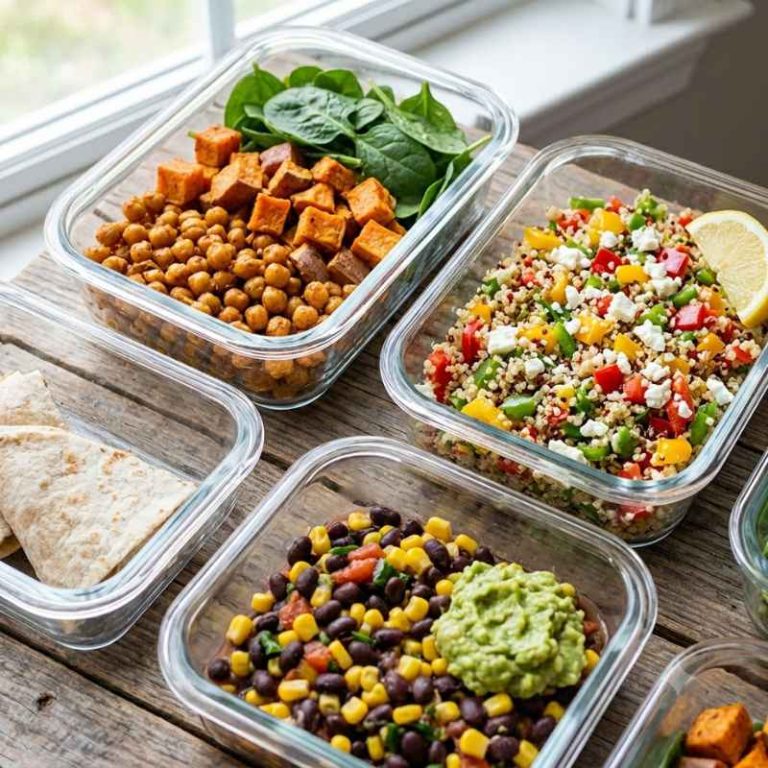
Recipe 2: Black Bean and Corn Salad with Avocado
This is a hearty vegetarian option. It’s full of fiber. It’s also vibrant and flavorful.
It’s great cold.
Ingredients:
- 1 can (15 oz) black beans, rinsed and drained
- 1 can (15 oz) corn, drained
- 1 cup chopped bell peppers (any color)
- 1/2 cup chopped red onion
- 1/4 cup chopped cilantro
- 1 avocado, diced (add just before serving or pack separately)
- Juice of 1 lime
- 1 tablespoon olive oil
- Cumin, chili powder, salt, and pepper to taste
Instructions:
- In a bowl, combine black beans, corn, bell peppers, red onion, and cilantro.
- In a small bowl, whisk lime juice, olive oil, cumin, chili powder, salt, and pepper.
- Pour dressing over the bean and corn mixture. Toss to coat.
- Divide into meal prep containers. Add diced avocado to each container just before you eat, or keep it separate to prevent browning.
Recipe 3: Tuna & Veggie Wraps
Wraps are super portable. These are packed with veggies and protein. They are quick to assemble.
Ingredients:
- 2 cans (5 oz each) tuna in water, drained
- 1/4 cup plain Greek yogurt (instead of mayo)
- 1/4 cup chopped celery
- 1/4 cup chopped bell pepper
- 1 tablespoon chopped dill pickle or relish
- Salt and pepper to taste
- 4-6 whole wheat tortillas or large lettuce leaves
- Optional: Spinach or lettuce for extra crunch
Instructions:
- In a bowl, mix drained tuna with Greek yogurt, celery, bell pepper, and pickle.
- Season with salt and pepper.
- Spoon the tuna mixture onto tortillas or lettuce leaves. Add spinach if using.
- Roll up the tortillas tightly. If using lettuce leaves, fold them around the filling.
- Wrap each individual roll in parchment paper or foil for easy transport.
Quick-Scan Table: Protein Powerhouses
These protein sources help keep you full longer.
| Food Item | Approximate Protein (per serving) |
|---|---|
| Chicken Breast (4 oz cooked) | 31g |
| Salmon (4 oz cooked) | 25g |
| Tuna (in water, 5 oz can drained) | 25g |
| Lentils (1 cup cooked) | 18g |
| Black Beans (1 cup cooked) | 15g |
Beyond the Basic: Creative Low-Calorie Lunch Ideas
Meal prepping doesn’t have to mean just salads and chicken. There are many other fun ways to keep calories low and flavor high.
Soup and Stew Options
Hearty vegetable soups are fantastic. They are usually low in calories. They are also very filling.
Especially if they have beans or lentils. Consider a minestrone. Or a lentil soup.
Or a vegetable barley soup. You can make a big batch on the weekend. Then portion it out into microwave-safe containers.
Stews can also be good. Focus on lean meats and tons of vegetables. A beef stew with carrots, celery, and potatoes can be healthy.
Just be mindful of the broth base. Use low-sodium broth. And limit added oils.
Observational Flow: The Journey of a Prepared Lunch
Sunday Prep: Ingredients are chopped, cooked, and assembled into containers.
Monday Morning: Containers are packed into a lunch bag. A small ice pack keeps it fresh.
Midday at Work: The container is brought out. It’s either eaten cold or gently warmed.
Afternoon Energy: You feel satisfied and energized, ready for the rest of the day. No afternoon slump!
Grain Bowls
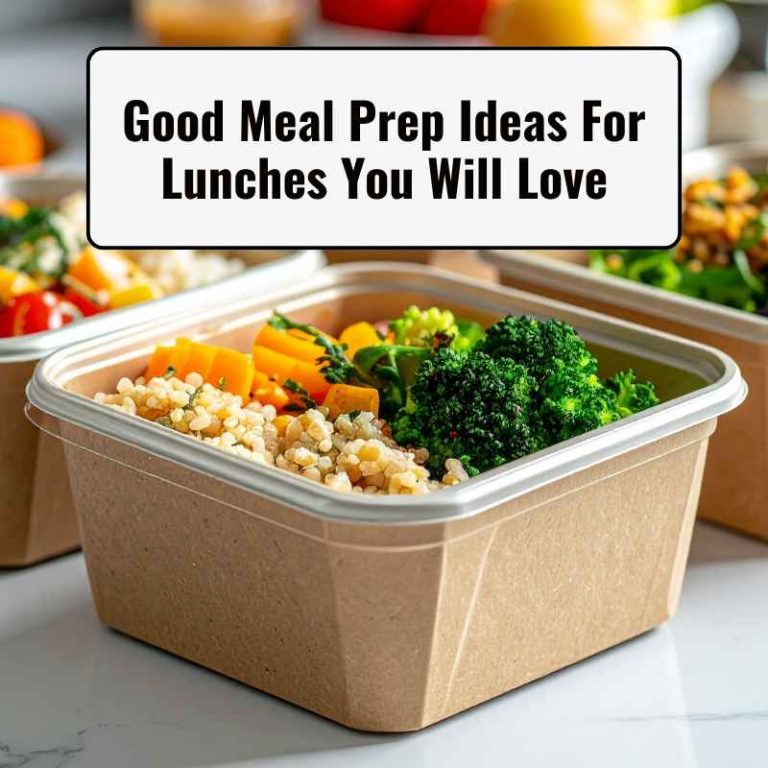
Grain bowls are wonderfully versatile. They start with a base of whole grains. Like quinoa, brown rice, or farro.
Then you add your protein. This could be grilled chicken, shrimp, tofu, or chickpeas. Top it off with lots of roasted or raw veggies.
Think broccoli, sweet potatoes, bell peppers, and leafy greens. A light dressing or sauce ties it all together.
The key to keeping grain bowls low-calorie is the dressing. Avoid heavy, creamy sauces. Opt for a simple vinaigrette.
Or a tahini-lemon dressing. Or even just a drizzle of soy sauce or hot sauce. You can also add healthy fats like a few slices of avocado.
Or a sprinkle of seeds.
Mason Jar Salads
Mason jar salads are a meal prep classic. They look beautiful. And they stay fresh for days.
The trick is to layer them correctly.
Start with the dressing at the bottom. This keeps the greens from getting soggy. Then add harder vegetables like carrots, cucumbers, or bell peppers.
Next come grains or beans. Then your protein, like chicken or chickpeas. Finally, pack your leafy greens tightly on top.
Seal the jar. When you’re ready to eat, just shake it up. Pour it into a bowl.
Stacked Micro-Sections: Building Your Perfect Grain Bowl
Base: Choose from quinoa, brown rice, farro, or even a mix of greens.
Protein: Baked chicken, grilled tofu, chickpeas, hard-boiled eggs, or shrimp.
Veggies: Roasted broccoli, sweet potato cubes, shredded carrots, chopped bell peppers, corn, peas.
Healthy Fat: A few slices of avocado, a tablespoon of pumpkin seeds, or a small sprinkle of nuts.
Flavor: A light vinaigrette, a dollop of hummus, or a sprinkle of fresh herbs.
“Deconstructed” Meals
Sometimes, you just don’t want a mixed-up meal. “Deconstructed” meals are perfect for this. You pack the components separately.
For example, a “taco salad” could be a container with seasoned ground turkey. Another compartment has shredded lettuce. Another has diced tomatoes and onions.
And a small container of salsa or Greek yogurt dressing. You can assemble it right before you eat.
This approach works for many cuisines. Think of a “sushi bowl” with rice, cucumber, avocado, and grilled salmon. Or a “Mediterranean plate” with grilled chicken, cucumber-tomato salad, and a small portion of hummus.
It gives you control over the mix. And it keeps textures distinct.
Smart Strategies for Meal Prep Success
Meal prepping is a skill. Like any skill, it gets easier with practice. Here are some tips to make it smoother for you.
Start Small
Don’t try to prep every single meal for the entire week on your first go. Start with just two or three lunches. Or maybe just prep your breakfasts and lunches.
Once you get comfortable, you can expand. This prevents overwhelm. It also helps you find what works for your schedule and preferences.
Choose Recipes Wisely
Pick recipes that use similar ingredients. This reduces waste. It also makes shopping easier.
For example, if you buy a bag of spinach for one recipe, try to use it in another. Also, choose recipes that reheat well. Or that taste good cold.
Recipes that involve a lot of sauce can sometimes get mushy.
Look for recipes with minimal steps. Simple instructions are best for busy schedules. Avoid recipes that require lots of fancy equipment.
Or hard-to-find ingredients.
Split Insight Panel: The Power of Greek Yogurt
Normal Mayonnaise: High in fat and calories, often made with oils and egg yolks.
Plain Greek Yogurt: A fantastic low-calorie, high-protein substitute. It adds creaminess and a slight tang to dressings, dips, and tuna/chicken salads. It’s also a good source of probiotics.
Invest in Good Containers
Having the right containers makes a huge difference. Look for containers that are:
- BPA-free
- Microwave-safe
- Dishwasher-safe
- Airtight
- Leak-proof
Glass containers are durable and don’t stain. But they can be heavy. Good quality plastic containers are lighter.
You might also want containers with dividers. This is helpful for keeping different food components separate. Small containers for dressings or sauces are also a good idea.
Schedule Your Prep Time
Treat meal prep like an appointment. Find a time that works for you. Many people prefer Sunday afternoons.
Others might do it on a Saturday. Or even dedicate an hour on a weeknight. The key is to make it a habit.
Put it on your calendar. Protect that time. It will pay off throughout your week.
Embrace Flavor
Low-calorie doesn’t have to mean bland. Use herbs and spices generously. Lemon juice and zest add brightness.
Vinegar adds tang. Mustard adds a kick. Garlic and onions are flavor bases.
Don’t be afraid to experiment. Taste your food as you go. Adjust seasonings.
A few simple flavor boosters can transform a meal.
What This Means for Your Health and Well-being
Making low-calorie lunches a regular part of your routine has many benefits. Beyond weight management, it supports better energy levels. You avoid the dreaded afternoon crash.
This can improve focus and productivity at work. Nutrient-dense foods also contribute to better overall health. They can help reduce the risk of chronic diseases.
It can also lead to better digestion. By choosing whole foods and plenty of fiber, you support a healthy gut. And it builds a positive relationship with food.
You’re actively choosing to nourish your body. This can boost your confidence. It gives you a sense of control over your health.
Even when your work life is hectic.
When It’s Normal and When to Watch Out
Having a consistent low-calorie lunch is generally a positive step. Especially if you’re looking to manage your weight. Or improve your diet.
It’s normal and beneficial if it fits your overall calorie needs. And if you feel satisfied and energized.
You might need to watch out if:
- You feel constantly hungry or deprived.
- Your energy levels are consistently low.
- You’re experiencing negative mood changes.
- You’re losing weight too rapidly.
In these cases, your calorie intake might be too low. Or the balance of macronutrients (protein, carbs, fats) might be off. It’s always a good idea to listen to your body.
If you have concerns, talk to a doctor or a registered dietitian.
Quick Tips for Staying on Track
Sometimes, life happens. And your carefully laid meal prep plans go out the window. Here are some quick tips for those moments:
- Pack Snacks: Keep healthy snacks like fruit, nuts, or Greek yogurt on hand. This prevents you from grabbing unhealthy options when hunger strikes.
- Simple Swaps: If you’re eating out, choose grilled over fried. Ask for dressing on the side. Load up on veggies.
- Hydrate: Drink plenty of water throughout the day. Sometimes thirst is mistaken for hunger.
- Plan for “Off” Days: If you know you’ll be out or have a busy day, plan a simple lunch like a pre-made salad or a protein bar.

Frequently Asked Questions About Low-Calorie Lunches
How many calories should my lunch be?
This depends on your individual needs. A general guideline is that lunch should be about 25-35% of your total daily calorie intake. For many, this means aiming for 300-500 calories per lunch.
Focus on nutrient density rather than just the number.
Can I freeze my meal-prepped lunches?
Yes, many meal-prepped lunches can be frozen. Soups, stews, chili, and cooked grains freeze very well. Salads with fresh greens and creamy dressings might not freeze as well.
Ensure your containers are freezer-safe and label them with the date.
What are the best low-calorie vegetables for lunch?
Non-starchy vegetables are your best friends! Think spinach, kale, broccoli, cauliflower, bell peppers, cucumbers, zucchini, asparagus, and green beans. They are packed with nutrients and fiber but very low in calories.
How do I make my lunches taste good without adding a lot of calories?
Use lots of fresh herbs, spices, lemon juice, vinegar, garlic, and onion. Mustard and hot sauces can also add flavor without many calories. Avoid creamy, oil-heavy dressings.
Try a light vinaigrette or a yogurt-based dressing.
Is it okay to eat the same lunch every day?
It’s perfectly fine if you enjoy it! Consistency is key for meal prep success. However, if you start to feel bored, or if you’re missing out on certain nutrients, it’s a good idea to rotate your lunches.
Variety ensures a wider range of vitamins and minerals.
How long do meal-prepped lunches typically last in the fridge?
Most meal-prepped lunches will last 3-4 days in the refrigerator. It’s best to use them within this timeframe for optimal freshness and food safety. Ensure they are stored in airtight containers.
Conclusion
Creating low-calorie lunches for work is totally doable. It takes a little planning. But the rewards are huge.
You get healthy, tasty meals. You save money. And you feel great all week.
Start simple. Find recipes you love. And enjoy the journey.
Your future self will thank you.