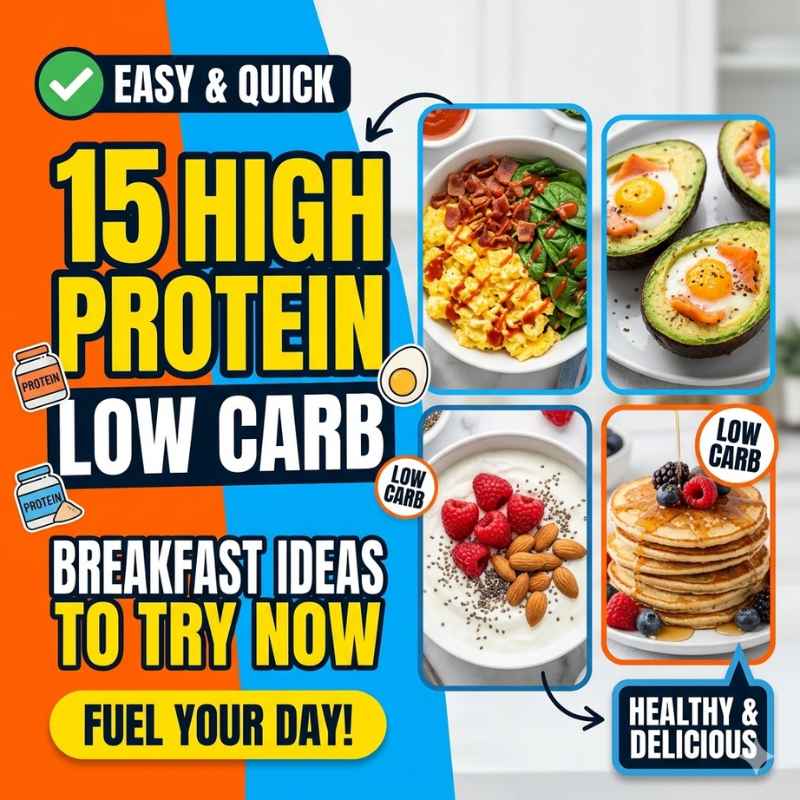
15 High Protein Low Carb Breakfast Ideas To Try Now
Starting your day with a high protein, low carb breakfast helps you feel full longer. It also keeps your energy levels steady. This can prevent unhealthy snacking later.
These ideas are quick and simple for busy mornings.
The Power of Protein and Low Carbs in the Morning
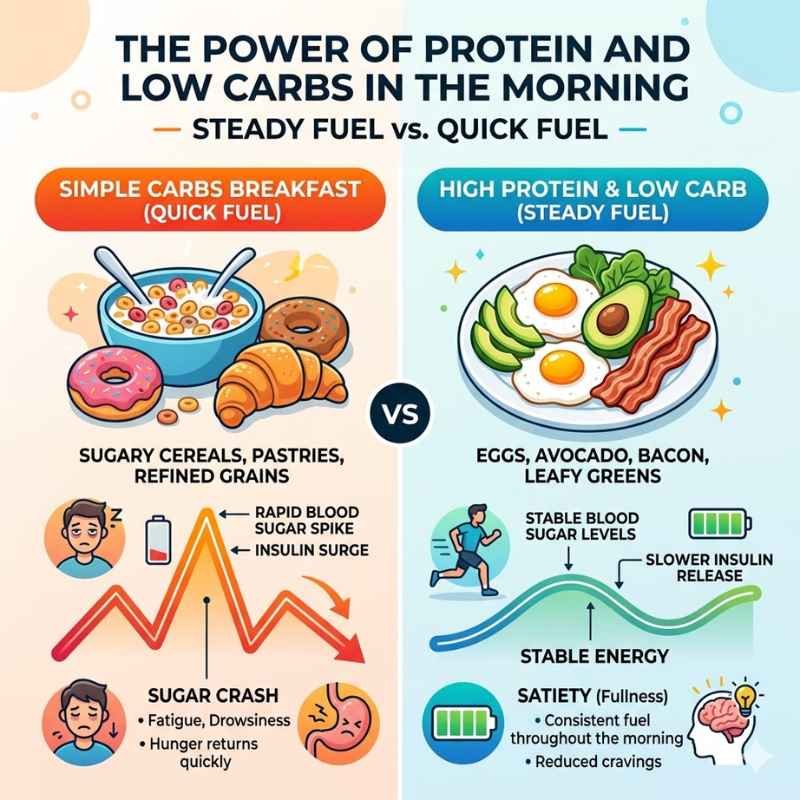
Let’s chat about why starting your day with a good amount of protein and fewer carbs makes such a big difference. Think about your body like a car. Carbs are like quick, easy fuel.
They give you a burst of energy, but it fades fast. Protein, on the other hand, is like a slower-burning fuel. It keeps your engine running smoothly for much longer.
When you eat a breakfast heavy in simple carbs, like sugary cereals or pastries, your blood sugar shoots up. Then, it crashes. This crash leaves you feeling tired and hungry again, often before lunchtime even arrives.
You might crave more sugary things to get that energy back. It becomes a cycle that’s hard to break.
On the flip side, a high protein, low carb breakfast works differently. Protein takes longer to digest. It signals to your brain that you are full.
This feeling of fullness, called satiety, is key. It helps you avoid overeating later in the day. Plus, by keeping carbs lower, you avoid those sharp blood sugar spikes and dips.
This means more stable energy throughout your morning. You can focus better on your work or your day’s tasks. You feel less tempted by vending machine snacks or fast food lunches.
It’s about setting yourself up for success from the very first meal.
Many people worry that “low carb” means no flavor or boring food. That’s totally not true! There are so many delicious ways to get your protein in while keeping carbs low.
You don’t need to be a gourmet chef either. Most of these ideas are simple and quick to prepare, even on a rushed weekday morning.
We’ll dive into specific recipes and ideas. But first, let’s look at some common myths and facts about this way of eating for breakfast.
Myth vs. Reality: High Protein, Low Carb Breakfasts
Myth: It’s too complicated.
Many simple, tasty meals use just a few ingredients.
Reality: Simple is best.
Focus on whole foods and basic cooking methods.
Myth: You’ll feel deprived.
Flavorful foods like eggs, bacon, and avocado make it satisfying.
Reality: Flavorful options abound.
You can enjoy delicious foods and still meet your goals.
The “Oh No, What Am I Going to Eat?” Morning Moment
I remember one Monday morning vividly. I’d slept through my alarm. My coffee maker decided that was the day to stage a protest.
I had a huge presentation at 9 AM. My stomach was rumbling like a distant thunderstorm. I stumbled to the kitchen, opened the fridge, and stared.
A half-eaten tub of yogurt (way too much sugar), some sad-looking lettuce, and a lonely apple. My usual grab-and-go cereal felt like a bad idea. I desperately needed something that would fuel me, not make me crash.
I felt that familiar pang of panic. My brain was screaming, “You’re going to be starving and unfocused all day!”
I ended up grabbing a handful of nuts and a string cheese. It wasn’t bad, but it wasn’t satisfying. I was thinking about lunch by 10 AM.
That day taught me a valuable lesson: being prepared with good breakfast options saves you from that morning scramble. It’s not just about convenience; it’s about feeling in control of your health and energy.
That’s why having a list of go-to, high-protein, low-carb breakfasts is so important. It’s like having a secret weapon against those chaotic mornings. It means less stress and more power to tackle your day.
You don’t have to reinvent the wheel every single day.
15 High Protein Low Carb Breakfast Ideas
Alright, let’s get to the good stuff. Here are 15 ideas that are simple, delicious, and will keep you full and focused. We’ll cover a range of options, from super-quick to slightly more involved (but still easy!).
1. Scrambled Eggs with Spinach and Feta
This is a classic for a reason. Eggs are packed with protein and healthy fats. Adding spinach boosts the nutrients without adding many carbs.
Feta cheese brings a salty, tangy flavor that makes it extra tasty.
How to make it:
Whisk 2-3 eggs with a splash of milk or water. Heat a little butter or oil in a non-stick pan. Add a handful of fresh spinach and let it wilt.
Pour in the eggs and scramble until cooked. Stir in a tablespoon or two of crumbled feta cheese at the end. Season with salt and pepper.
Why it works: Eggs are a complete protein source. Spinach adds vitamins and fiber. Feta adds flavor and a little extra protein.
It’s very low in net carbs.
2. Avocado Toast with Smoked Salmon and Poached Egg
This one sounds fancy, but it’s quite simple. The healthy fats from the avocado are super filling. Smoked salmon adds a punch of protein and omega-3s.
A poached egg on top makes it even more satisfying and protein-rich.
How to make it:
Toast a slice or two of low-carb bread (look for brands with minimal sugar and a good fiber content). Mash half an avocado with a fork, add a pinch of salt, pepper, and maybe a squeeze of lemon. Spread it on the toast.
Top with a few slices of smoked salmon. Gently place a poached egg on top.
Why it works: Avocado provides healthy fats for satiety. Salmon is a protein powerhouse. The egg adds more protein and a creamy yolk that coats everything.
Be mindful of the bread’s carb count.
Quick Tip: Choosing Low-Carb Bread
When selecting bread for your breakfast, look for options made with ingredients like almond flour, coconut flour, or seeds. Check the nutrition label carefully. You want a bread with fewer than 5 grams of net carbs per slice.
Net carbs are total carbs minus fiber.
3. Greek Yogurt Parfait with Berries and Nuts
Full-fat Greek yogurt is a fantastic source of protein. It’s much thicker and more filling than regular yogurt. Berries are low in sugar and packed with antioxidants.
Nuts add crunch, healthy fats, and a bit more protein.
How to make it:
Spoon about 1 cup of plain, full-fat Greek yogurt into a bowl. Top with a small handful of mixed berries (like blueberries, raspberries, or strawberries). Sprinkle with a few tablespoons of chopped nuts (almonds, walnuts, or pecans work well).
You can add a sprinkle of chia seeds or flax seeds for extra fiber.
Why it works: Greek yogurt is incredibly high in protein. Berries are low-glycemic fruits. Nuts provide healthy fats and a satisfying crunch.
4. Cottage Cheese with Sliced Tomatoes and Everything Bagel Seasoning
Don’t underestimate the power of cottage cheese! It’s a protein superstar. Pairing it with fresh tomatoes and a sprinkle of everything bagel seasoning (which is mostly seeds and spices) adds flavor and freshness without many carbs.
How to make it:
Scoop about 1 cup of full-fat cottage cheese into a bowl. Top with a few slices of ripe tomato. Sprinkle generously with everything bagel seasoning.
A little black pepper is nice too.
Why it works: Cottage cheese is incredibly protein-dense. Tomatoes add freshness and a little fiber. The seasoning makes it taste amazing.
5. Sausage Patties with Sautéed Mushrooms
If you love a savory breakfast, this is for you. Opt for high-quality pork or turkey sausage patties. Mushrooms are low in carbs and add a lovely earthy flavor when sautéed.
How to make it:
Cook 2-3 sausage patties according to package directions (or make your own from ground sausage meat). While the sausages cook, slice some mushrooms and sauté them in a separate pan with a little butter or olive oil until tender. Serve the patties with the mushrooms on the side.
Why it works: Sausage provides a good dose of protein and fat to keep you full. Mushrooms add volume and nutrients without many carbs.
Observational Flow: Starting Your Savory Breakfast Right
Step 1: Prep Ingredients. Slice mushrooms, get sausage out.
Step 2: Cook Sausage. Brown sausage patties until cooked through.
Step 3: Sauté Veggies. While sausage rests, cook mushrooms in a separate pan.
Step 4: Plate and Enjoy. Serve them together for a hearty meal.
6. Ham and Cheese Roll-Ups
This is about as simple as it gets. Take slices of good quality deli ham and cheese. Roll them up.
That’s it! It’s pure protein and fat, with virtually no carbs.
How to make it:
Take 2-3 slices of your favorite deli ham. Place a slice of cheese (like cheddar, Swiss, or provolone) on each ham slice. Roll them up tightly.
You can eat them as is or gently warm them in a pan if you prefer melted cheese.
Why it works: Ham and cheese are both high in protein and fat. They are very low in carbohydrates. This is perfect for grab-and-go mornings.
7. Smoked Salmon and Cream Cheese Cucumber Bites
This is a lighter option, perfect if you don’t want anything too heavy. Slices of cucumber replace bread. They are refreshing and very low in carbs.
Smoked salmon and cream cheese provide the protein and fat.
How to make it:
Slice a large cucumber into rounds, about half an inch thick. Spread a little cream cheese on each cucumber slice. Top with a small piece of smoked salmon.
You can add a sprinkle of dill or chives for extra flavor.
Why it works: Cucumber is hydrating and low-carb. Cream cheese and smoked salmon offer protein and fat. It’s a cool, crisp, and satisfying bite.
8. Protein Smoothie with Unsweetened Almond Milk
Smoothies can be tricky. Many are loaded with fruit and sugar. But you can make a fantastic low-carb, high-protein smoothie.
The key is using the right ingredients.
How to make it:
In a blender, combine: 1 scoop of your favorite low-carb protein powder (whey, casein, or plant-based), 1 cup of unsweetened almond milk, 1 tablespoon of almond butter or peanut butter, and a handful of ice. For extra fiber and nutrients, add a small handful of spinach (you won’t taste it!) or a few berries. Blend until smooth.
Why it works: Protein powder is the star for protein. Unsweetened almond milk is very low in carbs. Nut butter adds healthy fats and flavor.
Spinach adds nutrients discreetly.
Contrast Matrix: Smoothie Ingredients to Watch
Normal Choice
Unsweetened Almond Milk
Protein Powder (low carb)
Berries (small amount)
Spinach
Avocado
Concerning Choice
Sweetened Plant Milks or Dairy Milk
Protein Powder with added sugar
Tropical Fruits (mango, banana, pineapple)
Juice
Sweeteners like honey or maple syrup
9. Hard-Boiled Eggs and a Slice of Cheese
This is the ultimate grab-and-go. Keep a batch of hard-boiled eggs in your fridge. Grab one or two along with a single-serving cheese stick or a slice of cheese.
It takes seconds.
How to make it:
Boil eggs ahead of time (about 10-12 minutes in boiling water). Let them cool, then peel. Store them in the fridge.
In the morning, grab a couple of eggs and your cheese of choice.
Why it works: Eggs provide complete protein and healthy fats. Cheese adds more protein and fat. It’s simple, portable, and keeps you full.
10. Bacon and Egg Muffins
These are like mini frittatas. You can make a batch on the weekend and reheat them during the week. They are portable and portion-controlled.
How to make it:
Cook some bacon until crispy, then crumble it. Whisk 6-8 eggs with a splash of milk, salt, and pepper. Grease a muffin tin.
Divide the crumbled bacon among the muffin cups. Pour the egg mixture over the bacon, filling each cup about two-thirds full. Bake at 350°F (175°C) for 15-20 minutes, or until set.
Let cool completely before storing.
Why it works: Combines protein from eggs and bacon. Easy to portion and reheat. Great for meal prep.
11. Leftover Dinner
This might sound odd, but leftovers are often some of the best low-carb, high-protein breakfasts! Think about what you had for dinner. A piece of grilled chicken?
Some roasted vegetables with steak? A bit of chili?
How to make it:
Simply reheat a portion of your healthy dinner leftovers from the night before. A serving of salmon with asparagus or a chicken breast with broccoli can be just as satisfying (if not more so!) than a traditional breakfast. You can even top it with a fried egg if you want extra protein.
Why it works: Utilizes food you’ve already prepared. Ensures you’re getting protein and nutrients without extra effort. Minimizes food waste.
Stacked Micro-Sections: Dinner Leftover Ideas
Protein Focus: Grilled chicken, baked fish, lean steak, pork chops, tofu (if vegetarian/vegan).
Vegetable Boost: Roasted broccoli, cauliflower, Brussels sprouts, green beans, spinach salad.
Healthy Fats: Avocado slices, a drizzle of olive oil, nuts sprinkled on top.
Simple Reheat: Microwave or a quick pan-fry is usually all it takes.
12. Chia Seed Pudding with Protein Powder
Chia seeds are amazing for fiber and healthy fats. When mixed with liquid, they form a pudding-like texture. Adding protein powder boosts the protein content.
How to make it:
In a jar or bowl, mix 1/4 cup chia seeds with 1 scoop of low-carb protein powder. Gradually whisk in 1.5 cups of unsweetened almond milk or coconut milk until well combined. Add a few drops of vanilla extract or a dash of cinnamon for flavor.
Let it sit for 5-10 minutes, then stir again to break up any clumps. Refrigerate for at least 2 hours, or preferably overnight, until thickened. Top with a few berries or nuts before serving.
Why it works: Chia seeds provide fiber and omega-3s. Protein powder makes it a complete meal. It can be made ahead.
13. Sausage and Vegetable Skillet
This is a one-pan wonder. You can customize it with your favorite low-carb vegetables. It’s hearty and flavorful.
How to make it:
Brown about 1 pound of cooked sausage (like sliced kielbasa or crumbled Italian sausage) in a large skillet. Add chopped low-carb vegetables such as bell peppers, onions, broccoli florets, or zucchini. Sauté until the vegetables are tender-crisp.
You can add a few whisked eggs at the end and scramble them in for extra protein, or top with a fried egg. Season with salt, pepper, and any herbs you like.
Why it works: Provides protein from sausage and eggs. Packed with nutrients from vegetables. Minimal cleanup.
14. Smoked Salmon and Scrambled Egg Bites
Similar to the bacon and egg muffins, but with the star power of smoked salmon. These are great for a make-ahead breakfast.
How to make it:
Whisk 6 eggs with a splash of milk or cream, salt, and pepper. Chop a few ounces of smoked salmon into small pieces. Grease a muffin tin.
Divide the smoked salmon pieces among the muffin cups. Pour the egg mixture over the salmon. Bake at 350°F (175°C) for 15-20 minutes, or until set.
Let cool completely before storing.
Why it works: Excellent source of protein and healthy fats. Portable and convenient for busy mornings.
15. Keto Breakfast Burrito Bowl
No tortilla needed here! This is a deconstructed burrito bowl that’s packed with protein and flavor. It’s easy to customize.
How to make it:
Start with a base of scrambled eggs or seasoned ground meat (like turkey or beef). Top with your favorite low-carb toppings: shredded cheese, diced avocado, salsa (check for added sugar), a dollop of sour cream or plain Greek yogurt, and perhaps some chopped cilantro. You can add cooked spinach or mushrooms too.
Why it works: Highly customizable. Packs in protein from eggs and meat. Healthy fats from avocado and cheese.
Very filling.
Quick-Scan Table: Breakfast Protein Sources
| Food Item | Protein (approx. per serving) | Net Carbs (approx. per serving) |
|---|---|---|
| Large Egg | 6g | 0.6g |
| Greek Yogurt (1 cup, plain, full-fat) | 20g | 7g |
| Cottage Cheese (1 cup, full-fat) | 25g | 6g |
| Sausage Patties (2) | 12g | 1g |
| Smoked Salmon (3 oz) | 17g | 0g |
| Protein Powder (1 scoop) | 20-30g | 1-5g |
Note: Values are approximate and can vary by brand. Always check nutrition labels.
Real-World Context: Making it Work in Your Life
So, how do these ideas fit into the hustle and bustle of real life? It really comes down to a few things: planning, preparation, and knowing yourself. Let’s break it down.
Weekdays vs. Weekends
On busy weekdays, speed is key. This is where make-ahead meals shine. Think hard-boiled eggs, egg muffins, chia seed pudding, or even prepping ingredients for a quick smoothie.
You want something you can grab and eat on the go or assemble in under five minutes.
Weekends offer a little more time. You might enjoy a slightly more involved breakfast like scrambled eggs with all the fixings, or avocado toast with a poached egg. This is also a good time to try a new recipe you’ve bookmarked.
The Role of Preparation (Meal Prep)
I cannot stress this enough: meal prep is your best friend. Even just 30 minutes to an hour on a Sunday can change your entire week. Boil a dozen eggs.
Make a batch of sausage patties. Chop veggies for the skillet or omelets. Portion out nuts and seeds for yogurt.
Having these components ready makes assembling a healthy breakfast effortless.
When I started dedicating a small amount of time on Saturday or Sunday to prep, my mornings became so much calmer. I wasn’t frantically searching for something to eat. I knew exactly what was available.
It reduced decision fatigue and morning stress significantly.
Understanding Your Hunger Cues
Listen to your body. Some days you might feel ravenous and need something more substantial like sausage and eggs. Other days, a lighter option like cottage cheese or yogurt might be perfect.
A high protein, low carb breakfast is designed to keep you satisfied, so you won’t usually feel that urgent need to eat again soon.
Pay attention to how different meals make you feel. Do you have sustained energy? Do you feel satisfied for several hours?
This feedback is valuable. It helps you fine-tune your breakfast choices to what works best for you.
Mindset Matters
It’s easy to fall back into old habits. You might think, “It’s just one morning, I’ll grab a donut.” But that one morning can derail your progress. Shift your mindset to see breakfast as an opportunity to nourish yourself.
It’s not a chore; it’s a way to start your day strong.
Think of it as investing in your day. A good breakfast helps you focus better, have more energy, and make healthier choices throughout the rest of the day. It’s a small act of self-care that has big ripple effects.
What This Means for You: When is it Normal, When to Worry?
The beauty of high-protein, low-carb breakfasts is that they are generally very safe and beneficial for most people. They aim to provide sustained energy and satiety.
When is it Normal and Great?
It’s normal and fantastic if these breakfasts help you:
- Feel full for several hours after eating.
- Experience stable energy levels throughout your morning.
- Reduce cravings for sugary snacks between meals.
- Improve your focus and concentration.
- Enjoy your meals without feeling restricted.
If you’re looking for sustained energy and better appetite control, these options are likely a great fit for you.
When Should You Pay Attention or Consider Seeking Advice?
While these breakfasts are generally healthy, always listen to your body.
- Sudden Digestive Issues: If you experience new or worsening digestive problems after changing your breakfast, it’s worth looking into. This could be related to specific ingredients or the change in fiber intake.
- Extreme Hunger or Fatigue: If you consistently feel more hungry or tired after these breakfasts, it might mean your meal isn’t balanced enough for you, or perhaps your overall diet needs adjustment.
- Underlying Health Conditions: If you have specific health conditions, especially kidney issues, diabetes, or heart conditions, it’s always wise to discuss any significant dietary changes with your doctor or a registered dietitian.
They can offer personalized advice. For example, if you have kidney disease, a very high protein intake might need careful monitoring.
- Nutrient Gaps: Ensure you’re still getting a variety of nutrients. If your breakfast is just eggs and bacon every day, you might miss out on fiber and certain vitamins found in vegetables.
Most of the time, incorporating these ideas leads to positive changes. But your body is unique, so observing how you feel is the most important step.
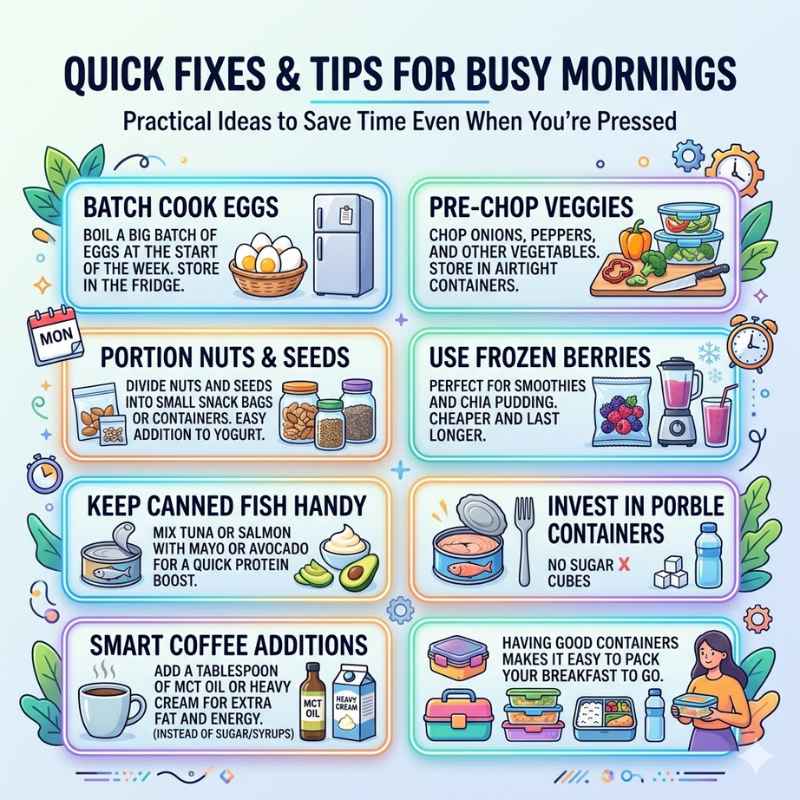
Quick Fixes & Tips for Busy Mornings
Let’s wrap up with some super practical tips to make these ideas work even when you’re really pressed for time.
- Batch Cook Eggs: Boil a big batch of eggs at the start of the week. Store them in the fridge.
- Pre-Chop Veggies: Chop onions, peppers, and other vegetables and store them in airtight containers.
- Portion Nuts and Seeds: Divide nuts and seeds into small snack bags or containers for easy addition to yogurt.
- Use Frozen Berries: Frozen berries are perfect for smoothies and chia pudding. They’re often cheaper and last longer.
- Keep Canned Fish Handy: Canned tuna or salmon can be mixed with a little mayo or avocado for a quick protein boost.
- Smart Coffee Additions: If you drink coffee, consider adding a tablespoon of MCT oil or a splash of heavy cream for extra fat and energy, rather than sugar or syrups.
- Invest in Portable Containers: Having good containers makes it easy to pack your breakfast to go.
Frequently Asked Questions
Are high-protein, low-carb breakfasts good for weight loss?
Yes, they can be very helpful for weight loss. Protein and fat are more filling than carbs. This helps you eat less overall.
It can also help stabilize blood sugar, which reduces cravings. Many people find they naturally eat fewer calories when their breakfast is protein-rich and low in carbs.
How much protein is considered “high protein” for breakfast?
A good target for a high-protein breakfast is typically around 20-30 grams of protein. This amount is generally enough to provide significant satiety and keep you full until your next meal. Eggs, Greek yogurt, cottage cheese, and protein powder are excellent sources to help you reach this goal.
Can I still eat fruit for breakfast if I’m keeping carbs low?
Yes, in moderation. Berries like blueberries, raspberries, and strawberries are lower in sugar and higher in fiber than many other fruits. A small handful can be a great addition to Greek yogurt or a smoothie.
Avoid tropical fruits like bananas and mangoes, or large portions of other fruits, as they are higher in natural sugars and carbs.
What are the best low-carb vegetables to add to breakfast?
Spinach, kale, mushrooms, bell peppers, onions, zucchini, and broccoli are all excellent choices. They add nutrients, fiber, and volume to your meal without adding many carbohydrates. Sautéing them with eggs or adding them to a breakfast skillet is a simple way to boost your veggie intake.
Is it okay to have bacon for breakfast?
Bacon can fit into a high-protein, low-carb breakfast plan. It is high in protein and fat and very low in carbs. However, it’s best to choose good quality bacon and consume it in moderation as part of a balanced meal.
Pairing it with eggs and vegetables makes it a more complete and healthier choice.
What if I don’t like eggs?
Don’t worry! There are plenty of egg-free options. Consider Greek yogurt with nuts and berries, cottage cheese, smoked salmon with cream cheese, sausage patties, or a protein smoothie made with unsweetened milk and protein powder.
Chia seed pudding is also a great egg-free choice.
Conclusion: Your Energized Morning Awaits
Starting your day with a high-protein, low-carb breakfast is a powerful way to boost your energy and stay satisfied. The ideas we’ve explored offer simple, delicious, and practical solutions for even the busiest mornings. You’ve got this!