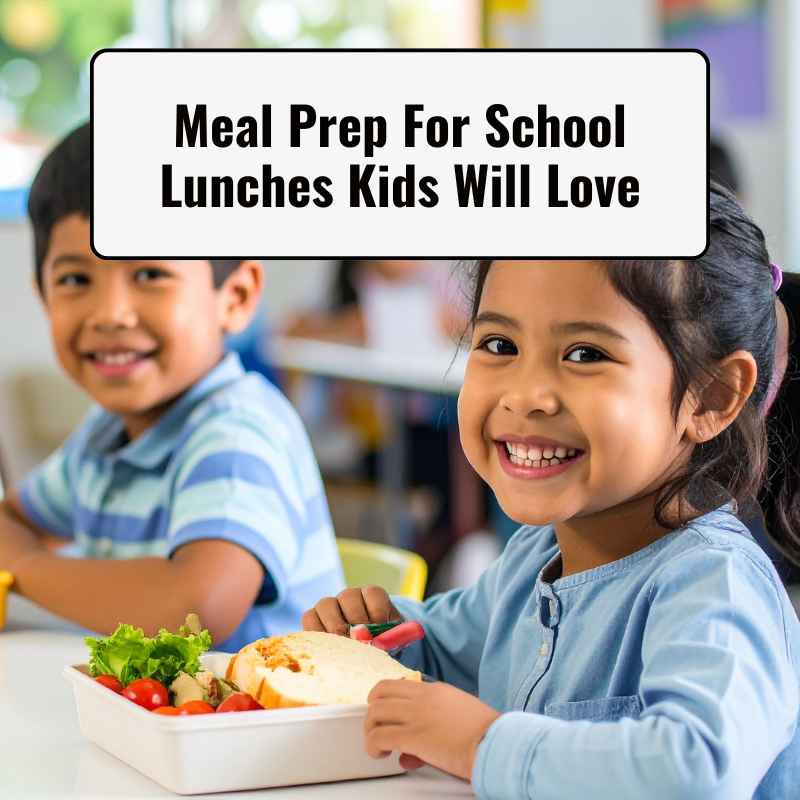
Meal Prep For School Lunches Kids Will Love
Meal prep for school lunches involves planning and preparing components or full meals ahead of time to make packing lunches easier and quicker each morning. The goal is to create appealing, nutritious, and easy-to-eat options that children will enjoy, reducing morning stress and ensuring healthy eating habits.
What is School Lunch Meal Prep?
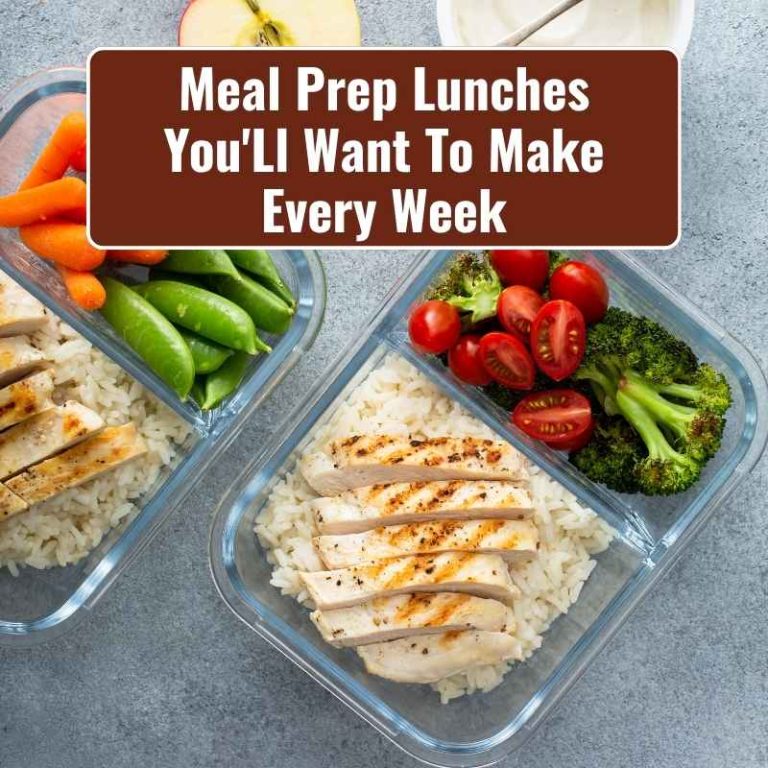
School lunch meal prep is simply getting your lunch-making tasks done in advance. Think of it as a mini-kitchen session on a Sunday or Monday evening. You’re not just making one lunch. You’re setting yourself up for success for the whole week. This means chopping veggies, cooking grains, baking muffins, or assembling entire lunch boxes.
Why does this matter so much? Mornings are chaotic. Kids need to get ready for school, and adults often need to get ready for work. Adding “make a nutritious lunch from scratch” to that list feels almost impossible. When your lunches are prepped, that pressure vanishes. You just grab and go. It saves time, reduces stress, and often saves money too.
This process helps you pack healthier options. When you’re rushed, you might grab less ideal snacks. With prep, you have wholesome foods ready. This means better fuel for your kids’ brains and bodies throughout the school day. It’s about setting them up for success in school and in their well-being.
Lunch Bag Picks for Work, School & Picnics
Sponsored / affiliate links. As an Amazon Associate I earn from qualifying purchases. I may earn additional commission from eligible campaigns.


My Own Lunch Prep Journey
I remember one particular autumn morning. The air was crisp, and the sun was just peeking out. My youngest, Lily, was practically vibrating with excitement for her first field trip. I, on the other hand, was vibrating with pure panic. I’d forgotten to make her lunch! My mind raced. Peanut butter again? She’d had it yesterday. The pre-made chicken nuggets were frozen solid. I could feel a headache starting.
In my rush, I ended up shoving a slightly bruised apple and a bag of chips into her lunchbox. I felt so guilty all day. That evening, I vowed to never let that happen again. I started small, just prepping some fruit and cutting up veggies. Then, I moved on to making a big batch of pasta salad. Soon, I was filling my fridge with little containers of goodness. The difference it made was incredible. Mornings became so much calmer. Lily even started giving me “lunch approvals” for the items I prepped. It was a small change, but it made a huge difference.
Lunch Prep Styles: Find Yours
Full Meal Assembly: Pack complete lunch boxes or bags with all components ready to go. Great for busy mornings.
Component Prep: Prepare individual ingredients like chopped veggies, cooked grains, or grilled chicken. Then, assemble daily.
Batch Cooking: Make large quantities of one or two versatile dishes (like meatballs or muffins) to use in different lunch combinations.
Building a Kid-Friendly Lunch Box
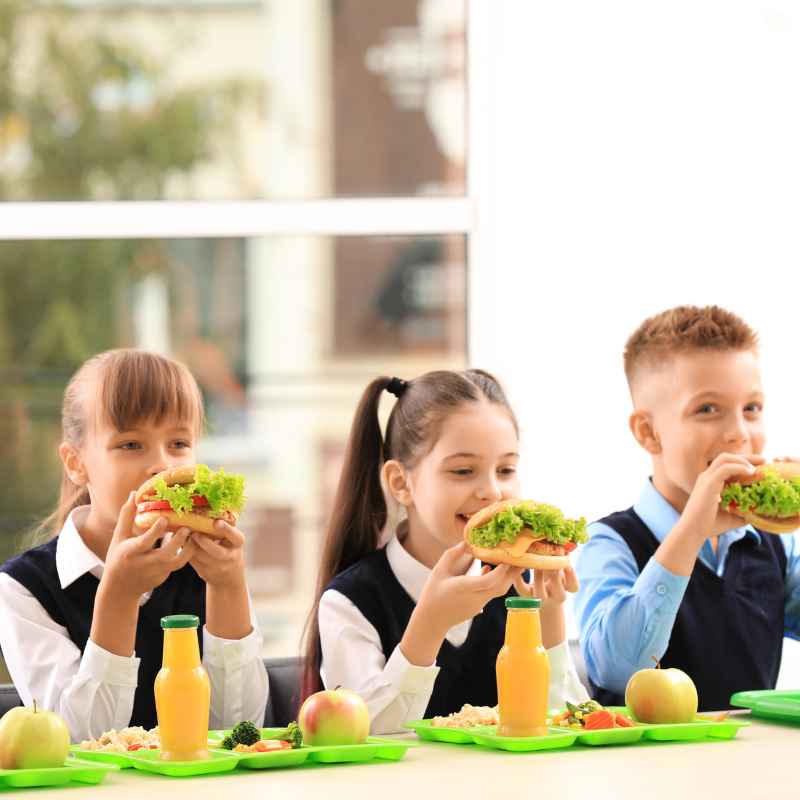
The key to meal prep for school lunches that kids actually love is variety and familiarity. Kids are often picky eaters. They like to see things they recognize. This doesn’t mean you can’t be creative, but start with their favorites. Think about what they enjoy eating at home. Then, find ways to adapt those foods for a lunchbox.
A balanced lunch usually has a few key components. It needs a main item, a fruit, a vegetable, and maybe a little treat. For the main, consider things like mini sandwiches, wraps, or pasta salad. These are easy to eat and can be prepped ahead. Think about fun shapes for sandwiches using cookie cutters.
For fruits, choose items that travel well. Berries, apple slices (tossed with a little lemon juice to prevent browning), grapes (cut in half for younger kids), and orange segments are great choices. For veggies, cucumber sticks, bell pepper strips, snap peas, or baby carrots are usually a hit. Hummus or a yogurt-based dip can make veggies more exciting.
The Lunchbox Checklist
Main Dish: (Sandwich, wrap, pasta, quesadilla, chicken nuggets, hard-boiled eggs)
Fruit: (Apple slices, berries, grapes, melon cubes, oranges)
Vegetable: (Carrot sticks, cucumber slices, bell pepper strips, cherry tomatoes, edamame)
Grain/Snack: (Crackers, mini muffins, granola bar, pretzels, cheese cubes)
Treat (Optional): (A few cookies, fruit leather, a small piece of dark chocolate)
Creative Main Dish Ideas for Meal Prep
Let’s dive into some specific main dishes that hold up well when prepped. Sandwiches are a classic, but they can get soggy. Try using thicker bread or toasting it. You can also keep the fillings separate until lunchtime. For example, pack the ham and cheese, but leave the lettuce and tomato out.
Wraps are a fantastic alternative. Tortillas hold their fillings better than bread sometimes. Fill them with turkey and cheese, chicken salad, or even a veggie and hummus combo. Roll them tightly. You can even slice them into pinwheels for a fun presentation. These hold their shape well for a few days.
Pasta salad is a winner for meal prep for school lunches. Make a big batch with whole wheat pasta. Add chopped veggies like broccoli, bell peppers, and peas. Mix in some protein like grilled chicken, chickpeas, or hard-boiled eggs. A light vinaigrette or a creamy dressing works well. It’s a complete meal in one container.
Quesadillas are another great option. Make them ahead and cut them into wedges. They can be eaten cold or at room temperature. Fillings can include cheese, beans, corn, or shredded chicken. For a healthier twist, use whole wheat tortillas and add lots of finely chopped veggies. They are surprisingly sturdy.
Mini muffins aren’t just for breakfast! Savory muffins can be a lunch main. Try spinach and cheese, or corn and zucchini. They are portable and filling. Mini quiches or frittatas packed with veggies and cheese are also excellent choices. These can be made on the weekend and reheated slightly if desired, or eaten at room temperature.
Pasta Salad Power-Up
Base: Whole wheat rotini, penne, or farfalle.
Protein: Diced grilled chicken, canned tuna (drained), chickpeas, black beans, or hard-boiled eggs.
Veggies: Finely chopped broccoli florets, red bell pepper, cucumber, cherry tomatoes (halved), sweet corn.
Dressing: Light Italian vinaigrette, lemon-herb dressing, or a creamy Greek yogurt-based dressing.
Mix-ins (Optional): Feta cheese, shredded cheddar, Kalamata olives.
Sneaky Veggie Tips
Getting kids to eat their vegetables can feel like a superpower. The good news is, you can often “hide” them. Finely grating zucchini or carrots into muffins, meatballs, or pasta sauce is a classic trick. Nobody will even notice. This is a great way to boost the nutritional value of their meals.
Another method is to pair veggies with dips they love. Ranch dressing, hummus, or a mild cheese sauce can make raw veggies more appealing. Make your own dips using Greek yogurt for a healthier option. This is perfect for carrot sticks, cucumber slices, and bell pepper strips.
Don’t underestimate the power of presentation. Cookie cutters can turn simple cucumber slices into stars or flowers. Skewers are fun for little ones too. Thread cherry tomatoes, cheese cubes, and folded turkey slices onto small, safe skewers. Just be mindful of age and safety with skewers.
Consider “deconstructed” lunches. Instead of a mixed salad, offer bowls of components. This way, kids can choose what they want. They might pick out the cucumber slices and cherry tomatoes if they’re separate. This gives them control and makes them more likely to eat the healthy bits.
Veggie Boosters for Mains
Pasta Sauce: Add finely grated carrots, zucchini, or pureed spinach.
Meatballs/Meatloaf: Mix in grated zucchini, carrots, or finely chopped mushrooms.
Muffins/Breads: Incorporate shredded zucchini, carrots, sweet potato, or pumpkin puree.
Smoothies: Blend in spinach, kale, or cauliflower. The fruit masks the flavor.
Rice Dishes: Stir in peas, corn, finely diced bell peppers, or grated carrots.
Healthy Sides and Snacks
Beyond the main dish, sides and snacks round out a satisfying lunch. Pre-portioned bags of fruits are super convenient. Wash berries and pack them in small containers. Apple slices tossed with a tiny bit of lemon juice stay fresh. Grapes are always a hit, but remember to cut them lengthwise for younger children to prevent choking.
For veggies, think about crunch. Carrot sticks, cucumber rounds, snap peas, and bell pepper strips are great. You can also add cherry tomatoes, steamed broccoli florets, or edamame (shelled). A small container of dip makes them more exciting.
When it comes to grains and snacks, opt for healthier versions. Whole grain crackers, pretzels, or rice cakes are good choices. Homemade granola bars or mini muffins are fantastic. Cheese sticks or cubes offer protein and calcium. Hard-boiled eggs are another excellent protein source that can be prepped ahead.
Avoid sugary treats as much as possible. If you want to include something sweet, a small portion of fruit leather or a couple of whole-grain cookies is better than candy. A small container of yogurt or applesauce can also be a nice addition.
Snack Prep Made Easy
Fruit Cups: Wash and cut fruit like melon or pineapple into bite-sized pieces.
Veggie Sticks: Prepare carrots, cucumbers, and bell peppers. Store in water to keep crisp.
Hard-Boiled Eggs: Cook a batch and peel them. Store in the fridge.
Cheese Portions: Cut cheese into cubes or use string cheese.
Homemade Trail Mix: Combine nuts (if allowed at school), seeds, dried fruit, and whole-grain cereal.
The Practicalities of Packing
Choosing the right containers is key for successful meal prep for school lunches. Invest in good quality, leak-proof containers. Bento boxes are very popular because they have multiple compartments. This helps keep foods separate and prevents sogginess. They also make lunches look more organized and appealing.
Insulated lunch bags are a good idea, especially for younger children or if your child’s school doesn’t have refrigeration. Use an ice pack to keep perishable items like dairy, meats, and certain fruits and vegetables cool and safe. Make sure your ice pack is properly frozen.
Consider portion sizes. Kids have small stomachs. It’s better to pack a variety of smaller items than one huge portion. This also helps reduce waste. If your child consistently leaves food, adjust the portion sizes for the next day. Observe what they eat and what comes back home.
Labeling containers can be helpful, especially if you have multiple children. It prevents mix-ups. You can use a marker on the lid or reusable labels. For items that need to stay separate, like a sandwich and its fillings, use smaller containers or re-sealable bags.
Container Smart Tips
Bento Boxes: Perfect for keeping different food groups separate.
Small Jars: Great for packing dips, dressings, or yogurt.
Silicone Muffin Liners: Use inside larger containers to create mini-compartments.
Reusable Snack Bags: Good for dry snacks like crackers or fruit leather.
Ice Packs: Essential for keeping food safe and fresh.
What This Means for Your Mornings
Implementing a simple meal prep for school lunches strategy can transform your mornings. Instead of a frantic rush, you can have a calm start. You’ll know your child has a healthy, delicious lunch waiting for them. This peace of mind is invaluable. It reduces your own stress levels significantly.
For your child, a consistently healthy lunch means better focus in class. It means they have the energy they need to learn and play. It supports their growth and development. It also teaches them about healthy eating habits from a young age. They see you making an effort to provide nutritious food.
It’s also a great way to save money. Packing lunches is almost always cheaper than buying them. You have control over the ingredients, so you can choose budget-friendly options. Buying in bulk for prep can also lead to savings.
Remember, it doesn’t have to be gourmet. Simple, wholesome foods are best. The goal is consistency and making healthy choices easy. Small steps over time lead to big changes. Start with one or two items per week and build from there.
When to Worry About School Lunches
Generally, there’s no need to worry about standard school lunches. However, there are a few things to keep an eye on. Food safety is paramount. Ensure you’re storing prepped foods correctly in the refrigerator. Use foods that are safe to eat at room temperature if an ice pack isn’t an option for some items.
Allergies are a major concern. Always be aware of your child’s allergies and any school policies regarding common allergens like nuts. Double-check all ingredients. Cross-contamination is also a risk, so clean your prep surfaces thoroughly.
If your child consistently comes home hungry, their lunch portions might be too small. If they are consistently throwing away food, they might not like the options, or the portions are too large. This is your cue to adjust. Talk to your child about what they are eating and what they like.
For children with specific dietary needs or medical conditions, consult with a pediatrician or a registered dietitian. They can provide tailored advice for safe and nutritious school lunches. Ensure the school staff is aware of any special requirements.
Quick Tips for Lunch Prep Success
Don’t try to do too much at once. Start simple. Pick one or two lunch components to prep each week. Maybe it’s just chopping vegetables or baking a batch of muffins. Gradually add more as you get comfortable.
Get your kids involved! They are more likely to eat what they help make. Let them choose between two healthy options or help with simple tasks like washing fruit or stirring ingredients.
Invest in some basic tools. Good containers, a sharp knife, and a cutting board make prep much easier. A mini food processor can be a lifesaver for grating veggies.
Keep a running list of lunch ideas. When you see something your child likes or a recipe that looks good, jot it down. This makes planning less daunting. Rotate through different types of meals to keep things interesting.
Don’t aim for perfection. Some days will be better than others. If you have a busy week and can only manage to pack sandwiches, that’s okay! The goal is progress, not perfection.
Frequently Asked Questions about School Lunch Meal Prep
What are the best containers for meal prepping school lunches?
Bento boxes with multiple compartments are excellent. They keep foods separate and prevent sogginess. Reusable containers with leak-proof lids are also great. For smaller items like dips or fruits, small jars or silicone cups work well. Look for BPA-free options.
How long do prepped lunches stay fresh?
Most prepped components and meals will stay fresh in the refrigerator for 3-4 days. It’s best to store them in airtight containers. Meats, dairy, and cooked grains are typically safe for this period. Always use your best judgment regarding smell and appearance. Some items, like cut fruits, might be best prepared closer to packing day.
What if my child is a picky eater?
Start with familiar favorites. Offer a few choices for lunch components. Get them involved in the prep process. Use fun cookie cutters for sandwiches or fruits. Try to include at least one item you know they will eat every day. Gradually introduce new foods alongside their favorites.
Are there allergy-friendly meal prep ideas?
Absolutely. For nut allergies, use seeds or seed butters. For gluten allergies, opt for gluten-free breads, wraps, pasta, and crackers. Focus on fruits, vegetables, lean proteins, and dairy or dairy-free alternatives. Always check labels and be mindful of cross-contamination during prep. Inform the school about any severe allergies.
How can I make lunches more exciting without a lot of extra work?
Vary the shapes of foods using cookie cutters. Use colorful fruits and vegetables. Pack dips or sauces on the side. Create “lunchbox kabobs” with cheese, meat, and fruit. Even a small note or sticker can add a special touch. Rotate through different themes or cuisines occasionally.
What’s the best way to prevent soggy sandwiches?
Pack wet ingredients separately from the bread. Use thicker breads that can withstand some moisture. Toasting the bread can help. Alternatively, spread a thin layer of butter, cream cheese, or mayonnaise on the bread before adding other fillings. Wraps often hold up better than traditional sandwiches.
Conclusion: Your Lunch Prep Adventure
Tackling school lunch prep might seem daunting at first. But with a little planning, it becomes a simple, stress-reducing routine. You’re not just packing food; you’re fueling your child’s day with care and intention. Remember to involve your kids, keep it simple, and celebrate small wins.
This journey is about making mornings smoother and ensuring your kids get the best fuel for their adventures at school. You’ve got this!