Protein Breakfast Recipes Perfect For Fitness Lovers
Getting enough protein in the morning is super important, especially if you’re active. It helps build muscle. It also keeps you feeling full.
But finding tasty, quick ways to do it can be tough. You might feel like you’re stuck eating the same dry eggs every day. Or maybe you skip breakfast altogether.
That’s a bummer for your fitness goals. This guide will help you find new, exciting ways to start your day right. We’ll look at easy recipes that pack a protein punch.
They taste great too. Let’s dive in and make your mornings energizing!
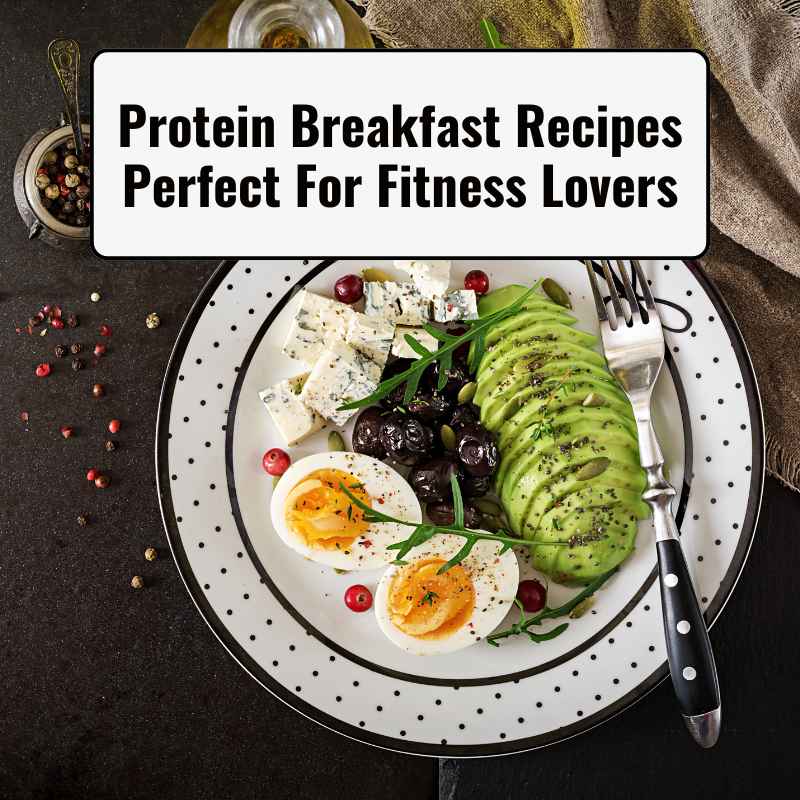
Protein breakfast recipes for fitness lovers focus on meals that are quick to prepare, rich in protein, and provide sustained energy. These options support muscle repair and growth, helping active individuals meet their nutritional needs and stay satisfied throughout the morning.
Understanding the Power of a Protein Breakfast
Why is protein at breakfast such a big deal for people who love to work out? It’s not just a fad. Protein is the building block for muscles.
When you exercise, you create tiny tears in your muscle fibers. Protein helps repair these tears. This makes your muscles stronger.
Starting your day with protein gives your body the materials it needs for this repair work right away.
Protein also affects your hunger. Foods high in protein help you feel full for longer. This is because protein takes more time to digest.
It also helps to regulate hormones that control appetite. So, a good protein breakfast can stop you from reaching for sugary snacks before lunch. This is great for managing your weight and energy levels.
For fitness lovers, consistent energy is key. Protein provides a more stable release of energy than simple carbohydrates. This helps prevent the dreaded mid-morning energy crash.
You can focus better on your tasks. You also have more stamina for any afternoon workouts. Think of it as fuel for your entire day, not just your workout.

My Own Protein Breakfast Mishaps
I remember one time, a few years back, when I was training for a half-marathon. My mornings were a blur. I’d wake up, rush through a quick shower, and then grab whatever was easiest.
Usually, that meant a granola bar or a banana. I felt tired all the time. My runs felt harder than they should.
My muscles ached more than usual.
One morning, I completely forgot to eat. I was already late. I grabbed my gym bag and headed out.
About halfway through my run, I hit a wall. It wasn’t just tiredness; it was like my legs just stopped working. I had to walk the rest of the way, feeling utterly defeated and a little shaky.
That was a wake-up call. I realized I couldn’t just wing it. My body needed proper fuel, especially in the morning.
That day, I vowed to do better. I started researching. I found that simple swaps could make a huge difference.
Adding a hard-boiled egg to my usual toast. Swapping cereal for Greek yogurt. It took a little planning.
But the results were amazing. I felt stronger, more energetic, and my runs got better. It taught me that a little effort in the kitchen can lead to big wins in fitness and overall well-being.
Quick Protein Boosters for Busy Mornings
Need protein fast? Try these:
- Greek Yogurt: High in protein. Add berries or nuts.
- Hard-Boiled Eggs: Easy to make ahead. Portable too.
- Cottage Cheese: Another great source. Enjoy with fruit.
- Protein Powder: Add to smoothies or oatmeal.
- Smoked Salmon: Top toast or crackers. Tasty and filling.
Exploring Delicious Protein Breakfast Recipes
Let’s get to the good stuff: the recipes! These are designed to be tasty, easy, and packed with protein. They are perfect for anyone who wants to fuel their body for activity and stay full.
1. Power-Packed Scrambled Eggs with Veggies and Feta
This is a classic for a reason. Eggs are a complete protein source. Adding vegetables boosts nutrients.
Feta adds a nice salty kick and extra protein.
You will need:
- 2-3 large eggs
- 1/4 cup chopped bell peppers (any color)
- 1/4 cup chopped spinach
- 2 tablespoons crumbled feta cheese
- 1 teaspoon olive oil or butter
- Salt and pepper to taste
How to make it:
Heat the oil or butter in a non-stick skillet over medium heat. Add the chopped bell peppers. Cook for about 2-3 minutes until they start to soften.
Toss in the spinach and cook for another minute until it wilts. In a bowl, whisk the eggs with salt and pepper. Pour the eggs into the skillet.
Stir gently as they cook. When the eggs are almost set, sprinkle the feta cheese over them. Cook for another minute until the cheese is warm and the eggs are fully cooked.
Serve hot.
Why it’s great: This meal is customizable. You can add other veggies like onions, mushrooms, or tomatoes. It takes about 10 minutes to make.
It offers around 20-25 grams of protein.
2. Overnight Oats with Chia Seeds and Berries
Overnight oats are a lifesaver for busy mornings. You prepare them the night before. They soak and thicken in the fridge.
This makes them creamy and delicious. Chia seeds add fiber and protein. Berries bring antioxidants and natural sweetness.
You will need:
- 1/2 cup rolled oats (not instant)
- 1 cup milk (dairy or non-dairy like almond or soy)
- 1 tablespoon chia seeds
- 1/2 scoop protein powder (vanilla or unflavored works well)
- 1/2 cup mixed berries (fresh or frozen)
- Optional: a drizzle of honey or maple syrup
How to make it:
In a jar or container, combine the rolled oats, milk, chia seeds, and protein powder. Stir very well to make sure there are no clumps. Add the berries.
Stir gently again. Seal the container and place it in the refrigerator overnight, or for at least 4 hours. In the morning, give it a stir.
If it’s too thick, add a little more milk. Sweeten with honey or maple syrup if desired. Enjoy cold.
Why it’s great: This recipe is super adaptable. You can add nuts, seeds, or other fruits. It’s packed with fiber and protein, providing around 25-30 grams of protein.
It’s also easy to grab and go.
Myth vs. Reality: Protein and Breakfast
Myth: Eating a lot of protein at breakfast will make you gain weight.
Reality: Protein helps you feel full, which can actually aid in weight management. It supports muscle building, which boosts metabolism. The key is overall diet balance and portion control.
Myth: You need a complicated, lengthy breakfast to get enough protein.
Reality: Many simple, quick options exist. Things like Greek yogurt, hard-boiled eggs, or protein shakes offer significant protein without much prep time.
3. High-Protein Smoothie Bowl
Smoothie bowls are like a thicker, spoonable smoothie. They are perfect for getting in a variety of nutrients. You can load them up with protein powder, fruits, and healthy fats.
You will need:
- 1 frozen banana
- 1/2 cup frozen berries
- 1 scoop protein powder (whey, plant-based, or casein)
- 1/2 cup unsweetened almond milk (or other milk)
- Toppings: sliced almonds, chia seeds, a few more berries, a sprinkle of granola
How to make it:
Place the frozen banana, frozen berries, protein powder, and almond milk into a blender. Blend on high speed until thick and smooth. You may need to use the tamper tool on your blender or stop and scrape down the sides a few times.
The goal is a thick consistency that you can eat with a spoon, almost like soft-serve ice cream. Pour the thick smoothie into a bowl. Arrange your chosen toppings on top.
Enjoy immediately.
Why it’s great: This offers around 30-40 grams of protein, depending on your protein powder. It’s refreshing and feels like a treat. The toppings add texture and extra nutrients.
Plus, it’s super quick if you have frozen fruit ready.
4. Cottage Cheese Pancakes
Who doesn’t love pancakes? These are a healthier, protein-rich twist. Cottage cheese is surprisingly versatile and adds a creamy texture and a protein boost to baked goods.
You will need:
- 1 cup low-fat cottage cheese
- 2 large eggs
- 1/2 cup whole wheat flour (or oat flour)
- 1 teaspoon baking powder
- 1/2 teaspoon cinnamon (optional)
- A little oil or cooking spray for the pan
- Optional toppings: fresh fruit, a light drizzle of syrup
How to make it:
In a blender or food processor, combine the cottage cheese and eggs. Blend until very smooth. This is important to avoid lumps of cottage cheese.
In a separate bowl, whisk together the flour, baking powder, and cinnamon. Pour the cottage cheese mixture into the dry ingredients. Stir until just combined.
Do not overmix. Heat a lightly oiled non-stick skillet over medium heat. Pour about 1/4 cup of batter per pancake onto the hot skillet.
Cook for 2-3 minutes per side, or until golden brown and cooked through. Serve warm with your favorite toppings. These can also be made ahead and reheated.
Why it’s great: These pancakes offer about 10-15 grams of protein per serving (typically 2-3 pancakes). They are satisfying and a great way to start the day. They are also relatively quick to whip up, especially if you use a blender.
Insight Panel: Protein Sources at Breakfast
Eggs: Excellent source of complete protein, vitamins, and minerals. Very versatile.
Greek Yogurt: Concentrated protein compared to regular yogurt. Thick and creamy texture.
Cottage Cheese: Slow-digesting casein protein, which keeps you full longer.
Protein Powder: Convenient way to add a significant protein boost to shakes, oats, or pancakes.
Nuts and Seeds: Offer protein, healthy fats, and fiber. Good as additions to other meals.
5. Savory Breakfast Quinoa Bowl
Quinoa is a complete protein source, meaning it has all nine essential amino acids. It’s not just for lunch or dinner! A savory breakfast bowl can be incredibly satisfying and nutritious.
You will need:
- 1 cup cooked quinoa (cooled)
- 1/2 cup black beans, rinsed and drained
- 1/4 cup salsa
- 1/4 avocado, sliced
- 1 hard-boiled egg, sliced or chopped
- A sprinkle of cilantro (optional)
- Hot sauce to taste (optional)
How to make it:
Start with the cooked quinoa in a bowl. Top with the rinsed black beans. Add the salsa.
Arrange the sliced avocado and hard-boiled egg over the top. Sprinkle with cilantro if you like. Add a dash of hot sauce for extra flavor.
This is more of an assembly job than cooking, making it super fast if you have cooked quinoa ready.
Why it’s great: This bowl provides a good amount of plant-based protein from the quinoa and beans, plus protein from the egg. It’s very filling due to the fiber and healthy fats. You get around 20-25 grams of protein.
6. Smoked Salmon and Avocado Toast
This breakfast is a bit more of a splurge, but it’s quick, delicious, and packed with protein and healthy fats. Smoked salmon is rich in omega-3 fatty acids.
You will need:
- 2 slices of whole-grain toast
- 1/4 ripe avocado, mashed
- 2-3 ounces smoked salmon
- A squeeze of lemon juice
- Red pepper flakes (optional)
- A few capers (optional)
How to make it:
Toast the whole-grain bread to your liking. While the toast is still warm, spread the mashed avocado evenly over both slices. Drizzle a little lemon juice over the avocado.
Lay the smoked salmon slices on top of the avocado. Sprinkle with red pepper flakes and capers if you are using them. This breakfast takes minutes to assemble.
Why it’s great: This offers about 15-20 grams of protein. It’s a good source of healthy fats and omega-3s. The combination of flavors is fantastic, and it feels quite luxurious for a weekday breakfast.
Quick-Scan Table: Protein Content of Common Breakfast Foods
| Food Item | Serving Size | Approximate Protein (grams) |
|---|---|---|
| Eggs | 2 large | 12 |
| Greek Yogurt | 6 oz | 15-20 |
| Cottage Cheese | 1/2 cup | 12-14 |
| Protein Powder (Whey) | 1 scoop | 20-25 |
| Smoked Salmon | 3 oz | 18 |
| Quinoa | 1 cup cooked | 8 |
| Almonds | 1 oz | 6 |
Real-World Context: Making Protein Breakfasts Work for You
Understanding the recipes is one thing, but fitting them into your actual life is another. Let’s talk about how these protein-rich breakfasts play out in real homes and daily routines.
Morning Habits and Time Constraints
The biggest hurdle for most people is time. If you’re a morning person who has an hour before work, making scrambled eggs from scratch is easy. But if you’re hitting snooze multiple times, that’s not realistic.
This is where make-ahead options shine. Overnight oats are perfect for this. You can also hard-boil a dozen eggs at the start of the week.
Pre-chop veggies for omelets or scrambles.
Consider your commute. If you eat in your car or on public transport, you need something portable and mess-free. A smoothie in a well-sealed cup is ideal.
Hard-boiled eggs or a protein bar are also great choices. For those who work from home, you have more flexibility. You can cook a more elaborate meal.
Kitchen Setup and Tools
Some recipes are simpler with specific tools. A good blender is a must for smoothie bowls and some cottage cheese recipes. A non-stick skillet makes cooking eggs or pancakes much easier.
Food processors can help make cottage cheese smoother. But don’t let a lack of fancy gadgets stop you. Most of these recipes can be adapted.
You can mash cottage cheese with a fork if you don’t have a blender. You can cook eggs in any pan with a little oil.
Think about your kitchen space. If you have a small kitchen, meal prep might involve using minimal counter space. Making things in batches on a Sunday and storing them in containers can save you a lot of time and space during the week.
This is a strategy many people use to maintain healthy eating habits.
Dietary Needs and Preferences
Not everyone eats dairy or meat. Many of these recipes can be adapted for vegetarians, vegans, or those with lactose intolerance. For vegan options, swap dairy milk for plant-based milk.
Use plant-based protein powder. For the cottage cheese pancakes, you could explore recipes using silken tofu or vegan protein powders mixed with binders like flaxseed.
Listen to your body. Some people feel better with eggs, while others prefer plant-based proteins. Experiment to find what makes you feel energized and satisfied.
Some fitness enthusiasts choose specific types of protein powder (whey, casein, soy, pea) based on their digestion and fitness goals. For instance, casein digests slowly and is often favored for keeping you full. Whey digests faster and is great post-workout.
What This Means for Your Fitness Journey
Having a solid protein breakfast can be a game-changer for your fitness. It sets a positive tone for the day.
When It’s Normal and Helpful
If you work out regularly, especially in the morning or early afternoon, a protein-rich breakfast is highly beneficial. It aids muscle recovery and growth. It helps maintain lean muscle mass, which is crucial for metabolism.
A protein breakfast can also improve satiety, helping you manage your overall calorie intake more effectively throughout the day. If you struggle with energy dips or cravings before lunch, this is a sign your breakfast might be too low in protein.
When to Potentially Worry (or Re-evaluate)
If you find yourself constantly hungry an hour after a protein breakfast, it might be too low in overall calories or fiber. You might need to add more healthy fats or complex carbohydrates. If you experience digestive discomfort after certain protein sources, like dairy or eggs, it’s worth exploring alternatives.
Also, if your breakfast is very high in protein but lacks other essential nutrients like vitamins and minerals, it’s not a balanced start. Always aim for a balanced plate.
Simple Checks You Can Do
The Fullness Factor: After eating your breakfast, how long do you feel satisfied? If you’re hungry again within 60-90 minutes, it’s likely not filling enough. Consider adding more protein, healthy fats, or fiber.
The Energy Meter: How is your energy level two hours after breakfast? Are you feeling alert and focused, or are you experiencing a slump? A good protein breakfast should provide sustained energy.
The Cravings Check: Are you fighting off intense cravings for sweets or salty snacks by mid-morning? This can be a sign your breakfast didn’t provide enough satiety or stable blood sugar levels. Protein helps level this out.
Your Workout Performance: If you notice a drop in your workout intensity or feel weaker during your training sessions, your pre-workout nutrition, including breakfast, might need adjustment. Ensure you’re getting adequate protein and overall calories.
Observational Flow: Building a Better Breakfast
Step 1: Assess Your Morning. How much time do you realistically have?
Step 2: Identify Your Protein Goal. Aim for 20-30 grams if possible.
Step 3: Choose Your Base. Eggs, yogurt, oats, cottage cheese, smoothie.
Step 4: Add Boosters. Protein powder, nuts, seeds, extra eggs.
Step 5: Include Nutrients. Fruit, veggies, healthy fats.
Step 6: Prep Ahead. Make it easy for busy mornings.
Quick Tips for Protein Breakfast Success
Here are some simple, actionable tips to make protein breakfasts a regular part of your routine.
- Batch cook basics: Cook a batch of quinoa or hard-boil eggs on the weekend. Store them in the fridge. This makes assembling meals during the week much faster.
- Invest in good containers: Having leak-proof containers makes taking smoothies or overnight oats on the go much easier and less stressful.
- Stock your freezer: Frozen fruits like bananas and berries are essential for quick smoothies. You can also freeze leftover pancakes or muffins.
- Keep it simple: Don’t aim for gourmet every day. A simple Greek yogurt with berries and nuts is a perfectly good protein breakfast.
- Variety is key: Rotate through different recipes to prevent boredom. Trying new things can also expose you to different nutrient profiles.
- Don’t forget hydration: Drink a glass of water when you wake up, before or with your breakfast. It aids digestion and helps you feel fuller.
- Listen to your body: Pay attention to how different foods make you feel. Adjust your choices based on your energy levels and digestion.

Frequently Asked Questions About Protein Breakfasts
What is the best protein for breakfast?
The “best” protein depends on your individual needs and preferences. Great options include eggs, Greek yogurt, cottage cheese, lean meats (like turkey sausage), fish (like smoked salmon), and plant-based sources like tofu, tempeh, and protein powders derived from peas or soy. Whey and casein proteins are also popular choices in shakes.
How much protein do I need at breakfast?
For most active individuals, aiming for 20-30 grams of protein at breakfast is a good target. This helps with satiety, muscle repair, and sustained energy. Some people may need more or less based on their body weight, activity level, and overall fitness goals.
Can I just drink a protein shake for breakfast?
Yes, a protein shake can be a perfectly good breakfast, especially if you are short on time. Ensure your shake is well-balanced. Consider adding fruits, vegetables (like spinach), healthy fats (like chia seeds or nut butter), or even a little fiber (like oats) to make it more complete and filling.
Are carbs bad for breakfast if I want protein?
Carbohydrates are not bad; they are an important energy source. The key is to choose complex carbohydrates over refined ones. Whole grains, fruits, and vegetables provide fiber and nutrients that work well with protein.
A breakfast of only protein can sometimes leave you feeling unsatisfied if it lacks fiber or healthy fats.
How can I make my breakfast protein more interesting?
Experiment with different spices and herbs. Try adding different fruits or vegetables. Use various cooking methods for eggs (scrambled, poached, omelets).
Explore different types of yogurt or cottage cheese. Don’t be afraid to mix and match ingredients from different recipes to create your own unique combinations.
Is it okay to eat leftovers for a protein breakfast?
Absolutely! If you have healthy, protein-rich leftovers from dinner, they can make an excellent breakfast. For example, chicken breast with roasted vegetables or a lentil soup can be nutritious and convenient options for the morning.
Conclusion
Starting your day with a protein-packed breakfast is a simple yet powerful strategy for fitness lovers. It fuels your workouts, supports muscle growth, and keeps you feeling full and energized. By incorporating these easy and delicious recipes into your routine, you can make your mornings more productive and your fitness goals more achievable.
Don’t let a rushed morning derail your efforts!