What Is A Wimpy Breakfast And How Do You Make One At Home?
A wimpy breakfast is a meal eaten in the morning that provides very little energy or satisfaction. It often leaves you feeling hungry again shortly after eating. This type of breakfast typically lacks essential nutrients like protein, fiber, and healthy fats, which are needed to keep you full and energized. Learning to identify and fix a wimpy breakfast can greatly improve your day.
Understanding the “Wimpy Breakfast”
So, what exactly is a wimpy breakfast? Think of it as breakfast that’s too light. It might look like food, but it won’t power you through your morning.
It’s like trying to run a car on almost no gas. It just won’t go far. These meals often lack key things your body needs to feel full and strong.
The main issue is usually missing out on proteins and fiber. Proteins are building blocks. They help your muscles and organs.
They also help you feel full for longer. Fiber is found in plant foods like fruits, vegetables, and whole grains. It slows down digestion.
This means your body gets energy slowly. It also keeps your stomach feeling full.
When a breakfast misses these things, it becomes wimpy. Your body digests simple carbs very fast. This gives you a quick burst of energy.
But then, your blood sugar drops. This makes you feel hungry again very soon. It’s a cycle that’s easy to fall into, especially when you’re in a rush.
Many common breakfast choices can secretly be wimpy. A plain bagel with no spread is one example. A bowl of sugary cereal with low-fat milk is another.
Even a small fruit smoothie can be wimpy if it doesn’t have enough protein or fat added. The key is to look beyond just the taste or how much food is on your plate. You need to think about what the food does inside your body.

My Own “Wimpy Breakfast” Wake-Up Call
I remember one Tuesday morning vividly. I was rushing to get out the door for an early meeting. I grabbed a small box of plain crackers and a cup of black coffee.
It felt like breakfast. It filled my stomach a little. I thought I was good to go.
By the time I got to my office, barely an hour later, my stomach was growling loudly. It was a loud, embarrassing sound during a quiet moment. I felt a wave of annoyance and a bit of panic about how I would get through the morning.
I ended up buying a greasy donut from the corner shop. It gave me a sugar rush, but then came the crash. By 10 AM, I was tired and unfocused.
That experience really hit me. I realized I was falling into the “wimpy breakfast” trap. I was just eating for the sake of eating.
I wasn’t fueling my body properly. It was a simple mistake, but it had a big impact on my whole day. That day taught me the real value of a well-planned breakfast.
The Quick Fix for a Wimpy Breakfast
Problem: Feeling hungry soon after breakfast.
Solution: Add protein and fiber. Think eggs, Greek yogurt, whole-wheat toast, or a handful of nuts.
Why it works: These foods digest slower. They keep you feeling full and give you steady energy.
Why Your Morning Meal Might Be Too Wimpy
Several things can make a breakfast wimpy. It’s often not just one thing. It’s usually a combination of factors.
Let’s break down the common culprits.
1. Too Many Simple Carbs, Not Enough Else
Many breakfast foods are loaded with simple carbohydrates. Think white bread, sugary cereals, pastries, and even some muffins. These foods break down quickly in your body.
They cause a rapid spike in blood sugar. This gives you a quick energy boost. But it’s short-lived.
Your blood sugar then crashes. This crash makes you feel hungry and tired.
These simple carbs lack the fiber and protein needed for lasting energy. They don’t keep your stomach full. You’re essentially running on empty calories.
Your body signals that it needs more fuel very soon. This is the classic wimpy breakfast effect.
2. Lack of Protein Power
Protein is a superstar for staying full. It takes longer to digest than carbs. This means it stays in your stomach longer.
It also helps keep your blood sugar stable. When a breakfast is low in protein, you’re likely to get hungry fast. You might eat a lot of calories, but if they’re mostly carbs, they won’t keep you satisfied.
Examples of low-protein breakfasts include a bowl of plain oatmeal (without additions), a small glass of juice, or just toast with jam. These are fine as part of a meal. But on their own, they often lead to that familiar hunger pangs.
3. Not Enough Healthy Fats
Healthy fats are another key player in feeling full and satisfied. They also slow down digestion. This helps release energy over a longer period.
Fats also add flavor and satisfaction to your meal. Foods rich in healthy fats include avocados, nuts, seeds, and olive oil.
A breakfast that avoids these can feel incomplete. For instance, plain rice cakes or a diet drink won’t offer the satiety that fats provide. Even if you have some protein and fiber, without healthy fats, your meal might not feel truly satisfying.
4. Skipping the Fiber
Fiber is crucial for digestion and fullness. It adds bulk to your food. This bulk helps you feel satisfied.
Fiber also slows down how quickly sugar enters your bloodstream. This prevents those energy spikes and crashes.
Many processed breakfast foods are low in fiber. This includes white bread, most pastries, and sugary cereals. To avoid a wimpy breakfast, aim for whole grains, fruits with their skins, vegetables, and seeds.
5. Portion Size Misconceptions
Sometimes, a breakfast might seem filling at first. But it’s just not enough food to sustain you. This can happen with very small portions.
You might have a tiny piece of fruit or a single egg. While these foods are healthy, they might not provide enough calories or nutrients for your needs. Your body’s needs vary based on your age, activity level, and metabolism.
If you’re very active or have a faster metabolism, you’ll need more fuel. A small breakfast might feel wimpy because it’s simply not enough food for your body’s demands.
What a “Wimpy Breakfast” Looks Like in Real Life
Let’s picture some common breakfast scenarios. This can help you spot a wimpy meal before you eat it. It’s about recognizing the signs.
These are meals that are often quick but don’t deliver. They can leave you wanting more. And not in a good way.
Spotting a Wimpy Breakfast: The Quick Check
Does it have.?
- Protein: Eggs, Greek yogurt, lean meat, beans, nuts, seeds?
- Fiber: Whole grains, fruits, vegetables?
- Healthy Fats: Avocado, nuts, seeds, olive oil?
If the answer is “no” to most of these, it might be a wimpy breakfast!
Scenario 1: The Sugary Cereal Trap
You pour a bowl of brightly colored cereal. It tastes sweet. You might add some milk.
It’s fast and easy. But this cereal is likely high in sugar and refined carbs. It’s low in protein and fiber.
The milk adds some protein, but not enough to balance out the sugar. Within an hour, you’ll likely feel that familiar hunger pang.
Scenario 2: The White Bread Affair
Two slices of white toast with a thin layer of jam. This is a classic quick breakfast for many. White bread is made from refined flour.
It has very little fiber. Jam is mostly sugar. This meal provides a lot of quick energy.
But it won’t last. Your blood sugar will rise and then fall sharply. You’ll be reaching for a snack in no time.
Scenario 3: The Juice and Pastry Combo
Grabbing a pastry and a glass of orange juice on the go. This sounds like a treat. But it’s a double whammy of simple sugars.
Pastries are made with refined flour, sugar, and unhealthy fats. Orange juice, even 100%, can be high in natural sugars. It lacks the fiber you’d get from eating a whole orange.
This meal is a recipe for a quick energy spike and an even quicker crash.
Scenario 4: The “Healthy” Smoothie Gone Wrong
A fruit-only smoothie. It’s blended, so it seems healthy. But if it’s just fruit and maybe some water or juice, it’s mostly sugar.
Fruits are healthy, but blended, their sugars are released faster. Without added protein (like Greek yogurt or protein powder) or healthy fats (like chia seeds or almond butter), this smoothie will act like a sugary drink. It won’t keep you full for long.
Scenario 5: The Small Portion Mistake
A single hard-boiled egg and a few grapes. This isn’t necessarily unhealthy. But for many people, it’s simply not enough food.
The egg provides protein. The grapes provide quick carbs. But the total calories and nutrients might not be enough to fuel a busy morning.
You’ll likely feel hungry again very soon after finishing.
Myth vs. Reality: Breakfast Edition
Myth: A large cup of black coffee is a breakfast.
Reality: Coffee provides caffeine for alertness but no energy or nutrients. It can actually make you feel hungrier.
Myth: All cereal is a healthy breakfast choice.
Reality: Many cereals are loaded with sugar and refined grains. Check the nutrition label for fiber and protein.
Myth: Fruit is always a great breakfast on its own.
Reality: While healthy, fruit alone often lacks protein and fat to provide lasting fullness. Pair it with other foods.
Making a Hearty, Satisfying Breakfast at Home
Now, let’s talk solutions. How do you transform your breakfast from wimpy to wonderful? It’s all about building a balanced meal.
You need to include the key components that keep you full and energized. This doesn’t mean you need to spend hours in the kitchen. Many hearty breakfasts are quick and simple to make.
The Power Trio: Protein, Fiber, and Healthy Fats
Aim to include these three in your morning meal. They work together to create a satisfying experience. This combination helps slow digestion.
It keeps your energy levels steady. It also prevents that dreaded mid-morning hunger.
Protein Sources
- Eggs (scrambled, fried, boiled, omelets)
- Greek yogurt or plain yogurt
- Cottage cheese
- Lean meats (turkey sausage, chicken breast)
- Fish (smoked salmon)
- Beans (black beans, refried beans)
- Tofu or tempeh
- Protein powder (added to smoothies or oatmeal)
- Nuts and seeds (almonds, walnuts, chia seeds, flax seeds)
Fiber Sources
- Whole-grain bread, toast, or English muffins
- Oatmeal (rolled oats, steel-cut oats)
- Quinoa
- Fruits (berries, apples, pears, bananas – with skin!)
- Vegetables (spinach, mushrooms, peppers, onions in omelets or breakfast burritos)
- Chia seeds, flax seeds, psyllium husk
Healthy Fat Sources
- Avocado
- Nuts and nut butters (peanut butter, almond butter)
- Seeds (chia seeds, flax seeds, sunflower seeds, pumpkin seeds)
- Olive oil (for cooking eggs)
- Full-fat dairy (yogurt, cheese)
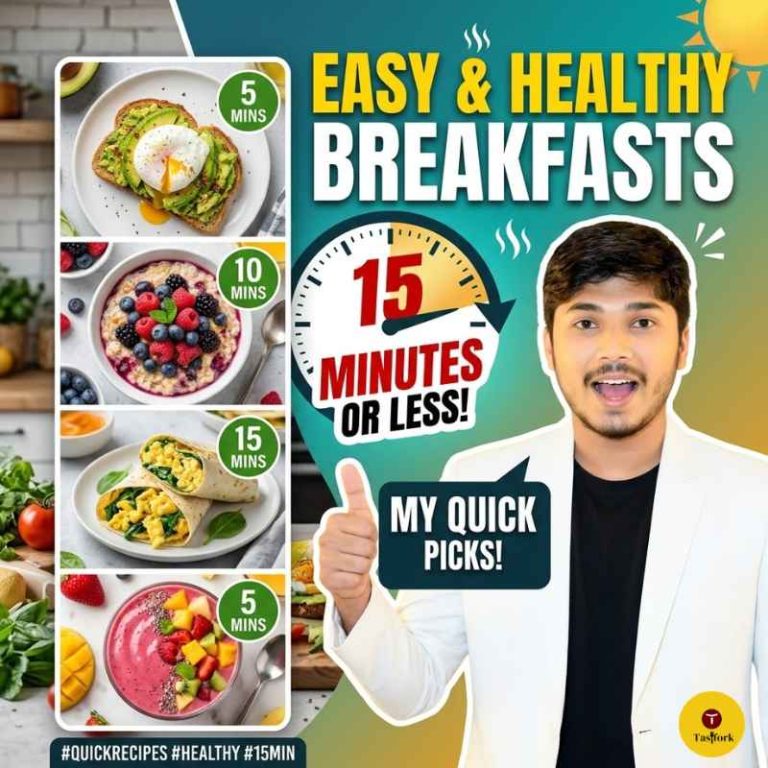
Easy Meal Ideas to Beat the Wimpy Breakfast
Here are some practical ideas you can use. They are designed to be filling and delicious.
1. The Power Bowl
Start with a base of cooked oatmeal or quinoa. Top with Greek yogurt or a scoop of cottage cheese. Add fresh berries or sliced fruit.
Sprinkle with nuts or seeds. You can even add a drizzle of honey or maple syrup if you like sweetness. This bowl is packed with fiber, protein, and healthy fats.
2. Loaded Scrambled Eggs
Scramble 2-3 eggs. While cooking, add chopped veggies like spinach, mushrooms, onions, or peppers. Serve with a slice of whole-wheat toast.
You can add a side of avocado slices or a small amount of cheese. This provides protein, fiber from the veggies, and healthy fats from the avocado or oil.
3. Greek Yogurt Parfait
Layer plain Greek yogurt in a glass or bowl. Add a layer of mixed berries or sliced fruit. Sprinkle with granola (choose one low in sugar) or chopped nuts and seeds.
This is a quick, no-cook option that’s high in protein and fiber.
4. Breakfast Burrito or Tacos
Scramble eggs with black beans, corn, and salsa. Wrap in a whole-wheat tortilla or serve in corn tortillas. Add a sprinkle of cheese or a dollop of guacamole.
This is a savory, filling breakfast that can be customized with your favorite ingredients. It offers protein, fiber, and healthy fats.
5. Nut Butter Toast with a Twist
Toast a slice or two of whole-wheat bread. Spread generously with natural peanut butter or almond butter. Top with sliced banana, apple, or berries.
You can also sprinkle chia seeds or hemp seeds on top for extra fiber and omega-3s. This is a classic that provides protein, fiber, and healthy fats.
6. Smoked Salmon and Avocado Toast
Toast a slice of good quality whole-wheat bread. Mash half an avocado onto the toast. Top with slices of smoked salmon.
Add a squeeze of lemon juice and a sprinkle of dill or everything bagel seasoning. This is a more gourmet option, but it’s packed with protein, healthy fats, and fiber.
7. Overnight Oats (The Supercharged Version)
Mix rolled oats with milk (dairy or non-dairy), chia seeds, and a scoop of protein powder. Let it sit in the fridge overnight. In the morning, top with fresh fruit, nuts, or a spoonful of nut butter.
This is a grab-and-go option that’s incredibly filling and nutritious.
Quick Scan Table: Brainstorm Your Perfect Breakfast
| Meal Component | Examples | Why It Matters |
|---|---|---|
| Protein Source | Eggs, Greek yogurt, cottage cheese, beans, nuts | Keeps you full longer, stabilizes blood sugar |
| Fiber Source | Whole grains, fruits, veggies, seeds | Aids digestion, provides sustained energy |
| Healthy Fat Source | Avocado, nuts, seeds, olive oil | Increases satiety, helps nutrient absorption |
| Flavor/Sweetness (Optional) | Berries, a touch of honey/maple syrup, spices | Makes the meal enjoyable |
Real-World Context: Breakfast Habits Across America
Breakfast habits can vary a lot across the United States. Climate, culture, and daily routines all play a part. Understanding these differences can show why some people struggle with a satisfying breakfast.
The Busy Urban Rush
In big cities, mornings are often a blur. Many people grab something quick. This could be a coffee and a pastry from a cafe.
Or maybe a breakfast sandwich from a drive-thru. The focus is on speed. Sometimes, health and fullness take a backseat.
This is where the wimpy breakfast often sneaks in. People might not have time to cook. Or they grab the most convenient option, which isn’t always the most filling.
The Suburban Family Meal
Suburban families might have slightly more time. But mornings can still be hectic with school runs and work commutes. Some families sit down for a proper breakfast.
Others rely on quicker options like cereal or toast. The challenge here is often pleasing different tastes. Kids might prefer sugary cereals.
Adults might want something healthier. Finding a balance that works for everyone can be tough.
The Rural & Farm Lifestyle
In more rural areas, people might have different routines. Farmers or those with physically demanding jobs need substantial fuel. Their breakfasts are often hearty.
Think eggs, bacon, potatoes, and thick toast. These meals are designed to provide long-lasting energy. However, even here, convenience can sometimes lead to less filling choices if time is tight.
Regional Differences
You’ll find distinct breakfast trends in different regions. In the South, biscuits and gravy are popular. In the Southwest, breakfast burritos with beans and eggs are common.
In New England, oatmeal or baked beans might be a go-to. While these can be hearty, some versions might lean towards being too carb-heavy if not balanced.
The core idea remains the same across all these contexts. A truly satisfying breakfast isn’t just about what you eat. It’s about how well it fuels your body.
Making conscious choices to include protein, fiber, and healthy fats is key, no matter where you live or how busy you are.
What This Means for Your Morning Routine
Understanding the wimpy breakfast concept has real implications for your day. It’s not just about avoiding hunger pangs. It’s about setting yourself up for success.
A good breakfast can impact your mood, focus, and energy levels.
When a “Wimpy” Breakfast is Okay
There are times when a lighter start might be fine. If you plan to eat a large brunch soon after, a smaller breakfast is okay. If you’re not doing much physical or mental activity for a few hours, a lighter meal might suffice.
Also, if you have a medical condition that requires specific meal timing or types, your doctor will advise you. But for most people, most days, a truly wimpy breakfast is not ideal.
When to Start Worrying About Your Breakfast
You should be concerned if you consistently feel:
- Hungry within an hour or two of eating breakfast.
- Tired or sluggish mid-morning.
- Irritable or unable to focus.
- Craving unhealthy snacks by late morning.
These are all signs that your breakfast isn’t providing the fuel you need. It’s a signal from your body that something needs to change.
Simple Checks You Can Do
Before you eat your breakfast, take a quick look at it. Ask yourself:
- Does it have at least one source of protein?
- Does it include some fiber, like whole grains or fruit?
- Does it offer any healthy fats?
If the answer is mostly “no,” you might want to add something to it. Maybe a handful of nuts on the side. Or a spoonful of seeds in your yogurt.
These small additions can make a big difference.
Also, pay attention to how you feel after eating. Does the breakfast keep you satisfied for several hours? Or do you find yourself thinking about your next meal very soon?
Your body’s response is the best indicator.
Your Morning Fuel Check List
Before you eat:
- Protein Present? Yes / No
- Fiber Present? Yes / No
- Healthy Fats Present? Yes / No
After eating:
- Feel Satisfied? Yes / No (for 2-3 hours)
- Energy Levels Stable? Yes / No
Action: If you marked “No” on any “Before you eat” or “Yes” on “After eating” for negative feelings, consider adding a protein or fiber source next time.
Quick Tips to Boost Your Breakfast
Sometimes, a few simple tweaks are all you need to upgrade your breakfast. You don’t have to overhaul your entire routine overnight. Small changes can have a big impact.
- Add a Handful of Nuts: If you have cereal or yogurt, toss in some almonds, walnuts, or pecans.
- Boost Your Oats: Stir in chia seeds, flax seeds, or a scoop of protein powder into your oatmeal.
- Top Your Toast: Instead of just jam, add a fried egg or some sliced avocado to your whole-wheat toast.
- Sneak in Veggies: Add spinach or chopped peppers to your scrambled eggs or omelet.
- Choose Greek Yogurt: If you usually have regular yogurt, switch to Greek yogurt for a protein boost.
- Pair Fruit with Protein: Don’t just eat a banana. Have it with a spoonful of peanut butter or a hard-boiled egg.
- Prep Ahead: Make a batch of hard-boiled eggs or overnight oats on the weekend. This makes busy mornings easier.
- Hydrate Wisely: Drink water with your breakfast. Avoid sugary drinks that offer little nutritional value.

Frequently Asked Questions About Wimpy Breakfasts
What is the main difference between a wimpy breakfast and a hearty breakfast?
A wimpy breakfast lacks the necessary protein, fiber, and healthy fats to keep you full and energized. A hearty breakfast includes these components, providing sustained energy and satisfaction that lasts for hours.
Conclusion
Understanding what makes a breakfast “wimpy” is the first step. It’s about recognizing meals that don’t fuel you properly. By focusing on including protein, fiber, and healthy fats, you can transform your morning meal.
Making these changes at home is easier than you think. You can enjoy a breakfast that keeps you full, energized, and ready to face your day. Say goodbye to that mid-morning hunger and hello to sustained power.