Morning Breakfast Ideas That Actually Make You Feel Great
Enjoying a breakfast that truly energizes your body and mind is about choosing nutrient-rich foods. Focus on lean proteins, healthy fats, and complex carbohydrates. These elements work together to provide sustained energy and improve mood throughout your morning.
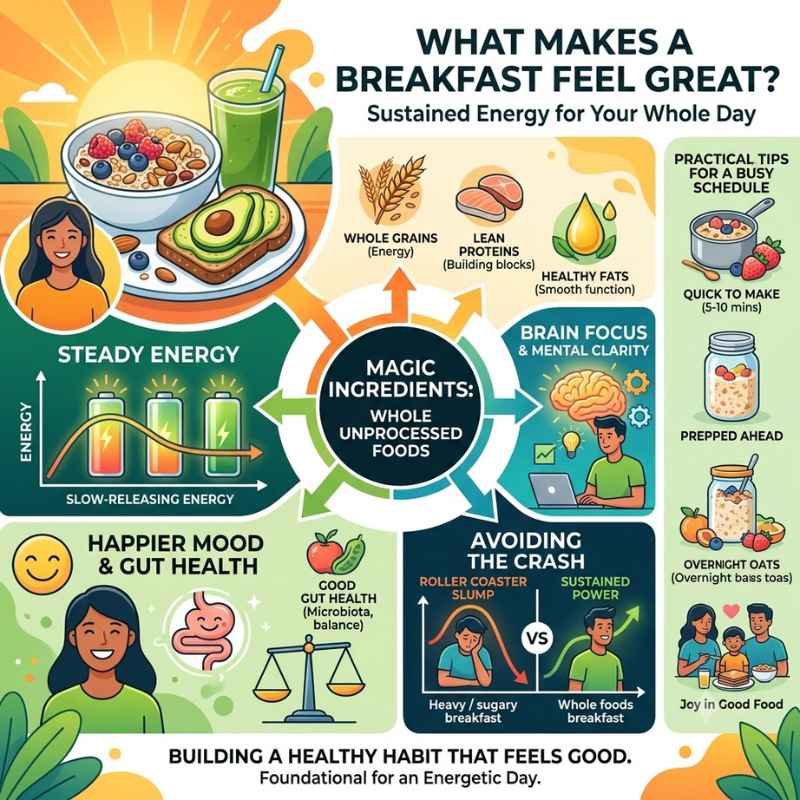
What Makes a Breakfast Feel Great?
A truly great breakfast does more than just taste good. It sets the tone for your entire day. Think about it.
When you eat something heavy or sugary first thing, how do you feel a few hours later? Often, it’s a slump. You might feel tired or foggy.
That’s because your body is working hard to digest or your blood sugar is doing a roller coaster.
On the flip side, a balanced breakfast gives you steady energy. It helps your brain focus. It can even make you feel happier.
This happens because the right foods provide your body with what it needs to function at its best. It’s like giving your car high-quality fuel. It runs much smoother.
So, what are these magic ingredients? Primarily, it’s about whole, unprocessed foods. We’re talking about things like fruits, vegetables, whole grains, lean proteins, and healthy fats.
These foods release energy slowly. They give your body the building blocks it needs. They also support good gut health.
A happy gut often means a happier mood. It’s a win-win situation.
Let’s break down what makes a breakfast truly great for you. It’s a mix of taste, nutrition, and how it makes you feel long after you’ve eaten. We want to avoid that mid-morning crash.
We want sustained power and focus. We also want to feel a sense of satisfaction, not guilt.
The goal is to make your first meal of the day a positive experience. One that supports your physical and mental well-being. It’s about mindful eating.
It’s about making smart choices that pay off all day long. This is more than just following a diet. It’s about building a healthy habit that feels good.
A great breakfast should be practical too. Most of us don’t have hours to cook every morning. So, we’ll look at ideas that are quick to make.
Some can even be prepped ahead of time. This way, you don’t have to sacrifice your well-being for your busy schedule. Your breakfast should be a helper, not a chore.
We will explore different types of breakfasts. From quick grabs to slightly more involved weekend treats. The focus will always be on nourishment and how it makes you feel.
We want you to look forward to your morning meal. Not dread it or skip it. This is about finding joy in good food.
Ultimately, a great breakfast is one that fits your lifestyle. It aligns with your personal tastes. It helps you achieve your daily goals.
It’s a foundation for a healthy and energetic day. Let’s start building that foundation.
My Own Morning Wake-Up Call
I remember one particularly rough week a few years back. Deadlines were piling up. I was surviving on coffee and whatever quick, sugary thing I could grab on my way to the office.
Usually, that meant a giant muffin or a pastry. By 10 AM, I’d hit a wall. I’d feel groggy, irritable, and utterly drained.
My brain felt like it was wading through fog. It was awful. My work suffered, and I just felt generally miserable.
One Tuesday morning, I had an early meeting. I’d stayed up way too late and the thought of even making toast felt like too much. I stumbled into my kitchen, feeling defeated.
On the counter, I found a container of Greek yogurt I’d bought on a whim. I also had some berries and a handful of nuts. It wasn’t fancy, but I mixed it all together.
It was simple, maybe a bit tart, but surprisingly filling. I ate it while checking emails.
That day was different. I didn’t get that mid-morning slump. I felt awake.
My thoughts were clearer. I could actually focus on the meeting. It was like a small miracle.
I realized then how much those sugary pastries were hurting me. They gave me a quick burst, then took everything away. This simple yogurt bowl offered something different.
It was steady, lasting energy. That experience was a huge turning point for me. It showed me that simple, whole foods could make a massive difference.
It wasn’t about elaborate cooking. It was about smart, nourishing choices.
Understanding Your Breakfast Needs
What to Aim For:
- Protein: Keeps you full. Helps muscles.
- Healthy Fats: Good for brain. Sustained energy.
- Fiber: Aids digestion. Keeps blood sugar steady.
- Vitamins & Minerals: Essential for body functions.
What to Limit:
- Added Sugars: Cause energy crashes.
- Highly Processed Grains: Less fiber, fewer nutrients.
- Unhealthy Fats: Can make you feel heavy.
The Power of Protein
Protein is like the steady engine for your morning. It digests slowly. This means it keeps you feeling full for a long time.
It also helps prevent those sugar cravings that sneak up on you later. Think of eggs, Greek yogurt, cottage cheese, lean meats, or even plant-based options like tofu or beans.
When you include protein in your breakfast, your body doesn’t need to look for quick energy fixes. It has a reliable source. This steadiness is key to avoiding that afternoon slump.
It also helps your muscles stay strong and repaired. For your brain, protein provides amino acids. These are important for focus and alertness.
For example, scrambled eggs are a classic for a reason. They are packed with protein and other good stuff. A serving of Greek yogurt offers even more protein than regular yogurt.
It’s creamy and versatile. You can add fruits or nuts to it for extra flavor and nutrients. Cottage cheese is another great protein source.
It’s mild and can be enjoyed sweet or savory.
If you’re plant-based, don’t worry! Tofu scrambles are fantastic. They can be seasoned to taste like eggs.
Black beans or lentils can be added to breakfast burritos or bowls. Even a tablespoon of nut butter on whole-grain toast adds a good dose of protein. The key is to make protein a regular part of your first meal.
Don’t underestimate the power of a simple hard-boiled egg. You can make a batch at the start of the week. Grab one on your way out the door.
It’s a complete protein source. It’s easy to carry and eat. It’s a small step that makes a big difference in how you feel.
Consider adding a side of lean turkey sausage or a small portion of smoked salmon. These are excellent protein boosters. They also bring healthy fats to the table, which we’ll talk about next.
The aim is to have a good amount of protein to start your day. This ensures you feel satisfied and energized.
So, when you’re planning your breakfast, ask yourself: “Does this have a good source of protein?” If the answer is yes, you’re already on the right track. You’re building a breakfast that supports your body and mind. This is crucial for sustained energy.
It’s also vital for a positive mood. Protein helps regulate neurotransmitters in your brain. These chemicals influence how you feel.
The Role of Healthy Fats
Healthy fats are not the enemy! In fact, they are your friends, especially in the morning. They help you feel full and satisfied.
They are also vital for brain health and hormone production. Think of avocados, nuts, seeds, and olive oil. These are the kinds of fats you want to include.
Fats slow down digestion. This means the carbohydrates you eat are absorbed more slowly. This prevents spikes and crashes in your blood sugar.
It leads to a more even release of energy. This feeling of sustained energy is exactly what we want from a great breakfast. It helps you stay alert and focused.
Avocados are amazing for breakfast. You can add slices to toast, eggs, or even blend them into a smoothie for creaminess. Their healthy monounsaturated fats are great for your heart.
They also provide fiber and important vitamins. A little bit of avocado can make a meal incredibly satisfying.
Nuts and seeds like almonds, walnuts, chia seeds, and flax seeds are tiny powerhouses. They offer healthy fats, protein, and fiber. Sprinkle them on yogurt, oatmeal, or add them to smoothies.
Walnuts are especially good for brain health. Chia seeds and flax seeds are also rich in omega-3 fatty acids. These are crucial for reducing inflammation.
Olive oil is a staple for many healthy breakfasts. You can use it to sauté vegetables for an omelet. Or drizzle a little on top of savory dishes.
Extra virgin olive oil is packed with antioxidants. It’s a simple way to add healthy fats and flavor.
When you combine protein and healthy fats, you create a breakfast that truly lasts. It’s the combination that keeps you full until lunch. It helps you avoid mid-morning snacking on less healthy options.
It also supports your body’s overall health. Healthy fats are essential for absorbing certain vitamins, like A, D, E, and K.
Consider adding a small handful of nuts to your morning snack. Or a tablespoon of almond butter on your whole-grain toast. Even a few slices of avocado on the side can make a big difference.
These additions might seem small, but their impact on your satiety and energy levels is significant.
Remember, not all fats are created equal. We’re focusing on the good ones here. The ones that nourish your body and brain.
These fats play a crucial role in making your breakfast feel complete and energizing. They help you feel grounded and satisfied, which is a fantastic way to start any day.
By making conscious choices to include these healthy fats, you’re investing in your long-term health. You’re also ensuring that your morning meal provides sustained energy. This helps you tackle your day with confidence and vigor.
It’s a simple dietary tweak with profound effects.
Fiber is Your Friend
Fiber is another unsung hero of the breakfast world. It’s crucial for digestion. But its benefits go much further.
Fiber helps you feel full. It also plays a big role in keeping your blood sugar levels stable. This is vital for sustained energy and mood.
There are two main types of fiber: soluble and insoluble. Both are important. Soluble fiber dissolves in water.
It forms a gel-like substance. This helps slow down digestion. It’s found in oats, beans, apples, and citrus fruits.
Insoluble fiber doesn’t dissolve. It adds bulk to your stool. This helps food pass through your digestive system more quickly.
It’s found in whole grains, nuts, and many vegetables.
Oatmeal is a fantastic source of soluble fiber. Especially rolled oats or steel-cut oats. They release energy slowly.
This makes them a perfect breakfast choice. Especially when paired with protein and healthy fats. Avoid the instant varieties that often have added sugars.
The slower the digestion, the better the energy release.
Fruits are a wonderful way to add fiber to your breakfast. Berries are particularly good. They are low in sugar and high in fiber and antioxidants.
Apples, pears, and bananas are also good choices. Aim to eat the whole fruit rather than just drinking the juice. The fiber is in the pulp and skin.
Whole grains, like whole-wheat bread or brown rice, also provide fiber. Make sure the first ingredient listed is “whole grain.” This ensures you’re getting the beneficial parts of the grain. Many cereals are too processed and lack sufficient fiber.
Choosing wisely here is important.
Adding seeds to your breakfast boosts fiber content. Chia seeds and flax seeds are excellent. Just a tablespoon can add several grams of fiber.
They also swell up when wet, which helps with fullness. Sprinkle them on your yogurt, oatmeal, or in a smoothie.
When you eat a breakfast rich in fiber, you’re setting yourself up for success. You’ll feel more satisfied. You’ll have more stable energy levels.
Your digestion will likely improve. This can lead to fewer digestive issues and a general feeling of well-being. A healthy gut is linked to a healthy mind.
Think about this: if your breakfast is low in fiber, it’s likely to be digested quickly. This leads to a rapid rise in blood sugar, followed by a crash. This is when you feel tired and hungry again.
Fiber acts as a buffer. It prevents this rollercoaster. It helps you stay on an even keel throughout your morning.
So, when you’re planning your breakfast, consider your fiber intake. Are you including fruits, vegetables, whole grains, or seeds? Making these choices ensures your breakfast is not only delicious but also powerfully beneficial.
It contributes significantly to feeling great all day long. It’s a cornerstone of a truly energizing start.
Quick Breakfast Idea: Berry & Yogurt Parfait
Ingredients:
- 1 cup Greek yogurt
- 1/2 cup mixed berries (fresh or frozen)
- 1/4 cup granola (low sugar)
- 1 tbsp chia seeds
How to Make:
- Layer Greek yogurt, berries, and granola in a glass or bowl.
- Sprinkle chia seeds on top.
- Enjoy immediately or prep ahead!
Why it works: Protein from yogurt, fiber and antioxidants from berries, fiber and healthy fats from granola and chia seeds.
Carbohydrates: The Right Kind Matters
Carbohydrates often get a bad rap. But they are your body’s primary source of energy. The trick is choosing the right kind of carbs.
We want complex carbohydrates. These are found in whole, unprocessed foods. They provide sustained energy.
Sugary, refined carbs, on the other hand, cause quick spikes and crashes.
Complex carbs are made up of longer chains of sugar molecules. Your body breaks them down slowly. This releases energy gradually.
This is exactly what you want for a morning meal. It keeps you going without feeling jittery or exhausted. Think of whole grains, sweet potatoes, and fruits.
Whole grains include things like oats, quinoa, brown rice, and whole-wheat bread. When you eat these, the fiber content helps slow down the absorption of sugars. This is why oatmeal is so highly recommended.
It’s a complex carbohydrate that provides lasting fuel. Look for labels that say “100% whole grain” or “whole wheat” as the first ingredient.
Sweet potatoes are another excellent complex carbohydrate. They are packed with vitamins and fiber. You can bake them and have them with a topping, or add cubes to breakfast hashes.
They offer a more nutrient-dense option than white potatoes.
Fruits, as we’ve mentioned, are fantastic. They offer natural sugars for energy, but they also come with fiber, vitamins, and antioxidants. While fruit sugars are natural, it’s still wise to pair them with protein or fat to further slow sugar absorption.
A whole apple with peanut butter is a great example.
What should you avoid? Refined carbs. These are things like white bread, sugary cereals, pastries, donuts, and sugary drinks.
These foods have had most of their fiber and nutrients stripped away. They cause a rapid surge in blood sugar. This is often followed by a sharp drop, leaving you feeling tired and hungry again.
So, when you’re building your breakfast plate, think about the carbohydrate source. Is it from a whole, unprocessed food? Is it packed with fiber?
If you’re having toast, choose whole-wheat. If you’re having cereal, make sure it’s a whole-grain option with minimal added sugar. If you’re making pancakes, try using whole-wheat flour or adding oats.
The right kind of carbohydrates will provide the energy you need to start your day strong. They will help you feel satisfied and alert. They are a crucial part of a balanced breakfast that makes you feel truly great.
They are the body’s preferred fuel. Choosing wisely ensures this fuel is burned efficiently.
By focusing on complex carbohydrates, you’re giving your body the best chance to perform optimally. You’re avoiding the energy roller coaster. You’re setting a positive metabolic tone for the rest of your day.
This is a simple but powerful strategy for feeling great from the moment you wake up.
Putting It All Together: Balanced Breakfast Examples
Now, let’s put these principles into practice. A truly great breakfast balances protein, healthy fats, fiber, and complex carbohydrates. It should also be enjoyable and fit your lifestyle.
Here are a few examples of how you can combine these elements.
Breakfast Plate: The “Energizer”
Components:
- Protein: 2 scrambled eggs
- Complex Carb/Fiber: 1 slice of whole-wheat toast
- Healthy Fat: 1/4 avocado, sliced
- Fiber/Vitamins: Small side of berries
Why it works: The eggs provide protein. The toast is a whole-grain carb with fiber. Avocado adds healthy fat.
Berries offer vitamins and more fiber.
Another option is a hearty smoothie. This is great for busy mornings. You can pack a lot of nutrition into one glass.
Start with a base of unsweetened almond milk or water. Add a scoop of protein powder (whey, plant-based). Toss in a handful of spinach (you won’t taste it!).
Add half a banana or some berries for natural sweetness and carbs. Finally, a tablespoon of almond butter or chia seeds for healthy fats and fiber.
For a warmer option, consider overnight oats. Prepare them the night before. Mix rolled oats with milk (dairy or plant-based) and a spoonful of chia seeds.
In the morning, top with Greek yogurt, a handful of nuts, and some sliced fruit. This gives you protein, fiber, complex carbs, and healthy fats all in one bowl. It’s incredibly convenient.
A savory breakfast bowl is also a winner. Start with a base of quinoa or brown rice. Top with black beans, some sautéed vegetables (like bell peppers and onions), a fried egg, and a dollop of salsa or a sprinkle of avocado.
This is a complete meal that keeps you full and energized. It’s a fantastic way to get plant-based protein too.
Don’t forget the power of simple combinations. A bowl of cottage cheese with sliced peaches and a sprinkle of walnuts. Or a whole-wheat bagel thinly spread with cream cheese and topped with smoked salmon and capers.
These offer a good mix of nutrients and satisfy different cravings.
The key is variety. Don’t eat the exact same thing every single day. Rotating through different balanced meals keeps your nutrient intake broad.
It also prevents boredom. Experiment with different fruits, vegetables, protein sources, and healthy fats. Find what you enjoy most.
Remember that portion sizes matter. While these are healthy options, eating too much of anything can lead to feeling weighed down. Listen to your body’s hunger and fullness cues.
The goal is to feel satisfied, not stuffed.
By consistently choosing breakfasts that incorporate these balanced elements, you are actively choosing to feel better. You’re making a positive impact on your energy levels, your focus, and your overall mood. This is the essence of a breakfast that truly makes you feel great.
Mindful Mornings: Beyond Just Food
Feeling great in the morning isn’t just about what you eat. It’s also about how you approach your morning. The pace.
The environment. The mindset. These things play a huge role in how energized and positive you feel.
Even the most perfect breakfast can be undermined by a stressful start.
Let’s talk about slowing down. When you rush through breakfast, gobbling it down while checking emails or scrolling through your phone, you’re not truly enjoying it. Your body might not even register that it’s eating.
This is where mindful eating comes in. Try to sit down for at least a few minutes. Focus on the taste, texture, and smell of your food.
This can make the meal more satisfying.
The environment matters. Is your kitchen chaotic? Are you bombarded by news alerts?
Try to create a calm space for your breakfast. Even five minutes of quiet before you start eating can make a difference. Maybe open a window for some fresh air.
Put on some gentle music. These small touches can shift your mindset.
Hydration is also key. Before you even think about food, drink a glass of water. Your body dehydrates overnight.
Starting with water helps wake up your system. It can also help you feel more alert and ready for your meal. Some people like to add a squeeze of lemon to their water.
This can aid digestion.
Think about your pre-breakfast routine. Are you jumping straight into high-stress activities? Maybe start with a few deep breaths.
Or a short walk around the block. Even a few minutes of stretching can help. These actions prime your body and mind for a positive day.
They complement the nutrition you’re about to receive.
The stress response can actually interfere with digestion. So, reducing stress before and during your meal is beneficial. It allows your body to better absorb and utilize the nutrients from your food.
This contributes to that feeling of sustained energy and well-being.
Consider your screen time. Are you immediately diving into social media or news? Try to delay this for at least 15-30 minutes after waking up.
Let your brain gently come online. Use that time for your breakfast, hydration, or a moment of quiet reflection. This can significantly reduce morning anxiety.
This holistic approach—combining nutritious food with a calm, mindful start—is what truly elevates your morning. It’s not just about the fuel you put in your body. It’s also about the environment and mindset you create.
This combination is what makes a breakfast genuinely make you feel great.
It’s a practice. Some days will be easier than others. Don’t aim for perfection.
Aim for progress. Even small steps, like drinking a glass of water or eating without distractions for five minutes, can lead to big changes over time. This mindful approach amplifies the benefits of your healthy breakfast choices.
Myth vs. Reality: Breakfast Edition
Myth: All cereals are healthy. Reality: Many cereals are high in sugar and low in fiber. Look for 100% whole grains and minimal added sugar.
Myth: Fruit juice is as good as whole fruit. Reality: Juice lacks fiber and concentrates sugars. Whole fruit is better for sustained energy.
Myth: You need a big, hot breakfast every day. Reality: What matters is balance and nutrition, not just temperature or size. A cold yogurt parfait can be just as effective.
Myth: Eating fat for breakfast makes you gain weight. Reality: Healthy fats are crucial for satiety and hormone balance. They help manage appetite.
When to Worry and When It’s Normal
It’s important to know that not every single morning will feel amazing. Life happens. Some days you might feel a little off, no matter what you eat.
But there are signs that might indicate a pattern or a need to adjust your approach. Understanding these can help you fine-tune your breakfast strategy.
If you consistently feel hungry within an hour or two of eating breakfast, it’s a sign it wasn’t filling enough. This often means you need more protein or healthy fats. Or perhaps more fiber.
A breakfast of plain toast or just a sugary cereal likely won’t keep you satisfied for long. Adding eggs, avocado, or nuts can help. This isn’t about eating more food, but about eating more satisfying food.
Feeling a significant energy crash or extreme fatigue mid-morning is another red flag. This points to blood sugar volatility. It suggests the carbohydrates you ate were too simple or too sugary.
Your body had a quick sugar rush, followed by a drop. This can also lead to irritability or brain fog. If this is a regular occurrence, re-evaluate the carbohydrate sources in your breakfast.
Feeling bloated or experiencing digestive discomfort after breakfast is also worth noting. This could be due to a food sensitivity, or perhaps eating too quickly. It could also be related to the types of fiber or ingredients you’re using.
If certain foods consistently cause issues, consider eliminating them temporarily to see if it helps.
What’s normal? Feeling comfortably full after breakfast, not stuffed. Having sustained energy for several hours.
Feeling alert and able to focus. Experiencing a gentle transition back to hunger, rather than ravenousness. These are all good indicators that your breakfast is serving you well.
Sometimes, feeling a little less energetic is simply due to lack of sleep, stress, or not enough water. It’s not always about the food itself. But if these other factors are in check, and you’re still feeling consistently low on energy or hungry, it’s time to look at your breakfast choices.
If you have any underlying health conditions, like diabetes or digestive disorders, it’s always best to consult with a doctor or a registered dietitian. They can provide personalized advice based on your specific needs. What works for one person might not be ideal for another.
This is especially true when managing health concerns.
Ultimately, your body will tell you if your breakfast is working. Pay attention to these signals. They are valuable feedback.
If you’re consistently feeling great after a meal, you’re likely doing something right. If you’re consistently feeling bad, it’s a signal to make some adjustments. It’s a continuous learning process.
Don’t be discouraged if your breakfast isn’t perfect every day. The goal is to build healthier habits over time. By understanding what makes a breakfast truly beneficial, you empower yourself to make better choices.
This leads to a more energized and enjoyable start to your day. It’s about self-care, one meal at a time.
Quick Tips for a Better Breakfast
Making the shift to more energizing breakfasts doesn’t have to be complicated. Here are some simple, actionable tips you can use right away.
- Prep Ahead: Spend a little time on the weekend. Hard-boil eggs. Chop fruits and veggies. Make a batch of overnight oats. This saves time on busy mornings.
- Keep it Simple: You don’t need gourmet meals. A bowl of Greek yogurt with berries and nuts is fantastic. A piece of whole-wheat toast with avocado and an egg is great too.
- Add Protein to Everything: If you’re having cereal, add a scoop of protein powder. If you’re having oatmeal, stir in some nuts or seeds. Even a small protein boost helps.
- Hydrate First: Always start your morning with a glass of water before anything else. It wakes up your body.
- Read Labels: Pay attention to added sugars and fiber content in packaged foods like cereals and granola.
- Embrace Healthy Fats: Don’t fear them! A quarter of an avocado or a small handful of nuts adds satisfaction and sustained energy.
- Include a Fruit or Vegetable: Berries, spinach in smoothies, or a side of fruit adds essential vitamins, minerals, and fiber.
- Listen to Your Body: Notice how different breakfasts make you feel. Adjust based on your energy levels and hunger cues.
- Limit Sugary Drinks: Swap sodas or sugary juices for water, herbal tea, or black coffee.
- Mindful Eating: Even five minutes of focused eating can improve digestion and satisfaction.
Quick Scan Table: Breakfast Boosters
| Food Group | Boosts Energy & Mood | Why It Helps |
|---|---|---|
| Eggs | Protein Powerhouse | Sustained fullness, stable blood sugar |
| Oats (Rolled/Steel-Cut) | Complex Carb Fuel | Slow energy release, high fiber |
| Berries | Nutrient Rich | Vitamins, antioxidants, fiber |
| Avocado | Healthy Fat Source | Satiety, brain health, slows digestion |
| Nuts/Seeds | Fiber & Fat Combo | Fullness, steady energy, nutrients |

Frequently Asked Questions
What is the best breakfast for energy?
The best breakfast for sustained energy includes a good balance of protein, healthy fats, and complex carbohydrates. Foods like eggs, Greek yogurt, oatmeal with nuts, or whole-wheat toast with avocado are excellent choices. These provide slow-releasing energy and help prevent blood sugar crashes.
Can breakfast really impact my mood?
Yes, absolutely. A balanced breakfast helps stabilize blood sugar levels, which directly affects mood and energy. Avoiding sugary, refined foods that cause crashes is key.
Nutrient-rich foods also provide your brain with the building blocks it needs for neurotransmitter production, impacting feelings of well-being.
I don’t have time to cook breakfast. What can I do?
Prep ahead! Hard-boil eggs, make overnight oats, chop fruits and veggies, or portion out yogurt and nuts. Grab-and-go options like a piece of fruit with a handful of almonds or a pre-made smoothie are also great.
The key is to have healthy options ready when you’re short on time.
What should I avoid for breakfast if I want to feel good?
It’s best to limit sugary cereals, pastries, donuts, and sugary drinks. These cause rapid blood sugar spikes and subsequent crashes, leading to fatigue and irritability. Highly processed foods are also best avoided as they often lack essential nutrients and fiber.
Is it okay to have coffee with breakfast?
For most people, a moderate amount of coffee can be fine. It can even boost alertness. However, be mindful of added sugars or creamers, which can negate the benefits.
If you’re sensitive to caffeine, or it makes you feel jittery, it might be better to stick to water or herbal tea.
How much fiber should I aim for at breakfast?
Aiming for at least 3-5 grams of fiber in your breakfast is a good starting point. Foods like oats, berries, whole grains, chia seeds, and flax seeds are excellent fiber sources. Fiber helps you feel full and stabilizes blood sugar, contributing to sustained energy.
Can I eat breakfast for dinner?
Absolutely! The principles of a balanced meal apply any time of day. A “breakfast for dinner” meal with eggs, whole-wheat toast, and some vegetables can be just as nutritious and satisfying as having it in the morning.
Final Thoughts: Your Morning, Your Power
Building a breakfast that truly makes you feel great is an act of self-care. It’s about choosing nourishing foods that provide steady energy and support your well-being. It’s about creating a calm moment in your morning.
Remember, it’s not about perfection, but about consistent, smart choices. You have the power to make your mornings wonderful. Start with what you eat!