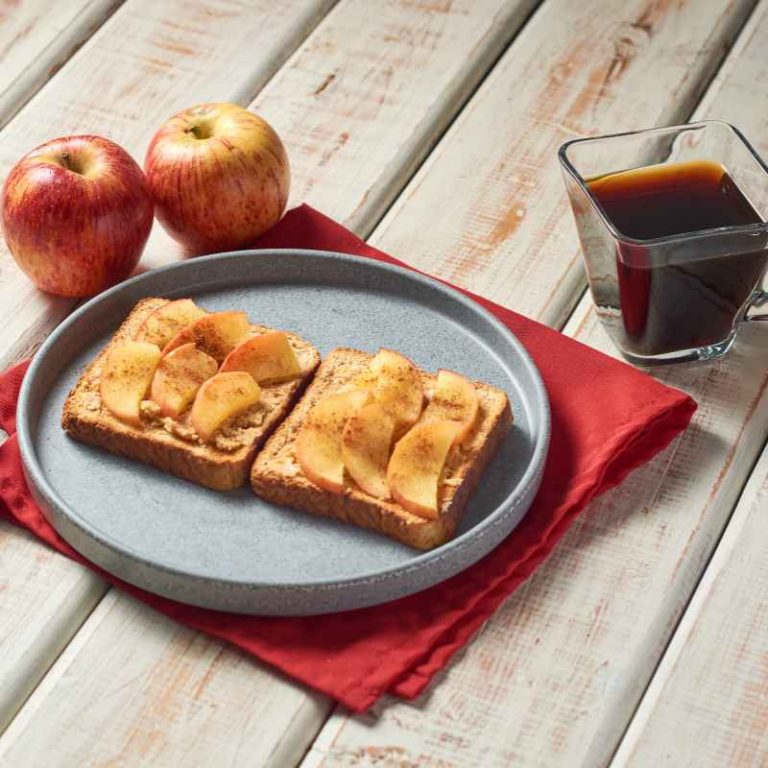
Low Cal Breakfast Options That Are Tasty And Satisfying
If you want to lose weight or simply start your day lighter, finding breakfast foods that are both low in calories and genuinely tasty can feel challenging. Many people think low-calorie means boring or unsatisfying, but that isn’t true. With a bit of creativity, you can enjoy meals that are rich in flavor, keep you full, and don’t pile on extra calories.
In this article, you’ll discover practical breakfast ideas, learn how to build satisfying low-calorie meals, and understand key habits that help you stay on track. Whether you’re a busy professional, a student, or someone just looking for healthier choices, these suggestions will help you get started.
Why Choose Low Calorie Breakfasts?
Eating a low calorie breakfast can offer several benefits. First, it helps manage your energy intake for the day. Studies show that people who eat lighter breakfasts tend to consume fewer calories overall, which supports weight management. For example, the National Weight Control Registry reports that 78% of successful weight loss maintainers eat breakfast every day, often choosing lighter options.
Low-calorie breakfasts also help avoid the sluggish feeling that heavy meals cause. By starting your day light, you can stay more focused and energetic. Another important benefit is reducing blood sugar spikes. Meals high in carbs or fat can cause rapid changes in blood sugar, leading to crashes and cravings later.
Low-calorie, balanced breakfasts help keep you steady.

Common Mistakes With Low Calorie Breakfasts
Many people make simple mistakes when switching to low-calorie breakfasts. Avoiding these can make your meals more effective and enjoyable.
- Skipping breakfast: Some think skipping breakfast saves calories, but it often leads to overeating later.
- Choosing only fruits: Fruits are healthy, but eating only fruit can leave you hungry. Pair fruit with protein or fiber.
- Too much processed food: Packaged “diet” foods can be high in sugar or sodium, which is not ideal.
- Lack of protein: Protein helps you feel full. Without it, you may get hungry quickly.
- Ignoring healthy fats: Small amounts of fat (like avocado or nuts) add flavor and keep you satisfied.
If you avoid these mistakes, you’ll find low-calorie breakfasts easier to stick with.
What Makes A Breakfast Satisfying?
The key to a satisfying breakfast isn’t just calories, but the right mix of ingredients. Here’s what matters most:
- Protein: Eggs, Greek yogurt, cottage cheese, tofu, lean meats
- Fiber: Whole grains, vegetables, berries, chia seeds
- Healthy fats: Avocado, nuts, seeds, olive oil (in small amounts)
- Volume: Foods with water (like tomatoes, cucumbers, melons) fill you up without extra calories
You don’t need to include all elements every time, but combining two or three can make your meal more filling.
Top Low Calorie Breakfast Options
Finding the right breakfast can take trial and error. Here are several tasty, satisfying, and easy-to-make options.
1. Greek Yogurt Parfait
Layer plain Greek yogurt with berries and a sprinkle of chia seeds. Greek yogurt is rich in protein, and berries add fiber and antioxidants. Chia seeds help you feel full longer.
Calories: About 180 per serving (with 1/2 cup yogurt, 1/2 cup berries, 1 tbsp chia seeds)
2. Vegetable Omelette
Use egg whites or whole eggs mixed with diced bell peppers, spinach, and tomatoes. Cook in a non-stick pan with a tiny bit of olive oil.
Calories: Around 150 (2 egg whites, 1 cup veggies, 1 tsp olive oil)
3. Overnight Oats
Combine rolled oats (1/4 cup), unsweetened almond milk (1/2 cup), and chopped apples. Leave in the fridge overnight. Add cinnamon for flavor.
Calories: About 170 per serving
4. Banana Pancakes
Mash one ripe banana and mix with one egg. Cook as small pancakes. These are gluten-free and require no sugar.
Calories: 160 (per batch of 1 banana + 1 egg)
5. Avocado Toast
Top whole grain toast (1 slice) with smashed avocado and tomato slices. Sprinkle with salt and pepper.
Calories: 170 per serving
6. Cottage Cheese Bowl
Mix cottage cheese (1/2 cup) with sliced peach or pineapple and a little cinnamon.
Calories: About 130 per serving
7. Smoothie Bowl
Blend spinach, frozen berries, and unsweetened almond milk. Pour into a bowl and top with sliced banana and a teaspoon of chia seeds.
Calories: 140 per serving
8. Egg Muffins
Whisk eggs with diced vegetables, pour into muffin tins, and bake. These can be made ahead and stored.
Calories: About 70 per muffin (with veggies)
9. Tofu Scramble
Crumble firm tofu and sauté with turmeric, spinach, and mushrooms. Tastes like scrambled eggs but is vegan and low in calories.
Calories: 110 per serving
10. Apple And Peanut Butter
Slice one apple and spread a teaspoon of peanut butter on each slice. This is simple and portable.
Calories: 140 (1 small apple + 2 tsp peanut butter)
How To Build Your Own Low Cal Breakfast
You don’t need to stick to recipes. You can mix and match ingredients to create your own meal. Here’s a simple formula:
- Choose a protein: Greek yogurt, eggs, tofu, cottage cheese
- Add fiber: Berries, vegetables, oats, whole grain bread
- Include flavor: Herbs, spices, lemon juice, salsa
- Add a touch of healthy fat: Avocado, nuts, seeds
For example, if you have leftover vegetables, sauté them and mix into scrambled eggs. Or blend fruit, spinach, and yogurt for a quick smoothie.
Comparison Of Popular Low Cal Breakfasts
To help you see how these options stack up, here’s a table showing calories and protein content for five popular choices.
| Breakfast Option | Calories | Protein (g) | Fiber (g) |
|---|---|---|---|
| Greek Yogurt Parfait | 180 | 15 | 4 |
| Vegetable Omelette | 150 | 10 | 3 |
| Overnight Oats | 170 | 5 | 4 |
| Banana Pancakes | 160 | 6 | 2 |
| Cottage Cheese Bowl | 130 | 13 | 1 |
You’ll notice that the Greek Yogurt Parfait and Cottage Cheese Bowl both offer high protein for their calorie count. Protein keeps you full, so these are good choices if you often get hungry before lunch.
Easy Low Calorie Breakfasts For Busy Mornings
If you’re short on time, you still have good options. Here are some quick ideas:
- Hard-boiled eggs: Cook a batch ahead. Eat with cherry tomatoes.
- Nut butter on rice cakes: Spread peanut or almond butter on a rice cake and top with banana slices.
- Low-fat cheese sticks: Pair with apple slices for a sweet and salty meal.
- Grab-and-go smoothies: Blend spinach, berries, and water. Pour into a bottle.
These meals take less than five minutes to prepare or can be made the night before.
Low Calorie Breakfasts Around The World
Different cultures offer unique low-calorie breakfast ideas. Here are some examples:
- Japan: Rice with steamed vegetables and miso soup (light and filling)
- India: Idli (steamed rice cakes) served with sambar (vegetable stew)
- Spain: Tomato toast (pan con tomate) – whole grain bread rubbed with tomato and olive oil
- Turkey: Fresh cucumbers, tomatoes, olives, and feta cheese
Trying international breakfasts can keep your meals interesting and help you discover new flavors.
The Role Of Portion Size
Portion control is important for keeping calories low. Even healthy foods can add up if you eat too much. For example, nuts and cheese are nutritious but high in calories if you don’t measure.
Here’s a table comparing portion sizes and calorie counts for common breakfast ingredients.
| Ingredient | Standard Portion | Calories |
|---|---|---|
| Greek yogurt | 1/2 cup | 80 |
| Egg | 1 large | 70 |
| Avocado | 1/4 fruit | 60 |
| Oats | 1/4 cup dry | 75 |
| Peanut butter | 1 tsp | 35 |
Measuring your servings can make a big difference in calorie control.
How To Make Low Calorie Breakfasts More Flavorful
A common worry is that low-calorie means bland. But you can add flavor without extra calories. Here are some tips:
- Use spices and herbs: Cinnamon, paprika, basil, cilantro, mint, chili flakes
- Add acidity: Lemon juice, vinegar, salsa brighten flavors
- Roast veggies: Roasting brings out natural sweetness in peppers, tomatoes, onions
- Mix textures: Crunchy nuts, creamy yogurt, juicy fruits make meals more interesting
For example, sprinkle cinnamon and nutmeg on overnight oats, or add fresh basil to your omelette.
Satisfying Low Calorie Breakfasts For Weight Loss
If you’re aiming for weight loss, breakfast can play a key role. The right foods help you avoid snacking and keep your metabolism steady. Here’s how to structure your meal:
- Aim for 200–300 calories: This is low enough for most people, but not so low you’ll be hungry.
- Include at least 10g protein: Protein helps preserve muscle and keeps you full.
- Choose high-fiber foods: Fiber slows digestion and avoids blood sugar spikes.
- Avoid added sugars: Stay away from sugary cereals and pastries.
A meal of Greek yogurt, berries, and nuts is a great example. Or two egg muffins with spinach and tomatoes.
Comparing Low Calorie Breakfast With Traditional Options
Sometimes, it helps to see how low-calorie meals differ from traditional breakfasts. Here’s a table comparing a typical American breakfast with a low-calorie alternative.
| Meal | Calories | Protein (g) | Added Sugar (g) | Satisfaction Level |
|---|---|---|---|---|
| Pancakes with syrup | 350 | 6 | 18 | Low |
| Egg and veggie omelette | 150 | 10 | 0 | High |
| Bacon and toast | 300 | 8 | 2 | Medium |
| Greek yogurt parfait | 180 | 15 | 2 | High |
Notice how low-calorie options can offer more protein and higher satisfaction with fewer calories and less sugar.
Non-obvious Tips For Low Calorie Breakfast Success
Most guides miss a few practical ideas that can help beginners succeed:
- Batch cooking: Prepare breakfast ingredients ahead (like boiled eggs, chopped veggies). This makes mornings easier.
- Flavor layering: Use several types of flavor in one meal (like tangy yogurt, sweet berries, crunchy seeds). This keeps your meal interesting and satisfying.
- Mindful eating: Slow down and enjoy your meal, even if it’s simple. Eating slowly helps you notice fullness and prevents overeating.
These tips can transform your routine and make it easier to stick with low-calorie breakfasts.
When To Eat Breakfast For Best Results
Timing can affect how satisfied you feel. Research suggests eating breakfast within two hours of waking helps control hunger and energy levels throughout the day. If you exercise in the morning, a small protein-rich meal before your workout can improve performance and recovery.
If you’re not hungry early, try a light snack like yogurt or fruit, then eat a bigger meal later.
Low Calorie Breakfasts For Special Diets
If you have dietary restrictions, there are still plenty of options:
- Vegan: Tofu scramble, oatmeal with plant milk, nut butter on toast
- Gluten-free: Eggs, Greek yogurt, fruit, gluten-free oats
- Dairy-free: Smoothies with almond milk, avocado toast, chia pudding
Always check ingredient labels if you have allergies.
What To Avoid In Low Calorie Breakfasts
Some foods seem healthy but can sabotage your efforts:
- Sugary cereal: Even “healthy” cereals can have 10–12g sugar per serving.
- Granola bars: Often high in sugar and fat.
- Fruit juice: Contains lots of sugar and little fiber.
- Processed meats: Bacon and sausage are high in sodium and fat.
Choose whole foods and measure portions to stay within your calorie goals.

Frequently Asked Questions
What Is The Best Low-calorie Breakfast For Weight Loss?
The best option combines protein and fiber, like Greek yogurt with berries, eggs with vegetables, or oatmeal with nuts. Choose meals around 200–300 calories, avoid added sugars, and make sure you feel satisfied.
Can I Skip Breakfast To Save Calories?
Skipping breakfast can seem like a good idea, but it often leads to overeating later. Eating a small, protein-rich meal helps control hunger and keeps your metabolism steady.
How Can I Make Low-calorie Breakfasts More Filling?
Add protein and fiber. Use eggs, yogurt, cottage cheese, tofu, and plenty of vegetables or whole grains. Small amounts of healthy fats (like avocado or nuts) also help.
Are Smoothies A Good Low-calorie Breakfast?
Smoothies can be great if you avoid too much fruit juice or sugar. Blend greens, berries, and protein (yogurt, tofu, or protein powder) for a balanced, low-calorie meal.
Where Can I Find More Healthy Breakfast Recipes?
You can find hundreds of ideas on sites like EatRight.org, which is run by nutrition experts and offers practical tips for all diets.
Finding the right low-calorie breakfast doesn’t have to be complicated or boring. With the right mix of ingredients, smart choices, and a little preparation, you can start every day feeling satisfied and energized—without extra calories. Try a few ideas, build your own meals, and see which options help you feel your best.
Remember, breakfast sets the tone for your day, so choose foods that nourish your body and keep you happy.