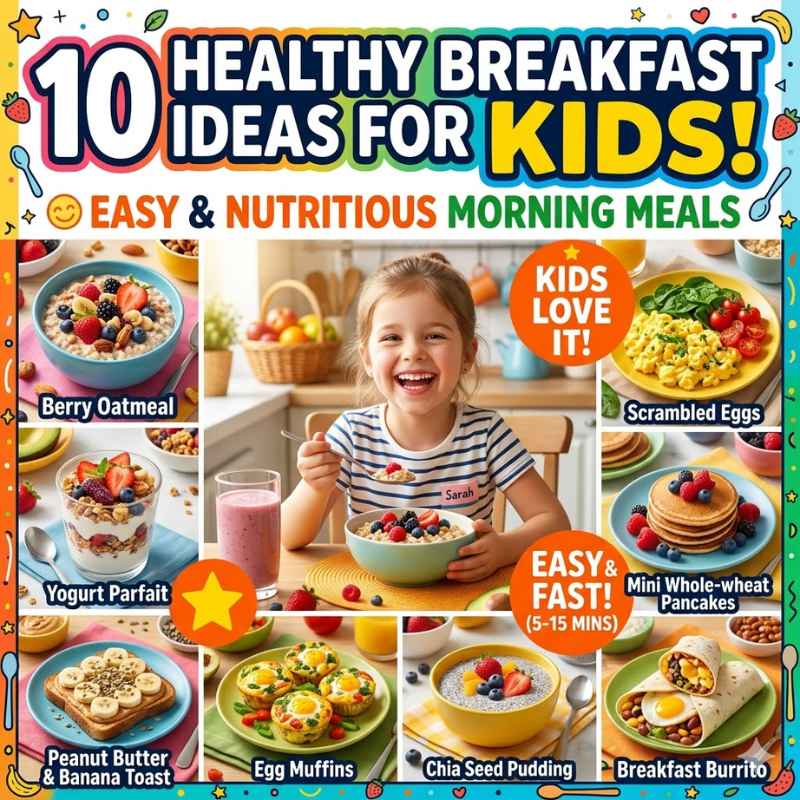
10 Healthy Breakfast Ideas For Kids: Easy Nutritious Morning Meals
It’s morning. You’re rushing. Your little one is still half asleep.
You need food. Fast. But you want it to be good for them.
Not just sugar. Not just empty carbs. Something that will give them energy.
Something healthy. This feels like a big task every single day. It’s hard to know where to start.
What’s good? What’s easy? What will they actually eat?
You’re not alone. So many parents feel this way. We want the best for our kids.
Especially when it comes to starting their day right. Let’s make healthy breakfasts simple. And maybe even fun!
Finding 10 healthy breakfast ideas for kids can feel tricky. This guide offers easy, nutritious options. It focuses on simple preparation and kid-approved flavors. These ideas aim to fuel your child’s day without the morning stress. They balance taste and health for a good start.
Why Healthy Breakfasts Matter for Kids
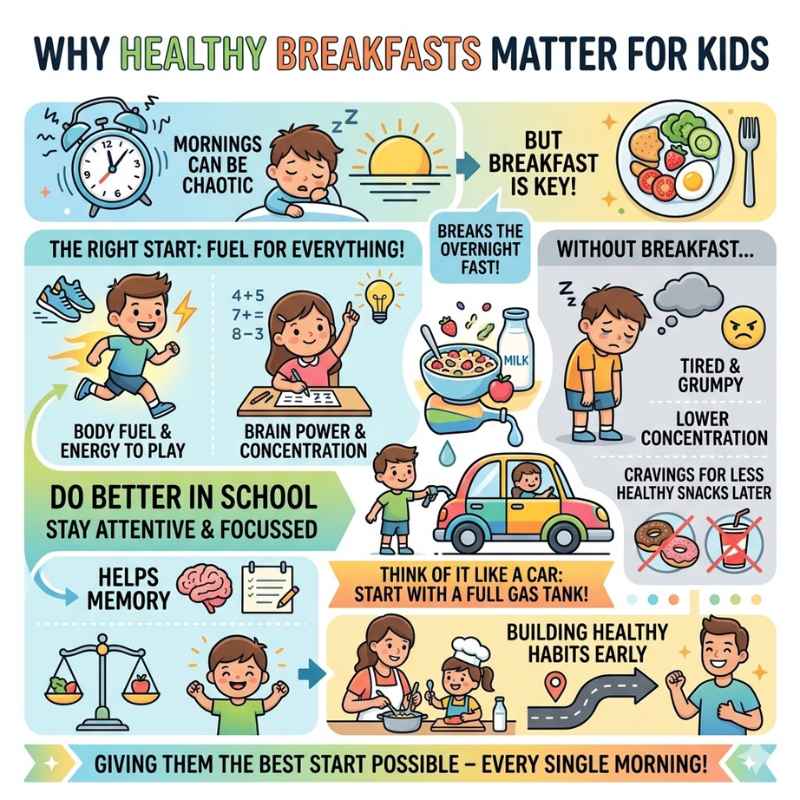
Mornings can be chaotic. But breakfast is key. It breaks the overnight fast.
It gives kids the fuel they need. Fuel for their brain. Fuel for their body.
Kids who eat breakfast do better. They focus more in school. They have more energy to play.
They even tend to be a healthier weight. Skipping breakfast can make them tired. It can make them grumpy.
They might eat less healthy things later. This is why making breakfast a priority helps.
Think of it like a car. You wouldn’t start a long drive with an empty gas tank, right? Kids’ bodies and brains need that first boost too.
It helps their concentration. It helps their memory. Good nutrients early on set a good tone for the whole day.
It’s about building healthy habits early. These habits can last a lifetime. We want to give them the best start possible.
Every single morning.
My Own Morning Breakfast Battle
I remember one particular Tuesday morning. The alarm blared. I had a big work deadline.
My youngest, Leo, was having a meltdown about his favorite dinosaur toy. My oldest, Maya, suddenly decided her school uniform shirt was “itchy.” And the breakfast question loomed. What was in the fridge?
Cereal boxes were almost empty. Some fruit looked a bit sad. The usual go-to was toast.
But just toast felt… not enough. I felt this knot of guilt and panic. Was I failing them already?
I just wanted something quick, good, and that wouldn’t cause a food fight. I ended up making scrambled eggs very fast. They ate them.
But it wasn’t creative. It was survival. I knew there had to be a better way.
A way that felt calmer and more nourishing for all of us.
Morning Fuel: The Power of a Good Breakfast
Energy Boost: Healthy fats and complex carbs provide lasting energy.
Brain Power: Helps kids focus better in school.
Nutrient Intake: A chance to get key vitamins and minerals.
Mood Stabilizer: Prevents crankiness from low blood sugar.
What Makes a Breakfast “Healthy” for Kids?
It’s not about being perfect. It’s about balance. We want a mix of good things.
Protein is important. It helps kids feel full. It builds their muscles.
Think eggs, yogurt, or even nuts if they can have them. Fiber is great too. It keeps their tummies happy.
Whole grains offer fiber. Fruits and veggies are packed with vitamins. Healthy fats are also good.
They help the brain. Avocado or seeds are examples.
We also want to limit added sugars. Too much sugar can lead to energy crashes. It’s fine to have a little treat.
But the main meal should be nutrient-rich. So, instead of sugary cereal, try oatmeal. Instead of juice, try whole fruit.
It’s about making smart swaps. Small changes can make a big difference over time. This helps them develop a taste for good food.
Smart Swaps for a Healthier Morning
- Instead of: Sugary Cereal. Try: Oatmeal with fruit and nuts.
- Instead of: White Toast. Try: Whole wheat toast with peanut butter and banana.
- Instead of: Fruit Juice. Try: A whole piece of fruit.
- Instead of: Pastries. Try: Yogurt parfait with berries.
10 Easy & Nutritious Kid Breakfast Ideas
Let’s get to the good stuff. Here are some ideas. They are simple to make.
They use common ingredients. And kids generally love them. We’ll cover a few different types.
Some are super fast. Some take a little more time on weekends.
1. Oatmeal Power Bowl
Oatmeal is a champion breakfast food. It’s full of fiber. It keeps kids full.
You can make it with milk or water. For extra flavor and nutrients, add toppings. Think berries, sliced bananas, or a sprinkle of cinnamon.
A little bit of honey or maple syrup is okay. A spoonful of nut butter adds protein. Seeds like chia or flax are also great additions.
They are tiny powerhouses.
My kids like to “decorate” their own oatmeal. I put out small bowls of toppings. They choose what goes on.
This makes it an activity. It gives them a sense of control. It’s a healthy choice they make themselves.
It’s a win-win situation for everyone. The oatmeal is warm and filling. The toppings add color and taste.
It’s a simple way to make it special.
Oatmeal Topping Ideas
- Fresh berries (strawberries, blueberries, raspberries)
- Sliced banana or apple
- Chopped nuts or seeds (if age-appropriate and no allergies)
- A drizzle of honey or maple syrup
- A spoonful of nut butter (peanut, almond)
- A dash of cinnamon or nutmeg
2. Scrambled Eggs & Whole Wheat Toast
Eggs are a protein superstar. They are quick to cook. Scrambled eggs are usually a hit with kids.
You can add a little cheese for extra flavor. Serve them with a piece of whole wheat toast. This gives them some fiber.
A small side of fruit, like an orange slice, makes it complete. This is a classic for a reason. It’s filling and provides good energy.
I often scramble two eggs for each child. Sometimes I’ll sneak in a tiny bit of finely chopped spinach. They usually don’t even notice.
The bright green flecks blend in. It’s a little trick I use. It adds extra vitamins without a fuss.
For toast, I make sure it’s 100% whole wheat. It’s denser and more filling than white bread. This meal feels hearty and satisfying.
It sets them up well for their morning.
Egg-cellent Tips
Quick Cook: Eggs are ready in minutes.
Nutrient Dense: Great source of protein and vitamins.
Versatile: Add veggies, cheese, or serve plain.
Pairing: Always a good match with whole grain toast.
3. Yogurt Parfait
This one looks fancy but is super easy. Get plain Greek yogurt. It has more protein than regular yogurt.
Layer it in a glass or bowl. Alternate with berries or other chopped fruit. You can add a sprinkle of granola for crunch.
Or some nuts and seeds. It’s visually appealing. Kids often like building their own.
It’s a cool and refreshing breakfast.
My daughter Maya loves making parfaits. We use clear cups. She likes seeing the layers.
She carefully spoons the yogurt. Then she adds her fruit. Sometimes we use frozen berries.
They thaw a little in the yogurt. It makes it cold and tasty. The crunch from a light granola is nice.
It feels like a treat, but it’s packed with good stuff. It’s a favorite on warmer mornings.
Yogurt Parfait Layers
Base Layer:
Plain Greek Yogurt
Fruit Layer:
Fresh or thawed berries, sliced peaches, diced mango
Crunch Layer:
Low-sugar granola, chopped almonds, sunflower seeds
4. Fruit Smoothies
Smoothies are a fantastic way to pack in nutrients. You can hide a lot of good things in them. Start with a base of milk or yogurt.
Add fruit like bananas, berries, or mango. For an extra boost, add a handful of spinach. It turns the smoothie green, but the fruit flavor hides it.
A spoonful of nut butter or chia seeds adds protein and healthy fats. It’s a drinkable breakfast.
This was Leo’s favorite for a while. He’d watch the blender whir. The bright colors always excited him.
He called it his “magic potion.” I’d add half a banana, some frozen berries, a bit of yogurt, and a handful of spinach. The green color would surprise him, then he’d drink it right up. It’s a quick way to get fruits and greens in.
It’s also easy to drink on the go if needed.
Smoothie Secrets
Base: Milk (dairy or non-dairy), yogurt, or water.
Fruit Power: Bananas, berries, mango, pineapple.
Veggie Boost: Spinach, kale (use sparingly at first).
Healthy Fats: Avocado, nut butter, chia seeds, flax seeds.
5. Whole Wheat Pancakes or Waffles
Pancakes and waffles don’t have to be sugary. Use whole wheat flour for more fiber. You can add mashed banana or pumpkin puree to the batter.
This adds natural sweetness and nutrients. Serve them with fresh fruit instead of syrup. A little bit of pure maple syrup is fine.
Or a dollop of yogurt. These are great for weekend mornings.
Making them from scratch feels like a treat. But a whole wheat version is more wholesome. I sometimes make a big batch on Saturday.
Then I freeze the extras. We can pop them in the toaster during the week. It’s faster than making them fresh.
My kids love topping them with fruit. It feels like a special meal. They get the fun of pancakes without the sugar rush.
Pancake & Waffle Enhancements
Add to Batter:
Mashed ripe banana, pumpkin puree, unsweetened applesauce.
Healthy Toppings:
Fresh fruit, Greek yogurt, a small amount of pure maple syrup.
Whole Grain Choice:
Use 100% whole wheat flour for fiber.
6. Breakfast Burrito or Quesadilla
This is a fun way to use leftovers. Scrambled eggs are great in a breakfast burrito. Add some black beans for fiber and protein.
A sprinkle of cheese is usually a hit. Wrap it all in a whole wheat tortilla. For a quesadilla, just fold a tortilla with eggs, beans, and cheese.
Cook until golden. It’s portable and filling.
This idea came about because we had leftover black beans from dinner. It seemed a shame to waste them. So, I made scrambled eggs.
Added the beans and some shredded cheddar. Folded it all into a whole wheat tortilla. Leo ate his whole burrito.
He asked for another one. Maya preferred hers as a quesadilla. It’s a savory option that’s different from sweet breakfasts.
It works really well.
Burrito & Quesadilla Fillings
Savory Staples:
Scrambled eggs, black beans, refried beans.
Protein Boost:
Cooked chicken or turkey sausage (low sodium).
Healthy Add-ins:
Diced bell peppers, onions, spinach.
Cheese:
Shredded cheddar, Monterey Jack.
7. Mini Muffins (Whole Wheat & Fruit)
You can make healthier muffins. Use whole wheat flour. Sweeten them with mashed bananas, applesauce, or a little honey.
Add berries, chopped apples, or even grated zucchini. Make them in mini muffin tins. This controls portion size.
They are great for busy mornings. You can make a batch ahead of time.
Baking is my stress relief. I often make a batch of mini muffins on Sunday. They disappear fast during the week.
My kids grab them as they run out the door. They are perfectly sized. My personal favorite is a blueberry and banana whole wheat muffin.
I use whole wheat pastry flour. It makes them a little lighter. They are moist and not too sweet.
It feels good to know they are getting a decent start.
Healthier Muffin Mix-ins
- Fruit: Blueberries, raspberries, diced apples, grated pear.
- Vegetables: Grated zucchini (squeeze out water), shredded carrot.
- Sweetener: Mashed ripe banana, unsweetened applesauce, a touch of honey.
- Flour: 100% whole wheat flour or a mix.
8. Hard-Boiled Eggs & Fruit
This is about as simple as it gets. Hard-boil a batch of eggs at the start of the week. They are a portable protein source.
Grab one or two for your child. Pair them with a piece of fruit like an apple, pear, or orange. Or a small container of grapes or berries.
It requires zero morning prep. It’s a perfectly balanced quick breakfast.
This was a lifesaver last school year. My son’s bus comes very early. There’s no time for cooking.
I’d have a few hard-boiled eggs ready in the fridge. He’d eat one with a banana. That was it.
He’d be fed and ready. It’s not exciting, but it’s healthy. It’s reliable.
And for those super early mornings, reliable is everything. It removed a huge amount of stress for me.
Grab-and-Go Breakfast Stars
Protein: Hard-boiled eggs, cheese sticks, small container of nuts.
Fruit: Apples, bananas, pears, oranges, berries.
Veggie: Baby carrots, cherry tomatoes.
9. Cottage Cheese with Fruit
Cottage cheese is high in protein. It helps kids feel full longer. You can serve it plain.
Or mix in some fruit. Berries, sliced peaches, or pineapple work well. A sprinkle of cinnamon adds flavor.
Some kids like a few whole grain crackers on the side. It’s a creamy, satisfying option.
I wasn’t a cottage cheese fan as a kid. So I wasn’t sure my kids would like it. But I put it in a bowl with some blueberries.
And a little sprinkle of cinnamon. Maya tried it. Then she asked for more.
Leo was hesitant. But he liked the blueberries. He ended up eating most of the blueberries first.
Then he ate the cottage cheese. It’s a good way to get calcium and protein. Especially if they don’t like milk.
Cottage Cheese Perks
Protein Power: Excellent source to keep kids full.
Calcium Rich: Good for bone health.
Easy to Eat: Soft texture is simple for kids.
Flavor Boost: Fruit, cinnamon, or a touch of honey enhance taste.
10. Whole Grain Cereal with Milk and Fruit
Not all cereals are created equal. Choose a whole grain cereal. Look for one with low sugar.
And at least 3-5 grams of fiber per serving. Serve it with milk (dairy or non-dairy). Add some fresh fruit like sliced strawberries or banana.
This is a quick option if you find the right cereal. Always check the nutrition label.
This is my last resort sometimes. When nothing else is possible. Or when I’ve forgotten to grocery shop.
I keep one specific brand of whole grain O’s on hand. It has minimal sugar. It tastes okay.
Adding fresh fruit makes it much better. It’s a balanced choice. It beats sugary cereal hands down.
It’s better than nothing, and it’s easy to manage.
Choosing the Right Cereal
Look For:
100% whole grains as the first ingredient.
Limit:
Added sugars (ideally under 6g per serving).
Aim For:
At least 3g of fiber per serving.
Serve With:
Milk and fresh fruit for added nutrients.
Real-World Context: Busy Mornings in American Homes
The reality for many families is rushed mornings. Parents are often juggling getting themselves ready. Plus lunches, homework, and getting kids out the door.
In many U.S. homes, breakfast needs to be fast. Sometimes it’s eaten on the go.
Or at a kitchen counter. The pressure to make something perfect is high. But often, something quick and reasonably healthy is the best we can do.
These ideas aim for that balance. They are designed to be practical for real life.
Think about a typical weekday. Mom or Dad might be getting dressed. Kids might be watching cartoons or playing.
The clock is ticking. The car needs to be packed. The bus needs to be caught.
This is where meal prep helps. Making muffins on Sunday. Boiling eggs.
Having smoothie ingredients ready. These small steps make a huge difference. They turn a stressful rush into a manageable routine.
It’s about working with the flow of family life.
Morning Time Savers
Prep Ahead:
Make muffins, hard-boil eggs, chop fruit.
Smoothie Packs:
Portion fruit and greens into bags for the freezer.
Easy Assembly:
Have ingredients ready for parfaits or oatmeal.
Quick Grabs:
Keep whole fruit and cheese sticks accessible.
What This Means for You and Your Kids
Seeing these ideas should feel encouraging. You don’t need to be a gourmet chef. You just need a few simple, healthy options.
When it’s normal to have toast, it’s okay. When your child eats cereal, that’s fine too. The goal is to have these healthier choices readily available.
And to lean into them when you can.
It’s about making progress, not perfection. If one morning is a struggle, don’t beat yourself up. Just aim for better the next day.
Observe your child. What do they seem to like? What gives them energy?
What makes them feel satisfied? You know your child best. Use these ideas as a starting point.
Adjust them to fit your family’s needs and preferences. It’s about building a positive relationship with food, starting with breakfast.
Quick Fixes and Tips for Picky Eaters
Picky eaters are common. Don’t despair. Here are some tips.
Involve your kids in meal planning. Let them choose between two healthy options. Offer new foods alongside familiar favorites.
Don’t force them to eat something. Keep offering it in small amounts. Sometimes it takes many tries.
Be a role model. Eat healthy foods yourself. Make it fun.
Use cookie cutters for toast or fruit.
One trick I use is the “deconstructed” meal. For example, with pancakes. Instead of putting fruit on top.
I put a small bowl of berries and sliced banana next to the pancake. My son likes to dip his pancake. Or put the fruit on his own plate.
He feels like he’s in charge. It’s still a healthy meal. But he has the control he craves.
It’s about finding those little compromises that work.
Picky Eater Strategies
Involve Them:
Let kids choose from 2-3 healthy options.
Offer Variety:
Introduce new foods with familiar ones.
Persistence:
Keep offering small amounts of new foods.
Be a Role Model:
Eat healthy foods yourself.
Make it Fun:
Use shapes, colors, and interactive meals.

Frequent Questions About Kid’s Breakfasts
What is the best healthy breakfast for a picky eater?
For picky eaters, focus on familiar textures and flavors. Plain yogurt with a few berries, scrambled eggs, or whole grain toast with a thin layer of nut butter are good starts. Smoothies can also hide nutrients well.
Involve them in choosing toppings or building their own parfait to give them a sense of control. Persistence and offering variety without pressure are key.
How much protein do kids need at breakfast?
Kids need a good source of protein at breakfast to feel full and stay energized. Aim for about 10-15 grams of protein. This can come from eggs, Greek yogurt, cheese, nut butter, or lean meats like turkey sausage.
Protein helps stabilize blood sugar levels, preventing energy crashes.
Is cereal ever a healthy breakfast option?
Yes, cereal can be a healthy option if you choose wisely. Look for cereals that are made with 100% whole grains, have at least 3-5 grams of fiber per serving, and contain less than 6 grams of added sugar per serving. Adding milk and fresh fruit boosts the nutritional value.
Always check the nutrition label carefully.
Can I give my child juice for breakfast?
It’s generally better to give whole fruit instead of juice. Juice, even 100% juice, lacks the fiber found in whole fruits. This means it can cause a quicker rise in blood sugar.
Whole fruits also offer more nutrients and are more filling. If you do offer juice, limit it to a small amount, like 4 ounces per day.
What if my child doesn’t like breakfast?
If your child truly doesn’t feel hungry first thing, don’t force them. Offer a small, appealing option. Sometimes they are just not hungry right away.
Have a healthy snack available later in the morning. Options like a piece of fruit, a cheese stick, or a small handful of nuts can work. The goal is to offer good nutrition when they are ready.
How much fruit is good for kids at breakfast?
Including fruit at breakfast is great! A serving of fruit provides essential vitamins, minerals, and fiber. For younger children, about half a cup to one cup of fruit is a good portion.
For older children, one cup or more is usually fine. Berries, bananas, apples, and oranges are excellent choices. Aim to include a variety of colors.
Conclusion: A Great Day Starts With a Good Breakfast
Starting the day with a healthy breakfast doesn’t have to be a chore. With these simple ideas, you can fuel your kids. You can boost their energy.
And you can feel good about what they’re eating. Remember to keep it simple. Involve your children when you can.
And don’t strive for perfection. Aim for consistency and good choices. A happy, healthy morning is possible for everyone!