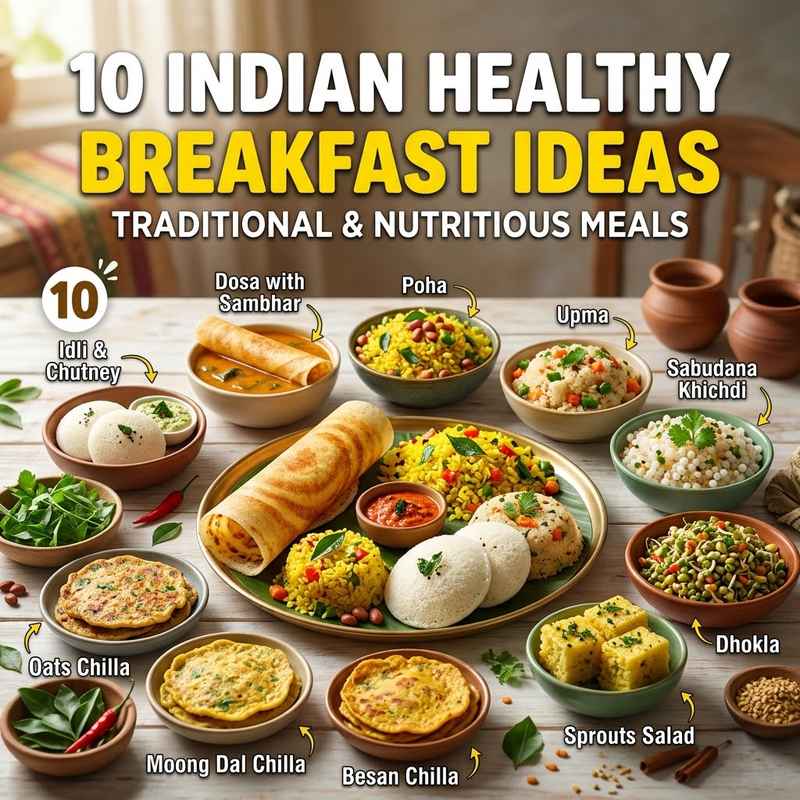
10 Indian Healthy Breakfast Ideas: Traditional & Nutritious Meals
Indian breakfasts are often a vibrant mix of grains, legumes, vegetables, and spices. They offer a balance of complex carbohydrates, protein, and healthy fats. These traditional meals are designed to provide sustained energy throughout the day.
They are also rich in fiber and essential vitamins, supporting overall health.
The Power of a Traditional Indian Breakfast
Think about your morning. What’s the first thing you reach for? For many, it’s a quick fix, something easy.
But “easy” often isn’t the healthiest. A good breakfast sets the tone for your whole day. It fuels your brain and body.
It can help you manage your weight and your mood.
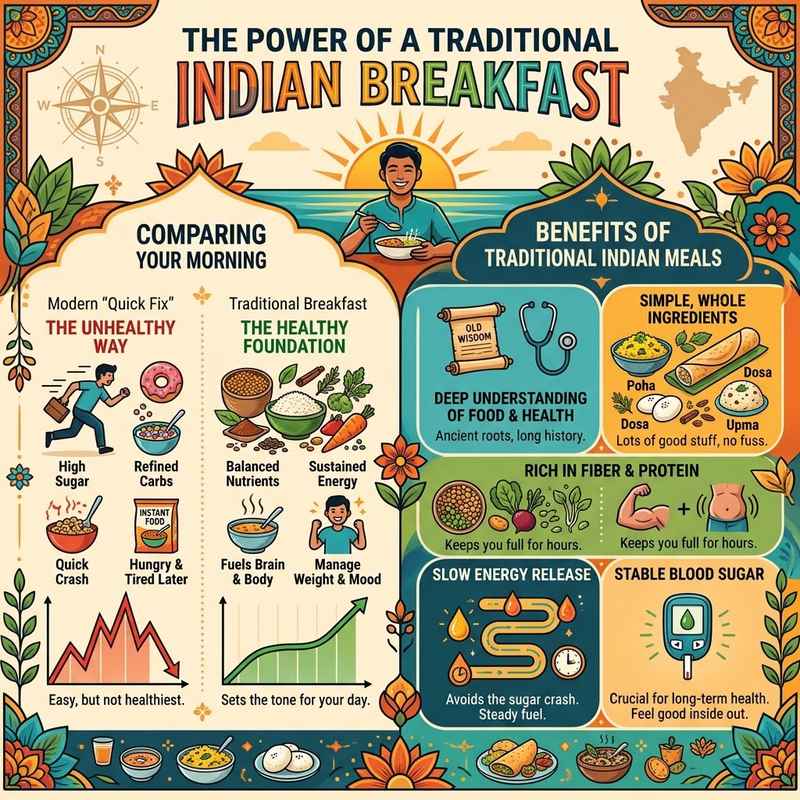
Indian breakfasts have a long history. They come from a deep understanding of food and health. These meals are not just about eating.
They are about nourishment. They use simple, whole ingredients. This means you get lots of good stuff without any fuss.
We’re talking about fiber, protein, and all sorts of good nutrients. These help keep you full and give you energy for hours. It’s a smarter way to eat.
Many modern breakfasts lack this balance. They might be full of sugar or refined carbs. This can lead to a quick energy crash.
Then you feel tired and hungry again. Traditional Indian meals avoid this. They are built on foods like lentils, rice, and vegetables.
These break down slowly. This gives you steady energy. It also helps keep your blood sugar stable.
This is super important for long-term health. It’s about feeling good from the inside out.
My Morning Kitchen Surprise
I remember one morning vividly. I was rushing, as usual. I had a big project deadline looming.
My usual grab-and-go breakfast was a sugary cereal. I’d finish it quickly and feel that familiar mid-morning slump. On this particular day, my neighbor, who is from India, saw me looking stressed.
She invited me over for breakfast. I was hesitant, not wanting to impose. But she insisted.
I walked into her kitchen, and the aroma was incredible. Spices I couldn’t name filled the air. She served me a plate of fluffy Idli with sambar and chutney.
I was amazed. It was light, flavorful, and so satisfying. I didn’t feel heavy or tired.
Instead, I felt clear-headed and energized. That morning changed my perspective on breakfast. It showed me how traditional foods could be both delicious and incredibly good for you.
Why Traditional Indian Breakfasts Work
Sustained Energy: Complex carbs and fiber keep you full.
Nutrient-Dense: Packed with vitamins, minerals, and protein.
Digestive Health: Fermented foods and spices aid digestion.
Flavorful & Satisfying: Spices make healthy food exciting.
Customizable: Easily adapted to different tastes and needs.
1. Idli and Sambar: A South Indian Classic
Idli are soft, steamed rice and lentil cakes. They are a staple in South India. They are made from a batter of fermented rice and urad dal (black gram lentils).
The fermentation process makes them light and easy to digest. It also adds beneficial probiotics. This is great for gut health.
Making idli batter is a bit of an art. You soak rice and lentils. Then you grind them together.
You let the batter ferment overnight. This gives it a slightly sour taste. The next morning, you steam the batter in special molds.
They come out as small, fluffy white cakes.
Sambar is a flavorful lentil and vegetable stew. It’s served with idli. It’s usually made with toor dal (pigeon peas).
It’s spiced with tamarind, tomatoes, and a special spice blend called sambar powder. It’s packed with vegetables like carrots, beans, and drumsticks. This makes it a complete meal.
The combination of idli and sambar is pure magic. The soft, slightly tangy idli pairs perfectly with the rich, spicy sambar. They are often served with coconut chutney.
This adds another layer of flavor and texture.
Idli & Sambar Breakdown
Main Ingredients: Rice, urad dal, mixed vegetables, toor dal, spices.
Health Benefits: Good source of protein, fiber, probiotics. Easy to digest.
Preparation: Steamed cakes with a hearty lentil-vegetable stew.
Flavor Profile: Mildly sour, savory, spicy, and tangy.
Why it’s Healthy: Fermented batter aids digestion. Sambar provides protein and vitamins.
When I first tried idli, I was surprised by how light they felt. Many breakfast foods can make you feel weighed down. These just felt right.
They were easy on the stomach. The sambar added a warmth and depth of flavor. It was a complete meal that kept me going until lunch.
It didn’t feel like I was “dieting” at all. It was just delicious, wholesome food.
2. Dosa: Crispy Lentil Crepes
Similar to idli, dosa are also made from fermented rice and lentil batter. But the batter is thinner. It’s spread thinly on a hot griddle and cooked until crispy.
This results in a large, thin crepe or pancake. There are many types of dosa. Some are plain, while others are stuffed.
A popular version is Masala Dosa. This is a large, golden-brown dosa. It’s filled with a spiced potato mixture.
The potatoes are cooked with onions, ginger, garlic, and a blend of spices. The filling is savory and slightly tangy.
Dosas are usually served with sambar and various chutneys. These can include coconut chutney, mint chutney, or tomato chutney. The contrast between the crispy dosa, the soft potato filling, and the tangy chutneys is wonderful.
It’s a textural delight.
Dosas are a great source of carbohydrates and protein. The fermentation aids digestion. The lentil content provides essential amino acids.
When filled with spiced potatoes, they offer a good amount of fiber and vitamins. Choosing whole ingredients makes them a very nutritious option.
Dosa: A Closer Look
Variety: Plain dosa, Masala dosa, Rava dosa (semolina), Uttapam (thicker pancake).
Serving Style: Typically rolled or folded, served with sambar and chutney.
Key Nutrients: Carbs, protein, B vitamins from lentils.
Digestibility: Fermented batter is easier to digest than uncooked batter.
Experience: The crispiness of the dosa is a highlight. The warm potato filling is comforting.
I love the sound a dosa makes when it’s cooking. That sizzle on the griddle is so inviting. And the smell of the spices in the masala filling?
Incredible. My kids love them too, especially when we add a little cheese inside. It’s a fun way to get them to eat something healthy.
The crispiness is a big draw for them. For me, it’s the feeling of sustained energy. No sugar crash later.
Just good, solid fuel.
3. Poha: Flattened Rice Delight
Poha is made from flattened rice. It’s a light, fluffy, and flavorful dish. It’s very popular in Western India, especially Maharashtra.
Poha is quick to make. It requires minimal cooking. This makes it a perfect busy morning meal.
To make poha, you rinse the flattened rice. Then you lightly cook it with onions, mustard seeds, cumin seeds, turmeric, and curry leaves. Often, peas, peanuts, and sometimes diced potatoes are added.
A squeeze of lemon juice at the end brightens the flavors. Garnishes can include fresh cilantro and grated coconut.
The nutritional profile of poha is excellent. Flattened rice is a good source of carbohydrates. It provides energy.
When combined with vegetables like peas and onions, it adds fiber and vitamins. Peanuts contribute protein and healthy fats. Turmeric is known for its anti-inflammatory properties.
Poha is incredibly versatile. You can adjust the spices to your liking. You can add more or fewer vegetables.
Some people like it a little spicier. Others prefer it milder. It’s a truly adaptable dish that tastes great.
Quick Look: Poha
Texture: Fluffy and light, with slight crunch from peanuts or mustard seeds.
Taste: Savory, mild spices, a hint of tang from lemon.
Ease of Preparation: Very quick, often ready in 15-20 minutes.
Key Ingredients: Flattened rice, onion, mustard seeds, turmeric, curry leaves, peanuts.
Health Perks: Good carbs for energy, fiber from veggies, protein from peanuts.
I first tried poha at a friend’s house. I was expecting something heavy. But it was so light and airy!
The bright yellow color from the turmeric was so appealing. The little pops of flavor from the mustard seeds and peanuts were a nice surprise. It was quick, easy, and I felt great after eating it.
It became my go-to for rushed mornings. I still love it. It’s a taste of comfort and health.
4. Upma: A Hearty Semolina Porridge
Upma is a savory porridge. It’s made from roasted semolina (rava). It’s a popular breakfast dish across India.
It’s hearty and filling. It’s a great way to start the day.
To make upma, semolina is dry roasted until fragrant. Then, it’s cooked with water or broth. Common additions include onions, ginger, garlic, green chilies, and curry leaves.
Mustard seeds and urad dal are often added to the tempering (tadka) for flavor. Vegetables like carrots, peas, and beans are frequently incorporated, adding nutrients and color.
Upma provides complex carbohydrates from the semolina. This offers sustained energy. The addition of lentils and vegetables boosts the protein and fiber content.
This makes it a balanced meal. It’s also easily digestible.
The texture of upma is slightly grainy. It’s savory and comforting. It’s often served with a side of chutney or a dollop of yogurt.
You can adjust the consistency. Some prefer it thicker, while others like it a bit looser.
Upma: Filling & Wholesome
Base Ingredient: Roasted semolina (rava).
Cooking Method: Cooked like porridge with water or broth.
Common Add-ins: Onions, ginger, chilies, curry leaves, mustard seeds, vegetables.
Nutritional Value: Good source of carbs and fiber. Protein can be added with lentils.
Feel: Warm, comforting, and filling.
My grandmother used to make upma for us. It always smelled so good in the kitchen. She’d add lots of fresh vegetables.
It felt like a warm hug in a bowl. It’s one of those dishes that brings back good memories. It’s also incredibly practical.
It keeps you full for hours. No snacking between breakfast and lunch. That’s a win in my book.
It’s simple food done right.
5. Paratha: Stuffed Flatbreads
Parathas are a type of unleavened flatbread. They are popular in North India. They are often stuffed with various fillings.
This makes them a substantial and delicious breakfast.
The dough for paratha is usually made from whole wheat flour (atta). It’s mixed with water and sometimes a little oil or ghee. Common fillings include spiced mashed potatoes (aloo paratha), cauliflower (gobi paratha), paneer (Indian cheese), or even just plain spiced dough.
The stuffed dough is rolled out flat. Then it’s cooked on a griddle (tawa) with ghee or oil. It’s usually cooked until golden brown and slightly crispy on both sides.
Parathas are often served with yogurt (dahi), pickles (achar), or a side of butter.
Parathas are a good source of carbohydrates and fiber from the whole wheat flour. The fillings add protein and nutrients. For example, paneer paratha provides good protein.
Aloo paratha offers some potassium and fiber. They are best enjoyed in moderation as they can be rich.
Paratha Varieties
Aloo Paratha: Stuffed with spiced mashed potatoes.
Gobi Paratha: Stuffed with spiced grated cauliflower.
Paneer Paratha: Stuffed with crumbled Indian cheese.
Methi Paratha: Flavored with fenugreek leaves.
Plain Paratha: A simple layered or unlayered flatbread.
I’ll never forget my first authentic aloo paratha. It was thick, crispy, and absolutely bursting with savory potato filling. The ghee made it so rich and delicious.
It was served with cool yogurt and a spicy pickle. It was a breakfast that felt like a treat, but it was also so grounding. It’s a meal that sticks with you.
It’s perfect for those mornings when you need something truly satisfying.
6. Uttapam: Savory Lentil Pancakes
Uttapam are thick, savory pancakes. They are made from the same fermented batter as dosa and idli. But the batter is poured thicker onto the griddle.
This creates a softer, more cake-like texture.
Uttapams are often topped with finely chopped onions, tomatoes, chilies, and cilantro before cooking. This infuses the pancake with flavor and nutrients. You can also add other vegetables like bell peppers or grated carrots.
Some people even add a sprinkle of cheese.
Like idli and dosa, uttapams are a good source of protein and carbohydrates due to the rice and lentil base. The added vegetables contribute fiber, vitamins, and minerals. The fermentation makes them easy to digest.
They are a balanced and nutritious meal.
Uttapams are usually served with sambar and coconut chutney. They are softer than dosas. They have a wonderful chewiness.
The toppings add a lovely flavor and texture contrast. They are a forgiving dish to make, as the batter doesn’t need to be spread super thin.
Uttapam Highlights
Texture: Soft, spongy, and slightly chewy.
Taste: Savory, with natural tang from fermentation and added toppings.
Toppings: Onions, tomatoes, chilies, cilantro, other veggies.
Health Angle: Good mix of carbs and protein. Fiber from toppings. Probiotics from fermentation.
Comparison: Thicker and softer than dosa, lighter than a traditional pancake.
I found uttapam to be incredibly adaptable. I love adding finely chopped bell peppers to mine. They add a slight sweetness and crunch.
It’s a great way to sneak in extra veggies. My kids also enjoy them, especially with a little ketchup (though I try to steer them towards chutney!). They’re a fantastic canvas for healthy additions.
7. Besan Cheela: Gram Flour Pancakes
Besan Cheela, also known as savory gram flour pancakes, are a quick and protein-packed breakfast. They are popular in many parts of India. Besan is chickpea flour.
It’s a fantastic source of plant-based protein and fiber.
To make besan cheela, gram flour is mixed with water to form a batter. Finely chopped vegetables like onions, tomatoes, cilantro, and green chilies are added. Spices like turmeric, cumin powder, and salt are also included.
The batter is then poured onto a lightly oiled griddle and cooked like thin pancakes.
This dish is incredibly healthy. Gram flour is a complete protein source. It’s also rich in fiber, which aids digestion and keeps you full.
The added vegetables provide essential vitamins and minerals. It’s a much healthier alternative to traditional flour-based pancakes.
Besan cheela have a slightly earthy flavor from the gram flour. They are savory and can be made spicy or mild. They cook up relatively quickly.
They are often served with yogurt or a simple chutney.
Besan Cheela Spotlight
Primary Ingredient: Gram flour (besan).
Key Benefit: High in protein and fiber.
Preparation: Thin, savory pancakes mixed with veggies and spices.
Cooking Time: Very quick, around 10-15 minutes total.
Dietary Notes: Naturally gluten-free. Vegan option by using oil instead of ghee.
Besan cheela became a lifesaver when I was trying to increase my protein intake. It’s so easy to whip up. I can add whatever veggies I have in the fridge.
It’s satisfying without being heavy. It’s also super versatile. Sometimes I add a pinch of ajwain (carom seeds) for a different flavor.
It’s a genuinely nutritious and delicious start to the day.
8. Aloo Paratha: The Beloved Potato Flatbread
While I mentioned parathas generally, Aloo Paratha deserves its own moment. This is perhaps the most famous stuffed paratha. It’s a comfort food for many.
It’s a hearty breakfast that can power you through the morning.
The filling is made from boiled and mashed potatoes. These are mixed with finely chopped onions, green chilies, cilantro, and a blend of spices like cumin, coriander, and garam masala. The spiced potato mixture is then enclosed in whole wheat dough.
The dough is rolled out carefully to prevent the filling from escaping. It’s then cooked on a hot griddle with ghee or oil until golden and puffed up.
Aloo paratha provides carbohydrates from the wheat and potatoes. The potatoes also offer potassium. It’s typically served with cooling yogurt, which helps balance the richness.
A spicy pickle adds a tangy contrast.
The texture is a wonderful mix of soft potato filling and slightly chewy, crispy flatbread. The aroma of spices and ghee is incredibly inviting. It’s a filling meal that’s deeply satisfying.
Aloo Paratha: A Fan Favorite
Star Ingredient: Spiced mashed potatoes.
Dough: Whole wheat flour (atta).
Cooking Fat: Ghee or oil for flavor and crispiness.
Serving Pairings: Yogurt, pickle, butter.
Why it’s popular: Comforting, flavorful, and filling. A complete meal.
The first time I made aloo paratha from scratch, I was a little intimidated. Rolling out the dough without the filling breaking was a challenge. But the taste?
Oh, it was worth every bit of effort. The warm, spicy potato inside the crispy bread is just divine. It’s a weekend treat for me.
It feels special.
9. Appam with Stew: Lighter Rice Pancakes
Appam is a type of pancake native to Kerala in South India. It’s made from a fermented batter of rice flour and coconut milk. This gives it a unique, slightly tangy flavor and a soft, lacy texture.
The batter is poured into special curved pans, called appam pans. The sides cook up thin and crispy, while the center remains soft and spongy. This contrast in texture is delightful.
Appams are traditionally served with a vegetable or meat stew. The stew is usually mild and creamy, often made with coconut milk and a blend of spices. The combination is light yet satisfying.
It’s a popular breakfast or dinner option.
Appams offer carbohydrates from the rice. The coconut milk adds healthy fats. The stew, filled with vegetables, provides fiber and vitamins.
It’s a well-balanced meal, especially when packed with vegetables.
Appam & Stew Explained
Appam Texture: Crispy edges, soft and spongy center.
Appam Flavor: Mildly tangy due to fermentation and creamy from coconut milk.
Stew Base: Coconut milk and spices, often with vegetables like carrots, potatoes, and peas.
Nutritional Balance: Carbs, healthy fats, fiber, and vitamins.
Origin: Kerala, South India.
My first experience with appam was during a trip to Kerala. The delicate texture of the appam, with its crispy edges and soft middle, was amazing. Paired with the fragrant, mild coconut stew, it was a revelation.
It felt so different from other Indian breakfasts. It was light, but the coconut milk made it rich and filling. It’s a taste I often crave.
10. Dhokla: Steamed Savory Cake
Dhokla is a steamed savory cake that originates from Gujarat. It’s made from fermented batter of rice and chickpeas, or sometimes just gram flour (besan). It’s incredibly light, fluffy, and healthy.
The batter is allowed to ferment, which gives it a slightly sour taste and a spongy texture. It’s then steamed until cooked through. After steaming, it’s cut into squares or diamond shapes.
A tempering of mustard seeds, curry leaves, green chilies, and sometimes sesame seeds is poured over the dhokla. This adds a burst of flavor and aroma. A sprinkle of chopped cilantro and grated coconut is the final touch.
Dhokla is an excellent source of protein and fiber, especially when made with gram flour. It’s also low in fat and easy to digest. The steaming process makes it a healthier cooking method compared to frying.
The texture is wonderfully airy and spongy. The tempering adds a savory, slightly spicy kick. It’s a popular snack but also a fantastic light breakfast option.
It’s often served with mint chutney or tamarind chutney.
Dhokla: Light & Tasty
Texture: Spongy, light, and airy.
Flavor: Mildly sour, savory, with a spicy tempering.
Key Ingredients: Fermented rice and chickpea or gram flour batter.
Cooking Method: Steamed.
Health Aspect: High in protein and fiber, low in fat, easy to digest.
I was skeptical about dhokla at first. It looked so simple. But the first bite was a surprise.
It was so light and fluffy, almost like eating a savory cloud. The tempering was the best part – that little pop of flavor. It’s one of those dishes that’s surprisingly satisfying.
It’s perfect when you want something healthy but don’t want to feel heavy afterwards.
Real-World Context: Making Indian Breakfast Work for You
Understanding these dishes is one thing. Making them a part of your daily life is another. In many Indian households, these breakfasts are prepared with simple kitchen tools.
A griddle (tawa) for parathas and dosas. Steamer baskets for idlis and dhokla. Basic pots for sambar and upma.
The ingredients are mostly pantry staples. Rice, lentils, flour, common spices, onions, and vegetables. These are readily available in most grocery stores.
The preparation often involves some planning, like soaking lentils overnight for idli and dosa batter. But many dishes, like poha and besan cheela, are very quick.
The key is adapting them to your routine. If you have more time on weekends, you can make batter for idli or dosa. During the week, opt for quick dishes like poha or besan cheela.
You can also prepare some components ahead of time. For example, chop vegetables for upma or cheela. Or make a large batch of sambar to last a few days.
It’s also about making them your own. Don’t be afraid to experiment with spices. Add more vegetables.
Adjust the heat level. These are adaptable recipes that cater to individual tastes.
What This Means for Your Morning Routine
So, what does all this mean for your breakfast habits? It means you have incredible options. Options that are deeply rooted in tradition and health.
These meals are not just about filling your stomach. They are about nourishing your body and mind.
When it’s normal to eat these: These are perfect for any morning, busy or relaxed. They provide sustained energy and are packed with nutrients. They fit into a healthy lifestyle easily.
When to consider adjustments: If you have specific dietary needs, like very low carb or low sodium, you might need to modify recipes. For instance, reducing the rice in idli/dosa batter or using less salt. Aloo paratha can be rich due to potatoes and ghee, so portion control might be wise.
Simple checks: Look at the ingredients. Are they whole foods? Are you getting a balance of carbs, protein, and fiber?
Does the meal leave you feeling satisfied and energized, not sluggish?
Making Indian Breakfast Fit Your Life
Prep Ahead: Soak lentils, chop veggies, or make batter on weekends.
Speed Up: Choose quick dishes like poha or besan cheela for busy mornings.
Customize: Adjust spices, add more vegetables, or swap ingredients.
Portion Size: Be mindful of richer dishes like parathas.
Listen to Your Body: Notice how different meals make you feel.
Embracing these Indian breakfast ideas can transform your mornings. You get deliciousness and health in one bowl. It’s a journey into vibrant flavors and time-tested nutrition.
You’re not just eating; you’re connecting with a rich culinary heritage.
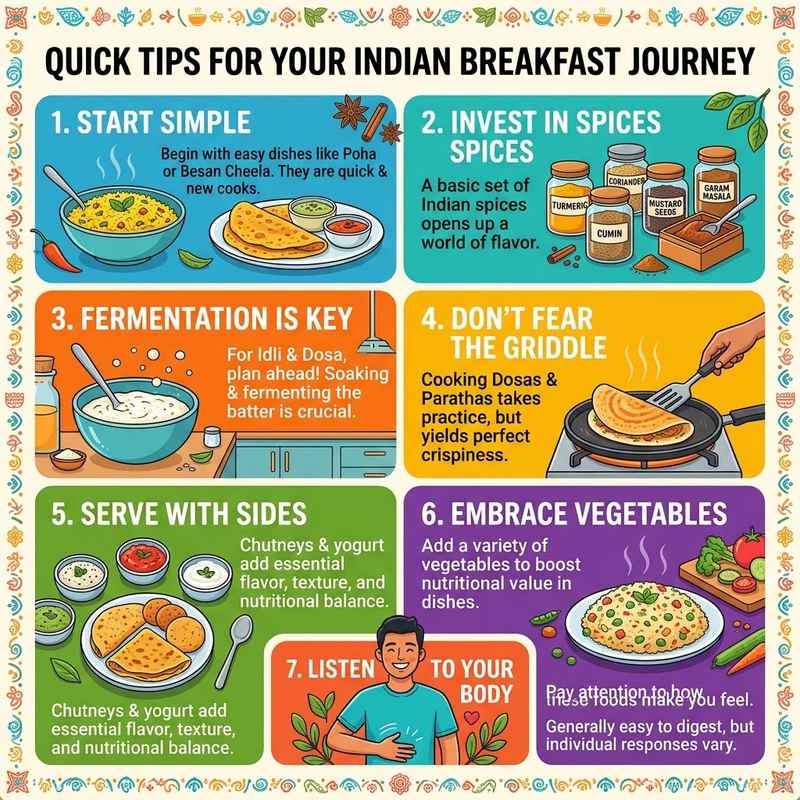
Quick Tips for Your Indian Breakfast Journey
Starting your day with these traditional Indian breakfasts can be incredibly rewarding. Here are a few simple tips to make it even easier and more enjoyable.
- Start Simple: If you’re new to Indian cooking, begin with dishes like poha or besan cheela. They are quick and forgiving.
- Invest in Spices: A basic set of Indian spices like turmeric, cumin, coriander, mustard seeds, and garam masala will open up a world of flavor.
- Fermentation is Key: For idli and dosa, plan ahead! Soaking and fermenting the batter is crucial for their texture and digestibility.
- Don’t Fear the Griddle: Cooking dosas and parathas on a hot griddle takes a little practice, but it’s worth it for that perfect crispiness.
- Serve with Sides: Chutneys and yogurt aren’t just accompaniments; they add essential flavor, texture, and nutritional balance.
- Embrace Vegetables: Most of these dishes are excellent vehicles for adding a variety of vegetables, boosting their nutritional value.
- Listen to Your Body: Pay attention to how these foods make you feel. They are generally easy to digest, but individual responses can vary.
Frequently Asked Questions About Healthy Indian Breakfasts
Are Indian breakfasts truly healthy?
Yes, many traditional Indian breakfasts are incredibly healthy. They often combine complex carbohydrates from grains like rice and whole wheat, protein from lentils and legumes, and fiber from vegetables. This balance provides sustained energy and essential nutrients.
Is the fermentation process for idli and dosa difficult?
The process itself is simple: soak, grind, and let it ferment. The main challenge is planning ahead. It requires overnight fermentation, so it’s best for weekends or when you can prepare the batter a day in advance.
Can I make these dishes gluten-free?
Yes, many Indian breakfast dishes are naturally gluten-free or can be easily adapted. Idli, dosa, uttapam, and dhokla made from rice and lentil batters are gluten-free. Besan cheela, made from chickpea flour, is also gluten-free.
How do I avoid heavy, oily breakfasts?
Focus on cooking methods like steaming (idli, dhokla) and light sautéing (poha, upma). For dosas and parathas, use minimal oil or ghee. Many dishes like besan cheela are also inherently lighter.
Are these breakfasts suitable for weight loss?
Many are excellent for weight management due to their high fiber and protein content, which promote satiety. Dishes like poha, besan cheela, and steamed options are particularly good choices. Portion control is always important, especially for richer items like parathas.
Can I prepare components of these breakfasts in advance?
Absolutely! You can make idli/dosa batter, chop vegetables for upma or cheela, or even pre-cook potato filling for parathas to save time on busy mornings.
Embracing a Flavorful Start
Exploring traditional Indian breakfasts opens up a world of taste and health. These meals prove that healthy eating can be incredibly delicious. They are a testament to centuries of culinary wisdom.
They offer balanced nutrition and sustained energy. Making them part of your routine can truly enhance your mornings and your overall well-being. Enjoy the journey!