10 Kids Breakfast Ideas Healthy: Fun & Nutritious Morning Foods
Healthy kids breakfast ideas focus on a balance of protein, whole grains, and fruits or vegetables. They should be quick to prepare on busy mornings and appealing to children, avoiding excessive sugar and processed ingredients to provide sustained energy throughout the day.
Understanding Healthy Kids Breakfast
What really makes a breakfast healthy for children? It’s about giving them the right start. Think of it like fueling a small engine for a big day.
This means including foods that provide lasting energy, not just a quick sugar rush. We want them to feel full and focused, not grumpy and hungry an hour later. This involves a mix of different food groups.
The main players are whole grains, lean proteins, and healthy fats. These are the building blocks for sustained energy. Whole grains, like oats or whole wheat bread, break down slowly.
This keeps blood sugar levels steady. Protein, found in eggs, yogurt, or nuts, also helps with fullness and steady energy. Healthy fats, like those in avocado or seeds, are crucial for brain development and nutrient absorption.
Fruits and vegetables add essential vitamins, minerals, and fiber. Fiber is a superhero for digestion and keeps them feeling full. It’s a great way to sneak in some extra nutrients.
So, a truly healthy breakfast isn’t just one thing. It’s a combination that works together to power up your child for whatever the day throws at them.
My Own Morning Meal Meltdown
I remember one particularly frantic Tuesday. My son, Leo, who was about seven then, had a school play rehearsal. My daughter, Maya, then five, had decided she was allergic to all socks that weren’t purple.
I was trying to make a sensible breakfast of scrambled eggs and toast. Leo took one look at the eggs and declared, “They look like yellow blobs!” Maya, meanwhile, was hiding under the table, refusing to come out unless a purple sock unicorn appeared.
Panic set in. I felt that familiar squeeze of frustration. Here I was, trying my best to provide a nutritious start, and it felt like I was failing.
The eggs sat there, unloved. Toast crumbs scattered. My perfect plan dissolved into morning chaos.
I just wanted them to eat something healthy. That day, I ended up giving them apple slices and a small yogurt. It wasn’t ideal, but it was better than nothing.
It taught me a valuable lesson: sometimes, you have to be flexible and get creative. Perfection isn’t always the goal. Getting them fed and somewhat happy is.
Healthy Breakfast Components Checklist
When planning your child’s breakfast, think about these key parts:
- Whole Grains: Oats, whole wheat bread, whole grain cereal, whole wheat pancakes.
- Protein: Eggs, Greek yogurt, milk, cheese, nut butters (if no allergies), beans.
- Fruits/Veggies: Berries, bananas, apples, oranges, spinach (in smoothies), sweet potato (in muffins).
- Healthy Fats: Avocado, nuts, seeds, olive oil.
The Foundation: Why Breakfast Matters Most
Let’s talk about why breakfast is truly the most important meal for kids. After a long night of sleep, their bodies have used up their stored energy. They wake up needing a refill.
Skipping breakfast means they’re starting the day on empty. This can affect their mood, focus, and how well they learn in school.
Studies show that kids who eat a good breakfast tend to do better academically. They have better concentration and memory. They are also less likely to be overweight.
A nutritious breakfast helps set their metabolism for the day. It also provides important vitamins and minerals that they might miss if they don’t eat in the morning.
Think about it from their perspective. Imagine trying to run a race without any energy. That’s what school can feel like for a child who hasn’t eaten.
They might feel tired, irritable, and have trouble paying attention. So, even a small, healthy breakfast can make a big difference in their entire day.
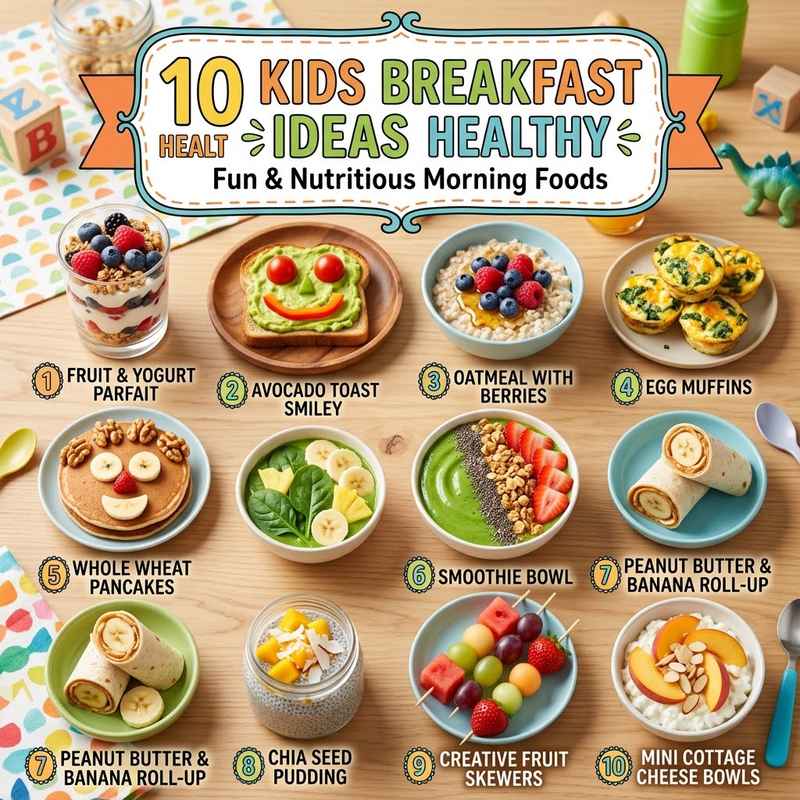
10 Healthy & Fun Kids Breakfast Ideas
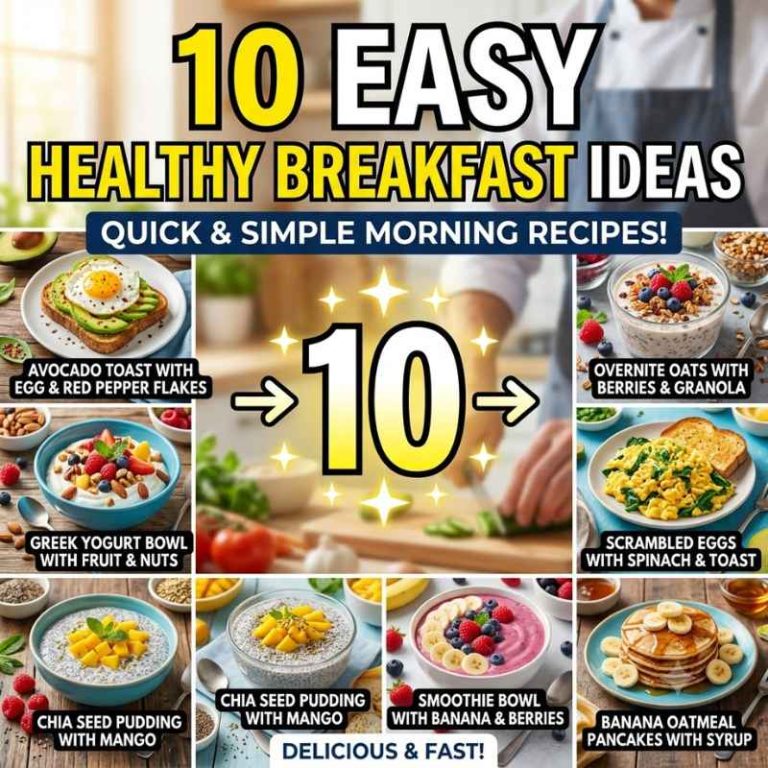
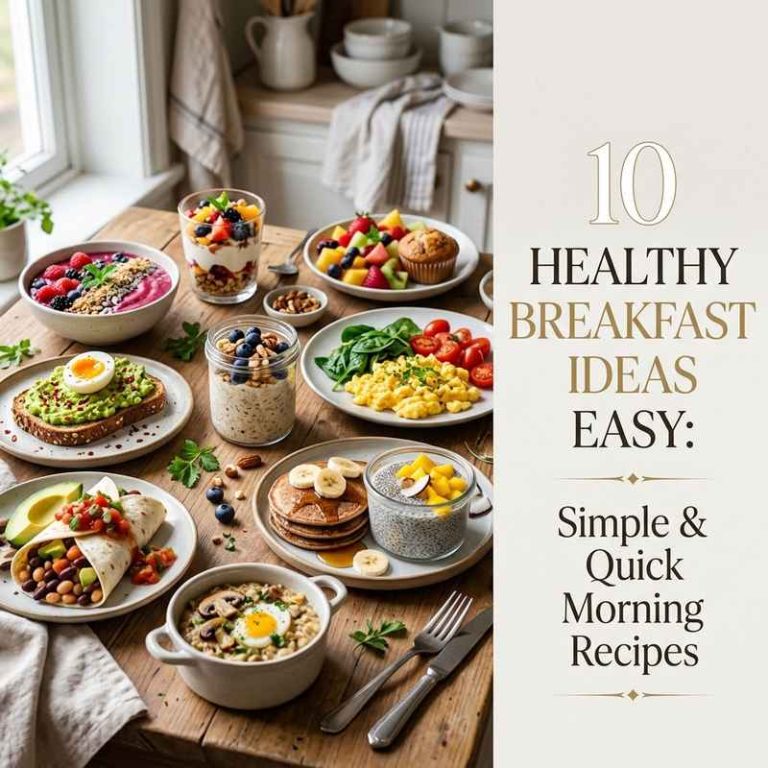
Now, for the fun part! Here are ten ideas that are nutritious, easy to prepare, and that kids generally love. We’re focusing on variety and making them appealing.
1. Overnight Oats (The Magical Make-Ahead)
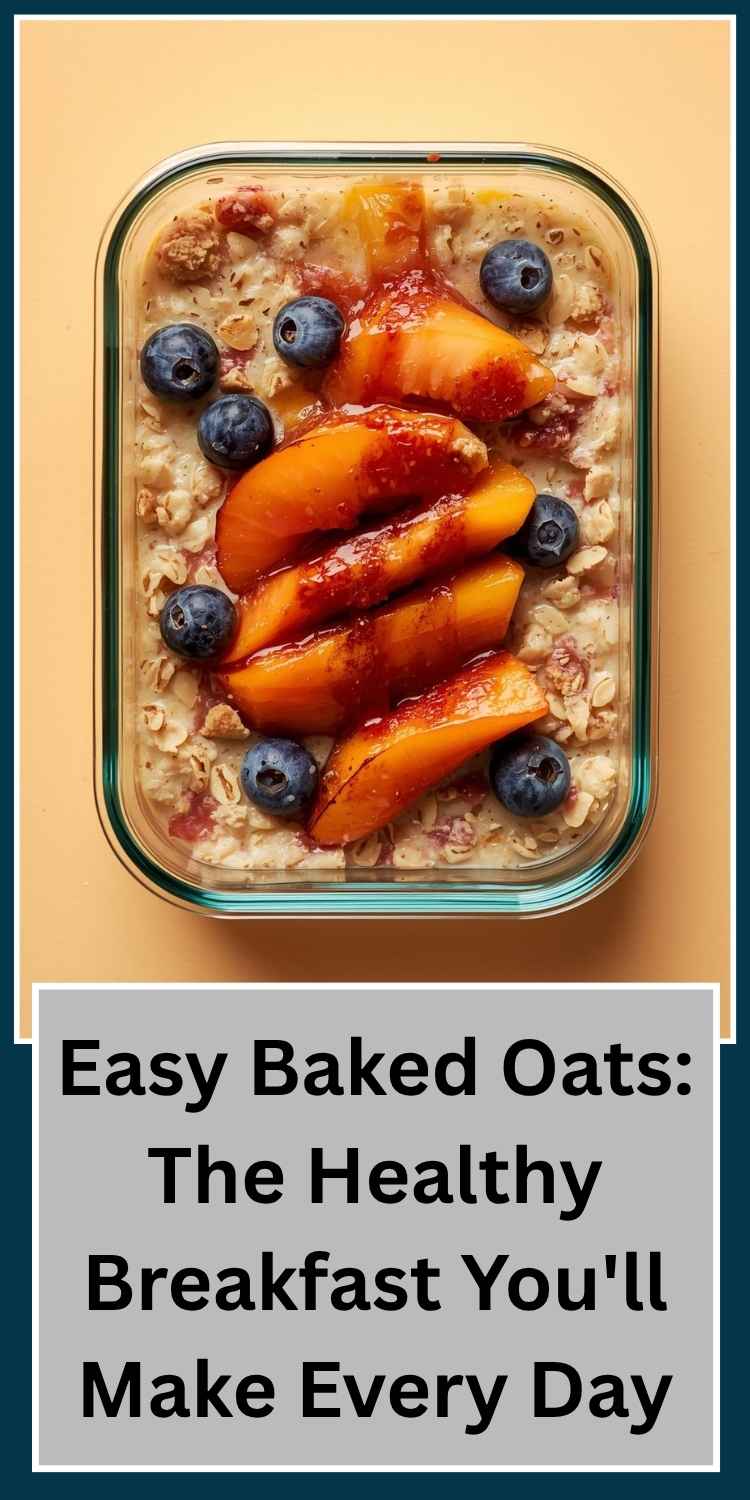
This is a lifesaver for busy mornings. You mix rolled oats with milk (dairy or non-dairy) and a touch of sweetener like maple syrup or honey. You can add chia seeds for extra fiber and omega-3s.
Then, you pop it in the fridge overnight.
In the morning, it’s ready to eat! You can top it with fresh fruit like berries or sliced bananas. A sprinkle of nuts or seeds adds healthy fats and protein.
It’s creamy, filling, and totally customizable. Kids can even help mix their own flavors the night before.
Overnight Oats Flavor Boosters
- Fruity: Mixed berries, mashed banana, diced peaches.
- Chocolaty: Unsweetened cocoa powder, a few mini chocolate chips.
- Nutty: Almond butter, peanut butter, chopped almonds.
- Spiced: Cinnamon, nutmeg, cardamom.
2. Smoothie Packs (Blend and Go)
Smoothies are a fantastic way to pack nutrients into one glass. The key to making them quick is to prep smoothie packs. In freezer bags, combine your child’s favorite fruits (berries, banana chunks, mango) and a handful of spinach.
You can also add things like chia seeds or flax seeds.
In the morning, just dump one bag into the blender. Add milk or yogurt, maybe a spoonful of nut butter or a protein powder designed for kids. Blend until smooth.
It’s a complete meal in minutes. It’s also a great way to get greens into their diet without them even noticing.
3. Scrambled Eggs with Veggies (The Savory Start)
Eggs are a protein powerhouse. For a quick scramble, whisk a couple of eggs with a splash of milk. You can add finely chopped bell peppers, spinach, or mushrooms.
A little cheese makes it even tastier. Cook in a lightly oiled pan until set.
Serve these with a slice of whole wheat toast or some avocado. If your child is a bit hesitant about veggies, start with very small pieces or pureed spinach mixed in. They get protein and essential nutrients.
It’s a classic for a reason.
Quick Scramble Add-ins
- Cheesy: A sprinkle of cheddar or Monterey Jack.
- Green Goodness: Finely minced spinach or kale.
- Colorful Bits: Tiny diced red or yellow bell peppers.
- Savory Spice: A tiny pinch of garlic powder or onion powder.
4. Whole Wheat Pancakes or Waffles (Weekend Treat, Weekday Shortcut)
While often seen as a weekend indulgence, pancakes and waffles can be a healthy breakfast. Use a whole wheat mix or make your own batter with whole wheat flour. You can even add mashed banana or pumpkin puree to the batter for extra fiber and nutrients.
Make a big batch on the weekend and freeze the extras. In the morning, just pop a few in the toaster or toaster oven. Top with Greek yogurt and fresh fruit instead of syrup for a healthier option.
This gives you a warm, satisfying breakfast with minimal morning effort.
5. Yogurt Parfaits (Layered Deliciousness)
These are simple to assemble and look quite fancy, which can appeal to kids. Get some plain Greek yogurt. It’s packed with protein.
Layer it in a glass or bowl with fresh fruit like strawberries, blueberries, or raspberries. Add a sprinkle of granola or chopped nuts for crunch.
You can even make them ahead of time in jars. Just keep the granola separate until serving to prevent sogginess. The layers make it visually fun, and the combination of protein, carbs, and fruit is well-balanced for energy.
It’s a bright and refreshing start.
Parfait Layering Fun
Bottom Layer: Fruit puree or small diced fruit. Middle Layer: Plain Greek yogurt. Top Layer: Whole grain granola, seeds, or chopped nuts.
6. Fruit and Cheese Skewers with Whole Grain Crackers
This is more of a deconstructed breakfast, perfect for kids who like to pick and choose. Thread chunks of cheese (like cheddar or mozzarella) and pieces of fruit (grapes, melon, strawberries, pineapple) onto small skewers. Serve with a side of whole grain crackers.
It’s colorful, fun to eat, and provides protein from the cheese, carbs from the crackers, and vitamins from the fruit. It feels like a snack or an activity, making breakfast less of a chore. You can also add a small hard-boiled egg on the side for extra protein.
7. Mini Egg Muffins (Portable Protein)
Similar to mini frittatas, these are baked in muffin tins. Whisk eggs with a splash of milk. Add finely chopped vegetables like spinach, bell peppers, or broccoli.
A little cheese is always a good idea. Pour the mixture into greased or lined muffin cups.
Bake until set. These are fantastic because they are completely portable. You can make a batch on Sunday and have them ready for the week.
Kids can grab one or two to eat on the go or at the table. They are a perfect balance of protein and hidden veggies.
Egg Muffin Recipe Basics
Yields: 12 mini muffins
Prep time: 10 minutes
Cook time: 20-25 minutes
Ingredients: 6 eggs, 1/4 cup milk, 1/2 cup chopped veggies, 1/4 cup shredded cheese, salt & pepper to taste.
8. Whole Wheat Toast “Face” or Shapes
Sometimes, presentation is everything for kids. Toast a slice of whole wheat bread. You can use cookie cutters to make fun shapes before toasting, or after.
Then, get creative with toppings.
Spread a thin layer of cream cheese or nut butter. Use fruit slices, berries, or a tiny bit of jam to create a smiley face, a sun, or an animal. It’s simple, quick, and adds an element of fun to a basic food.
It encourages them to engage with their food.
9. Cottage Cheese with Fruit and Seeds
Cottage cheese is a hidden gem for breakfast. It’s a fantastic source of protein, which helps keep kids full. For a sweet twist, stir in some honey or maple syrup.
Top with their favorite fruits like berries, pineapple chunks, or diced peaches. A sprinkle of sunflower or pumpkin seeds adds crunch and healthy fats.
If your child is sensitive to the texture, try blending it for a smoother consistency or mixing it with a bit of yogurt. It’s a simple, no-cook option that offers a great nutrient profile. It’s also a good alternative if you’re looking for variety from yogurt.
Cottage Cheese Texture Tip
If your child dislikes the curds, try blending the cottage cheese in a small blender or food processor until it’s smooth like a thick pudding. Then add fruit and seeds.
10. Mini Whole Wheat Muffins (Sneaky Nutrients)
Bake mini muffins using a whole wheat base. You can add mashed banana, grated apple, or even pureed zucchini or carrots to boost the nutrient content. Use natural sweeteners sparingly, like maple syrup or honey.
These are great for grab-and-go breakfasts.
Make a batch on the weekend and store them in an airtight container. They are perfect for busy mornings when you have only a few minutes. They offer whole grains, fiber, and hidden vitamins.
Look for recipes that are not overly sweet to ensure they are a truly healthy option.
Real-World Context: The School Morning Rush
Let’s be honest, most mornings are not leisurely. They are a sprint. Think about a typical weekday in an American home.
The alarm goes off, maybe at 6:30 AM. Kids need to be woken up, dressed, and fed. Then it’s brushing teeth, gathering backpacks, and perhaps a quick review of homework.
The environment is often one of controlled chaos. The kitchen might be busy. There might be competing demands from different children.
Habits are formed here – if breakfast is always rushed or skipped, that habit sticks. Design plays a role too; if healthy options are not easily accessible (like pre-portioned smoothie packs in the freezer), they are less likely to be chosen.
User behavior is key. If parents are stressed, kids pick up on that. If kids have a say in what they eat (within healthy limits), they are more likely to cooperate.
That’s why ideas like smoothie packs, overnight oats, and make-ahead egg muffins work so well. They fit into the reality of busy families. They reduce stress and ensure a nutritious meal happens, even when time is short.
Myth vs. Reality: Kids Breakfast
Myth: Kids won’t eat healthy breakfast foods. Reality: With creative presentation and involving kids in choices, they often will. Making it fun is key.
Myth: Healthy breakfast takes too long. Reality: Make-ahead options and simple recipes can make it very fast. Prep is your friend!
Myth: Cereal is a fine breakfast. Reality: Many cereals are high in sugar and low in nutrients. Whole grain, low-sugar options are better, but still might not offer the full balance of protein and fiber.
What This Means For You
So, what’s the takeaway from all this? It means you have options, and you don’t need to be a gourmet chef or have hours to spare. A healthy breakfast for your child is achievable.
When is it normal? It’s normal for kids to have days where they aren’t super hungry first thing in the morning. It’s also normal for them to have preferences that change. Some days they might love eggs, others they might want yogurt.
Flexibility is key.
When to worry? If your child consistently refuses to eat any breakfast, seems overly tired or irritable throughout the morning, or has trouble concentrating at school, it’s worth looking at their morning meal. Also, watch out for signs of very low blood sugar, like shakiness or dizziness. This is rare with regular eating but worth noting.
Simple checks: Ask yourself: Is there at least one component from the healthy food groups? Is it relatively low in added sugar? Is it something that provides some staying power (protein, fiber)?
Does it look appealing to my child?
Quick Tips for Smarter Mornings
Here are a few practical tips to make healthy breakfasts a regular part of your routine:
- Prep the night before: This is the golden rule. Wash and chop fruit. Portion out oats. Make smoothie packs. Get out the blender.
- Involve your kids: Let them choose between two healthy options. Have them help mix ingredients. Kids are more likely to eat what they helped make.
- Keep it simple: You don’t need fancy recipes. A banana and a handful of almonds, or a bowl of plain yogurt with berries, is perfectly healthy.
- Stock your pantry: Keep staples like oats, whole wheat bread, eggs, frozen fruit, and plain yogurt on hand.
- Read labels: Watch out for added sugars in cereals, yogurts, and pre-made breakfast items.
Frequently Asked Questions
What is the single best healthy breakfast for a child?
There isn’t one single “best” breakfast, as variety is important. However, a breakfast that combines protein, whole grains, and fruit or vegetables, like scrambled eggs with whole wheat toast and berries, or oatmeal with nuts and fruit, provides a great balance for sustained energy and nutrients.
How can I get my picky eater to eat breakfast?
For picky eaters, start small. Offer one or two familiar, healthy foods. Make food fun with shapes, colors, or faces.
Involve them in preparation. Don’t force them to eat, but offer healthy options consistently. Sometimes, it takes many exposures for a child to accept a new food.
Are sugary cereals really that bad for kids?
Many popular children’s cereals are very high in added sugars and refined grains, offering little fiber or protein. This can lead to a sugar crash and increased hunger soon after eating. It’s better to choose whole-grain cereals with low sugar content or opt for other breakfast types.
Can breakfast happen after school starts?
Ideally, breakfast is eaten before school to fuel the brain for learning. However, if that’s impossible, a small, nutritious snack eaten shortly after arriving at school can be better than nothing. Some schools offer breakfast programs that can help bridge this gap.
How much sugar is okay in a kid’s breakfast?
The American Heart Association recommends limiting added sugar intake for children. For breakfast, aim for as little added sugar as possible. Generally, less than 6 grams of added sugar per serving for cereals and yogurts is a good target.
Prioritize natural sugars from fruits.
What are some good protein sources for breakfast besides eggs?
Excellent protein sources include Greek yogurt, cottage cheese, milk, cheese, nut butters (if no allergies), and even beans. For plant-based options, consider soy yogurt or tofu scrambles, though these might require more preparation.
Conclusion
Making healthy breakfasts for your kids doesn’t have to be a daily battle. With a little planning and creativity, you can offer nutritious, delicious meals that set them up for success. Remember to keep it simple, involve your children, and prepare ahead when you can.
These 10 ideas are just a starting point. Have fun experimenting and finding what works best for your family.