Calorie Deficit Snacks: Top 10 Choices for Weight Loss
Calorie deficit snacks are a game-changer for anyone looking to lose weight without feeling deprived.
This post will guide you through the best snack options that help you stay full, satisfied, and on track with your calorie goals, making your weight loss journey more enjoyable and sustainable.
Simply put, calorie deficit snacks are low-calorie, nutrient-dense foods that satisfy hunger between meals without derailing your weight loss efforts. They prioritize protein, fiber, and healthy fats to promote satiety and provide essential vitamins and minerals.
Key Takeaways
- Prioritize snacks high in protein and fiber for maximum fullness.
- Calorie deficit snacks should be nutrient-dense, offering vitamins and minerals.
- Portion control is crucial; even healthy snacks can add up.
- Stay hydrated; sometimes thirst is mistaken for hunger.
- Prepare snacks in advance to avoid impulsive, unhealthy choices.
What Are Calorie Deficit Snacks?
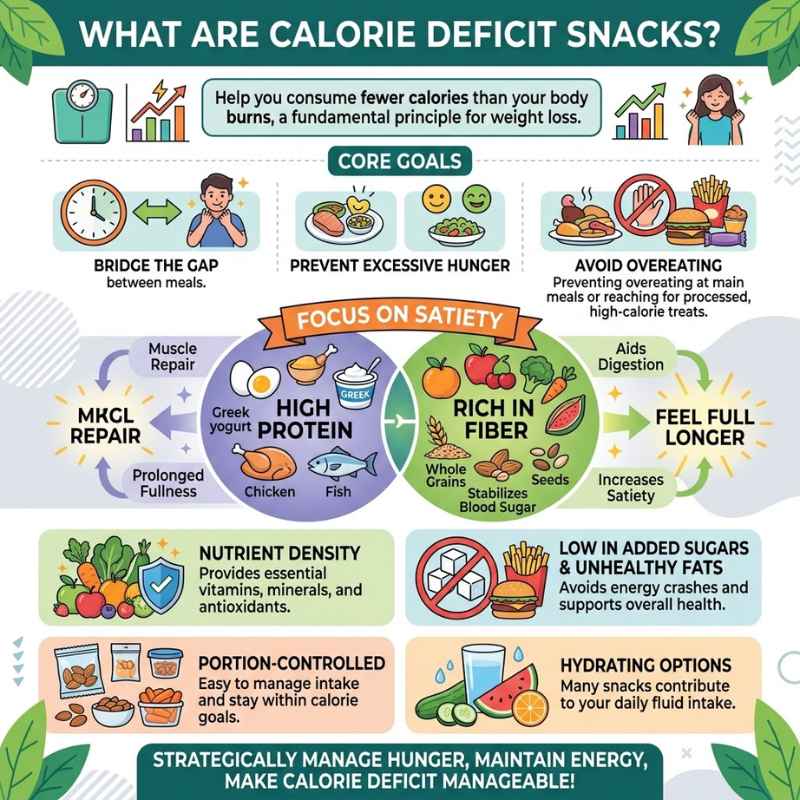
Calorie deficit snacks are specifically chosen to help you consume fewer calories than your body burns, a fundamental principle for weight loss.
These aren’t just low-calorie options; they are also packed with nutrients that contribute to your overall health and well-being.
The goal is to bridge the gap between meals effectively, preventing excessive hunger that can lead to overeating at main meals or reaching for processed, high-calorie treats.
These snacks often focus on protein and fiber, two components known for their ability to increase satiety. Protein takes longer to digest, helping you feel full for longer, while fiber adds bulk to your diet and aids in digestion. By strategically incorporating these types of snacks, you can manage hunger pangs, maintain energy levels, and make sticking to a calorie deficit more manageable and less of a struggle.
- High Protein Content: Helps in muscle repair and promotes prolonged fullness.
- Rich in Fiber: Aids digestion, stabilizes blood sugar, and increases satiety.
- Nutrient Density: Provides essential vitamins, minerals, and antioxidants.
- Low in Added Sugars and Unhealthy Fats: Avoids energy crashes and supports overall health.
- Portion-Controlled: Easy to manage intake and stay within calorie goals.
- Hydrating Options: Many snacks contribute to your daily fluid intake.
Why Are Calorie Deficit Snacks Important for Weight Loss?
When you’re trying to lose weight, maintaining a calorie deficit is key. This means consuming fewer calories than your body expends daily. Snacks play a significant role because they can either help or hinder this process.
Unplanned snacking can quickly add hundreds of extra calories to your daily intake, pushing you out of your deficit. Conversely, smart snacking can keep your metabolism active, provide necessary nutrients, and prevent extreme hunger that leads to poor food choices.
Strategic snacking can help regulate appetite and blood sugar levels, preventing the dramatic energy dips that often trigger cravings for sugary or high-fat foods. By choosing snacks that are both satisfying and low in calories, you create a more sustainable eating pattern. This makes it easier to adhere to your weight loss plan long-term without feeling constantly hungry or deprived, which are common reasons for diet failure.
| Snack Type | Typical Calorie Range (per serving) | Key Benefits |
|---|---|---|
| Fruits | 50-100 kcal | Fiber, vitamins, natural sweetness |
| Vegetables with Hummus | 70-120 kcal | Fiber, protein (hummus), vitamins |
| Greek Yogurt (plain) | 100-150 kcal | High protein, probiotics |
| Hard-Boiled Eggs | 70-80 kcal (per egg) | High protein, healthy fats |
| Small Handful of Nuts | 150-200 kcal | Healthy fats, protein, fiber (portion control vital) |
This table highlights how different types of calorie deficit snacks offer varying nutritional profiles and calorie counts, allowing for flexibility in planning.
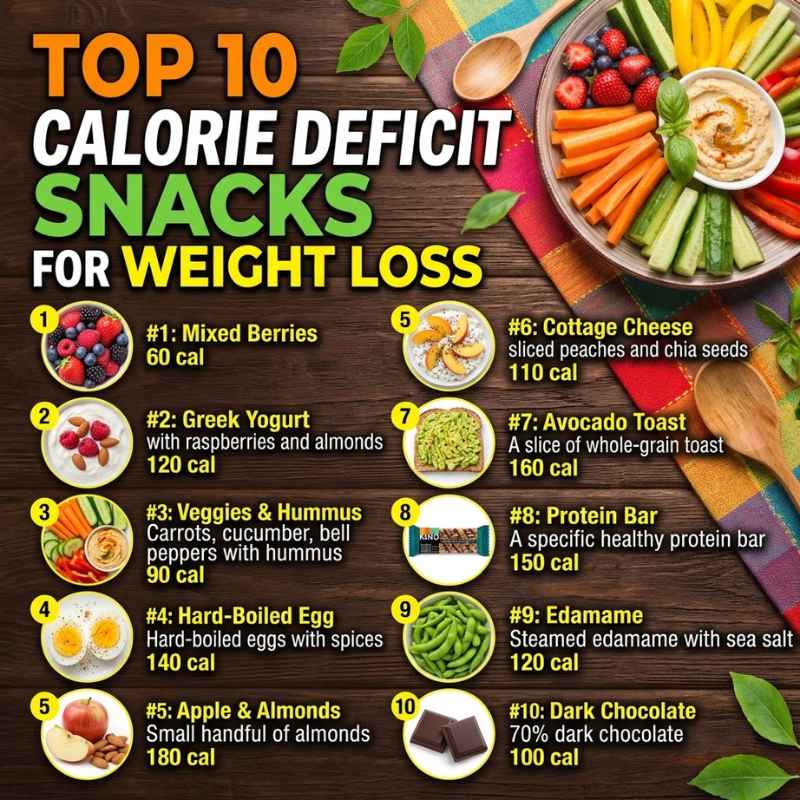
Top 10 Calorie Deficit Snacks for Weight Loss
Choosing the right snacks can significantly impact your weight loss journey. These top 10 options are designed to be satisfying, nutritious, and low in calories, helping you stay on track.
1. Hard-Boiled Eggs: Protein Powerhouses
Hard-boiled eggs are a fantastic go-to snack for anyone aiming for a calorie deficit. They are incredibly versatile, portable, and packed with high-quality protein. One large egg contains about 70-80 calories and roughly 6 grams of protein, which is highly satiating.
The protein and healthy fats in eggs help curb hunger, making it easier to avoid unhealthy cravings between meals. They also provide essential vitamins and minerals like Vitamin D, B12, and choline.
- Nutritional Profile: Approximately 78 calories, 6g protein, 5g fat per large egg.
- Satiety Factor: High due to protein and fat content.
- Convenience: Can be boiled in advance and stored for easy grab-and-go.
- Versatility: Can be eaten plain, with a sprinkle of salt and pepper, or seasoned differently.
- Vitamins and Minerals: Excellent source of Vitamin D, B12, Selenium, and Choline.
Pros:
- Very filling, helps reduce overall calorie intake.
- Supports muscle maintenance during weight loss.
- Cost-effective and easy to prepare.
Cons:
- Can be perceived as bland by some.
- May cause digestive issues for a small percentage of people.
Best For: Quick protein boost, pre- or post-workout snack, anyone needing sustained fullness.
2. Greek Yogurt (Plain): Creamy and Satisfying
Plain Greek yogurt is a creamy, delicious, and nutrient-dense snack that’s excellent for a calorie deficit. It’s strained more than regular yogurt, resulting in a thicker consistency and a significantly higher protein content. A typical 6-ounce serving of plain, non-fat Greek yogurt can contain around 15-20 grams of protein for about 100-130 calories.
This high protein content makes it incredibly effective at keeping you full and satisfied. It also provides probiotics, which are beneficial for gut health, and calcium for bone strength. Opting for plain varieties ensures you avoid added sugars found in flavored yogurts.
Warning: Always choose plain Greek yogurt. Flavored versions can be loaded with sugar, significantly increasing their calorie count and negating the benefits for weight loss.
- Protein Content: Around 15-20g per 6oz serving.
- Calorie Count: Typically 100-130 kcal for plain, non-fat.
- Gut Health: Contains beneficial probiotics.
- Minerals: Good source of calcium and phosphorus.
- Texture: Thick and creamy, very satisfying.
Pros:
- Excellent for satiety due to high protein.
- Supports gut health and bone density.
- Can be customized with low-calorie additions.
Cons:
- Plain versions can be tart for some palates.
- Requires refrigeration, less portable than eggs.
Best For: Mid-morning snack, light dessert replacement, base for fruit or nut toppings.
3. Berries: Naturally Sweet and Fiber-Rich
Berries like strawberries, blueberries, raspberries, and blackberries are nature’s candy and a perfect addition to a calorie-conscious diet. They are relatively low in calories, with a cup of mixed berries typically containing fewer than 100 calories. What makes them exceptional are their high fiber content and antioxidant power.
The fiber in berries helps slow down digestion, contributing to a feeling of fullness and preventing rapid spikes in blood sugar. Their natural sweetness can satisfy a craving for something sweet without the need for added sugars. Furthermore, berries are packed with vitamins, minerals, and powerful antioxidants that support overall health.
- Low Calorie: Approximately 50-80 kcal per cup.
- High Fiber: Aids digestion and promotes satiety.
- Rich in Antioxidants: Protects cells from damage.
- Vitamins: Excellent source of Vitamin C and Vitamin K.
- Natural Sweetness: Satisfies sweet cravings healthily.
Pros:
- Helps manage hunger and cravings for sweets.
- Contributes to hydration and nutrient intake.
- Versatile: can be eaten alone, added to yogurt, or smoothies.
Cons:
- Can be perishable and have a shorter shelf life.
- May not be filling enough on their own for very hungry individuals.
Best For: Sweet cravings, healthy dessert alternative, post-meal treat.
4. Apple Slices with Peanut Butter: A Classic Combination
This classic pairing offers a satisfying balance of carbohydrates, fiber, protein, and healthy fats. An apple provides natural sweetness and fiber, while a small amount of peanut butter adds protein and fat to enhance satiety.
The combination of fiber from the apple and protein/fat from the peanut butter creates a more sustained energy release and keeps you feeling full longer than either food would alone. The key is portion control for the peanut butter; stick to about one to two tablespoons.
Tip: Opt for natural peanut butter where the only ingredients are peanuts and maybe a little salt. Avoid brands with added sugars or hydrogenated oils for a healthier choice.
- Apple Benefits: Fiber, vitamins, natural sweetness, hydration.
- Peanut Butter Benefits: Protein, healthy fats, flavor.
- Portion Size: 1 medium apple + 1-2 tbsp natural peanut butter.
- Calorie Estimate: Around 200-250 kcal.
- Satiety: Good balance of macronutrients for sustained fullness.
Pros:
- Satisfies both sweet and a bit of savory cravings.
- Provides a good mix of macronutrients for energy.
- Easy to assemble and customize.
Cons:
- Peanut butter is calorie-dense, so portion control is critical.
- Can be messy if not prepared carefully.
Best For: A more substantial snack, mid-afternoon energy boost, satisfying cravings.
5. Vegetable Sticks with Hummus: Crunchy and Nutrient-Rich
Crunchy vegetable sticks like carrots, celery, bell peppers, and cucumber paired with a modest serving of hummus offer a fantastic low-calorie, high-fiber snack. Vegetables provide volume, hydration, and essential micronutrients without a lot of calories. Hummus, made from chickpeas, adds a bit of protein and healthy fats, enhancing satiety.
This snack is not only healthy but also satisfying due to the textural contrast and the mild flavor. It’s a great way to increase your vegetable intake throughout the day while keeping hunger at bay. Be mindful of the hummus portion size, as it can add up in calories quickly.
| Vegetable Type | Approximate Calories (per 100g) | Key Nutrients |
|---|---|---|
| Carrots | 41 kcal | Vitamin A, Fiber |
| Celery | 16 kcal | Hydration, Vitamin K |
| Bell Peppers (Red) | 31 kcal | Vitamin C, Antioxidants |
| Cucumber | 15 kcal | Hydration, Vitamin K |
| Hummus (2 tbsp) | 70 kcal | Protein, Fiber, Healthy Fats |
This combination is a prime example of how combining low-calorie, high-volume foods with a small portion of protein and fat can create a highly effective weight loss snack.
- High Fiber: From both vegetables and chickpeas.
- Low Calorie: Primarily from the vegetables.
- Nutrient Variety: Provides a wide range of vitamins and minerals.
- Satisfying Crunch: Offers a pleasing texture.
- Portion Control: Key to keeping calories in check (2 tbsp hummus is a good starting point).
Pros:
- Great for satisfying crunch cravings.
- Increases daily vegetable intake.
- Provides plant-based protein and fiber.
Cons:
- Hummus can be calorie-dense if overconsumed.
- Requires some prep work for cutting vegetables.
Best For: Satisfying crunchy cravings, healthy snack alternative to chips, increasing vegetable intake.
6. Cottage Cheese: A Protein Powerhouse
Cottage cheese is a fantastic source of casein protein, a slow-digesting protein that can help you feel full for several hours. A cup of low-fat cottage cheese typically contains around 25-30 grams of protein for about 160-200 calories.
This makes it an ideal snack for preventing late-night hunger or providing sustained energy throughout the afternoon. It’s also a good source of calcium and other essential nutrients. Like Greek yogurt, it’s best to opt for plain varieties and add your own healthy toppings.
Important: For those sensitive to dairy, explore lactose-free cottage cheese options or other protein sources.
- Protein Content: High, approximately 25-30g per cup (low-fat).
- Calorie Count: Moderate, around 160-200 kcal for low-fat.
- Slow-Digesting Protein: Casein provides prolonged satiety.
- Minerals: Good source of calcium, phosphorus, and selenium.
- Versatile: Can be eaten plain or with sweet/savory toppings.
Pros:
- Extremely filling, excellent for long-lasting satiety.
- Supports muscle health and recovery.
- Can be a healthy base for various flavor combinations.
Cons:
- Texture can be off-putting for some.
- Requires refrigeration.
Best For: Evening snack to prevent hunger, post-workout recovery, substantial snack option.
7. A Small Handful of Nuts: Healthy Fats and Fiber
Nuts like almonds, walnuts, pistachios, and cashews are packed with healthy fats, protein, and fiber, making them a very satiating snack. A small handful (about 1 ounce or 28 grams) provides essential nutrients and can help curb hunger effectively. For example, about 23 almonds contain roughly 160 calories and provide healthy fats, fiber, protein, and Vitamin E.
However, nuts are calorie-dense, so portion control is absolutely critical when incorporating them into a calorie deficit plan. Pre-portioning them into small bags or containers is a smart strategy to prevent overconsumption.
| Nut Type | Serving Size (approx. 1 oz/28g) | Approx. Calories | Key Benefits |
|---|---|---|---|
| Almonds | 23 nuts | 164 kcal | Vitamin E, Magnesium, Fiber, Healthy Fats |
| Walnuts | 14 halves | 185 kcal | Omega-3 fatty acids, Antioxidants |
| Pistachios | 49 nuts | 159 kcal | Protein, Fiber, Potassium |
| Cashews | 18 nuts | 160 kcal | Iron, Magnesium, Healthy Fats |
The high nutrient density and satisfying fats in nuts make them excellent for weight management when consumed in controlled portions.
- Healthy Fats: Monounsaturated and polyunsaturated fats.
- Protein and Fiber: Contribute to satiety.
- Vitamins and Minerals: Such as Vitamin E, Magnesium, and Omega-3s.
- Calorie Density: Requires strict portion control.
- Portion Size: Aim for around 1 ounce (approx. 1/4 cup or a small handful).
Pros:
- Very satisfying due to fat and protein content.
- Provides essential micronutrients and healthy fats.
- Easy to carry and consume on the go.
Cons:
- High in calories, easy to overeat.
- Can be expensive.
Best For: Mid-afternoon snack, when needing sustained energy, satisfying hunger pangs.
8. Edamame (Steamed or Dry Roasted): Plant-Based Protein
Edamame, which are immature soybeans, are a fantastic plant-based snack offering a good balance of protein, fiber, and carbohydrates. A cup of shelled edamame contains about 19 grams of protein and 8 grams of fiber for around 190 calories. This nutrient profile makes them very effective at keeping you feeling full and satisfied.
They are also a source of iron, calcium, and other essential vitamins and minerals. Edamame can be enjoyed steamed with a sprinkle of salt or found dry-roasted for a crunchier, more portable option. Their complete protein profile makes them a valuable snack for vegetarians and vegans.
- Plant-Based Protein: Excellent source of vegan/vegetarian protein.
- High Fiber: Promotes digestive health and satiety.
- Nutrient Rich: Contains iron, calcium, magnesium, and Vitamin K.
- Versatile Preparation: Steamed, dry-roasted, or in pods.
- Calorie Content: Moderate, around 190 kcal per cup (shelled).
Pros:
- Provides sustained energy and fullness.
- Excellent source of plant-based protein and fiber.
- Can be enjoyed warm or cold.
Cons:
- Some people may be sensitive to soy.
- Preparation for steaming takes a few minutes.
Best For: A satisfying plant-based snack, adding protein to your diet, when needing sustained energy.
9. Rice Cakes with Avocado: A Light but Satisfying Option
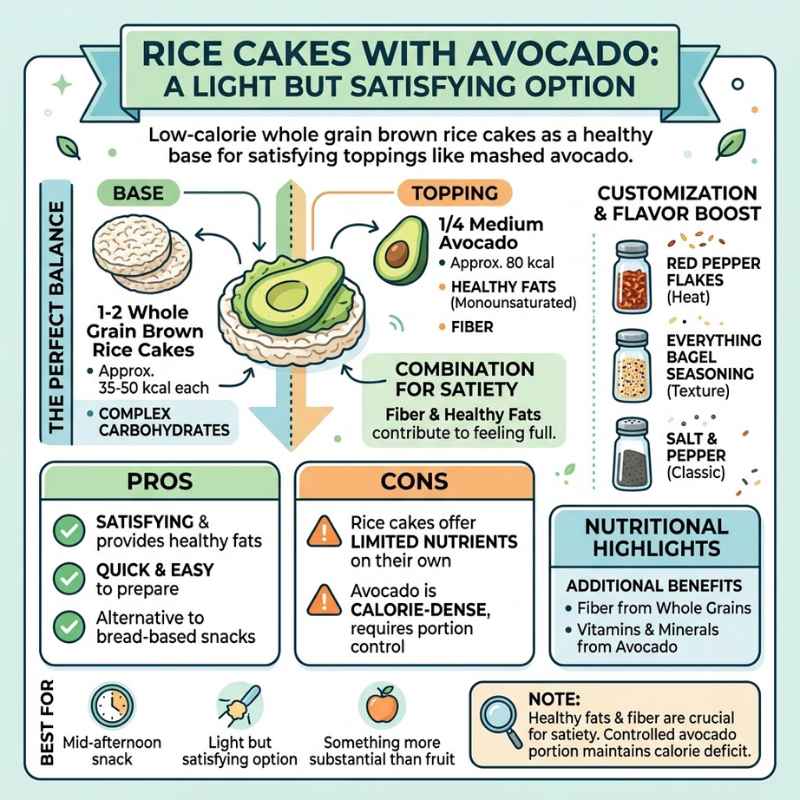
Rice cakes, especially whole grain brown rice cakes, can serve as a low-calorie base for healthy toppings. When topped with a modest amount of mashed avocado, they offer a satisfying combination of complex carbohydrates, healthy fats, and fiber. A plain brown rice cake is typically around 35-50 calories, and a quarter of an avocado adds about 80 calories, healthy fats, and fiber.
This snack provides a good alternative to more calorie-dense options. The fiber from the whole grain rice cake and the healthy fats from the avocado contribute to satiety. You can further enhance this snack by adding a sprinkle of red pepper flakes or a dash of everything bagel seasoning for extra flavor.
Note: This snack provides healthy fats and fiber, which are crucial for satiety. Ensure your avocado portion is controlled to maintain a calorie deficit.
- Base: 1-2 whole grain brown rice cakes (approx. 35-50 kcal each).
- Topping: 1/4 medium avocado (approx. 80 kcal, healthy fats, fiber).
- Additional Benefits: Fiber from whole grains, vitamins and minerals from avocado.
- Customization: Add seasonings like salt, pepper, chili flakes, or everything bagel seasoning.
- Satiety: Moderate, due to fiber and healthy fats.
Pros:
- Satisfying and provides healthy fats.
- Quick and easy to prepare.
- Offers a good alternative to bread-based snacks.
Cons:
- Rice cakes themselves offer limited nutrients.
- Avocado is calorie-dense, requiring portion control.
Best For: Mid-afternoon snack, light but satisfying option, when you want something a bit more substantial than fruit.
10. A Small Orange or Grapefruit: Hydrating and Vitamin C Rich
Citrus fruits like oranges and grapefruits are excellent low-calorie, hydrating snacks. A medium orange has about 60-70 calories and is packed with Vitamin C and fiber. Grapefruit is even lower in calories, with a half grapefruit containing around 40-50 calories, and is also a good source of vitamins and fiber.
The high water content and fiber contribute to a feeling of fullness, making them great choices for a calorie deficit. Their natural sweetness can also help satisfy a craving for something sweet. Starting your day with grapefruit or having an orange as a snack can contribute significantly to your daily nutrient and hydration goals.
- Low Calorie: Approx. 60-70 kcal for a medium orange, 40-50 kcal for half a grapefruit.
- High Water Content: Contributes to hydration and fullness.
- Rich in Vitamin C: Supports immune function.
- Good Source of Fiber: Aids digestion and satiety.
- Natural Sweetness: Satisfies sweet cravings healthily.
Pros:
- Very low in calories and hydrating.
- Excellent source of Vitamin C.
- Portable and require no preparation.
Cons:
- May not be filling enough for very hungry individuals.
- Some may find grapefruit interacts with certain medications.
Best For: A refreshing snack, satisfying sweet cravings, boosting Vitamin C intake.
Tips for Successful Snacking on a Calorie Deficit
Successfully incorporating snacks into a calorie deficit requires a strategic approach. It’s not just about choosing the right foods, but also about how and when you eat them.
Planning is essential. Prepare your snacks in advance so you have healthy options readily available when hunger strikes. This prevents impulsive decisions that often lead to unhealthy choices.
Tip: Always keep healthy, portion-controlled snacks in your bag, at your desk, or in your car to avoid succumbing to vending machine temptations or fast food.
- Plan Ahead: Decide what snacks you’ll have and when.
- Portion Control: Measure out snacks to avoid overeating.
- Listen to Your Body: Eat when you’re truly hungry, not just bored or stressed.
- Stay Hydrated: Drink water before reaching for a snack; thirst can mimic hunger.
- Combine Macronutrients: Pair carbs with protein or healthy fats for better satiety.
- Read Labels: Be aware of hidden sugars, sodium, and unhealthy fats.
- Variety is Key: Rotate snacks to ensure a wide range of nutrients and prevent boredom.
Common Mistakes to Avoid
When trying to manage your calorie deficit, certain snacking habits can sabotage your efforts. Being aware of these pitfalls can help you steer clear of them.
One of the most common mistakes is mindlessly snacking, often while distracted by work, TV, or social media. This can lead to consuming far more calories than intended without even realizing it.
Warning: Don’t underestimate the calorie content of “healthy” snacks like nuts, dried fruit, and granola. Portion control is absolutely paramount for these items.
- Mindless Eating: Snacking while distracted.
- Overestimating “Healthy”: Believing all snacks labeled “healthy” are low-calorie.
- Skipping Meal Prep: Not preparing snacks in advance leads to poor choices.
- Ignoring Portion Sizes: Eating directly from large containers.
- Relying on Packaged “Diet” Snacks: Many are highly processed and low in nutrients.
- Not Drinking Enough Water: Confusing thirst for hunger.
- Snacking Too Late: Eating close to bedtime can disrupt sleep and digestion.
Frequently Asked Questions
What is the best time to have a calorie deficit snack?
The best time for a calorie deficit snack is typically mid-morning or mid-afternoon, about 2-3 hours after your last meal and 1-2 hours before your next. This helps bridge hunger gaps, prevent overeating at main meals, and maintain stable energy levels throughout the day.
Can I snack on chips or cookies if I’m in a calorie deficit?
While technically possible if you account for the calories, it’s highly discouraged. Chips and cookies are typically low in nutrients, high in refined carbs and unhealthy fats, and offer little satiety. They can lead to energy crashes and increased cravings, making it much harder to stick to your calorie deficit and weight loss goals.
How much protein should a calorie deficit snack have?
Aim for a snack that provides at least 10-15 grams of protein. Protein is crucial for satiety, helping you feel full for longer and reducing the likelihood of overeating at your next meal. Snacks like Greek yogurt, cottage cheese, hard-boiled eggs, or edamame are excellent sources.
Are pre-portioned snacks better for a calorie deficit?
Yes, pre-portioned snacks are highly recommended. They remove the guesswork and temptation to overeat, especially with calorie-dense foods like nuts or trail mix. Having snacks already measured out makes it easy to grab and consume the correct amount, directly supporting your calorie deficit goals.
What if I’m not hungry but want to snack?
If you aren’t genuinely hungry, it’s best to avoid snacking and drink a glass of water instead. Hunger is your body’s signal for needing fuel. Snacking out of boredom, stress, or habit can lead to consuming unnecessary calories.
If the urge persists, try a light, low-calorie option like plain herbal tea or a few baby carrots.
Final Thoughts
Incorporating smart calorie deficit snacks is a strategic way to support your weight loss journey. By focusing on protein-rich, fiber-filled, and nutrient-dense options, you can manage hunger effectively and stay satisfied without overconsuming calories.
Remember to plan, portion, and choose wisely to make your calorie deficit sustainable and successful.