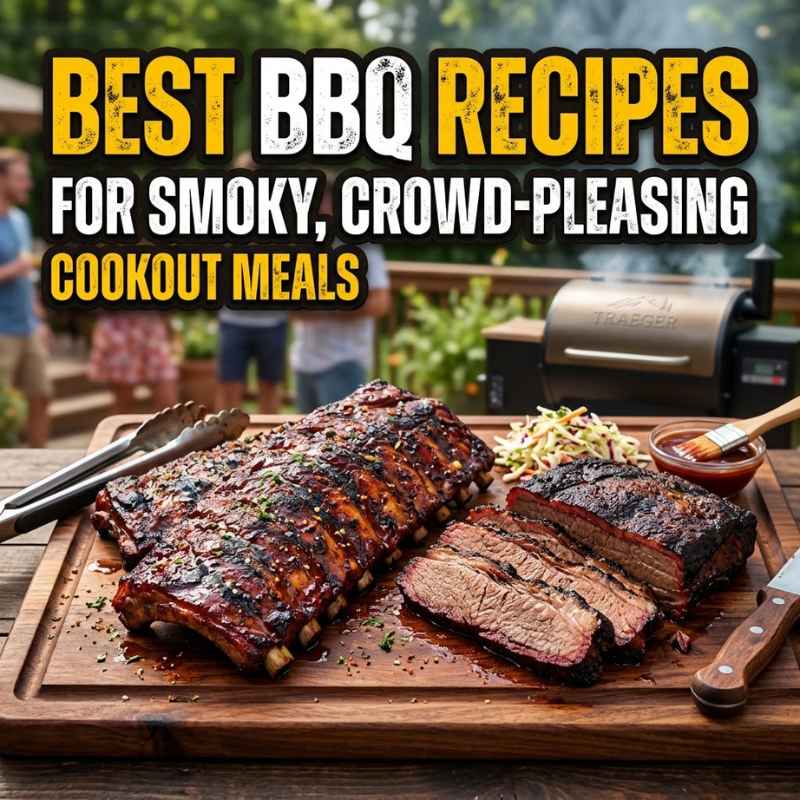
Best BBQ Recipes for Smoky, Crowd-Pleasing Cookout Meals
BBQ Recipes bring that perfect mix of smoke, fire, and flavor that turns any backyard gathering into a real memory. If you have ever stood by a grill wondering how to feed a hungry crowd without stress, this guide is for you. Today I want to share the Best BBQ Recipes for Smoky, Crowd-Pleasing Cookout Meals that I have tested over years of summer weekends, family reunions, and neighborhood parties across the United States. These bbq recipes work whether you use a simple charcoal grill, a gas setup, or a dedicated smoker. They stay reliable, taste bold, and keep people coming back for seconds.
I still remember the first time I pulled a tray of sticky ribs off the smoker and watched every plate empty in minutes. That feeling never gets old. Good bbq recipes do more than feed people. They create the kind of easy, outdoor moments we all chase when the weather turns warm. Let’s walk through the ones that deliver every single time.
The Heart of Great BBQ Recipes Starts with Simple Tools and Fresh Ingredients
You do not need a fancy kitchen to make excellent bbq recipes. A solid grill, a pair of tongs, a meat thermometer, and a few basic spices get the job done. I keep my pantry stocked with brown sugar, paprika, garlic powder, onion powder, salt, black pepper, and a bottle of apple cider vinegar. Those form the base of almost every rub and sauce I use.
Fresh meat matters more than expensive gear. Look for well-marbled cuts when you can. Chicken thighs stay juicier than breasts. Pork shoulder forgives timing mistakes better than leaner cuts. Beef brisket rewards patience. Vegetables like corn, zucchini, and bell peppers take on smoke beautifully and give everyone at the table something colorful to eat.
Temperature control separates average results from the ones people talk about later. Indirect heat keeps larger cuts from burning while the smoke works its magic. Direct heat finishes chicken and thinner steaks with a nice sear. I always leave the lid closed as much as possible so the heat and smoke stay trapped where they belong.
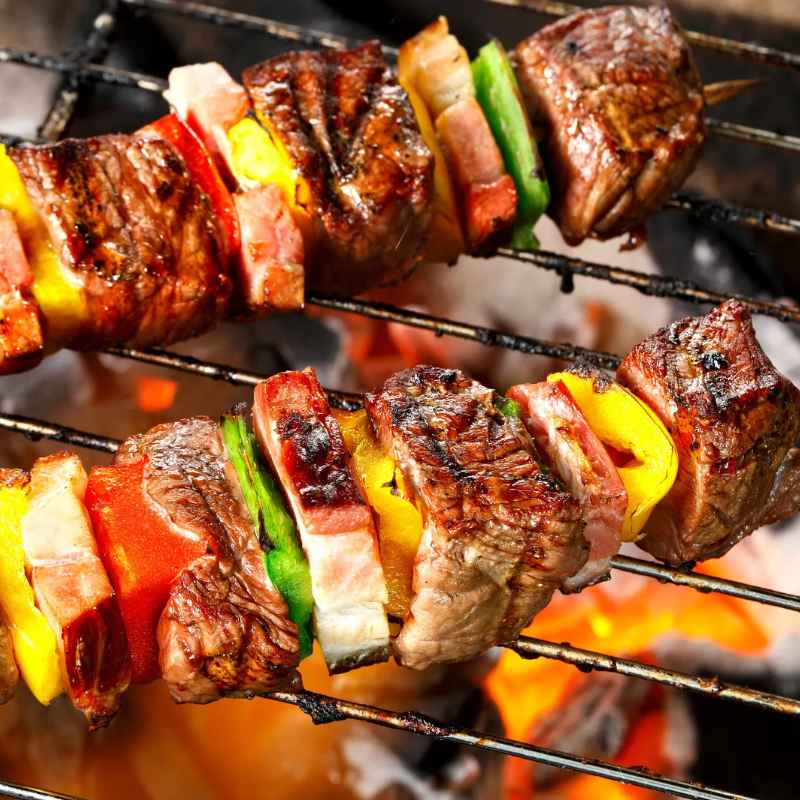
Classic Smoky Ribs That Never Fail a Crowd
Pork ribs sit at the top of most bbq recipes lists for good reason. They look impressive, feed a lot of people, and taste even better the next day if any leftovers survive. I prefer baby back ribs for smaller gatherings and spare ribs when the guest list grows.
Start with a simple dry rub. Mix half a cup of brown sugar, two tablespoons of paprika, one tablespoon each of salt, black pepper, garlic powder, and onion powder. Add a teaspoon of cayenne if you want mild heat. Pat the ribs dry, remove the silver skin from the back, and coat them generously on both sides. Let them sit in the fridge for at least two hours or overnight.
Set your grill or smoker for indirect heat around 250 degrees Fahrenheit. Place the ribs bone-side down and close the lid. After three hours, wrap them tightly in foil with a splash of apple juice or apple cider vinegar. Return them to the heat for another two hours. Unwrap, brush with your favorite barbecue sauce, and cook another thirty to forty-five minutes until the sauce sets and the meat pulls back from the bones.
The finished ribs should bend easily and the meat should separate with a gentle tug. Serve them with extra sauce on the side so guests can add more if they like. These bbq recipes for ribs work just as well on a pellet smoker or a charcoal grill with a water pan to keep the air moist.
Juicy BBQ Chicken That Stays Moist and Flavorful
Chicken often gets overlooked in favor of bigger cuts, yet properly cooked bbq recipes for chicken disappear first at every cookout I host. Bone-in, skin-on thighs and drumsticks handle smoke and sauce better than boneless breasts.
Make a quick brine the night before. Dissolve a quarter cup of salt and a quarter cup of brown sugar in four cups of water. Add a few smashed garlic cloves and a bay leaf. Submerge the chicken and refrigerate for four to six hours. Rinse and pat dry before seasoning.
For the rub use the same base as the ribs but cut the sugar in half so the skin can crisp. Cook the chicken over indirect heat at 275 degrees until the internal temperature hits 165 degrees. That usually takes about ninety minutes for thighs. In the last twenty minutes move the pieces over direct heat and baste with sauce every five minutes. The skin turns glossy and the meat stays tender.
I like to finish some pieces with a vinegar-based sauce and others with a sweeter tomato-based sauce. Offering both options keeps different tastes happy. These bbq recipes for chicken scale easily. Double or triple the batch without changing the method.
Brisket That Delivers Real Texas-Style Flavor
Brisket takes time, yet the reward makes every hour worthwhile. A whole packer brisket feeds a large group and gives you leftover meat for tacos or sandwiches the next day. Look for a flat with a thick point attached and good fat marbling.
Trim excess hard fat but leave about a quarter inch of soft fat on the top. Season heavily with equal parts coarse salt and black pepper. Some people add garlic powder. I keep it simple. Let the seasoned brisket sit uncovered in the fridge overnight.
Smoke at 250 to 275 degrees using oak or a mix of oak and hickory. Place the brisket fat-side up. After six to eight hours, when the bark looks dark and the internal temperature reaches about 165 degrees, wrap it tightly in butcher paper. Continue cooking until the probe slides in like soft butter, usually between 200 and 205 degrees. Rest the wrapped brisket in a cooler or warm oven for at least one hour, preferably two.
Slice against the grain and serve with pickles, onions, and white bread. This style of bbq recipes needs no heavy sauce. The smoke and seasoning carry the flavor. Guests who claim they do not like brisket often change their minds after the first bite.
Pulled Pork for Easy Feeding and Leftovers
Pulled pork ranks among the most forgiving bbq recipes. A pork shoulder or Boston butt almost never dries out if you keep the temperature steady. Season the meat the same way you would ribs or use a store-bought rub if you feel short on time.
Cook at 250 degrees until the internal temperature hits 195 to 203 degrees. That can take eight to twelve hours depending on size. Wrap in foil once the bark sets if you want to speed the process. Once finished, rest for an hour, then shred with two forks or your hands while wearing gloves.
Mix in a little of the cooking juices and a splash of sauce. Serve on soft buns with coleslaw. The leftovers freeze well and reheat beautifully for weekday meals. These bbq recipes turn one afternoon of cooking into food for several days.
Grilled Vegetables and Sides That Steal the Show
Meat gets the attention, yet the sides make the meal complete. Corn on the cob soaked in water then grilled in the husk comes out sweet and smoky. Brush with butter mixed with chili powder and lime juice after shucking.
Zucchini, yellow squash, and bell peppers need only olive oil, salt, and pepper. Grill them over medium heat until soft with light char marks. Mushrooms and asparagus cook fast and pick up smoke quickly.
A simple potato salad or creamy coleslaw balances the richer meats. I make a vinegar-based slaw when the menu already includes heavy sauces. These vegetable bbq recipes keep the table looking bright and give non-meat eaters real options.
Homemade Barbecue Sauces and Dry Rubs Worth Making
Store-bought sauce works in a pinch, yet homemade versions taste fresher and let you control the sweetness and heat. For a classic tomato-based sauce combine one cup of ketchup, a quarter cup of apple cider vinegar, two tablespoons of brown sugar, one tablespoon of Worcestershire sauce, one teaspoon of smoked paprika, and a pinch of cayenne. Simmer for fifteen minutes.
A North Carolina-style vinegar sauce uses apple cider vinegar, a little water, red pepper flakes, salt, and a touch of brown sugar. It cuts through fatty meats beautifully.
Dry rubs keep for months in a sealed jar. Make a big batch once and use it on everything. These simple additions elevate basic bbq recipes into something personal.
Cooking Times and Temperature Guide for Reliable Results
Here is a quick reference I keep taped inside my grill lid:
| Item | Target Internal Temp | Approximate Time at 250°F |
|---|---|---|
| Baby back ribs | 190–200°F | 5–6 hours |
| Spare ribs | 190–200°F | 6–7 hours |
| Chicken thighs | 165°F | 1.5–2 hours |
| Pork shoulder | 195–203°F | 8–12 hours |
| Brisket | 200–205°F | 10–14 hours |
| Whole chicken | 165°F | 2–3 hours |
Times vary with weather, meat size, and exact grill temperature. Always trust a thermometer over the clock.
Tips That Separate Good Cookouts from Great Ones
Keep a spray bottle of apple juice or water nearby to mist the meat if the surface looks dry. Avoid opening the lid every few minutes. Every peek drops the temperature and adds cooking time.
Plan the menu so most items finish around the same time. Start the longest cooks first. Have a cooler ready for resting meat. Serve sauces on the side so guests can choose.
Invite people to bring a side or dessert. The best cookouts feel shared rather than one person carrying the whole load. These small habits make bbq recipes more enjoyable for the cook as well as the guests.
Common Mistakes and How to Avoid Them
Cooking over direct high heat too early burns the outside while the inside stays raw. Using too much sauce too soon creates a sticky mess that never develops proper bark. Skipping the rest after cooking lets juices run out onto the cutting board instead of staying in the meat.
Another frequent issue is overcrowding the grill. Leave space between pieces so air and smoke can move freely. These small adjustments protect the quality of your bbq recipes.
How to Scale BBQ Recipes for Big Groups
When the guest list hits twenty or more, switch to larger cuts and batch cooking. Two pork shoulders feed more people with less effort than many individual chicken pieces. Use disposable aluminum pans for sauces and sides to cut cleanup time.
Set up a simple serving line so people can help themselves. Label the different sauces clearly. These practical steps keep the focus on conversation instead of logistics.
Seasonal Twists on Classic BBQ Recipes
In spring I lean toward lighter chicken and lots of grilled vegetables. Summer calls for ribs and corn. Fall brings more brisket and heartier sides. Winter cookouts still happen in many parts of the country with the right jacket and a good fire.
Adding seasonal fruit to sauces, such as peach or blackberry in late summer, gives familiar bbq recipes a fresh spin without changing the core method.
FAQ
What Temperature Should I Use for Most BBQ Recipes?
Most bbq recipes do best between 225 and 275 degrees Fahrenheit. Lower and slower builds more smoke flavor. Higher temperatures finish thinner cuts faster. A consistent temperature matters more than the exact number.
Can I Make Good BBQ Recipes Without a Smoker?
Yes. A charcoal or gas grill works fine with indirect heat and wood chips in a foil packet. Place the chips over the hot side and the meat on the cooler side. Close the lid to trap the smoke. Many excellent bbq recipes start this way.
How Far Ahead Can I Prep BBQ Recipes?
Rubs can go on the night before. Sauces keep in the fridge for a week. Cooked pulled pork and brisket reheat well for several days. Ribs taste great the next day too. Plan ahead so the day of the cookout feels relaxed.
What Wood Works Best for Different Meats?
Oak and hickory suit beef and pork. Fruit woods like apple or cherry pair nicely with chicken and milder flavors. Mesquite burns hot and strong, so use it sparingly or mixed with milder woods. Experiment until you find the combination you like.
How Do I Know When the Meat Is Done?
A reliable instant-read thermometer gives the clearest answer. Visual cues help too. Ribs should bend easily. Pork shoulder should pull apart with little effort. Brisket should feel soft when probed. Temperature plus texture beats any single rule.
Are There Vegetarian BBQ Recipes Worth Serving?
Absolutely. Thick portobello mushrooms, cauliflower steaks, and grilled halloumi take smoke well. Marinate them the same way you would meat and finish with sauce. Many guests appreciate having real options beyond a plain salad.
What Should I Serve with These BBQ Recipes?
Classic sides include coleslaw, baked beans, potato salad, cornbread, and grilled corn. Keep at least one fresh vegetable and one creamy option. Soft rolls or white bread help soak up sauces. Simple drinks like iced tea, lemonade, or cold beer complete the table.
After years of testing bbq recipes in different weather and with different crowds, I keep coming back to the same core ideas. Start with good ingredients, respect the temperature, give the meat time to rest, and keep the process simple enough that you can enjoy the day too. The Best BBQ Recipes for Smoky, Crowd-Pleasing Cookout Meals are the ones that let you stand outside with friends while the grill does most of the work.
Fire up the grill this weekend. Choose one or two of these bbq recipes, invite a few people over, and watch how quickly the food disappears. The smoke, the flavor, and the easy conversation that follows are worth every minute spent.