What Do Japanese People Eat for Breakfast? (Traditional Foods)
Traditional Japanese breakfast features steamed rice, miso soup, grilled fish or eggs, pickles, and sides like natto for a balanced, energizing start to your day. It’s simple, healthy, and easy to recreate at home with basic ingredients — perfect for beginners seeking tasty, nourishing meals.
Hey there, food friends! If you’ve ever wondered what gives Japanese people that calm, focused energy in the morning, you’re in the right place. A classic Japanese breakfast is warm, comforting, and full of simple flavors that wake up your body and mind without weighing you down.
Unlike heavy Western-style mornings with stacks of pancakes, Japanese breakfasts focus on balance — rice for energy, soup for warmth, protein for strength, and veggies for freshness. Don’t worry if you’re new to the kitchen. These dishes use everyday skills and ingredients you can find at most grocery stores. I’ll walk you through everything step by step so you can enjoy authentic tastes at home.
Get ready to discover the comforting world of asagohan and bring a touch of Japan to your table!
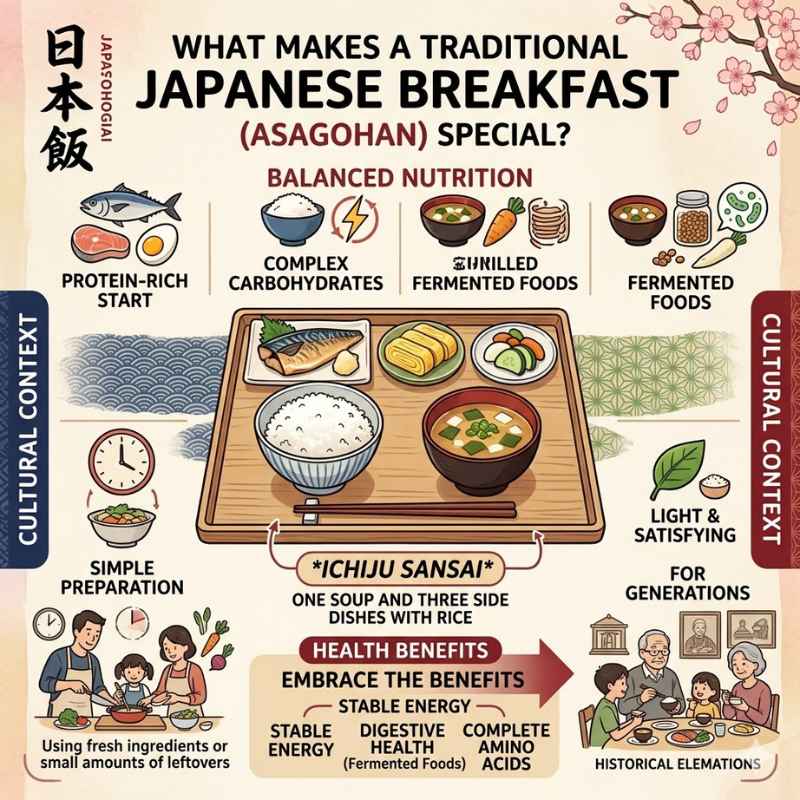
What Makes a Traditional Japanese Breakfast Special?
Japanese breakfast, known as *asagohan* (morning rice), follows the principle of *ichiju sansai* — one soup and three side dishes served with rice. This structure creates a complete, nutritious meal that’s been part of Japanese culture for generations.
Families often prepare it quickly using leftovers or simple cooking methods. It’s lighter than many Western breakfasts but incredibly satisfying and packed with protein, carbs, and gut-friendly fermented foods.
Many studies highlight the health benefits of such balanced eating patterns, including better nutrition from protein-rich starts.
Core Components of a Classic Japanese Breakfast
Here are the building blocks you’ll find in most traditional spreads:
- Steamed Rice (Gohan): Fluffy short-grain rice is the heart of the meal.
- Miso Soup (Miso Shiru): A savory broth with miso paste, tofu, and seaweed.
- Protein: Grilled fish like salmon, eggs (tamagoyaki or fried), or natto.
- Pickles (Tsukemono): Small servings of pickled vegetables for crunch and tang.
- Vegetable Sides: Blanched greens, tofu, or seasonal veggies.
Popular Traditional Japanese Breakfast Foods
1. Steamed Rice
Plain steamed rice provides steady energy. Many families use rice cookers for perfect results every time. You can also make okayu (rice porridge) for a gentler option.
2. Miso Soup
This umami-rich soup is a daily staple. Made with dashi broth and miso, it often includes wakame seaweed and soft tofu. It’s quick to prepare and soothing.
3. Grilled Fish (Yaki Sakana)
Salted salmon (*shiozake*) is a favorite. The crispy skin and tender flesh pair wonderfully with rice. Other options include mackerel.
4. Natto (Fermented Soybeans)
These sticky, nutritious soybeans come with a strong flavor many Japanese love mixed with rice, soy sauce, and mustard. They’re packed with protein and probiotics.
5. Egg Dishes
Try *tamagoyaki* (sweet rolled omelet), onsen tamago (soft-poached), or a simple fried egg. Tamago kake gohan — raw egg over rice — is a quick favorite.
Easy Step-by-Step Guide to Making a Traditional Japanese Breakfast at Home
You don’t need fancy tools. Here’s a beginner-friendly way to prepare a complete meal in under 30-45 minutes.
Ingredients (Serves 2)
| Item | Quantity |
|---|---|
| Japanese short-grain rice | 1 cup (uncooked) |
| Water for rice | 1.2 cups |
| Miso paste | 2-3 tbsp |
| Salted salmon fillet | 2 small pieces |
| Soft tofu | 1/2 block |
| Wakame seaweed (dried) | 1 tbsp |
| Eggs | 2-4 |
| Pickled vegetables | Small serving |
| Natto (optional) | 1-2 packs |
Step 1: Cook the Rice
- Rinse 1 cup rice until water runs clear.
- Add to pot or rice cooker with 1.2 cups water.
- Cook until fluffy (about 15-20 minutes in a pot).
Step 2: Prepare Miso Soup
- Heat 2 cups dashi or water.
- Add soaked wakame and cubed tofu.
- Turn off heat, stir in miso paste until dissolved. Do not boil after adding miso.
Step 3: Cook the Protein
- Grill or pan-fry salted salmon until skin is crispy (5-7 minutes per side).
- For eggs: Scramble, fry, or make a simple tamagoyaki by rolling beaten eggs in a pan with a bit of sugar and soy sauce.
Step 4: Assemble Sides
Slice pickles, prepare natto by stirring with included sauce and mustard, and warm any leftover veggies.
Step 5: Serve with Love
Place rice in bowls, pour soup, arrange proteins and sides on small plates. Enjoy with green tea!
Quick Variations for Busy Mornings
- Super Simple: Rice + natto + miso soup.
- Vegetarian-Friendly: Tofu, egg, and extra vegetable sides instead of fish.
- Kid-Friendly: Mild okayu porridge with egg and pickles.
- On-the-Go: Onigiri rice balls made the night before.
Nutritional Benefits of Japanese Breakfast
This style of eating supports balanced nutrition. Rice provides complex carbs, fish or eggs deliver high-quality protein, miso and natto offer probiotics for gut health, and veggies add vitamins and fiber.
Many appreciate how it promotes steady energy without sugar crashes. For food safety, ensure fish is fresh and cook thoroughly. Check resources like FDA seafood guidelines for handling tips.
| Component | Key Benefits | Beginner Tip |
|---|---|---|
| Rice | Sustained energy | Use rice cooker for ease |
| Miso Soup | Probiotics, low calorie | Start with instant dashi |
| Grilled Fish | Omega-3s, protein | Buy pre-salted salmon |
| Natto | Vitamin K2, protein | Mix well to reduce stickiness |
Shopping Tips and Common Substitutions
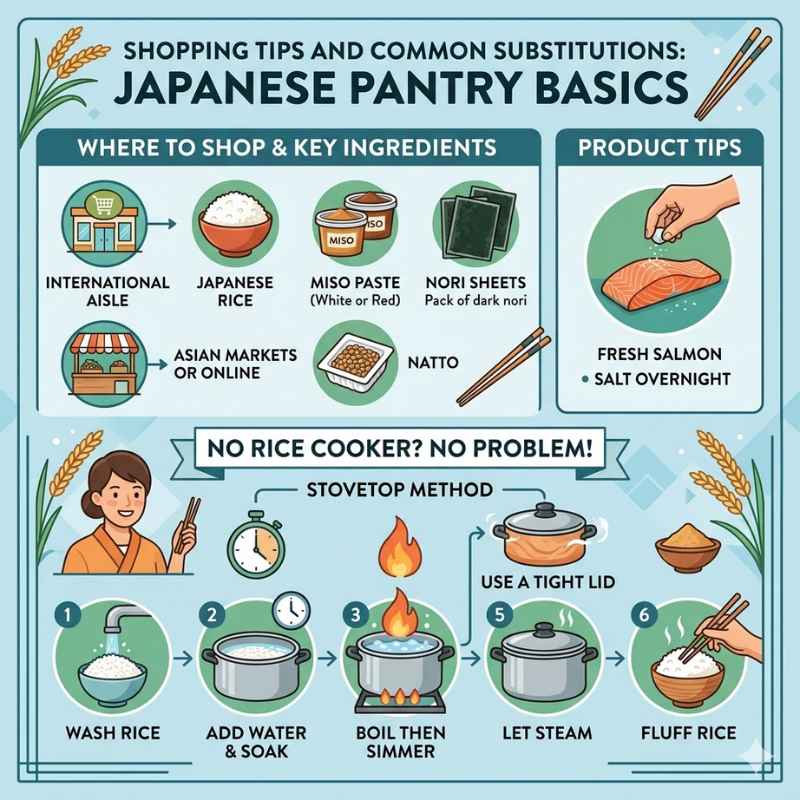
Look for Japanese rice, white or red miso, and nori sheets in the international aisle. Fresh salmon works if you salt it overnight. For natto, check Asian markets or online.
No rice cooker? Stovetop method works great with a tight lid.
FAQ
What is the most common Japanese breakfast?
Rice, miso soup, and a protein like grilled salmon or natto with pickles is the everyday classic.
Is Japanese breakfast healthy?
Yes! It’s balanced with protein, carbs, and fermented foods that support digestion and provide steady energy.
Do Japanese people eat natto every day?
Many do, especially in eastern Japan. It’s nutritious but has a strong taste — start small if trying it.
Can I make Japanese breakfast quickly on weekdays?
Absolutely. Use pre-cooked rice, instant miso, and simple eggs or leftovers for a 10-15 minute meal.
What if I don’t like fish?
Try egg dishes, tofu, or more natto and vegetables. The focus is balance, not specific items.
Do I need special tools or ingredients?
No. Basic pots, a pan, and supermarket finds work well. Rice and miso are the must-haves.
How does it differ from Western breakfast?
It’s savory rather than sweet, features rice instead of bread or cereal, and emphasizes small portions of varied items for nutrition.
Bringing Japanese Breakfast Joy into Your Routine
Starting your day with a traditional Japanese breakfast is more than eating — it’s about mindfulness, balance, and enjoying simple pleasures. As a passionate home cook, I love how these meals bring families together and fuel busy days with real nourishment.
You don’t need to be an expert chef. Begin with rice and miso, then add one or two sides. Over time, you’ll create your own perfect spread that feels comforting and exciting.
Give it a try this week. Your body and taste buds will thank you! Share your creations or questions below — I’d love to hear how it goes. Happy cooking, and may your mornings be delicious and bright.
Explore more about Japanese cooking safety and traditions through trusted sources like university nutrition pages for deeper inspiration.