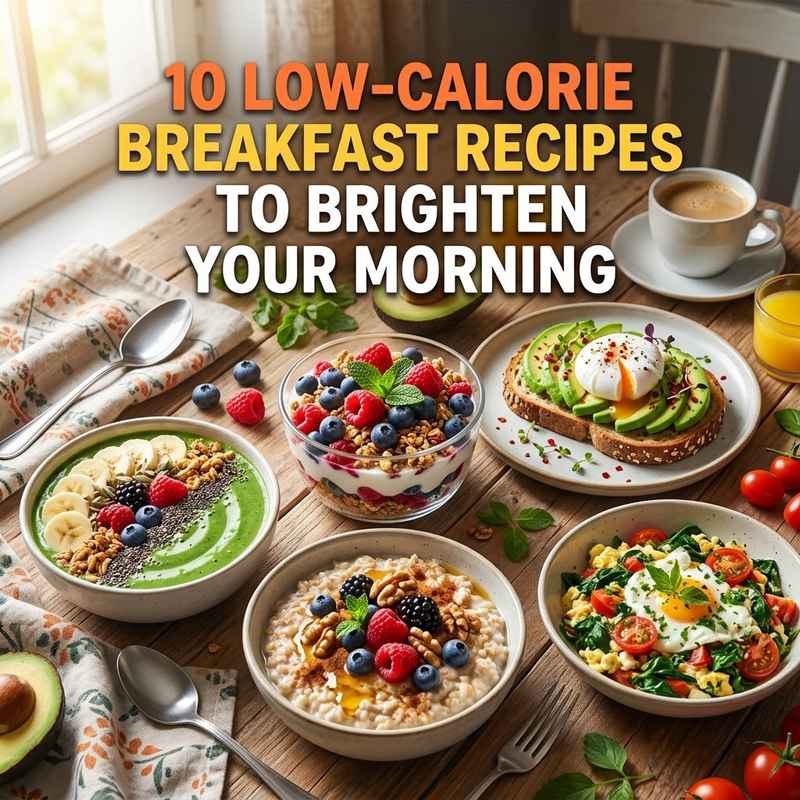
10 Low-Calorie Breakfast Recipes to Brighten Your Morning
Mornings can be busy, but breakfast doesn’t have to be bland—or complicated.
These low-calorie breakfast recipes bring together fresh fruit, vegetables, whole grains, and satisfying protein in easy, practical ways.
You’ll find options to prep ahead, cook quickly, or carry with you when you’re heading out the door.
Start with one idea that fits your morning, then adjust the portions and toppings to suit your appetite.
Calories are estimates, not lab-tested nutrition facts; brands and portion sizes can change them. A lighter breakfast isn’t automatically right for everyone—choose an amount that leaves you comfortably satisfied.
1. Blueberry Greek Yogurt Parfait
A Greek yogurt parfait layers creamy yogurt with juicy berries and a little crunch. It tastes sweet and refreshing, yet takes only a few minutes to assemble—ideal when you want a no-cook breakfast before work or school. For a more filling version, use plain nonfat Greek yogurt, which adds protein without relying on a large serving of granola.
For one serving, spoon ¾ cup plain nonfat Greek yogurt into a glass or bowl. Add ½ cup fresh or thawed blueberries and 2 tablespoons low-sugar granola, then finish with cinnamon or a teaspoon of honey if desired. For an estimated 200–250 calories, check the yogurt and granola labels, since sweetened products and generous toppings can change the total.
Layer the ingredients just before eating to keep the granola crisp. If you’re packing breakfast to go, carry the granola separately and sprinkle it on at the last minute. Strawberries, raspberries, chopped apple, or seasonal local fruit make easy swaps; choose unsweetened yogurt and let ripe fruit provide most of the sweetness.
2. Spinach and Tomato Egg Scramble
This spinach and tomato egg scramble is a warm, savory choice that comes together in about 10 minutes. The eggs bring a soft, satisfying texture, while tomato and spinach add color and freshness. It suits a quick weekday breakfast, and a slice of whole-grain toast can make it more substantial if you need extra fuel.
For one serving, whisk 1 large egg with 2 tablespoons water, a pinch of salt, and black pepper. Heat a nonstick skillet over medium heat and add ½ cup chopped tomato and 1 cup baby spinach; cook for 1–2 minutes until the spinach wilts. Pour in the egg mixture and gently stir until softly set, about 2–3 minutes. Use a small amount of cooking spray if the pan needs it.
Keep the heat moderate and remove the eggs while they still look slightly moist; they’ll finish setting from residual heat. Add chopped herbs or a pinch of chili flakes for a flavor boost without much extra energy. For a lighter variation, replace the whole egg with 2 egg whites, though the taste and texture will be less rich.
3. Cinnamon Pear Overnight Oats
Overnight oats are a convenient make-ahead breakfast: the oats soften in the refrigerator while you sleep, so there’s no pan to wash in the morning. Pear and cinnamon create a gently sweet, cozy flavor, and chia seeds thicken the mixture. This recipe makes one serving and works well for a desk breakfast or an early commute.
Combine ½ cup rolled oats, ½ cup unsweetened milk of choice, ½ cup diced ripe pear, 1 teaspoon chia seeds, and ¼ teaspoon cinnamon in a lidded jar. Stir thoroughly, cover, and refrigerate for at least 4 hours or overnight. In the morning, stir again and add a splash of milk if you prefer a looser consistency; serve chilled or warm it gently in the microwave.
For an estimated 250–300 calories, measure calorie-dense extras such as nuts, nut butter, and syrup rather than pouring them freely. Unsweetened soy milk or dairy milk can add more protein than some plant milks; compare package labels to choose what suits you. Keep the jar refrigerated and prepare only as much as you can eat within a few days.
4. Cottage Cheese and Cucumber Toast
If you prefer a savory breakfast with crisp texture, try cottage cheese and cucumber toast. Cool cucumber balances the creamy cheese, while whole-grain bread gives the meal a sturdy base. It takes about 5 minutes and is especially handy when you want a fresh, no-cook option rather than eggs or oatmeal.
Toast 1 slice whole-grain bread, then spread it with ½ cup low-fat cottage cheese. Top with ½ cup thinly sliced cucumber, black pepper, and chopped dill or parsley. Add a squeeze of lemon if you like a brighter flavor. Depending on the bread and cottage cheese, one serving is roughly 220–300 calories; check labels for a closer estimate.
For the best texture, assemble the toast just before serving so the bread doesn’t become soggy. You can slice the cucumber and chop herbs ahead, then store them separately in the refrigerator. For a crunchier variation, add sliced radish; if cottage cheese isn’t available, use plain thick yogurt, though it will be softer and may need draining.
5. Berry-Banana Breakfast Smoothie
A berry-banana smoothie is quick to blend and easy to carry in a travel cup. Frozen berries make it cold and thick without needing much ice, while banana gives it natural sweetness. It can be a useful option on mornings when solid food doesn’t appeal, though a smoothie may feel less filling than a meal you chew.
Blend ¾ cup unsweetened milk, ½ cup frozen mixed berries, ½ small banana, and ½ cup plain low-fat yogurt until smooth. Add a few ice cubes for a thicker texture, or a splash of milk to thin it. This makes one serving in about 5 minutes; calories vary with the milk and yogurt, but it will often land around 200–300 calories.
Taste before adding sweetener: ripe banana and berries may be enough. If you want more staying power, use a higher-protein yogurt or add a measured spoonful of oats, understanding that additions increase calories. Wash the blender promptly, and if taking the smoothie with you, keep it chilled until you drink it.
6. Mini Vegetable Egg Muffins
Vegetable egg muffins turn eggs and chopped vegetables into convenient, portioned bites that can be prepared ahead. They’re useful for busy mornings, brunch, or a portable breakfast alongside fruit. Baking a batch takes longer than scrambling an egg, but most of that time is hands-off, and the muffins can be reheated when needed.
Heat the oven to 350°F (175°C) and lightly coat a 6-cup muffin tin with cooking spray. Whisk 4 large eggs with 2 tablespoons milk, a pinch of salt, and black pepper. Divide ½ cup chopped spinach and ½ cup finely diced bell pepper among the cups, pour in the egg mixture, and bake for 15–20 minutes, until the centers are set. This makes 3 servings of 2 muffins each.
Let the muffins cool before refrigerating them in a covered container. Reheat until hot, and discard any that have been left at room temperature for an extended period. Use finely chopped vegetables so they soften evenly; watery vegetables such as mushrooms may be cooked first. A tablespoon of grated cheese can add flavor, but it also raises the calorie count.
7. Apple and Peanut Butter Oatmeal
This apple oatmeal pairs warm, soft oats with crisp fruit and a measured spoonful of peanut butter. The combination gives a familiar, comforting breakfast without needing a lot of added sugar. Make it on the stovetop when you have a few minutes, or use the microwave for a faster single-serving bowl.
Add ½ cup rolled oats and 1 cup water to a small saucepan. Bring to a gentle simmer and cook for about 5 minutes, stirring occasionally, until creamy. Stir in ½ cup diced apple and ¼ teaspoon cinnamon during the final 2 minutes. Spoon into a bowl and top with 1 teaspoon peanut butter. The recipe serves one and takes about 8 minutes, including prep.
If cooking in a microwave, use a large microwave-safe bowl to reduce the chance of boil-over, and follow your appliance’s instructions. For a dairy-based version, replace some water with milk; for a little more crunch, add a teaspoon of chopped nuts instead of increasing the peanut butter. A medium apple or extra cinnamon can add flavor without needing much sweetener.
8. Avocado and Egg Whole-Grain Toast
Avocado and egg toast offers a balance of creamy, savory, and crisp textures. It’s more substantial than plain toast and works well as a weekend breakfast or a quick meal after a morning walk. Because avocado is energy-dense, a modest portion lets its buttery texture shine while keeping the serving easy to estimate.
Toast 1 slice whole-grain bread. Mash ¼ medium avocado with a squeeze of lemon, black pepper, and a small pinch of salt, then spread it over the toast. Top with 1 hard-boiled egg, sliced. To cook the egg, place it in a saucepan, cover with water, bring to a boil, then turn off the heat, cover, and let it stand for about 10–12 minutes before cooling and peeling. Timing can vary by egg size and preference.
Prepare boiled eggs ahead and refrigerate them in their shells for convenient breakfasts. Add chili flakes or chopped herbs for extra flavor, or use sliced tomato instead of extra avocado. The calorie estimate varies with bread size and avocado amount, so weigh or measure portions when you need a closer count.
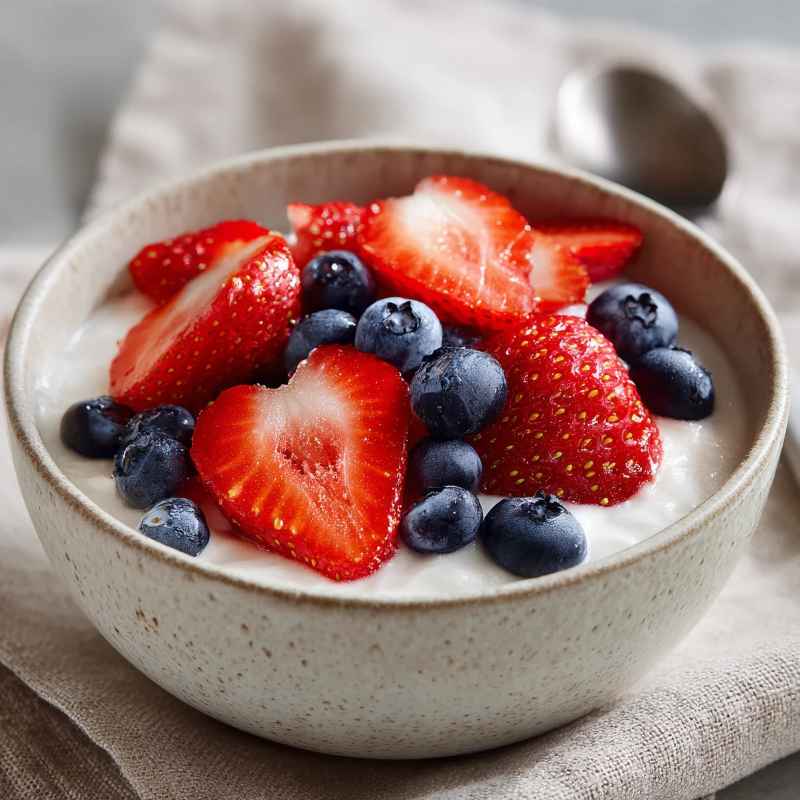
9. Strawberry Chia Yogurt Bowl
This strawberry chia yogurt bowl combines creamy yogurt with fruit and a lightly thickened chia topping. It’s a simple no-cook breakfast with a pleasant contrast between soft yogurt and juicy strawberries. Prepare it the night before for a grab-and-go meal, or assemble it in minutes when you’re at home.
For one serving, stir 1 teaspoon chia seeds into ¾ cup plain low-fat yogurt and let it stand for 10 minutes, or refrigerate overnight. Top with ½ cup sliced strawberries and a little lemon zest. If the mixture becomes very thick, stir in a teaspoon or two of milk. Calories depend on the yogurt, but a serving is generally around 180–250 calories before optional toppings.
Chia seeds absorb liquid, so give the mixture time to thicken and stir again before eating to break up clumps. For a dairy-free version, choose an unsweetened plant-based yogurt; protein content varies considerably between brands. Keep any prepared bowl covered and refrigerated, and add fruit shortly before serving if you prefer it firm and fresh.
10. Quick Banana Oat Pancakes
These banana oat pancakes offer a weekend-style breakfast with a short ingredient list and no added sugar in the batter. Mashed banana lends sweetness, while oats make the pancakes tender and filling. They’re best cooked in small rounds, which are easier to flip than large pancakes made without flour.
For one serving, mash ½ ripe banana in a bowl and whisk in 1 egg, ¼ cup rolled oats, and ¼ teaspoon baking powder. Let the batter rest for 5 minutes so the oats begin to absorb moisture. Heat a nonstick skillet over medium-low heat and lightly coat it with cooking spray. Spoon the batter into 3 small pancakes and cook for about 2–3 minutes per side, until set and golden. Serve warm with ½ cup berries.
Keep the pancakes small and wait until bubbles appear and the edges look set before flipping. If the batter seems loose, let it rest a little longer rather than adding extra ingredients immediately. Serve with cinnamon or more fresh fruit; syrup, chocolate chips, and large amounts of nut butter are delicious but can raise the calories quickly.
Recipe Guide at a Glance
The estimates below are approximate and depend on brands, portion sizes, and optional toppings. They’re intended for comparing ideas—not as precise nutrition data.
| Breakfast idea | Yield | Active or total time | Approximate calories |
|---|---|---|---|
| Blueberry Greek yogurt parfait | 1 serving | 5 minutes | 200–250 |
| Spinach and tomato egg scramble | 1 serving | 10 minutes | 120–180 |
| Cinnamon pear overnight oats | 1 serving | 5 minutes prep; chill overnight | 250–300 |
| Cottage cheese and cucumber toast | 1 serving | 5 minutes | 220–300 |
| Berry-banana breakfast smoothie | 1 serving | 5 minutes | 200–300 |
| Mini vegetable egg muffins | 3 servings | 30–35 minutes | 120–170 per serving |
| Apple and peanut butter oatmeal | 1 serving | 8 minutes | 230–300 |
| Avocado and egg whole-grain toast | 1 serving | 15–20 minutes, including egg cooking | 250–350 |
| Strawberry chia yogurt bowl | 1 serving | 10 minutes or overnight | 180–250 |
| Quick banana oat pancakes | 1 serving | 15 minutes | 250–350 |
Frequently Asked Questions (FAQs)
What counts as a low-calorie breakfast?
There isn’t one calorie target that works for everyone. These recipes are designed as lighter options, but portion size, toppings, activity, and personal needs all matter; choose a breakfast that leaves you satisfied.
How can I make a low-calorie breakfast more filling?
Include a source of protein—such as eggs, yogurt, cottage cheese, or milk—and add fruit, vegetables, or whole grains for texture and fiber. Increase portions to suit your hunger rather than relying on a very small meal.
Can I prepare these breakfasts ahead of time?
Yes. Overnight oats, boiled eggs, and baked egg muffins are convenient make-ahead choices. Store prepared foods covered in the refrigerator, and keep crisp toppings separate until serving.
Are these recipes suitable for weight loss?
They can fit into a calorie-conscious eating pattern, but no individual recipe guarantees weight loss. Overall food choices, portions, health needs, and daily habits matter; consider a registered dietitian for personalized guidance.
How do I calculate calories accurately?
Use the nutrition labels on the specific ingredients you buy, measure portions, and add up the amounts used. A recipe calculator can help, but its estimate may differ from the finished dish.
Conclusion
A balanced breakfast can be quick, colorful, and full of flavor without depending on complicated ingredients. From overnight oats and yogurt bowls to savory egg recipes and easy pancakes, these low-calorie breakfast recipes offer options for different schedules and cravings.
Choose one idea to try this week, adjust its portion and toppings to suit your appetite, and save the recipes that make your mornings easier. Small, practical routines are often the ones that stick.