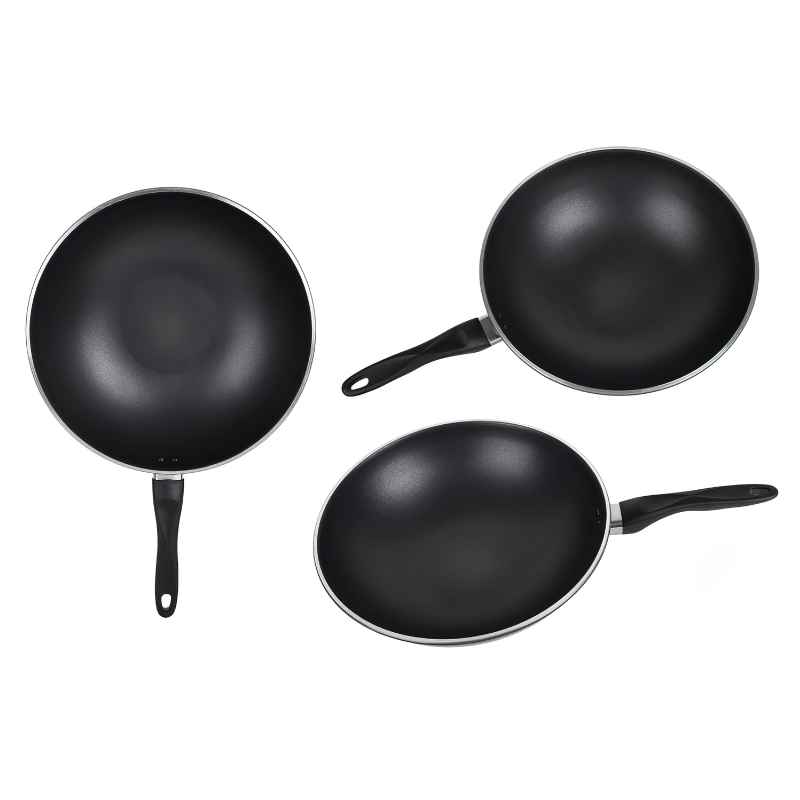
10 Essential Fry Pan Set Ideas for Perfect Everyday Cooking
A good fry pan set can completely change the way you cook. From quick weekday breakfasts to golden seared chicken and one-pan dinners, the right pans make cooking easier, faster, and more enjoyable. In this guide, you’ll learn how to choose, use, organize, and care for a best fry pan set—plus a complete Easy Garlic Butter Chicken and Vegetables recipe you can make in one skillet.
A fry pan set is one of the most practical kitchen upgrades for any home cook. Instead of struggling with one worn-out skillet, a well-chosen set gives you the right size and material for eggs, pancakes, stir-fries, sauces, and family dinners. The best part is that a quality nonstick fry pan set, stainless steel fry pan set, or cast iron skillet set can handle different cooking styles without taking over your kitchen. Whether you are building your first kitchen or replacing old cookware, these ten ideas will help you get more value, better results, and longer-lasting performance from every pan.

T-fal Ultimate Hard Anodized Nonstick Fry Pan Set, 2-Pack, 10 & 12 in, Onyx
- Thermo-Spot heat indicator shows exactly when the pan is ready
- Titanium-reinforced nonstick coating for easy cooking and cleanup
- Oven safe to 400°F, dishwasher safe, works on all stovetops except induction
As an Amazon Associate, I earn from qualifying purchases.
1. Choose the Right Fry Pan Set for Your Cooking Style
Before buying a fry pan set, think about how you actually cook. If you make eggs, crepes, grilled cheese, and delicate fish often, a nonstick frying pan set will feel effortless because food releases easily and cleanup is quick. If you enjoy searing steak, building pan sauces, or cooking at high heat, a stainless steel fry pan set gives you better browning and more durability.
A smart kitchen often uses a mix rather than relying on one material. For example, keep an 8-inch nonstick skillet for eggs, a 10-inch pan for everyday sautéing, and a 12-inch stainless steel skillet for larger meals. This combination prevents overcrowding, helps food cook evenly, and makes weeknight cooking much smoother.
| Pan Type | Best For | Main Benefit | Care Level |
|---|---|---|---|
| Nonstick fry pan | Eggs, pancakes, fish, low-fat cooking | Easy food release and quick cleanup | Gentle hand washing |
| Stainless steel fry pan | Searing, sauces, browning, sautéing | Durable and excellent for fond | Moderate |
| Cast iron skillet | Steaks, cornbread, frying, oven dishes | Superior heat retention | Needs seasoning |
| Carbon steel pan | Stir-fries, high-heat cooking | Lightweight and responsive | Needs seasoning |
When comparing options, look beyond the number of pans. A 3-piece fry pan set with useful sizes is often better than a large set filled with pieces you will rarely use. Focus on sturdy handles, a flat base, even heating, and lids if you like to simmer or steam food.
2. Understand Pan Sizes and When to Use Each One
Pan size matters more than most people realize. A crowded pan traps steam, prevents browning, and can make vegetables soggy instead of caramelized. That is why a practical fry pan set usually includes an 8-inch, 10-inch, and 12-inch skillet.
Use an 8-inch fry pan for one or two eggs, small portions of sautéed greens, toasting spices, or melting butter. A 10-inch skillet is the everyday workhorse for chicken cutlets, vegetable stir-fries, pancakes, and small family meals. A 12-inch fry pan is ideal when you need space for a full chicken breast recipe, fajitas, fried rice, or a one-pan dinner for four people.
If you have a small kitchen, prioritize the 10-inch pan first because it offers the best balance between capacity and storage. If you cook for a family, add the 12-inch skillet next. The 8-inch pan may seem optional, but it is incredibly useful for breakfast and quick sauces.
3. Match Your Fry Pan Set to Your Stove Type
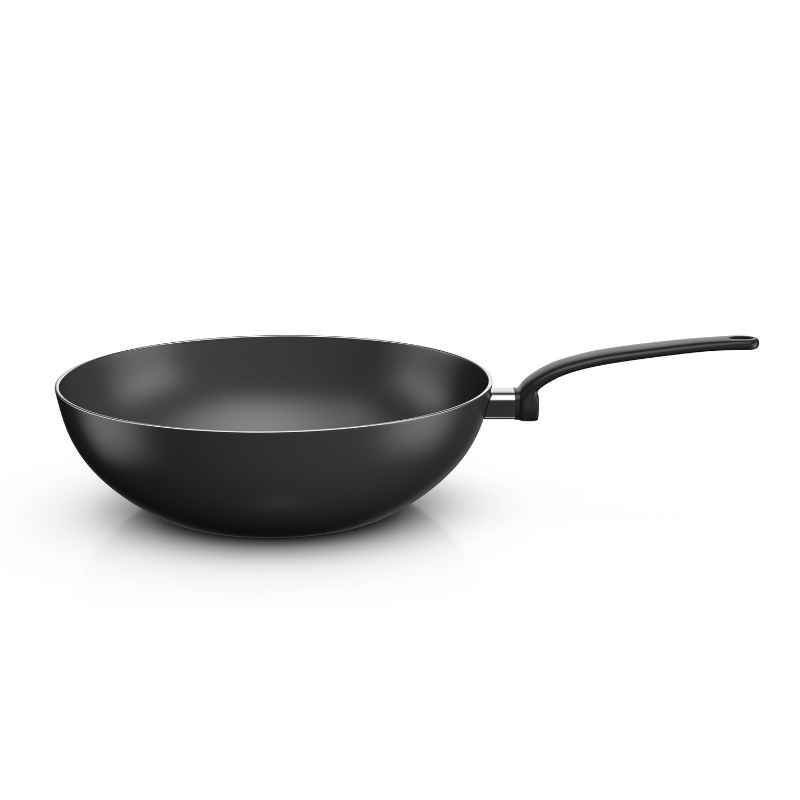
Your cooktop should guide your purchase. Gas stoves work with nearly every type of cookware, while electric and glass-top stoves need flat, smooth bottoms for good contact. Induction cooktops are more selective: the pan must have a magnetic base.
Cast iron, carbon steel, and many stainless steel pans work on induction. Pure aluminum, copper, glass, and non-magnetic ceramics usually do not unless they include a bonded magnetic plate. A simple test is to place a magnet on the bottom of the pan; if it sticks firmly, the pan should work on an induction cooktop.choice.com+2
| Stove Type | Recommended Fry Pan Materials | What to Check |
|---|---|---|
| Gas | Nonstick, stainless steel, cast iron, carbon steel | Sturdy handle and even base |
| Electric | Nonstick, stainless steel, cast iron | Flat bottom for full contact |
| Glass-top | Smooth-bottom stainless steel, quality nonstick | Avoid rough cast iron edges |
| Induction | Magnetic stainless steel, cast iron, carbon steel | Magnet test or “induction-ready” label |
For induction, look for wording such as induction-compatible or induction-ready on the product page. Many stainless steel pans are induction-compatible, but it is still wise to confirm before buying because not every stainless steel construction is magnetic.consumerreports+1
4. Build a Balanced Fry Pan Set with Mixed Materials
The most useful kitchen fry pan set is not always made from one single material. Nonstick pans are wonderful for delicate foods, but they do not brown food as deeply as cast iron or stainless steel. Stainless steel is excellent for fond—the flavorful browned bits left after searing meat—while cast iron holds heat beautifully for crusty steaks and skillet bread.
A balanced setup could include one 8-inch nonstick skillet, one 10-inch stainless steel skillet, and one 12-inch nonstick or cast iron skillet. This gives you flexibility without forcing you to buy a huge cabinet-filling collection. You can cook eggs without sticking, sear chicken with rich color, and prepare larger one-pan meals with confidence.
Think of your pans as tools with different jobs. A nonstick pan protects delicate foods, stainless steel builds flavor, and cast iron delivers heat retention. When each pan has a clear purpose, you cook better and your cookware lasts longer.
5. Use the Right Heat for Every Fry Pan
Heat control is one of the biggest secrets to successful cooking. Nonstick fry pans perform best at low to medium heat because very high temperatures can wear down the coating faster. Stainless steel pans handle medium to high heat well and are perfect for searing, while cast iron needs time to heat slowly but then holds that heat exceptionally well.
Start by preheating the pan before adding oil for most stainless steel and cast iron cooking. For nonstick pans, add a small amount of oil or butter first, then warm the pan gently. This simple habit helps prevent sticking and protects the surface.
A helpful rule is to match heat to food. Eggs and fish prefer gentle heat, vegetables benefit from medium-high heat, and steak or chicken thighs need a hot pan for a golden crust. Learning this one skill will improve almost every meal you make in your fry pan set.
6. Cook a Complete One-Pan Dinner in Your Fry Pan
One of the best ways to test a new fry pan set is to make a complete dinner in a single skillet. One-pan meals save time, reduce dishes, and help flavors blend together. A 12-inch skillet is especially useful because it gives chicken and vegetables enough room to brown instead of steam.
Below is an easy recipe for Easy Garlic Butter Chicken and Vegetables. It is a satisfying main course with a comforting, savory flavor: tender chicken, crisp-tender vegetables, and a rich garlic butter sauce. It serves 4 people, takes 10 minutes to prep, and cooks in about 20 minutes.
7. Protect Nonstick Coatings for Longer-Lasting Pans
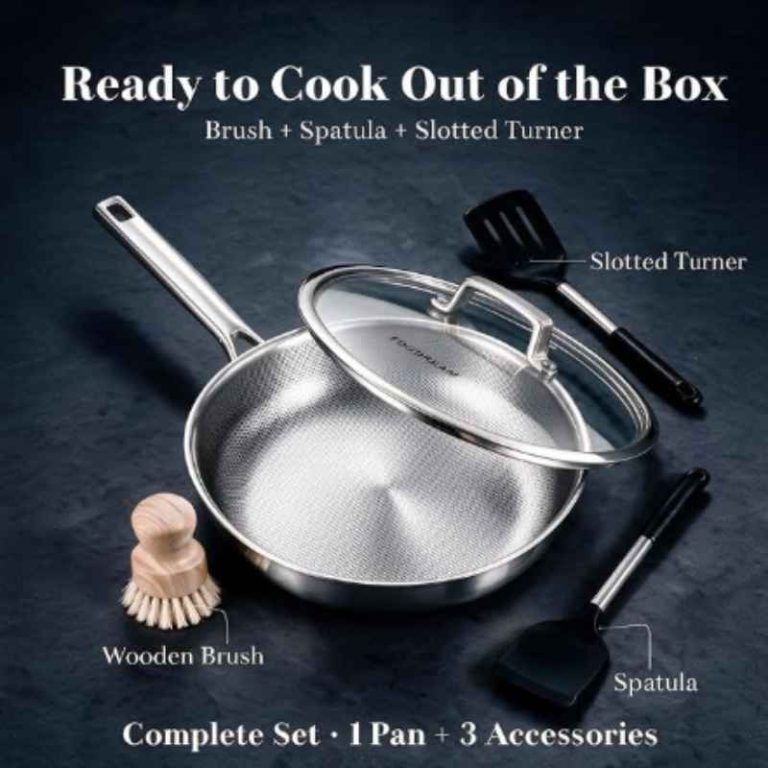
A nonstick fry pan set can last much longer when you treat the coating gently. Avoid metal spatulas, steel wool, and abrasive scrubbers because they can scratch the surface. Use silicone, nylon, or wooden utensils instead, and choose pans with riveted handles for a more secure grip during daily cooking.homedepot
Let hot pans cool before washing them. Placing a hot nonstick pan under cold water can stress the coating and may cause warping over time. Wash with warm, soapy water and a soft sponge, then dry completely before storing.
Also avoid cooking spray in nonstick pans when possible. Many sprays leave a sticky residue that builds up over time and becomes difficult to remove. A small amount of butter or oil works better and usually gives better flavor too.
8. Season and Maintain Cast Iron Skillets Properly
A cast iron skillet is one of the most durable pieces you can own, but it needs a little maintenance. Seasoning creates a natural protective layer that helps prevent rust and improves food release. To season a clean, dry cast iron pan, rub a very thin layer of neutral oil over the surface, then heat it until the oil bonds to the metal.
After cooking, clean cast iron while it is still warm using warm water and a soft brush or sponge. Dry it thoroughly right away, because cast iron can rust if left wet or stored in a damp environment. Then rub on a tiny amount of oil before putting it away.homedepot+1
Do not worry if your cast iron looks slightly dark or uneven. That patina is normal and often improves with use. Avoid soaking cast iron for long periods, and never put it in the dishwasher. With simple care, a cast iron pan can become one of the most reliable tools in your fry pan set.
9. Organize Your Fry Pan Set for a Clutter-Free Kitchen
A beautiful fry pan set loses its appeal if it is buried under a pile of pots and pans. Good organization protects the cooking surface and makes meal preparation faster. If you stack pans directly, place a soft cloth, paper towel, or pan protector between each one to prevent scratches.
Use a deep drawer with dividers, a cabinet door rack, or a vertical pan organizer to keep skillets visible and easy to reach. Store lids separately in a lid organizer so they do not take up valuable pan space. If you use cast iron often, keep it in an accessible spot rather than hiding it in the back of a cabinet.
For small kitchens, hang one or two frequently used pans on a wall-mounted rack. This saves cabinet space and adds a warm, functional style to the kitchen. Just make sure the rack is strong enough to hold the weight of your heaviest skillet.
10. Clean and Store Every Fry Pan the Right Way
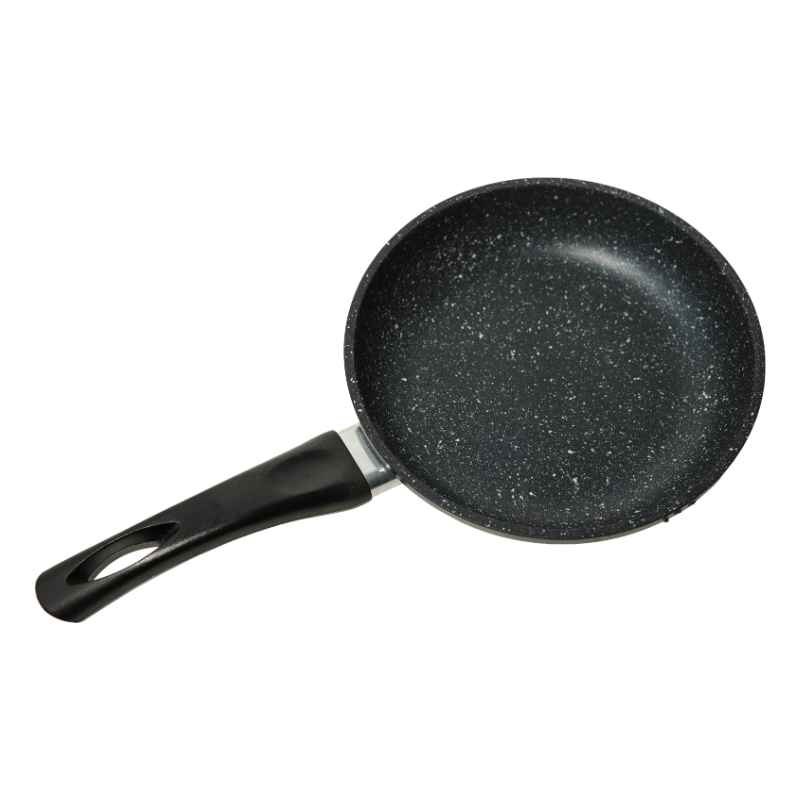
Proper cleaning keeps your fry pan set performing well for years. For nonstick pans, use warm water, mild dish soap, and a soft sponge. For stainless steel, soak the pan briefly if food is stuck, then use a non-abrasive scrubber. A little vinegar or lemon juice can help remove stubborn stains from stainless steel.homedepot
For cast iron, avoid long soaks and dishwashers. Clean, dry, and lightly oil the pan after each use. For burnt-on food, simmer a little water in the pan for a few minutes, then loosen the food gently with a wooden spatula.
| Pan Material | Best Cleaning Method | Avoid |
|---|---|---|
| Nonstick | Warm soapy water and soft sponge | Steel wool, metal utensils, high heat |
| Stainless steel | Soak, scrub gently, use vinegar for stains | Harsh abrasives on polished surfaces |
| Cast iron | Warm water, soft brush, dry and oil | Dishwasher, soaking, leaving wet |
| Carbon steel | Wipe clean, dry, apply thin oil layer | Dishwasher and prolonged moisture |
Always store pans completely dry. Moisture is the main enemy of cast iron and carbon steel, while scratches are the main enemy of nonstick coatings. A few extra seconds after washing can add years to the life of your cookware.
Frequently Asked Questions (FAQs)
1. What is the best fry pan set for beginners?
A beginner-friendly set usually includes an 8-inch nonstick skillet, a 10-inch skillet, and a 12-inch skillet. This covers eggs, sautéing, pancakes, chicken, vegetables, and larger one-pan meals without requiring too much storage space.
2. Are nonstick fry pans safe to use?
Yes, quality nonstick pans are safe when used correctly. Keep the heat at low to medium, avoid overheating an empty pan, use non-metal utensils, and replace the pan if the coating becomes deeply scratched or peeling.
3. How do I know if my fry pan works on induction?
Place a magnet on the bottom of the pan. If it sticks firmly, the pan should work on an induction cooktop. You can also look for an induction-compatible label on the packaging or product listing.choice.com+1
4. Should I buy a large fry pan set or individual pans?
Individual pans are often better if you want to choose the exact material and size you need. A set can be a good value if it includes the sizes you will actually use, especially an 8-inch, 10-inch, and 12-inch combination.
5. Can I use metal utensils in a nonstick fry pan?
It is best to avoid metal utensils in nonstick pans because they can scratch the coating. Use silicone, nylon, or wooden utensils to protect the surface and extend the life of the pan.
6. How often should I replace a nonstick fry pan?
Replace a nonstick pan when the coating is visibly scratched, peeling, or food begins sticking consistently. With careful use, many nonstick pans last a few years, but they generally do not last as long as stainless steel or cast iron.businessinsider
Conclusion
A thoughtful fry pan set is more than just cookware—it is the foundation of easier, tastier everyday cooking. By choosing the right materials, using proper heat, protecting nonstick surfaces, maintaining cast iron, and organizing your pans well, you can build a kitchen setup that works for real life. From quick eggs in the morning to a complete garlic butter chicken and vegetable dinner at night, the right fry pan makes every step simpler.
Start with the sizes and materials that match your cooking style, then add pieces gradually as your needs grow. Save this guide for your next kitchen upgrade, try the one-pan chicken recipe this week, and explore more easy cooking and kitchen organization ideas to make your home kitchen even more enjoyable.