10 Easy Air Fryer Tips for Perfect Crispy Meals
An air fryer has become one of the most useful kitchen appliances for busy home cooks because it makes food crispy, golden, and flavorful with far less oil than traditional frying. From air fryer chicken wings and roasted vegetables to reheated pizza and homemade fries, this compact machine can handle breakfast, lunch, dinner, snacks, and even desserts. In this guide, you will learn 10 easy air fryer tips, plus a complete crispy air fryer chicken wings recipe with ingredients, timings, servings, and step-by-step instructions.
Air fryers work like small convection ovens: a fan circulates hot air around the food, helping the outside become crisp while the inside stays tender. This method uses much less oil than deep frying, which makes it appealing for lighter everyday meals.health.clevelandclinic+1
1. Understand How an Air Fryer Works
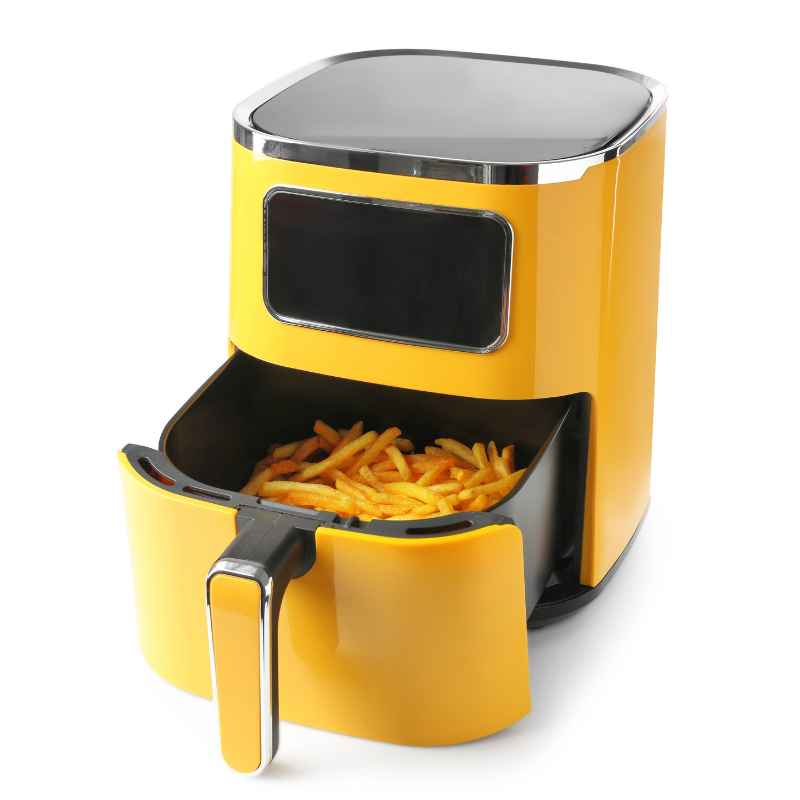
An air fryer is essentially a mini convection oven that uses a heating element and a powerful fan to circulate hot air around food in a perforated basket. This rapid airflow helps create a crispy, golden-brown exterior with little to no oil. If you’re looking for an air fryer to make your favorite recipes at home, check out this air fryer on Amazon to find an option that suits your cooking needs.
Because the cooking chamber is small, food heats faster than it does in a regular oven. This is helpful on busy weeknights when you want quick dinners, crispy snacks, or a small batch of roasted vegetables without heating the entire kitchen. It also makes the air fryer a great choice for apartments, dorm rooms, and smaller households.
However, the same fast airflow means that air fryer cooking times are usually shorter than oven times. A good starting rule is to reduce oven temperature by about 25°F and check the food a few minutes early. Every air fryer model is slightly different, so the first few recipes are the best time to learn how yours behaves.

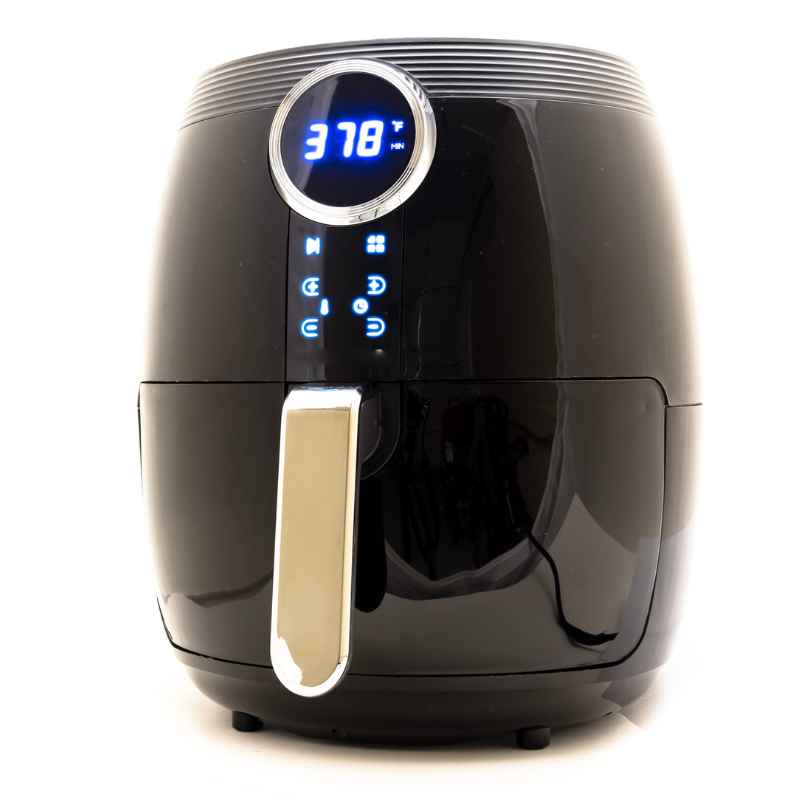
Chefman 4 QT Compact Air Fryer with Hi-Fry Technology & Easy-View Window, Black
- 450°F Hi-Fry Technology for extra-crispy results in the final two minutes
- Easy-View window and touch controls with 4 one-touch presets
- Compact 4-quart design with a nonstick, dishwasher-safe basket
As an Amazon Associate, I earn from qualifying purchases.
2. Choose the Right Air Fryer Size
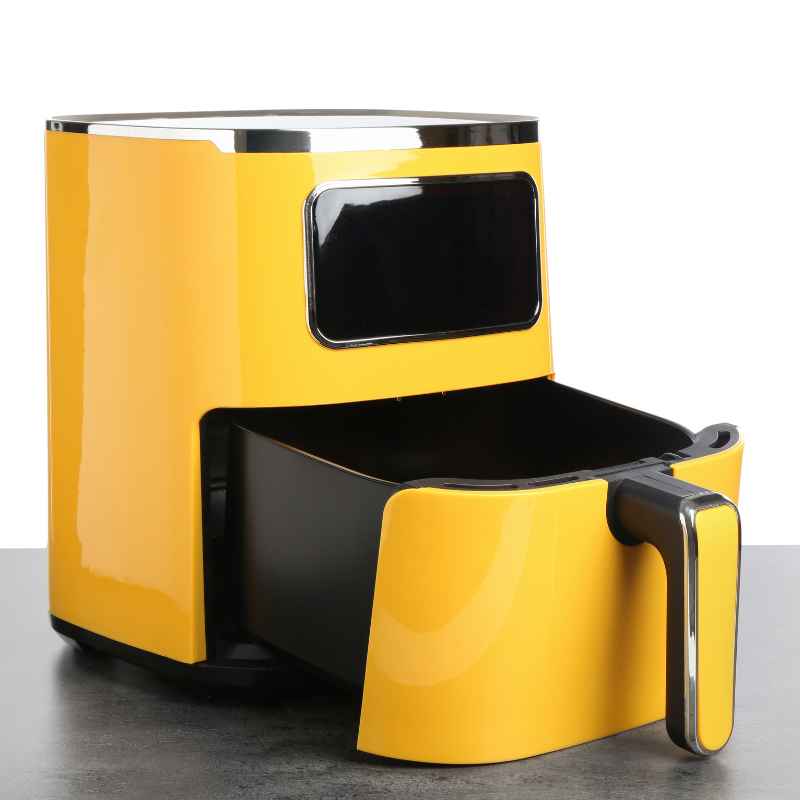
Before buying or using an air fryer, think about how many people you usually cook for. A compact 2–3 quart model is ideal for one or two people, while a 5–7 quart air fryer works better for families or anyone who likes to meal prep. Larger basket-style models give you more room for chicken, fries, and vegetables, but they also take up more counter space.
If you often cook full meals, consider an air fryer oven with racks or a dual-basket air fryer. These designs are useful when you want to cook a protein and a side dish at the same time. For example, you can air fry chicken wings in one basket while roasting broccoli in the other.
The most important factor is not the brand name but the usable basket space. A larger air fryer does not always cook more food efficiently if you overcrowd it. For the crispiest results, food needs room for hot air to circulate around every piece.
3. Avoid Overcrowding the Basket
One of the biggest mistakes beginners make is filling the air fryer basket too much. When food is packed tightly, the hot air cannot move freely, so the result can be soggy, unevenly cooked, or pale instead of golden. This is especially important for frozen fries, chicken wings, breaded chicken, and vegetable chips.
Cook in batches if needed. It may take a little longer, but the texture will be much better. For example, if you are making air fryer chicken wings, arrange them in a single layer with a little space between each wing. Flip or shake the basket halfway through cooking so both sides crisp evenly.extension.msstate+1
A simple rule is: if you cannot see the bottom of the basket or the pieces are touching heavily, remove some food. A slightly smaller batch will taste better than a crowded basket that steams instead of crisps.
4. Use Oil the Smart Way
You do not need much oil in an air fryer, but a small amount can improve browning, flavor, and crispiness. For fresh vegetables, potatoes, and proteins, toss food with 1–2 teaspoons of oil before cooking. Use an oil sprayer or brush for even coverage without soaking the food.
Avoid using too much oil, especially with fatty foods such as bacon or chicken thighs. Excess fat can drip into the bottom of the appliance, create smoke, and make cleanup harder. For breaded foods, a light spray before cooking is usually enough to help the coating turn crisp.
Choose oils with a high smoke point, such as avocado oil, canola oil, or light olive oil. Do not use nonstick cooking spray directly on some air fryer baskets if the manufacturer warns against it, because certain sprays can damage the coating over time. Always follow your specific model’s manual.
5. Preheat for Better Crispiness
Preheating is not always required, but it can make a noticeable difference for foods that need a crisp exterior. Many recipes benefit from preheating the air fryer for 3–5 minutes at the cooking temperature, especially when making fries, wings, nuggets, or breaded foods.extension.msstate+1
Preheating helps food begin cooking immediately when it enters the basket. This is useful for air fryer chicken wings, because the skin starts to render and crisp rather than sitting in a cooler basket while the appliance warms up. It also helps frozen foods cook more evenly.
For delicate foods, such as salmon, shrimp, or reheated baked goods, you may not need to preheat. If your recipe does not specify, a short preheat is usually a safe choice for anything you want golden and crunchy.
6. Flip, Shake, and Check Food Often
Unlike a traditional oven, an air fryer cooks food very close to the heating element. That means one side can brown faster than the other. To get even results, shake the basket for small items such as fries or vegetables, and flip larger foods such as chicken breasts, wings, burgers, or fish fillets halfway through cooking.extension.msstate+1
Use tongs for delicate foods and a spatula for items that may stick. Avoid piercing meat unnecessarily, because that can release juices and make the food drier. For chicken wings, flipping after the first half of cooking helps both sides become crisp and evenly browned.
Checking food early is also important because air fryer models vary in power. Start checking a few minutes before the suggested time, especially the first time you make a recipe. A food thermometer is the most reliable way to confirm that meat and poultry are safely cooked.uaex.uada+1
7. Use a Food Thermometer for Safety
Crispy food is wonderful, but safe food matters more. A food thermometer is the best way to know when chicken, meat, fish, and eggs are fully cooked. Insert it into the thickest part of the food, avoiding bone, fat, or gristle.uaex.uada+1
For all poultry, including air fryer chicken wings, the safe minimum internal temperature is 165°F (73.9°C). Fish and shellfish should reach 145°F (62.8°C), while ground meats should reach 160°F (71.1°C).
Do not rely only on color. Chicken can look golden outside while still needing more time inside, especially if the pieces are thick. A thermometer removes the guesswork and helps you avoid both undercooked food and overcooked, dry meals.
8. Try This Crispy Air Fryer Chicken Wings Recipe
This crispy air fryer chicken wings recipe is an easy appetizer, game-day snack, or dinner main course. The wings become golden and crisp on the outside while staying juicy inside, and the seasoning is simple enough to pair with barbecue sauce, buffalo sauce, honey garlic sauce, or ranch dressing.
9. Clean and Maintain Your Air Fryer Properly
A clean air fryer cooks better, smells better, and lasts longer. After each use, let the appliance cool completely, then remove the basket and crumb tray. Wash them with warm soapy water or place them in the dishwasher if the manufacturer says they are dishwasher-safe.
For stuck-on grease, soak the basket in warm, soapy water for 10–15 minutes before scrubbing with a soft sponge. Avoid steel wool or abrasive scouring pads, because they can scratch the nonstick coating. A paste of baking soda and water can help with stubborn residue.
Wipe the heating element area and interior with a slightly damp cloth only when the appliance is unplugged and fully cool. Never submerge the main air fryer unit in water. Regular cleaning also prevents old food particles from smoking during the next cooking session.
10. Get Creative With Air Fryer Recipes
Once you master the basics, an air fryer can do much more than fries and frozen snacks. Use it for breakfast ideas such as bacon, hash browns, egg cups, and toast. For lunch, try crispy quesadillas, grilled cheese sandwiches, chicken tenders, or roasted chickpeas.
At dinner, air fry salmon fillets, shrimp, meatballs, chicken thighs, pork chops, and vegetables. The appliance is especially useful for small portions, so you can cook a quick meal without turning on the oven. For dessert, try air fryer apples, cinnamon rolls, cookies, or warm brownies.
The key is to adapt recipes rather than copy oven instructions exactly. Reduce the temperature slightly, shorten the cooking time, and check early. With practice, you will build a collection of reliable easy air fryer recipes that fit your family’s favorite flavors.
Frequently Asked Questions (FAQs)
1. Do air fryers really use less oil than deep frying?
Yes. Air fryers circulate hot air around food instead of submerging it in oil, so you can use little or no oil for many recipes. This can reduce the fat and calories compared with traditional deep frying.health.clevelandclinic+1
2. What temperature should chicken wings reach in an air fryer?
All poultry, including chicken wings, should reach an internal temperature of 165°F (73.9°C). Use a food thermometer in the thickest part of the wing, avoiding the bone.extension.msstate+1
3. Can I put aluminum foil in an air fryer?
You can use a small piece of foil in some models, but only if the manufacturer allows it. Never block airflow or cover the entire basket, because the air fryer needs circulation to cook properly.
4. Why is my air fryer food soggy?
Common reasons include overcrowding, too much moisture, insufficient oil, or not flipping the food. Pat food dry, cook in a single layer, and shake or flip halfway through for the best crispiness.
5. Do I need to preheat my air fryer?
Not always, but preheating for 3–5 minutes can improve browning and crispiness, especially for wings, fries, and breaded foods. Check your air fryer manual because recommendations vary by model.extension.msstate+1
6. Can I cook frozen food in an air fryer?
Yes. Frozen fries, nuggets, vegetables, and many snacks cook very well in an air fryer. Cook them in a single layer and check a few minutes early, since air fryer cooking is often faster than oven cooking.
Conclusion
An air fryer is one of the easiest ways to make crispy, satisfying meals with less oil and less mess. By avoiding overcrowding, using a little oil wisely, flipping food halfway through, and checking internal temperatures, you can get consistently delicious results from snacks to full dinners.
The crispy air fryer chicken wings recipe above is a perfect place to start because it is simple, customizable, and ready in about 30–35 minutes. Try it with buffalo sauce for game day, BBQ sauce for a family dinner, or a dry rub for a lighter option.
Save this post for later, try the chicken wings recipe this week, and explore more easy air fryer recipes to make everyday cooking faster, tastier, and more fun.