Cozy Chicken Stew Recipes for Dinner You’ll Love Tonight
There is something deeply comforting about a bubbling pot of chicken stew on the dinner table. Tender chicken, soft potatoes, sweet carrots, celery, and a rich savory broth come together in one pot to create a meal that feels both nourishing and indulgent. These chicken stew recipes for dinner are designed for busy weeknights, cozy weekends, and family gatherings when you want a warm, satisfying one-pot dinner without complicated techniques.
This guide shares ten practical ways to make the best homemade chicken stew, from choosing the right chicken cut to building deeper flavor, thickening the broth, and turning leftovers into exciting new meals. Whether you prefer a creamy chicken stew, a rustic vegetable chicken stew, or a lighter broth-based version, you will find ideas here that make dinner easier and more delicious.


Classic Chicken Stew
Ingredients
Method
- Season and brown chicken; remove.
- Cook onion, carrots, and celery; add garlic and spices.
- Stir in flour, then gradually add broth.
- Add potatoes, bay leaf, and chicken.
- Simmer covered for 25–30 minutes.
- Remove bay leaf, stir in peas, adjust seasoning, and garnish with parsley.
Notes
1. Start With the Right Chicken Cut
The foundation of every great chicken stew recipe is choosing chicken that stays juicy during long, gentle cooking. Boneless, skinless chicken thighs are the best choice for most home cooks because they contain more fat and connective tissue than chicken breast. As they simmer, they become tender, flavorful, and almost silky in texture.
Chicken breasts can absolutely work, especially if you want a leaner stew, but they need a little extra care. Cut them into larger chunks, avoid boiling them hard, and add them only after the vegetables have softened. If the stew simmers too long, breast meat can turn dry, so keep the heat low and remove the pot from the stove as soon as the chicken is cooked through.
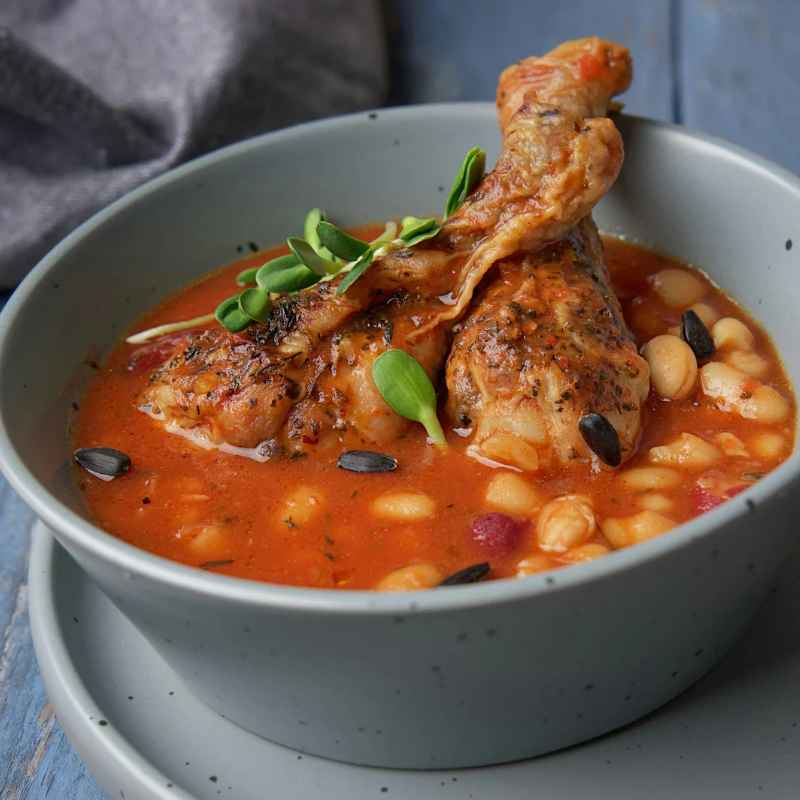
For the richest comfort food dinner, use bone-in chicken thighs or drumsticks. They release more flavor into the broth and create a deeper, more traditional stew taste. The only tradeoff is that you will need to remove bones and skin before serving, which adds a few extra minutes to the process.
2. Build Flavor With a Proper Aromatic Base
A memorable easy chicken stew begins long before the broth goes into the pot. Start by heating olive oil or butter in a heavy-bottomed pot or Dutch oven, then cook diced onion, carrots, and celery until they soften and turn fragrant. This classic combination, often called mirepoix, creates the savory backbone of the entire dish.
Add minced garlic during the last minute of cooking so it releases its aroma without burning. A small amount of tomato paste, paprika, dried thyme, or bay leaves can also deepen the flavor. These ingredients do not need to dominate the stew; their job is to make the broth taste fuller and more layered.
Do not rush this step. Giving the vegetables eight to ten minutes to soften allows their natural sweetness to develop. That simple patience is one of the biggest differences between a flat-tasting stew and a truly cozy chicken and vegetable stew that tastes like it simmered all day.
3. Brown the Chicken for Deeper Taste
If you want restaurant-quality flavor in your one-pot chicken stew, take a few extra minutes to brown the chicken first. Season the chicken with salt and black pepper, heat a little oil in the pot, and cook the pieces until golden on both sides. You are not trying to cook the chicken through at this stage; you are creating browned bits that add richness to the final broth.
After removing the chicken, use the same pot to cook the onions, carrots, and celery. As they soften, scrape the bottom of the pot with a wooden spoon to lift up those flavorful browned pieces. This technique, known as deglazing, turns simple ingredients into a deeply savory base.
Browning is especially useful for chicken thigh stew because the rendered fat and caramelized edges make the finished dish more satisfying. Even if you are making a quick weeknight version, this one extra step can transform an ordinary dinner into something special.
4. Choose the Best Vegetables for Chicken Stew
Vegetables are what make chicken stew with potatoes and carrots so hearty and complete. Potatoes give the stew body, carrots add gentle sweetness, and celery provides a subtle savory edge. Yukon Gold potatoes are especially good because they hold their shape while becoming creamy inside.
You can also add parsnips, sweet potatoes, green beans, peas, mushrooms, or corn depending on the season and your family’s preferences. Root vegetables work best when added early because they need time to become tender. Quick-cooking vegetables such as peas, spinach, or green beans should go in during the final few minutes so they stay bright and fresh.
For a balanced healthy chicken stew, aim for a mix of starchy vegetables, colorful vegetables, and herbs. A good rule is to keep the vegetables in bite-size pieces so every spoonful contains chicken, potato, carrot, and broth together.
| Vegetable | When to Add | Best Use |
|---|---|---|
| Potatoes | With the broth | Makes the stew hearty and filling |
| Carrots | With onions and celery | Adds sweetness and color |
| Celery | With onions and carrots | Builds savory depth |
| Mushrooms | After aromatics | Adds umami and richness |
| Green beans | Last 10 minutes | Keeps texture and color |
| Peas or spinach | Final 2–3 minutes | Adds freshness |
5. Make a Rich, Silky Broth
The broth is the soul of any chicken stew dinner. Use good-quality chicken broth or stock, and choose low-sodium if possible so you can control the seasoning. Four to five cups of broth is usually enough for a stew that serves six people, depending on how thick you like it.
For a thicker stew, sprinkle flour over the cooked vegetables before adding liquid, or stir in a cornstarch slurry near the end. Flour creates a more rustic, gravy-like texture, while cornstarch gives a clearer, glossier finish. Either method works well; the key is to add thickener gradually and simmer until the stew reaches your preferred consistency.
A splash of heavy cream, coconut milk, or whole milk can turn the dish into a creamy chicken stew. Add dairy toward the end and keep the heat gentle so it does not curdle. For a dairy-free version, use coconut milk or simply rely on potatoes and a flour slurry for body.
6. Season in Layers, Not All at Once
Great homemade chicken stew does not come from adding all the seasoning at the beginning. Season the chicken before browning, season the vegetables as they cook, then taste the broth again after it has simmered. This layered approach helps every component taste seasoned rather than relying only on salty liquid.
Thyme, rosemary, bay leaves, paprika, black pepper, and parsley are excellent choices for classic chicken stew seasoning. If you enjoy warmer flavors, add a small pinch of smoked paprika or a squeeze of lemon juice at the end to brighten the dish. Fresh herbs added just before serving make the stew taste more vibrant.
Be careful with salt if you are using regular broth, bouillon cubes, or pre-seasoned chicken. It is much easier to add more salt later than to fix an overly salty stew. Taste near the end, adjust gradually, and finish with black pepper and fresh parsley.
7. Simmer Gently for Tender Chicken
The difference between tender chicken and rubbery chicken often comes down to heat. After adding the broth and chicken, bring the stew to a gentle simmer, then reduce the heat immediately. A rapid boil can tighten the chicken fibers and make the meat tough, even if it is fully cooked.
Most easy chicken stew recipes need about 25 to 40 minutes of gentle simmering, depending on the size of the chicken pieces and the vegetables. The stew is ready when the potatoes are fork-tender, the carrots are soft, and the chicken reaches an internal temperature of 165°F.
If you are using bone-in chicken, allow a little more time and check that the meat pulls away easily from the bone. A partially covered pot helps the stew reduce slightly while still keeping enough liquid for a spoonable, comforting texture.
8. Try a Creamy Version for Extra Comfort
When the weather turns cold or you want an extra-cozy dinner recipe, make creamy chicken stew with vegetables. After the stew has finished simmering, stir in half a cup of heavy cream or whole milk. The result is a velvety, gravy-style stew that pairs beautifully with crusty bread, rice, or mashed potatoes.
For a lighter creamy option, use evaporated milk or plain Greek yogurt stirred in off the heat. Yogurt adds tang and creaminess, but it can separate if boiled, so always remove the pot from the burner first. Coconut milk is another excellent choice, especially if you add ginger, garlic, and a little curry powder for a global twist.
Creamy chicken stew is especially good with potatoes, carrots, peas, and corn. The starch from the potatoes naturally thickens the broth, while the cream rounds out the savory flavors. Serve it in deep bowls with fresh parsley and black pepper on top for a restaurant-style finish.
9. Make It a Complete One-Pot Dinner
One of the biggest advantages of chicken stew recipes for dinner is that they can be a complete meal in a single pot. Chicken provides protein, potatoes add carbohydrates, and carrots, celery, peas, or green beans contribute fiber and vitamins. That makes stew an ideal choice for busy families who want less cleanup and more nourishment.
Serve the stew with warm crusty bread, dinner rolls, cornbread, or a simple green salad. If you want to stretch the meal further, spoon it over rice, egg noodles, mashed potatoes, or creamy polenta. Each option changes the personality of the dish without requiring a separate main course.
For meal prep, portion the cooled stew into airtight containers and refrigerate for up to four days. The flavors often taste even better the next day because the chicken, herbs, and vegetables have more time to mingle in the broth.
10. Turn Leftovers Into New Meals
Leftover chicken stew is a gift for future dinners. On the second day, it may thicken in the refrigerator, so add a small splash of broth or water while reheating. Warm it slowly over medium-low heat and taste again before serving, since chilled food often needs a fresh pinch of salt and pepper.
You can also transform leftovers into a completely different meal. Shred any remaining chicken, add extra broth, and serve the stew over rice for a chicken and rice bowl. Or spoon the thickened stew into a baking dish, top it with biscuit dough or puff pastry, and bake until golden for an easy chicken pot pie-style dinner.
Another smart option is to blend a portion of the stew until smooth, then stir it back into the pot. This creates a thicker, creamier texture without adding extra flour or cream. It is a simple trick that makes leftovers feel intentional rather than repetitive.
Classic Chicken Stew Recipe
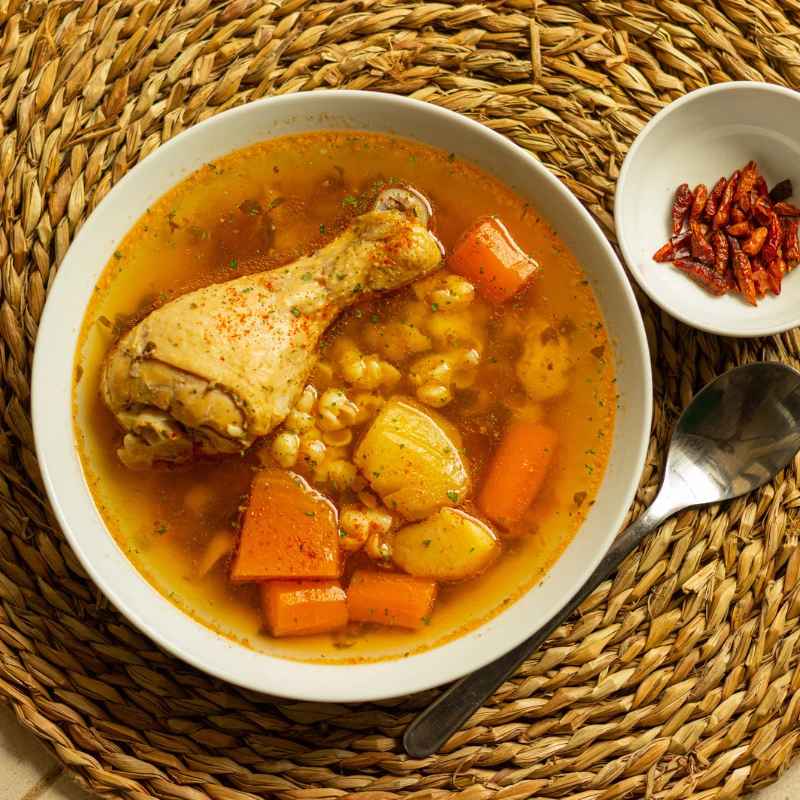
This classic chicken stew recipe serves 6 and takes about 20 minutes to prepare and 40 minutes to cook. It is a hearty main course dinner with tender chicken thighs, potatoes, carrots, celery, and a savory herb broth.
Ingredients
| Ingredient | Quantity | Purpose |
|---|---|---|
| Boneless, skinless chicken thighs | 2 lb / about 900 g | Main protein |
| Olive oil | 2 tablespoons | For browning and cooking |
| Butter | 1 tablespoon | Adds richness |
| Yellow onion, diced | 1 medium | Aromatic base |
| Carrots, sliced | 3 medium | Sweetness and color |
| Celery stalks, chopped | 2 | Savory depth |
| Garlic, minced | 4 cloves | Flavor |
| All-purpose flour | 3 tablespoons | Thickens the stew |
| Low-sodium chicken broth | 4 cups | Stew liquid |
| Yukon Gold potatoes, cubed | 1 lb / about 450 g | Hearty texture |
| Dried thyme | 1 teaspoon | Herbal flavor |
| Paprika | 1 teaspoon | Warm color and flavor |
| Bay leaf | 1 | Deeper broth flavor |
| Salt | 1 teaspoon, plus more to taste | Seasoning |
| Black pepper | 1/2 teaspoon, plus more to taste | Seasoning |
| Frozen peas | 1 cup | Freshness and color |
| Fresh parsley, chopped | 2 tablespoons | Garnish |
Instructions
- Cut the chicken thighs into bite-size pieces and season them with 1/2 teaspoon salt and 1/4 teaspoon black pepper.
- Heat the olive oil and butter in a large pot or Dutch oven over medium-high heat.
- Add the chicken in a single layer and brown it for 3 to 4 minutes per side. Transfer it to a plate; it does not need to be fully cooked yet.
- Reduce the heat to medium. Add the onion, carrots, and celery, then cook for 6 to 8 minutes until softened.
- Stir in the garlic, thyme, paprika, and remaining salt and pepper. Cook for 1 minute until fragrant.
- Sprinkle in the flour and stir constantly for 1 minute to coat the vegetables.
- Slowly pour in the chicken broth while stirring, scraping up any browned bits from the bottom of the pot.
- Add the potatoes, bay leaf, and browned chicken along with any collected juices.
- Bring the stew to a gentle simmer, then reduce the heat to medium-low. Cover partially and cook for 25 to 30 minutes, until the potatoes and carrots are tender and the chicken is cooked through.
- Remove the bay leaf. Stir in the frozen peas and cook for 3 more minutes.
- Taste and adjust the seasoning. Sprinkle with fresh parsley before serving.
Recipe Notes
For a creamy chicken stew, stir in 1/2 cup heavy cream after removing the pot from the heat. For a gluten-free version, replace the flour with 2 tablespoons cornstarch mixed with 1/4 cup cold water and stir it in during the final 5 minutes. Store leftovers in the refrigerator for up to 4 days or freeze for up to 3 months.
Frequently Asked Questions (FAQs)
What is the best chicken for stew?
Boneless, skinless chicken thighs are the best choice because they stay tender during simmering. Chicken breasts work too, but they should be added carefully and not overcooked.
How do I thicken chicken stew?
Use flour cooked with the vegetables before adding broth, or stir in a cornstarch slurry near the end. Simmer for a few minutes until the broth reaches your desired thickness.
Can I make chicken stew ahead of time?
Yes. Chicken stew tastes even better the next day. Store it in the refrigerator for up to four days and reheat gently with a splash of broth or water.
Can I freeze chicken stew?
Absolutely. Cool the stew completely, then freeze it in airtight containers for up to three months. Thaw overnight in the refrigerator before reheating.
What should I serve with chicken stew?
Crusty bread, dinner rolls, rice, mashed potatoes, or a fresh green salad all pair well. Bread is especially good for soaking up the flavorful broth.
How long does chicken stew take to cook?
Most stews need 40 to 60 minutes total, including preparation. The exact time depends on the chicken cut, vegetable size, and how thick you want the broth.
Conclusion
A great bowl of chicken stew proves that dinner does not need to be complicated to be memorable. By choosing the right chicken, building flavor with aromatics, using hearty vegetables, and simmering gently, you can create a comforting one-pot dinner that satisfies everyone at the table.
These chicken stew recipes for dinner give you the flexibility to make the dish creamy or brothy, classic or creative, quick or deeply slow-simmered. Save this post, try the classic recipe this week, and explore more cozy easy dinner recipes to keep your weeknight meals warm, delicious, and stress-free.