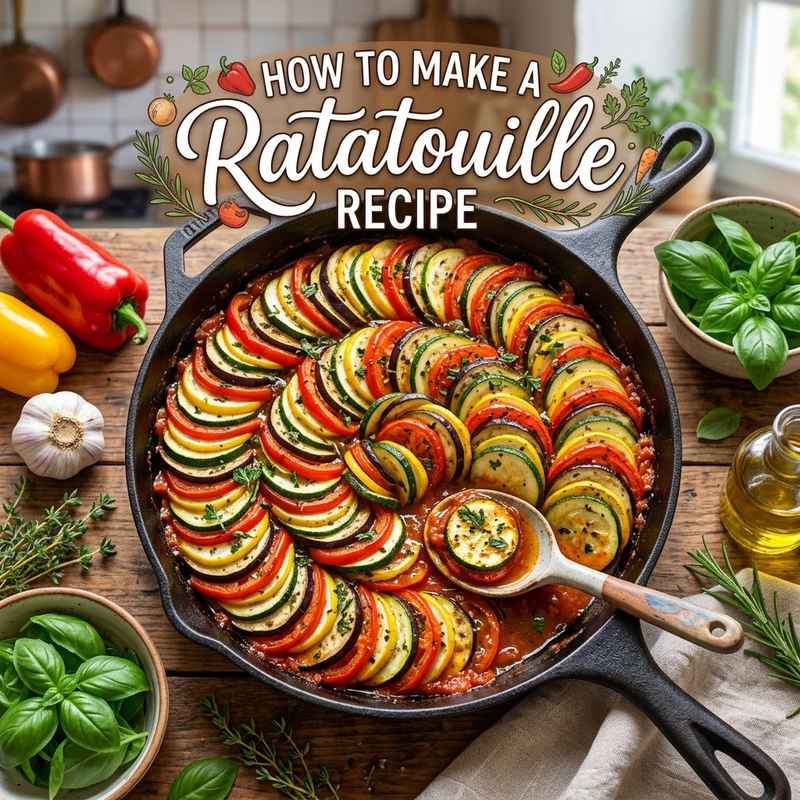
How to make a Ratatouille Recipe
Ratatouille recipe lovers know this classic French vegetable stew delivers sunny Provençal flavors in every bite. If you have been searching for clear guidance on How to make a Ratatouille recipe, you are in the right place. This long-form guide walks you through everything you need to create a flavorful, tender dish at home, whether you are cooking for a weeknight family dinner or a weekend gathering.
You will learn the traditional approach that keeps each vegetable distinct, practical shortcuts for busy cooks, ingredient tips suited to American kitchens, serving ideas, and ways to avoid the common pitfalls that turn ratatouille into a watery or mushy mess. By the end, you will feel confident making this colorful, healthy dish any time summer produce is abundant—or year-round with smart substitutions.
Ratatouille is more than a simple stew. Originating in the Provence region of France, it celebrates peak-season vegetables: eggplant, zucchini, bell peppers, onions, tomatoes, and garlic, all brought together with olive oil and fresh herbs. The name comes from the French verb “touiller,” meaning to stir or toss.
When made well, the vegetables soften and share flavors while still holding their shape and individual character. It works equally well as a vegetarian main course, a side for grilled chicken or fish, or a topping for pasta, polenta, or crusty bread. Leftovers often taste even better the next day, and the dish freezes beautifully for future meals.
What Is Ratatouille and Why It Matters
Ratatouille is a Provençal vegetable stew that highlights the best of late-summer produce. Unlike many stews that rely on meat or heavy sauces, this one is built almost entirely on vegetables cooked gently in olive oil with aromatic herbs. The result is a dish that is naturally vegetarian, often vegan, gluten-free, and packed with fiber, vitamins, and the bright taste of ripe tomatoes and fresh herbs.
The dish matters for home cooks because it is highly adaptable. You can scale it up for a crowd, make a smaller batch for two, or prepare it ahead. It fits many dietary preferences and budgets. In the United States, it also gives you a delicious way to use the flood of zucchini, eggplant, and peppers that appear at farmers’ markets and grocery stores from July through early fall. When those vegetables are at their peak, ratatouille turns ordinary produce into something special.
There is no single “official” recipe. Traditional versions from Nice and the surrounding area tend to cook each vegetable separately before combining them. Modern home cooks often use oven roasting or a simpler one-pot method. Both approaches can produce excellent results when done carefully. The key is managing moisture and heat so the vegetables become tender without collapsing into mush or swimming in excess liquid.
Essential Ingredients for a Classic Ratatouille Recipe
A good ratatouille starts with quality produce and a few pantry staples. Here is what you typically need for a generous batch that serves 6 to 8 as a side or 4 as a main:
- 1 large eggplant (about 1 to 1¼ pounds), cut into ½- to ¾-inch cubes
- 2 medium zucchini (about 1 pound total), cut into similar-sized cubes
- 1 to 2 bell peppers (red, yellow, or orange preferred for color and sweetness), seeded and cut into ½- to ¾-inch pieces
- 1 large yellow or white onion, chopped
- 3 to 5 ripe tomatoes (or a combination of fresh and canned), chopped
- 3 to 6 garlic cloves, minced or thinly sliced
- ¼ to ½ cup extra-virgin olive oil, divided
- Fresh thyme sprigs or leaves, and fresh basil for finishing
- Salt and freshly ground black pepper
- Optional: a pinch of sugar, red pepper flakes, bay leaf, or a splash of red wine vinegar or balsamic
Choose firm, heavy eggplant with smooth skin and no soft spots. Zucchini should feel firm and relatively small to medium rather than oversized and seedy. Tomatoes should be ripe and fragrant; if good fresh ones are unavailable, high-quality canned whole peeled tomatoes or crushed tomatoes work well. Extra-virgin olive oil contributes both flavor and the characteristic silky texture, so use a good everyday bottle.
Ingredient Substitutions and Seasonal Tips
In the United States, peak season for the classic vegetables runs roughly July through September in most regions. Outside that window you can still make excellent ratatouille:
- Use canned tomatoes when fresh ones lack flavor.
- Substitute yellow squash for part of the zucchini.
- Try Italian or Japanese eggplant if globe eggplant is bitter or seedy.
- Add a handful of pitted olives or a spoonful of tomato paste for deeper flavor in winter versions.
- For a lower-oil version, roast the vegetables with less oil and finish with a drizzle at the table.
Tools and Equipment You Will Need
You do not need specialty equipment. A large heavy-bottomed pot, Dutch oven, or deep skillet is ideal for stovetop cooking. Two rimmed baking sheets help if you choose the oven method. A colander is useful for salting eggplant. A sharp knife and cutting board are the only other essentials. A wooden spoon or silicone spatula works well for stirring without breaking the vegetables too much.
Step-by-Step: Traditional Stovetop Ratatouille Recipe
This method follows the classic approach of cooking vegetables separately so each one develops flavor and the right texture before everything comes together. It takes a bit more time and attention but rewards you with superior results.
1. Prepare and Salt the Eggplant
Cut the eggplant into uniform cubes. Place them in a colander set over a bowl or in the sink. Sprinkle generously with salt (about ½ to 1 teaspoon) and toss. Let stand 20 to 30 minutes. The salt draws out excess moisture and some bitterness. After resting, rinse lightly if desired, then pat thoroughly dry with paper towels or a clean kitchen towel. This step helps the eggplant brown instead of steaming and reduces watery results later.
2. Cook the Vegetables Separately
Heat 2 to 3 tablespoons of olive oil in a large pot or Dutch oven over medium to medium-high heat. Add the eggplant in a single layer if possible (work in batches if needed). Cook, stirring occasionally, until the pieces are softened and lightly browned on several sides, about 8 to 12 minutes. Transfer to a plate or bowl.
Add another tablespoon of oil if the pan is dry. Cook the zucchini the same way until tender-crisp and lightly golden, about 4 to 6 minutes. Remove and set aside with the eggplant.
Next, cook the onion and bell peppers together with a bit more oil until the onion is translucent and the peppers begin to soften, about 6 to 8 minutes. Add the garlic near the end and cook just until fragrant, 30 to 60 seconds. Do not let the garlic burn.
3. Build the Tomato Base
Add the chopped tomatoes (and any juices), a pinch of sugar if the tomatoes taste very acidic, thyme, salt, and pepper to the pot. Cook, stirring occasionally, until the tomatoes break down into a thick sauce, about 8 to 12 minutes. If using tomato paste, stir it in with the garlic for extra depth.
4. Combine and Simmer
Return the eggplant and zucchini to the pot. Stir gently to combine. Lower the heat to a gentle simmer. Cook uncovered or partially covered for 15 to 25 minutes, stirring occasionally, until all the vegetables are tender and the flavors have melded. The mixture should be stewy but not soupy. Taste and adjust salt, pepper, and acidity. A small splash of vinegar or a handful of torn basil at the end brightens the dish.
Remove from heat and let the ratatouille rest for at least 10 minutes. It improves further as it sits.
Easier Oven-Roasted Variation
If you prefer less hands-on time, the oven method produces excellent results with less stirring.
Preheat the oven to 400–425°F. Toss eggplant cubes with olive oil and salt on one baking sheet. Toss zucchini, peppers, and onion with oil and salt on a second sheet. Roast, stirring once or twice, until the vegetables are browned and tender—about 20–30 minutes for the eggplant and 15–25 minutes for the others, depending on size and your oven.
Meanwhile, simmer tomatoes, garlic, herbs, and a little oil on the stovetop until saucy. Combine the roasted vegetables with the tomato mixture in a large baking dish or return everything to a pot. Bake or simmer together another 15–30 minutes so the flavors marry. Finish with fresh basil and a final drizzle of olive oil.
This approach is forgiving and works well when you want to free up stovetop space.
One-Pot Shortcut Method
For busy nights, a true one-pot version is possible. Sauté onion and peppers first, add eggplant and cook until it softens, then add zucchini, garlic, and tomatoes. Simmer everything together until tender. The texture will be softer and more uniform than the traditional method, but the flavor is still satisfying. Season carefully and avoid overcrowding the pan, which causes steaming rather than browning.
Serving Suggestions and Pairings
Ratatouille is versatile. Serve it warm, at room temperature, or even chilled. Popular ways include:
- As a side with grilled or roasted chicken, fish, or steak
- Over creamy polenta, couscous, or rice
- Tossed with pasta and a little pasta water
- Topped with a fried or poached egg for a simple main
- With crusty bread for soaking up the juices
- As a topping for toasted baguette slices or as part of a mezze-style spread
- Mixed into an omelet or frittata the next day
A sprinkle of grated Parmesan or crumbled goat cheese adds richness for those who eat dairy. Fresh basil, parsley, or a few olives make nice finishing touches.
Common Mistakes and How to Avoid Them
Many first-time cooks end up with watery, bland, or mushy ratatouille. Here are the most frequent issues and solutions:
| Problem | Likely Cause | How to Fix It |
|---|---|---|
| Watery stew | Not salting eggplant; overcrowding pan; covering tightly while simmering | Salt and drain eggplant; cook in batches; simmer uncovered to reduce liquid |
| Mushy vegetables | Cooking everything together from the start or overcooking | Cook denser vegetables first or separately; stop when just tender |
| Bland flavor | Under-seasoning or low-quality oil/produce | Season in layers; use ripe tomatoes and good olive oil; finish with fresh herbs and acid |
| Bitter eggplant | Older or very large eggplant; insufficient salting | Choose smaller, firmer eggplant; salt and drain; peel if skin is tough |
| Burned garlic | Adding garlic too early or using high heat | Add garlic near the end of cooking the aromatics |
Taking a few extra minutes to manage moisture and heat makes a noticeable difference.
Make-Ahead, Storage, and Freezing Tips
Ratatouille is an excellent make-ahead dish. Many cooks find the flavors improve after a day in the refrigerator. Cool completely, then store in an airtight container in the fridge for up to 4–5 days. Reheat gently on the stovetop with a splash of water if needed, or enjoy at room temperature.
For longer storage, freeze in portion-sized containers for up to 3 months. Thaw overnight in the refrigerator. The texture softens slightly after freezing, but the taste remains excellent. Use thawed ratatouille in soups, as a pasta sauce base, or reheated as a side.
Nutritional Benefits and Why It Fits Healthy Eating
A typical serving of ratatouille is relatively low in calories while providing fiber, vitamin C, potassium, and antioxidants from the colorful vegetables. The olive oil supplies healthy monounsaturated fats. Because it is vegetable-forward and flexible, it supports many eating styles—from Mediterranean-inspired meals to plant-based diets. Adjust oil quantity if you are watching fat intake, and serve with whole grains or lean protein for a balanced plate.
Variations to Try Once You Master the Basic Ratatouille Recipe
Once comfortable with the classic version, experiment:
- Add a handful of chickpeas or white beans for extra protein.
- Stir in a spoonful of harissa or smoked paprika for gentle heat and depth.
- Finish with a swirl of pesto or a squeeze of lemon.
- Use the finished stew as a base for baked eggs (shakshuka-style).
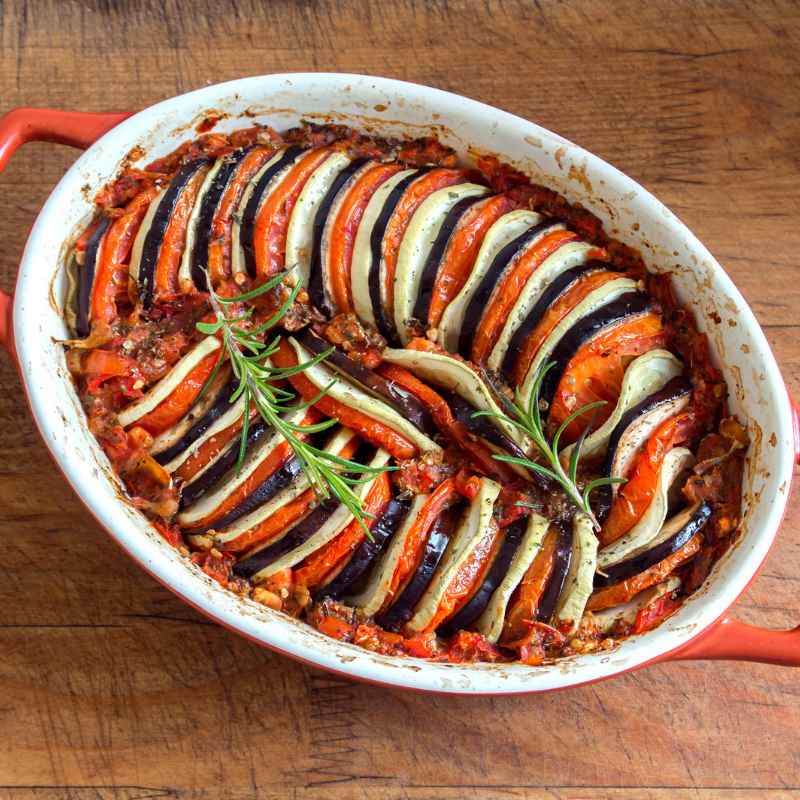
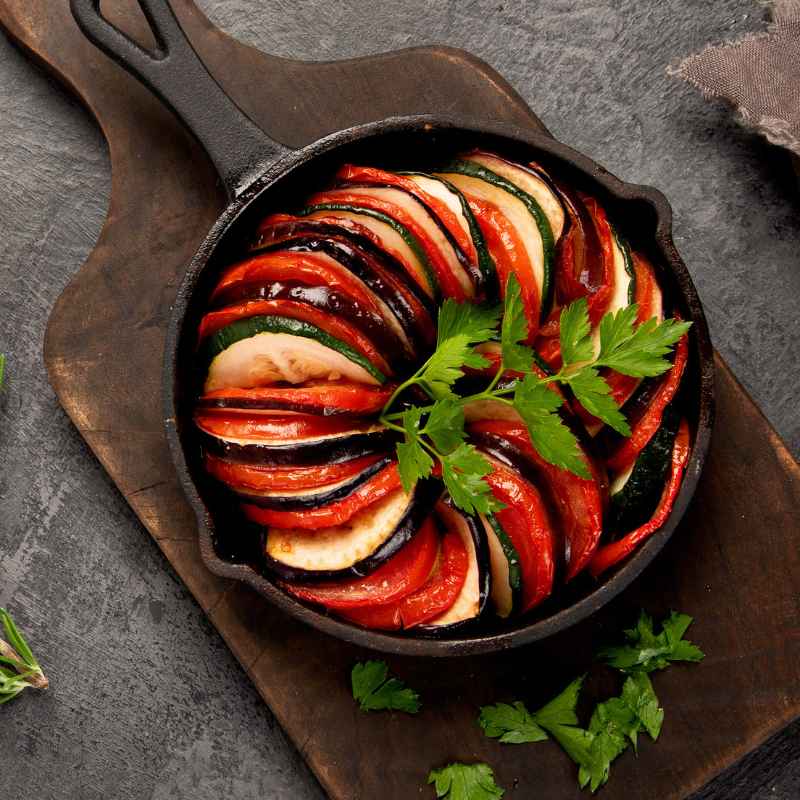
- Layer thinly sliced vegetables over a tomato sauce for a more elegant, confit-byaldi presentation popularized in films and restaurants.
- Make a winter version with canned tomatoes, root vegetables, or frozen peppers.
Cost-Saving and Practical Tips for American Home Cooks
Shop the seasonal sales and farmers’ markets. Eggplant, zucchini, and peppers are often inexpensive in summer. A large batch costs relatively little per serving and stretches across several meals. Use the same pot for multiple steps to reduce cleanup. If time is short, the oven method lets you prep the vegetables, put them in the oven, and attend to other tasks while they roast.
Suggested Visuals — Not Included
- A step-by-step photo sequence showing the salted eggplant, each vegetable being sautéed separately, and the final combined stew in a pot. This helps beginners understand texture and color changes at each stage.
- An overhead shot of the finished ratatouille in a shallow bowl, garnished with fresh basil and a drizzle of olive oil, with crusty bread on the side. Ideal near the serving suggestions section.
- A simple comparison graphic or side-by-side photos of traditional cubed ratatouille versus a layered, thinly sliced version. Useful for illustrating different presentations.
Conclusion
Ratatouille recipe success comes down to respecting the vegetables, managing moisture, and giving the flavors time to develop. Whether you choose the traditional method of cooking components separately or a simpler oven or one-pot approach, the result is a vibrant, comforting dish that celebrates seasonal produce. Start with good ingredients, season thoughtfully, and avoid the common mistakes of overcrowding or under-reducing the liquid.
Once you make it a few times, you will find your preferred balance of herbs, oil, and simmering time. Gather some fresh vegetables this week, follow the steps, and enjoy a taste of Provence at your own table. Share your results or favorite variations with friends and family—they will appreciate the colorful, healthy meal.
Frequently Asked Questions
What is the best way to cut vegetables for a ratatouille recipe?
Aim for uniform ½- to ¾-inch cubes so the pieces cook evenly and keep some texture. For a more elegant layered presentation, slice the eggplant, zucchini, and tomatoes into thin rounds of similar thickness. Consistency matters more than exact size.
Do I really need to salt the eggplant?
Salting is strongly recommended for globe eggplant. It draws out excess water and bitterness, helps the pieces brown better, and reduces the chance of a watery final dish. Smaller Japanese or Italian eggplants sometimes need less salting.
Can I make ratatouille ahead of time?
Yes. In fact, many people prefer it the next day after the flavors have had time to meld. Store it in the refrigerator for several days or freeze portions for later use. Reheat gently to preserve texture.
Is ratatouille served hot or cold?
Both ways work well. Traditional service is often warm or at room temperature. Chilled leftovers are refreshing in warm weather. Choose based on the meal and season.
What can I serve with ratatouille to make it a full meal?
Pair it with crusty bread, polenta, pasta, couscous, rice, grilled protein, or a fried egg. A simple green salad rounds out the plate. For a heartier vegetarian main, stir in beans or top with cheese.
How do I prevent ratatouille from becoming too watery?
Salt and drain the eggplant, cook vegetables in batches so they brown rather than steam, and simmer uncovered toward the end to reduce excess liquid. Avoid adding extra water or stock unless the mixture is truly dry.
Can I use dried herbs instead of fresh?
Fresh thyme and basil give the brightest flavor, but dried herbs work in a pinch. Use about one-third the amount of dried thyme and add it earlier in cooking. Finish with a bit of fresh parsley or basil if available for brightness.