
High-Protein Breakfast Sandwich That Keeps You Full All Day
Build a breakfast sandwich with 25 to 30 grams of protein, plus fiber-rich bread and a little fat, to stay full through the morning. Too little protein or fiber, and hunger often returns fast, which can lead to snacking and energy swings. This guide explains how to choose the bread, eggs, cheese, meat, and add-ins that make a sandwich more filling, plus fixes for common mistakes.
This guide is part of our keto mcdonalds lunch series.
A filling version usually lands in the 20 to 40 gram protein range, depending on body size, activity, and the rest of the meal. A practical build is one main protein, one structured carb, and one or two low-calorie add-ins.
The quick answer
The simplest version is straightforward: egg whites or whole eggs, lean turkey or chicken sausage, a whole wheat English muffin or sprouted grain bread, and spinach, tomato, mustard, or hot sauce. That combination gives you protein, fiber, and enough flavor to keep the sandwich from feeling repetitive.
Why protein keeps you full longer
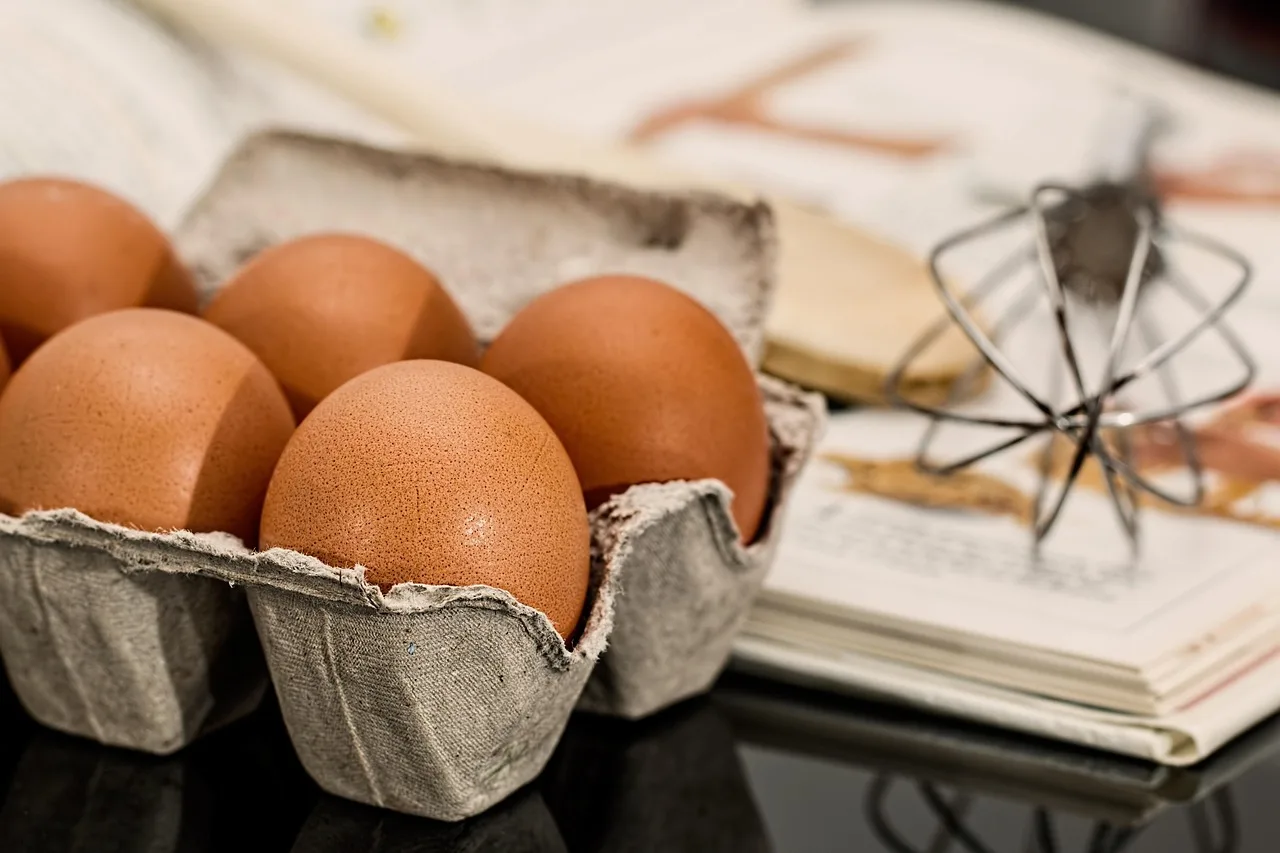
Protein matters because it raises satiety hormones and blunts appetite, which can help reduce overall calorie intake. At breakfast, about 30 grams is a useful target for hunger management and weight loss support, though body size and activity can change how much you need.
Higher-protein breakfasts tend to feel steadier than low-protein ones because they digest more slowly and help limit the mid-morning drop that sends people looking for snacks. Carbs still matter, though. Without enough fiber, the sandwich can feel light and hunger may return sooner.
Fat helps with flavor and satisfaction, but too much can push calories up without making the sandwich proportionally more filling. A small amount from egg yolks, avocado, cheese, or salmon is usually enough. If you want the meal to hold up longer, keep the bread structured and the protein portion real.
How to build one fast
Start with one main protein that gets you close to the 25 to 30 gram range, then add a bread with fiber or structure, then finish with vegetables or a condiment that adds flavor without much extra fat. Keep wet ingredients controlled so the sandwich stays intact.
- Pick your main protein: egg whites, whole eggs, lean turkey, chicken sausage, smoked salmon, or cottage cheese folded into egg patties.
- Choose the bread: whole wheat English muffin, sourdough, rye, sprouted grain, or a low-carb wrap if you need fewer carbs.
- Add vegetables and condiments: spinach, tomato, mustard, or hot sauce; use avocado if you want more richness.
- Cook and assemble: pan-fry, bake egg patties, or toast the bread first, then build the sandwich while the hot ingredients are still warm.
Suppose you want a weekday sandwich that reheats well. Bake a tray of egg patties with cottage cheese mixed in, refrigerate them, then assemble on a toasted sprouted grain English muffin with turkey and spinach. That keeps the texture better than stacking wet fillings on untoasted bread.
Cooking method matters more than people expect. Pan-frying gives browned edges and a firmer bite. Baking egg patties is better for batch prep. Toasting the bread before assembly gives the crumb a better chance against moisture from eggs, tomato, or salmon.
Breakfast sandwich protein table
These choices differ in protein, calories, fat, carbs, fiber, and cost. The right pick depends on your target, your schedule, and whether you want a lighter sandwich or one that carries you farther into the morning.
| Ingredient or build | Protein | Calories | Fat | Carbs | Fiber | Approx. cost per serving |
|---|---|---|---|---|---|---|
| 4 egg whites + 1 whole egg + 3 oz lean turkey | About 40 g | 320 | Moderate | Low | Low unless paired with whole grain bread | Low to moderate |
| Egg whites only | 14 g | Low | 0 g | Very low | 0 g | Low |
| Egg whites with cottage cheese in patties | High enough for a full sandwich with bread | Moderate | Low to moderate | Low | Low | Low to moderate |
| Lean turkey | High | Moderate | Low | Low | Low | Moderate |
| Chicken sausage | Moderate to high | Moderate | Moderate | Low | Low | Moderate |
| Smoked salmon with rye and herby cream cheese | High | Moderate to higher | Moderate | Moderate | Moderate | Higher |
| Whole wheat English muffin sandwich | Depends on filling | Moderate | Depends on filling | Moderate | Higher than refined bread | Low |
| Sprouted grain or Ezekiel bread sandwich | Depends on filling | Moderate | Depends on filling | Moderate | Higher | Moderate |
| Low-carb wrap sandwich | Depends on filling | Lower | Depends on filling | Lower | Varies | Moderate |
Whole wheat English muffins add fiber and complex carbs for sustained energy in breakfast sandwiches. Sprouted grain or Ezekiel bread can push protein and fiber higher. Rye works well with smoked salmon, especially when you want a sharper flavor and a more savory profile.
Cost matters too. A homemade sandwich usually costs less than a café version because you are paying for ingredients, not prep labor and packaging. Store-bought sandwiches often run higher in price, while the homemade version lets you control protein, sodium, and bread choice.
For a budget-friendly build, egg whites plus whole eggs and turkey are hard to beat. For a pescatarian build, smoked salmon is more expensive but delivers a strong flavor payoff. Cottage cheese is a useful helper because it adds creaminess and extra protein without noticeable taste.
Which ingredients work best for your diet?
The best ingredients depend on whether you want more fiber, fewer carbs, or a meatless or fish-based sandwich. The core goal stays the same: enough protein to support fullness, enough structure to keep the sandwich intact, and enough flavor that you will actually eat it again.
Vegetarian options
Vegetarian versions work best when you use eggs, egg whites, cottage cheese, or a combination of those. Cottage cheese in egg patties adds creaminess and extra protein without noticeable taste, which helps a meat-free sandwich feel substantial instead of flat.
Pair that with sprouted grain bread or a whole wheat English muffin. Add spinach, tomato, mustard, or hot sauce for flavor. If you want more staying power, use whole eggs along with egg whites instead of relying on whole grains alone.
Pescatarian options
Smoked salmon is one of the strongest pescatarian choices because it brings protein plus a clear savory flavor. On rye bread with herby cream cheese, it makes a satisfying breakfast sandwich without needing much else.
Keep the toppings restrained. Too many wet add-ins can soften the bread quickly. A few slices of tomato, a small amount of cream cheese, and toasted rye are enough for a balanced result.
Low-carb options
Low-carb wraps can work if you want fewer carbs, but they are not automatically more filling. If the wrap is thin and the protein portion is small, hunger can return sooner than expected.
Use a larger protein portion, then add greens and a little fat from avocado or egg yolk. If you cut carbs too far, make sure the rest of the sandwich still includes enough volume and protein to feel complete.
Higher-fiber options
Whole wheat English muffins and sprouted grain bread are the easiest ways to raise fiber without changing the sandwich too much. That matters because fiber slows digestion enough to support steadier energy and a longer stretch before the next meal.
If the bread is dense, toast it well. Dense bread plus moist fillings can turn heavy fast if it is not handled carefully.
What should you watch out for?
The most common failures are soggy bread, dry or rubbery eggs, and a sandwich that looks high in protein but misses the mark in practice. You can avoid most of those problems by controlling moisture, heat, and portion size.
How to avoid soggy bread
Toast the bread before assembly and keep wet ingredients between drier layers. Put tomato, salsa-style condiments, or avocado away from the bread edge when possible. If you are meal prepping, cool the filling before wrapping so steam does not soften the bread.
A common first-timer mistake is loading a sandwich with tomato and reheating it wrapped in a tight layer. The steam softens the bread and the whole sandwich goes limp. Use tomato fresh after reheating, or pat it dry before assembly.
How to avoid a dry or rubbery filling
Do not overcook eggs. Pan-frying over high heat can toughen them fast, and microwaving for too long can make egg whites rubbery. Baking egg patties works better for batch prep because the texture stays more even.
If the filling tastes dry, cottage cheese can help without making the sandwich heavy. A little mustard or hot sauce also adds moisture perception without adding much fat.
How to avoid a sandwich that is too low in protein
Many breakfast sandwiches look hearty but only carry one egg and a thin slice of meat. That is often not enough if you want long-lasting fullness. Aim for a build that gets near 25 to 30 grams of protein, and use the 20 to 40 gram range as a practical guide.
Say your sandwich has one egg, a small slice of cheese, and a standard muffin. It may still feel light by midmorning. Add egg whites, lean turkey, or cottage cheese to bring the protein up without making the sandwich unmanageably large.
If you want a quick checklist before cooking, use this one:
- Choose one main protein that can carry the sandwich.
- Use bread with fiber or structure, not just soft refined bread.
- Toast the bread before assembly.
- Keep watery vegetables under control.
- Freeze only sandwiches built to reheat well.
Meal prep sandwiches can be frozen up to 3 months and reheated in microwave for 60-90 seconds. Refrigerating works for shorter storage, but freezing is better when you want more than a few days of coverage. Wrap each sandwich tightly so freezer burn does not dry out the bread.
For reheating, remove the wrapper first, then microwave until warm through. If texture matters more than speed, finish the sandwich in a skillet or toaster oven after microwaving. That helps restore the bread’s bite.
Frequently asked questions
What ingredients make a breakfast sandwich high in protein?
Egg whites, whole eggs, lean turkey, chicken sausage, smoked salmon, and cottage cheese are the most useful building blocks. For fullness, combine one strong protein with bread that adds fiber, then finish with spinach, tomato, mustard, or hot sauce so the sandwich feels complete.
How can I prepare a high-protein breakfast sandwich that keeps me full all day?
Use about 25 to 30 grams of protein, then add a fiber-rich bread and a small amount of fat for satisfaction. Build the sandwich around one main protein, toast the bread, and keep wet fillings under control so the texture stays intact through the morning.
What are some lean protein options for breakfast sandwiches?
Egg whites are one of the leanest choices because they provide 14 g protein with zero fat. Lean turkey is another strong option, and chicken sausage can work if you check the label for protein and fat. Cottage cheese also helps when mixed into egg patties.
Can I meal prep high-protein breakfast sandwiches for the week?
Yes. Bake egg patties, assemble with toasted bread, then refrigerate for short-term use or freeze for longer storage. Meal prep sandwiches can be frozen up to 3 months and reheated in microwave for 60-90 seconds, which makes them practical for busy mornings.
What breads are best for a high-protein breakfast sandwich?
Whole wheat English muffins, sprouted grain bread, rye, sourdough, and low-carb wraps are the main options. Whole wheat and sprouted grain bring more fiber, while rye pairs well with salmon. Low-carb wraps reduce carbs, but they should still be paired with enough protein to stay filling.
How many grams of protein should a breakfast sandwich have to keep me full?
A filling breakfast sandwich usually lands around 20 to 40 grams of protein, and about 30 grams is a useful breakfast target for hunger management. The right number depends on your body size, activity, and what else you eat later in the morning.
What are the best toppings to add flavor without adding excess fat?
Spinach, tomato, mustard, and hot sauce add flavor with little added fat. Avocado also works if you want creaminess, but keep the portion modest. Those toppings help the sandwich feel satisfying without turning it into a calorie-heavy meal.
How do I reheat meal-prepped breakfast sandwiches without losing texture?
Microwave the wrapped sandwich briefly, then finish it in a skillet or toaster oven if you want a better exterior. That method helps the inside heat through while protecting the bread from turning soggy. Avoid overcooking, or the eggs can become rubbery.
What are common mistakes to avoid when making high-protein breakfast sandwiches?
The biggest mistakes are using too little protein, adding too much wet filling, and reheating carelessly. Toast the bread first, keep tomato and condiments controlled, and use enough egg, turkey, salmon, or cottage cheese to make the sandwich genuinely filling.