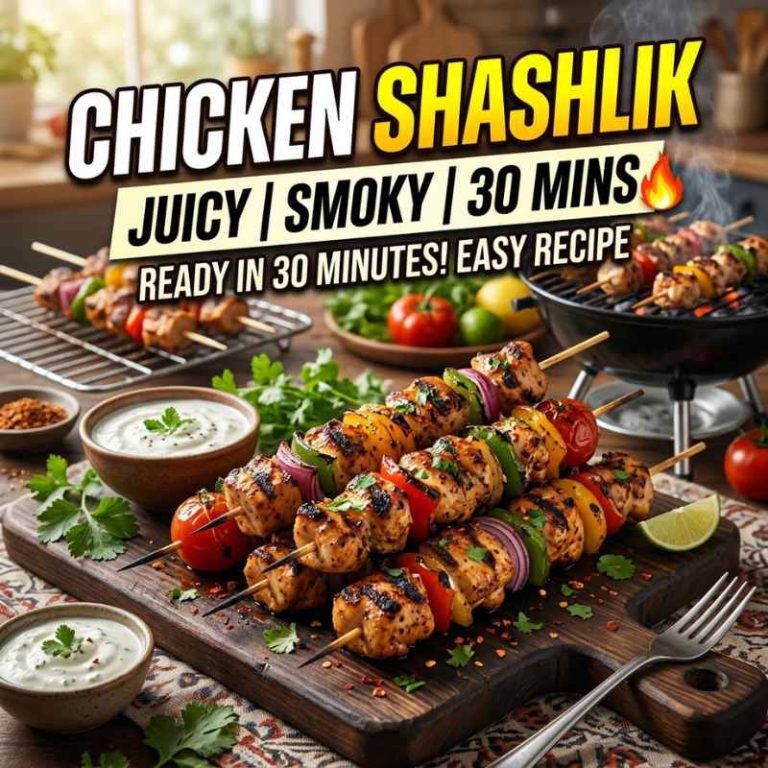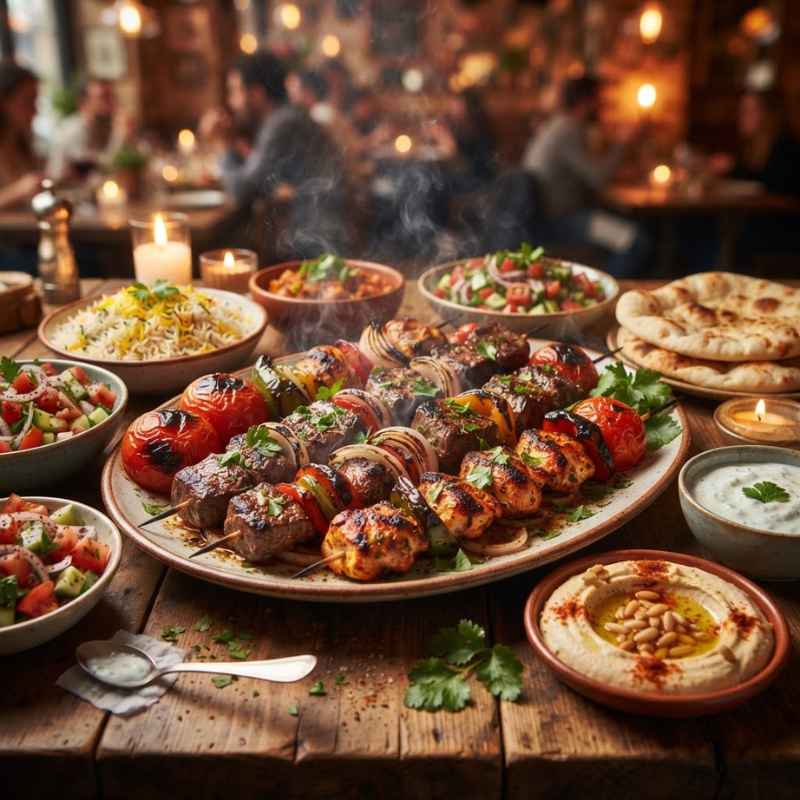
Stunning Kabab Dinner Snaps That’ll Make You Hungry Now
Kabab dinner snap captures those irresistible moments when sizzling skewers, smoky aromas, and colorful sides come together on the plate. Nothing beats the feeling of pulling out your phone right as the kababs come off the grill and snapping a shot that makes everyone in the room lean in closer. In this guide to Stunning Kabab Dinner Snaps That’ll Make You Hungry Now, I share everything I have learned from years of grilling, plating, and photographing kabab dinners for friends and family across the United States.
I still remember the first time I posted a simple kabab dinner snap from my backyard in Texas. Within an hour friends were texting me asking for the recipe and the exact angle I used. That is the power of a good food photo. It does more than show dinner. It invites people to the table.
Why a Kabab Dinner Snap Matters More Than You Think
A strong kabab dinner snap does three things at once. It records a memory, it inspires someone else to cook, and it makes the cook feel proud. In American homes kababs have moved far beyond restaurant menus. They show up at weekend cookouts, game-day spreads, and weeknight dinners when people want something fast and full of flavor.
I have noticed that the best kabab dinner snaps share a few common traits. The meat looks juicy. The vegetables still hold their color. The plate feels abundant without looking messy. Lighting is soft enough to show texture but bright enough to make the food pop. When those pieces come together, the photo stops people mid-scroll.
What Turns an Ordinary Kabab Photo into a Stunning Kabab Dinner Snap
Lighting sits at the top of the list. Natural window light or the soft glow of early evening works better than harsh overhead bulbs. I always try to shoot near a window or outdoors just before sunset. The warm light makes the char marks on the meat look inviting instead of burnt.
Angle comes next. Shooting straight down works for flat spreads, but a slight 45-degree angle often feels more natural. It lets the viewer see the height of the skewers and the way the juices pool on the plate. I learned this the hard way after posting dozens of flat-looking photos that never got much attention.
Props matter too. A simple wooden board, a folded cloth napkin, or a small bowl of yogurt sauce can frame the food without stealing the show. I keep a few plain white plates and a dark cutting board ready because they make the colors of the kababs stand out.
Fresh herbs and lemon wedges finish the scene. A sprinkle of chopped parsley or a few mint leaves adds life. A lemon half cut side up suggests brightness and balance. These small touches turn a regular dinner plate into something people want to save.
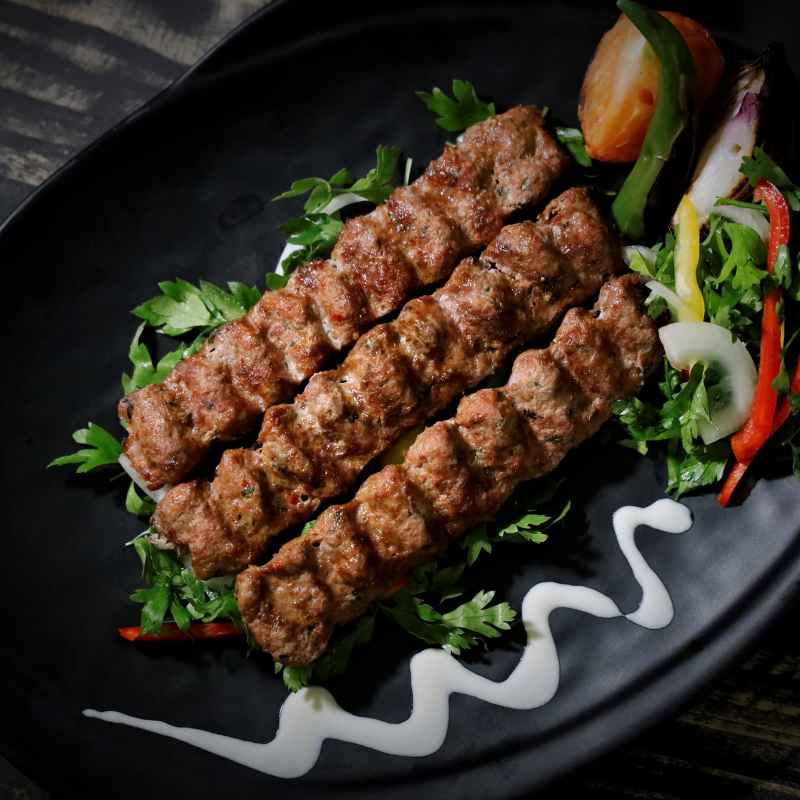
Popular Kabab Styles That Photograph Beautifully
Different kababs bring different visual strengths. Chicken tikka kababs shine with their red-orange color and charred edges. Lamb seekh kababs look rich and textured when the fat renders and glistens. Beef shish kababs with peppers and onions create a colorful mix that fills the frame. Shrimp kababs offer a lighter look that works well with bright sides.
Vegetable kababs deserve their own praise. Thick slices of zucchini, colorful bell peppers, red onion, and mushrooms hold their shape and soak up marinade. When I grill a full tray of mixed vegetable kababs, the plate looks like a rainbow. That kind of color always performs well in a kabab dinner snap.
In many American kitchens people mix styles. A plate might hold chicken, beef, and a couple of vegetable skewers side by side. That variety gives the photo more interest and shows that everyone at the table has something they will enjoy.
Step-by-Step Guide to Capturing Your Own Kabab Dinner Snap
Start while the food is still hot. Kababs lose their shine once they cool, so move quickly. Arrange the skewers first, then add sides. I like to place the longest skewers on a slight diagonal so the photo has movement.
Wipe the plate edges clean. A stray drop of sauce can distract the eye. Then step back and look at the whole scene. If something feels off, adjust before you shoot.
Take more photos than you need. I usually shoot ten or twelve frames from slightly different angles and distances. Later I pick the one that feels most inviting. Phone cameras today handle low light better than ever, but I still prefer natural light when I can get it.
Edit lightly. A small boost in brightness and a touch of contrast often help. I avoid heavy filters that change the true color of the food. People want to know what the real dish looks like.
Pairing Sides That Make the Kabab Dinner Snap Pop
Sides do more than fill the plate. They add color, texture, and balance. Fluffy basmati rice or warm pita bread gives a soft background. A bright tomato and cucumber salad brings freshness. Grilled corn or roasted potatoes add heartiness that many American tables expect.
Yogurt sauces and chutneys photograph well when served in small bowls. The white of the yogurt contrasts with the deep colors of the meat. A drizzle of the sauce over the kababs can create attractive lines that lead the eye across the photo.
I often include a small pile of pickled onions or a wedge of lime. These details suggest the full flavor experience without overcrowding the frame.
Common Mistakes That Ruin an Otherwise Good Kabab Dinner Snap
Overcrowding the plate is the biggest problem I see. When every inch is filled, the eye has nowhere to rest. Leave a little breathing room so each element can stand out.
Shooting under yellow kitchen lights makes the meat look dull. Move closer to a window or step outside for a few minutes. Even a short walk to the patio can transform the photo.
Ignoring the background hurts more than most people realize. A messy counter or bright logo on a napkin pulls attention away from the food. Clear the area behind the plate or use a simple cloth as a backdrop.
Waiting too long after cooking is another quiet killer. The steam and the fresh look disappear. Snap the photo within the first few minutes while everything still looks alive.
How to Style a Kabab Dinner for Maximum Visual Appeal
Think about layers. Place the rice or bread first as a base. Rest the skewers on top at slight angles. Tuck bright vegetables between the meat pieces. Finish with a light sprinkle of herbs.
Color balance helps. If the kababs are mostly brown and red, add something green or white nearby. The contrast keeps the photo from looking flat.
Texture plays a role too. Crispy edges, soft rice, and juicy meat create visual interest even in a still photo. When I grill, I leave a few pieces with deeper char marks because those details photograph beautifully.
Sharing Your Kabab Dinner Snap the Smart Way
Social platforms reward clear, appetizing food photos. Post at times when people are thinking about dinner. Early evening often works well. Write a short caption that tells a little story. Mention the marinade or the side that made the meal special. People connect with the human side of cooking.
Hashtags can help discovery, but keep them relevant. Focus on terms people actually search when they want dinner ideas. A clean photo with a genuine caption usually travels farther than one loaded with too many tags.
I have found that stories about the process get more engagement than perfect studio shots. A quick note about the kids helping skewer the vegetables or the neighbor who brought extra mint makes the post feel real.
Building a Collection of Kabab Dinner Snaps Over Time
One great photo is nice. A small collection tells a richer story. Over the seasons I have photographed kababs with summer vegetables, fall spices, and winter sides. Looking back at those images shows how the same basic idea can change with the weather and the ingredients available.
Keep the best shots in a simple album on your phone. When friends ask for ideas, you can share a few favorites quickly. The more you practice, the easier it becomes to see the good angles without thinking hard.
Simple Tools That Improve Every Kabab Dinner Snap
You do not need expensive gear. A phone with a decent camera handles most situations. A small portable light can help on cloudy days or indoor evenings. A cheap tripod or even a stack of books keeps the phone steady for consistent framing.
A clean microfiber cloth for the lens makes a bigger difference than most people expect. Grease from cooking can fog the lens without you noticing. I wipe mine before every session.
Turning Everyday Kabab Nights into Shareable Moments
The goal is not perfection. The goal is connection. When I cook kababs on a regular weeknight, I still take thirty seconds to plate them with care and snap a quick photo. Those everyday images often feel more approachable than fancy restaurant shots.
Invite others into the process. Kids love arranging the vegetables. Guests enjoy choosing which skewer looks best on the plate. The more people participate, the more the final photo feels like a shared memory.
Seasonal Twists That Keep Kabab Dinner Snaps Fresh
In spring I lean toward lighter marinades with lemon and herbs. The photos look bright and clean. Summer brings bold spices and outdoor grilling. The natural evening light does half the work for me. Fall calls for warmer spices and deeper colors. Winter photos often include richer sauces and cozy side dishes that make the plate feel comforting.
Changing the supporting elements keeps the series interesting without forcing completely new recipes every time.
Table of Quick Tips for Better Kabab Dinner Snaps
| Element | Quick Tip | Why It Helps |
|---|---|---|
| Lighting | Use natural window or outdoor light | Shows true color and texture |
| Angle | Shoot at 45 degrees or slightly above | Creates depth and dimension |
| Plate | Choose simple white or dark surfaces | Makes food colors stand out |
| Timing | Photograph within minutes of cooking | Captures steam and freshness |
| Props | Keep napkins, herbs, and sauces minimal | Avoids visual clutter |
| Editing | Brighten slightly, avoid heavy filters | Keeps the food looking real |
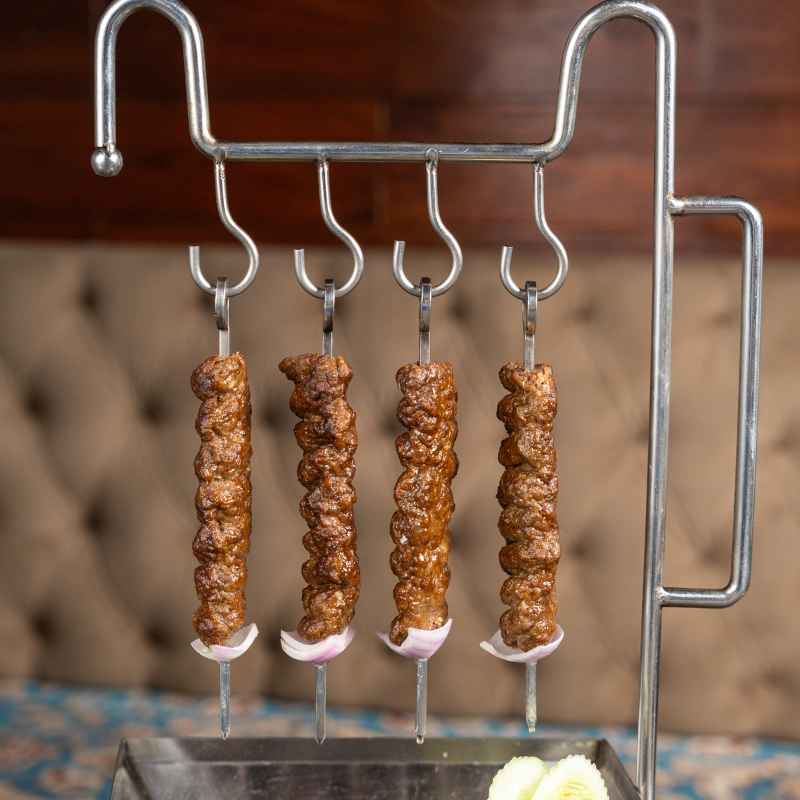
FAQs About Kabab Dinner Snaps
What makes a kabab dinner snap look professional even on a phone?
Good light, a clean plate, and careful arrangement matter more than the camera. Natural light and a simple background do most of the heavy lifting.
How soon after cooking should I take the photo?
Within the first five minutes if possible. The juices still shine and the vegetables keep their color.
Do I need special props for a good kabab dinner snap?
No. A plain plate, a wooden board, and a few fresh herbs are enough. Extra items often distract from the food.
Why do some kabab photos look dull even when the food tasted great?
Harsh indoor lighting and a messy background usually cause the problem. Moving closer to a window and clearing the area around the plate fixes most issues.
Can vegetable kababs look as good as meat kababs in photos?
Yes. Colorful peppers, zucchini, and onions create strong visual contrast. A light marinade and a quick char help them look appetizing.
How can I make my kabab dinner snap stand out on social media?
Focus on one strong image, write a short genuine caption, and post when people are thinking about food. Consistency over time builds recognition more than any single post.
Is it better to shoot from above or from the side?
Both work. Overhead shots suit full spreads. Side or 45-degree angles show height and texture better for individual skewers.
What sides photograph best with kababs?
Bright salads, fluffy rice, and simple yogurt sauces add color and balance without competing with the main dish.
Final Thoughts on Creating Stunning Kabab Dinner Snaps
A great kabab dinner snap starts with good food and ends with a little care in how you present it. You do not need fancy equipment or a professional kitchen. You need attention to light, a clean plate, and the willingness to take a few extra moments before everyone digs in.
I have taken hundreds of these photos over the years. Some turned out better than others. The ones that still make me smile are the ones that feel honest. They show real dinners shared with real people. That honesty comes through in the final image.
Next time you fire up the grill or heat the pan for kababs, take a minute to arrange the plate with intention. Snap a few frames. Look at them later and notice what worked. Over time you will develop an eye for the details that make people stop and feel hungry.
The best part is that the process itself becomes part of the enjoyment. Cooking, plating, photographing, and sharing create a small ritual that turns an ordinary meal into something memorable. And when someone messages you later saying the photo made them want to cook the same dish, you know the kabab dinner snap did its job.
Keep practicing. Keep sharing. The more you do it, the more natural it becomes. Your next plate of kababs might just be the one that inspires a whole new round of dinners in kitchens near and far.