
Can a Kabab Dinner Save Your Weeknight Meal Routine?
Kabab dinner ideas can turn a chaotic weeknight into something simple, tasty, and actually enjoyable. If you have ever stared into the fridge at 6 p.m. wondering what to make that does not take forever, the question “Can a Kabab Dinner Save Your Weeknight Meal Routine?” has a clear answer: yes, it can. I have leaned on kabab dinners for years in my own kitchen, and they consistently deliver flavor without the stress.
I started experimenting with kabab dinner ideas after too many nights of the same pasta or takeout. What I found was a flexible system that works whether I have twenty minutes or a full hour. The beauty sits in the prep. You mix a marinade, thread some meat or vegetables onto skewers, and cook them hot and fast. Leftovers reheat well the next day, and the whole process feels lighter than a complicated casserole.
 9-pack · 17-inch
 8, 10 & 12-inch sizes
 3-prong set
Why Kabab Dinners Fit Busy American Weeknights
Most of us juggle work, kids, errands, and the constant need to eat something decent. Kabab dinner ideas cut through that noise. The cooking method itself is quick once the skewers are ready. High heat on a grill or under a broiler finishes them in under fifteen minutes. You can prepare the marinade the night before or even days ahead. That alone saves precious evening time.
I keep a few reliable marinades in rotation. One is yogurt-based with garlic, lemon, and spices. Another uses oil, soy sauce, and a touch of honey. Both work on chicken, beef, or lamb. Vegetables take the same treatment and cook even faster. The result feels special without requiring fancy techniques. Friends and family notice the difference, yet the effort stays modest.
Portion control comes naturally too. Each skewer holds a balanced amount of protein and produce. You serve them with rice, flatbread, or a simple salad and the plate looks complete. Cleanup is easier than a sheet-pan roast because the skewers contain the mess. Over time these small advantages add up and make weeknights feel less overwhelming.
Chicken Kabab Dinner Ideas That Never Fail
Chicken remains the most approachable starting point for kabab dinner ideas. Boneless thighs stay juicier than breasts and forgive a few extra minutes on the heat. I cut them into even chunks so everything cooks at the same rate. A basic marinade of Greek yogurt, minced garlic, lemon juice, cumin, paprika, and a pinch of salt works every time. Let the chicken sit for at least thirty minutes, or overnight if you plan ahead.
Thread the pieces onto metal or soaked wooden skewers, alternating with red onion wedges and bell pepper squares. The vegetables release moisture that keeps the chicken tender. Grill over medium-high heat or broil six inches from the element, turning once. Eight to twelve minutes usually does it. Rest the skewers a couple of minutes before serving so the juices settle.
For a faster version I sometimes skip the vegetables on the skewers and cook the chicken alone. Then I toss the same peppers and onions in a hot skillet while the meat rests. The flavors still mingle on the plate. Serve with warm pita, a dollop of tzatziki, and a cucumber-tomato salad. The whole meal lands on the table in under forty minutes when the marinade is ready.
Another favorite uses a soy-ginger glaze. Mix soy sauce, grated fresh ginger, a spoon of honey, garlic, and a splash of rice vinegar. Coat the chicken and let it rest. The glaze caramelizes beautifully under the broiler. Pair it with steamed jasmine rice and steamed broccoli for a clean, satisfying plate. Kids tend to like this version because the sweetness balances the savory notes.
I rotate in a spicy option when the household wants more heat. Add chili powder or a bit of harissa paste to the yogurt marinade. The yogurt cools the spice so it never becomes overwhelming. These chicken kabab dinner ideas keep dinner interesting without forcing me to invent something new every night.
Lamb and Beef Kabab Options for Deeper Flavor
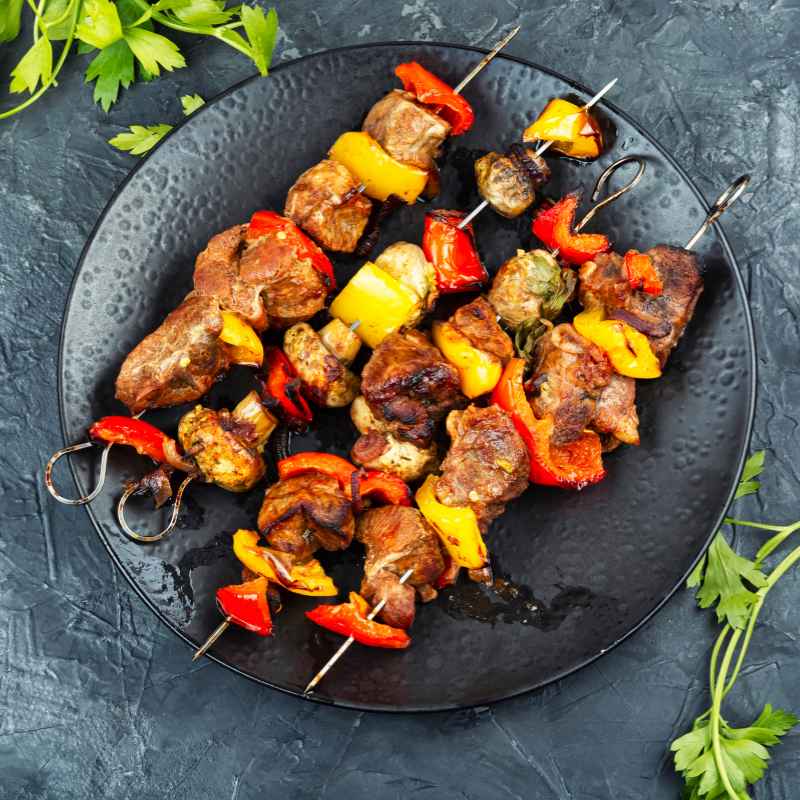
When I want richer taste I reach for lamb or beef. Lamb shoulder or leg cut into cubes takes a bold marinade well. Yogurt, garlic, cumin, coriander, cinnamon, and a squeeze of lemon create that classic Middle Eastern profile many of us love. Marinate at least two hours, preferably overnight. The longer rest tenderizes the meat and builds flavor.
Thread the lamb with chunks of onion and maybe some zucchini. Grill or broil until the exterior develops a nice char while the inside stays pink in the center. Rest the skewers and serve with couscous or bulgur and a bright herb salad. Mint and parsley cut through the richness perfectly.
Beef sirloin or flank works for kabab dinner ideas as well. Slice against the grain into strips or cubes. A simple mix of olive oil, Worcestershire, garlic, and black pepper does the job. For something closer to Korean-style, add soy, sesame oil, and a little brown sugar. The sugar helps the edges caramelize. Cook these quickly over high heat so they stay tender.
I sometimes make mixed skewers with both chicken and beef for variety. The different textures and flavors on one plate keep everyone happy. Leftover lamb or beef kababs reheat gently in a skillet with a splash of water or broth to keep them moist. They also make excellent next-day wraps with leftover flatbread and salad greens.
Vegetarian and Plant-Forward Kabab Dinner Ideas
Not every night needs meat. Vegetable kababs have become a regular part of my rotation. Firm vegetables hold up best: zucchini, summer squash, bell peppers, red onion, mushrooms, and cherry tomatoes. Cubed halloumi or paneer adds protein and a satisfying chew. Firm tofu pressed and cubed works too when marinated well.
A light olive oil marinade with lemon, oregano, garlic, and salt lets the natural flavors shine. For more depth I use a tahini-lemon mix thinned with water. Thread the pieces carefully so denser vegetables sit near the center of the skewer where heat is steadier. Grill or roast until the edges char and the centers soften.
These plant-based kabab dinner ideas pair beautifully with grain salads or hummus. I often serve them over quinoa mixed with chopped herbs and lemon. A side of yogurt sauce or tahini drizzle finishes the plate. Guests who prefer vegetarian meals never feel like they received a lesser option. The colors alone make the dish inviting.
When I want heartier plant protein I add chickpeas or white beans on the side. Sometimes I thread large mushrooms and eggplant for a meatier texture. The key is even sizing so everything finishes together. These meals keep the kitchen cool in summer and feel light yet filling.
Smart Prep Strategies That Actually Save Time
The real secret behind reliable kabab dinner ideas is advance work. I dedicate thirty minutes on Sunday to mix two or three marinades in jars. Then I portion the proteins into freezer bags, pour the marinade over, and freeze. On a busy morning I move one bag to the refrigerator. By evening the meat is ready to thread.
Vegetables can be prepped the same day or the night before. Keep them separate from the meat until assembly so they stay crisp. Skewers themselves benefit from a quick soak if wooden. Metal skewers need no prep and last for years. I keep a set in the drawer so they are always ready.
A small assembly station on the counter speeds everything up. Lay out the protein, vegetables, and skewers. Thread while listening to a podcast or talking with family. Once the skewers are ready they can wait in the refrigerator for an hour or two. That buffer helps if dinner time shifts.
Leftover cooked kababs store well for three days. I often make extra on purpose. Cold chicken kabab pieces go into lunch wraps or salads the next day. Reheating works best in a hot skillet rather than the microwave so the texture stays better.
Marinade Basics That Deliver Consistent Results
A good marinade does three things: adds flavor, helps tenderize, and protects the surface during high-heat cooking. Acid from lemon, vinegar, or yogurt breaks down proteins gently. Oil carries fat-soluble flavors and prevents sticking. Salt seasons throughout. Aromatics like garlic and spices provide the character.
I keep the ratios simple. For one pound of meat I use about half a cup of yogurt or a quarter cup of oil plus acid. Too much acid can turn the texture mealy if left too long. Chicken and seafood need less time than tougher cuts of lamb or beef. Vegetables need only twenty to thirty minutes.
Taste the marinade before adding the protein. Adjust salt, acid, or spice until it tastes bright. Remember that the flavor will mellow once cooked. Fresh herbs go in near the end or as a finishing sprinkle so they stay vibrant.
Common pantry staples build most of my marinades: garlic, lemon, olive oil, yogurt, soy sauce, cumin, paprika, oregano, and honey. Occasional additions like ginger, chili paste, or pomegranate molasses keep things interesting without requiring special shopping trips.
3grillingskewerpicks,compared
Kabobs, gyro and everything in between. Here is how each one stands out.
Slideitoff.Staysafe
SOLEADER Metal Skewers. 9-pack of 17-inch stainless steel skewers with a snap-on food pusher.
Whyitstandsout
Restaurant-stylegyro.Athome
Stainless Vertical Spit. Gyro, shawarma and al pastor in your own oven or grill.
Whyitstandsout
Onepush.Threeskewers
3-Prong Kabob Skewer Set. 14.7″ stainless skewers with push-off slider, silicone brush and storage bag.
Whyitstandsout
As an Amazon Associate, I earn from qualifying purchases.
Side Dishes That Complete the Meal
Kabab dinner ideas shine brighter with thoughtful sides. A simple cucumber yogurt sauce cools the spice and adds creaminess. Chop cucumber, mix with plain yogurt, garlic, salt, and a little dried mint. It takes five minutes.
Grain sides work well too. Plain rice, couscous, or quinoa absorbs the juices that drip from the skewers. For more flavor I cook the grain in broth and stir in chopped parsley or dill at the end. Warm flatbread or pita is almost mandatory in my house. Soften it briefly in a dry skillet or wrap in foil in a warm oven.
Salads bring freshness. A tomato-cucumber-onion mix with lemon and olive oil is classic. Arugula with a light vinaigrette offers peppery contrast. Roasted vegetables on the side add more color and nutrition without extra work if the oven is already on.
For a full spread I sometimes set out small bowls of olives, pickled onions, and feta. Guests build their own plates and everyone leaves satisfied. These sides require little active time and elevate the entire meal.
Cooking Methods for Different Kitchens
Not everyone has an outdoor grill. Oven broiling comes closest to the direct heat of a grill. Place the skewers on a foil-lined sheet pan and set the rack six inches from the broiler. Watch carefully and turn once. The high heat creates similar charring.
A stovetop grill pan works when the weather keeps the outdoor grill closed. Preheat it well and cook in batches so the pan stays hot. Cast iron holds heat better than thinner pans. A regular skillet can finish the job if needed; just accept less char and more of a seared surface.
Air fryers handle smaller batches well. Arrange the skewers in a single layer and cook at high temperature, turning halfway. Timing varies by machine, so check early. The circulating air produces decent browning.
Whichever method you choose, avoid overcrowding. Space allows moisture to escape and surfaces to brown. Rest the finished kababs a few minutes before serving. That short pause makes a noticeable difference in juiciness.
Common Mistakes and How to Avoid Them
Uneven cutting leads to uneven cooking. Take an extra minute to make pieces similar in size. Overcrowding the skewers prevents proper heat circulation. Leave a little space between pieces. Under-seasoning is another frequent issue. Taste the marinade and season the finished dish if needed.
Cooking over heat that is too low produces steamed rather than seared results. Get the grill or broiler properly hot first. Leaving the kababs on too long dries them out. Use a timer and check early. Wooden skewers that are not soaked can burn; metal ones avoid that problem entirely.
Finally, serving immediately without rest causes juices to run onto the plate instead of staying in the meat. Two or three minutes of rest solves it. These small adjustments turn good kabab dinner ideas into reliable weeknight winners.
Building a Weekly Rotation Around Kababs
Once you have a few solid marinades and a reliable method, kabab dinners become a weekly anchor. Monday might be chicken with yogurt marinade. Wednesday could feature mixed vegetables and halloumi. Friday night brings lamb for a slightly more celebratory feel. The structure reduces decision fatigue while still offering variety.
I keep a short list of go-to combinations on the inside of a cabinet door. When energy is low I simply pick one and start. The list grows slowly as new ideas prove themselves. Seasonal produce changes the vegetable mix throughout the year, so the meals never feel stale.
Family members learn to help with threading or mixing sauces. That shared effort turns dinner into a small collaborative moment rather than a solo chore. Over months the habit sticks and weeknights feel more manageable.
Making Kababs Work for Different Dietary Needs
Gluten-free diners simply skip the flatbread or choose certified options. Dairy-free versions replace yogurt with oil-based marinades and skip the yogurt sauce. Low-carb plates emphasize the protein and vegetables and swap grains for extra salad or cauliflower rice. The core kabab approach adapts easily.
For higher protein needs I increase the meat portion and keep sides lighter. When the goal is more plants I load the skewers with vegetables and serve a substantial grain salad. The same basic technique supports all these directions without forcing separate recipes.
Storage and Leftover Ideas
Cooked kababs keep in the refrigerator for three days in an airtight container. Reheat gently in a covered skillet with a spoon of water or broth. Microwaving works in a pinch but can toughen the texture. Cold pieces are excellent in grain bowls or chopped into salads.
Uncooked marinated protein freezes well for up to three months. Thaw overnight in the refrigerator before cooking. Pre-threaded skewers can freeze too, though the vegetables may soften slightly upon thawing. I prefer freezing the protein and vegetables separately for best texture.
Leftover flatbread becomes next-day wraps filled with reheated kabab pieces, leftover sauce, and fresh greens. Rice or couscous turns into a quick fried rice style dish with chopped kabab and extra vegetables. These second meals stretch the original effort further.
Why This Approach Beats Takeout on Most Nights
Takeout solves the immediate hunger problem but often leaves me feeling heavy or dissatisfied an hour later. Homemade kabab dinner ideas give control over ingredients, salt levels, and portion size. The cost per serving is usually lower once you buy the proteins and pantry staples in reasonable quantities. The flavor is fresher and the house smells better while dinner cooks.
The time investment is front-loaded. After a few weeks of practice the actual evening work shrinks. That shift is what makes the routine sustainable. I still order takeout sometimes, yet kababs have claimed a permanent spot in the weekly plan because they consistently deliver.
Attractive Conclusion
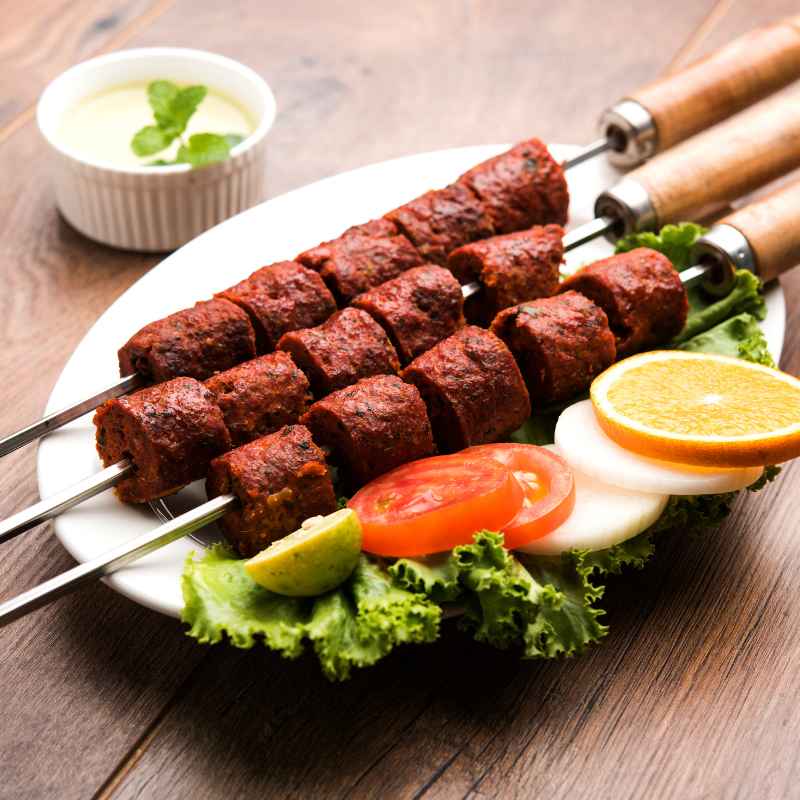
After years of testing different weeknight strategies, kabab dinner ideas remain one of the most dependable tools in my kitchen. They answer the real question behind “Can a Kabab Dinner Save Your Weeknight Meal Routine?” with a clear yes. The combination of quick cooking, flexible ingredients, and genuine flavor makes dinner feel possible even on the hardest days. Start with one simple chicken version this week. Notice how little stress it creates. Then expand from there. Before long these meals become the easy default rather than a special project. Your evenings will thank you, and so will everyone at the table.
FAQs
What are the easiest kabab dinner ideas for beginners?
Chicken thigh pieces in a yogurt-garlic-lemon marinade are the simplest starting point. Cut the chicken evenly, marinate for at least thirty minutes, thread with onion and pepper, then grill or broil until cooked through. Serve with rice and a quick cucumber yogurt sauce. The method is forgiving and the results taste impressive.
How long should I marinate meat for kabab dinners?
Chicken and seafood need thirty minutes to two hours. Tougher cuts of lamb or beef benefit from two hours up to overnight. Vegetables only need twenty to thirty minutes. Avoid leaving highly acidic marinades on delicate proteins for more than a few hours so the texture stays pleasant.
Can I make kabab dinner ideas without an outdoor grill?
Yes. An oven broiler set on high, a stovetop grill pan, or even a regular skillet all work. Broiling comes closest to outdoor grill results. Keep the food a few inches from the heat source and turn once for even browning.
What sides go best with kabab dinners?
Warm flatbread or pita, a simple cucumber-tomato salad, yogurt sauce, and a grain such as rice or couscous form a complete plate. Roasted vegetables or a green salad also pair well. Keep the sides light so the kababs remain the focus.
How do I keep kababs from drying out?
Choose pieces of similar size, avoid overcooking, and rest the skewers for a few minutes after they come off the heat. A marinade with some oil or yogurt helps protect the surface. High heat for a shorter time is better than low heat for a long time.