Immersion Blender or Food Processor: Which One Do You Need?
Immersion blender or food processor – that choice can feel confusing when you stand in a kitchen store. I wrote this guide called Immersion Blender or Food Processor: Which One Do You Need? after years of cooking for my family and testing both tools almost every week. I want to help you decide without stress or big words.
I remember the first time I made tomato soup. I poured the hot pot into a big blender. Steam shot out. Soup splashed everywhere. The lid almost flew off. That mess made me buy an immersion blender the next day. It changed how I cook. A food processor came later when I started chopping lots of veggies for weekly meals. Both tools help. But they do different jobs. This article shows you the simple differences. You will learn what each one does best. You will see easy tips, real costs, and clear steps. By the end you will know which one fits your kitchen right now.

8-Cup Food Processor & Blender Combo, 1000W All-in-One Kitchen Blender with 24oz To-Go Cup, Black
- 2-in-1 design: 8-cup (68oz) family bowl plus a 24oz portable blender cup
- 1000W motor with ice-crushing blades and 3 speeds (low, high, pulse)
- BPA-free materials with dishwasher-safe removable parts
As an Amazon Associate, I earn from qualifying purchases.
What Is an Immersion Blender?
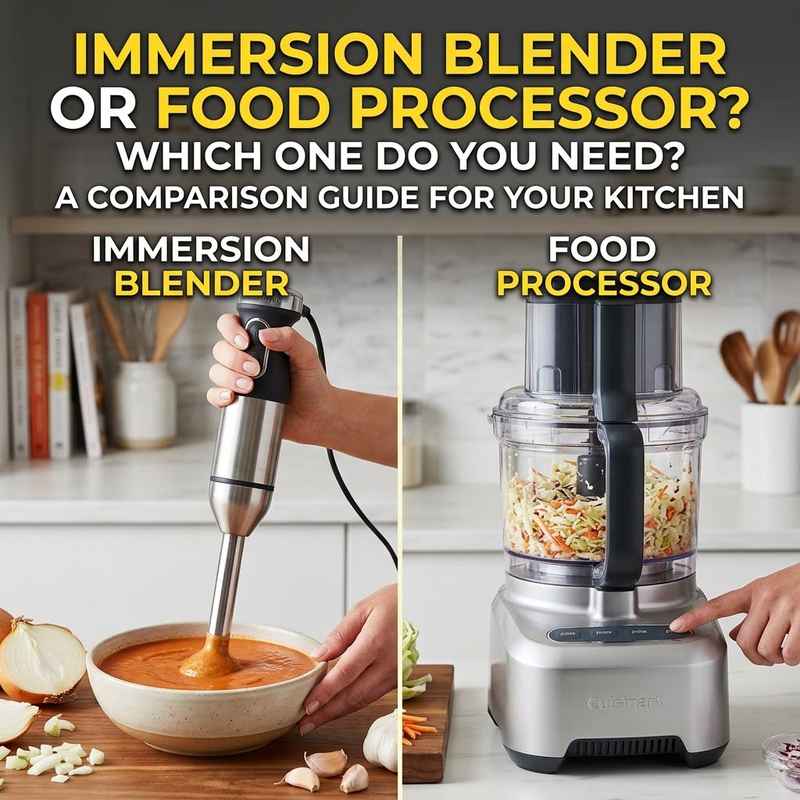
An immersion blender is a long stick with a small blade at the bottom. You hold the top and put the blade into your food. It blends right in the pot or bowl. People also call it a stick blender or hand blender.
It works great for liquids. Think soup, sauce, or smoothie. You do not need to move hot food to another machine. That saves time and keeps you safer. Most models have a simple on button. Some have speed controls. The blade spins fast and mixes everything smooth.
I use mine almost every soup night. I cook the veggies in the pot. Then I stick the blender in and pure the soup in one minute. No extra bowls. No mess on the counter. Cleanup is easy. Rinse the stick under water. Many parts go in the dishwasher.
What Is a Food Processor?
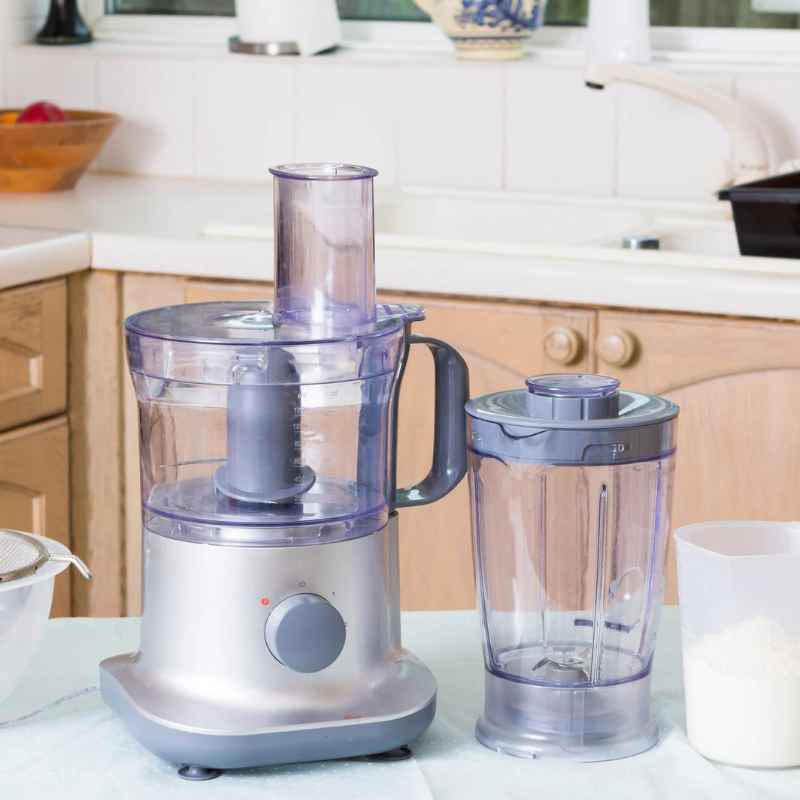
A food processor is a bowl with a strong motor under it. Sharp blades or discs sit inside the bowl. You put food in the top. Close the lid. Press a button. The blades chop, slice, or shred fast.
It handles solid food better than liquids. Chop onions. Shred cheese. Slice carrots. Make dough. Make hummus. The big bowl holds a lot. You can prep food for a whole week in minutes.
I use mine when I meal prep on Sundays. I fill the bowl with cabbage and carrots. One press and I have salad mix ready. It saves my hands and knife time. The machine does the hard work.
Immersion Blender or Food Processor: Main Differences
Both tools mix food. But they work in different ways. Here is a simple look.
An immersion blender is handheld. You move it around the pot. A food processor stays still on the counter. You put food into it.
An immersion blender loves wet food. A food processor loves dry or chunky food.
An immersion blender is small and stores in a drawer. A food processor needs more space.
Cleanup is faster with the immersion blender. The food processor has more parts to wash.
When to Use an Immersion Blender
Reach for the immersion blender when you make soup. Put it right in the cooking pot. Blend until smooth. No need to cool the soup first. No risk of hot liquid flying out.
Use it for sauces. Make a quick tomato sauce or gravy. Blend right in the pan.
It is perfect for small batches. Whip cream for two people. Make mayo or salad dressing in a tall jar. Emulsify oil and vinegar fast.
I love it for baby food too. Steam veggies. Then blend them smooth in the same pot. Easy and clean.
It works well for milkshakes or smoothies in a tall cup. Just do not fill the cup too full.
When to Use a Food Processor
Choose the food processor when you need to chop many veggies. Onions, peppers, and celery for soup base take seconds.
Shred cheese for tacos or pizza. Slice potatoes for a gratin. The discs make even pieces every time.
Make dough for pie or cookies. The blade cuts butter into flour fast. No messy hands.
Grind nuts for pesto or nut butter. Chop herbs without bruising them too much.
I use it for hummus every week. Chickpeas, garlic, lemon, and tahini go in the bowl. Pulse a few times. Smooth dip ready.
It is great for large batches. One bowl can feed a family for days.
Side-by-Side Comparison Table
Here is a clear table to help you see the differences fast.
| Feature | Immersion Blender | Food Processor |
|---|---|---|
| Best for | Soups, sauces, purees | Chopping, slicing, shredding |
| Batch size | Small to medium | Medium to large |
| Hot liquids | Excellent (blend in pot) | Not ideal |
| Storage space | Very little | More space needed |
| Cleanup time | Very fast | Longer |
| Price range (good ones) | $30–$100 | $50–$200 |
| Power level | Medium | Higher |
This table shows why many cooks keep both. Each fills a different need.
Easy Tips from My Kitchen
I learned a few simple rules over time.
First, always keep the immersion blender blade under the liquid. If it sticks out, it will splash. Start slow. Move the stick up and down gently.
Second, never fill a food processor past the max line. Too much food means uneven chops. Pulse in short bursts. Check the size. Pulse again if needed.
Third, dry the immersion blender stick well before you store it. Water left on the blade can cause rust over time.
Fourth, use the food processor pulse button for better control. Continuous run can turn food into paste too fast.
Fifth, buy models with dishwasher-safe parts. Life is too short for hard scrubbing.
Cost-Saving Ideas
You do not need the most expensive tool. A solid immersion blender under $50 does most jobs well. Look for stainless steel blades and a comfortable handle.
For a food processor, a 7- to 11-cup size works for most homes. Bigger is not always better if you cook for two or four people.
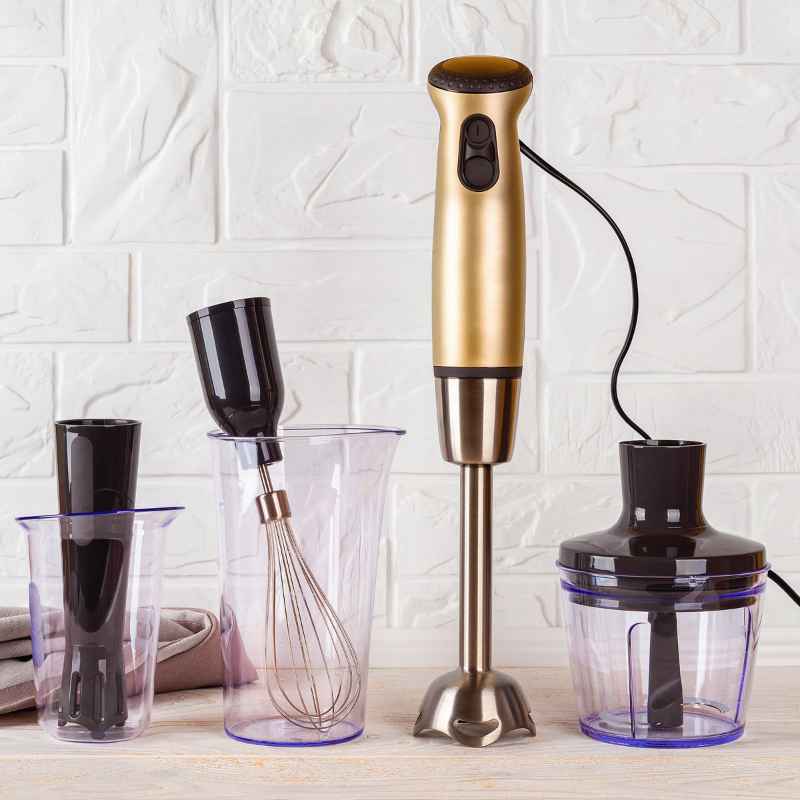
Many brands sell combo kits. Some immersion blenders come with a small chopper bowl. That can act like a mini food processor for small jobs. It saves money and space.
Shop sales after holidays. Prices drop. Check reviews for long-lasting motors. A cheap tool that breaks after six months costs more in the end.
Common Mistakes to Avoid
Do not try to crush ice in a basic immersion blender. The motor is not strong enough. Use a regular blender or a strong food processor for that.
Do not put very hot liquid in a regular food processor and run it hard. Pressure can build. Steam can force the lid up. Cool food a little first if you must.
Do not force hard items like whole frozen fruit into either tool without cutting them smaller first. Both work better with some prep.
Do not forget to lock the food processor lid. Most will not start if the lid is loose. That is a safety feature.
I once ran the immersion blender too high in a shallow pan. Sauce flew onto the walls. Now I always use a deep pot.
Tools and Materials You Might Need
For the immersion blender you need the stick itself. Some come with a whisk or frother attachment. A tall mixing jar helps for dressings.
For the food processor you need the main bowl, the S-blade for chopping, and slicing or shredding discs. A dough blade is nice if you bake a lot.
Basic extras that help both: measuring cups, a spatula to scrape bowls, and cutting boards. Keep knives sharp so you can cut big pieces smaller before processing.
Benefits of Each Tool
The immersion blender saves dishes and time. It is light. It stores easy. It handles hot food safely. It costs less for most people.
The food processor saves arm work. It makes even cuts. It handles big jobs fast. It does tasks a knife takes much longer to do.
Both make cooking more fun. You spend less time prepping and more time eating.
Drawbacks to Know
An immersion blender cannot shred cheese or slice veggies well. It is not great for dry chopping large amounts.
A food processor is bulkier. It takes longer to clean. It is not ideal for pureeing large pots of hot soup without transferring.
Neither replaces a good knife completely. You still need basic cutting skills.
Personal Insights from Years of Use
I started with just a knife and a pot. Then I added the immersion blender. Soup nights became easy. Later I added the food processor. Meal prep became fast. Now I use both almost every week.
If I could keep only one, I would choose the immersion blender for my style of cooking. I make a lot of soups and sauces. But many friends who bake and chop daily prefer the food processor.
Think about what you cook most. That is the best way to choose.
Visual Ideas for Your Kitchen
Imagine a simple drawing of an immersion blender standing next to a pot of soup with the blade inside. Arrows show the up-and-down motion.
Picture a food processor bowl with carrots going in the top and even slices coming out the bottom.
A side-by-side photo of both tools on a counter with labels for “soups” and “chopping” would help too. These are not in this article, but you can find similar ones online when you shop.
How to Decide Which One You Need
Ask yourself three questions.
Do I make soup or sauce often? Get the immersion blender first.
Do I chop, shred, or make dough a lot? Get the food processor first.
Do I cook many different things and have some space? Consider both over time.
Start with the tool that solves your biggest weekly headache. You can always add the second one later.
Frequently Asked Questions
Can I use an immersion blender instead of a food processor?
You can for some soft purees. But it will not chop or shred well. An immersion blender works best with liquids. For solid food jobs like slicing or dough, the food processor is better. Many people keep both for full coverage.
Can a food processor replace an immersion blender?
Not fully. You can puree some cooked veggies in it. But transferring hot soup is messy and less safe. The immersion blender blends right in the pot. That is its biggest win. For hot liquids, stick with the immersion tool.
Which is better for beginners?
The immersion blender is often easier to start with. It has fewer parts. Cleanup is simple. You learn fast. The food processor needs a little more practice with the pulse button and discs. Both are beginner-friendly once you try them a few times.
How much should I spend?
A good immersion blender costs $40 to $80 for most home cooks. A solid food processor runs $70 to $150. Spend a bit more for better motors if you use the tool often. Cheap ones can burn out fast with heavy use.
Are there combo tools?
Yes. Some immersion blenders come with a small food processor bowl attachment. They handle light chopping and blending. They save space and money. They are not as strong as full-size versions for big jobs, but they work well for small kitchens.
Is one safer than the other?
Both are safe when used right. Keep fingers away from blades. Unplug before cleaning. The immersion blender is safer for hot liquids because you do not pour them. Always follow the manual that comes with your model.
How long do they last?
With normal home use, a quality immersion blender can last 5 to 10 years. A food processor often lasts just as long if you do not overfill it. Clean them after every use. Store them dry. That helps them last longer.
Conclusion
Immersion blender or food processor – now you know the real differences. The immersion blender shines with soups, sauces, and quick purees right in the pot. The food processor wins at chopping, slicing, shredding, and bigger prep jobs. Many home cooks end up happy with both. Start with the one that matches what you cook most.
Try a simple soup or a batch of chopped veggies this week. You will feel the difference right away. Cooking gets easier and more fun when the right tool is in your hand. Pick one, use it often, and enjoy the meals you make. Your kitchen will thank you.