High-Protein Breakfast on the Go (Quick & Filling Ideas)
These picks were chosen for protein, prep time, portability, cost, and make-ahead value. The list favors foods you can pack, eat standing up, or assemble fast without turning breakfast into a cleanup project.
This guide is part of our keto mcdonalds lunch series.
That means you will see formats that travel well: smoothies, egg muffins, overnight oats, wraps, pitas, sandwiches, and bento boxes. Slow plates, fragile toppings, and messy reheats were left out unless they had a clear transport fix.
How these picks were chosen
Quick view of the list
A practical target is 20 to 30 grams of protein at breakfast. Athletes often do well near the top of that range, children usually need a smaller portion with more overall food balance, and older adults often do better when protein is spread across the day rather than saved for dinner.
| Option | Protein | Time | Cost | Portability | Diet fit | Make-ahead potential |
|---|---|---|---|---|---|---|
| Smoothie packs | Moderate to high | Fast | Low to moderate | High | Dairy-free, vegetarian | High |
| Egg muffins and baked egg cups | High | Moderate | Low | High | Low-carb, vegetarian | High |
| Overnight oats with protein add-ins | Moderate to high | Very fast | Low | High | Vegetarian, dairy-free if planned | High |
| Greek yogurt or cottage cheese parfaits | High | Very fast | Low to moderate | Moderate | Vegetarian | Moderate |
| Breakfast burritos and wraps | High | Moderate | Moderate | High | Vegetarian or omnivore | High |
| Tofu scrambles in a pita or wrap | Moderate to high | Moderate | Low | High | Dairy-free, vegetarian | Moderate |
| Nut-butter toast or sandwiches with fruit | Moderate | Very fast | Low | High | Dairy-free, vegetarian | Moderate |
| Chia pudding with protein boosters | Moderate | Very fast | Low to moderate | Moderate | Dairy-free, vegetarian | High |
| Bento-style breakfast boxes | Moderate to high | Fast if prepped | Moderate | High | Flexible | High |
| Make-ahead breakfast sandwiches | High | Moderate | Moderate | High | Vegetarian or omnivore | High |
The 10 breakfast options, one by one
1. Smoothie packs and protein smoothies
Smoothies belong here because they are the fastest way to raise protein without much hands-on time. A single scoop of protein powder can add 15-30 grams per serving, which makes this format useful when breakfast needs to move fast.
This suits commuters, athletes, and anyone who struggles to chew early. The drawback is that thin smoothies do not hold hunger well, so add fiber from oats, chia, flax, berries, or spinach and keep the liquid amount controlled.
2. Egg muffins and baked egg cups
Egg muffins work well because they reheat cleanly, fit in a napkin, and can be batch-prepared and frozen for quick reheating. Turkey Sausage Egg Bites pack 16 grams of protein per four muffins at 128 calories, which is useful when you want a compact protein hit.
They suit low-carb eaters and people who want a savory option. The catch is texture: overbaking makes them rubbery, and watery vegetables can turn the cups spongy if you do not pre-cook them.
3. Overnight oats with protein add-ins
Overnight oats are one of the safest make-ahead choices because they need no morning cooking and can travel in a lidded jar. Vanilla Overnight Oats deliver 13 grams of protein per serving and take 10 minutes to prepare, while Apple Overnight Oats provide 24.8 grams of protein per serving and can be made in 5 minutes.
This suits people who want fiber plus protein in one container. The drawback is sogginess if you add fruit too early or use too much liquid, so keep crunchy toppings separate until eating.
4. Greek yogurt or cottage cheese parfaits
These are strong choices when you want a cold breakfast with high protein and almost no morning prep. They also pair well with fruit, oats, seeds, and nuts, so you can build a fuller meal instead of a plain dairy cup.
They suit vegetarian eaters and busy mornings with a fridge nearby. The drawback is transport: yogurt cups can leak if the lid is loose, and cottage cheese can get watery if mixed too far ahead with juicy fruit.
5. Breakfast burritos and wraps
Wraps earn a place because they are the most practical hand-held meal on this list. Breakfast Wraps contain 25 grams of protein per wrap and are ready in 15 minutes, which puts them in the sweet spot between speed and fullness.
They suit people who want a true one-hand breakfast. The drawback is wrapper moisture: steam softens tortillas, so cool fillings before rolling and wrap tightly in foil or parchment before freezing.
6. Tofu scrambles in a pita or wrap
Tofu is the best no-egg path on this list for a savory portable breakfast. It takes seasoning well, can be cooked with vegetables, and fits into a pita or wrap for cleaner transport than a loose scramble on a plate.
This suits dairy-free and vegetarian eaters. The drawback is that tofu needs enough seasoning and salt to avoid tasting flat, and very wet vegetables can make the filling drip through bread.
7. Nut-butter toast or sandwiches with fruit
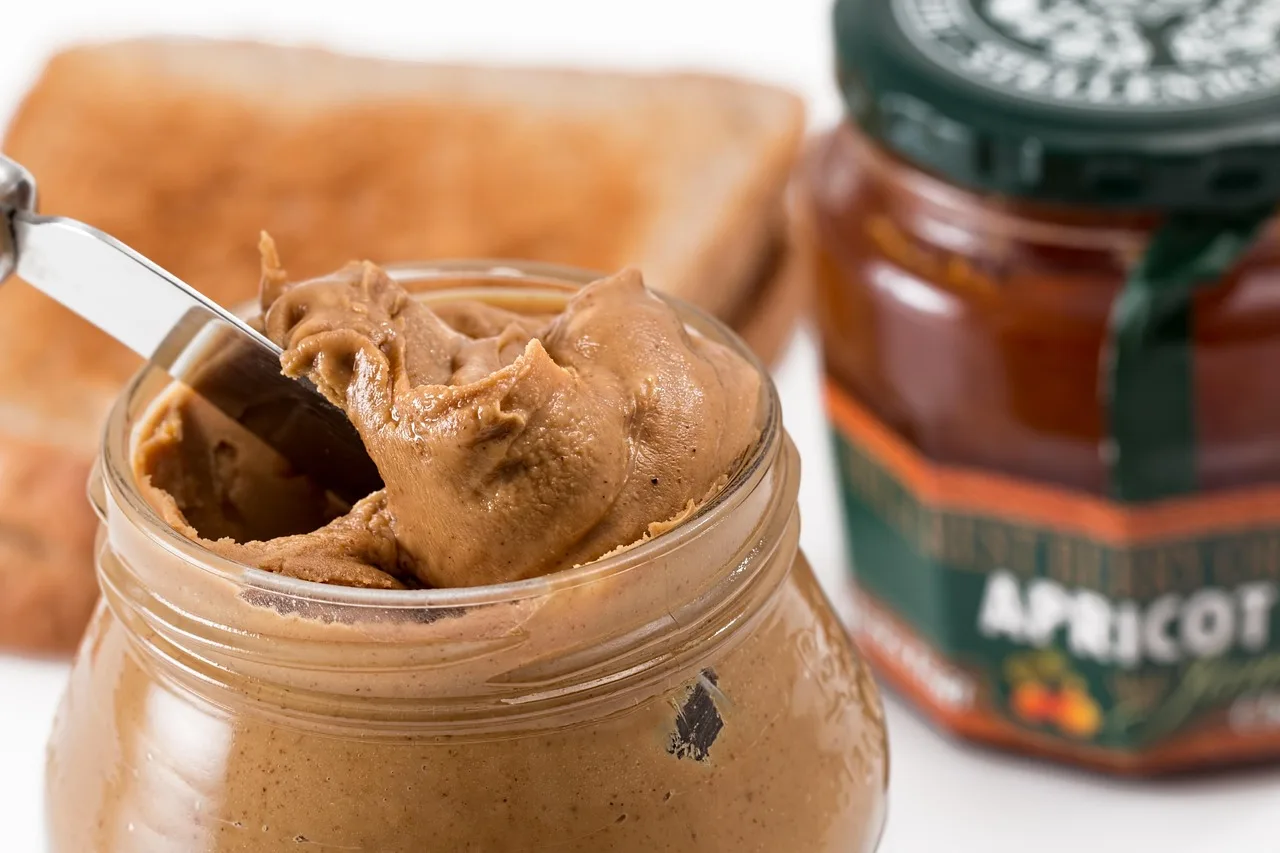
Nut butter adds protein plus fat, which helps this option hold you over longer than plain toast. It is a useful low-cost breakfast when you need something fast, portable, and easy to build from pantry items.
This suits budget-minded eaters and anyone who does not want a kitchen project before work. The drawback is that it can land below the 20-gram target unless you add extra protein from milk, yogurt, seeds, or a second protein item.
8. Chia pudding with protein boosters
Chia pudding works because chia adds fiber and thickens overnight, which gives you a spoonable breakfast that travels well in a jar. Add Greek yogurt, protein powder, or hemp seeds if you need the protein number higher.
This suits people who want a dairy-free base or a breakfast that feels light but stays filling. The drawback is texture sensitivity: too much liquid makes it runny, and too little gives you a dense gel that some people will not finish.
9. Bento-style breakfast boxes
Bento boxes solve the problem of wanting variety without losing speed. Put boiled eggs or tofu, fruit, whole-grain crackers, cheese or hummus, and seeds into separate compartments, and you have a breakfast that is easy to eat at a desk or in a car.
This suits families, older adults who prefer smaller portions, and anyone who gets tired of one-note breakfasts. The drawback is that it takes more planning than a single-container meal, and the cost climbs if every compartment uses premium ingredients.
10. Make-ahead breakfast sandwiches
Breakfast sandwiches make the list because they deliver a familiar format with enough protein to count as a real meal. They also freeze well, which makes them useful when you want a full breakfast without assembling anything before leaving.
This suits people who want a warm option that still travels. The drawback is packaging discipline: if you skip the wrap layer, condensation softens the bread and the sandwich can fall apart before lunch.
A common first-timer mistake is grabbing a pastry and coffee for breakfast, then feeling hungry again before the morning commute ends. The drink goes down quickly, then hunger returns soon after, because there is no chew and little structure from oats, chia, flax, or nut butter.
Suppose you pack overnight oats in a shallow container with fresh berries mixed in from the start. By morning, the fruit bleeds liquid into the oats and the texture turns mushy; keeping toppings separate fixes the problem without changing the recipe.
How to pick from the list
Start with the time you actually have, then choose the simplest format that meets your protein target. If you have 5 minutes, pick a yogurt parfait, smoothie, or prepped chia cup; if you have 15 minutes, a wrap or breakfast sandwich works better; if you only want batch prep, egg muffins, overnight oats, or freezer sandwiches are the safer bet.
Choose by budget
Lowest-cost choices are oats, eggs, tofu, nut butter, and chia when bought in basic sizes. Middle-cost choices are yogurt cups, wraps, and sandwiches with a few extras. Higher-cost convenience shows up when you rely on prepackaged protein drinks, specialty breads, or ready-made breakfast items.
Choose by diet
For dairy-free breakfasts, start with tofu scrambles, smoothie packs, chia pudding, nut butter toast, or bean-and-vegetable wraps. For vegetarian meals, yogurt, cottage cheese, eggs, tofu, and seed-based options all work. For low-carb needs, egg muffins, breakfast sandwiches without sweet bread, and tofu wraps fit best.
Choose by user need
Athletes often do well with the upper end of the protein range plus some carbohydrate from oats, fruit, or whole-grain wraps. Older adults may benefit from smaller, easier-to-chew portions with protein spread across the day. Children usually do better with familiar flavors, modest portions, and foods that are easy to hold.
Protein helps here in a plain, practical way. It tends to support satiety, muscle maintenance, and steadier energy and focus when it replaces a low-protein breakfast that leaves you hungry by midmorning. Pairing it with fiber from fruit, oats, whole grains, chia, flax, beans, or vegetables makes that effect more likely to last.
Make-ahead rules that prevent waste
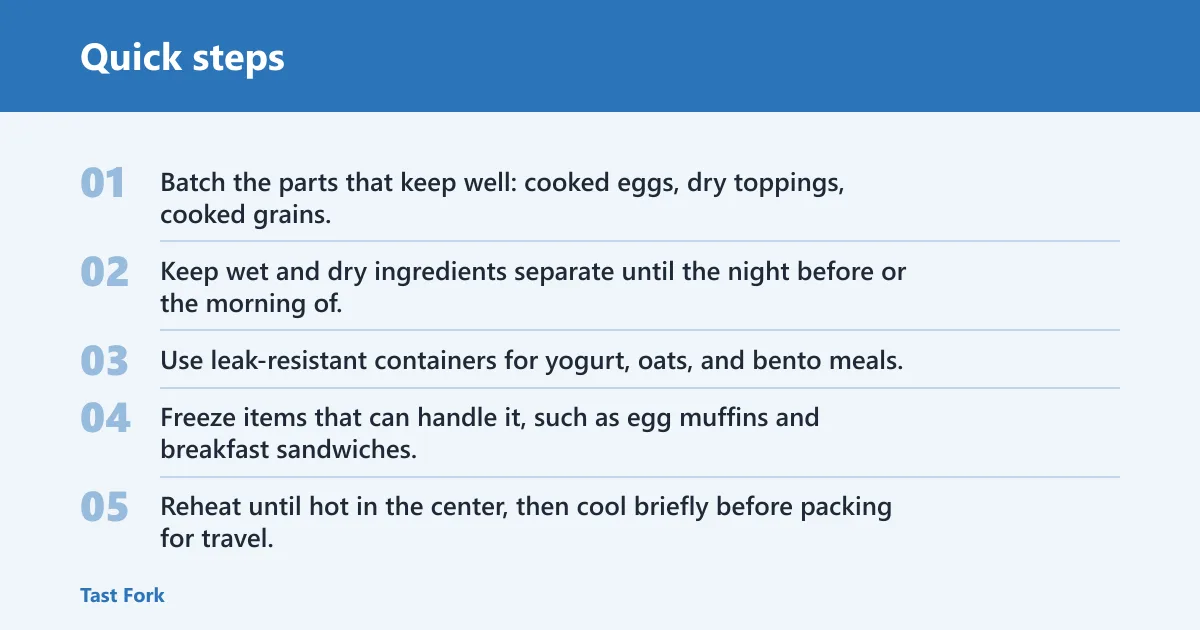
- Batch the parts that keep well: cooked eggs, dry toppings, cooked grains, and washed produce.
- Keep wet and dry ingredients separate until the night before or the morning of.
- Use leak-resistant containers for yogurt, oats, and bento meals.
- Freeze items that can handle it, such as egg muffins and breakfast sandwiches.
- Reheat until hot in the center, then cool briefly before packing for travel.
Picture a parent packing breakfast for a child before an early bus ride. A small wrap with nut butter and banana slices travels better than a bowl that needs a spoon, and it leaves fewer crumbs in the car seat.
What got left out, and why
Several popular breakfasts did not make the cut because they are slow, messy, or do not stay filling once carried away. Pancakes, for example, can be part of a plan, but they are weaker for portability unless they are made ahead, and Protein Pancakes provide about 17 grams of protein per two pancakes and take 25 minutes to prepare.
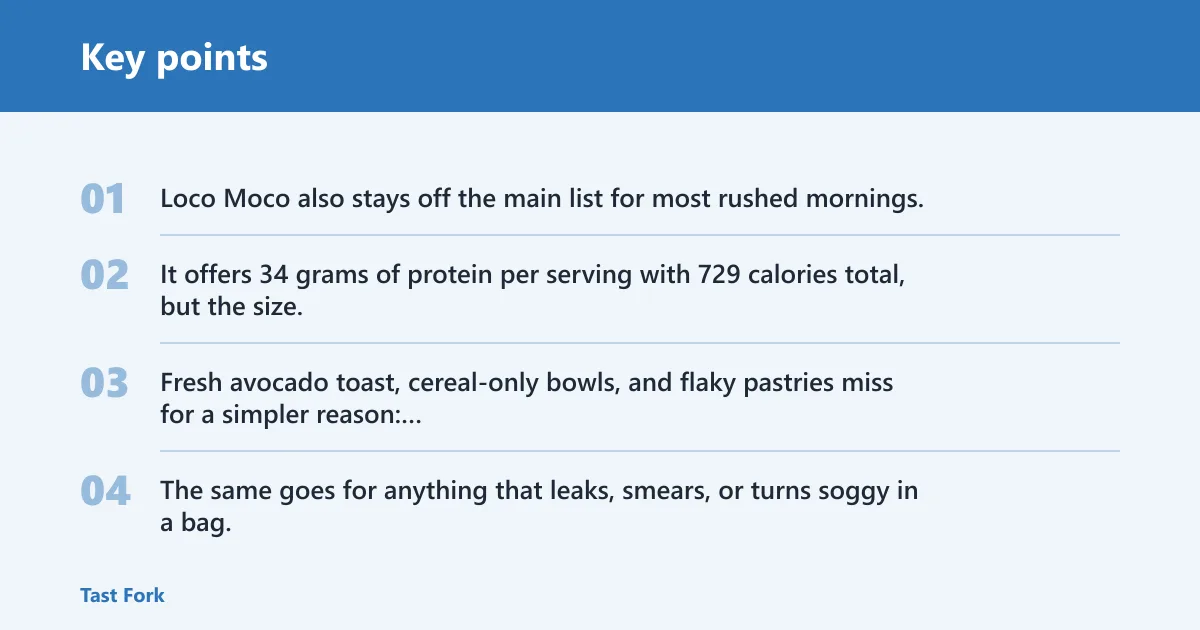
Loco Moco also stays off the main list for most rushed mornings. It offers 34 grams of protein per serving with 729 calories total, but the size, richness, and plate-based format make it a poor fit for a portable, quick breakfast unless your goal is a large sit-down meal.
Fresh avocado toast, cereal-only bowls, and flaky pastries miss for a simpler reason: they either need immediate eating, do not hold much protein, or leave you hungry too soon. The same goes for anything that leaks, smears, or turns soggy in a bag.
Frequently asked questions
What are some quick high-protein breakfast options I can take on the go?
The fastest portable options are smoothie packs, Greek yogurt or cottage cheese cups, overnight oats, egg muffins, breakfast wraps, and breakfast sandwiches. Pick the one that matches your time, your storage setup, and how much chewing you want before leaving the house.
How much protein should a high-protein breakfast contain?
A practical target is 20 to 30 grams of protein at breakfast. That range works for most busy adults, with athletes often aiming higher, children usually needing a smaller serving, and older adults often benefiting from enough protein early in the day rather than waiting until dinner.
Can I prepare high-protein breakfasts the night before?
Yes. Overnight oats, chia pudding, bento boxes, yogurt parfaits, and freezer breakfast sandwiches all work well with night-before prep. Use sealed containers, keep crunchy toppings separate, and refrigerate dairy-based items promptly so the texture and food safety stay on track.
What are good protein sources for a portable breakfast?
Eggs, tofu, Greek yogurt, cottage cheese, nuts and nut butters, protein powder, and seeds such as chia, hemp, and flax all travel well in different formats. The best source depends on whether you want a drink, a spoonable cup, or a hand-held meal.
How can I combine protein with fiber for longer fullness?
Pair protein with oats, berries, whole-grain bread, beans, chia, flax, or vegetables. That combination slows how fast breakfast is eaten and helps the meal feel more complete, which is especially useful if your morning stretch runs long between breakfast and lunch.
Are there high-protein breakfast ideas without eggs?
Yes. Tofu scrambles, Greek yogurt parfaits, cottage cheese bowls, chia pudding, nut-butter toast with seeds, and smoothie packs can all reach a useful protein level without eggs. For a warm no-egg option, tofu in a pita or wrap is one of the easiest choices.