Healthy After School Snacks for Kids
Healthy after school snacks for kids work best when you pair a filling food with fruit, vegetables, or whole grains, using about 100 to 250 calories for most children, depending on age and appetite. That mix helps with fullness, steadier energy, and a smoother path to dinner.
This guide is part of our keto mcdonalds lunch series.
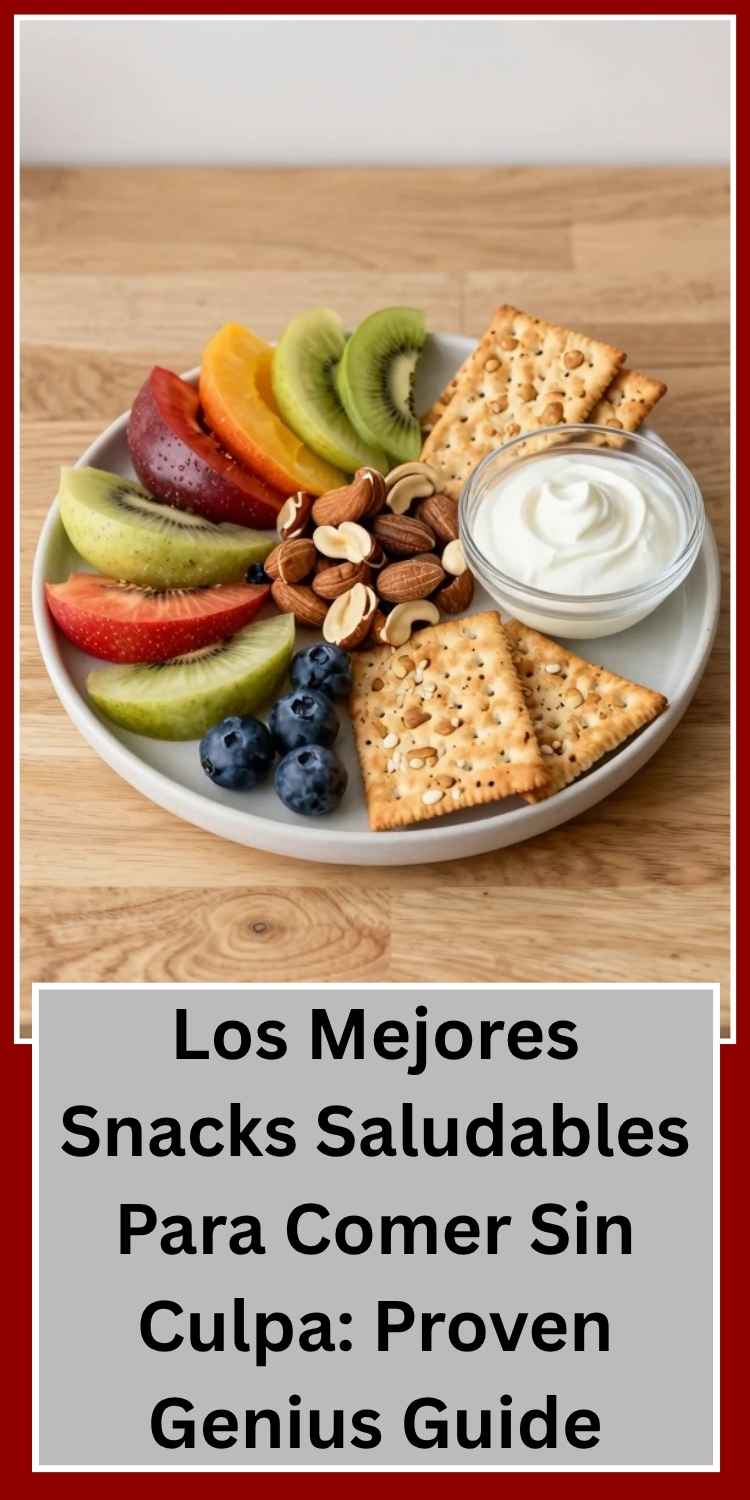
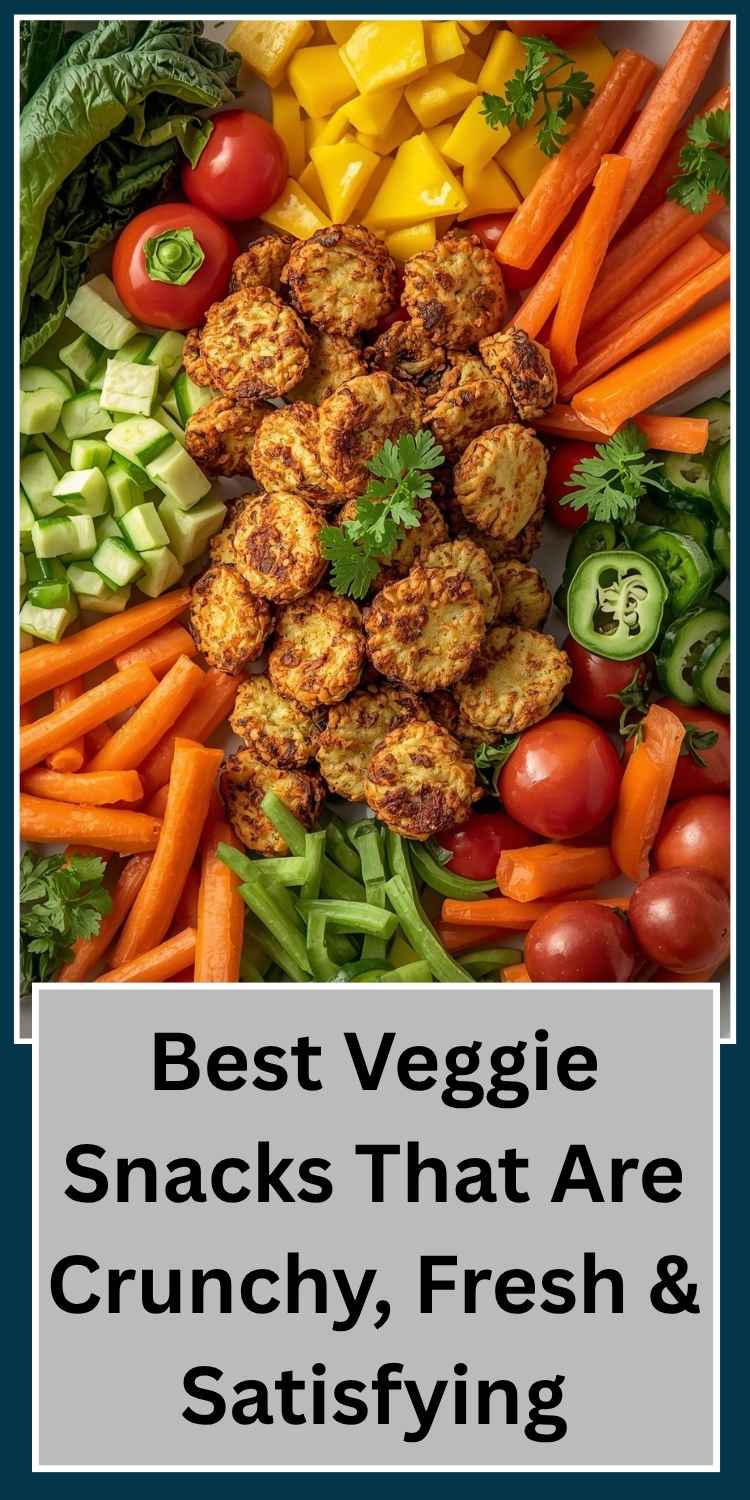
Think in pairs: fruit plus yogurt or nut butter, vegetables plus hummus or bean dip, or whole grain plus cheese, avocado, or another filling spread. Keep portions smaller for toddlers, and choose softer textures or familiar flavors for picky eaters.
The quick answer
What makes a good after-school snack?
A good after-school snack gives enough fuel to bridge the gap between lunch and dinner without turning into a second meal. The best choices usually include protein, fiber, and some water-rich produce, since that mix tends to hold kids longer than crackers or candy alone.
The targets that matter most
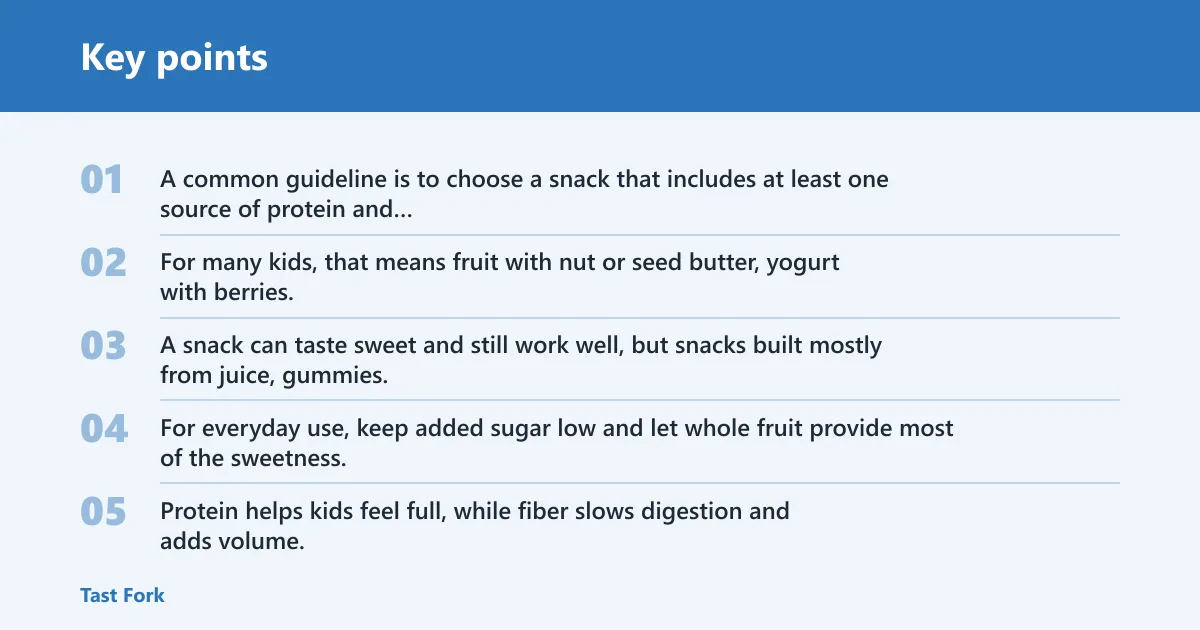
A common guideline is to choose a snack that includes at least one source of protein and one source of fiber. For many kids, that means fruit with nut or seed butter, yogurt with berries, hummus with vegetables, cheese with whole-grain crackers, or roasted chickpeas with fruit on the side.
Sugar matters too. A snack can taste sweet and still work well, but snacks built mostly from juice, gummies, cookies, or sweetened drinks tend to bring hunger back fast. For everyday use, keep added sugar low and let whole fruit provide most of the sweetness.
Why protein and fiber matter after school
Protein helps kids feel full, while fiber slows digestion and adds volume. Together, they make it easier for kids to finish homework, stay steady through sports practice, and avoid arriving at dinner ravenous.
That matters most when the afternoon is long. A child who is done with school at 3 p.m. and not eating dinner until 6:30 p.m. usually needs more than a quick bite of fruit alone.
How sugar and portion size change the picture
Portion size should match age, appetite, and what comes next. A toddler may need only a few bites, while an older child or teen may need a fuller snack, especially before practice or a long ride home.
One useful rule is to start small and add more only if the child is still genuinely hungry after a short pause. That cuts waste and keeps snack time from crowding out dinner.
How do you pick the right snack for your child?
Start with age, then check allergy rules, and then choose the texture your child is most likely to eat. A snack that looks perfect on paper will fail if it is too hard, too messy, or banned by school policy.
A simple 3-step rule
- Pick one protein or fiber anchor, such as yogurt, hummus, beans, cheese, nut butter, seeds, or whole grains.
- Add one produce item, such as fruit, cucumber, peppers, carrots, or berries.
- Keep the portion and texture in line with the child’s age and the setting.
Portion guidance by age
For toddlers, think small and soft: a few slices of banana, a spoonful of yogurt, or a half rice cake with thinly spread sunflower seed butter. Younger school-age kids usually do well with a modest plate of two or three items. Older kids often need a bigger portion, especially on activity days.
Say your 4-year-old comes home hungry but tired. A bowl with apple slices, a few cubes of cheese, and water is often a better fit than a large granola bar, because it is easier to chew and less likely to spoil appetite for dinner.
Sweet, savory, or both?
Choose sweet snacks when fruit is the easiest win, savory snacks when the child is already overloaded on sweet foods, and mixed snacks when the goal is staying power. Many families do best with a small sweet item plus a savory protein source.
Picture an older child heading to soccer practice. Banana with peanut butter works, but so does hummus with pita and cucumber, especially if the child wants something less sugary before exercise.
Snack options compared
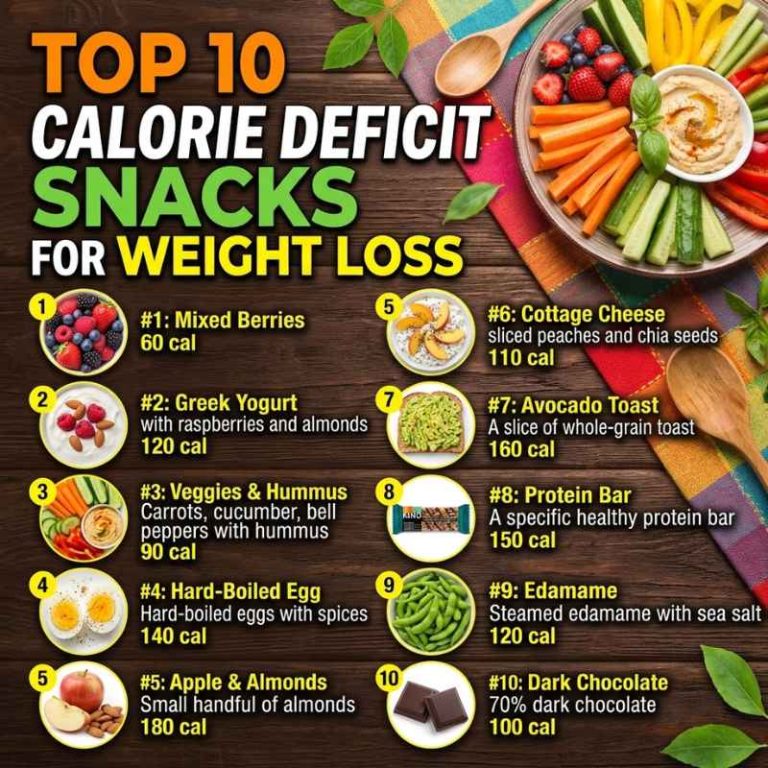
This table compares realistic options by protein, fiber, sugar, prep time, cost, allergy fit, and age range. Use it as a decision aid, not a ranking. The best snack is the one that fits your child, your budget, and your school rules.
| Snack | Protein (g) | Fiber (g) | Sugar (g) | Prep time | Cost per serving | Allergy notes | Best fit |
|---|---|---|---|---|---|---|---|
| Apple slices with peanut butter | 4 | 4 | 10 | 3 min | $0.60 | Contains peanut | 4+ |
| Apple slices with sunflower seed butter | 4 | 4 | 10 | 3 min | $0.70 | Nut-free, gluten-free | 4+ |
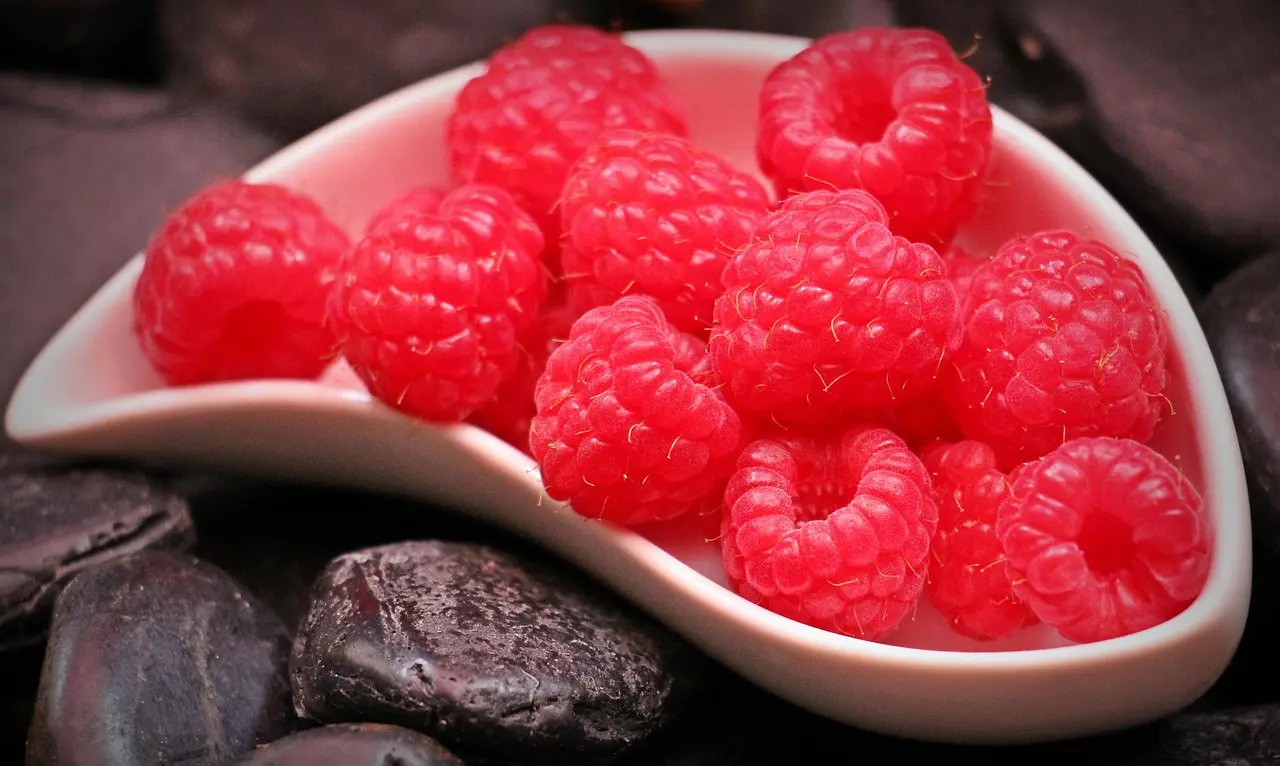
| Plain Greek yogurt with berries | 9 | 2 | 8 | 2 min | $0.90 | Dairy | 2+ |
| Yogurt with chia and cinnamon | 10 | 4 | 7 | 3 min | $1.00 | Dairy, seed | 4+ |
| Hummus with cucumber sticks | 3 | 3 | 2 | 5 min | $0.75 | Sesame | 3+ |
| Hummus with whole-grain pita | 5 | 4 | 3 | 5 min | $0.85 | Sesame, wheat | 4+ |
| Cheese cubes with grapes | 6 | 1 | 9 | 3 min | $0.95 | Dairy | 3+ |
| Edamame with sea salt | 8 | 4 | 2 | 6 min | $0.80 | Soy | 5+ |
| Roasted chickpeas | 6 | 5 | 2 | 8 min | $0.55 | Nut-free, gluten-free | 5+ |
| Barbecue roasted chickpeas | 6 | 5 | 3 | 10 min | $0.60 | Nut-free, gluten-free | 5+ |
| Frozen blueberry yogurt bites | 3 | 1 | 6 | Prep 5 min, freeze | $0.70 | Dairy | 3+ |
| Apple nachos | 3 | 4 | 12 | 5 min | $0.85 | Can be nut-free | 3+ |
| Banana with tahini | 3 | 3 | 14 | 2 min | $0.55 | Sesame | 2+ |
| Popcorn on the stove | 3 | 3 | 0 | 10 min | $0.20 | Nut-free, gluten-free | 5+ |
| Whole-grain toast with avocado | 3 | 4 | 1 | 5 min | $0.75 | Wheat | 4+ |
| Rice cakes with hummus | 3 | 1 | 1 | 4 min | $0.65 | Sesame, gluten-free if certified | 3+ |
| Mini cottage cheese bowl with pineapple | 12 | 1 | 8 | 3 min | $1.05 | Dairy | 3+ |
| Hard-boiled egg with cherry tomatoes | 6 | 1 | 1 | 10 min | $0.50 | Egg | 4+ |
| Nut-free chocolate chip oatmeal snack bars | 3 | 2 | 8 | Batch bake | $0.45 | Nut-free, can be banana-free | 4+ |
| Homemade goldfish-style crackers | 3 | 1 | 1 | Batch bake | $0.35 | Dairy, wheat | 3+ |
| Baked sweet potato tots | 2 | 3 | 4 | 20 min | $0.50 | Nut-free, gluten-free | 3+ |
| Carrot sticks with bean dip | 4 | 4 | 2 | 5 min | $0.60 | Can be nut-free, gluten-free | 4+ |
| Apple sandwich with almond butter and granola | 4 | 4 | 13 | 5 min | $0.85 | Tree nut | 4+ |
| Banana oat mini pancakes | 4 | 2 | 6 | 10 min | $0.40 | Can be egg-free | 2+ |
| Plain kefir with berries | 8 | 2 | 7 | 2 min | $1.00 | Dairy | 3+ |
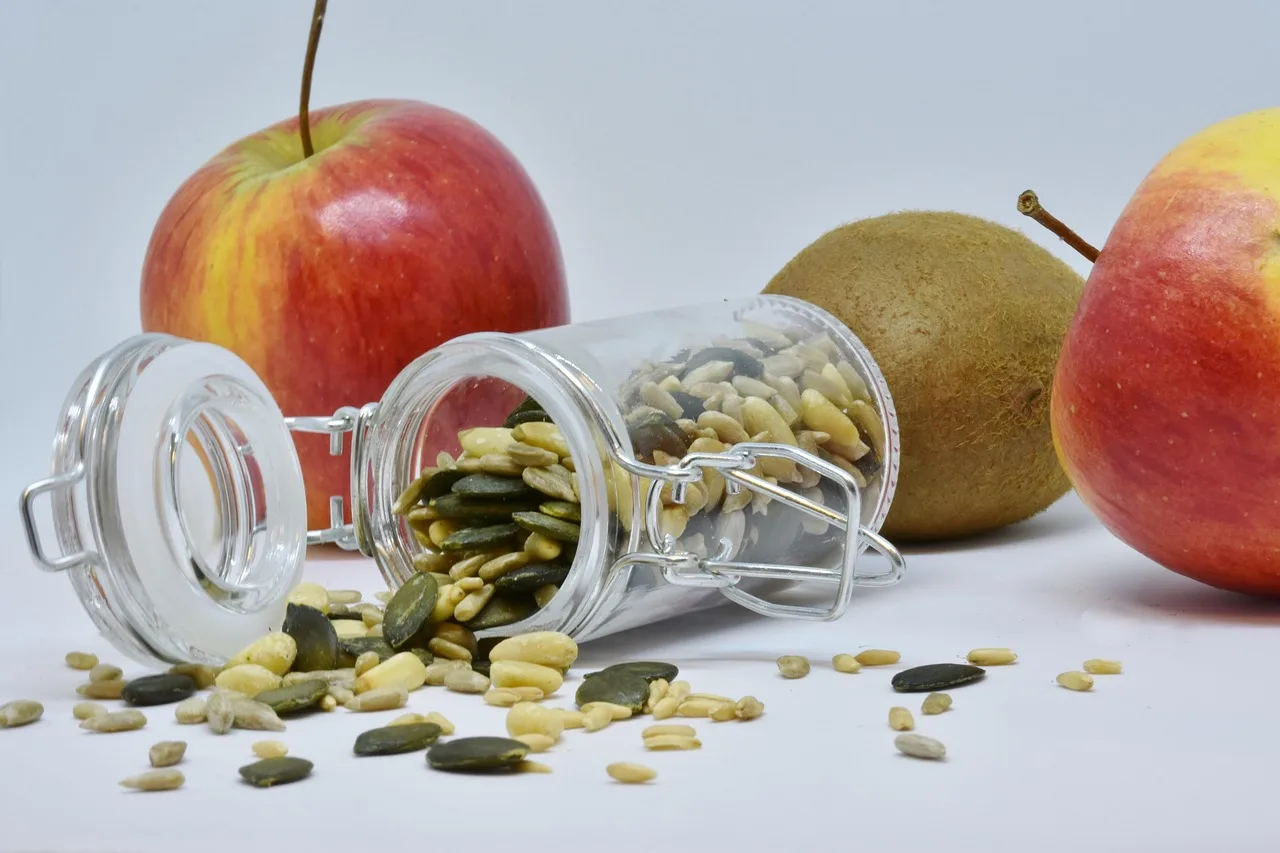
| Trail mix with pumpkin seeds and raisins | 5 | 3 | 8 | 2 min | $0.70 | Seed-based, avoid whole nuts if needed | 5+ |
| String cheese with pear slices | 6 | 3 | 10 | 2 min | $0.80 | Dairy | 3+ |
| Mini pita with falafel and tahini | 6 | 4 | 3 | 8 min | $0.95 | Sesame, wheat | 5+ |
| Açaí bowl with fruit and seeds | 4 | 5 | 11 | 7 min | $1.50 | Can be dairy-free and vegan | 6+ |
| Sweet potato mash cups with cinnamon | 2 | 4 | 5 | 10 min | $0.45 | Nut-free, gluten-free | 2+ |
For nut-free needs, the strongest everyday options are sunflower seed butter, hummus, roasted chickpeas, cheese, eggs, and pumpkin seeds, if the school allows seeds. For gluten-free needs, look for plain fruit, yogurt, eggs, beans, vegetables, popcorn, sweet potato, and certified gluten-free grains or crackers.
F1-style bowls and smoothies can be useful when a child wants a colder snack. Grain & Berry offers plant-based, vegan-friendly açaí bowls, smoothies, and toasts, which gives a model for family-made versions that skip dairy and still feel filling.
Food waste matters too. A snack with a short shelf life, such as cut fruit or yogurt, should be packed only when it will be eaten soon. Batch-baked items, including homemade goldfish crackers, can be made ahead and stored for fast use later. Frozen blueberry yogurt bites are another simple backup for busy weeks.
Texture-friendly options for picky eaters
Picky eaters often accept snacks that are predictable in texture. Crunchy options like popcorn on the stove, roasted chickpeas, or crackers tend to do better than mixed bowls with too many wet and dry parts. Dips help too, because they let the child control each bite.
Small plates often work better than big ones. Offer one familiar food and one small new food, rather than three new items at once.
Easy ways to make familiar foods more balanced
Apple nachos need only 3 ingredients and work well for kids who like sweet snacks. Add nut or seed butter and a little yogurt or seed sprinkle, and the snack has more staying power than plain fruit.
F2-style dip snacks are another easy win. A 3-ingredient peanut butter yogurt dip pairs well with sliced apples or bananas and gives a protein-packed option that still feels like dessert to many children.
Cultural variety without extra work
Not every snack has to look like a granola bar. Pita with hummus, roasted chickpeas, açaí bowls, falafel bites, fruit chaat, sweet potato tots, and kefir with fruit all fit different food traditions while still meeting the same basic job.
That variety helps with acceptance and ingredient access. It also reduces the chance that snack time becomes repetitive, which matters for kids who get bored quickly.
What should you watch out for?
The main problems are spoilage, hidden sugar, and allergen exposure. A snack can look healthy and still cause trouble if it sits too long in a warm backpack, includes a surprise ingredient, or is too sweet to hold a child until dinner.
Spoilage and food safety
Yogurt, cheese, meat, egg, and cut fruit are generally recommended to be kept cold if they will sit for more than a short period. It is advisable to pack them with an ice pack when needed and to select shelf-stable foods on days when refrigeration may not be available.
Allergy cross-contact
Nut-free does not automatically mean safe. Check labels for shared equipment, and confirm school rules before sending anything with peanuts, tree nuts, sesame, soy, egg, or dairy. When in doubt, choose simple foods with short ingredient lists.
Sugar-heavy snacks that look healthy
Fruit snacks, sweetened yogurt tubes, granola bars, and smoothie drinks can carry more sugar than parents expect. A better move is to pair a sweet item with protein or fiber, such as fruit with cheese, yogurt, beans, or seed butter.
Budget traps and waste
Specialty snack packs can cost far more than basic ingredients bought in bulk. The cheapest path is often also the most flexible: oats, beans, eggs, yogurt, bananas, carrots, apples, popcorn, and sunflower seed butter.
Frequently asked questions
What are good after school snacks for kids?
Good after school snacks for kids combine one filling food with one fruit or vegetable. Examples include yogurt and berries, hummus and cucumbers, cheese and apple slices, roasted chickpeas, or popcorn with fruit. The best choice depends on age, allergies, and how long dinner will be delayed.
What are easy healthy after school snacks for kids?
Easy healthy after school snacks for kids are the ones you can assemble in minutes with short ingredient lists. Try apple slices with seed butter, plain yogurt with fruit, popcorn, cheese with grapes, or carrots with hummus. If prep is a barrier, batch snacks once or twice a week.
What are healthy after school snacks for picky kids?
Healthy after school snacks for picky kids usually work best when they keep familiar textures and colors. Crunchy foods, dip-based snacks, and small portions tend to go over better than mixed bowls. Start with one trusted food, then add a small second item beside it.
What are healthy after school snacks for toddlers?
Healthy after school snacks for toddlers should be soft, small, and easy to chew. Good options include banana slices, yogurt, sweet potato mash, applesauce with no added sugar, and small pieces of cheese. Keep portions modest and avoid choking hazards such as whole nuts and hard raw chunks.
What are gluten-free healthy after school snacks for kids?
Gluten-free healthy after school snacks for kids can be very simple. Fruit, yogurt, eggs, popcorn, roasted chickpeas, sweet potato tots, and hummus with vegetables all work well. Check labels on crackers, granola, and packaged bars, since wheat often hides there.
What are high-protein healthy after school snacks for kids?
High-protein healthy after school snacks for kids include Greek yogurt, cottage cheese, eggs, edamame, cheese, hummus, and bean dips. Peanut butter yogurt dip is another strong choice when peanuts are allowed. Pair protein with fruit or whole grains so the snack lasts longer.