Healthy High Calorie Snacks
Healthy high calorie snacks are calorie-dense, nutrient-dense foods that give about 200 to 400 calories per serving, with protein, fat, and fiber so the extra energy actually helps. Pick the wrong snack and you can add calories without enough protein, iron, calcium, or satiety. This guide lists the best options with calorie and macro data, plus timing and budget advice for weight gain, athletes, breastfeeding, and kids.
This guide is part of our keto mcdonalds lunch series.
Why adding healthy fats to your diet boosts energy levels
Why calorie-dense snacks help
Weight gain needs a calorie surplus. A common target is an extra 300 to 500 calories per day for slow gain, and snacks are the easiest place to add that without forcing huge meals. Energy-dense foods matter because they fit more calories into less volume, which helps when appetite is low.
The best snacks do more than add calories. Protein supports muscle repair, fat adds calorie density, and carbohydrate helps refill glycogen for training or busy days. Nuts and seeds also have a strong record for heart health; regular intake is linked to a 50% lower risk of heart disease in one cited finding.
That is why peanut butter on toast works better than a pastry with the same calorie count. The first brings protein, unsaturated fat, and usually more staying power. The second often adds sugar without much else.
Which macros matter most?
For most people trying to gain, the snack should include at least one protein source and one calorie-dense base. If the goal is muscle gain, aim for protein at each snack, then add carbs or fat depending on training time and appetite.
Example: a post-workout snack can lean more on carbs and protein, while an evening snack can lean more on fat if you need calories but do not want a large volume of food.
How to build your snack plan
Start with a calorie target, then build around it. If you need a gentle surplus, use one or two snacks that each land near 200 to 300 calories. If you are struggling to gain, use three smaller snacks or one shake plus one solid snack.
- Pick a daily surplus target, usually 300 to 500 calories for slow gain.
- Choose a protein base such as Greek yogurt, milk, cottage cheese, eggs, or a protein shake.
- Add a calorie-dense item like nuts, nut butter, granola, avocado, or dried fruit.
- Place snacks between meals, after training, or before bed if appetite is low earlier in the day.
- Adjust by one item at a time so you can see what actually helps.
Suppose breakfast is small and lunch is late. A 2 p.m. snack of whole milk Greek yogurt with granola and banana is easier to sustain than waiting for dinner and trying to make up the calories all at once.
For budget planning, look first at peanut butter, whole milk, oats, bananas, eggs, canned beans, and store-brand yogurt. These usually cost less per calorie than nuts, protein bars, or packaged smoothie drinks.
High calorie snack data table
This table uses common serving sizes and standard nutrition-label style values. Brands vary, so check labels when you need tighter numbers.
| Snack | Serving size | Calories | Protein (g) | Fat (g) | Carbs (g) | Use case |
|---|---|---|---|---|---|---|
| Peanut butter | 1 tbsp | 94 | 4 | 8 | 3 | Budget add-on, kids, weight gain |
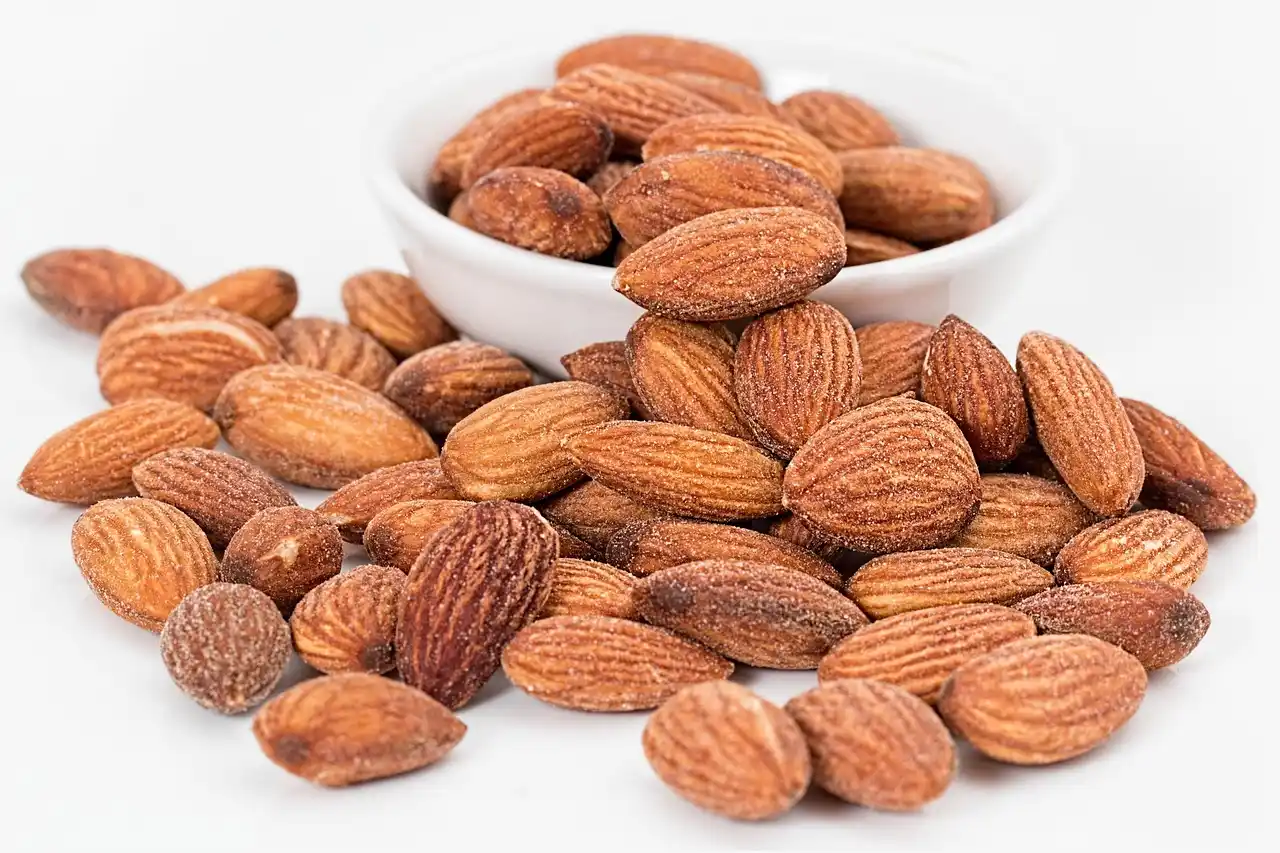
| Almonds | 1 oz | 164 | 6 | 14 | 6 | Desk snack, hiking, bulking |
| Macadamia nuts | 1 oz | 204 | 2 | 21 | 4 | Very calorie-dense snack |
| Pecans | 1 oz | 196 | 3 | 20 | 4 | Low-volume calorie boost |
| Cashews | 1 oz | 157 | 5 | 12 | 9 | Between meals |
| Walnuts | 1 oz | 185 | 4 | 18 | 4 | Salads, oats, travel snack |
| Hazelnuts | 1 oz | 178 | 4 | 17 | 5 | Snack mix |
| Pistachios | 1 oz | 159 | 6 | 13 | 8 | Training snack, portion-controlled |
| Almond butter | 2 tbsp | 196 | 7 | 18 | 6 | Toast, fruit dip |
| Cashew butter | 2 tbsp | 190 | 5 | 16 | 9 | Smoothies, crackers |
| Tahini | 2 tbsp | 178 | 5 | 16 | 6 | Sauces, toast |
| Full-fat Greek yogurt | 1 serving | 220 | 17 | 11 | 12 | High-protein snack |
| Low-fat Greek yogurt | 1 serving | 90 | 17 | 0 | 6 | Lean protein option |
| Whole milk | 1 cup | 152 | 8 | 8 | 12 | Drink, cereal, shakes |
| Cottage cheese, 4% milkfat | 1/2 cup | 110 | 13 | 5 | 4 | Bedtime snack |
| Cheddar cheese | 1 oz | 114 | 7 | 9 | 0 | Crackers, fruit, lunchbox |
| Mozzarella string cheese | 1 stick | 80 | 7 | 6 | 1 | Kids, travel |
| Eggs | 2 large | 144 | 13 | 10 | 1 | Quick protein snack |
| Avocado | 1/2 medium | 120 | 2 | 11 | 6 | Toast, rice bowls |
| Granola | 100 g | 451 | 10 | 16 | 64 | Yogurt topping, cereal |
| Trail mix | 1/4 cup | 168 | 5 | 10 | 16 | Travel, post-practice |
| Oats, dry | 1/2 cup | 150 | 5 | 3 | 27 | Base for bowls and bars |
| Banana | 1 medium | 105 | 1 | 0 | 27 | Pre-workout, smoothie base |
| Dates | 4 Medjool dates | 266 | 2 | 0 | 72 | Stuffed snack, quick carbs |
| Energy balls | 2 balls | 220 | 6 | 12 | 24 | Batch prep, kids, desk snack |
| Stuffed dates with nut butter | 3 dates | 240 | 4 | 11 | 36 | Simple dessert-style snack |
| Avocado toast | 2 slices with 1/2 avocado | 260 | 8 | 14 | 26 | Breakfast snack |
| Homemade smoothie | 1 large glass | 350 | 20 | 12 | 40 | Weight gain, after training |
| Protein shake | 1 serving | 300 | 25 | 8 | 30 | Convenient post-workout option |
| High-protein shake | 1 serving | 1830 | varies | varies | varies | Extreme calorie loading when needed |
| Peanut butter and banana sandwich | 2 slices plus 2 tbsp PB | 380 | 12 | 16 | 48 | Cheap bulking snack |
| Yogurt parfait with granola | 1 bowl | 320 | 20 | 12 | 34 | Breakfast snack, kids |
| Milk and cereal | 1 bowl | 300 | 10 | 8 | 48 | Easy calorie add |
| Rice cakes with peanut butter | 2 cakes plus 2 tbsp PB | 230 | 9 | 16 | 16 | Light but calorie-dense |
| Chocolate milk | 1 cup | 200 | 8 | 5 | 30 | After sports, recovery snack |
| Full-fat kefir | 1 cup | 160 | 9 | 8 | 12 | Probiotic drink snack |
What is going on with calorie-dense snacks?
The best healthy high calorie snacks combine calorie density with useful nutrients. Nuts and nut butters bring mostly unsaturated fat plus some protein. Greek yogurt adds protein and, in full-fat form, more fat. Granola and trail mix are easy to eat but can swing from useful to sugary depending on the ingredients.
Full-fat Greek yogurt is a strong example of the tradeoff. It contains about 220 calories per serving compared with 90 calories in low-fat yogurt, and it has 11 grams of fat per serving. That extra fat makes the snack more filling and more useful for calorie goals.
Whole milk is another simple add-on. One cup contains 152 kcal and brings calcium plus vitamin D when fortified. It is easy to drink with meals, blend into shakes, or use as the liquid in oats and hot cereal.
How shakes fit
Shakes and smoothies help when chewing more food is hard or when appetite is low. A basic smoothie usually combines milk or yogurt, fruit, oats, nut butter, and sometimes protein powder. High-protein shakes can contain up to 1830 calories per serving, so label reading matters.
That range is a warning as much as a benefit. Some shakes are useful for gaining size; others are closer to liquid desserts. Read the protein, sugar, and serving size before buying.
What are healthy high calorie snacks for athletes?
Athletes usually need snacks that digest well, support training, and do not crowd out meals. Good choices include Greek yogurt with granola, banana with peanut butter, chocolate milk, trail mix, or a smoothie with milk, oats, fruit, and protein powder. Time them after training or between meals.
For endurance work, carbs matter more around sessions. For strength work, protein at the snack helps with muscle repair. A practical target is a snack with at least 15 to 25 grams of protein when the next meal is far away.
What are healthy high calorie snacks for breastfeeding?
Breastfeeding parents often need more frequent eating because appetite and schedule can both shift. Snacks that are easy to grab and safe at room temperature work best: nuts, yogurt, cheese, peanut butter toast, milk, oats, and smoothies. Keep food safety tight and avoid undercooked egg or unpasteurized dairy.
Portion size matters. A snack should be enough to matter, not so large that it replaces a meal. Many people do better with two smaller snacks in the afternoon and evening instead of one large one.
What are healthy high calorie snacks for kids?
Kids do best with small portions, familiar foods, and low-choke-risk shapes. Good examples are yogurt parfaits, banana with peanut butter, cheese with crackers, milk, mini sandwiches, and smoothies. Cut grapes, nuts, and thick sticky foods to an age-appropriate size and texture.
For younger children, avoid whole nuts and large spoonfuls of nut butter that can be hard to manage. Use thin layers on toast, mix nut butter into oatmeal, or stir it into yogurt. Keep added sugar moderate, since kids often take in enough sweet food already.
What to watch out
Three problems show up often: portion creep, too little protein, and food-safety shortcuts. They are fixable if you know what to look for.
Portion creep and hidden sugars
Granola, trail mix, smoothies, and flavored yogurt can pile on calories fast. That helps if you need weight gain, but it can also turn a snack into a sugar-heavy meal replacement. Measure once or twice so you know what a real serving looks like.
Too little protein for muscle gain
Some calorie-dense snacks are mostly fat or carbs. That is fine in the right place, but not ideal for every snack. If muscle gain is the goal, anchor the snack with milk, yogurt, eggs, cheese, protein powder, or a higher-protein nut butter combo.
Food safety for kids and breastfeeding
Unpasteurized dairy, raw eggs, and very sticky nut butter can be poor choices in these settings. Keep dairy pasteurized, cook eggs fully, and spread nut butter thinly. For young children, whole nuts can pose a choking risk.
A common first-timer mistake is buying a large smoothie that looks like a snack but behaves like a meal replacement. If it contains fruit, nut butter, oats, and protein powder, it may be the right tool after training. If it replaces lunch, you may still need a solid snack later.
What should you do next?
Pick three snacks from the table and rotate them for a week. Choose one budget option, one protein-heavy option, and one quick option you can use when appetite is low. That gives you structure without making eating feel complicated.
Then place them where they will get used: one at home, one at work or school, and one in your bag. If you train, put the carb-plus-protein snack after the session. If you are trying to gain slowly, keep the total surplus near that 300 to 500 calorie range.
Frequently asked questions
What are healthy high calorie snacks?
Healthy high calorie snacks are foods that pack a lot of energy into a small serving while still bringing protein, fat, fiber, vitamins, or minerals. Good examples include nuts, nut butter, full-fat yogurt, whole milk, trail mix, avocado toast, and smoothies made with milk or yogurt.
What is a good high calorie snack?
A good high calorie snack gives enough calories to matter without turning into empty sugar. Peanut butter on toast, Greek yogurt with granola, trail mix, and a banana smoothie with milk all fit that pattern. Choose the one that matches your appetite and schedule.
What are good high calorie snacks?
Good choices include macadamia nuts, peanut butter, full-fat Greek yogurt, whole milk, granola, trail mix, eggs, cheese, avocado toast, stuffed dates, and protein shakes. The best option depends on whether you need a cheap snack, a post-workout snack, or something for a child.
What healthy high calorie snacks are best for weight gain?
The best snacks for weight gain are easy to repeat and not too filling for the calories they provide. Peanut butter, nuts, whole milk, full-fat yogurt, trail mix, granola, smoothies, and sandwiches with nut butter work well because they can add 300 to 500 calories without much volume.