
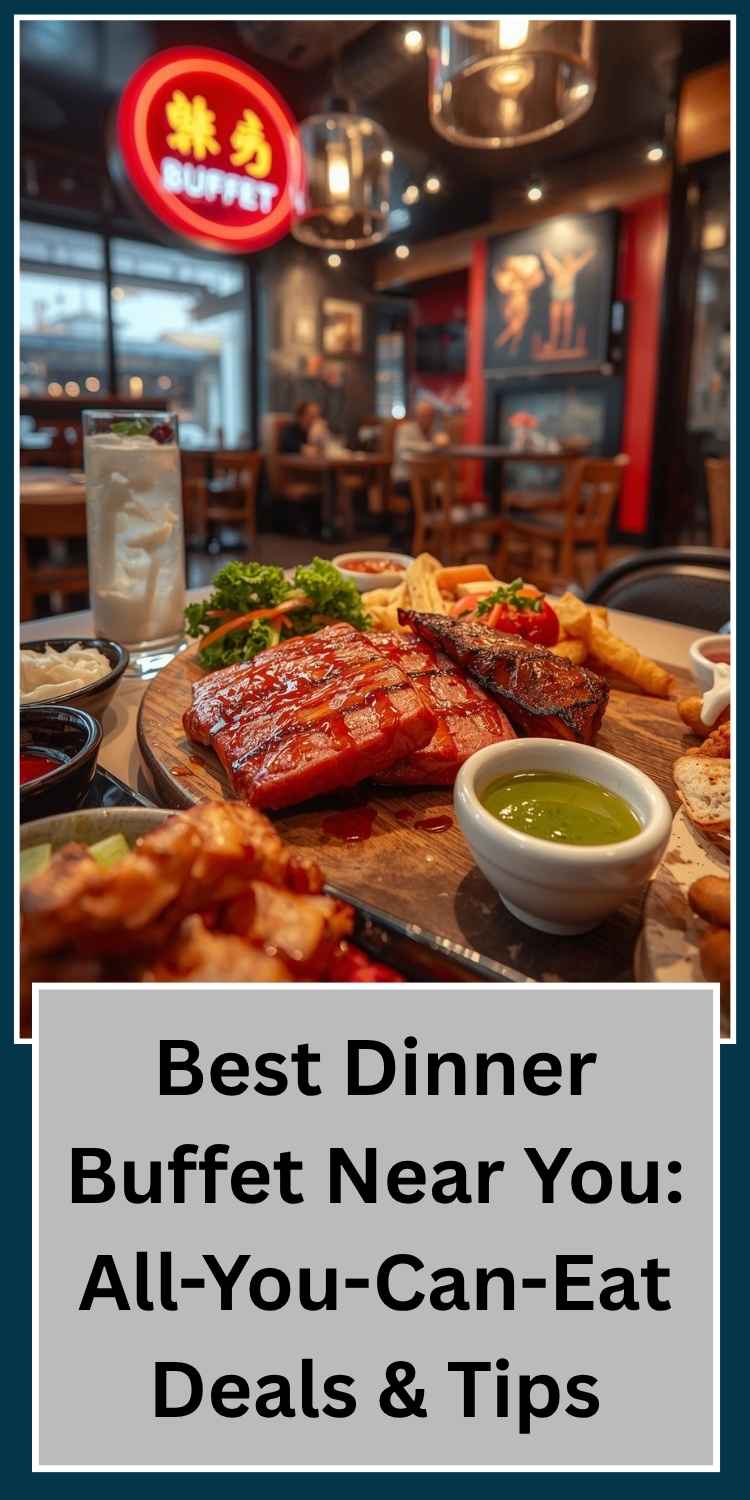
Best Dinner Buffet Near You: All-You-Can-Eat Deals & Tips
Discovering the best dinner buffet near you is an exciting culinary adventure, offering a world of flavors and unbeatable value. This guide provides essential tips for finding top all-you-can-eat deals, navigating the buffet like a pro, and ensuring a safe, satisfying dining experience. Learn how to maximize your meal, avoid common pitfalls, and enjoy a feast that delights your taste buds without breaking the bank.
Who doesn’t love the idea of an all-you-can-eat feast? Dinner buffets are a fantastic way to explore a variety of cuisines, indulge in your favorites, and enjoy a satisfying meal without the fuss of ordering individual dishes. But with so many options out there, how do you find the absolute best dinner buffet near you? And once you’re there, how do you make the most of the experience, ensuring both deliciousness and value?
As MD Ashraf Ahmed, your passionate food guide, I’m here to help you navigate the exciting world of dinner buffets. This article will equip you with insider tips, smart strategies, and essential etiquette to transform your next buffet visit into an unforgettable culinary journey. Get ready to discover hidden gems and become a buffet connoisseur!
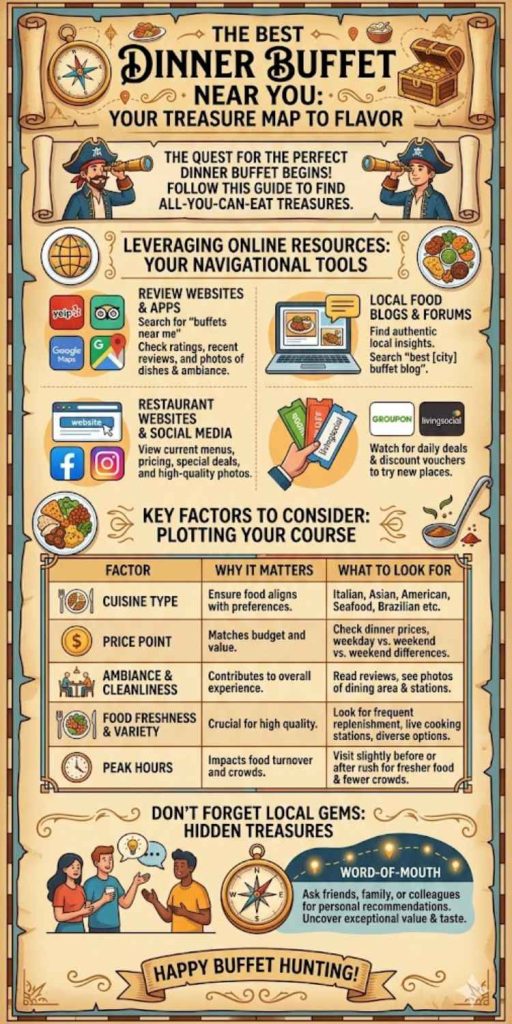
Finding the Best Dinner Buffet Near You: Your Treasure Map to Flavor
The quest for the perfect dinner buffet begins with knowing where to look. With a little strategic searching, you can uncover fantastic all-you-can-eat deals and culinary experiences that cater to your cravings. Here’s how to become a master buffet finder:
Leveraging Online Resources:
- Review Websites & Apps: Platforms like Yelp, TripAdvisor, and Google Maps are invaluable. Search for “all-you-can-eat buffets near me” or “dinner buffets [your city/area]”. Pay close attention to recent reviews, overall ratings, and photos. Look for mentions of specific dishes, ambiance, and service quality.
- Local Food Blogs & Forums: Many cities have dedicated food bloggers or online communities where locals share their favorite dining spots. A quick search for “best buffet [city] blog” or “[city] food forum buffet recommendations” can yield authentic, community-driven insights.
- Restaurant Websites & Social Media: Once you have a few potential candidates, visit their official websites and social media pages. This is where you’ll often find current menus, pricing, special deals, and high-quality photos that can help you decide.
- Deal Websites: Keep an eye on daily deal sites like Groupon or LivingSocial. Buffets often offer discounted vouchers, which can be a great way to try a new place without a full-price commitment.
Key Factors to Consider When Choosing:
Not all buffets are created equal. To ensure a truly satisfying experience, consider these factors:
| Factor | Why It Matters | What to Look For |
|---|---|---|
| Cuisine Type | Ensures the food aligns with your preferences. | Italian, Asian (Chinese, Japanese, Indian), American, Seafood, Brazilian Churrascaria, etc. |
| Price Point | Matches your budget and perceived value. | Check online menus for current dinner prices, look for weekday vs. weekend differences. |
| Ambiance & Cleanliness | Contributes to the overall dining experience. | Read reviews about cleanliness, look at photos of the dining area and food stations. |
| Food Freshness & Variety | Crucial for a high-quality buffet. | Reviews mentioning frequently replenished dishes, live cooking stations, and diverse options. |
| Peak Hours | Impacts food turnover and crowd levels. | Consider visiting slightly before or after peak dinner rush for fresher food and fewer crowds. |
Don’t Forget Local Gems:
Sometimes the best buffets aren’t the most advertised. Ask friends, family, or local colleagues for their personal recommendations. Word-of-mouth can often lead you to hidden culinary treasures that offer exceptional value and taste.
Buffet Etiquette: Dine with Grace and Respect
A buffet is a shared dining experience, and good etiquette ensures everyone enjoys their meal. Following these simple guidelines will make you a considerate diner and enhance the atmosphere for all:
Before You Approach the Food:
- Observe the Flow: Take a moment to see how the buffet line moves. Is it one-way? Are there separate stations for different food types? Understanding the layout helps prevent bottlenecks.
- Grab a Clean Plate (Every Time!): This is perhaps the most crucial rule. Never reuse a plate for a second helping. Always use a fresh, clean plate to prevent cross-contamination and maintain hygiene [1].
- Sanitize Your Hands: Before touching serving utensils, use hand sanitizer if available, or wash your hands thoroughly. This is a simple yet effective way to prevent the spread of germs.
While in the Buffet Line:
- Use Serving Utensils Only: Always use the provided serving spoons, tongs, or ladles. Never use your personal cutlery or, worse, your hands, to pick up food.
- Take What You Need, Not What You Can: While it’s all-you-can-eat, avoid piling your plate excessively. Take smaller portions and return for more if you wish. This keeps the line moving, ensures food stays fresh, and reduces waste.
- Avoid Cross-Contamination: Be mindful not to let serving utensils touch the food on your plate. If a utensil falls, ask a staff member for a clean one.
- Keep the Line Moving: Don’t linger or hold up the line while making decisions. If you need more time, step aside and let others pass.
- Be Patient and Polite: Buffets can get busy. A little patience and a friendly demeanor go a long way.
At Your Table:
- Don’t Waste Food: Only take what you intend to eat. While it’s tempting to try everything, excessive food waste is disrespectful and costly.
- Keep Your Area Tidy: Try to keep your table area neat. If you spill something, politely ask a staff member for assistance.
- Supervise Children: If dining with children, ensure they understand and follow buffet etiquette. Help them serve themselves to prevent spills and maintain hygiene.
Maximizing Your Buffet Experience: Smart Strategies for Savvy Diners
To truly get the most out of your all-you-can-eat dinner buffet, a little strategy goes a long way. It’s not just about eating a lot; it’s about eating smart, savoring flavors, and enjoying the overall experience. Here are some savvy tips to help you become a buffet master:
Before You Go:
- Arrive Hungry, But Not Starving: While it’s tempting to skip meals to “save room,” arriving overly hungry can lead to rushed decisions and overeating. A light snack a few hours before can help you make more mindful choices.
- Hydrate Smart: Drink water before and during your meal. It helps with digestion and can prevent you from mistaking thirst for hunger. Avoid sugary drinks, which fill you up quickly without much nutritional value.
- Dress Comfortably: Choose loose-fitting clothing. This might sound trivial, but comfort allows you to relax and enjoy your meal without feeling restricted.
During Your Meal:
- Do a Reconnaissance Mission: Before grabbing a plate, take a full walk around the entire buffet. Observe all the offerings, identify what looks freshest and most appealing, and plan your attack. This prevents “food regret” and ensures you try what you truly want.
- Start with Lighter Fare: Begin with salads, fresh fruits, and clear soups. These are often packed with nutrients and fiber, which can help kickstart your digestion and prevent you from overindulging in heavier items too soon.
- Prioritize Quality Over Quantity: Focus on dishes that are more expensive or harder to make at home, such as prime cuts of meat, seafood, or specialty items. Filling up on cheap carbs like bread or pasta is an amateur move.
- Small Portions, Many Rounds: Instead of loading one plate sky-high, take small, manageable portions of several items. This allows you to sample a wider variety of dishes without committing to a large serving of something you might not love. You can always go back for more of your favorites!
- Savor Each Bite: Eat slowly and mindfully. Pay attention to the flavors, textures, and aromas. This not only enhances your enjoyment but also gives your body time to register fullness, preventing overeating.
- Utilize Live Cooking Stations: If the buffet has carving stations, stir-fry, or pasta stations where food is cooked to order, take advantage of them. These dishes are often the freshest and can be customized to your liking.
- Don’t Forget the Veggies: Buffets often have a wide array of cooked and raw vegetables. Make sure to include a good portion of these on your plate for vitamins, minerals, and fiber.
- Pace Yourself: Take breaks between rounds. Engage in conversation, sip some water, and let your stomach settle. This helps you assess your hunger levels more accurately.
Dessert Strategy:
If you have a sweet tooth, save a small amount of room for dessert. Again, take small portions of a few different items rather than a large slice of one. Fresh fruit is always a great, lighter option to end your meal.
By approaching the buffet with a plan and a mindful attitude, you can transform it from a mere eating challenge into a delightful culinary exploration. Enjoy every bite!
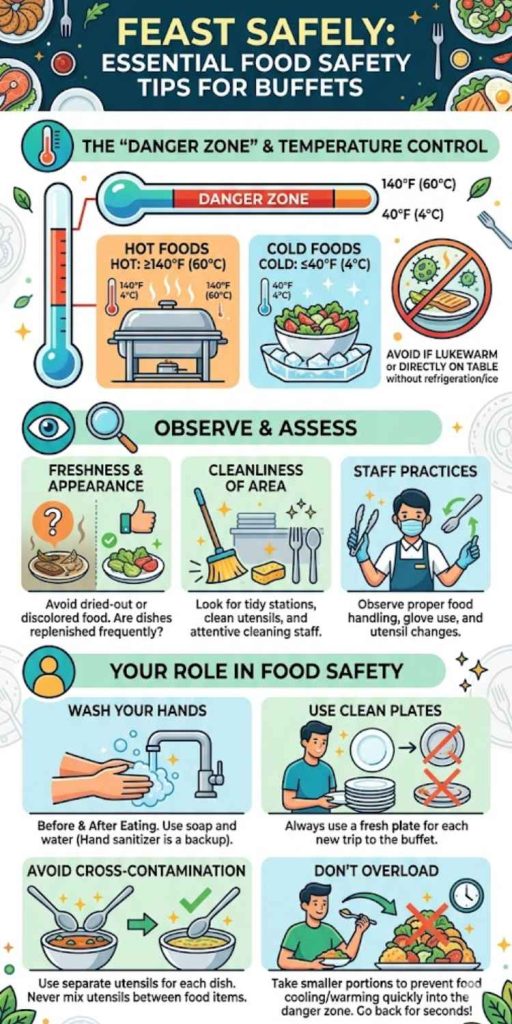
Feast Safely: Essential Food Safety Tips for Buffets
While buffets offer an abundance of delicious choices, it’s crucial to be mindful of food safety to ensure a healthy and enjoyable dining experience. Foodborne illnesses can quickly turn a delightful meal into a regrettable one. Here’s what you need to know to eat safely at any buffet:
The “Danger Zone” and Temperature Control:
The most critical aspect of buffet food safety is temperature control. Bacteria multiply rapidly between 40°F (4°C) and 140°F (60°C)—this is known as the “danger zone” [2]. Reputable buffets employ various methods to keep food out of this zone:
- Hot Foods Hot: Hot dishes should be kept at or above 140°F (60°C) using chafing dishes, warming trays, or slow cookers. Look for steam rising from hot food.
- Cold Foods Cold: Cold items, such as salads, desserts, and cold appetizers, should be kept at or below 40°F (4°C) using ice baths or refrigerated units.
If food appears lukewarm, or if cold food is sitting directly on a table without refrigeration or ice, it’s best to avoid it. When in doubt, err on the side of caution.
Observe and Assess:
- Freshness and Appearance: Pay attention to how frequently dishes are replenished. Food that has been sitting out for a long time may not be as fresh or safe. Avoid anything that looks discolored, dried out, or has an unusual odor.
- Cleanliness of the Area: A clean buffet area is a good indicator of overall hygiene. Look for clean serving utensils, tidy food stations, and attentive staff who are regularly cleaning and refreshing the spread.
- Staff Practices: Observe if staff are handling food properly, wearing gloves when necessary, and changing serving utensils regularly.
Your Role in Food Safety:
- Wash Your Hands: Always wash your hands with soap and water before and after eating, and especially after using the restroom. Hand sanitizer is a good backup but not a substitute for washing [3].
- Use Clean Plates: As mentioned in etiquette, always use a fresh plate for each trip to the buffet. This prevents bacteria from your used plate from contaminating the fresh food.
- Avoid Cross-Contamination: Use separate serving utensils for each dish. Never mix utensils between different food items, especially between raw and cooked foods.
- Don’t Overload: Taking too much food at once can cause hot food to cool down into the danger zone more quickly, and cold food to warm up. Take smaller portions and go back for more.
By being an observant and responsible diner, you can significantly reduce your risk of foodborne illness and enjoy your buffet experience with peace of mind. Your health is just as important as your enjoyment!
Frequently Asked Questions (FAQ) About Dinner Buffets
Navigating the world of dinner buffets can sometimes bring up a few questions. Here are some common queries to help you become a more confident and informed buffet diner:
Q1: Is it rude to go back for multiple servings at an all-you-can-eat buffet?
Not at all! The very concept of an “all-you-can-eat” buffet encourages multiple servings. The key is to take reasonable portions each time and avoid piling your plate excessively. Go back as many times as you like, but always use a fresh plate for each trip to maintain hygiene and prevent cross-contamination.
Q2: How can I avoid overeating at a buffet?
Pacing yourself is crucial. Start with lighter options like salads and soups. Take small portions of main dishes to sample a variety without overcommitting. Drink water throughout your meal, and take breaks between rounds. Listen to your body’s hunger and fullness cues, and remember that you don’t have to try everything in one sitting.
Q3: What’s the best time to go to a dinner buffet?
The best time is often shortly after the dinner service begins, or slightly before the peak rush. This ensures the food is at its freshest, and you’ll encounter fewer crowds. If you go too late, some popular items might be depleted, or the food might have been sitting out for longer.
Q4: Are buffets generally good value for money?
Buffets can offer excellent value, especially if you have a hearty appetite and enjoy a wide variety of foods. To maximize value, focus on more expensive items like seafood, prime meats, and specialty dishes. However, remember that value also comes from the quality of the food and the overall dining experience, not just the quantity.
Q5: Can I take food home from a buffet?
Generally, no. Most all-you-can-eat buffets have a strict policy against taking food home. The price you pay is for on-premise consumption only. Taking food home is usually considered theft and can lead to issues with the restaurant. If you have leftovers from a non-buffet meal, that’s a different story, but for buffets, it’s best to enjoy your meal at the restaurant.
Q6: How do I find buffets with specific cuisines (e.g., Indian, Chinese, Seafood)?
Use online search engines and review platforms (like Google Maps, Yelp, TripAdvisor) with specific keywords. For example, search for “Indian buffet near me,” “Chinese all-you-can-eat [your city],” or “seafood buffet [your area]”. Filtering options on these platforms can also help you narrow down your choices by cuisine type.
Q7: What should I do if I notice a food safety concern at a buffet?
If you observe any food safety concerns, such as food not being kept at proper temperatures, cross-contamination, or unsanitary conditions, politely bring it to the attention of the restaurant management. They should be able to address the issue promptly. Your feedback helps ensure a safe dining environment for everyone.
Conclusion: Your Ultimate Guide to a Perfect Buffet Experience
Embarking on a dinner buffet adventure is more than just a meal; it’s an experience—a chance to explore diverse flavors, enjoy generous portions, and create lasting memories with friends and family. As MD Ashraf Ahmed, your culinary companion, I hope this guide has equipped you with all the knowledge and confidence you need to find the best dinner buffet near you and make the most of every visit.
Remember, the secret to a truly satisfying buffet experience lies in a blend of smart planning, respectful etiquette, and mindful eating. From scouting out the best deals and understanding food safety to savoring each bite and avoiding common pitfalls, you are now ready to transform your buffet outings into delightful culinary journeys. So, go forth, explore, and enjoy the incredible world of all-you-can-eat dining. Happy feasting!