
16 Best 5 Star Meatloaf Recipes For A Perfect Dinner Every Time
Making a 5-star meatloaf means creating a dish that is moist, flavorful, and has a great texture. It involves using quality ingredients and simple techniques. The best recipes focus on balancing flavors and ensuring the meatloaf doesn’t dry out during baking.
This guide shares insights into achieving that perfect result every time.
The Heart of a Great Meatloaf
What makes a meatloaf truly special? It’s a few key things. First, the blend of meats.
Many great recipes use a mix of beef, pork, and sometimes veal. This gives a richer flavor. It also adds great texture.
Pork fat helps keep the meatloaf moist. Beef provides that classic meaty taste. Veal adds a delicate touch.
These meats work together. They create a depth of flavor that ground beef alone can’t match.
Next, the binder is super important. This is what holds the meatloaf together. It stops it from falling apart when you slice it.
Breadcrumbs are the most common. Panko breadcrumbs are great for a lighter texture. Regular breadcrumbs work well too.
Some recipes use crackers. Crushed saltine crackers or Ritz crackers add a nice flavor. Eggs are also crucial.
They act like glue. They bind everything together. Make sure your eggs are fresh.
This helps with structure.
Then we have the aromatics and seasonings. This is where the flavor really comes alive. Onions and garlic are a must.
They add sweetness and depth. Chopping them very fine is key. This way they cook down nicely.
They melt into the meat. Worcestershire sauce is another secret weapon. It adds a savory, umami kick.
Ketchup is often used in the mix. It adds a touch of sweetness and acidity. Many recipes also call for herbs.
Parsley is a classic. Dried herbs like thyme or oregano work well. Don’t forget salt and pepper.
These are basic but vital. Taste your mixture before you form it. This is a tip from many chefs.
Finally, the glaze. A good glaze makes a meatloaf pop. It adds a glossy finish.
It also adds another layer of flavor. The most popular glaze is ketchup-based. You can add brown sugar.
This makes it a little sweet and sticky. Mustard adds a tangy contrast. Some people add a splash of vinegar.
This balances the sweetness. Others like to use barbecue sauce. It adds a smoky, sweet flavor.
The glaze goes on near the end of baking. This stops it from burning. It creates that perfect, caramelized crust.
My Own Meatloaf Mishap (and What I Learned)
I remember one Thanksgiving season. I was tasked with bringing a meatloaf to a potluck. It wasn’t the main dish.
But I wanted it to be good. I grabbed a recipe from a magazine. It seemed simple enough.
I mixed the ground beef, some breadcrumbs, an egg, and chopped onions. I threw in some salt and pepper. I didn’t think too hard about the details.
I just wanted to get it done. I patted it into a loaf shape. I put it in the oven.
The smell was okay. But when I took it out, it looked. sad.
It was pale. It was a bit crumbly. And the taste?
It was just bland. My kids politely ate a little. My friends were kind.
But I knew it wasn’t great. That was the moment I realized meatloaf needed more attention. I learned that day that just “mixing stuff” wasn’t enough.
Every ingredient plays a role. Every step matters. It made me seek out the best recipes.
I wanted to understand the ‘why’ behind the steps. I wanted to avoid that dry, flavorless loaf forever. It was a small kitchen lesson.
But it stuck with me.
Meatloaf Flavor Boosters
Spice Blend: Don’t be afraid to experiment with spices. A pinch of smoked paprika can add a lovely smoky note. A dash of chili powder can give a subtle warmth.
Fresh Herbs: If you have them, fresh herbs like chives or fresh thyme are wonderful. They offer a brighter flavor than dried herbs.
Umami Additions: Think about ingredients that add that deep, savory taste. A tablespoon of soy sauce or a bit of tomato paste can make a big difference.
Caramelized Onions: Instead of raw onions, try caramelizing them first. This brings out their sweetness and reduces their sharpness.
Classic 5-Star Meatloaf: The Foundation
Many of the best meatloaf recipes start with a solid base. This base is about the meat blend. A common and highly-rated mix is 80/20 ground chuck.
This means 80% lean meat and 20% fat. The fat is crucial for moisture. It melts as it bakes.
It keeps the meatloaf tender. Some recipes go for a 70/30 blend for extra richness. But 80/20 is a good balance for most home cooks.
Adding pork is very popular for a reason. A mix of ground beef and ground pork is a winner. For example, 1.5 pounds of beef and 0.5 pounds of pork.
This ratio offers great flavor and moisture. Pork has a good amount of fat. It helps keep the loaf from drying out.
It also adds a slightly different, mellow flavor. This complements the beef well. Some people also add ground veal.
Veal is very tender. It adds a delicate texture. It’s not as common for everyday meatloaf.
But it can elevate it to a gourmet level.
The breadcrumbs act as a binder. They absorb juices. They prevent the meatloaf from becoming too dense.
Panko breadcrumbs are lighter. They give a less heavy texture. This can be nice if you like a lighter meatloaf.
Regular dried breadcrumbs work fine. They absorb more moisture. Some recipes call for fresh breadcrumbs.
You can make these by pulsing bread in a food processor. This gives a nice, soft texture. The amount of breadcrumbs matters.
Too few, and it might be crumbly. Too many, and it can feel like eating a bread sandwich. A good rule of thumb is about 1 cup of breadcrumbs for 2 pounds of meat.
Eggs are the other main binder. They hold everything together. One or two eggs per pound of meat is typical.
Make sure they are lightly beaten. This helps them distribute evenly. They also add richness and a bit of protein.
This helps firm up the loaf. The amount of egg can also affect texture. Too much egg can make it rubbery.
Too little, and it might fall apart. For 2 pounds of meat, two large eggs are usually perfect.
The seasonings in the base mix are key. Finely diced yellow or white onions are standard. They provide sweetness and moisture.
Sautéing the onions first can soften them. This makes their flavor milder. It also brings out their sweetness.
Some people prefer to use onion powder. This gives an onion flavor without the texture. Garlic is another essential.
Minced fresh garlic offers the best flavor. Garlic powder is an option for convenience. Worcestershire sauce adds a deep, savory taste.
It’s a staple in many classic meatloaf recipes. Salt and black pepper are non-negotiable. Don’t shy away from seasoning.
Taste a tiny bit of the raw mixture (if you’re comfortable doing so) or trust your instincts with the measurements. A good starting point is about 1 teaspoon of salt and half a teaspoon of pepper per pound of meat.
Meat Blend Ratios
| Meat Combination | Pros | Cons |
|---|---|---|
| 100% Ground Chuck (80/20) | Rich flavor, good moisture. Easy to find. | Can be a little dense if overmixed. |
| Beef & Pork (e.g., 75/25) | Excellent flavor and moisture. Very popular. | Pork can be richer; ensure good quality. |
| Beef, Pork & Veal | Very tender, complex flavor. Gourmet. | Veal can be pricier and harder to find. |
The Art of Mixing (Without Overdoing It)
This is where many home cooks stumble. Overmixing meatloaf is a common mistake. It can make your meatloaf tough.
It can give it a dense, uniform texture. The goal is to combine the ingredients just enough. You want everything to be incorporated.
But you don’t want to break down the meat fibers too much.
Here’s how to do it right. First, put your meats in a large bowl. Add your breadcrumbs, eggs, and finely chopped vegetables.
Sprinkle in your seasonings. Now, gently mix with your hands. Use your fingertips.
Imagine you’re just bringing everything together. Don’t knead it like bread dough. Don’t mash it aggressively.
Think of it as a gentle folding motion. Mix only until you no longer see streaks of raw meat or separate clumps of ingredients. This usually takes about 30-60 seconds of gentle mixing.
The temperature of your meat matters too. Some chefs recommend keeping the meat cold. Cold meat is firmer.
It’s easier to handle without overmixing. It also helps the fat stay distributed better. If your meat is too warm, it can get mushy.
This makes overmixing more likely. So, if you’re not using it right away, keep it in the fridge. Work with it quickly when you’re ready to mix.
Another tip is to use a light touch with the forming process. Once mixed, gently shape the meat mixture. Don’t pack it down too hard.
Form it into a loaf shape. Or you can form it into a free-form loaf on a baking sheet. Avoid making it too thin or too thick.
A loaf that’s about 2 inches high is ideal. This allows it to cook evenly. A thicker loaf might be raw in the center.
A thinner one might dry out too quickly.
Perfecting the Glaze
The glaze is the crowning glory of a great meatloaf. It adds that irresistible sweet and tangy finish. It also helps keep the top moist.
The most classic glaze is a simple ketchup-based sauce. But you can elevate it.
A basic ketchup glaze is just ketchup. But for a 5-star version, you’ll want to add more. Brown sugar is a popular addition.
It adds sweetness and helps with caramelization. About 1/4 cup of brown sugar for 1/2 cup of ketchup is a good start. A little bit of Dijon mustard cuts through the sweetness.
It adds a nice tang. About a tablespoon of Dijon works well. Some recipes call for a splash of Worcestershire sauce in the glaze too.
This adds more savory depth.
The timing of the glaze is important. You don’t want to put it on too early. If you apply it at the beginning of baking, the sugars can burn.
They can become bitter. The best time to add the glaze is in the last 15-20 minutes of baking. This is when the meatloaf is mostly cooked through.
The glaze will have time to heat up. It will caramelize nicely. It will form that beautiful, sticky crust.
You can brush it on with a pastry brush. Make sure to cover the entire top surface. You might want to apply a second coat.
This builds up the flavor and shine.
For those who want something different, barbecue sauce is a fantastic alternative. Use your favorite BBQ sauce. You can add a little brown sugar to it for extra stickiness.
Or some recipes use a combination of ketchup, brown sugar, and apple cider vinegar. This creates a tangy and sweet glaze. Some adventurous cooks even use sriracha for a spicy kick.
The key is to find a balance of flavors you love. And always remember to add it towards the end of baking.
Glaze Variations
Sweet & Tangy: Ketchup, brown sugar, apple cider vinegar.
Smoky BBQ: Your favorite BBQ sauce, maybe with a pinch of smoked paprika.
Spicy Kick: Ketchup, brown sugar, sriracha or hot sauce.
Savory Twist: Ketchup, Worcestershire sauce, a touch of mustard powder.
Baking Secrets for Ultimate Moistness
The baking process is critical for a moist meatloaf. Temperature and time are key. Most meatloaves bake at 350°F (175°C).
This temperature allows the meat to cook through gently. It doesn’t dry out too quickly. The time will vary based on the size of your loaf.
But typically, it takes about 50 minutes to 1 hour and 15 minutes.
How do you know it’s done? The internal temperature is the most reliable indicator. A meat thermometer should read 160°F (71°C) in the thickest part of the meatloaf.
Make sure the thermometer doesn’t touch any fat pockets or bones (if any were present). Also, the juices should run clear. If you pierce the center with a fork, the liquid should be clear, not pink.
Some recipes suggest baking the meatloaf in a loaf pan. Others recommend a baking sheet. A loaf pan can give it a nice shape.
But it can also trap moisture. This can make the sides and bottom a bit soggy. Baking on a rack over a baking sheet is often preferred.
This allows air to circulate. It promotes even cooking. It also helps create a slightly crisper crust on the bottom.
If you use a baking sheet, you can line it with parchment paper. This makes cleanup a breeze.
Resting the meatloaf after baking is also important. Just like a steak or roast, meatloaf needs to rest. Once it’s out of the oven, let it sit for about 10-15 minutes.
This allows the juices to redistribute throughout the loaf. If you cut into it too soon, all those delicious juices will run out. This will leave you with a dry meatloaf.
Patience here pays off big time.
Consider adding a little liquid to the pan. Some people add about 1/4 cup of water or beef broth to the bottom of the baking pan. This creates steam.
The steam helps keep the meatloaf moist. It’s a simple trick that makes a difference. Just be careful not to add too much.
You don’t want to steam the meatloaf. You want to bake it. The steam just adds a little extra insurance against dryness.
Quick Meatloaf Doneness Check
Temperature: Use a meat thermometer. Aim for 160°F (71°C).
Juices: Pierce the center. Juices should be clear, not pink.
Texture: The loaf should feel firm when gently pressed.
Real-World Scenarios and Meatloaf Success
Let’s talk about different situations where meatloaf shines. It’s a weeknight hero. When you’re tired and don’t want to spend hours in the kitchen, meatloaf is perfect.
It’s mostly hands-off cooking. You mix, shape, and bake. While it bakes, you can help kids with homework or relax.
It’s a comfort food for families. The smell alone can make a house feel like a home.
It’s also a potluck champion. Meatloaf travels well. It can be served warm or at room temperature.
It’s a crowd-pleaser. Most people have fond memories of meatloaf. They associate it with family dinners.
It’s a nostalgic dish for many. Making a really good one means you’ll be a popular guest at any gathering. People will remember your contribution.
Consider the ingredients you have on hand. Maybe you don’t have fresh onions. Onion powder is a fine substitute.
Don’t have panko? Regular breadcrumbs will do. The beauty of meatloaf is its flexibility.
You can adapt recipes. You can use what you have in your pantry. This makes it accessible for everyone.
Even if you’re a beginner cook, a simple meatloaf recipe can be very rewarding.
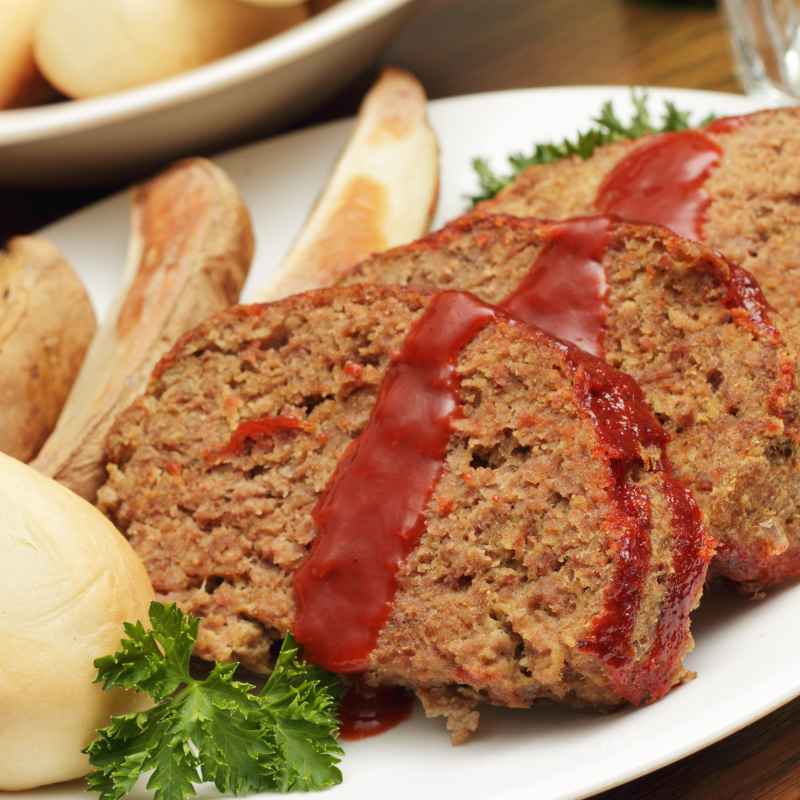
Think about serving it. Mashed potatoes are the classic pairing. They soak up any extra juices perfectly.
Green beans or corn are great vegetable sides. A simple salad adds freshness. Gravy is also a popular addition.
A homemade brown gravy over the meatloaf and potatoes is divine. This classic meal setup is why meatloaf has lasted for so long. It’s hearty, satisfying, and familiar.
Serving Suggestions for a Perfect Meal
Classic: Mashed potatoes, gravy, steamed green beans.
Comfort Combo: Baked potatoes, corn on the cob, coleslaw.
Lighter Option: Quinoa or rice pilaf, roasted asparagus, a side salad.
Kid-Friendly: Macaroni and cheese, tater tots, carrot sticks.
What This Means for Your Next Meatloaf
So, what should you take away from all this? Making a 5-star meatloaf isn’t complicated. It just requires a little attention to detail.
Don’t be afraid of the fat in your ground meat. It’s your friend. It keeps the meatloaf moist.
Mix your ingredients gently. Overmixing leads to toughness. The glaze is important for flavor and presentation.
Use it wisely. And always, always check for doneness with a thermometer.
When is it normal for meatloaf to be a little crumbly? If you used very lean meat, it might be. Also, if you didn’t use enough binder (eggs or breadcrumbs).
It’s not ideal, but it’s usually still edible. When should you worry? If your meatloaf is pink inside after baking for the recommended time, it’s not done.
You need to cook it longer. If it tastes bland, it means you probably need to add more seasoning next time. Don’t serve a bland meatloaf if you can avoid it!
Simple checks you can do: Before baking, gently pat the meatloaf into its shape. Does it hold together loosely? That’s good.
After baking, does it slice cleanly? If it crumbles apart, you know what to adjust for next time. A perfectly cooked meatloaf will hold its shape.
It will be moist when you bite into it. It will have a wonderful, savory flavor. It’s a dish that can truly impress.
And it starts with these simple steps.
Quick Tips for a Better Meatloaf
Here are some easy ways to improve your meatloaf game. These are small changes that make a big difference. They are tips that many experienced cooks swear by.
- Don’t squeeze the meat: When you’re shaping the loaf, be gentle. Pressing too hard can squeeze out moisture.
- Add vegetables: Finely shredded carrots or zucchini can add moisture and nutrients. Make sure they are grated very finely so they cook through.
- Use a thermometer: It’s the most accurate way to ensure your meatloaf is cooked perfectly. No guesswork needed.
- Let it rest: This is crucial. Don’t skip the resting time. It makes a huge difference in juiciness.
- Toast your breadcrumbs: Lightly toasting breadcrumbs before adding them can add a nutty flavor.
- Experiment with spices: Don’t just stick to salt and pepper. Try a little Italian seasoning or a pinch of red pepper flakes.
- Pre-cook aromatics: Sautéing onions and garlic before adding them softens them and brings out their sweetness.
Frequently Asked Questions About 5 Star Meatloaf Recipes
What is the best meat to use for meatloaf?
The best meat for meatloaf is usually a blend. A common mix is 80/20 ground chuck beef. Adding ground pork, about 25% pork to 75% beef, adds great flavor and moisture.
Some recipes also use ground veal for extra tenderness.
Why is my meatloaf dry?
Dry meatloaf is often caused by using meat that is too lean. It can also happen from overmixing the meat mixture. Baking for too long or at too high a temperature will also dry it out.
Not letting the meatloaf rest after baking can cause juices to escape.
How do I keep my meatloaf from falling apart?
Make sure you use enough binders. Eggs and breadcrumbs are key. Don’t overmix the meat.
Gentle mixing helps the loaf hold together. Shaping it firmly but not too tightly also helps. Letting it rest after baking makes it easier to slice without crumbling.
Can I make meatloaf ahead of time?
Yes, you can. You can mix the meatloaf ingredients and store the mixture in the refrigerator for up to 24 hours. You can also bake the meatloaf completely, let it cool, and then refrigerate it.
Reheat it gently in the oven or microwave.
What is the best way to cook meatloaf?
Baking is the most common and recommended method. Most recipes suggest baking at 350°F (175°C) for about 50-75 minutes. Using a meat thermometer to check for an internal temperature of 160°F (71°C) is the most accurate way to tell if it’s done.
Should I cover my meatloaf while baking?
Generally, no. Covering the meatloaf can make it steam, which can lead to a softer crust. Most recipes call for baking uncovered so the glaze can caramelize and the top can brown nicely.
If the glaze starts to burn, you can loosely tent it with foil.
Conclusion: Your Best Meatloaf Awaits
Crafting a 5-star meatloaf is achievable for anyone. It’s about understanding the basics of meat, binders, and flavor. By paying attention to how you mix, bake, and glaze, you can transform a simple dish.
Your meatloaf will be moist, delicious, and a hit at any meal. Enjoy the process and the delicious results!
Make every meal more exciting with TastFork.