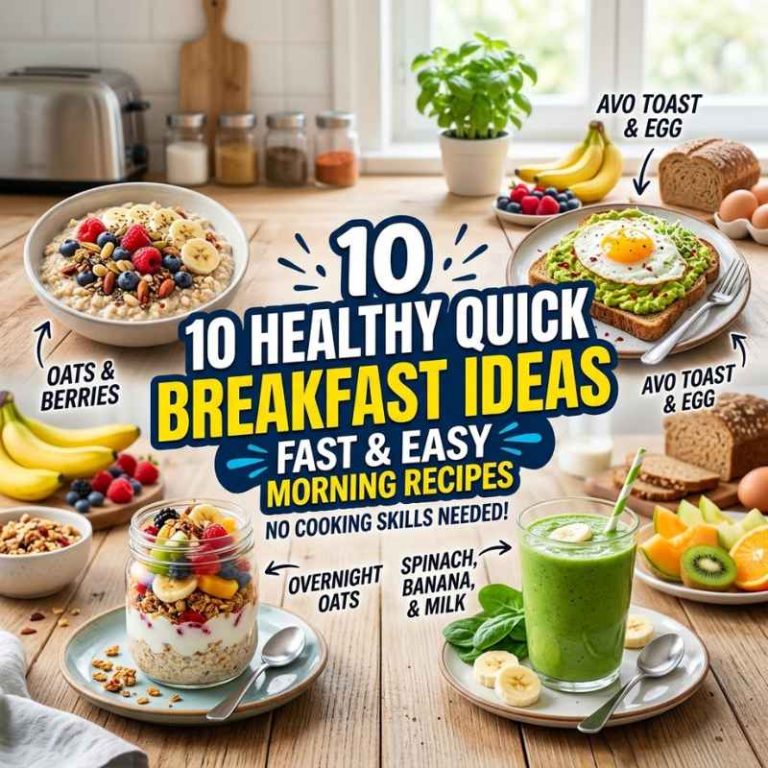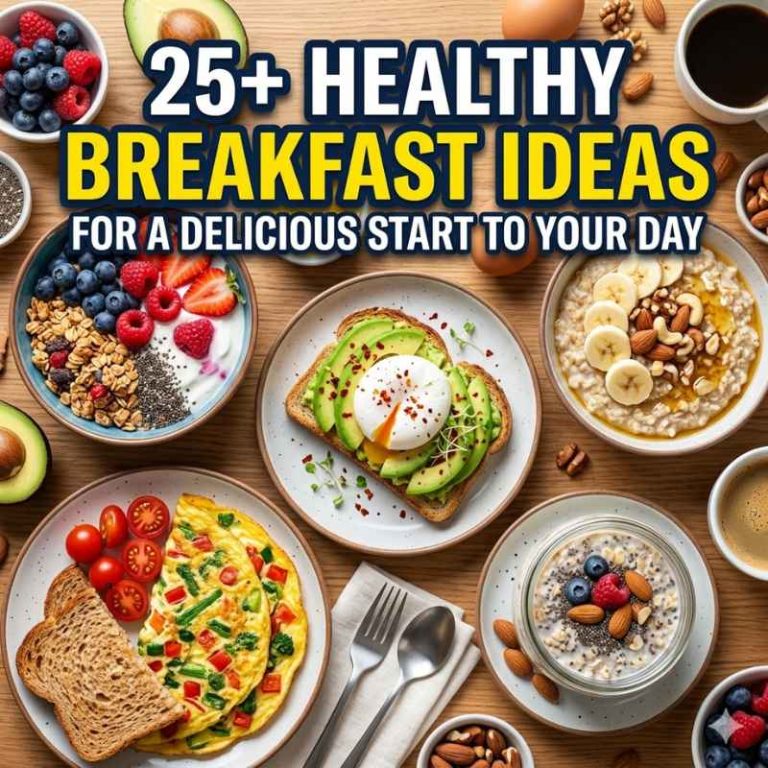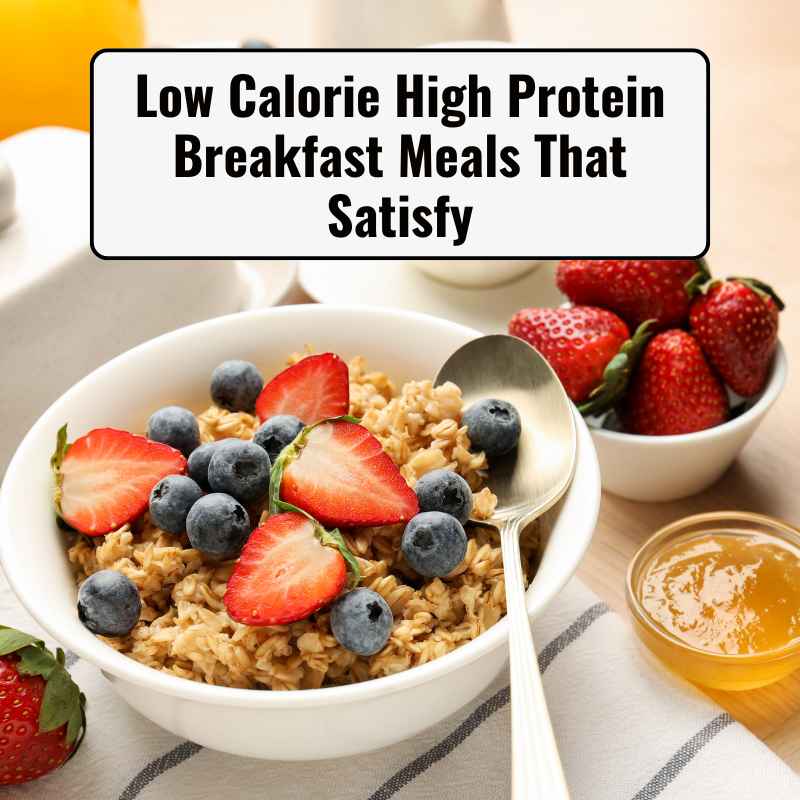
Low Calorie High Protein Breakfast Meals That Satisfy
Many mornings, the thought of breakfast can bring a sigh. You might have tried counting calories or boosting protein before. But perhaps those meals felt bland.
Or maybe they didn’t keep hunger at bay for long. This is a familiar spot for many trying to balance health goals with real life. The good news is that you don’t have to sacrifice flavor for function.
We’re going to explore a world of breakfast ideas. These are meals that are packed with protein. They also come in with fewer calories.
You’ll find ways to make your mornings easier. Plus, you’ll learn why this combination is so powerful. Get ready to find your new favorite way to start the day.
One that feels good, tastes great, and supports your wellness journey.
Understanding what makes a breakfast “satisfying” is key. It’s not just about the number on the scale. It’s about feeling good, having energy, and not being hungry an hour later. Low calorie, high protein options hit this sweet spot by keeping you full longer. This helps prevent mid-morning snack attacks. They also support muscle health.
Let’s dive into the heart of what makes a breakfast truly work for you. It starts with understanding a few simple but powerful concepts. Protein and calories play specific roles.
Knowing these helps you pick the best foods.
Understanding the Power Duo: Protein and Calories
Think of protein as your body’s builder. It helps repair tissues and makes you feel full. When you eat enough protein, you’re less likely to feel hungry soon after eating.
This is a big win for managing calorie intake. Protein also takes more energy to digest. This means your body burns a few extra calories just by processing it.
It’s a natural boost.
Calories, on the other hand, are units of energy. All foods have calories. Foods with fewer calories offer less energy.
For weight management, it’s often about balancing the energy you consume with the energy you use. The goal isn’t to eat zero calories. It’s to choose nutrient-dense foods that provide energy and satisfaction without excess.
Low-calorie, high-protein foods offer this balance.
So, a breakfast that’s low in calories but high in protein is like a double agent. It keeps you feeling full and satisfied. It also provides essential building blocks for your body.
All while keeping your overall calorie count in check. This makes it a smart choice for many people.
Why Protein Boosts Fullness
Satiety Hormones: Protein signals your brain to release hormones that make you feel full. These include GLP-1 and PYY. They tell your stomach to empty slower.
This keeps you satisfied longer.
Reduced Hunger Cues: High protein meals tend to lower ghrelin. Ghrelin is the hormone that makes you feel hungry. So, you actually feel less tempted to eat more.
Thermic Effect of Food (TEF): Your body uses energy to digest food. Protein has a higher TEF than carbs or fats. This means you burn more calories digesting protein.

My Own Breakfast Wake-Up Call
I remember one particular week. I was trying to get back into a healthier routine. My usual breakfast was a couple of pieces of toast with jam.
It was quick, and I liked the taste. But by 10 AM, I was ravenous. I’d reach for sugary snacks or another piece of toast.
My energy levels would spike, then crash. I felt tired and unfocused.
One morning, I felt especially sluggish. I looked at my toast and thought, “There has to be a better way.” I decided to experiment. I made myself scrambled eggs with a side of spinach and a small amount of cheese.
It took maybe five extra minutes. But the difference was astonishing. I felt a gentle energy.
My stomach felt settled. I didn’t even think about food again until lunchtime.
That simple switch opened my eyes. It showed me that breakfast could be more than just fuel. It could be the foundation of a good day.
It taught me that choosing protein-rich options wasn’t a punishment. It was a gift to my future self. It was the moment I started truly valuing what I put in my body first thing.
Egg-cellent Beginnings: Versatile and Protein-Packed
Eggs are a champion of the breakfast world for good reason. They are a complete protein source. This means they contain all the essential amino acids your body needs.
Plus, they are incredibly versatile. You can cook them in so many ways. This helps keep your breakfast routine exciting.
A standard large egg has about 6 grams of protein. It also contains essential vitamins and minerals. And the calorie count is usually around 70-80 calories per egg.
This makes them a fantastic base for a low-calorie, high-protein meal. You can combine them with non-starchy vegetables to add volume and nutrients without many calories.
Think about a simple omelet. You can load it with spinach, mushrooms, peppers, or onions. This adds fiber and flavor.
A little bit of low-fat cheese can boost the protein and taste even more. Or consider hard-boiled eggs. You can make a batch at the start of the week.
They are perfect for a quick grab-and-go breakfast. Just grab two, and you have about 12 grams of protein ready.
Another popular choice is scrambled eggs. They cook up quickly. Adding a splash of milk or a little water can make them fluffier.
You can mix in other ingredients like diced tomatoes or a pinch of herbs. The key is to use cooking sprays or a tiny bit of oil to keep the fat content low.
Egg Cooking Methods for Every Morning
- Scrambled: Quick and easy. Whisk eggs with a splash of water or milk. Cook in a non-stick pan over medium heat.
- Omelet: A bit more involved. Cooked flat and folded over fillings. Great for veggies and cheese.
- Fried: Sunny-side up, over-easy, or over-hard. Use cooking spray for less oil.
- Poached: Cooked in simmering water. A very low-fat method. Requires a bit of practice.
- Boiled: Perfect for meal prep. Make a batch and have them ready all week.
Greek Yogurt Powerhouses: Creamy, Filling, and Easy
Greek yogurt is another superstar for a high-protein, low-calorie breakfast. It’s strained more than regular yogurt. This removes most of the whey.
The result is a thicker, creamier yogurt. It also has a much higher protein content. A typical serving of plain, non-fat Greek yogurt can offer 15-20 grams of protein.
This makes it incredibly filling. It’s also a good source of calcium. The plain version is best to avoid added sugars and excess calories.
You can then add your own healthy toppings to create a delicious meal. This gives you control over the flavor and nutritional profile.
Consider starting with a cup of plain non-fat Greek yogurt. You can then add a handful of berries. Berries are low in calories and packed with antioxidants and fiber.
A small sprinkle of nuts or seeds can add healthy fats and a satisfying crunch. Think about almonds, walnuts, or chia seeds. A little goes a long way for texture and nutrients.
For a little sweetness, a tiny drizzle of honey or maple syrup is fine. But try to use it sparingly. The fruit often provides enough natural sweetness.
You can also add a dash of cinnamon. Cinnamon can help regulate blood sugar. It also adds a warm, pleasant flavor without extra calories.
Building your Greek yogurt parfait can become a morning ritual. It’s quick, requires no cooking, and you can customize it daily. This variety keeps things interesting.
It ensures you don’t get bored with your healthy breakfast choices.
Greek Yogurt Topping Ideas
Fruit Boost: Fresh berries (strawberries, blueberries, raspberries), sliced peaches, chopped apple.
Crunch Factor: A small amount of chopped nuts (almonds, walnuts), seeds (chia, flax, pumpkin), or a sprinkle of low-sugar granola.
Flavor Enhancers: A dash of cinnamon, vanilla extract, or unsweetened cocoa powder.
Sweetness (Use Sparingly): A tiny drizzle of honey or maple syrup, or a few drops of stevia.
Protein Smoothies: Quick, Customizable, and Portable
Smoothies are another fantastic option for a low-calorie, high-protein breakfast. They are incredibly fast to make. You can blend them up in minutes.
This makes them perfect for busy mornings. They are also highly customizable. You can pack in a lot of nutrients and protein.
The base of a good protein smoothie is a liquid and a protein source. For the liquid, unsweetened almond milk, soy milk, or water are excellent low-calorie choices. For the protein, you can use protein powder.
Whey, casein, soy, or plant-based powders are all options. Aim for one with minimal added sugars. A scoop usually adds about 20-30 grams of protein.
You can also add Greek yogurt or cottage cheese to boost the protein content. These add creaminess and more filling power. For fruits and vegetables, think about frozen berries, spinach, or kale.
Spinach has a very mild flavor that you often can’t taste in a smoothie. Frozen fruits make the smoothie thick and cold without ice.
Healthy fats can also be added in small amounts. A tablespoon of almond butter or a quarter of an avocado can add healthy fats. They also contribute to the creamy texture.
Be mindful of portion sizes with these higher-calorie additions. The goal is to keep the overall calorie count reasonable.
Using a good blender is key. It helps break down ingredients smoothly. This ensures you don’t have chunky bits of greens or fruit.
When you’re done blending, pour it into a travel cup. You can then drink it on your commute or at your desk. It’s a complete, portable meal.
Smoothie Building Blocks
Liquid Base: Unsweetened almond milk, soy milk, water, unsweetened coconut water.
Protein Source: Protein powder (whey, plant-based), Greek yogurt, cottage cheese.
Fruits & Veggies: Frozen berries, banana (use half for fewer calories), spinach, kale, mango.
Healthy Fats (Small Amounts): Avocado, almond butter, peanut butter, chia seeds, flax seeds.
Flavor Boosters: Cinnamon, vanilla extract, unsweetened cocoa powder, a hint of ginger.
Oatmeal with a Protein Punch
Oatmeal is a breakfast classic. It’s warm, comforting, and full of fiber. But plain oatmeal can sometimes leave you feeling hungry later.
The trick is to boost its protein content. This transforms it from a simple carb source into a filling, balanced meal.
Start with rolled oats or steel-cut oats. These are better choices than instant oats. They have more fiber and a lower glycemic index.
Cook them with water or unsweetened milk. Then, add your protein boost. You can stir in a scoop of protein powder after cooking.
This mixes in easily.
Alternatively, you can add Greek yogurt or cottage cheese. These will make the oatmeal extra creamy. They also add a significant protein kick.
Nuts and seeds are also great additions. They provide protein and healthy fats. A tablespoon of chopped walnuts or almonds works well.
For sweetness, rely on fruits. Berries are a low-calorie, high-fiber choice. Sliced banana or apple also work.
Cinnamon is another great addition. It adds flavor and can help with blood sugar control. It’s a wonderful way to make your oatmeal feel like a treat.
Making protein-boosted oatmeal is a small change with a big impact. It keeps you full for longer. This can help you avoid unhealthy snacking.
It also provides sustained energy for your morning. It’s a humble food made powerful.
Quick Oatmeal Protein Boosters
Protein Powder: Stir in 1/2 to 1 scoop after cooking.
Greek Yogurt/Cottage Cheese: Add 1/4 to 1/2 cup for creaminess and protein.
Nuts and Seeds: A tablespoon of almonds, walnuts, chia seeds, or flax seeds.
Nut Butters: 1-2 tablespoons of peanut or almond butter (watch portion size).
Egg Whites: Whisk in a couple of egg whites while cooking for added protein and fluffiness.
Cottage Cheese: The Underrated Protein Champion
Cottage cheese often gets overlooked. But it’s a powerhouse of protein. A cup of low-fat cottage cheese can contain around 25 grams of protein.
It’s also relatively low in calories. This makes it an excellent choice for a satisfying breakfast.
The texture is unique. Some people love its creamy, lumpy nature. Others might find it a bit plain.
But its nutritional benefits are undeniable. It’s a complete protein. It also contains calcium and other important nutrients.
You can eat cottage cheese plain. Or you can make it more exciting with toppings. For a sweet breakfast, try adding berries.
A sprinkle of cinnamon or a few nuts can also be nice. This approach turns cottage cheese into a sweet parfait. It feels like a dessert but is packed with protein.
For a savory twist, you can add chopped chives, black pepper, or a small amount of salsa. Some people even add a slice of whole-wheat toast on the side. This provides some fiber and makes it a more substantial meal.
Experimenting with toppings is key to enjoying cottage cheese.
It’s also incredibly convenient. You can buy single-serving cups. This makes portion control easy.
You can eat it straight from the container. It requires absolutely no cooking. This makes it a lifesaver on truly hectic mornings.
Don’t underestimate this humble dairy product!
Cottage Cheese Flavor Combinations
Sweet & Fruity: Cottage cheese + mixed berries + a dash of cinnamon.
Savory & Zesty: Cottage cheese + chopped chives + black pepper + a spoonful of salsa.
Nutty & Crunchy: Cottage cheese + a small handful of almonds + a drizzle of honey.
Tropical Delight: Cottage cheese + diced mango + a sprinkle of coconut flakes.
Veggie Power: Cottage cheese + chopped cucumber + dill + a pinch of salt.
Beyond the Basics: Other Smart Breakfast Choices
While eggs, yogurt, and cottage cheese are fantastic, there are other smart ways to get protein at breakfast. These options might require a little more planning or a different approach.
Consider lean protein sources like turkey or chicken breast. You can have pre-cooked lean turkey sausage patties. These can be reheated quickly.
Pair them with some sliced tomatoes or a side of fruit. This offers a savory, protein-rich start.
Tofu scrambles are a great vegan alternative to eggs. Tofu is a good source of protein. You can season it with turmeric for color and black salt (kala namak) for an eggy flavor.
Add your favorite vegetables for a complete meal. This takes a bit more prep but is very satisfying.
Smoked salmon on a small piece of whole-wheat toast can also be a good option. Salmon is rich in protein and omega-3 fatty acids. Be mindful of portion sizes and added sodium.
A light cream cheese or avocado spread can add healthy fats.
Don’t forget about lentils. Lentil-based dishes can be surprisingly good for breakfast. Think of a savory lentil porridge or a small lentil patty.
These are packed with protein and fiber. They are a less common choice but very nutritious.
The key with these less common options is to think creatively. What savory or protein-rich foods do you enjoy? Can they be adapted for a morning meal?
Often, the answer is yes. It just takes a little thought.
Quick Protein Breakfast Ideas for Busy Days
Pre-cooked Lean Sausage Patties: Microwave and pair with fruit.
Hard-Boiled Eggs: Grab 2-3 for a quick protein fix.
Protein Bar (Choose Wisely): Look for bars low in sugar and high in protein. Check labels carefully.
Edamame: Steamed edamame pods are a fun and protein-rich snack.
Leftovers: A small portion of lean chicken or fish from dinner can be a surprisingly good breakfast.
What This Means for Your Morning Routine
Incorporating low-calorie, high-protein breakfasts can change your mornings. You might notice you feel more energized. You could find yourself less tempted by unhealthy snacks.
Your focus might improve throughout the day. It’s about building a sustainable habit.
When is it normal to feel satisfied after a high-protein breakfast? Generally, if you feel comfortably full for 2-3 hours, it’s a good sign. If you’re still hungry within an hour, you might need to adjust your portion sizes or protein sources.
Or perhaps you need to add more fiber.
When should you worry? If you consistently feel stuffed, bloated, or uncomfortable after breakfast, that’s not ideal. It could mean you’re eating too much protein, or your meal isn’t balanced.
Listen to your body. If you have underlying health conditions, like kidney issues, discuss your protein intake with a doctor. They can offer personalized advice.
Simple checks involve paying attention to your hunger cues. Do you feel sustained energy? Are you reaching for fewer sugary treats between meals?
These are good indicators that your breakfast is working for you. It’s about finding what feels right for your body.
Tips for Making it Stick
Changing morning habits can be tough. Here are some tips to help you make low-calorie, high-protein breakfasts a regular part of your life.
1. Plan Ahead: Spend a few minutes on the weekend thinking about your breakfasts for the week. Write down what you’ll eat.
This reduces morning decision fatigue.
2. Prep Ingredients: Wash berries, chop veggies for omelets, or hard-boil eggs. Having ingredients ready saves time during the week.
3. Stock Your Pantry: Keep staples like Greek yogurt, eggs, protein powder, oats, and frozen fruit on hand. This ensures you always have options.
4. Start Small: Don’t try to overhaul your entire breakfast routine overnight. Start with one or two new high-protein breakfasts per week.
Build from there.
5. Make it Delicious: Flavor is crucial! Use herbs, spices, and fruits to make your meals enjoyable.
If it tastes good, you’ll want to eat it again.
6. Be Flexible: Some days will be harder than others. If you have a less-than-ideal breakfast, don’t beat yourself up.
Just get back on track with your next meal.
Quick Morning Prep Hacks
Overnight Oats: Mix oats, liquid, and protein powder in a jar. Refrigerate overnight. Grab and go in the morning.
Egg Muffins: Bake eggs, veggies, and cheese in muffin tins. Reheat easily.
Smoothie Packs: Portion fruits, veggies, and protein powder into bags. Freeze. Just add liquid and blend.
Yogurt Parfait Layers: Prepare layers in advance in small containers.
Frequently Asked Questions
Are low-calorie, high-protein breakfasts always healthy?
Not necessarily. While they offer great benefits, it’s important to choose whole, unprocessed foods. Some pre-made protein bars or sugary yogurts can still be high in sugar and low in nutrients.
Always check labels. Focus on lean proteins, fruits, vegetables, and healthy fats in moderation.
Can I eat the same high-protein breakfast every day?
You can, if you enjoy it and it works for you! However, variety is often recommended. Eating different foods ensures you get a wider range of vitamins and minerals.
It also helps prevent taste fatigue. Rotating through a few different high-protein options is a good strategy.
What if I don’t like eggs or yogurt?
There are plenty of other options! Consider protein smoothies with plant-based protein powder, cottage cheese, tofu scrambles, or lean meats like turkey sausage. Even adding protein powder to oatmeal or a small serving of fish can work.
The goal is to find protein sources you genuinely enjoy.
How much protein do I really need at breakfast?
The amount varies depending on your individual needs, activity level, and overall diet. However, aiming for at least 15-20 grams of protein at breakfast is a good target for most people. This amount has been shown to increase fullness and support metabolism.
Some may benefit from even more.
Can I have coffee or tea with my high-protein breakfast?
Yes, you absolutely can! Black coffee and plain tea are virtually calorie-free. They can be a great way to start your day.
Be mindful of adding cream, sugar, or flavored syrups, as these can add significant calories and sugar. Opt for unsweetened alternatives if you need a little sweetness.
Will eating high protein make me gain weight?
Protein is a nutrient that helps with satiety, which can actually aid in weight management. It also helps preserve muscle mass, especially when combined with exercise. Weight gain typically occurs when you consistently consume more calories than your body burns.
High-protein meals can help prevent overeating by keeping you full.
Ending Your Morning Right
Finding satisfying, low-calorie, high-protein breakfasts is a journey. It’s about making smart choices that fuel your body well. You have the tools and ideas to make your mornings more energized.
Remember, consistency is key. Start small, experiment, and find what truly works for you. Your body will thank you for it.